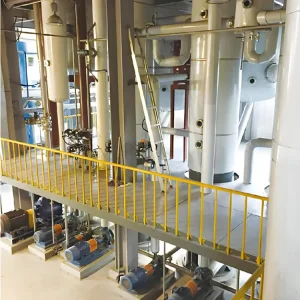
In modern industrial manufacturing, the demand for energy-efficient, robust, and highly reliable separation technologies has escalated to an unprecedented scale. Process industries such as grain wet milling, corn starch refining, bio-ethanol production (including Distillers Dried Grains with Solubles - DDGS), petrochemical refining, pharmaceutical synthesis, and wastewater recovery require specialized machinery to manage thermal separation, evaporation, and drying. As the world shifts toward sustainable energy frameworks and strict environmental standards, process plant designers must leverage technologies that provide maximum heat recovery and low operational expenditure.
At the core of these operations lies the evaporator, a specialized heat exchanger designed to concentrate solutions by boiling off solvents (typically water) under controlled pressure states. In applications involving heat-sensitive materials, such as amino acids, organic syrups, starch, and pharmaceutical elements, the thermal design must prevent denaturation or product degradation. This requires short residence times, optimized film flow, and highly controlled operating pressures. Jiangsu Zongheng Concentrating and Drying Equipment Co., Ltd. has established itself as an engineering pioneer, developing systems that balance thermodynamic performance with mechanical longevity.
"For industrial thermal processes, optimization is not merely about temperature control—it is about managing the enthalpy of phase change. By recapturing latent heat, modern plants can realize energy savings exceeding 75% compared to traditional configurations."
The global market for industrial evaporation and drying is undergoing a substantial paradigm shift, driven by three major forces: carbon neutrality mandates, cost pressures from fossil fuels, and rigorous regulations surrounding Zero Liquid Discharge (ZLD) systems. Across Europe, North America, and parts of Asia, processing plants are upgrading from traditional multi-effect steam evaporators to advanced Mechanical Vapor Recompression (MVR) systems. MVR technology compresses the generated vapor using a centrifugal compressor or blower, elevating its thermal state and reusing it as the heating medium, substantially reducing the need for live boiler steam.
In the wet milling and agricultural processing sectors, global supply chains depend heavily on continuous-flow systems that can handle large volumes. For instance, in corn wet milling, raw corn is refined into starch, germ, fiber, and gluten. Each output stream requires distinct dewatering, concentration, and drying stages. Modern processing plants demand equipment that complies with international standards, such as the European Pressure Equipment Directive (PED 2014/68/EU) and the American Society of Mechanical Engineers (ASME) Boiler and Pressure Vessel Code. This global demand highlights the importance of partnering with certified suppliers who possess the necessary engineering credentials to design, construct, and validate heavy industrial vessels.
Developing reliable industrial concentration and drying platforms requires deep expertise in fluid dynamics, thermodynamics, and metallurgy. Below, we analyze the core machinery designed by Jiangsu Zongheng to meet modern industrial requirements:
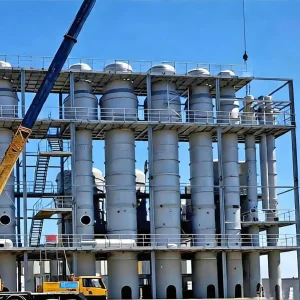
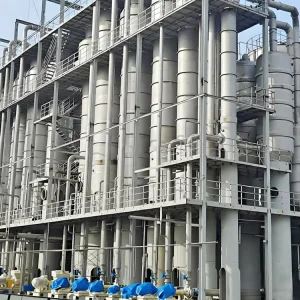
Falling Film Evaporators: These plants are engineered specifically for heat-sensitive liquids with low-to-medium viscosities. The feed liquid enters the top of the evaporator and is distributed evenly across the inside walls of vertical heating tubes via a specialized distribution plate. As the liquid flows downward under gravity, it forms a thin film. Boiling occurs, and the vapor phase separates from the liquid phase. This thin-film action ensures an exceptionally short residence time, preventing thermal damage while maintaining high heat transfer coefficients.
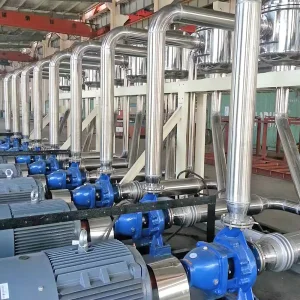
Forced Circulation Evaporators: For liquids that are prone to fouling, crystallization, or high viscosities, forced circulation systems are preferred. High-capacity recirculating pumps drive the liquid through the heat exchanger tubes at high velocities, preventing crystallization on the tube walls. Evaporation occurs only when the liquid flashes inside the separator vessel, protecting the heat exchanger from fouling and scale buildup.
MVR (Mechanical Vapor Recompression) Evaporators: This represents the pinnacle of energy conservation. By utilizing mechanical energy (compressors or blowers) to recompress waste vapors, the system recycles the latent heat of vaporization. This results in low steam consumption, reduced operating costs, and a significantly smaller carbon footprint.
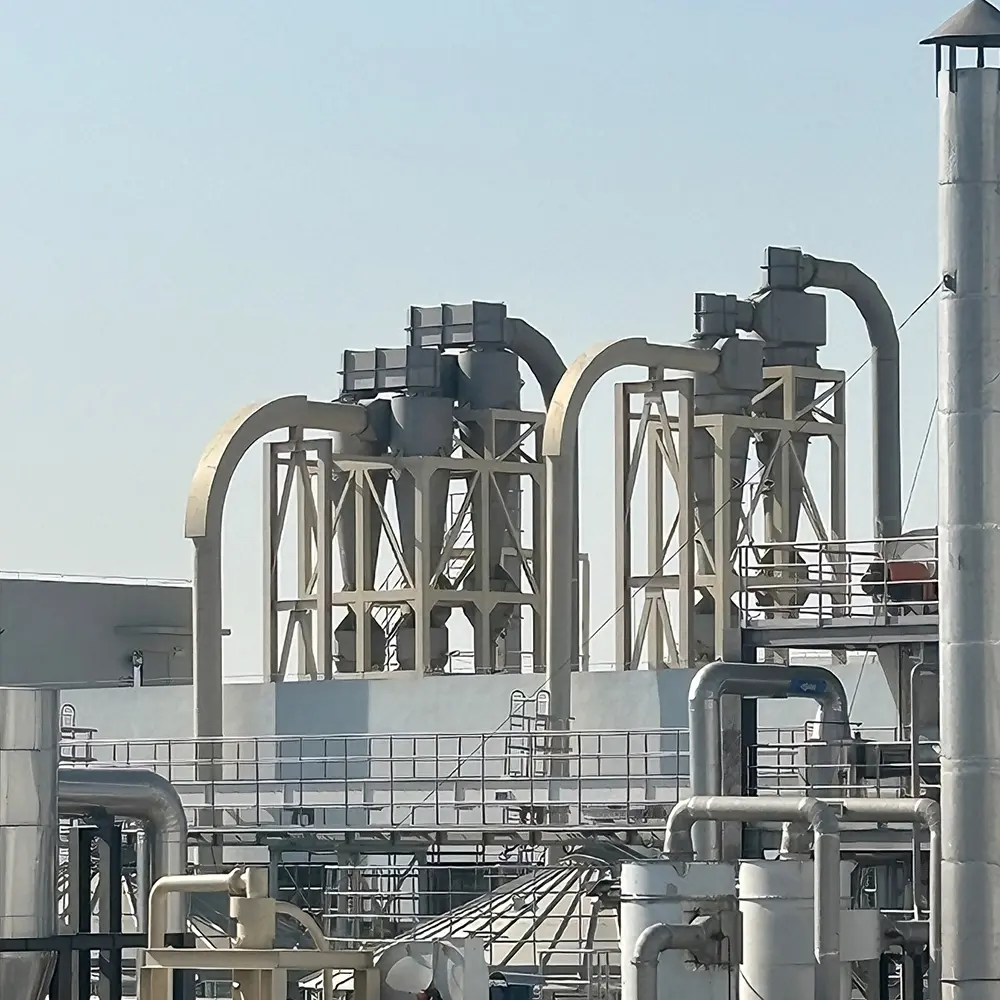
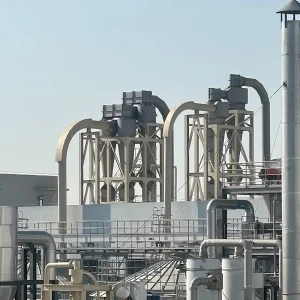
Jiangsu Zongheng's MQG Airflow Dryer employs high-speed hot air to suspend and fluidize materials. By utilizing impulse airflow generated from precisely varied tube diameters, it continuously tumbles the particles while conveying them, ensuring rapid and uniform drying throughout the system.
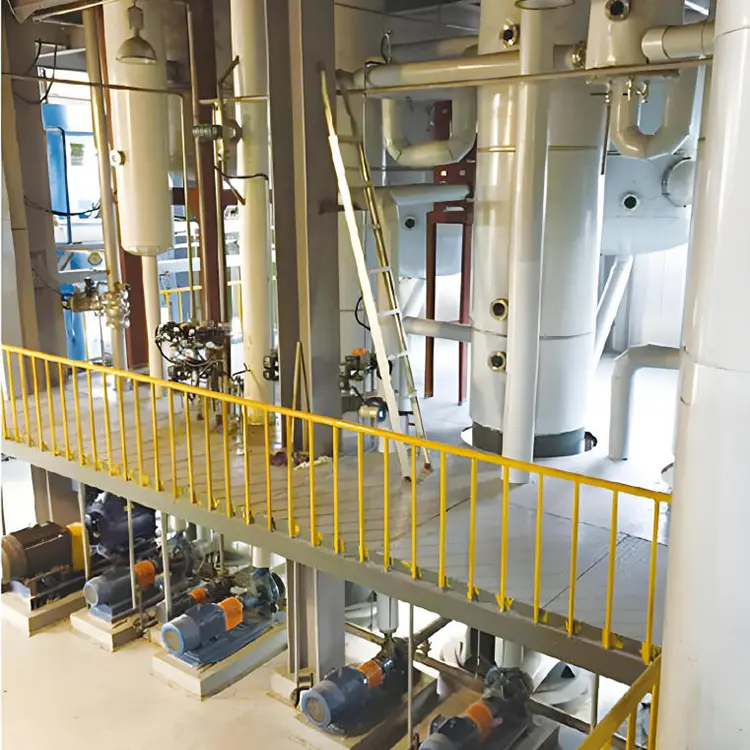
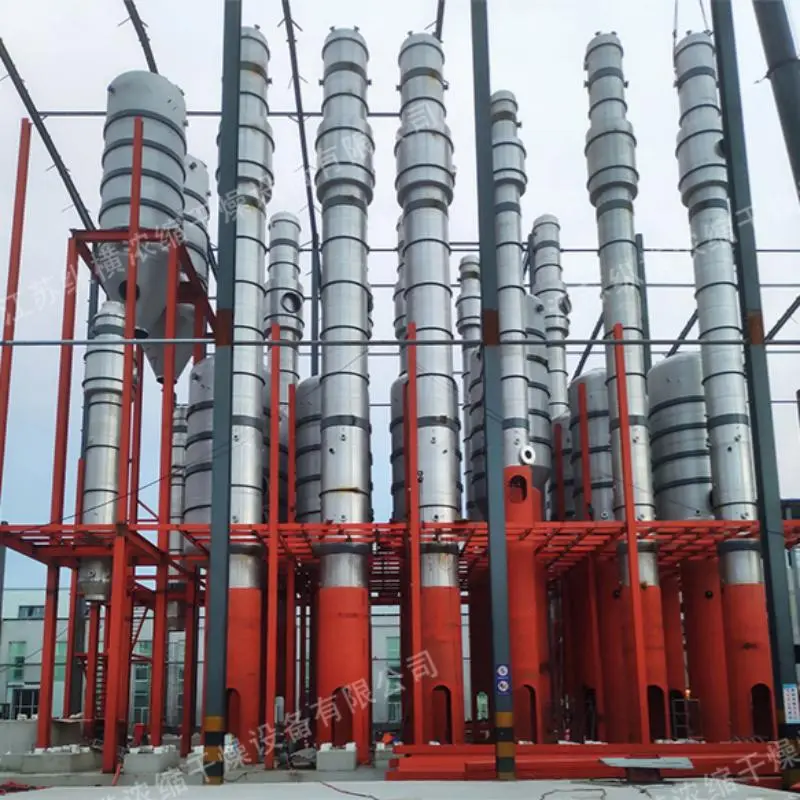
Engineered to concentrate heat-sensitive liquids, our falling film evaporators feature low operating temperatures and short residence times. This design preserves product quality, requiring precise liquid distribution and complete tube wetting to prevent fouling and sustain thermal efficiency.
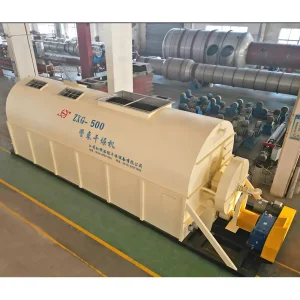
The ZXG Tube Bundle Dryer is an indirect steam-heated drying solution. Inside the stationary outer shell, a bundle of steam tubes rotates slowly. Wet material enters the dryer and is lifted and turned by shovels mounted on the rotating tube bundle. Heat transfer occurs through direct contact with the outer surface of the steam-heated tubes. This indirect drying process operates under low-oxygen conditions, minimizing the risk of fire or dust explosion. It is highly efficient, has low exhaust air volumes, and is ideal for processing corn gluten meal, fiber, starch, germ, and chemical products.
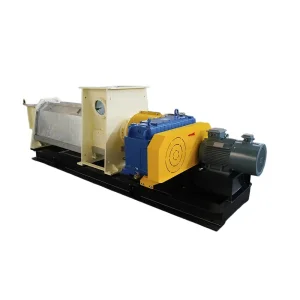
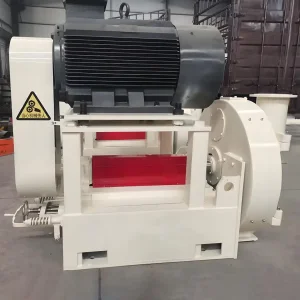
Before thermal drying, mechanical dewatering is essential to minimize energy costs. The Jiangsu Zongheng Single Screw Press is designed for continuous, high-efficiency dewatering of solid-containing slurries, such as corn fiber, germ, and spent grains. The material is compressed as it travels along a screw shaft with varying pitch and diameter, expelling water through the surrounding screen basket. This mechanical dewatering reduces the thermal load on downstream dryers, leading to significant fuel and energy savings.
For starch refining, the YDX Starch Washing Cyclone and Degerming Mills provide precision germ removal and separation. The degerming mill cracks the soaked maize kernels without damaging the germ, allowing for clean separation. The multi-stage starch washing cyclone system then uses centrifugal force to separate starch from gluten, fiber, and solubles, delivering high-purity starch slurry to the concentration and drying stages.
Trustworthiness and technical competence are built on experience, certification, and continuous improvement. Founded in 1992, Jiangsu Zongheng Concentrating and Drying Equipment Co., Ltd. (formerly Yixing Yangxi Light Industry Machinery Factory) is located in Zhoutie Town, Yixing City, on the shores of Taihu Lake. Over the past three decades, the company has expanded to cover 54,000 square meters, including 22,000 square meters of modern production workshops.
As an active member of the China Starch and Alcohol Association, Jiangsu Zongheng has invested in quality management systems and international manufacturing certifications. With a team of senior engineers and technical specialists, the company provides customized system engineering, from initial thermal design to final site commissioning.
Established as Yixing Yangxi Light Industrial Machinery Factory, covering 15 mu with 45 employees.
Implemented international quality standards, securing ISO9001 certification to establish a robust quality assurance framework.
Recognized as a Jiangsu Provincial High-Tech Enterprise, highlighting the company's commitment to industrial innovation.
Obtained the Special Equipment Manufacturing License of the People's Republic of China (License No.: TS2232C42) for low and medium-pressure vessels.
Acquired ASME "U" Stamp authorization, marking entry into high-end international markets and compliance with global pressure vessel codes.
Achieved further international quality system certification (Certificate No.: 45021), aligning manufacturing workflows with global standards.
Grew to 54,000+ sqm total area, with 22,000+ sqm of workshop space and a staff of 120, including senior engineers and dedicated engineering professionals.
Industrial evaporation and drying equipment must be tailored to the specific processing demands of each application. Below are key application scenarios where Jiangsu Zongheng systems are utilized:
In corn, potato, or cassava starch plants, concentration is critical for glucose, maltose, and fructose syrups. Multi-effect falling film evaporators concentrate these sweet liquids to the required brix levels. Additionally, starch washing cyclones ensure the starch slurry is refined to high purity before drying, while the dewatering screw press and airflow dryers prepare the final dry product.
In fuel ethanol plants, the thin stillage separated from the fermentation mash contains valuable proteins and soluble solids. Multi-effect evaporators or MVR units concentrate this thin stillage into a syrup, which is then blended with wet cake and dried in a rotating tube bundle dryer. This processes the material into high-quality DDGS, an essential ingredient in animal feed formulations.
For chemical, pharmaceutical, and petrochemical processes, wastewater treatment often requires Zero Liquid Discharge (ZLD). Combining MVR falling film evaporators with forced circulation crystallizers allows plants to concentrate salty wastewaters, recover pure distillate for reuse, and crystallize salts for disposal or recovery. This protects local water resources and complies with environmental discharge regulations.
The future of thermal process design focuses on smart automation and maximizing thermal efficiency. Jiangsu Zongheng is actively developing and integrating advanced control systems to optimize operation:
We welcome partners from all industries to collaborate with us. Contact our engineering team for customized separation, concentration, and drying solutions.
Connect with our specialists to review technical specifications, pressure vessel certifications, and system options.
 Zongheng
 Jun 18, 2026