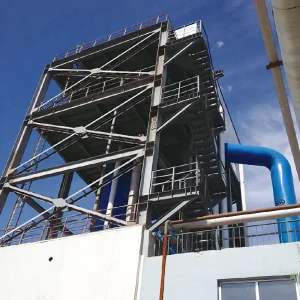
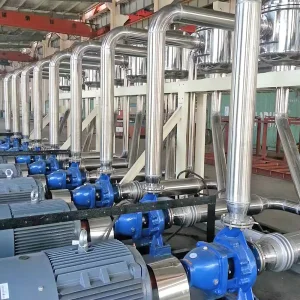
Engineered for High-Performance Industrial Concentration

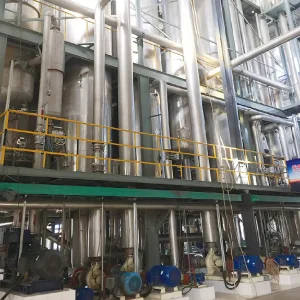
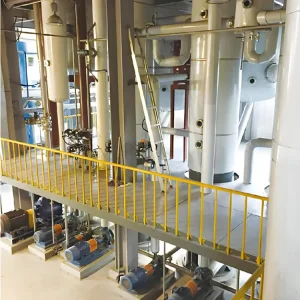
Navigating Capital Expenditure, Energy Efficiency, and Sustainable Operations
In the modern industrial landscape, thermal concentration and evaporation processes represent critical operational pillars across the chemical, pharmaceutical, food and beverage, agricultural, and wastewater treatment sectors. As global regulatory frameworks tighten regarding carbon emissions and Zero Liquid Discharge (ZLD) mandates, the procurement of industrial evaporators has shifted from a simple capital expenditure (CAPEX) decision to a complex strategic investment focused on lifecycle operating costs (OPEX) and environmental compliance.
Information Gain Insight: Modern procurement teams do not just buy evaporators; they acquire thermal efficiency. A system's true cost is determined over a 20-year operational window where utility consumption (steam, electricity, cooling water) represents up to 85% of the Total Cost of Ownership (TCO).
To address these procurement challenges, Jiangsu Zongheng Concentrating and Drying Equipment Co., Ltd. designs integrated macro solutions that combine thermal concentration with upstream dewatering and downstream drying. By matching our Falling Film Evaporators or Forced Circulation Evaporators with high-efficiency Single Screw Presses and Tube Bundle Dryers, we deliver closed-loop processing systems that minimize thermal waste, recover valuable by-products, and achieve ZLD targets seamlessly.
A Detailed Engineering Analysis of Industrial Evaporation Systems
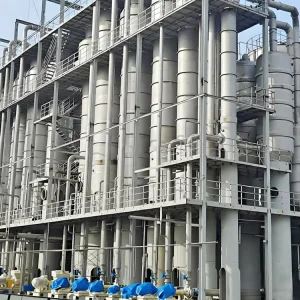
Specifically engineered for heat-sensitive, low-viscosity liquids. The feed liquid is introduced at the top of the heating tubes, distributed evenly, and flows downward as a thin film along the inner tube walls. Evaporation occurs rapidly due to the high heat transfer coefficient, ensuring extremely short residence times. This prevents thermal degradation of delicate products like starches, proteins, and pharmaceutical compounds.
Designed to handle high-viscosity fluids, highly concentrated slurries, and liquids prone to severe fouling or crystallization. A high-capacity axial flow pump circulates the liquid through the heat exchanger at high velocity. Boiling is prevented inside the tubes by maintaining a hydrostatic head. Vaporization occurs only when the liquid enters the flash separator, mitigating scaling on the heat transfer surfaces.
The pinnacle of modern energy-efficient evaporation. Instead of discarding the secondary vapor generated during concentration, an MVR system uses a mechanical compressor (centrifugal fan or turbo compressor) to increase the pressure, temperature, and enthalpy of the vapor. This recompressed vapor is then returned to the heating side of the evaporator as the heating medium, drastically reducing external steam requirements.
As we look toward the horizon of industrial manufacturing, the technical roadmap for evaporation technology centers on three key pillars: Digitalization & AI Integration, Advanced Surface Modification, and Hybrid Thermal Systems.
At Jiangsu Zongheng, we are actively developing smart monitoring systems that utilize machine learning algorithms to predict fouling rates based on real-time temperature differentials and flow fluctuations. By integrating these predictive diagnostics, plant operators can schedule Clean-in-Place (CIP) cycles precisely when needed, minimizing downtime and chemical usage. Furthermore, our research into nano-scale hydrophobic tube coatings aims to reduce surface adhesion, allowing forced circulation systems to process even higher solids concentrations without scaling.
Decades of Proven Expertise in Thermal Engineering
A Journey of Innovation, Quality, and Global Expansion
Established as Yixing Yangxi Light Industry Machinery Factory in Zhoutie Town, Yixing City. The company initially covered 15 mu of land with 45 dedicated employees, focusing on basic light industry machinery fabrication.
Took the lead in obtaining the ISO9001 international quality management system certification, establishing standardized quality control workflows across all design and production phases.
Officially recognized as a Jiangsu Provincial High-Tech Enterprise, reflecting our continuous investment in thermal technology research and development.
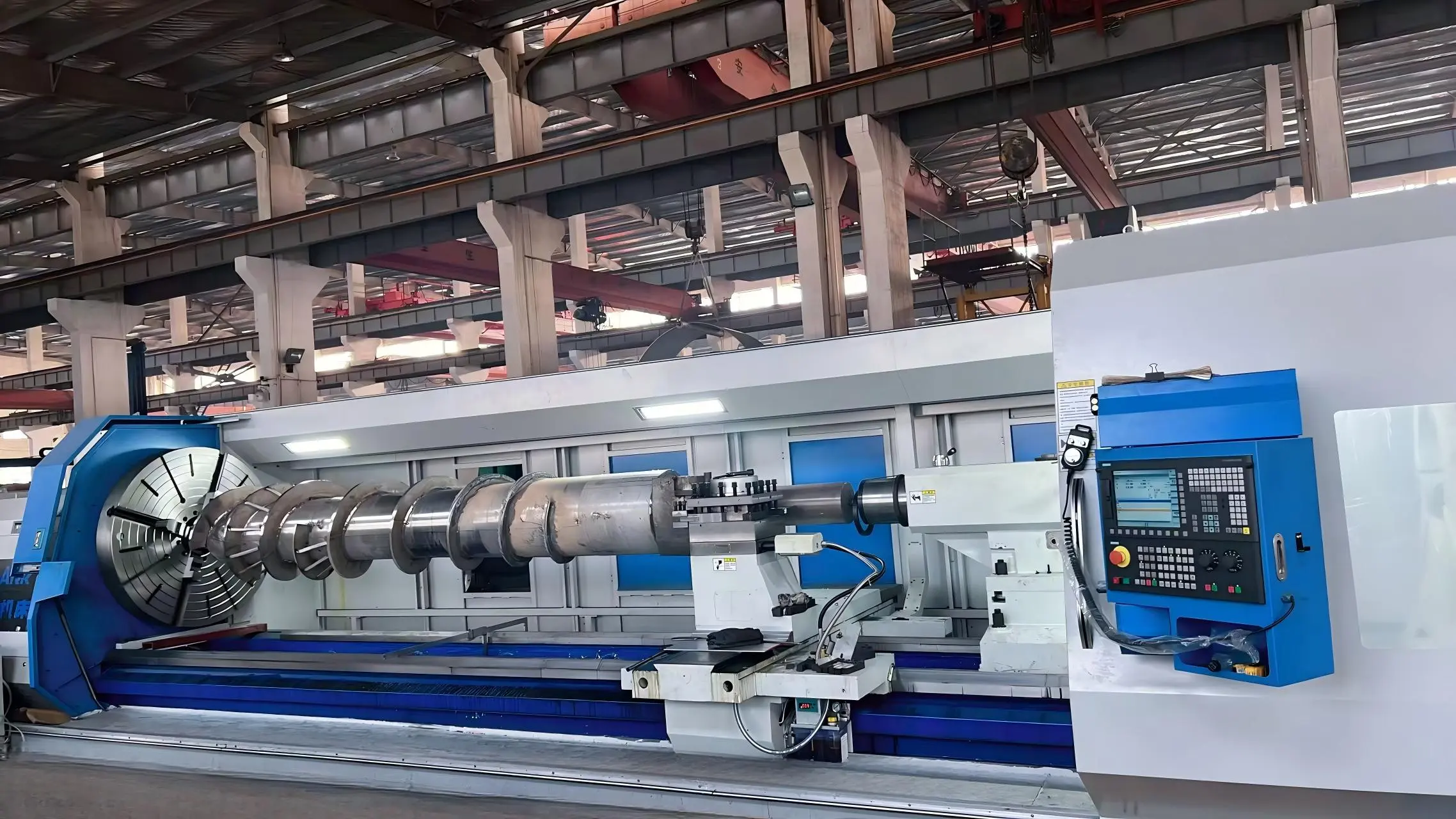
Obtained the Special Equipment Manufacturing License of the People's Republic of China (License No.: TS2232C42), authorizing the fabrication of Category III medium and low-pressure vessels.
Acquired the prestigious ASME "U" Stamp authorization, marking a major milestone that enabled the company to export custom pressure vessels and evaporators to the global market.
Secured international quality system certification (Certificate No.: 45021), establishing a comprehensive quality assurance framework aligned with global standards.
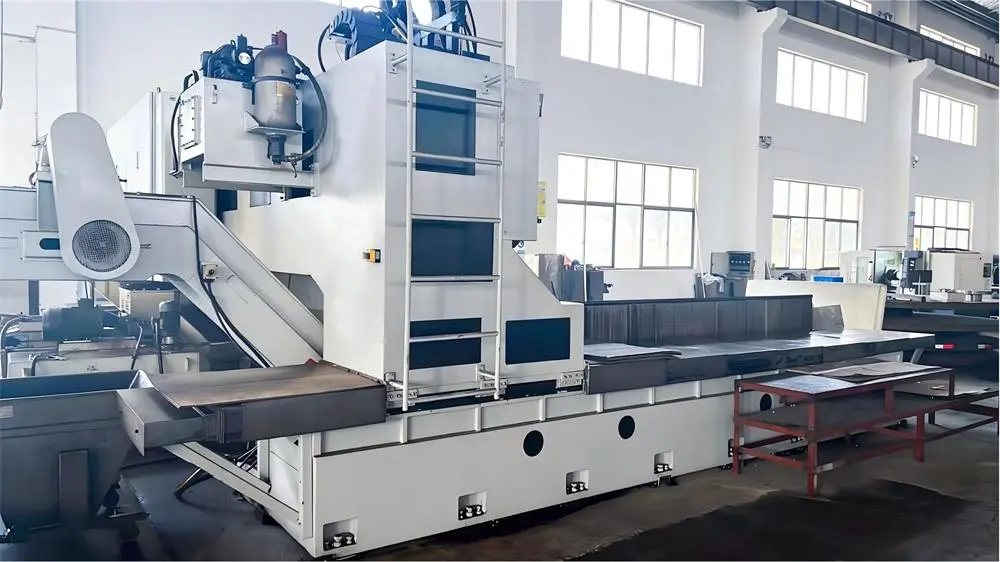
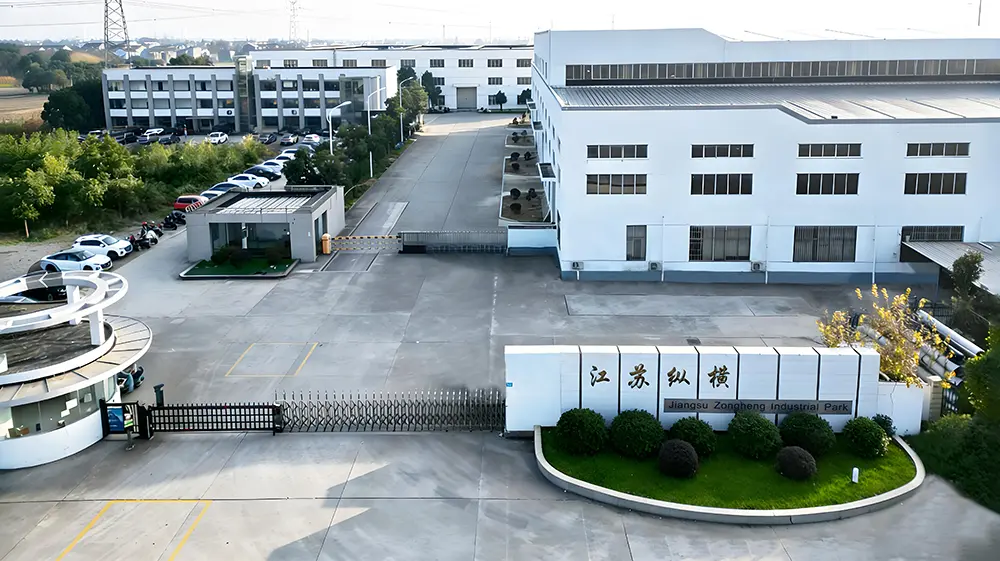
Today, the company spans over 54,000 square meters with a production workshop area exceeding 22,000 square meters. Employing over 120 staff, including 3 senior engineers and 20+ engineers, we serve as a key member of the China Starch and Alcohol Association.
A Trusted Partner in Concentration, Drying, and Pressure Vessel Engineering
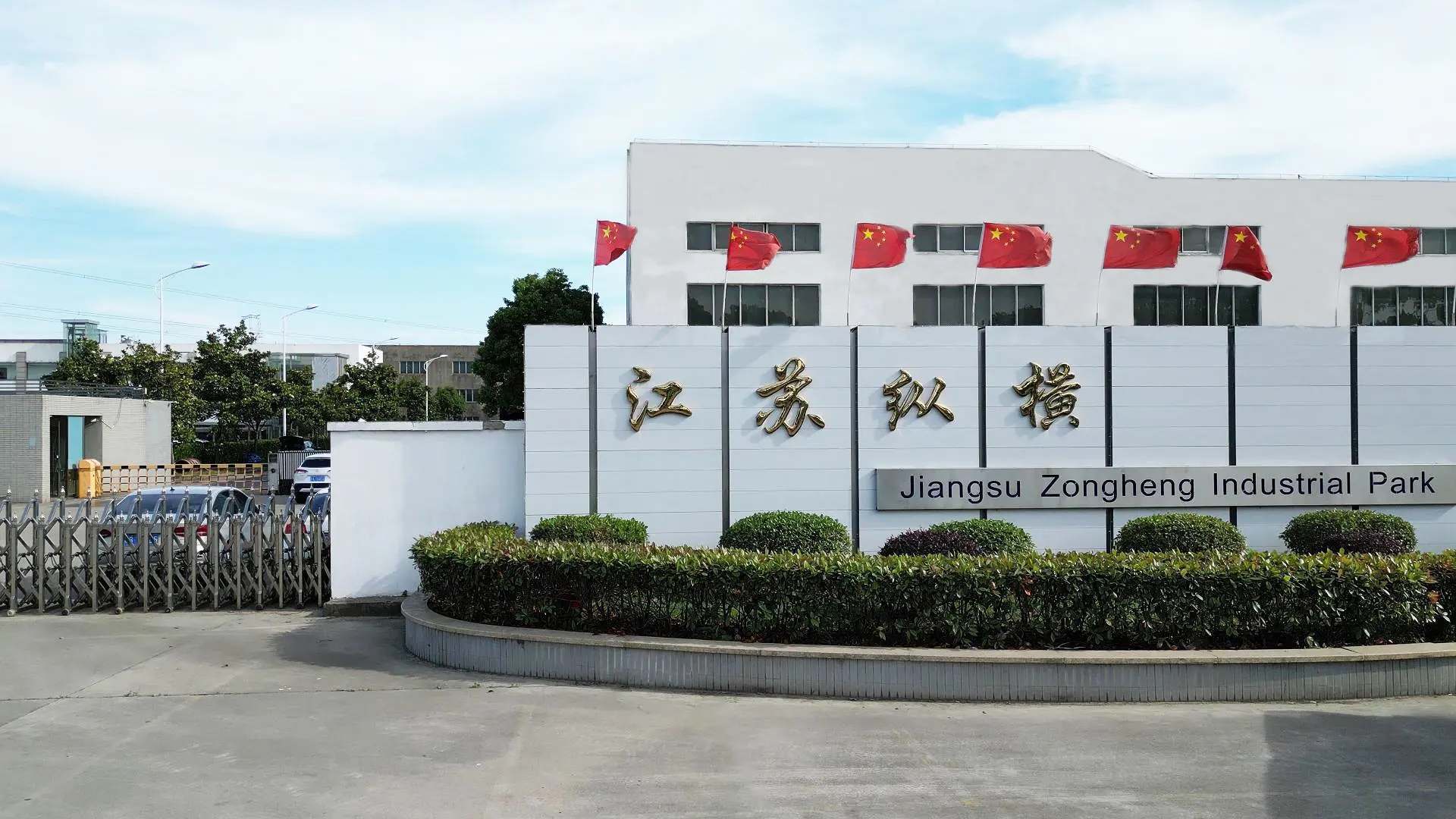
Jiangsu Zongheng Concentrating and Drying Equipment Co., Ltd. (formerly Yixing Yangxi Light Industry Machinery Factory), founded in 1992, is located in Zhoutie Town, Yixing City, on the shores of the scenic Taihu Lake. Over the past three decades, we have evolved into a modern high-tech enterprise specializing in the design, manufacturing, installation, and commissioning of concentration, drying, starch processing, alcohol DDGS, and Category III medium & low-pressure vessel equipment.
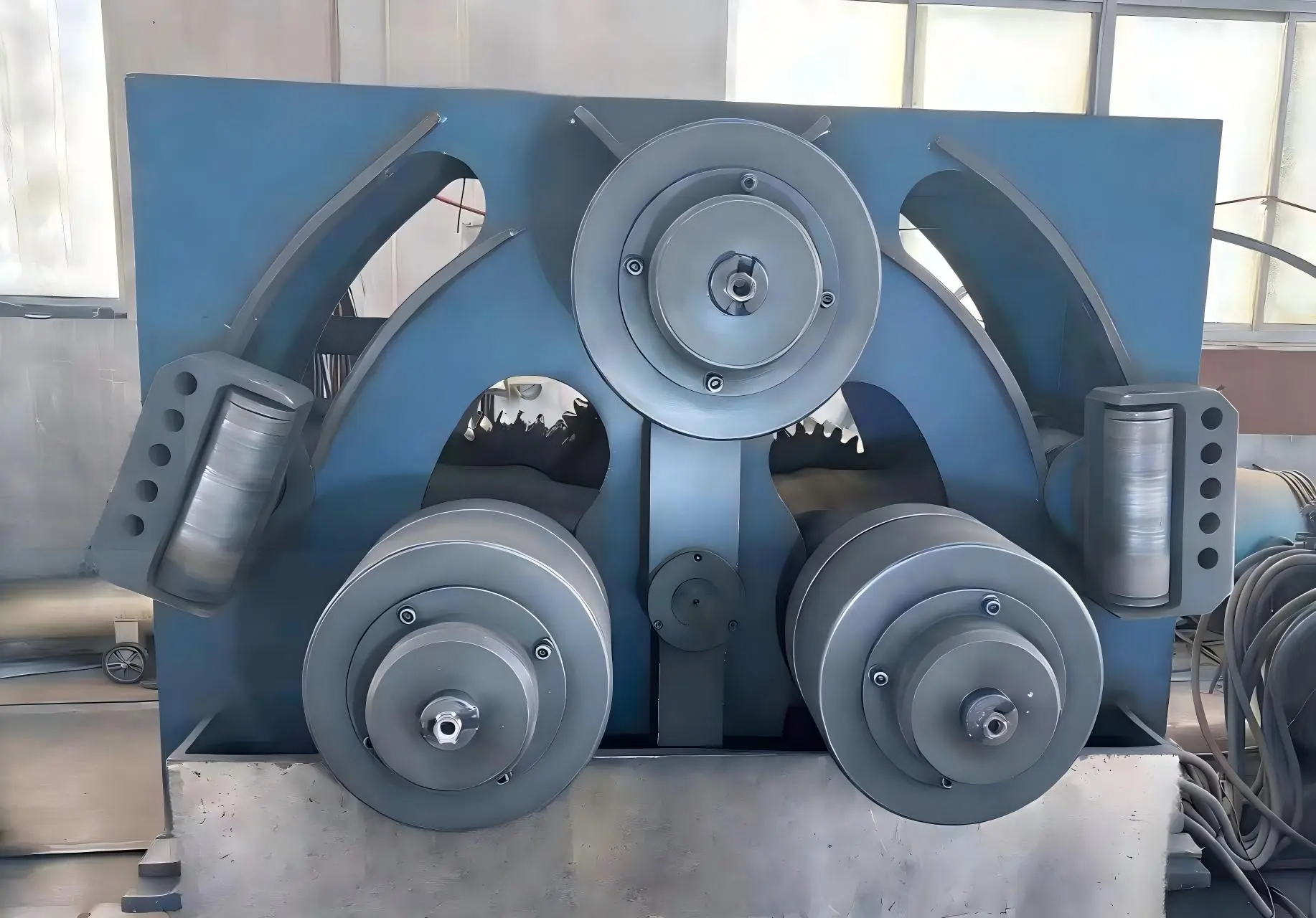
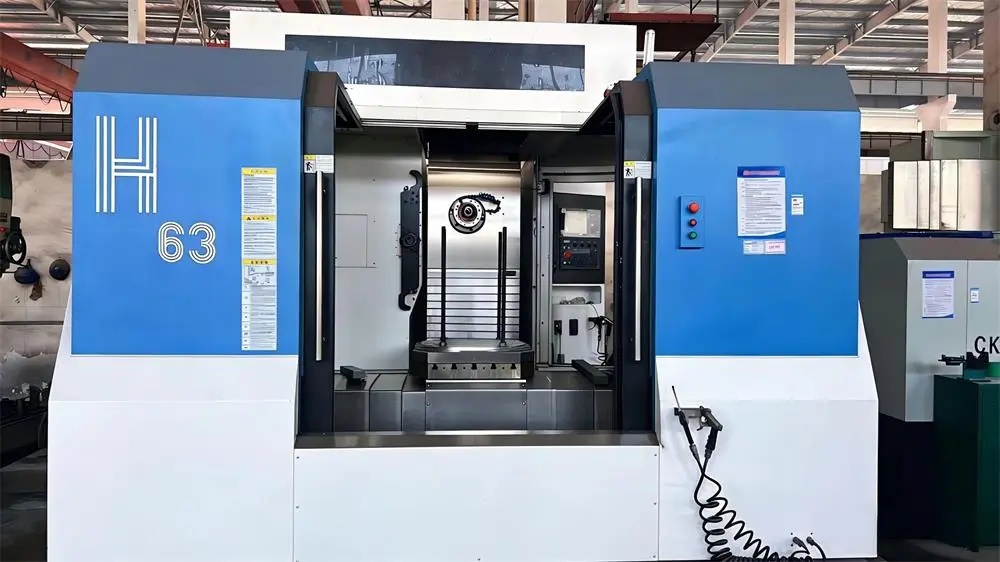
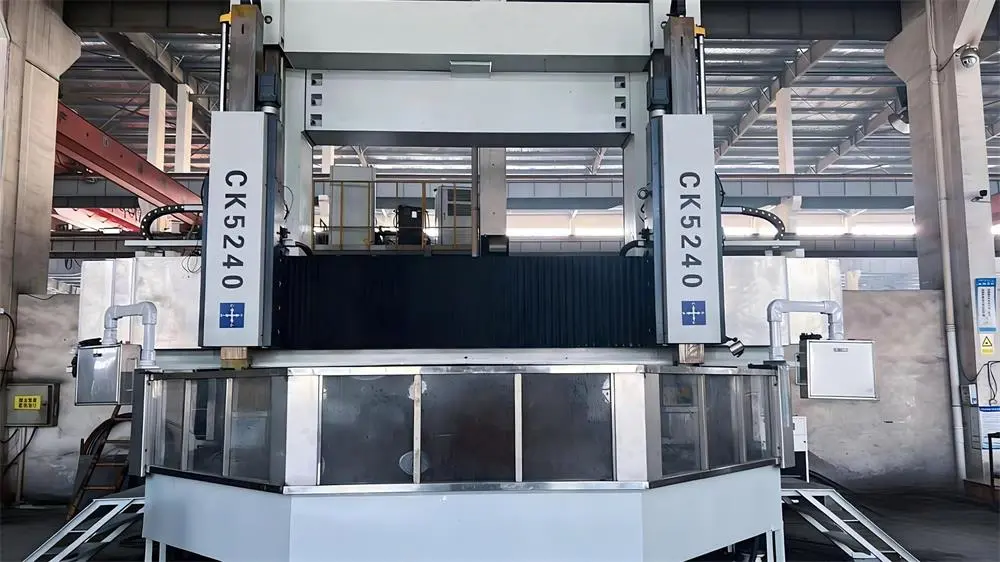
As an active member of the China Starch and Alcohol Association, our engineered systems are widely utilized in food fermentation, bio-alcohol, chemical synthesis, pharmaceutical extraction, environmental protection, and petrochemical processing. Our state-of-the-art manufacturing facility is equipped with advanced plasma cutting, automatic welding, non-destructive testing (NDT), and thermal treatment equipment, ensuring that every evaporator and pressure vessel leaving our factory meets the highest standards of safety and structural integrity.
E-E-A-T Authority Note: Our engineering team possesses deep expertise in thermodynamic modeling, fluid dynamics, and stress analysis. By utilizing advanced software such as PV Elite and ANSYS, we simulate real-world operating pressures, thermal gradients, and fluid velocities to optimize heat exchanger geometries and prevent mechanical failures.
Our product portfolio is engineered to address diverse process requirements across multiple industries:
Integrated Process Solutions for Maximum Solid-Liquid Separation
Ensuring Operational Safety and Regulatory Alignment Across Borders
Deploying heavy industrial equipment like thermal evaporators requires strict adherence to local safety codes, environmental regulations, and engineering standards. Jiangsu Zongheng provides comprehensive compliance assurance and localized support to ensure seamless integration, commissioning, and long-term operation of our systems worldwide.
Our pressure vessels are designed and fabricated in strict accordance with ASME Section VIII Div. 1 standards, carrying the "U" stamp. For European installations, we provide full CE marking and PED compliance documentation, ensuring smooth customs clearance and local regulatory approval.
We maintain 100% material traceability for all pressure-retaining components. Mill test certificates (MTC) according to EN 10204 3.1 are provided for all stainless steels, duplex alloys, and titanium grades used in our evaporators, guaranteeing material authenticity and strength.
Our global engineering service team provides on-site installation supervision, system commissioning, and operator training. We ensure that your local maintenance staff are fully trained in CIP protocols, sensor calibration, and troubleshooting to maximize plant uptime.
Technical Answers to Common Industrial Evaporator Queries
Partner with Jiangsu Zongheng for custom-engineered evaporators, dryers, and pressure vessels designed to reduce energy consumption and maximize processing efficiency.
 Zongheng