 Zongheng
1 / 1
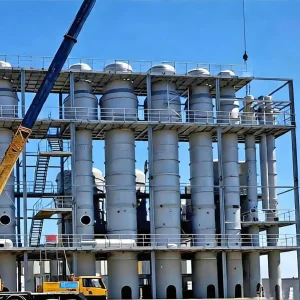
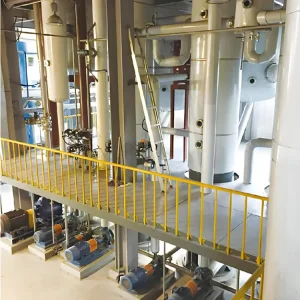
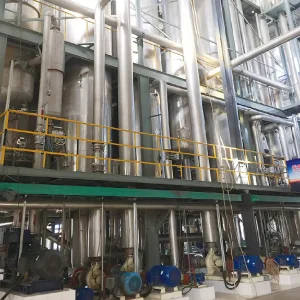
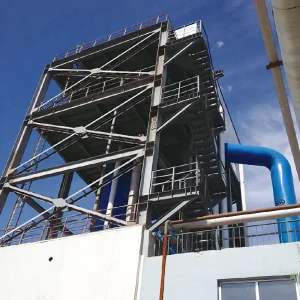
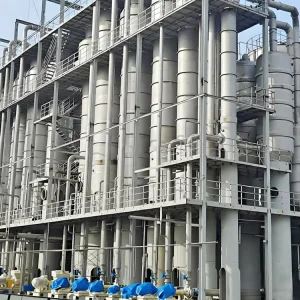
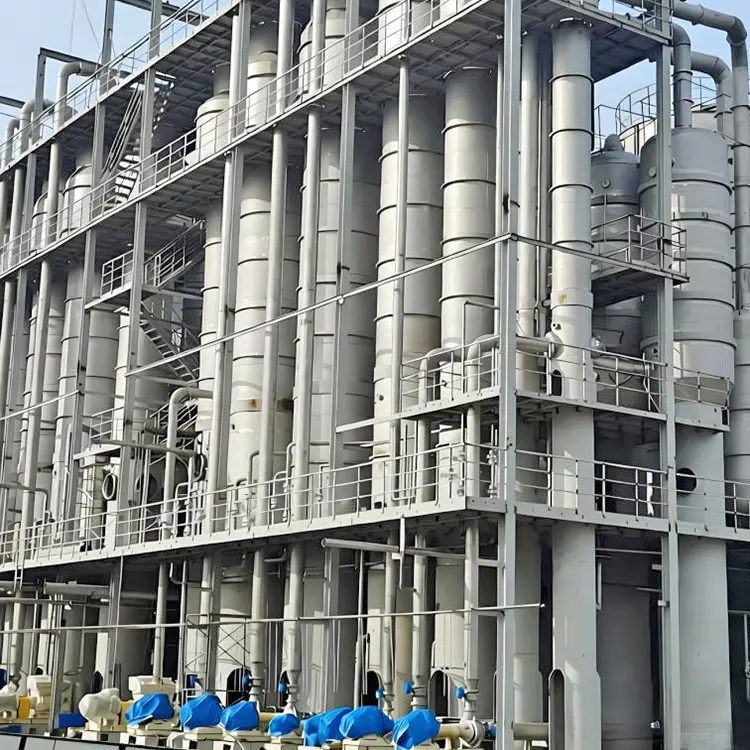
Utilizing waste heat from the production process in the evaporation system—such as waste vapor and condensate from drying starch by-products (fiber, germ, gluten, fiber+CSL), waste vapor and condensate from DDGS drying, and liquefaction vapor from the sugar factory liquefaction process—can, through rational design, significantly reduce fresh steam consumption. This achieves notable energy savings while also greatly cutting dust emissions and reducing environmental pollution.
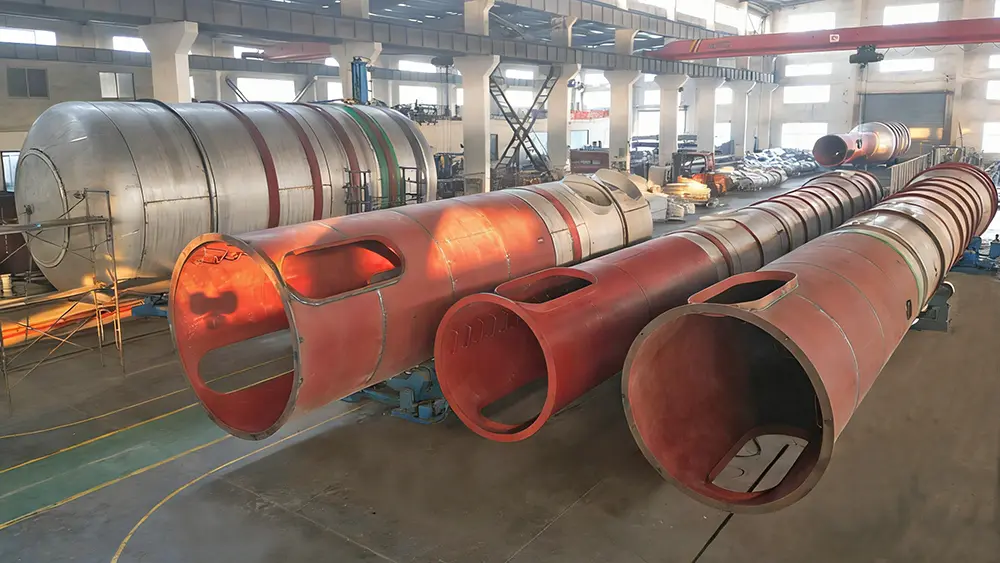
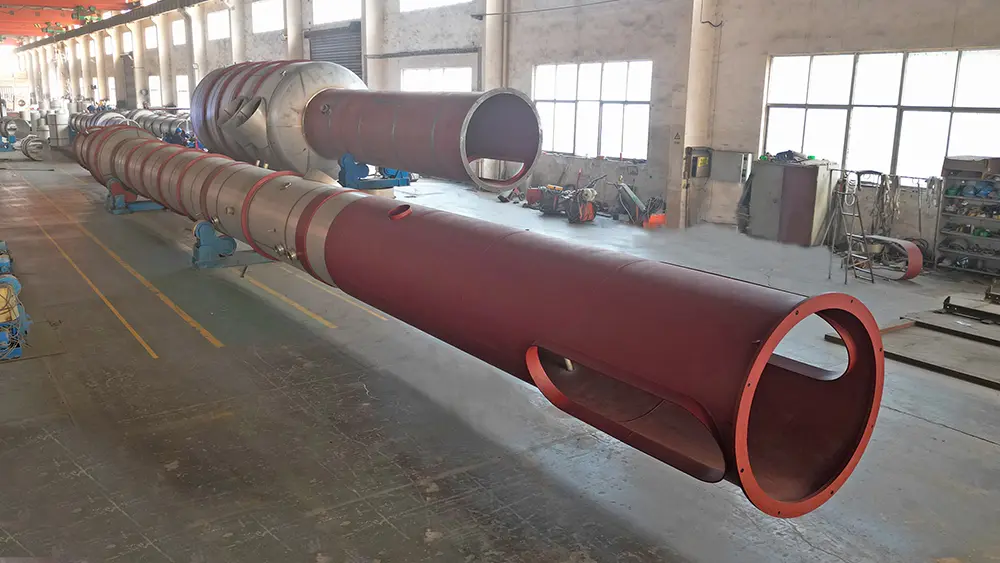
Optimal model of using waste vapor, indirect use of vapor from the drying process, and using saturated flashing evaporation vapor.
We can absolutely remove dust that waste vapor carries, and the dust will not easily adhere to the external surface of the heater tubes. So the evaporating efficiency of the evaporator is more stable.
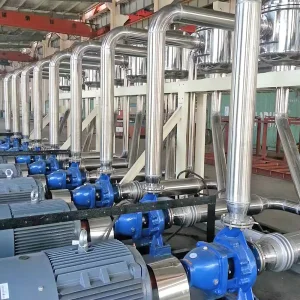
There are smaller hot water ducts instead of big vapor ducts across the workshop, which will not affect the disposal of other equipment.
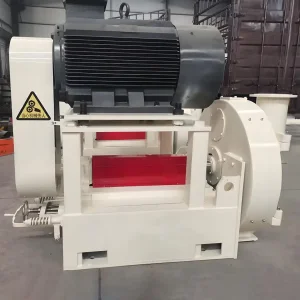
We don't require a high-power fan in the evaporation system, so we can decrease the power consumption of the evaporation system.
If dryers stopped, we could also absolutely use fresh steam into the evaporation system.
Particularly suited for corn steep liquid, alcoholic wastewater, and glucose liquid.
The utilization of advanced technologies such as multi-effect evaporation, MVR, and forced circulation evaporation ensures superior performance and energy optimization.
Custom-designed systems suitable for chemical, metallurgy, food, pharmaceutical, and wastewater sectors, effectively treating diverse liquid wastes in compliance with environmental regulations.
By harnessing industrial waste heat, the plants significantly reduce energy consumption, lower greenhouse gas emissions, and offer substantial operational cost savings.
Tailor-made designs—including ZLD systems, steam-driven evaporators, and high-concentration setups—developed to meet specific client requirements and maximize efficiency.
Adherence to international standards (ISO 9001, CE), rigorous quality control, and full after-sales support including installation, training, and maintenance ensure long-term reliability and customer satisfaction.
By utilizing waste heat from the production process, such as waste vapor and condensate from starch by-product drying (fiber, germ, gluten, fiber+CSL), DDGS drying, or sugar factory liquefaction, the system significantly reduces fresh steam consumption, yielding notable energy savings.
Our system features a design that absolutely removes dust carried by the waste vapor. This prevents dust from easily adhering to the external surfaces of the heater tubes, ensuring a more stable and reliable evaporation efficiency.
If the dryers are stopped, the evaporation system is configured to seamlessly utilize fresh steam to keep the evaporation processes running without disruption.
These custom-designed systems are ideal for corn steep liquid, alcoholic wastewater, and glucose liquid. They are widely applied across the chemical, metallurgy, food, pharmaceutical, and wastewater sectors.
The systems integrate advanced technologies including multi-effect evaporation, MVR (Mechanical Vapor Recompression), and forced circulation evaporation, which are customized to meet specific Zero Liquid Discharge (ZLD) and high-concentration needs.
The design features smaller hot water ducts instead of massive vapor ducts across the workshop, and does not require high-power fans, which effectively decreases the overall electrical power consumption of the evaporation system.