Optimized machinery built to satisfy CE directives and deliver maximum thermal recovery for industrial processing in Belgrade, Vojvodina, and the Balkans.
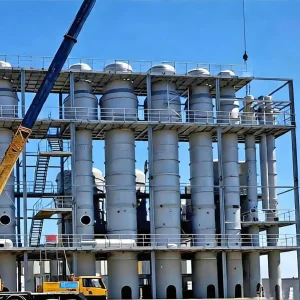
Fully customizable multi-effect and thermal recompression systems engineered to meet the operational demands of agricultural concentrate processes in the Vojvodina region.
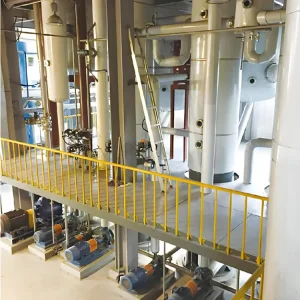
Designed for heat-sensitive food, beverage, and dairy processes. Offers exceptionally short residence times, low operating temperatures, and superior wetting efficiency.
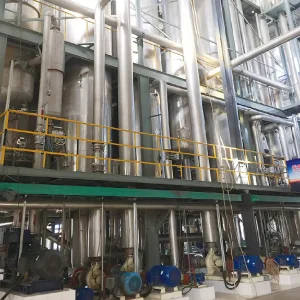
Specially designed for highly viscous, fouling-prone wastewater and crystallization applications. Ideal for metallurgical wastewater treatment installations.
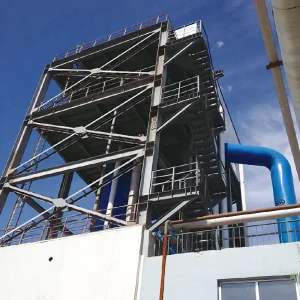
State-of-the-art Mechanical Vapor Recompression systems. Recycling secondary steam to reduce utility consumption by up to 80% compared to traditional boilers.
Serbia is quickly emerging as a major manufacturing and industrial hub in the Western Balkans. Key regions like Vojvodina, Belgrade, and Central Serbia are experiencing an upgrade of their processing lines. Driven by foreign direct investment and stringent EU environmental alignment policies (such as compliance with Chapter II of the EU Industrial Emissions Directive), Serbian chemical, food processing, agricultural, and metallurgical enterprises are seeking efficient thermal concentration systems.
Historically, the region relied heavily on basic multi-effect steam evaporators. Today, the focus has shifted toward energy recovery, reduced greenhouse gas emissions, and zero liquid discharge (ZLD). Industrial plants in Pančevo, Sremska Mitrovica, and Subotica require systems that operate with optimized energy profiles. MVR (Mechanical Vapor Recompression) and Waste Heat evaporators are replacing old systems because they save power and minimize operational overhead.
As a leading designer and manufacturer of thermal concentration systems, Jiangsu Zongheng provides custom process plant designs to Serbian enterprises. We offer direct manufacturing expertise, full engineering support, and CE certification for our pressure vessels, falling film loops, and industrial dryers.
Custom Process Calculation Sheets Provided
A comprehensive review of liquid concentration physics, thermal efficiency, and mechanical component optimization for industrial plants.
In a falling film evaporator, liquid is introduced at the top of the heating tubes and distributed uniformly to flow down the inside walls as a thin film. This liquid film absorbs heat from the condensing steam outside the tubes, causing partial boiling and evaporation. The vapor flows downwards co-currently with the concentrated liquid.
Critical Engineering Variables: Maintaining a uniform liquid distribution across all tubes is essential. Poor distribution can lead to dry spots on the tube surfaces, resulting in scaling, product degradation, and reduced heat transfer coefficients. A properly designed liquid distributor plate is critical to keep the heating surface fully wetted, even at high concentration ratios.
Forced circulation evaporators utilize high-flow centrifugal pumps to recirculate process liquids through heat exchanger tubes at high velocities. Boiling is suppressed inside the tubes by maintaining an elevated hydrostatic head. Evaporation occurs only when the liquid flashes as it enters the separator vessel.
Application Focus: These systems are ideal for materials prone to crystallizing, scaling, or high viscosities (such as inorganic salts, mining waste, and industrial effluents). High shear rates prevent solid buildup on heat transfer surfaces, extending runtime between clean-in-place (CIP) cycles.
MVR systems use a mechanical compressor or turbo fan to compress low-temperature waste vapor from the evaporator separator. This compression raises the vapor's pressure and saturation temperature, allowing it to be recycled back as the heating medium for the same evaporator effect. This design significantly reduces the need for live boiler steam.
A typical 3-effect evaporator consumes approximately 0.35 tons of steam per ton of evaporated water. In contrast, an MVR system consumes 0.015 to 0.025 tons of steam during startup, relying primarily on electrical energy (approx. 15-25 kWh per ton of evaporated water) for continuous operation. In regions with high steam generation costs, MVR systems offer a shorter payback period.
How our chemical engineering technology integrates directly into Serbian production workflows.
Vojvodina's agricultural processing plants generate high volumes of corn steep liquor. Our falling film and waste-heat evaporators concentrate these sticky, protein-rich streams, transforming waste into feed products while recovering clean water.
For metal processing operations in Bor and Smederevo, our corrosion-resistant forced circulation evaporators recover clean process water from acid washes and saline rinse streams, supporting zero liquid discharge compliance.
Supporting Serbia's active berry and fruit exports. Our vacuum falling film systems concentrate berry and plum juices at low temperatures, preserving colors, flavors, and nutritional profiles.
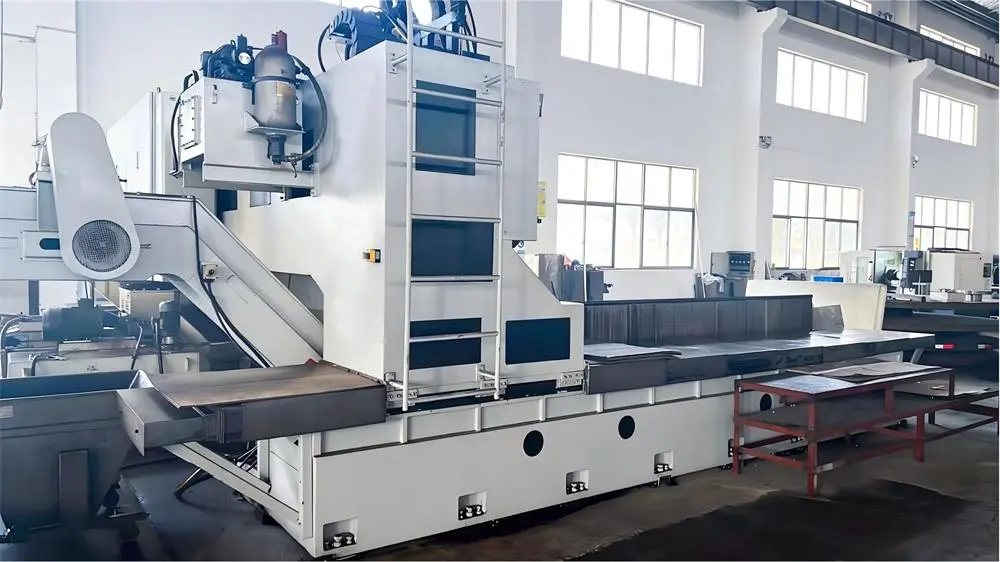
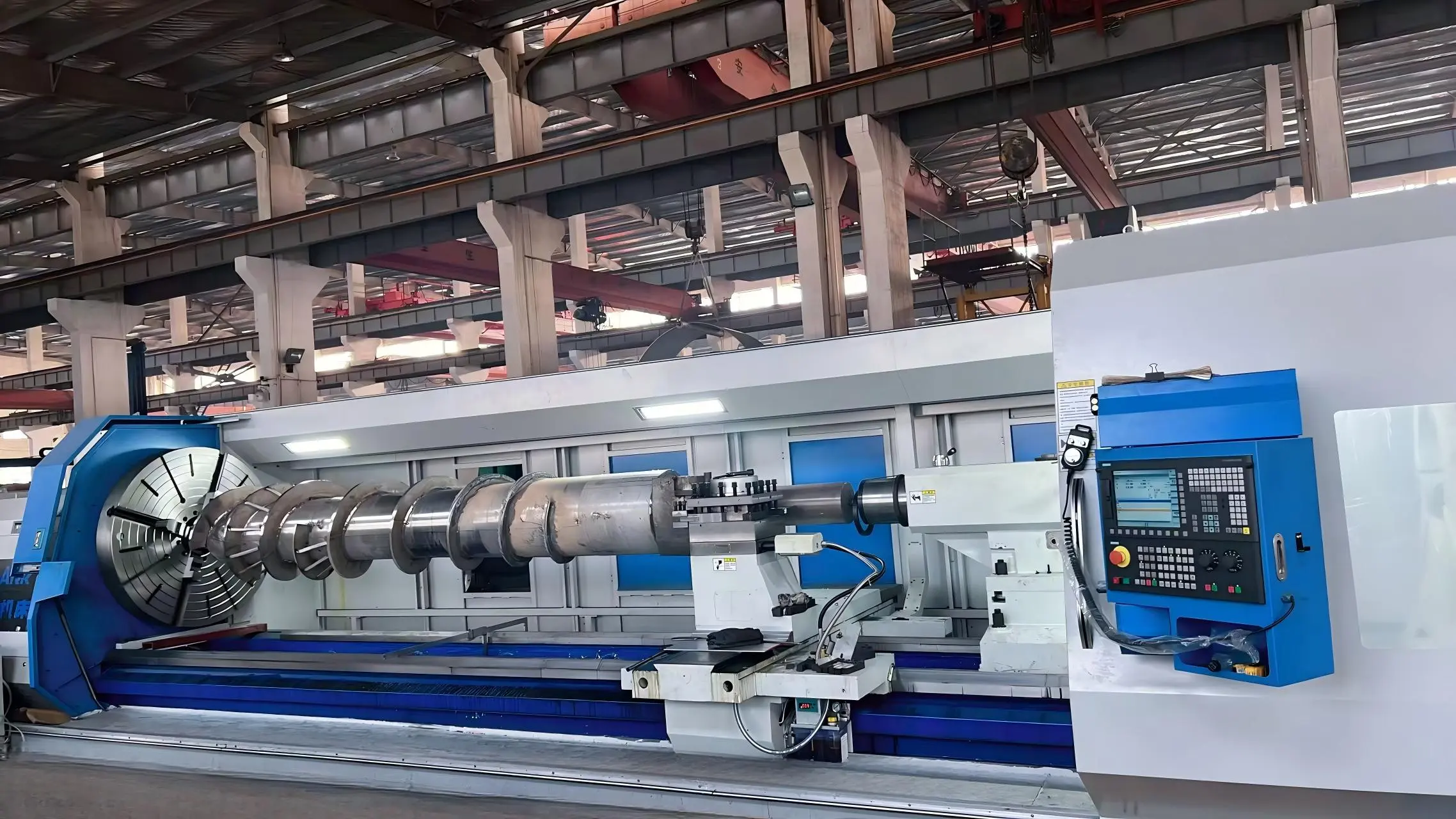
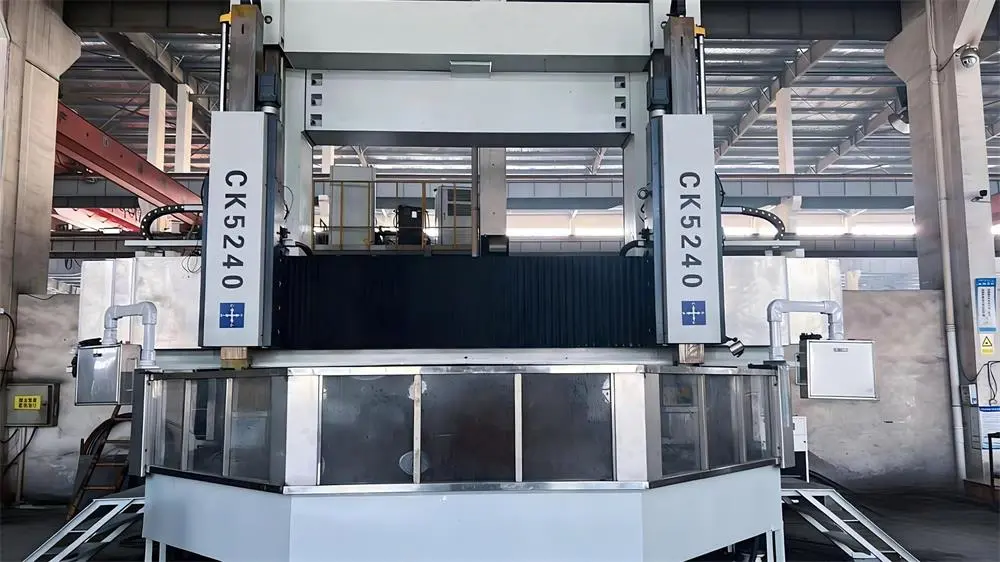
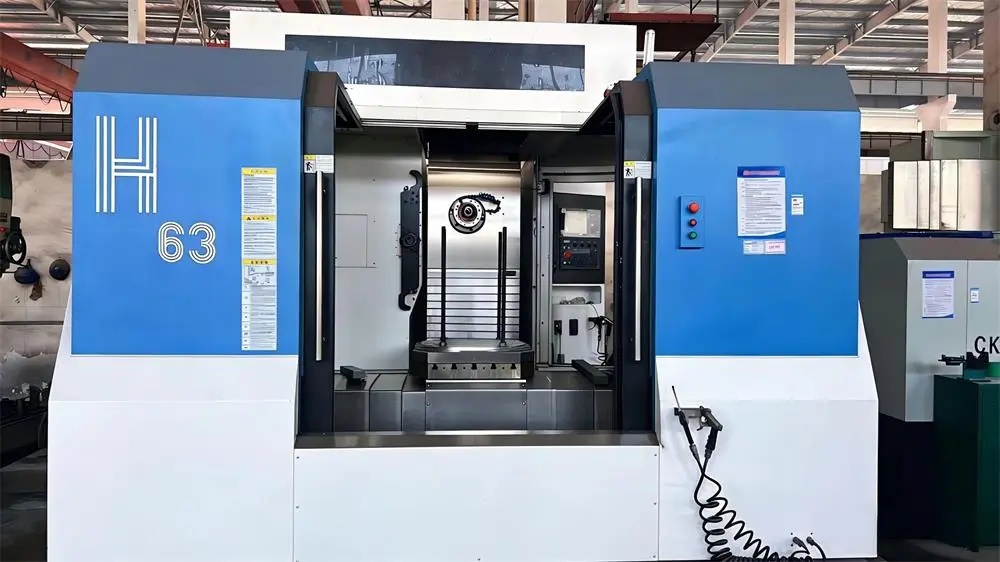
Jiangsu Zongheng integrates modern supply chain management and automated manufacturing technologies. Our production processes feature high precision, reliable quality, and cost efficiency. Operating from our specialized industrial manufacturing base in Yixing, China, we combine design, welding, and quality control under one roof.
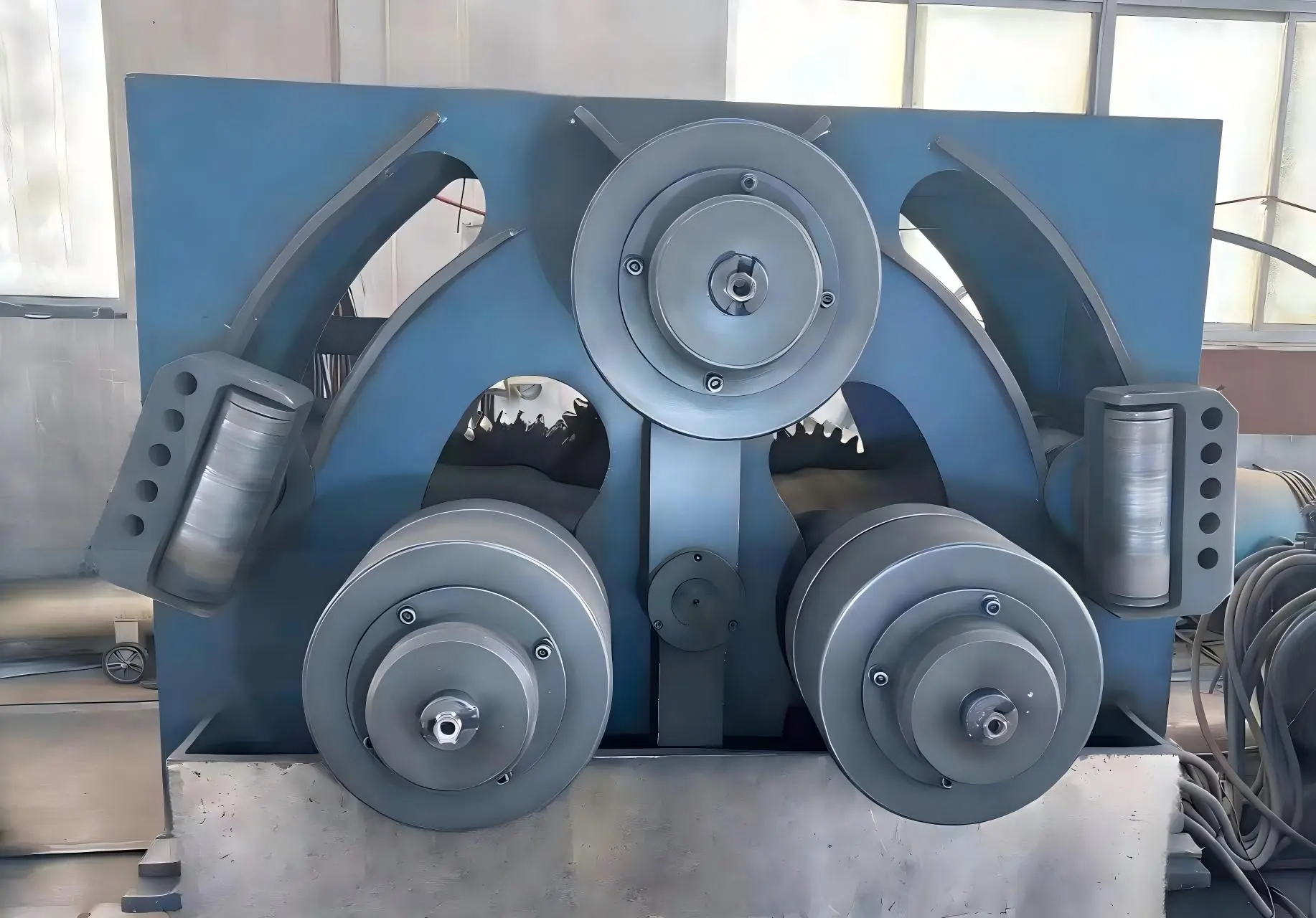
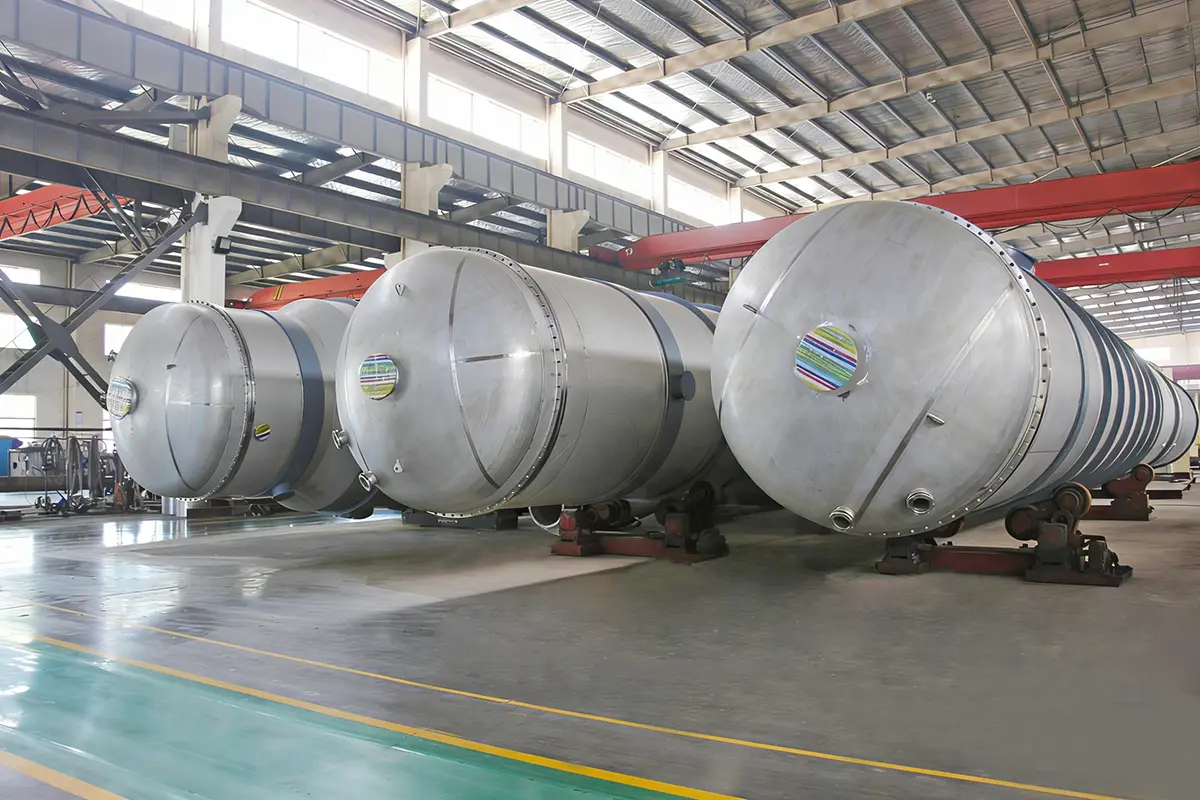
Our facility is equipped with automated tube sheet welding systems, large-scale plate bending machines, and non-destructive testing (NDT) capabilities. These investments allow us to manufacture custom, high-volume pressure vessels and heat exchangers designed to international standards.
Supply Chain Advantages for Serbian Buyers:
Industrial components require reliable mechanical and structural design. We perform finite element analysis (FEA) on key structural parts, verify vessel wall thicknesses for high-vacuum conditions, and test tube bundle vibrations to ensure long-term durability.
100% Weld Inspection
MTR Certificate Provided
A modern high-tech enterprise specializing in manufacturing concentration, drying, starch industry, and low-pressure vessel equipment.
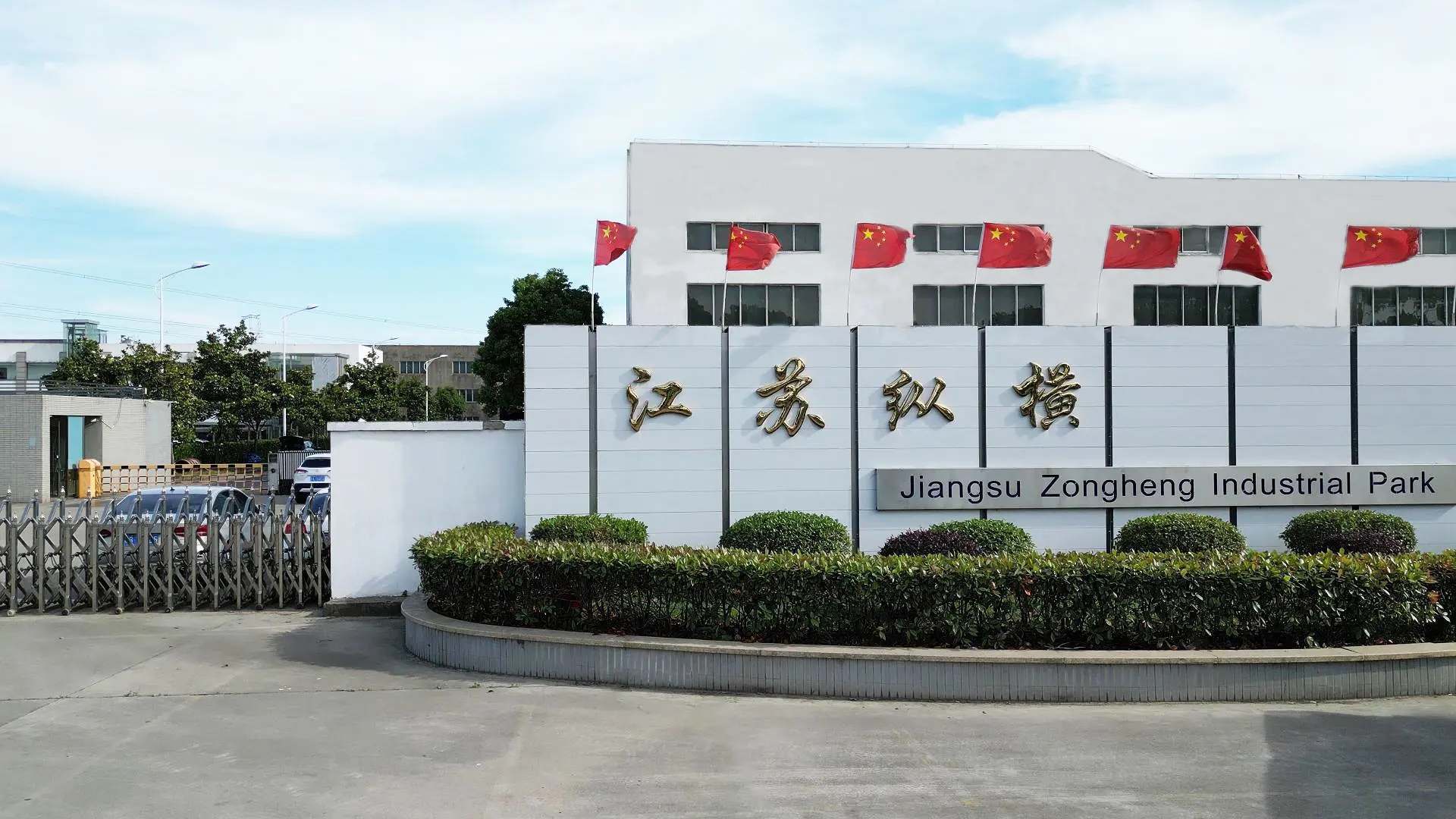
Jiangsu Zongheng Concentrating and Drying Equipment Co., Ltd (formerly Yixing Yangxi Light Industry Machinery Factory), founded in 1992, is located in Zhoutie Town, Yixing City, on the shores of Taihu Lake. The company covers an area of over 54,000 square meters, with a production workshop area of over 22,000 square meters.
We are a member enterprise of the China Starch and Alcohol Association. Our products are widely used in food fermentation, alcohol, chemical, pharmaceutical, environmental protection, and petrochemical applications globally.
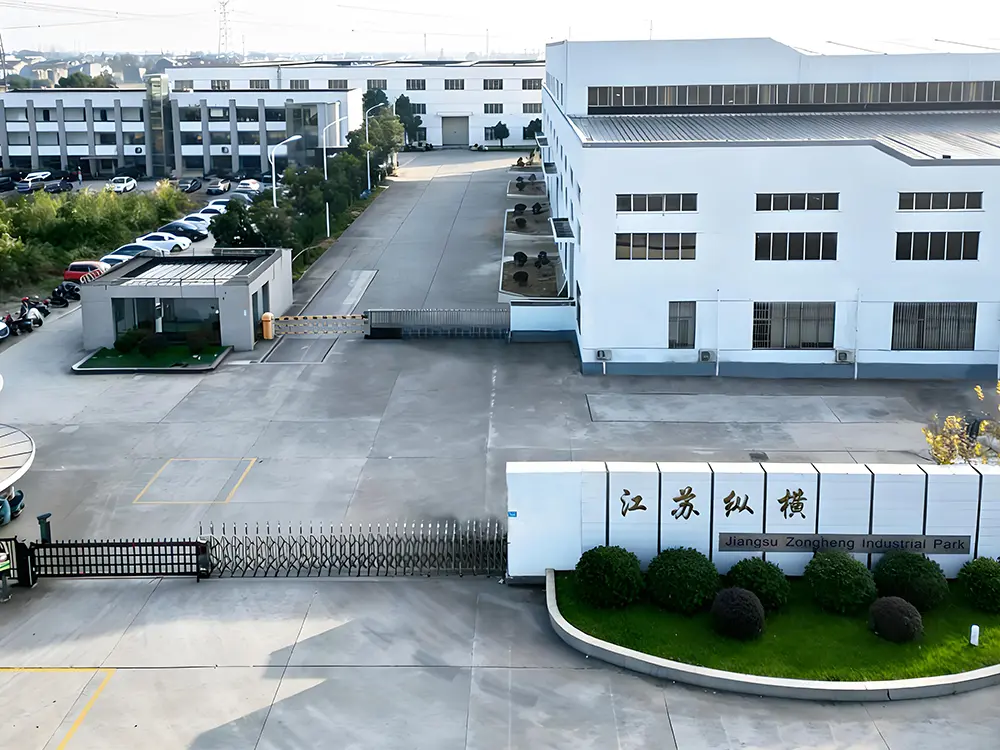
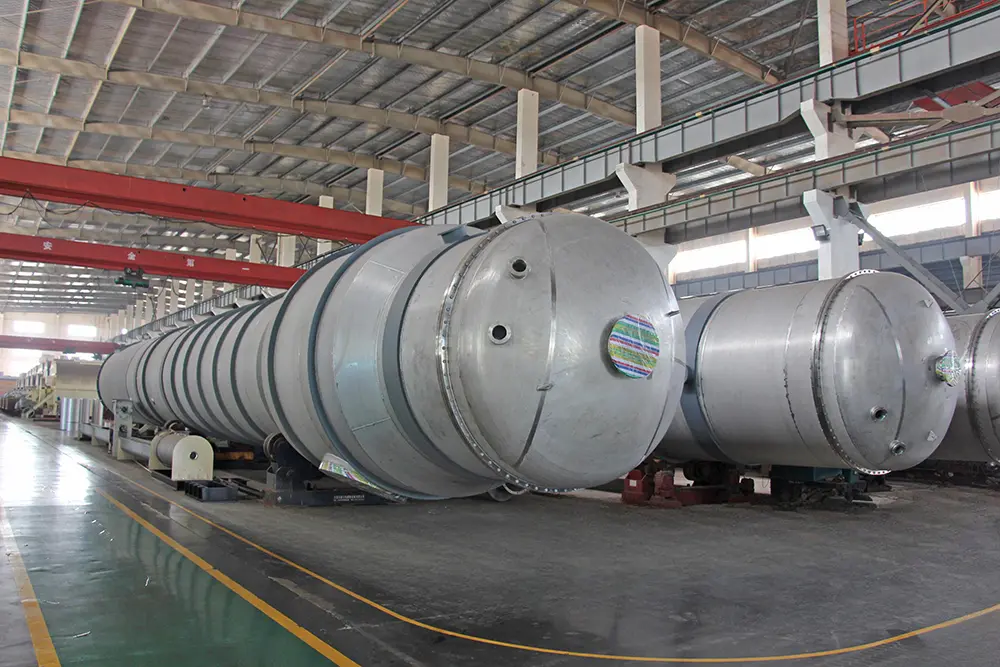
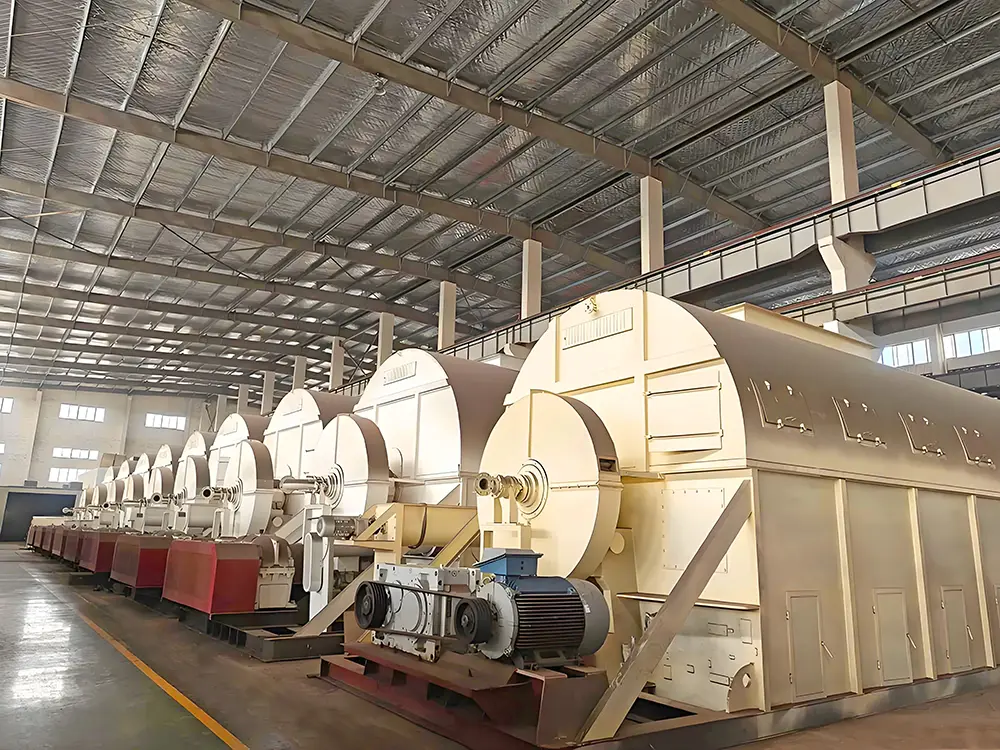
Over three decades of manufacturing and design innovation.
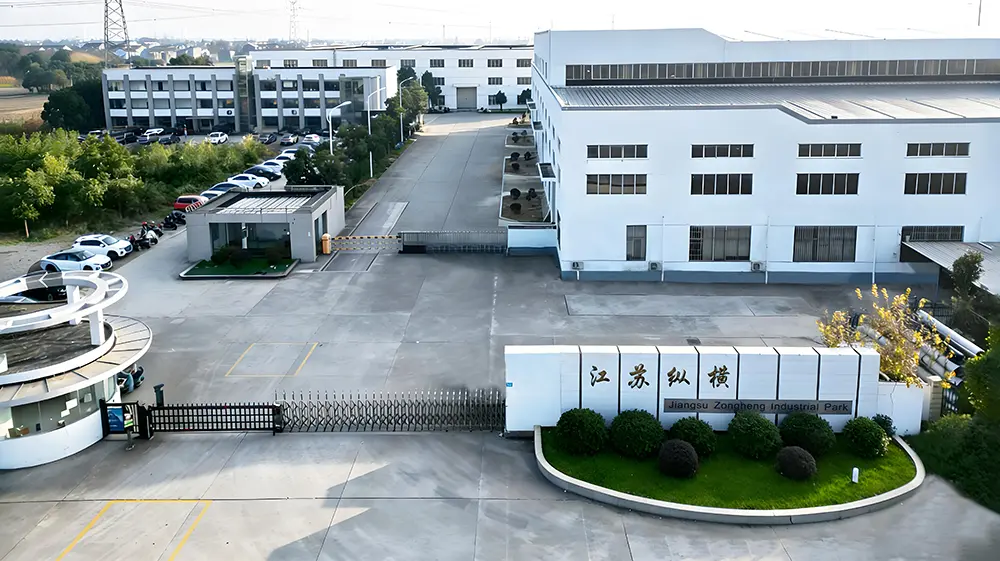
The company covers an area of over 54,000 square meters, with workshop space exceeding 22,000 square meters. Our engineering staff supports global delivery pipelines, including custom projects for European markets.
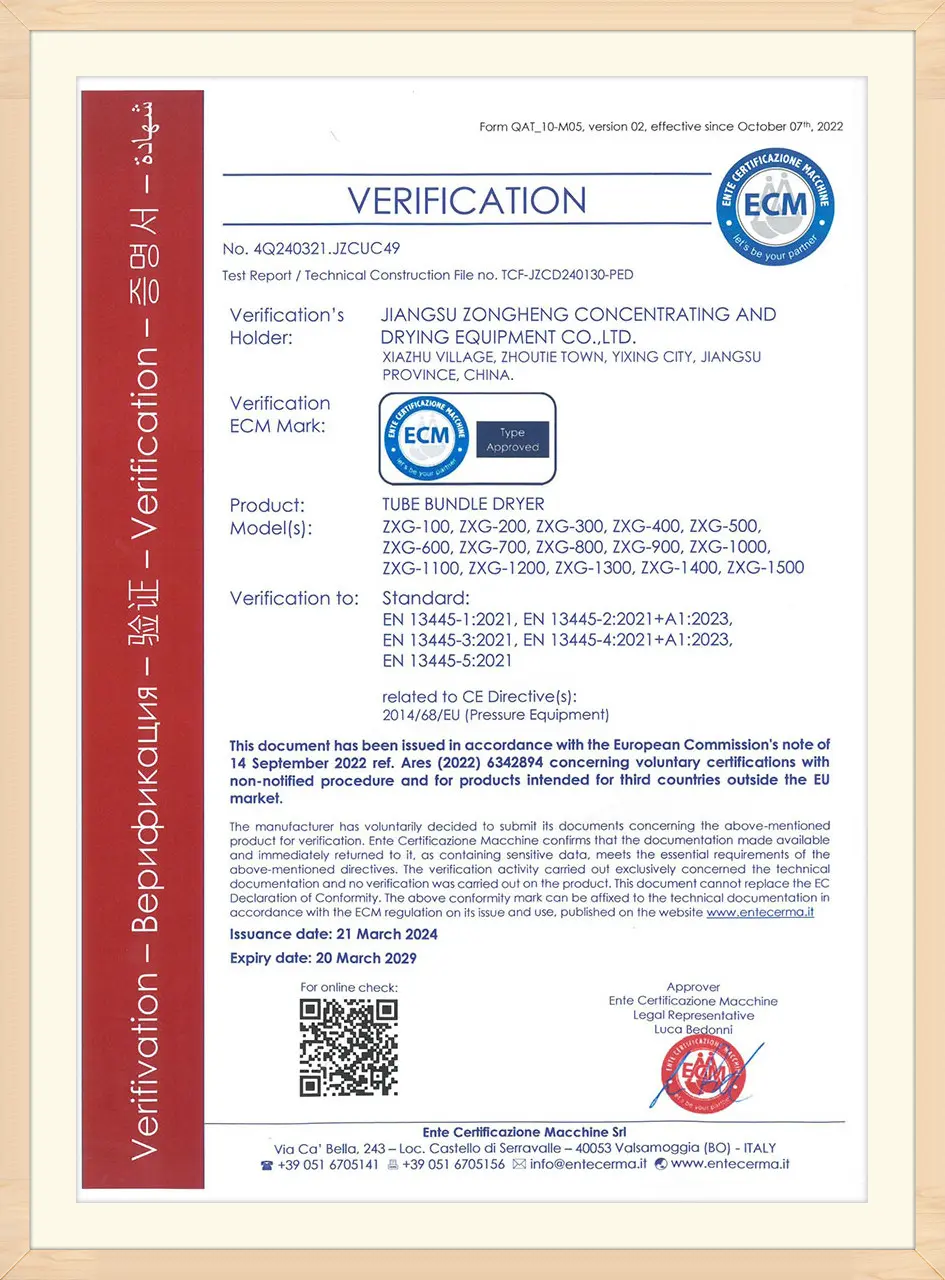
Achieved ISO and international quality certifications, establishing QA/QC workflows that align with global manufacturing standards.
Obtained the ASME "U" Stamp authorization, certifying our pressure vessel manufacturing capabilities for international industrial applications.
Obtained the Special Equipment Manufacturing License of the People's Republic of China, enabling high-pressure thermal processing designs.
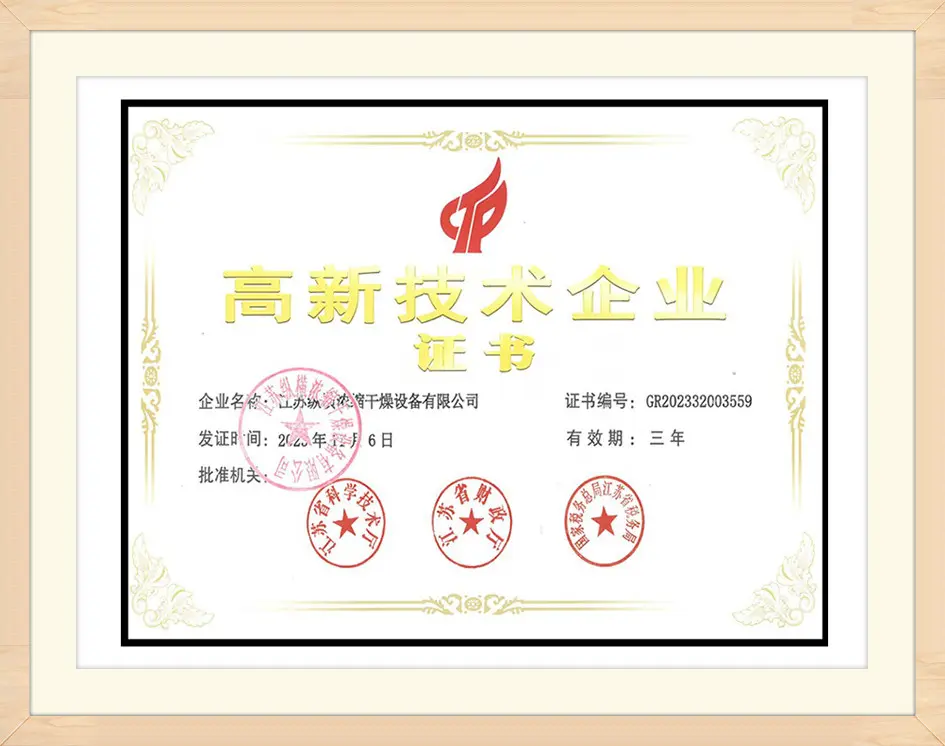
Formally recognized as a provincial High-Tech Enterprise, expanding our thermal research and development program.
Implemented standardized management controls to ensure consistency across all manufactured product series.
Founded as Yixing Yangxi Light Industrial Machinery Factory in Zhoutie Town, specializing in basic distillation and light industrial parts.
Our equipment operates across chemical, agricultural, food, and environmental remediation sectors globally.
 June 18, 2026 | Technical Brief
In industrial process engineering, evaporators and condensers perform opposite functions within thermal and refrigeration cycles. An evaporator absorbs heat from the surrounding medium to vaporize a process fluid or concentrate a liquid phase, operating under low pressure. Conversely, a condenser releases heat to an external cooling medium (such as air or cooling water) to transition a gas phase back into a liquid phase.
For industrial concentration applications, the evaporator system concentrates product streams by boiling off solvent vapors. The condenser recovers these solvent vapors or water vapor, allowing for clean condensate recycling. Our process designs optimize both steps to achieve high thermal efficiency and steady-state operation.
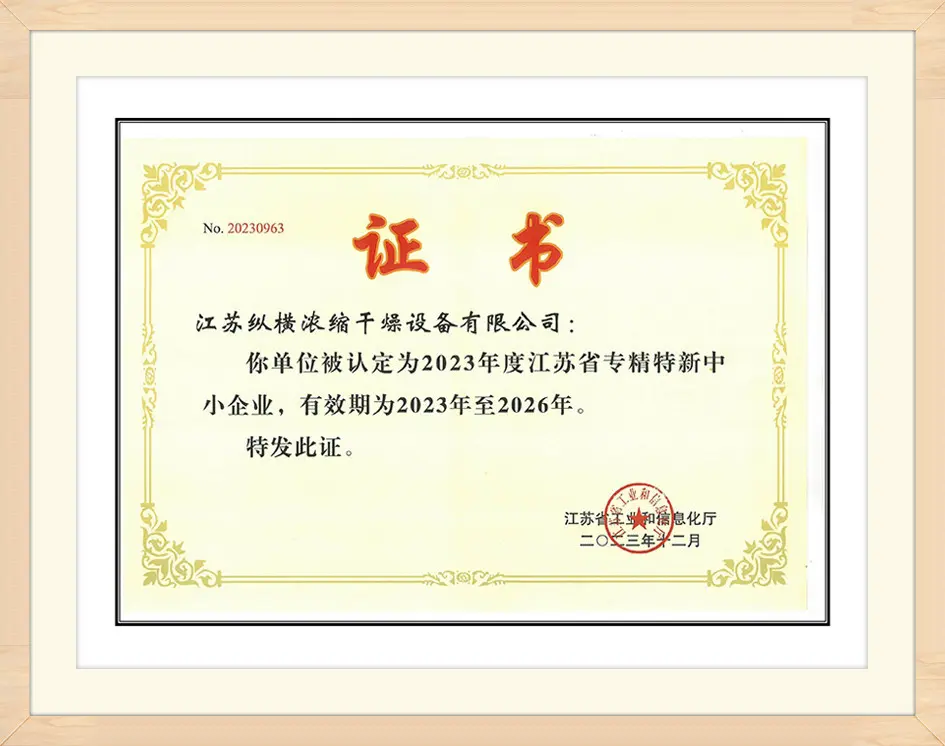
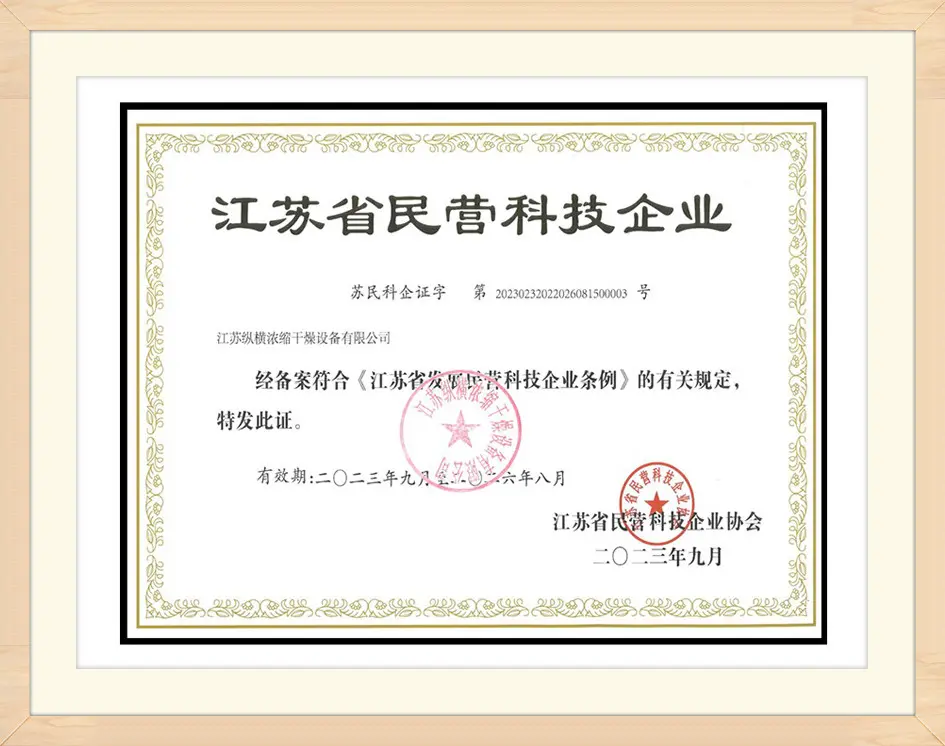
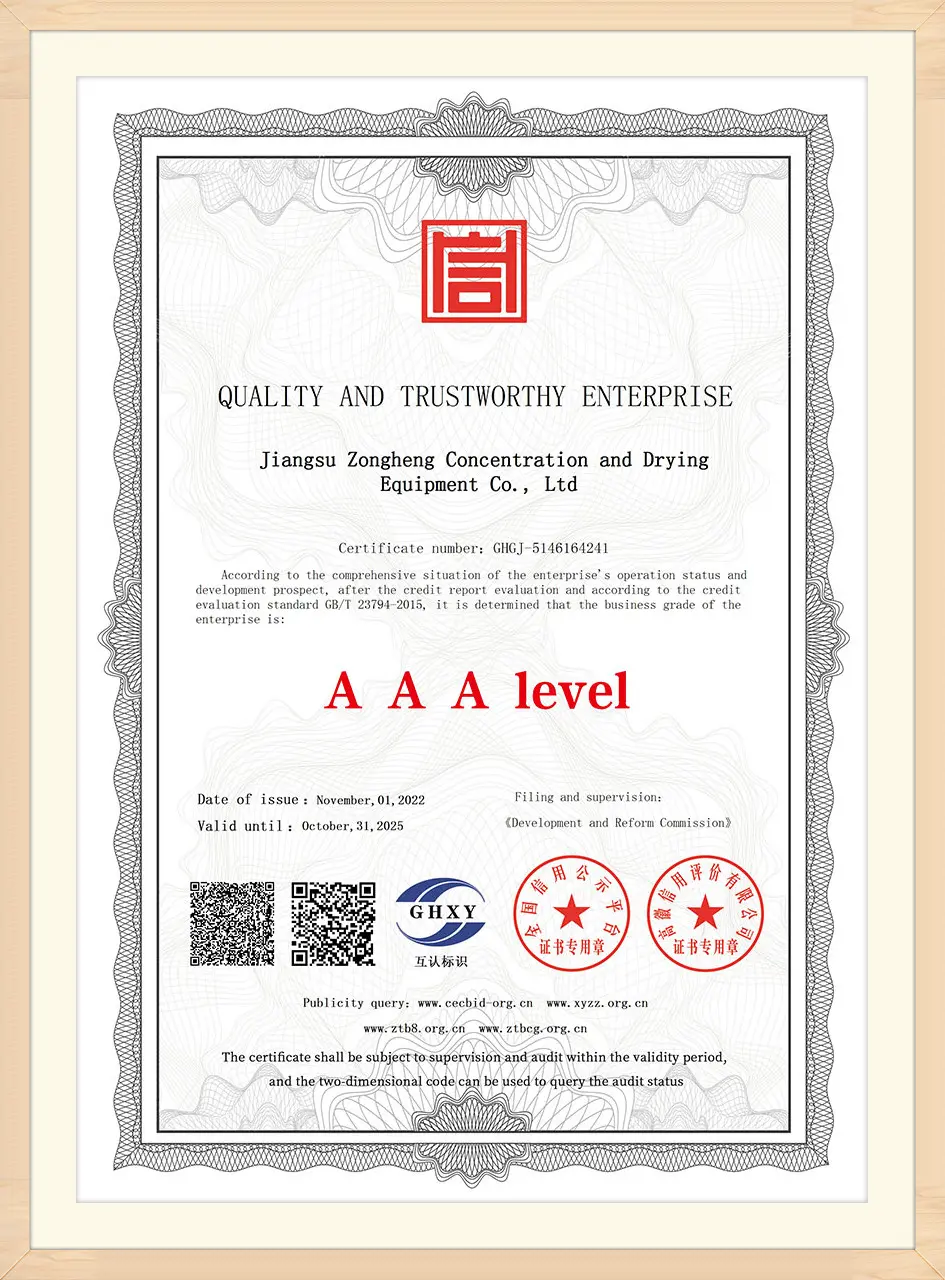
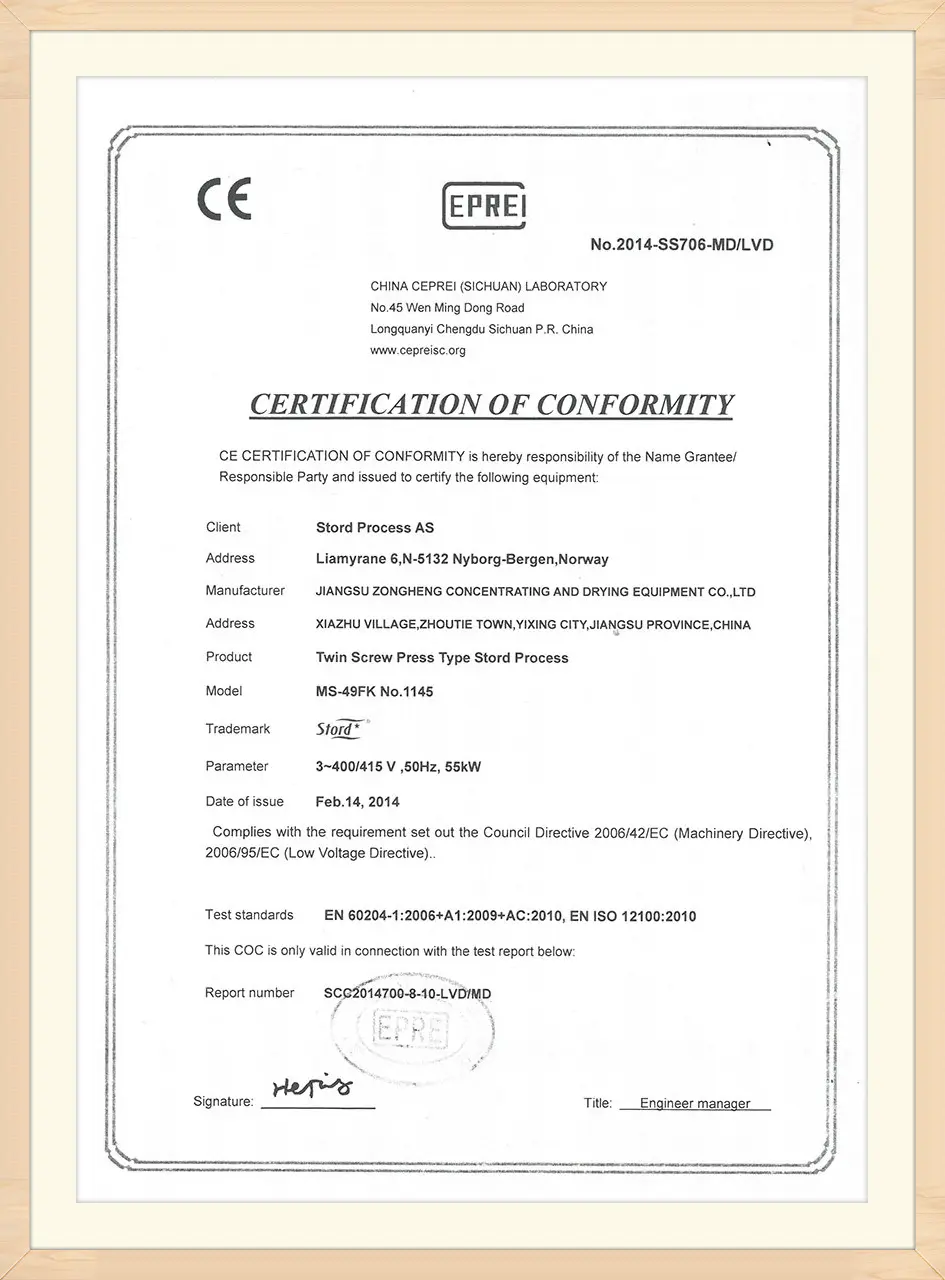
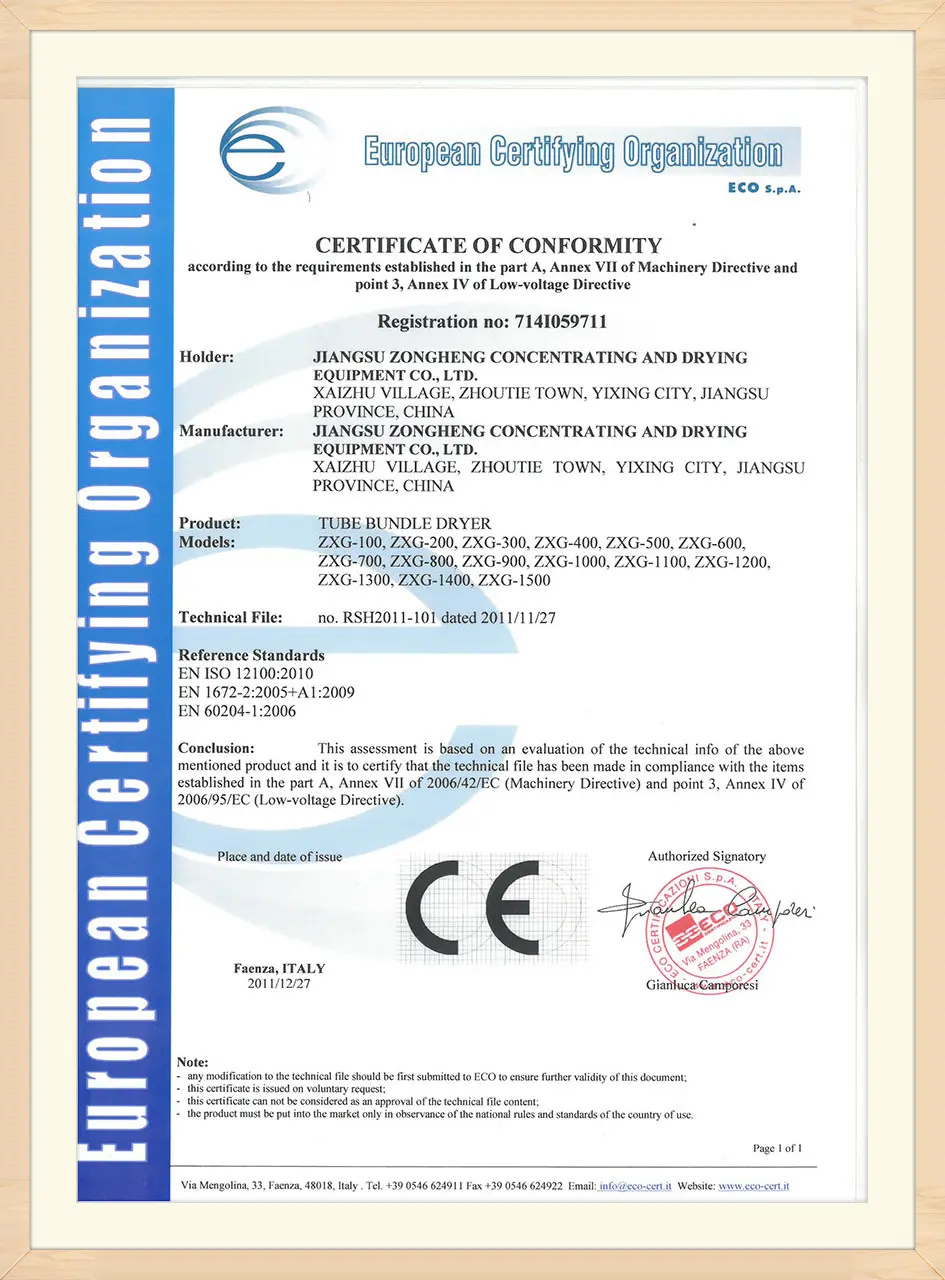
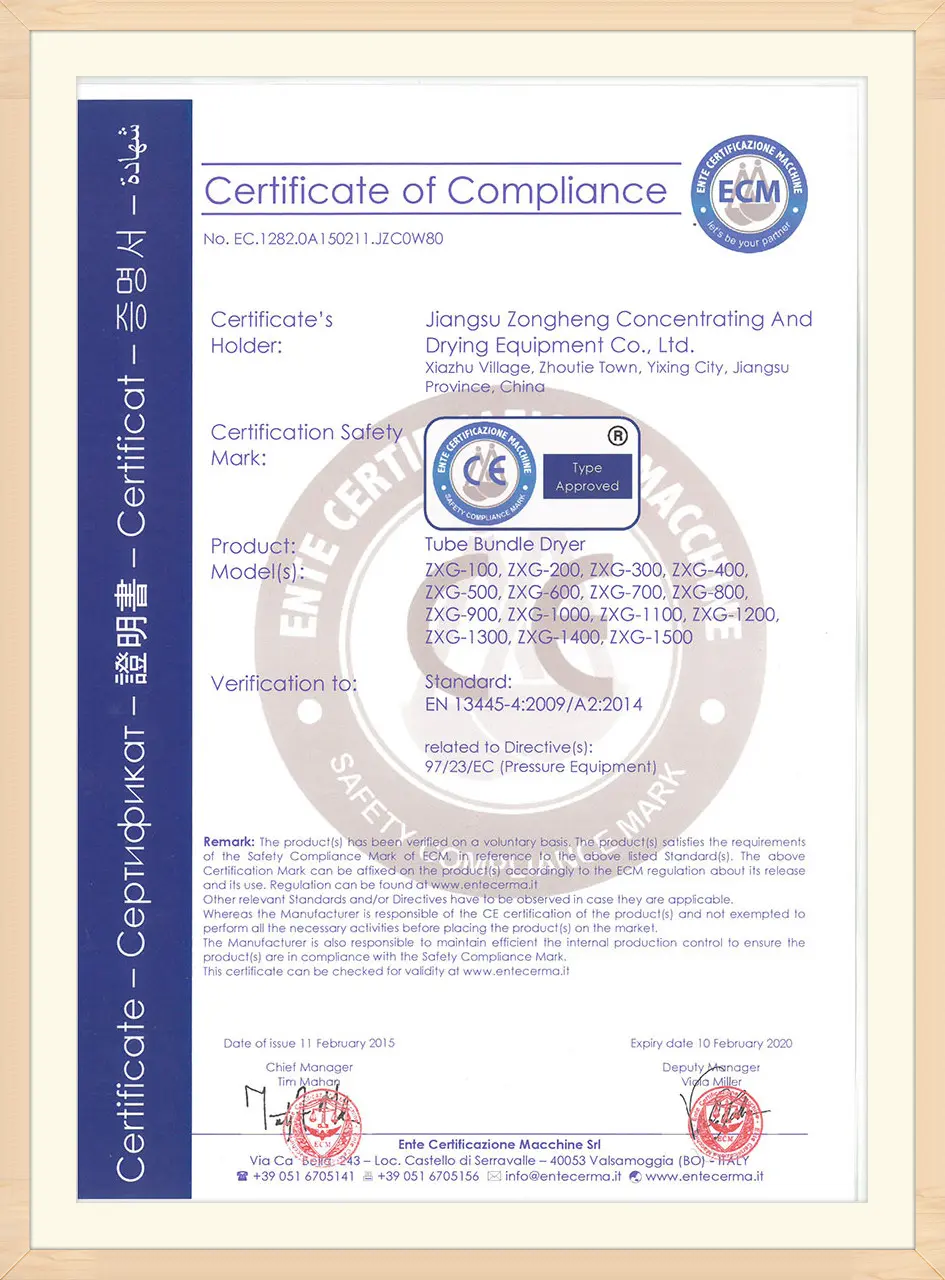
Our manufacturing processes are verified by international inspection authorities, ensuring quality and reliability for our partners.

Key answers regarding installation, material selection, and energy efficiency for thermal processing systems.
An MVR evaporator uses mechanical energy (typically via a turbo fan or root compressor) to compress secondary vapor generated within the system. This compression raises the vapor's saturation temperature and pressure, allowing it to be recycled as the heating source. This minimizes the consumption of live steam, making MVR systems highly efficient for long-term continuous concentration processes.
For neutral aqueous solutions, AISI 304 or 316L stainless steels are typical. However, for acidic streams, high-chloride wastewater, or metallurgical waste from processing sites (such as in Bor), duplex alloys (Duplex 2205/2507) or titanium are recommended. These materials resist pitting, stress corrosion cracking, and structural wear.
Cleaning and maintenance frequency depends on fluid composition and scaling rates. In agricultural and starch processing applications, clean-in-place (CIP) cycles are often performed every 24 to 72 hours using acid and caustic solutions to prevent organic fouling. Mechanical inspection of tubes and distributor plates should occur annually.
Our systems are pre-assembled in modular skids at our Yixing factory. Large vessels are shipped break-bulk, while components, pumps, valves, and control cabinets are shipped in standard containers. We provide remote engineering support and send experienced technicians to Serbian job sites to supervise mechanical installation, piping, and startup.
Our complete line of components and auxiliary systems engineered for industrial processing plants.
Designed to capture waste heat from dryer exhausts and flash vapor sources, maximizing thermal efficiency and reducing steam requirements.
Customized to process corn steep liquor. Prevents scaling on heated surfaces while utilizing low-grade heat sources.
Specifically engineered to process thermal-sensitive compounds, ensuring minimal product contact times and low delta-T boiling points.
Designed to concentrate high-volume waste streams, facilitating solid separation and clean distillate water recovery.
Provides high-efficiency separation of corn germs from starch milk. Designed for durability and consistent output in heavy-duty wet milling plants.
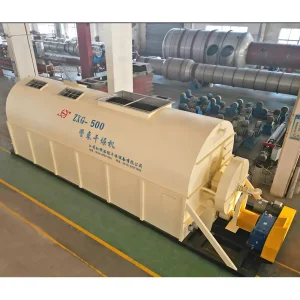
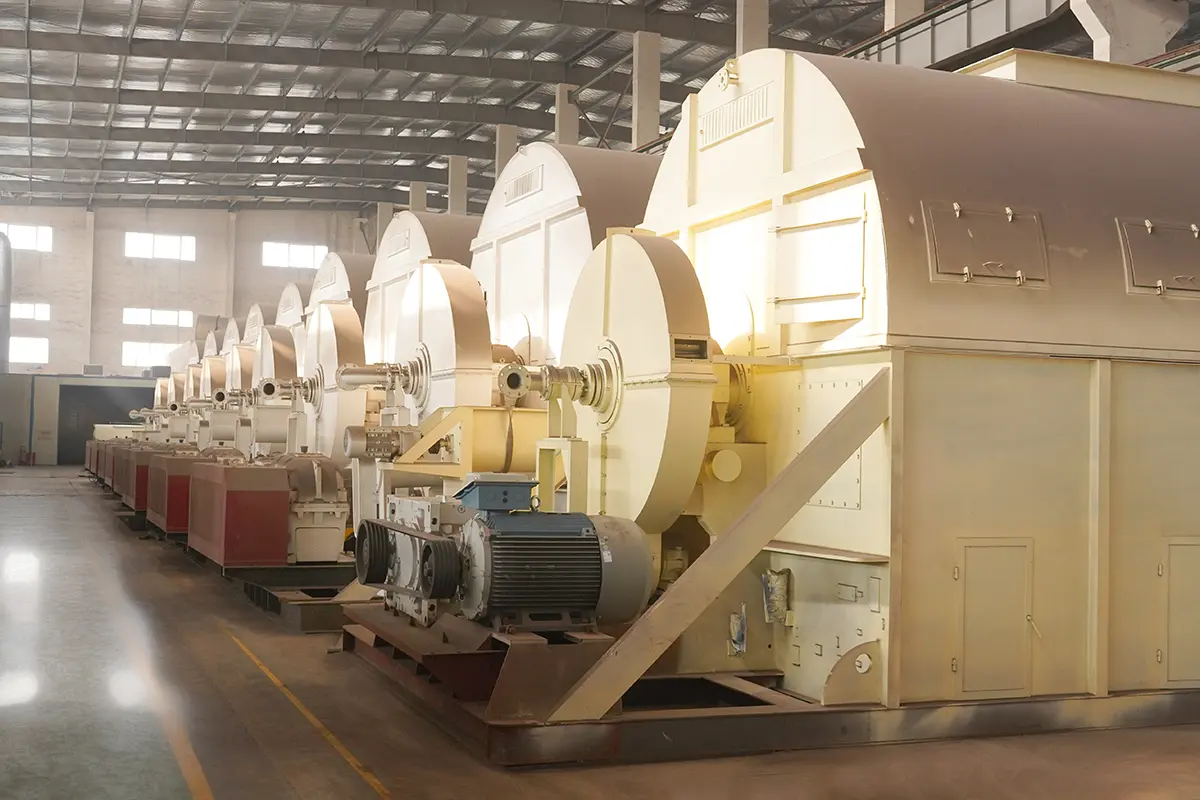
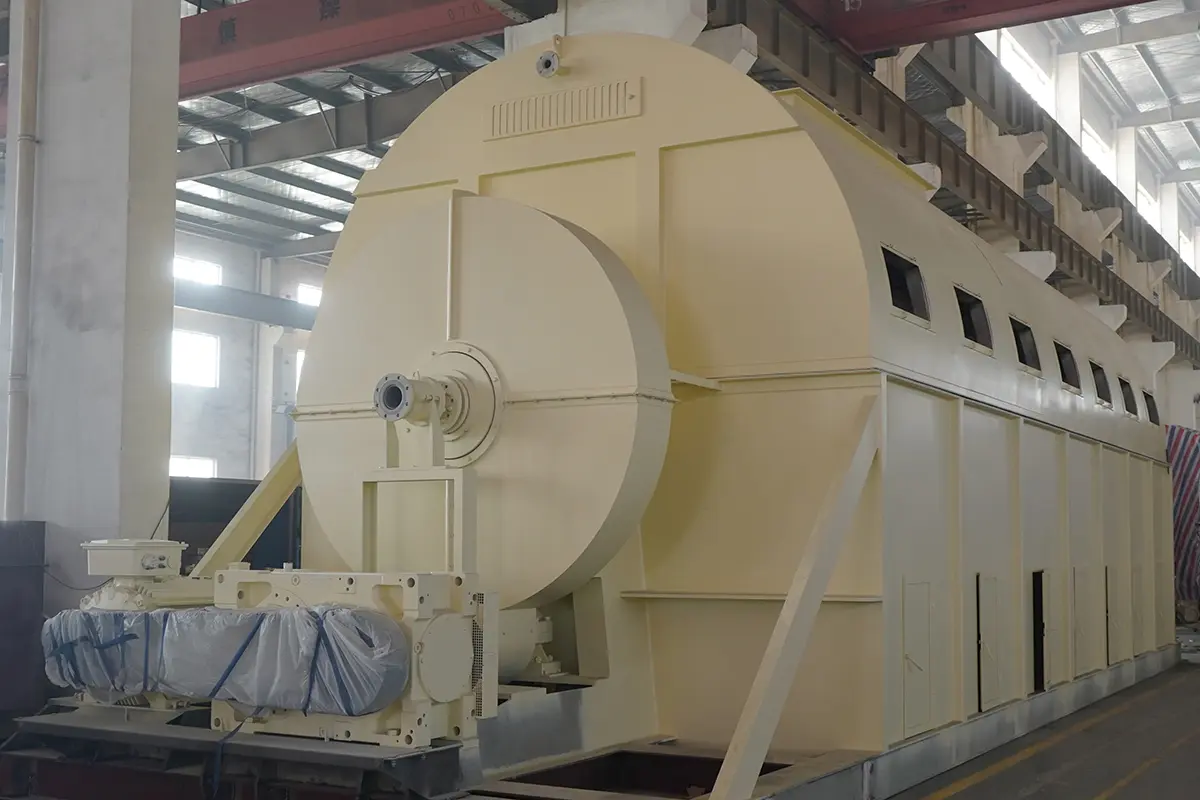
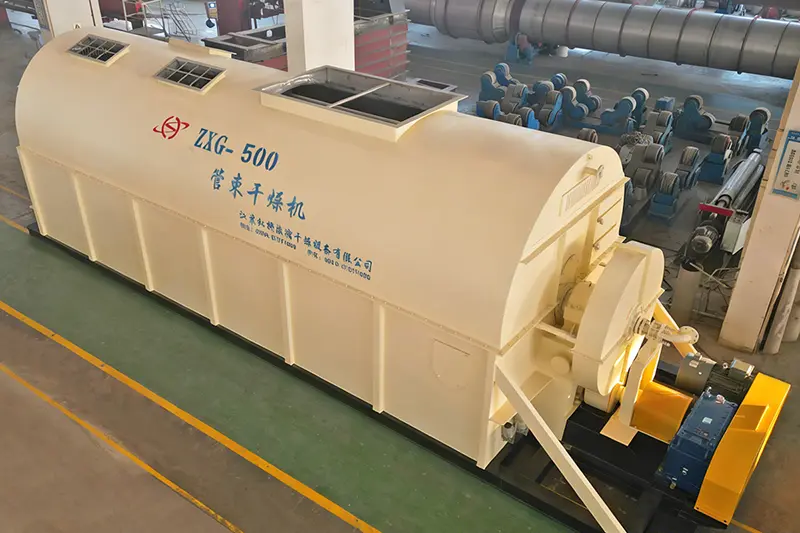
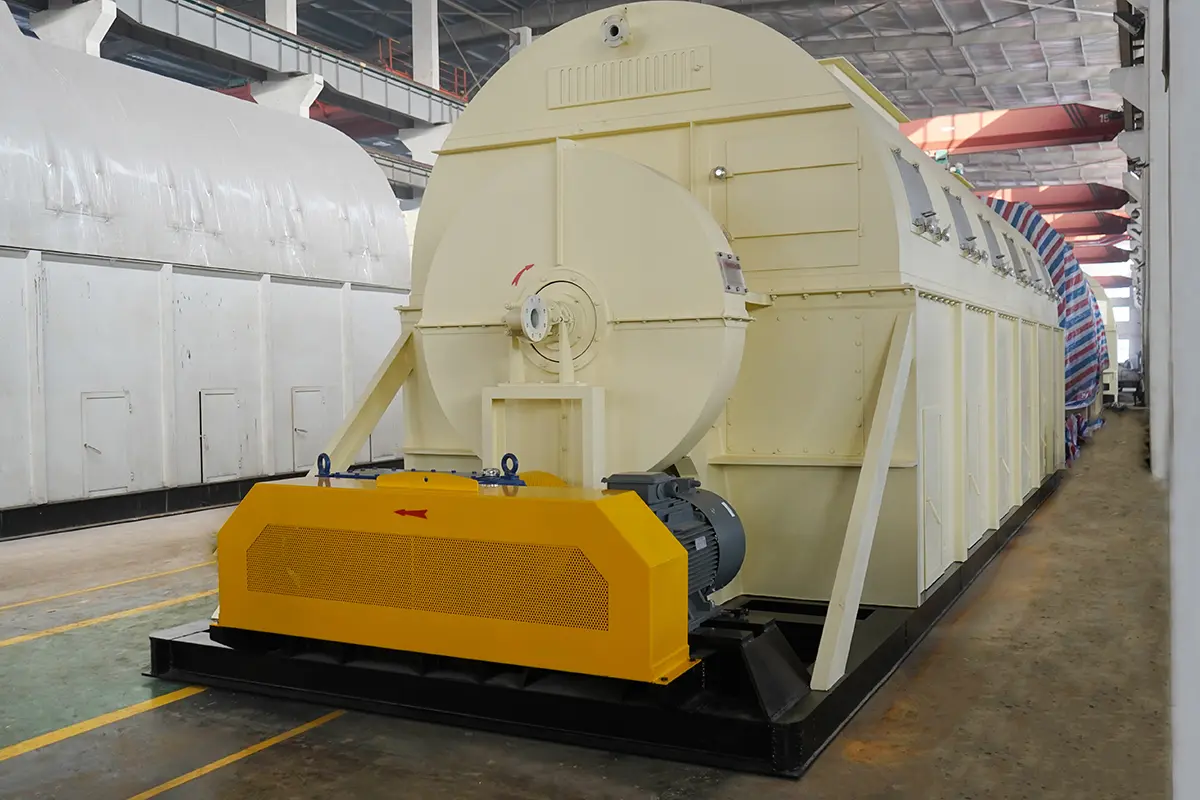
Engineered for energy-efficient drying of corn gluten feed and fiber. Features a low-oxygen operating environment for enhanced safety.
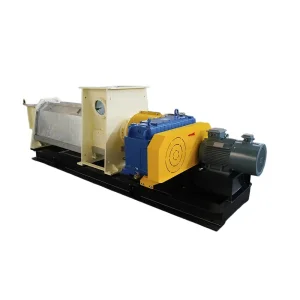
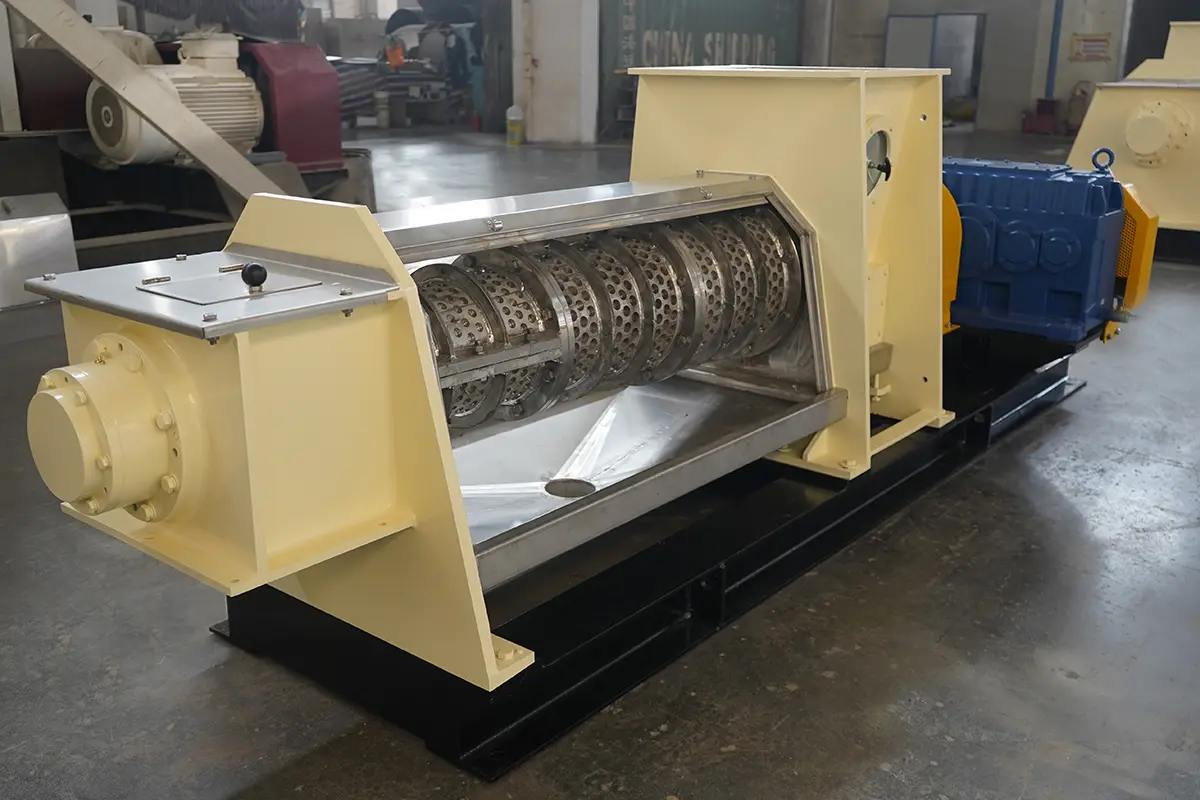
Designed to separate liquid from fibrous materials, significantly reducing downstream drying costs and overall energy consumption.
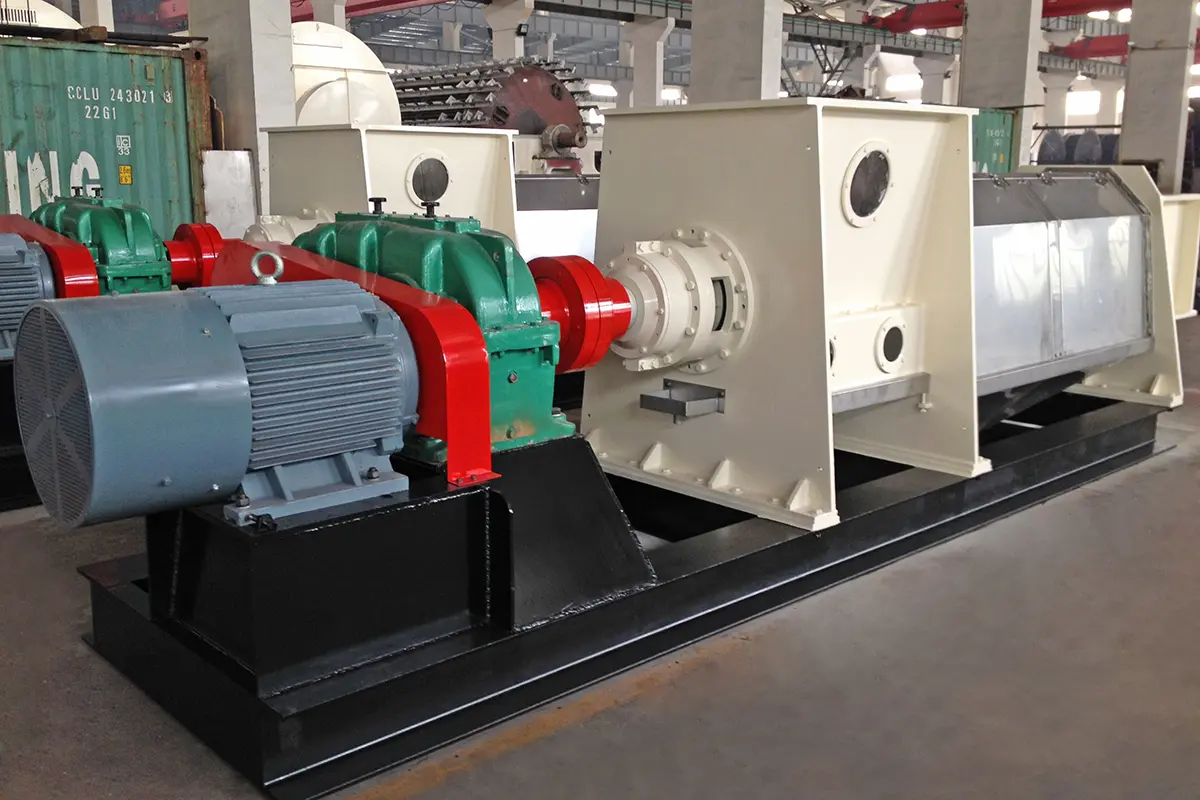
Designed for continuous dewatering of wet solids. Features robust gears and wear-resistant flights for long service life.
Designed to comply with EU safety, machinery, and pressure equipment directives, ensuring simple integration into European plants.
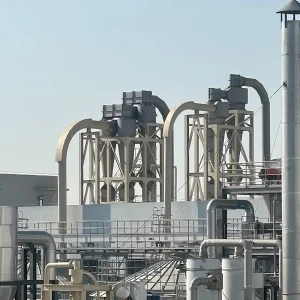
Utilizes high-velocity warm air streams to suspend wet materials, facilitating rapid drying during product transit.
Features adjustable grinding clearances to preserve germ integrity, facilitating downstream corn oil and starch separation.
Integrates multiple low-grade thermal sources, reducing energy requirements across chemical, municipal, and refining installations.
Partner with Jiangsu Zongheng for custom chemical calculations, system designs, and certified manufacturing. Contact our engineering team to review parameters for your project in Serbia.
 Zongheng