Description
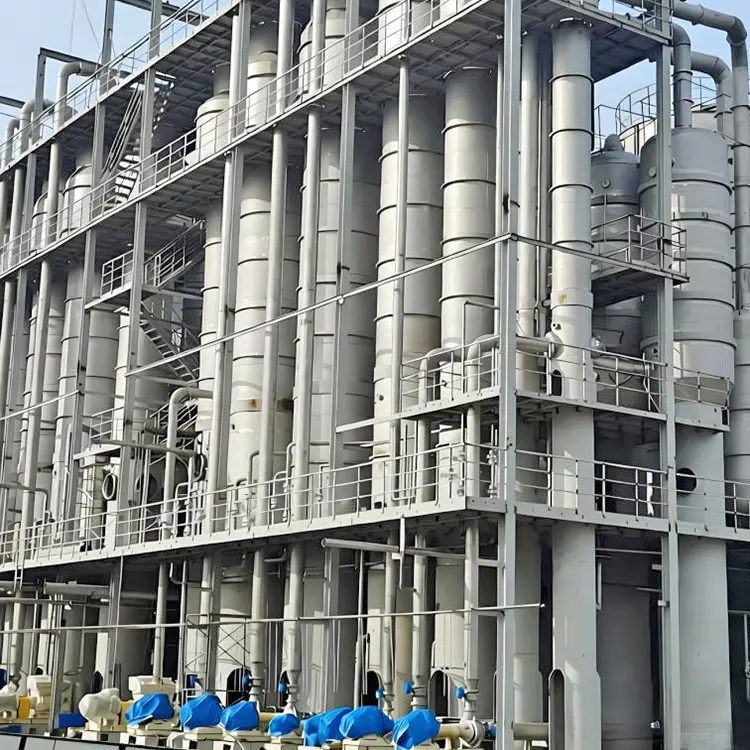
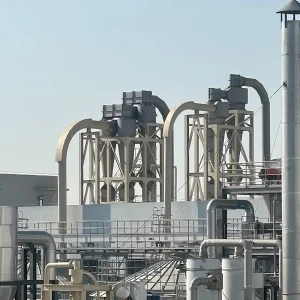
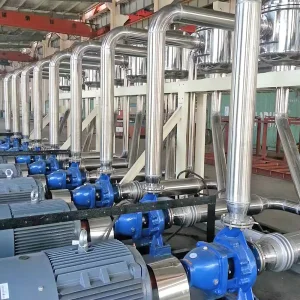
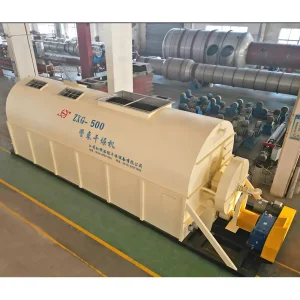
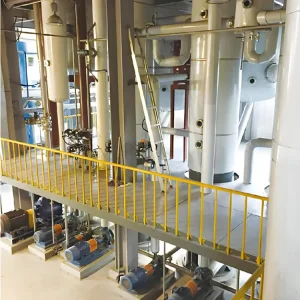
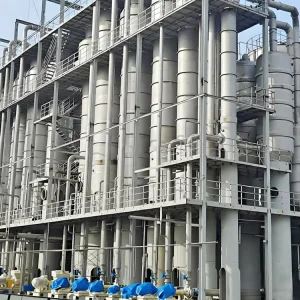
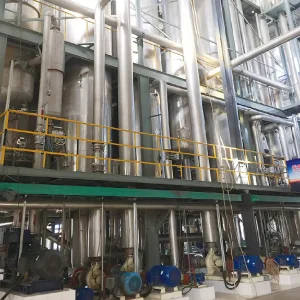
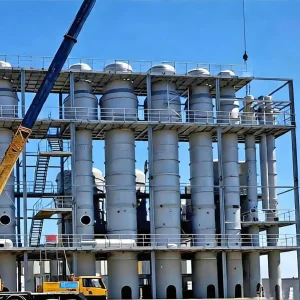
Utilizing waste heat from the production process in the evaporation system—such as waste vapor and condensate from drying starch by-products (fiber, germ, gluten, fiber+CSL), waste vapor and condensate from DDGS drying, and liquefaction vapor from the sugar factory liquefaction process—can, through rational design, significantly reduce fresh steam consumption. This achieves notable energy savings while also greatly cutting dust emissions and reducing environmental pollution.
Frequently Asked Questions
Q
What types of waste heat can be utilized in the waste heat evaporation plant?
The system can utilize various forms of waste heat from production processes, including waste vapor and condensate from drying starch by-products (fiber, germ, gluten, fiber+CSL), waste vapor and condensate from DDGS drying, and liquefaction vapor from sugar factory liquefaction processes.
Q
How does the system handle dust contamination in waste vapor?
The system is designed to completely remove dust carried by waste vapor, preventing it from adhering to the external surface of heater tubes. This ensures a more stable and efficient evaporation process over time.
Q
What industries and liquids is the waste heat evaporation plant best suited for?
The plant is particularly suited for processing corn steep liquid, alcoholic wastewater, and glucose liquid. It is also applicable across chemical, metallurgy, food, pharmaceutical, and wastewater treatment sectors.
Q
Can the evaporation system still operate if the dryers are shut down?
Yes. If the dryers are stopped, the system can seamlessly switch to using fresh steam as the energy source, ensuring continuous and uninterrupted operation of the evaporation system.
Q
What quality certifications does the evaporation equipment comply with?
Our waste heat evaporation plants comply with international quality standards including ISO 9001 and CE certification, backed by rigorous quality control processes and comprehensive after-sales support.
Q
How does the waste heat evaporation plant contribute to energy savings and environmental protection?
By recovering and reusing industrial waste heat, the plant significantly reduces fresh steam consumption and overall energy costs. It also greatly reduces dust emissions and greenhouse gas output, helping facilities meet environmental compliance requirements.
 Zongheng