The Lake Geneva region, encompassing major biopharmaceutical hubs, chemical manufacturing zones, and high-precision food processing facilities, operates under some of the most rigorous environmental mandates in the world. Administered by the Federal Office for the Environment (FOEN) and local cantonal regulators in Geneva, the implementation of sustainable wastewater processing and resource recovery technologies is not just an operational metric—it is a legal imperative.
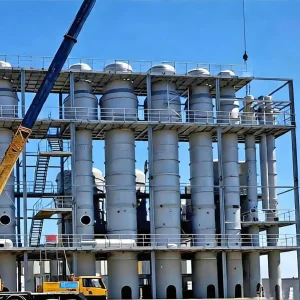
Industrial sectors operating in Geneva face the dual challenge of mitigating carbon footprints under Switzerland's strict climate strategies while managing volatile organic compounds (VOCs) and dense aqueous saline effluent streams. The introduction of state-of-the-art evaporation equipment, including Mechanical Vapor Recompression (MVR) and multi-effect falling film evaporators, serves as a technological bridge. These systems facilitate Zero-Liquid Discharge (ZLD) processes, recovering up to 98% of high-purity water from industrial discharge streams while isolating valuable dry-weight chemical minerals or crystal byproducts.
Furthermore, the rising local costs of steam and thermal energy in Switzerland have driven a pivot toward thermodynamic heat recovery. Modern evaporator designs utilize mechanical energy (electricity) to raise the enthalpy of waste vapors, allowing complete recycling of latent heat within the evaporator loops. Our systems are engineered specifically to comply with the European Union's PED directive, CE markings, and local Swiss safety frameworks, positioning Jiangsu Zongheng as a primary supplier for engineering procurement firms looking to configure plants serving Geneva.
Request Technical Consultation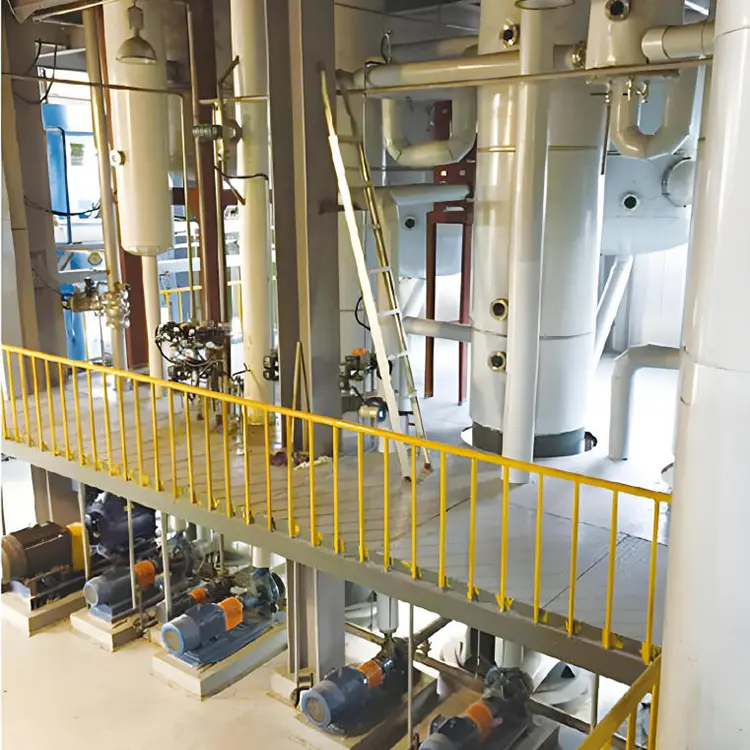
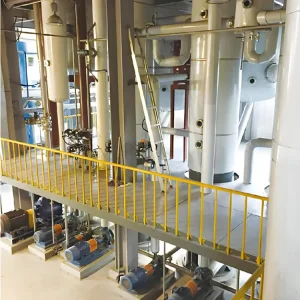
Integrating turbo compressors or roots blowers to recompress waste secondary vapors. MVR systems lower operational expenditures by up to 80% compared to traditional single-effect steam heating. By using electrical energy to drive mechanical vapor compression, this process recycles the latent heat of vaporization, producing a clean condensate and highly concentrated liquid stream without relying on heavy boiler systems. Ideal for the decarbonization initiatives active across Geneva's industrial sectors.
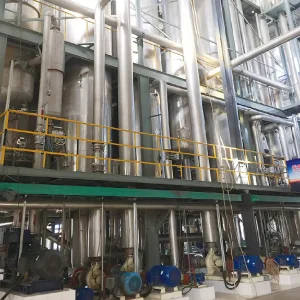
Designed specifically for handling heat-sensitive liquids. Film-forming technologies distribute feed material across vertical heat transfer tube surfaces in a uniform, thin film. High heat transfer coefficients (U-values) combined with short residence times minimize thermal exposure and prevent degradation of delicate biological, pharmaceutical, or nutritional compounds common in the Lake Geneva biotech cluster.
The primary solution for crystallizing products, scaling wastewater, and highly viscous fluids. External recirculation pumps push feed material through shell-and-tube heat exchangers at high velocities (typically 2 to 3 m/s). Boiling is suppressed within the heat exchanger tubes by maintaining hydrostatic head, preventing localized scaling and fouling. Evaporation occurs inside the flash separator chamber, promoting homogeneous crystal growth.
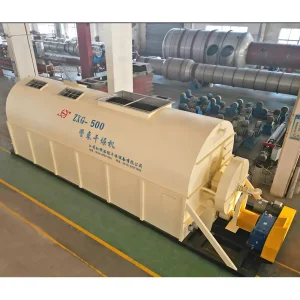
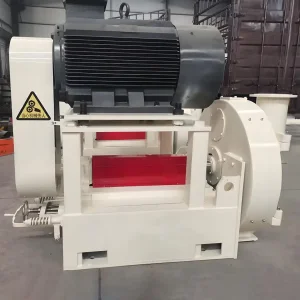
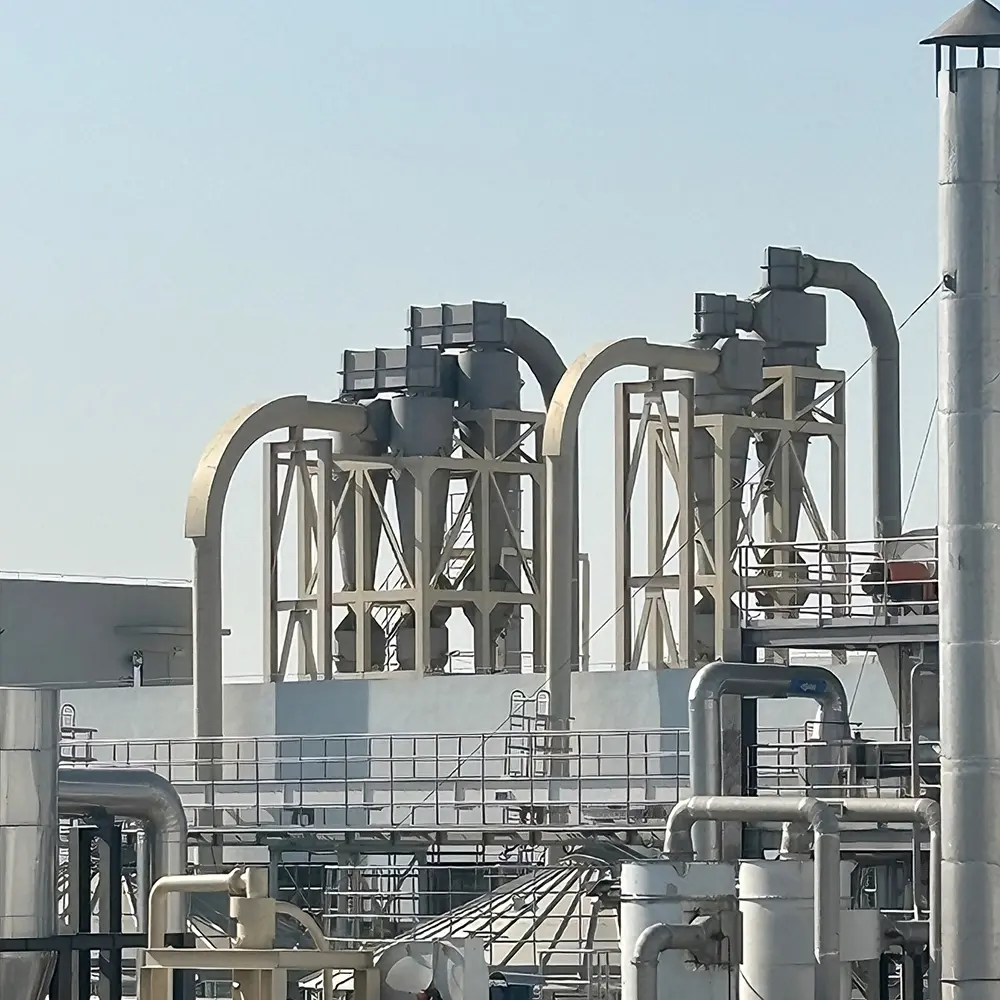
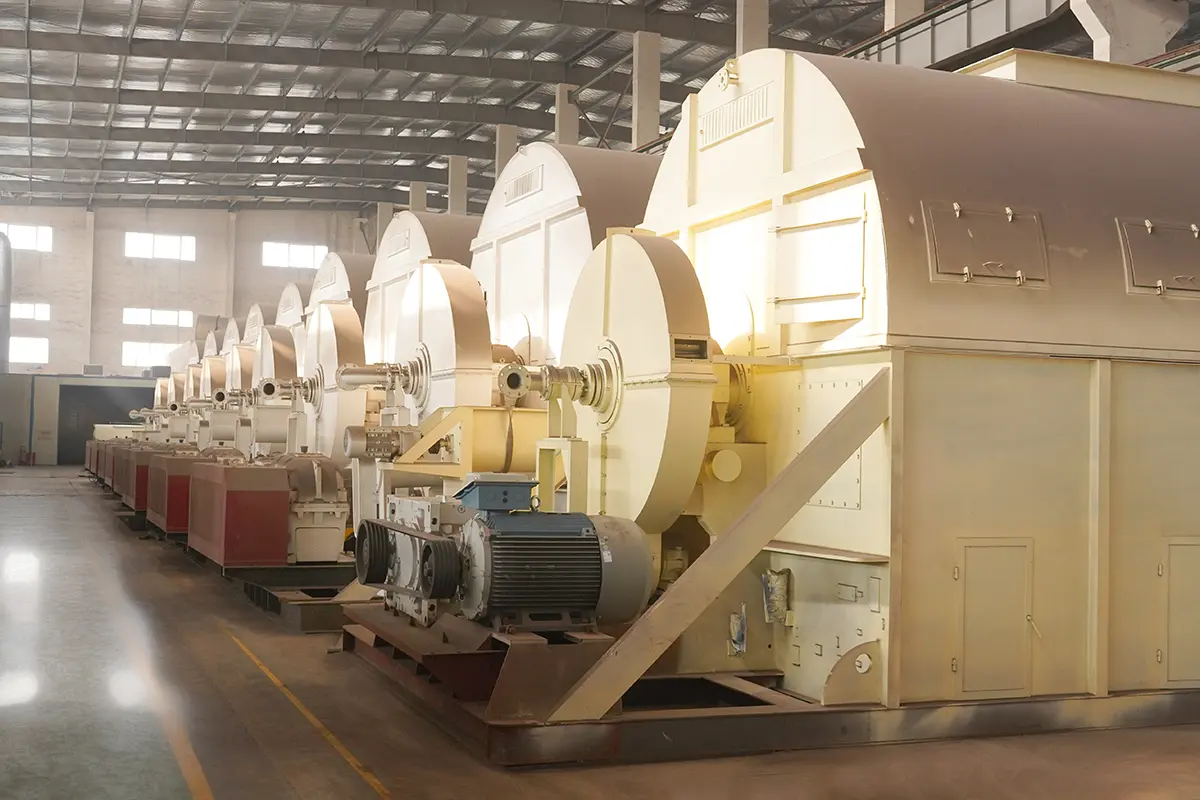
MQG Airflow Dryers: This system uses high-velocity hot air to suspend and fluidize damp materials. By generating impulse airflow through variable tube diameters, it tumbles material particles and dries them during pneumatic transport. This mechanism ensures uniform drying of heat-sensitive granular products, avoiding local heat damage.
Falling Film Evaporation: Formulated for low-temperature operations. Feeds flow down vertical heating tubes as a thin film, initiating partial evaporation. The vapor flows in parallel with the liquid, aiding fluid movement. This short-residence-time system preserves biological and chemical materials. Consistent liquid distribution is maintained across all tube entry points to mitigate scaling, protect tube walls, and optimize thermal transmission.
View System SchematicsEstablished in 1992 (originally Yixing Yangxi Light Industry Machinery Factory), Jiangsu Zongheng is situated in Zhoutie Town, Yixing City, on the shores of Taihu Lake. The company operates a 54,000 square meter facility, with 22,000 square meters dedicated to production workshops.
As a specialized high-tech enterprise, Zongheng designs and manufactures industrial concentration, drying, starch processing, and alcohol DDGS recovery equipment. We are authorized to design and build Category III medium & low-pressure vessels, and maintain membership in the China Starch and Alcohol Association. Our equipment is deployed globally in the food fermentation, starch, bio-ethanol, fine chemical, pharmaceutical, and environmental sectors.
Consult an Engineer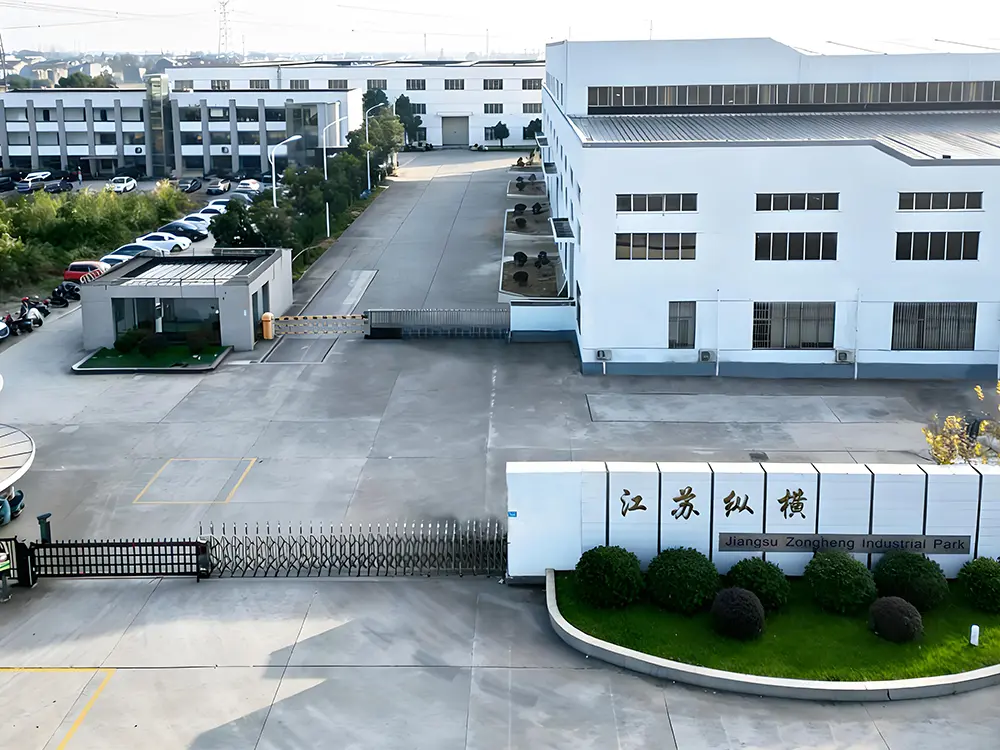
Established as Yixing Yangxi Light Industrial Machinery Factory with 45 employees.
Obtained ISO9001 Quality System Certification.
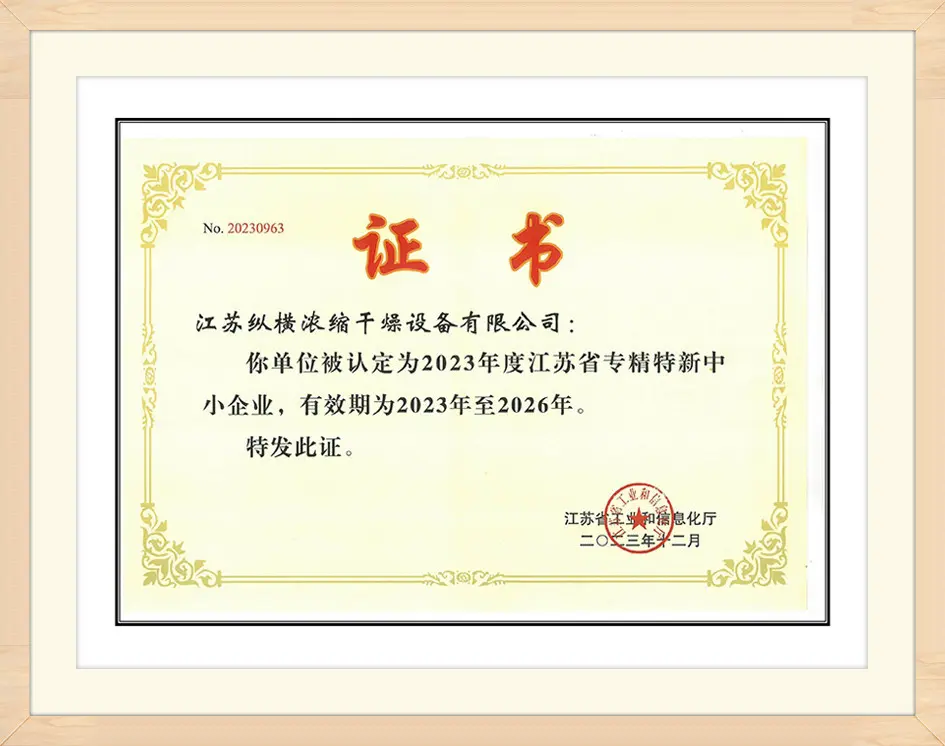
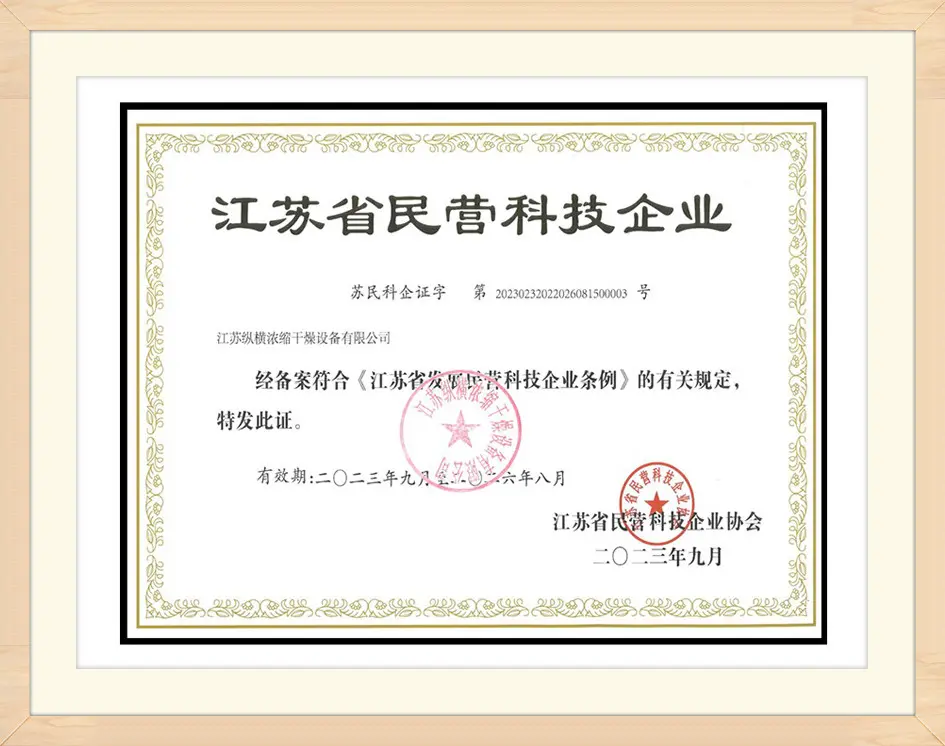
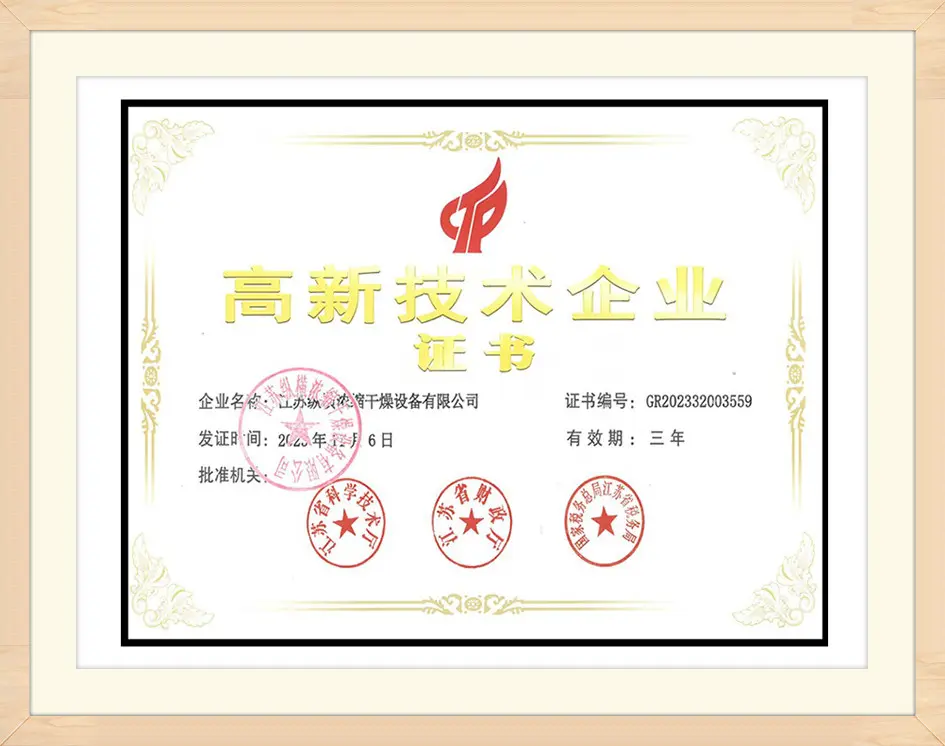
Recognized as a Jiangsu Provincial High-Tech Enterprise.
Obtained the Special Equipment Manufacturing License of PR China (TS2232C42).
Acquired the ASME "U" Stamp Authorization for pressure vessel fabrication.
International Quality System Certification (45021) and advanced QA protocols established.
54,000+ m² footprint with a dedicated team of over 20 professional and senior engineers.
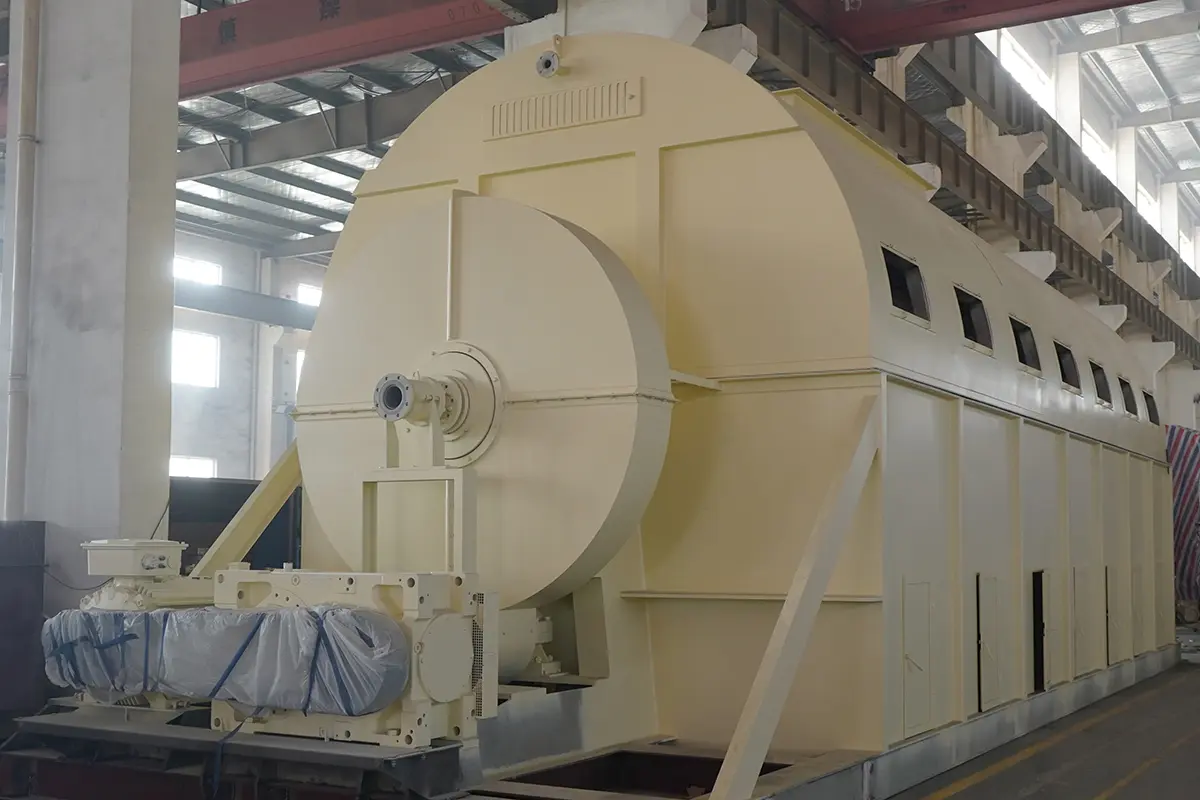
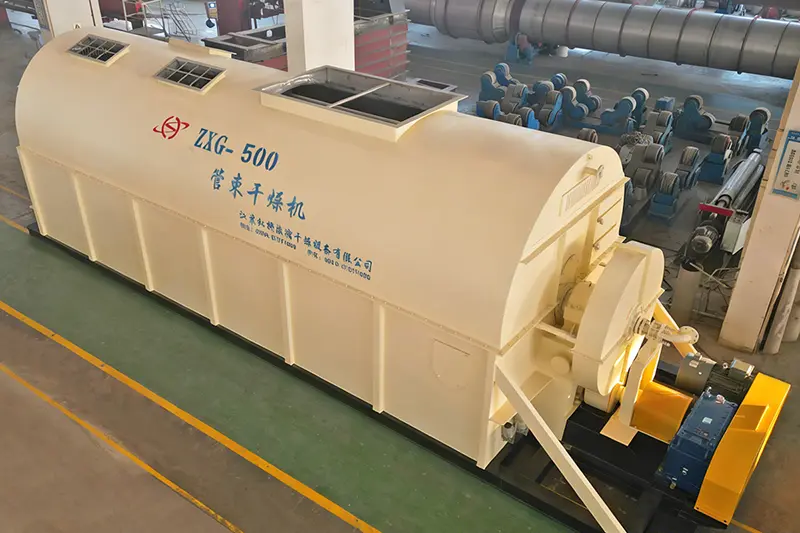
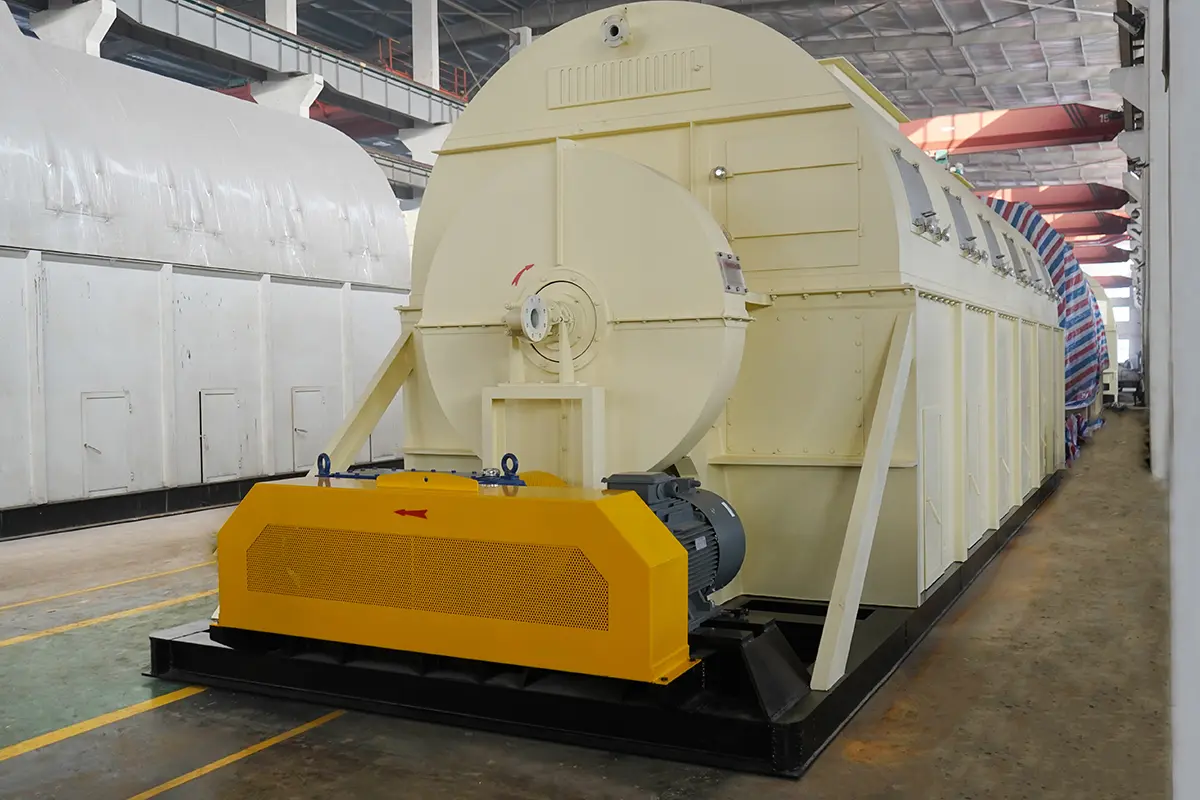
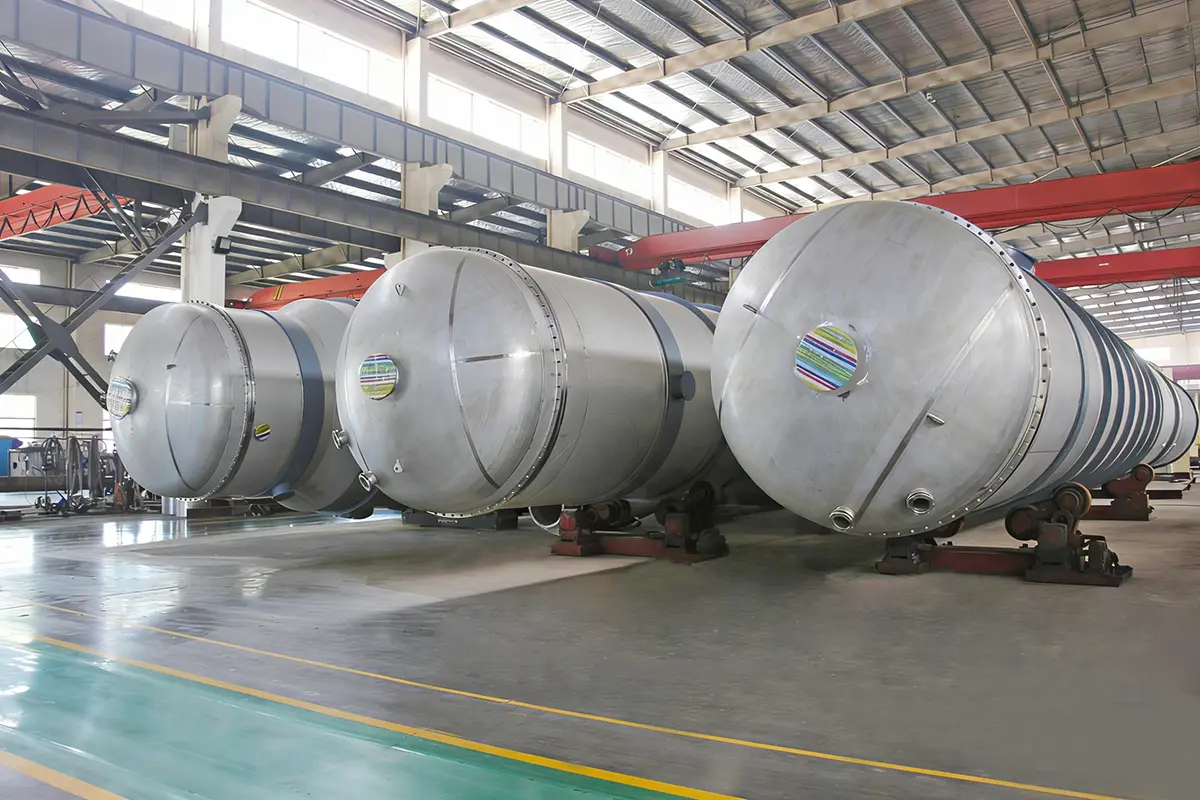
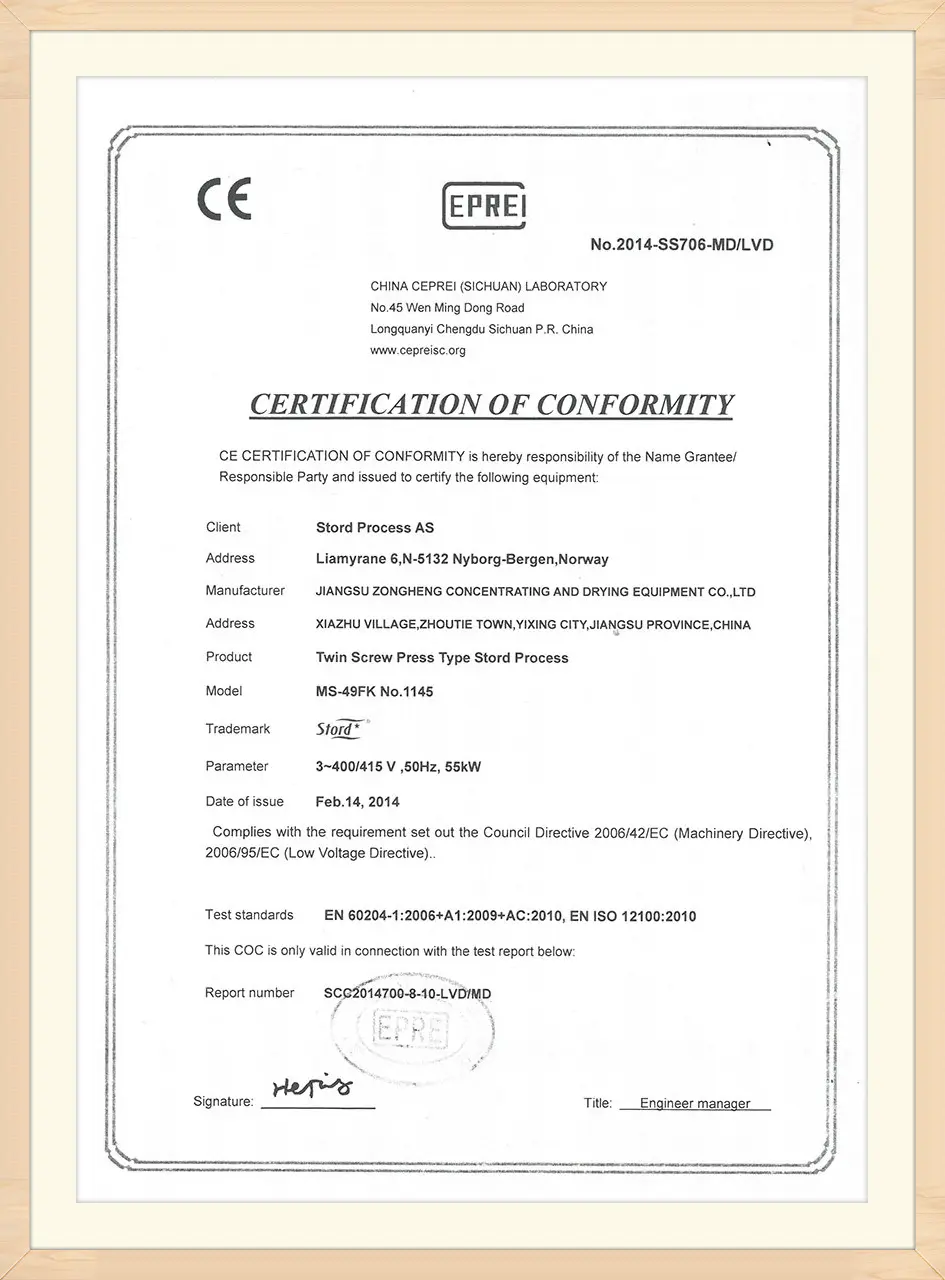
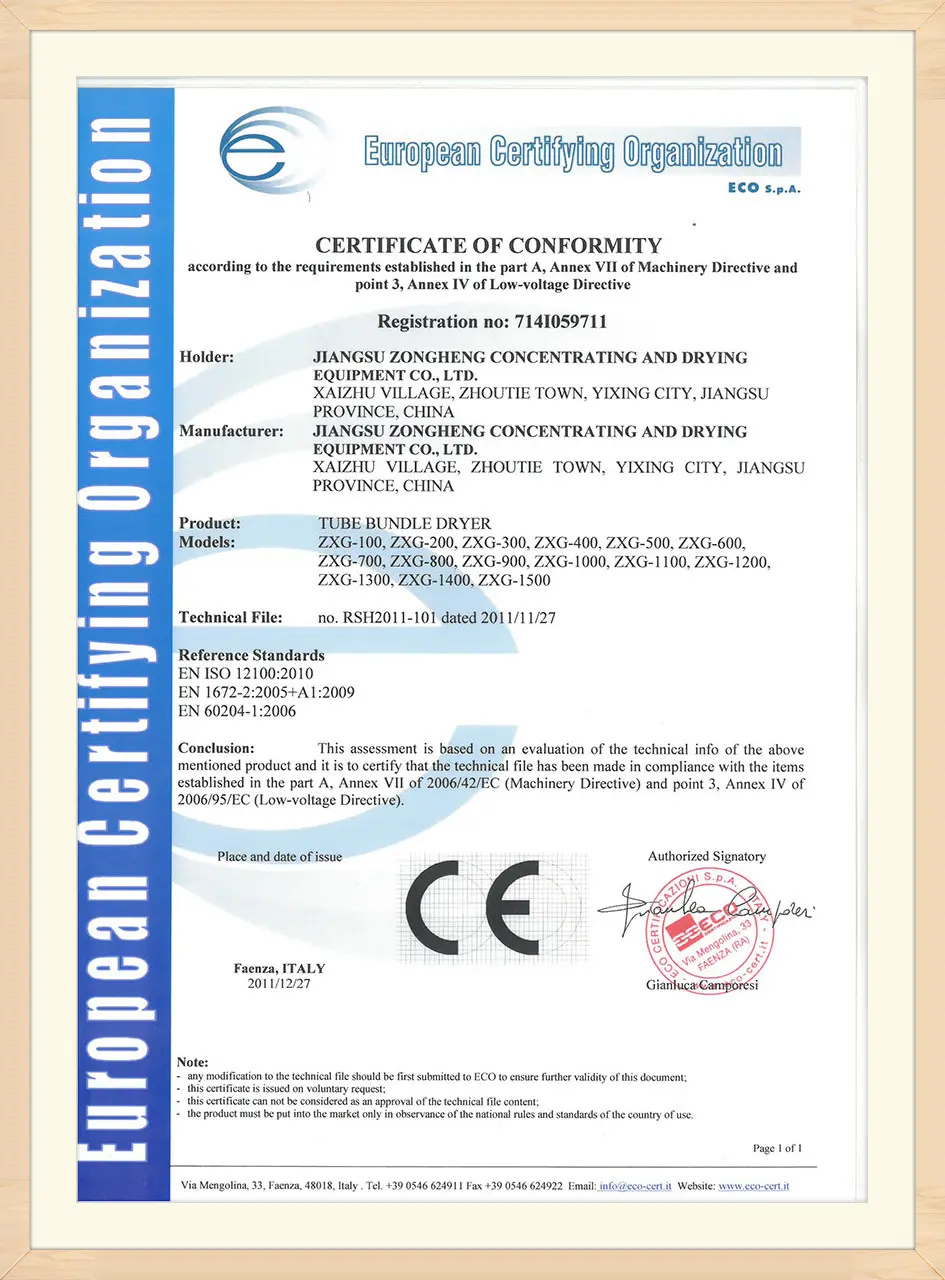
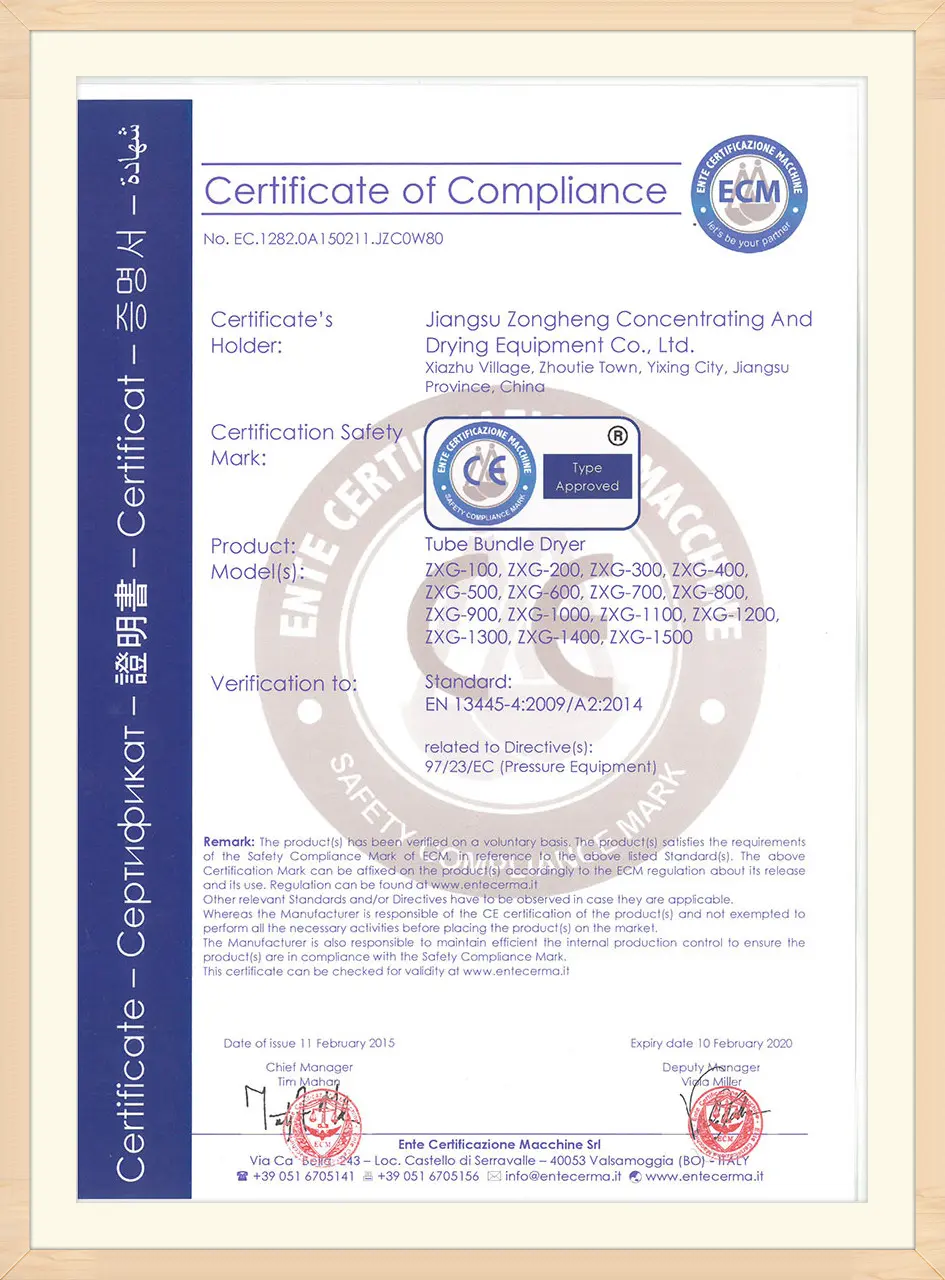
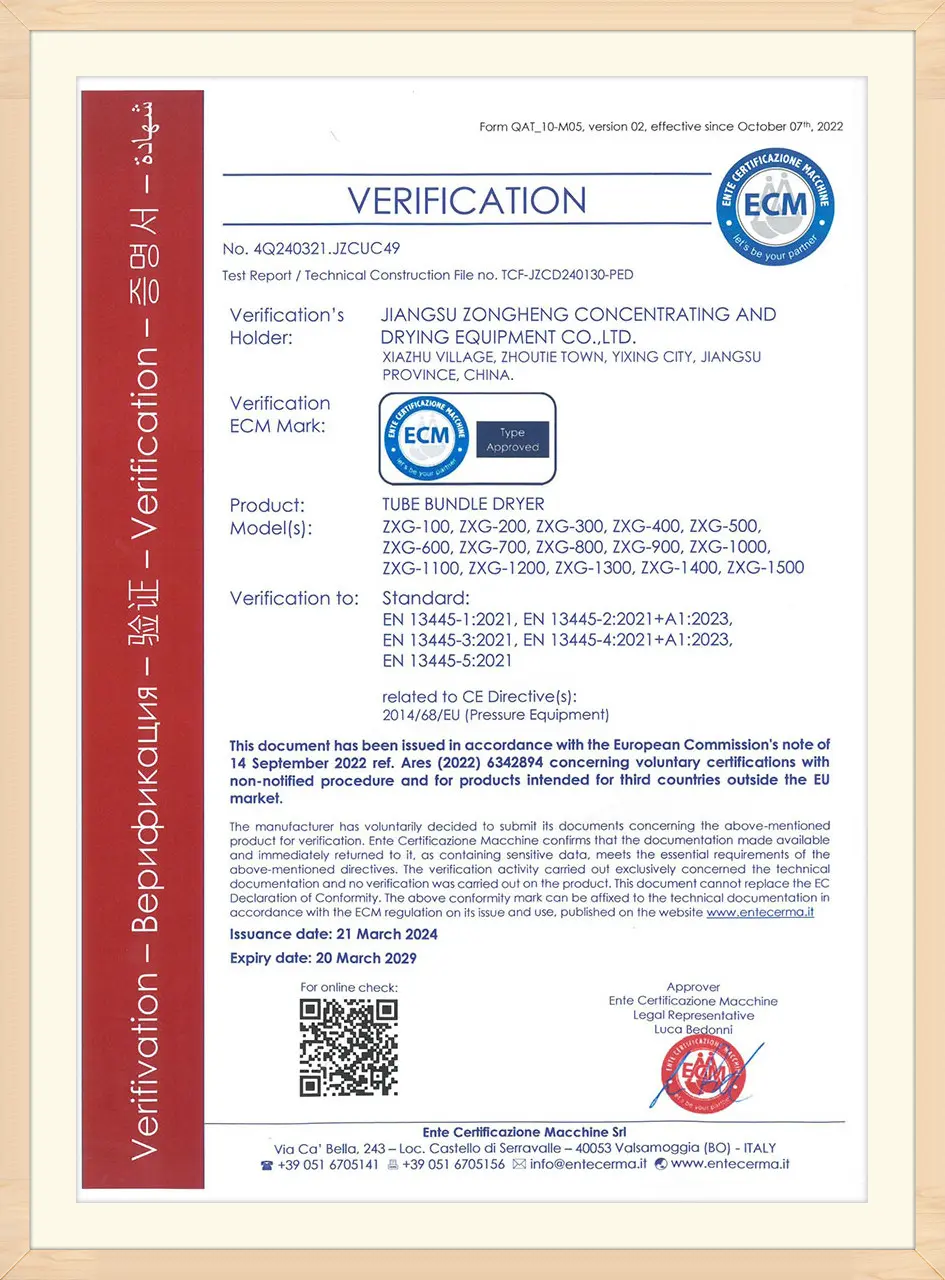
Jiangsu Zongheng manufactures process pressure vessels in compliance with international regulatory codes. We maintain active certification for ASME (U Stamp) design and manufacture, alongside European CE marking approvals for pressure components (PED 2014/68/EU).
Each evaporator module, condenser shell, and distillation column undergoes comprehensive quality inspections. Non-destructive testing (NDT), including radiographic, ultrasonic, and dye-penetrant checks, is documented to align with the specifications of Western European clients, including Swiss manufacturing facilities in Geneva.
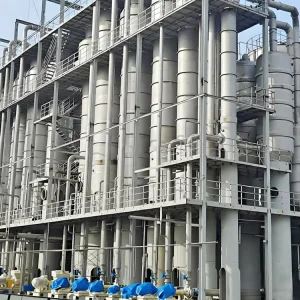

Mechanical Vapor Recompression (MVR) uses a mechanical compressor (centrifugal fan or roots blower) to repressurize the secondary vapor generated from the evaporation process. This increases its temperature and pressure, allowing it to be recycled as heating steam for the same process. This closed loop minimizes external steam consumption, lowering energy use by up to 80% compared to traditional configurations.
In a falling film evaporator, liquid enters the top of the heating tubes and flows down as a thin film. Boiling occurs at lower temperatures under vacuum, and the liquid remains in the heat-exchange zone for only a few seconds. This protects heat-sensitive compounds from thermal degradation, making it suitable for food, beverage, and biopharmaceutical applications in the Geneva area.
Forced Circulation Evaporators are designed for crystallizing and high-scaling solutions. They pump fluid through the heat exchanger tubes at high velocities, using hydrostatic pressure to prevent boiling inside the tubes. Boiling and crystallization occur only inside the flash vessel, minimizing scale formation on heat transfer surfaces.
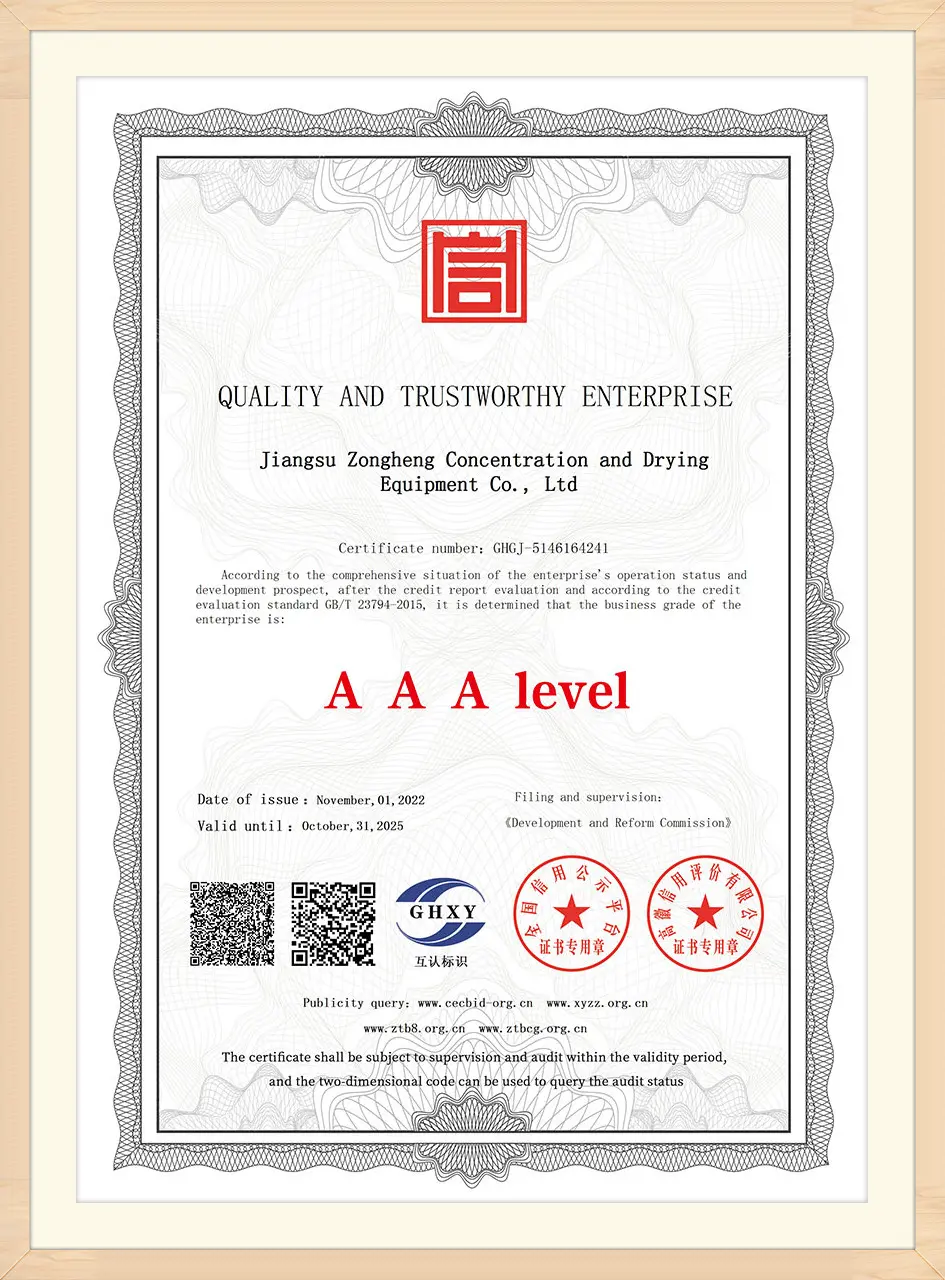
We manufacture our systems in compliance with European quality directives, including the Pressure Equipment Directive (PED 2014/68/EU), and carry the CE mark. We also hold ASME "U" stamp credentials. We work closely with international inspectoral bodies to supply complete, verified technical dossiers for projects in Switzerland and across Europe.
We welcome collaboration with partners from all industries globally. Contact us for custom designs, system calculations, and manufacturing lead times.
Request a Quote NowOur engineering team can assist you with system calculations, mass balance flows, and material selection (Stainless Steel 304, 316L, Duplex, Titanium).
Contact Our Engineers Zongheng