High-efficiency agricultural processing and concentration equipment optimized for the Central American infrastructure.
An in-depth analysis of agricultural processing, corn dry-milling dynamics, and sustainability initiatives within Central America.
Costa Rica's agricultural sector represents a cornerstone of its national economy, transitioning dynamically from traditional farming to high-technology bio-industrial processing. While Costa Rica is globally celebrated for its high-value exports like coffee, pineapple, and bananas, its domestic grain processing and food manufacturing sectors are experiencing rapid modernization. The industrial belt surrounding San José, Alajuela, Cartago, and Heredia hosts major food conglomerates, feed millers, and starch processing plants that process yellow and white corn, cassava, and other raw starches.
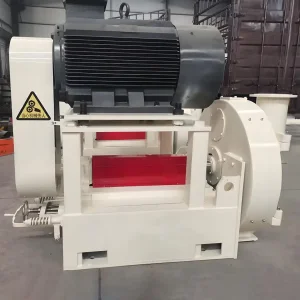
In grain processing, particularly corn dry milling and starch extraction, the degerming process is critical. A degerming mill is the heart of any wet or dry corn milling system, separating the high-oil germ from the starch-rich endosperm. For Costa Rican processors supplying local food brands, starch manufacturers, and the dairy/livestock feed industries (where brands like Dos Pinos and PIPASA drive immense demand), achieving maximum germ separation with minimum starch loss is a primary economic driver. High-purity endosperm grits are crucial for local production of traditional food items like tortillas, corn flour, and extruded snacks.
Because Costa Rica relies on imported yellow corn for animal feed and domestic starch processing, optimizing raw material yield is not just a cost-saving measure—it is a survival imperative. An inefficient degerming process leads to high starch carryover in the germ stream, resulting in lost profits and high organic load in process wastewater. Our advanced Degerming Mills ensure that germ recovery is maximized, allowing processors to extract premium edible corn oils while feeding highly refined hominy feed back to the feed mill sector.
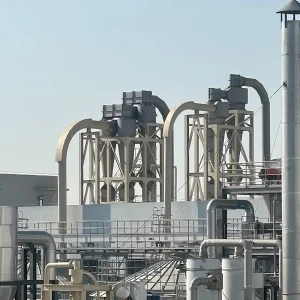
Under the Costa Rican National Decarbonization Plan (Plan Nacional de Descarbonización 2018-2050), industrial operations are under strict mandates to reduce carbon emissions and optimize energy use. Agricultural processing plants, which traditionally consume vast amounts of thermal energy for drying and evaporation, are actively seeking low-emission technologies. This is where modern Chinese engineering steps in. By integrating advanced ZXG Tube Bundle Dryers, MQG Airflow Dryers, and Falling Film Evaporation Plants, factories in Costa Rica can capture and reuse waste heat, significantly reducing their dependency on heavy fuels (like bunker fuel) and shifting toward electricity-driven, biomass-backed, or high-efficiency steam-assisted processes.
Efficient agricultural milling is rarely a standalone process. To convert agricultural raw materials like corn, wheat, or cassava into refined starches, sweeteners, and animal feeds, a complex sequence of mechanical and thermal operations must be perfectly synchronized.
In a modern starch processing factory, the Degerming Mill performs the initial dry or wet breakdown of the grain kernel. Once the germ, fiber, and endosperm are separated, the starch slurry is routed to the Starch Washing Cyclone (YDX Series), which removes protein, soluble minerals, and fine fibers through multi-stage hydrocyclone separation. Following separation, the concentrated starches or by-product proteins (such as gluten or corn steep liquor) contain high levels of moisture.
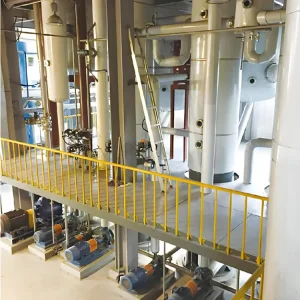
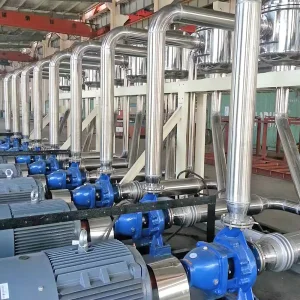
This is where thermal concentration and drying systems become critical. Falling Film Evaporators concentrate heat-sensitive liquids like corn steep liquor (CSL) or distillery wastewater (spent wash) under vacuum, using multi-effect or Mechanical Vapor Recompression (MVR) configurations to minimize steam usage. Finally, the dewatered solids are processed in ZXG Tube Bundle Dryers or Airflow Dryers, reducing moisture levels to shelf-stable limits.
Importing heavy machinery into Central America presents logistical, electrical, and regulatory challenges. As a verified engineering supplier, we ensure all equipment delivered to Costa Rica meets local compliance and site conditions:
Over three decades of manufacturing excellence, specialized technological advancement, and global export capability.
Established as Yixing Yangxi Light Industrial Machinery Factory in Zhoutie Town, Yixing City, on the shores of Taihu Lake. Starting with 45 employees, we began serving the local light industrial machinery market.
Implemented international standard quality control methodologies, obtaining the ISO9001 certification and laying the foundation for global industrial supply chains.
Recognized officially as a Jiangsu Provincial High-Tech Enterprise, accelerating research and development in industrial drying and concentration systems.
Acquired the Special Equipment Manufacturing License of the People's Republic of China (License No.: TS2232C42) for manufacturing Category III medium and low-pressure vessels.
Obtained the ASME "U" Stamp authorization, marking a major milestone for export capability into markets requiring strict international boiler and pressure vessel code standards.
Achieved international quality system certification (Certificate No.: 45021), confirming our standard-aligned operational stability across the concentration and drying industry.
Today, our company covers an area of over 54,000 square meters, with modern production workshops exceeding 22,000 square meters. We employ 3 senior engineers, 20+ engineers, and a total dedicated staff of 120 people.
Explore our industrial evaporators, tube dryers, and energy conservation plants designed to optimize Central American processing factories.
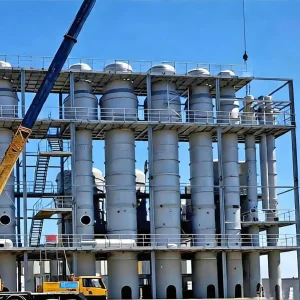
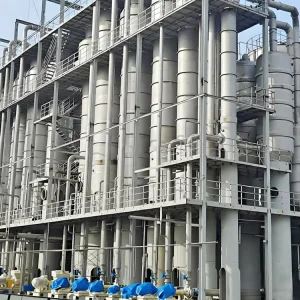
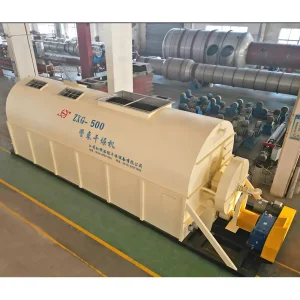
Deploying heavy industrial machinery into Costa Rica requires a deep understanding of local operations. When sourcing a Degerming Mill or an Evaporation Plant, procurement teams look beyond equipment capacity to consider the complete lifecycle, from shipping to mechanical installation and ongoing maintenance.
Port Logistics and Transport: Major industrial machinery enters Costa Rica either through Puerto Caldera on the Pacific coast or Puerto Limón on the Caribbean. Given the mountainous terrain connecting the coasts to the Central Valley (Alajuela, San José, Cartago), we pre-engineer all heavy structures, tube bundle dryers, and evaporators to meet local road transport dimensions. Large structural pieces are shipped as skid-mounted modules to facilitate immediate, crane-assisted installation on arrival.
Corrosion Control & Tropical Climate Considerations: Costa Rica has a tropical, humid climate, often with high salt exposure in coastal processing zones. All our electrical control cabinets are designed to meet NEMA 4X or IP66 standards, protecting delicate electronics from humidity and dust. Exposed structural parts are made of high-quality stainless steel (SS304 or SS316L) or hot-dip galvanized steel to prevent rust and corrosion, ensuring a service life of over 20 years.
The Costa Rican Ministry of Environment and Energy (MINAE) enforces strict regulations on industrial boilers and thermal equipment. Conventional direct-fired drying systems face severe regulatory hurdles. Our indirect steam-heated ZXG Tube Bundle Dryers and vacuum-based Falling Film Evaporators drastically reduce stack emissions, simplifying environmental licensing processes (Viabilidad Ambiental) managed by SETENA.
In alignment with Industry 4.0 standards, the wet milling and starch concentration landscape is undergoing a digital transformation. The next generation of processing systems focuses heavily on data integration and thermal closed-loop engineering:
Common questions answered by our application engineers on importing, optimizing, and operating industrial machinery in Costa Rica.
 Zongheng