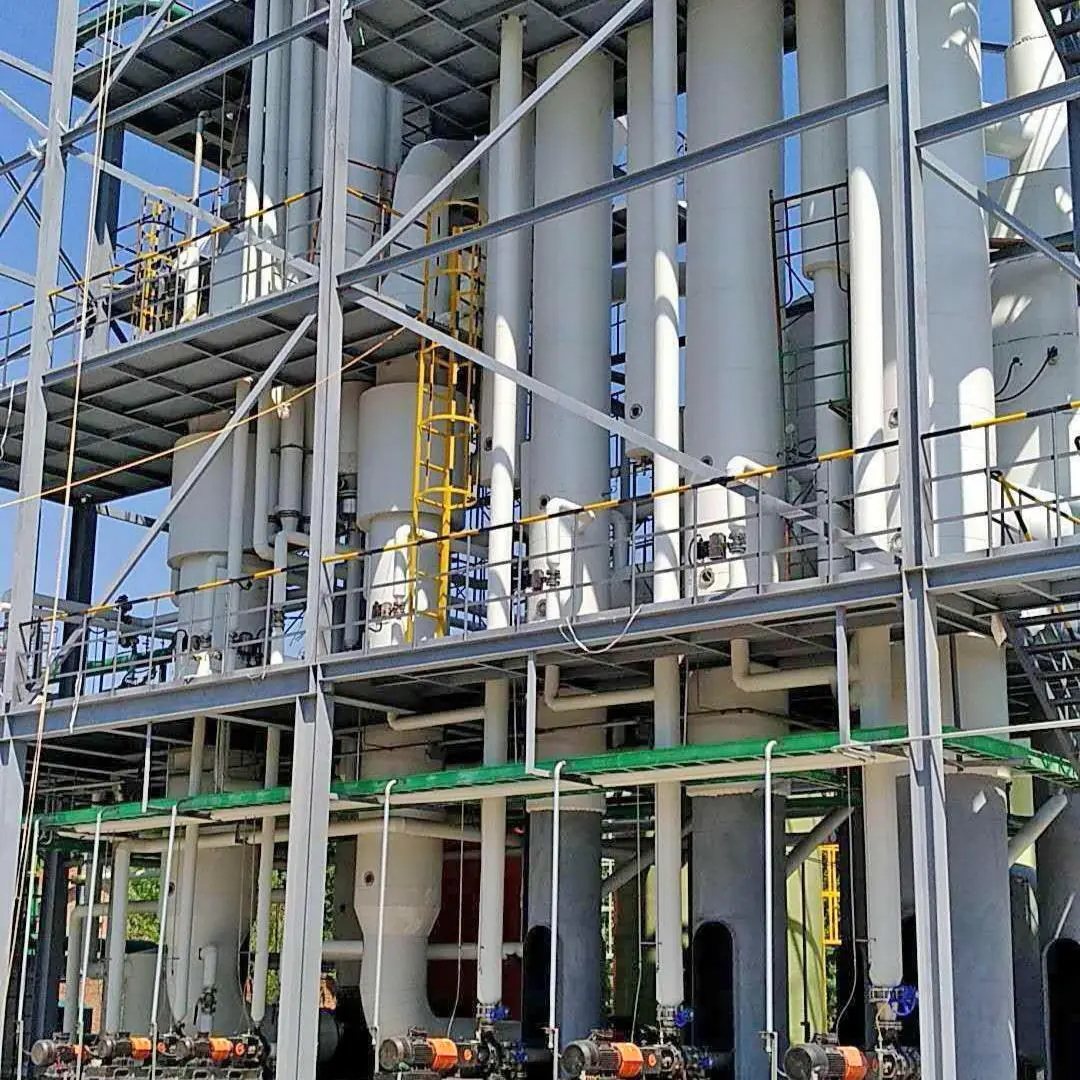
China Energy-Efficient Evaporation Solutions by China's Leading Suppliers and Factory for Liquid Concentration Service, Factories

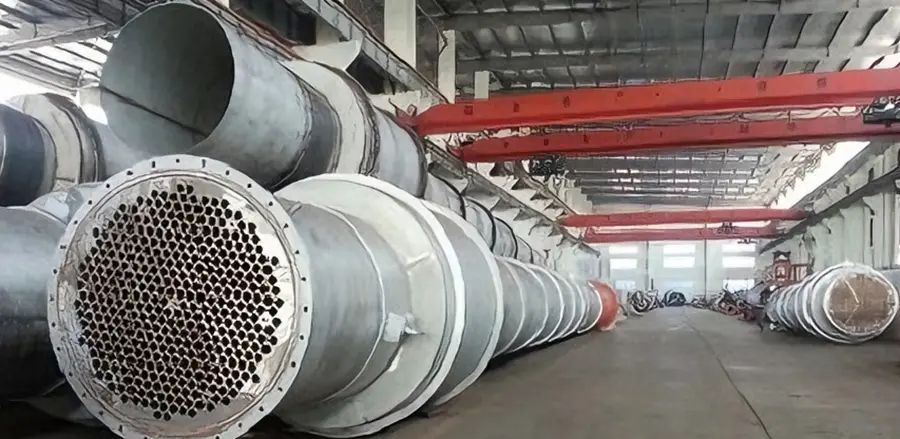
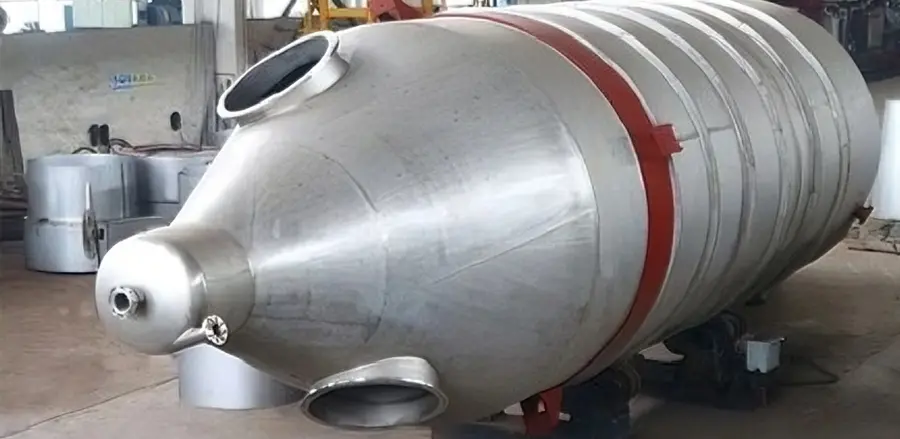
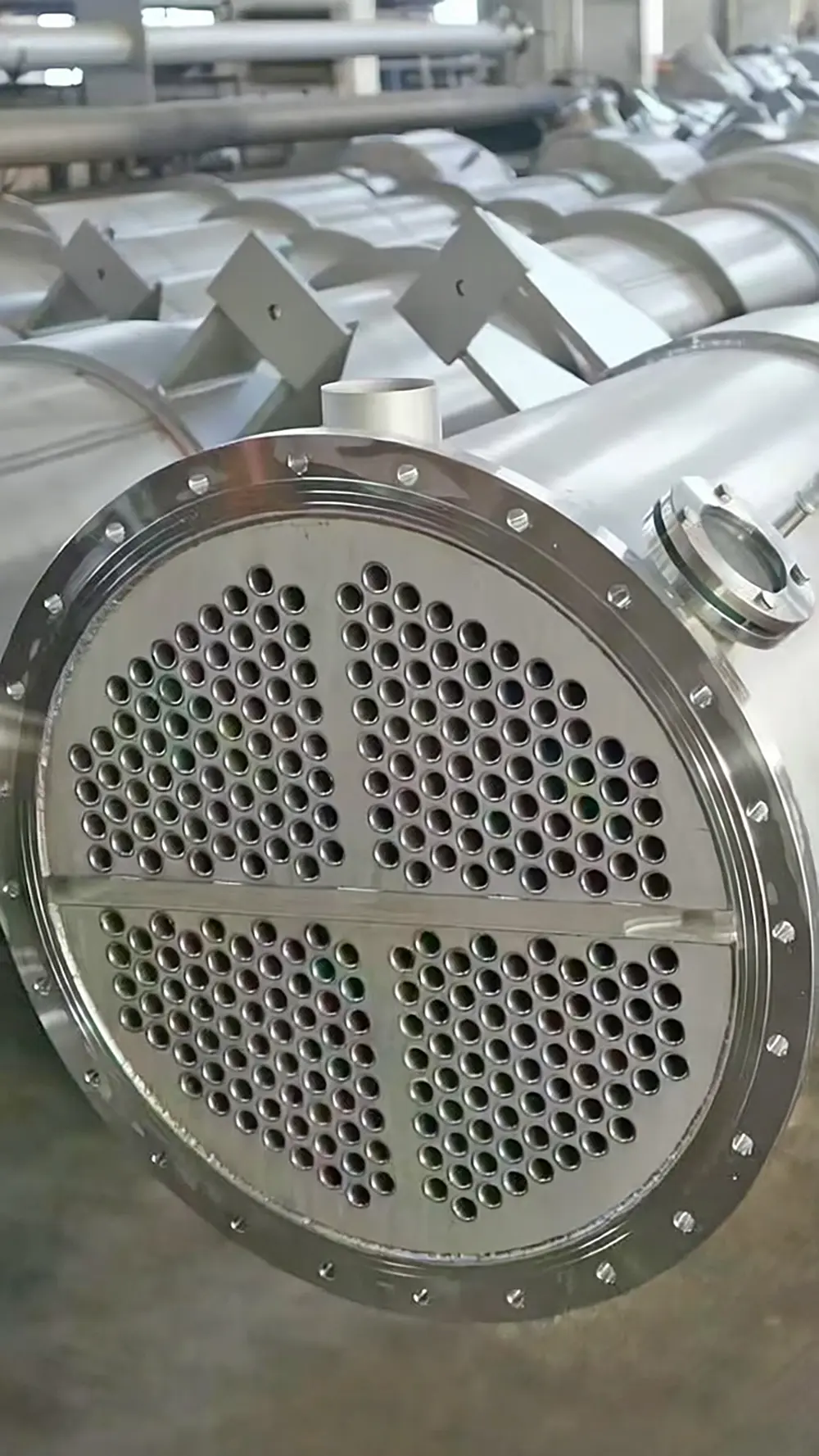
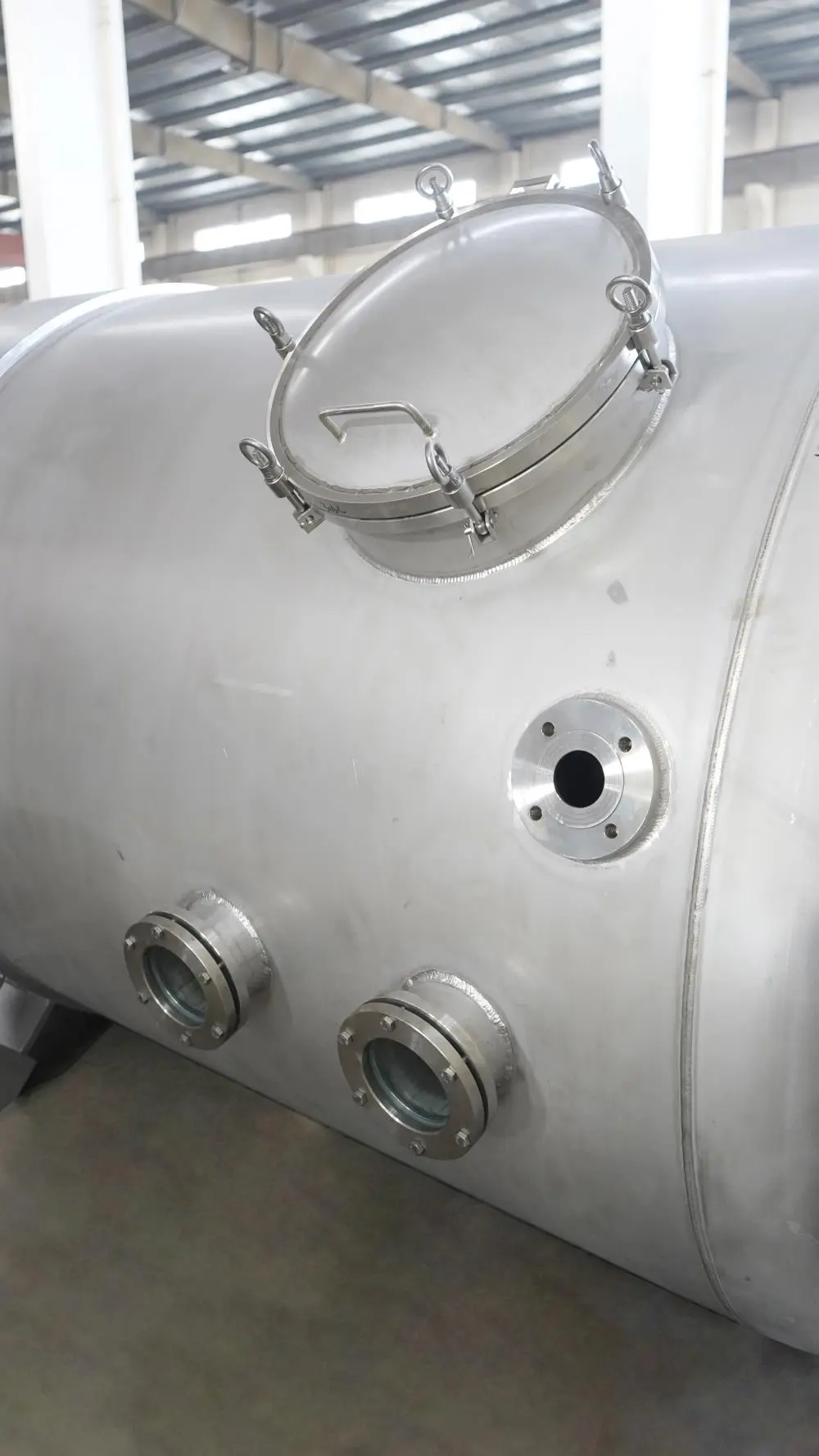
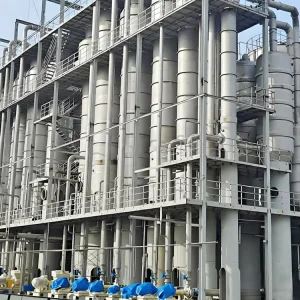
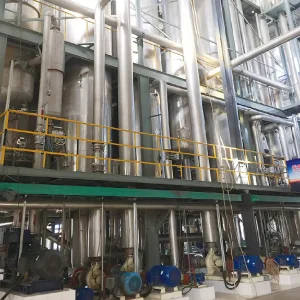
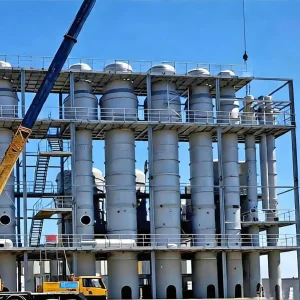
Zonghong, a leading factory in China, specializes in providing energy-efficient and high-performance evaporation solutions designed to concentrate liquids by efficiently removing water. This essential process, crucial for industries such as chemicals, pharmaceuticals, and food, requires optimization to minimize energy costs. As experienced suppliers, our engineers work closely with you to choose the best evaporation solutions tailored to your specific product requirements, energy sources, and pricing needs. Trust Zonghong for innovative and cost-effective evaporation technologies

Product Description

Description

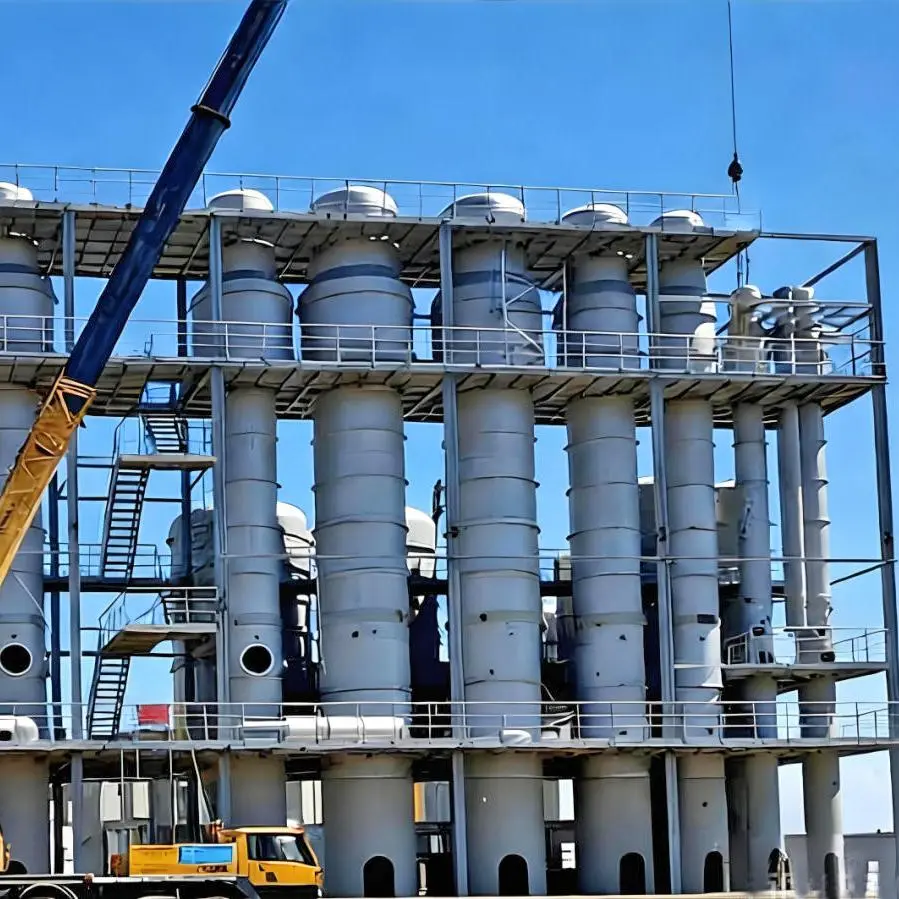
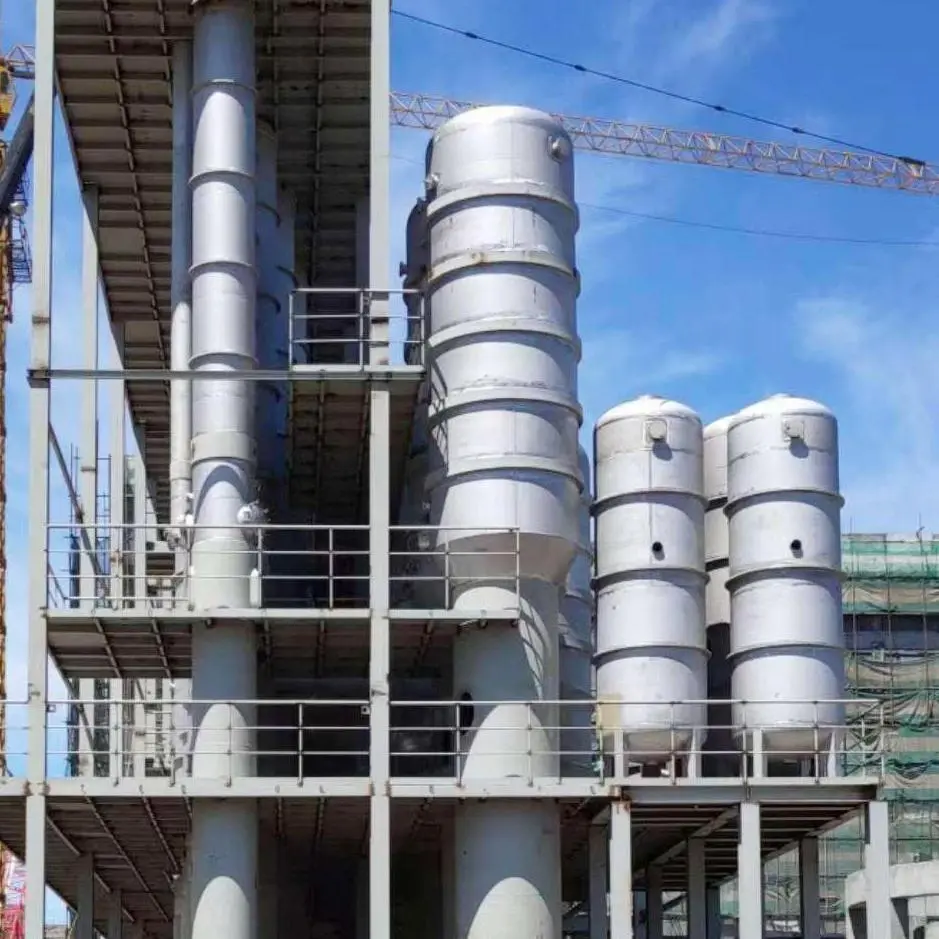
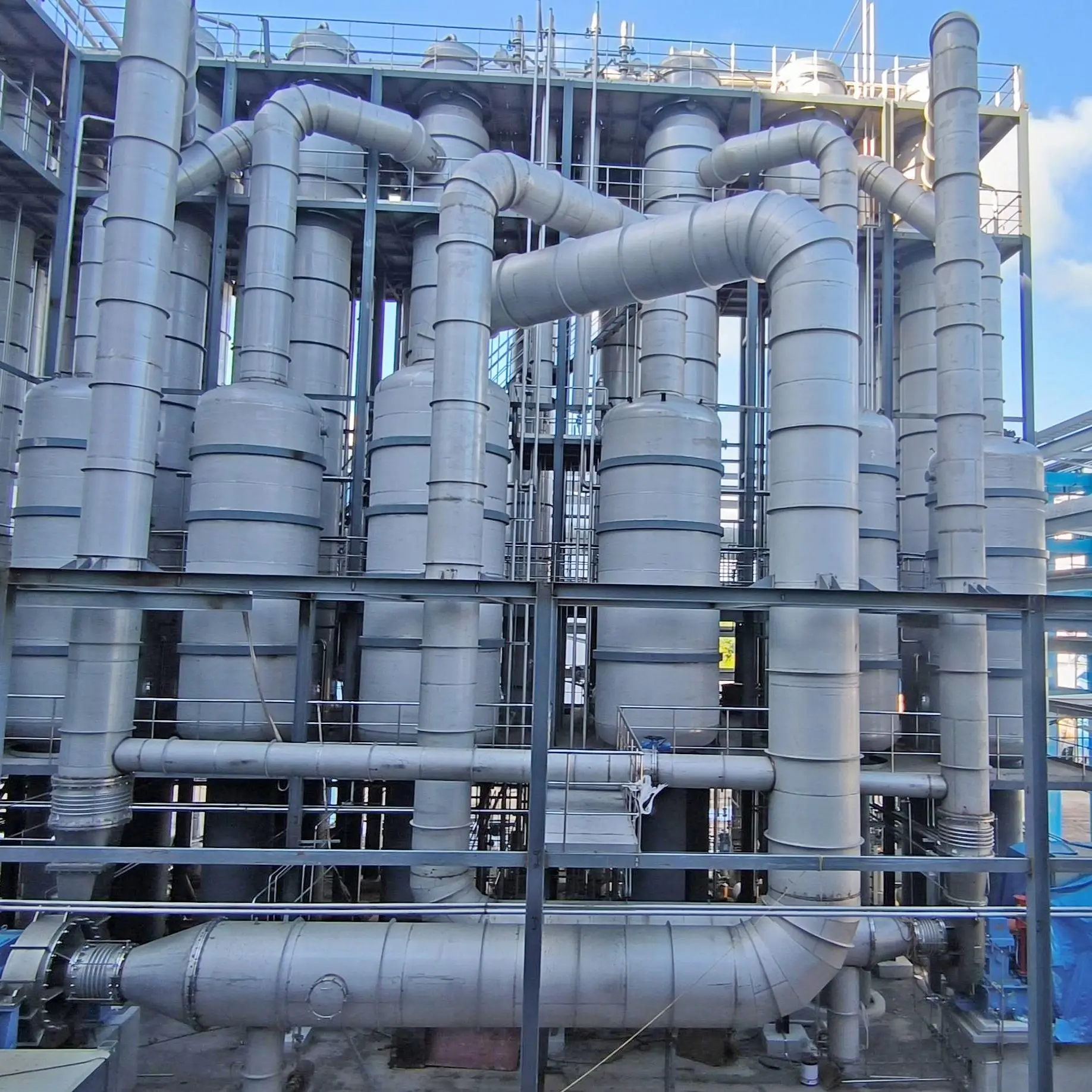
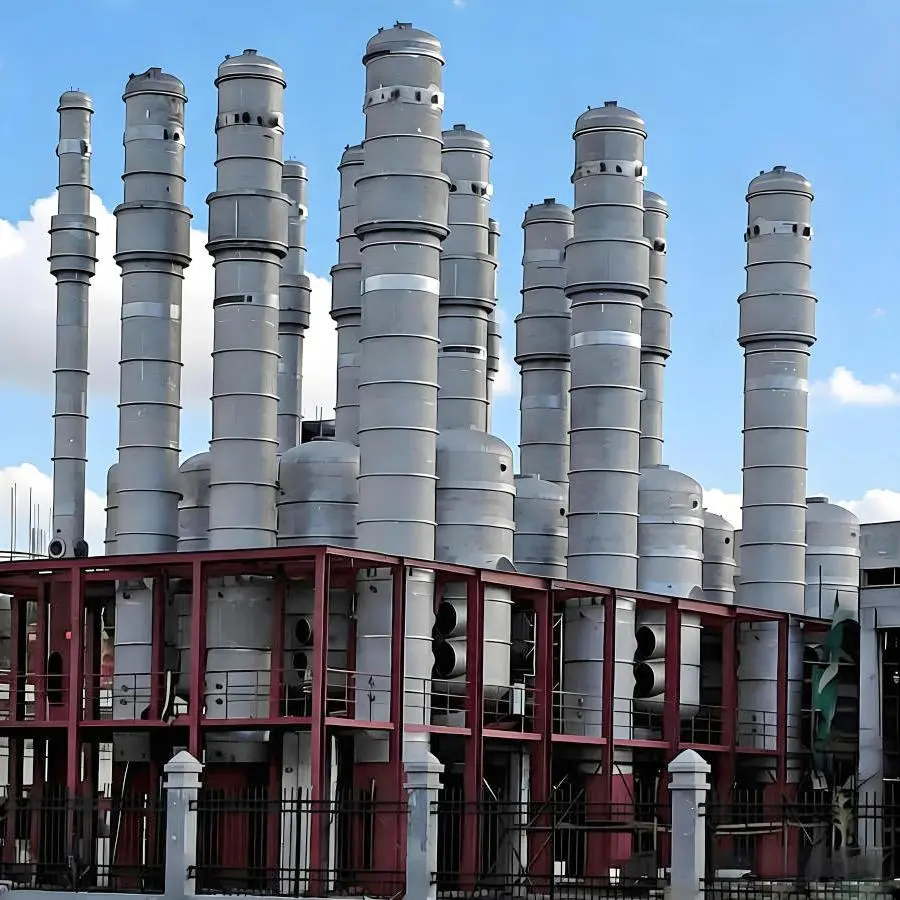
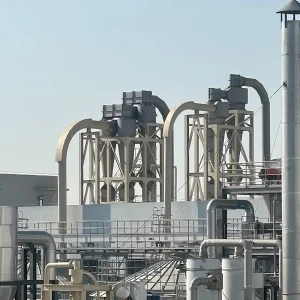
Evaporation is employed to concentrate solutions, either to minimize water content prior to transportation or storage, or as an initial step in converting liquids into powdered products.

As the most energy-intensive operation in chemical, pharmaceutical, environmental protection, food, beverage, and natural organic product industries, optimizing evaporator performance is essential for reducing operational costs.

We provide a comprehensive range of high-efficiency, high-performance evaporation systems tailored for these sectors. Our engineering team is ready to help identify the optimal solution for your specific requirements, based on your product characteristics, available energy source, and local energy pricing.
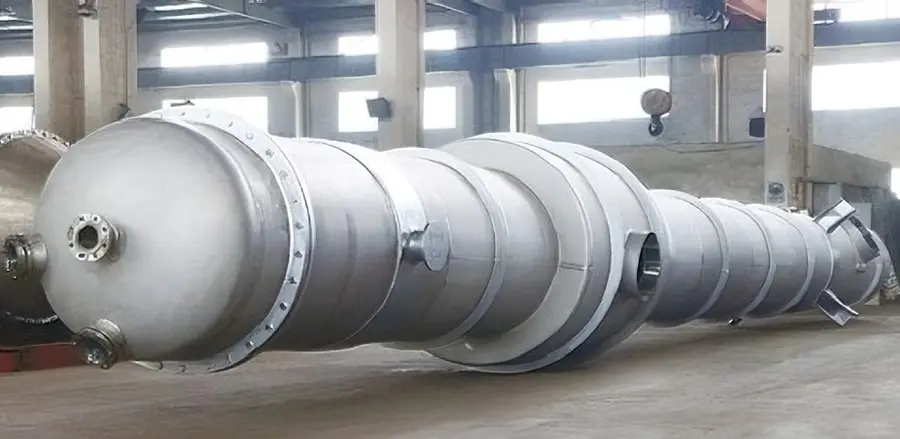
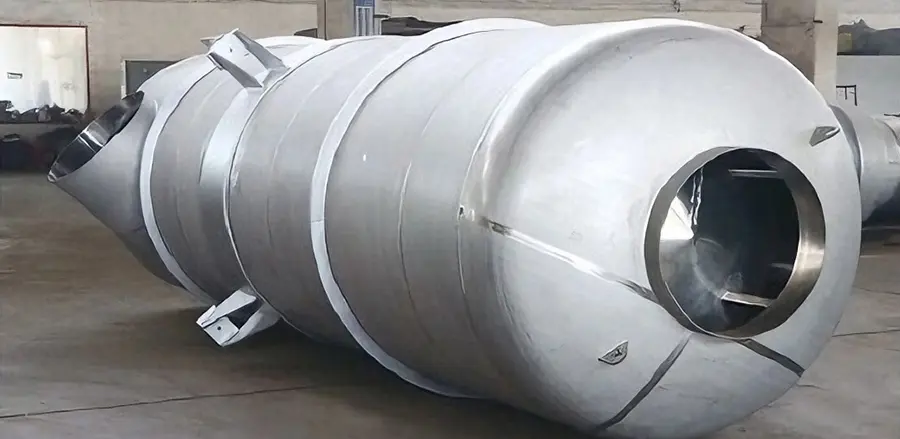
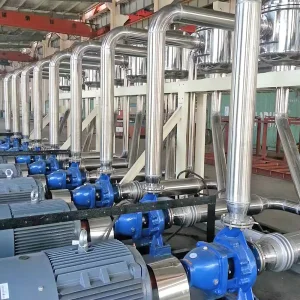
Evaporation
Evaporation1
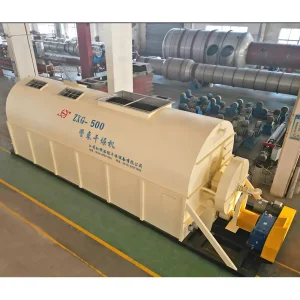
Evaporation2
Evaporation3
More Details
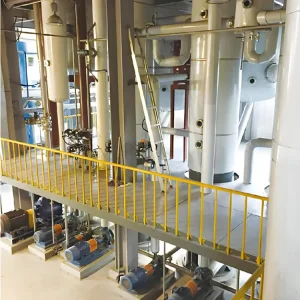
Evaporation4
Evaporation5
Evaporation Technology
Application
1. Chemical and Pharmaceutical Industry
Caustic solutions

Caustic soda solution, caustic potash solution

Organic acids

Ascorbic acid, citric acid

Inorganic acids

Phosphoric acid, nitric acid

Amines

Urea, diethylamine

Chemical and Pharmaceutical Industry
Saline solutions

Sodium chloride, Ammonium nitrate, Ammonium sulphate, Sodium sulphate

Alcohol

Methanol, ethanol, glycerine, glycol, isopropanol

Organic products

Aromatic compounds, acetone, caprolactam water, synthetic glue, aromas

Pharmaceutic solutions

Enzymes, antibiotics, drug extracts, sugar substitutes, sorbitol, sorbose and gluconate

Suspensions

Kaoline, calcium carbonate

Waste water

Process waste water, wash and rising water, oil emulsions, etc.

2. Food and Beverage Industry
Dairy products

Whole and skimmed milk, condensed milk, whey and whey derivates, buttermilk proteins, lactose solutions, lactic acid

Protein solution

Soya whey, nutrient yeast and fodder yeast

Fruit juices

Orange and other citrus juices, pomaceous juice, red berry juice, tropical fruit juices

Food and Beverage Industry
Vegetable juices

Beetroot juice, tomato juice, carrot juice

Starch products

Glucose, dextrose, fructose, isomerose, maltose starch syrup, dextrine

Sugar

Liquid sugar, white refined sugar, sweetwater

Extracts

Coffee and tea extracts, hop extract, malt extract, yeast extract, pectin

3. Organic Natural Products Industry
Fermentation broth

Glutamate, lysine, betain

Steep water

Corn steep water, sorghum steep water

Glue and gelatine

Technical gelatine, edible gelatine, leather glue and bone glue

Stick water

Slaughterhouse waste water, fish stick water, fruit peel press water, beet chips, fibre press water, fibreboard press water

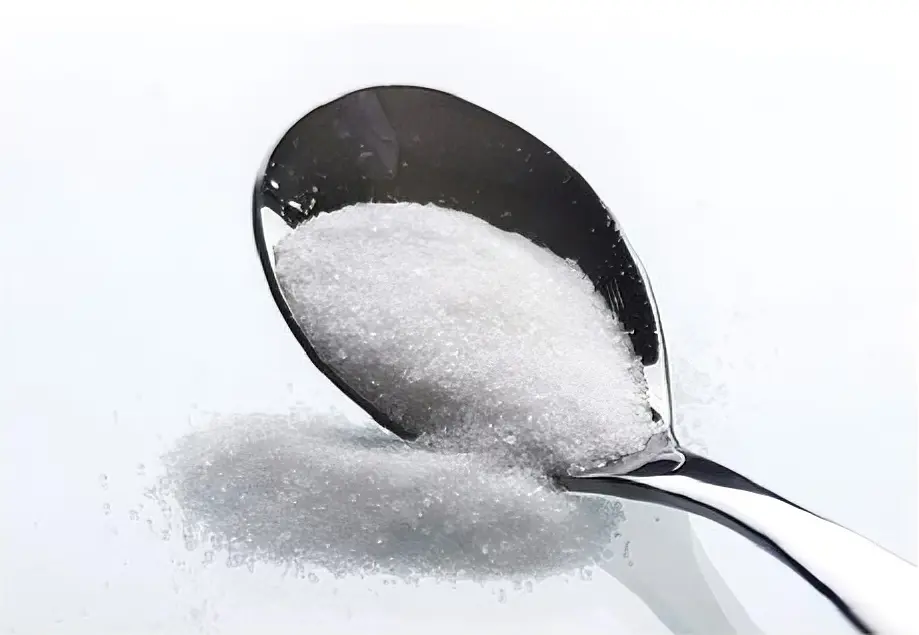
Organic Natural Products Industry 01
Organic Natural Products Industry 02
Emulsions

Miscella

Extracts

Tanning extract

Blood

Whole blood, blood plasma

Organic waste water

Wash water, wheat and potato starch effluents

Stillage

Whisky, corn, yeast, potato stillages, vinasses
Frequently Asked Questions
Q What is industrial evaporation and what is it used for?
Industrial evaporation is a thermal separation process used to concentrate solutions by removing water or other solvents. It is widely applied in chemical, pharmaceutical, food, beverage, and natural organic product industries — either to reduce volume for transportation and storage, or as a pre-step in spray drying to produce powdered products.
Q Which industries benefit most from these evaporation systems?
These evaporation systems are designed for a broad range of industries including chemical and pharmaceutical manufacturing, food and beverage processing, and organic natural product production. They handle products ranging from caustic solutions and organic acids to dairy products, fruit juices, fermentation broths, and industrial wastewater.
Q How is the right evaporation system selected?
Our engineering team evaluates your specific requirements based on product characteristics (viscosity, heat sensitivity, fouling tendency), available energy sources (steam, hot water, heat pumps), and local energy pricing. This analysis ensures the most energy-efficient and cost-effective solution is recommended for your application.
Q Can evaporation systems handle waste water and process effluents?
Yes. These evaporation systems are capable of treating various types of industrial wastewater including process waste water, wash and rinsing water, oil emulsions, organic waste water, and stillages. This makes them valuable not only for product concentration but also for environmental compliance and water recovery.
Q What types of food and beverage products can be processed by evaporation?
Evaporation systems are suitable for concentrating a wide range of food and beverage products, including dairy products (milk, whey, lactose), fruit and vegetable juices, starch-derived products (glucose, fructose, maltose syrup), sugar solutions, and various extracts such as coffee, tea, malt, and pectin.
Q Why is energy efficiency important in evaporation, and how is it achieved?
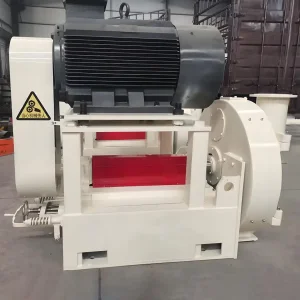
Evaporation is typically the most energy-intensive step in many production processes. Improving energy efficiency directly reduces operating costs and environmental impact. This is achieved through multiple-effect evaporation, mechanical vapor recompression (MVR), and thermal vapor recompression (TVR) technologies, which recycle and reuse energy within the system to minimize steam and utility consumption.

Related Products