Engineered to deliver high thermal efficiency, low energy consumption, and superior operational stability.
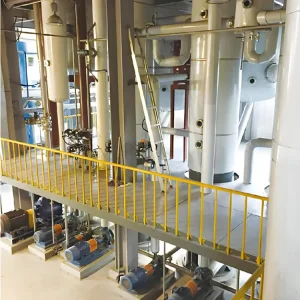
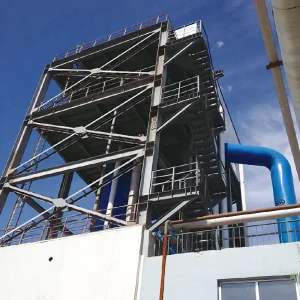
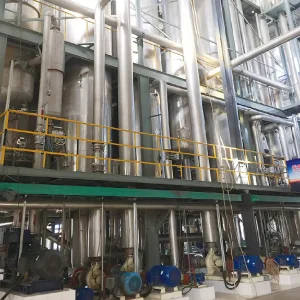
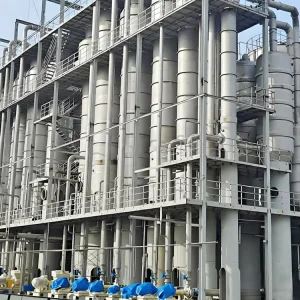
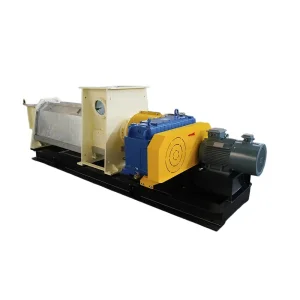
Comprehensive systems engineered to address solid-liquid separation, thermal drying, and chemical processing.
Jiangsu Zongheng's MQG Airflow Dryer employs high-speed hot air to suspend and fluidize materials. By utilizing impulse airflow generated from precisely varied tube diameters, it continuously tumbles particles while conveying them. This design ensures rapid, uniform, and highly efficient drying throughout the entire transportation process within the system, making it ideal for processing starch, protein powders, and chemical intermediates.
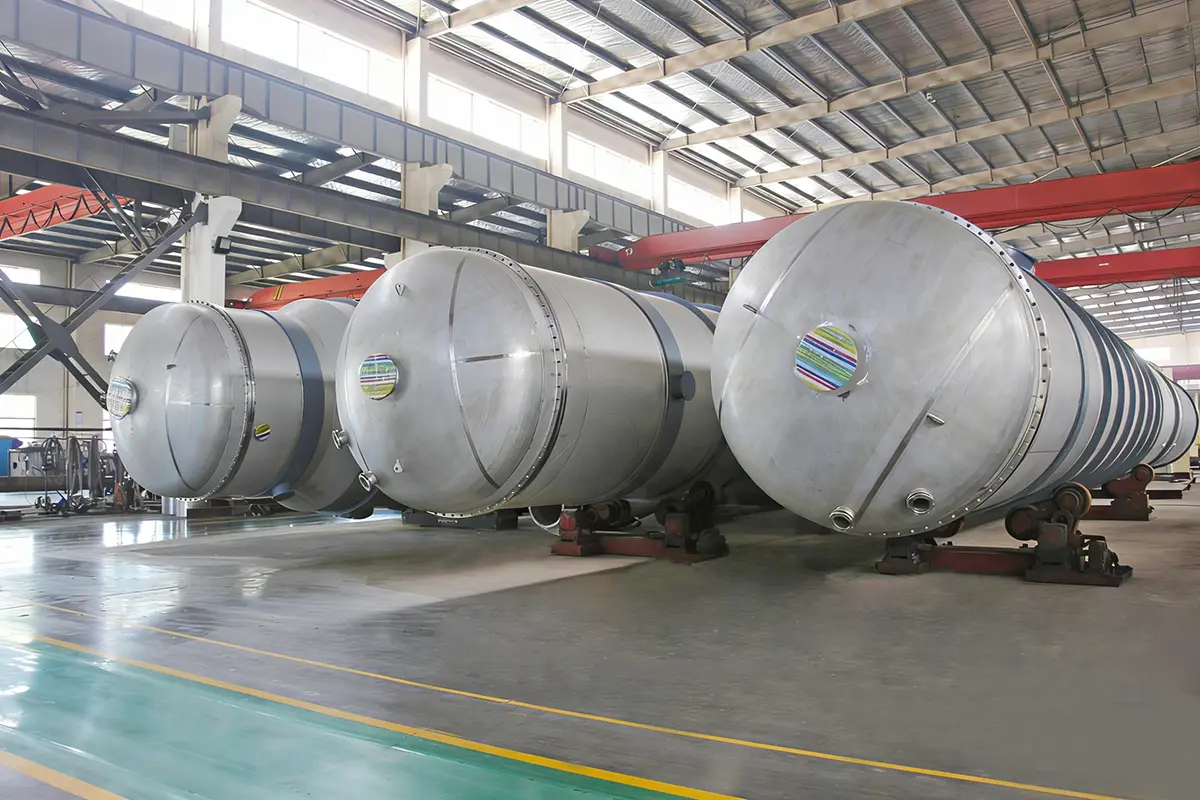
A falling film evaporator efficiently concentrates heat-sensitive liquids. The feed liquid forms a thin film flowing down heated vertical tubes, where it partially evaporates. Vapor generated flows parallel to the liquid, enhancing the process. It ensures a short residence time and low operating temperature, preserving product quality. The system requires proper liquid distribution and complete surface wetting to prevent fouling and maintain high thermal efficiency and operational stability.
A Technical Whitepaper on Rotary Tube Bundle Drying Technology, Energy Integration, and Compliance
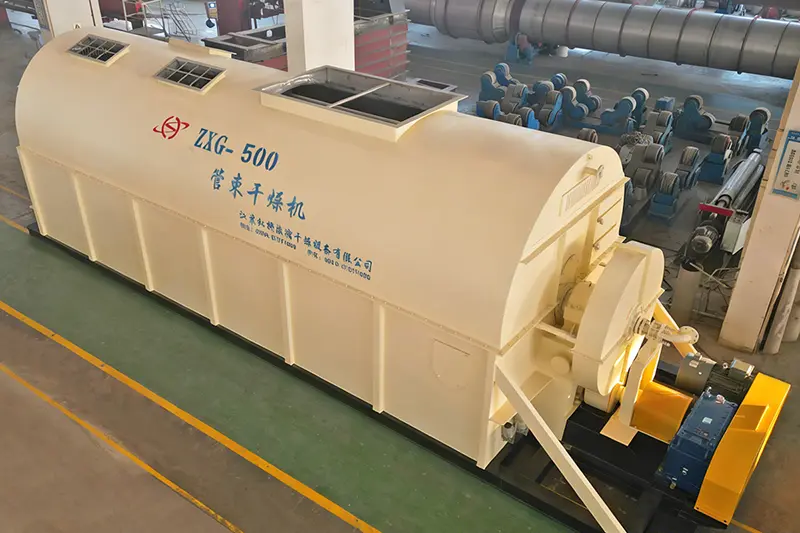
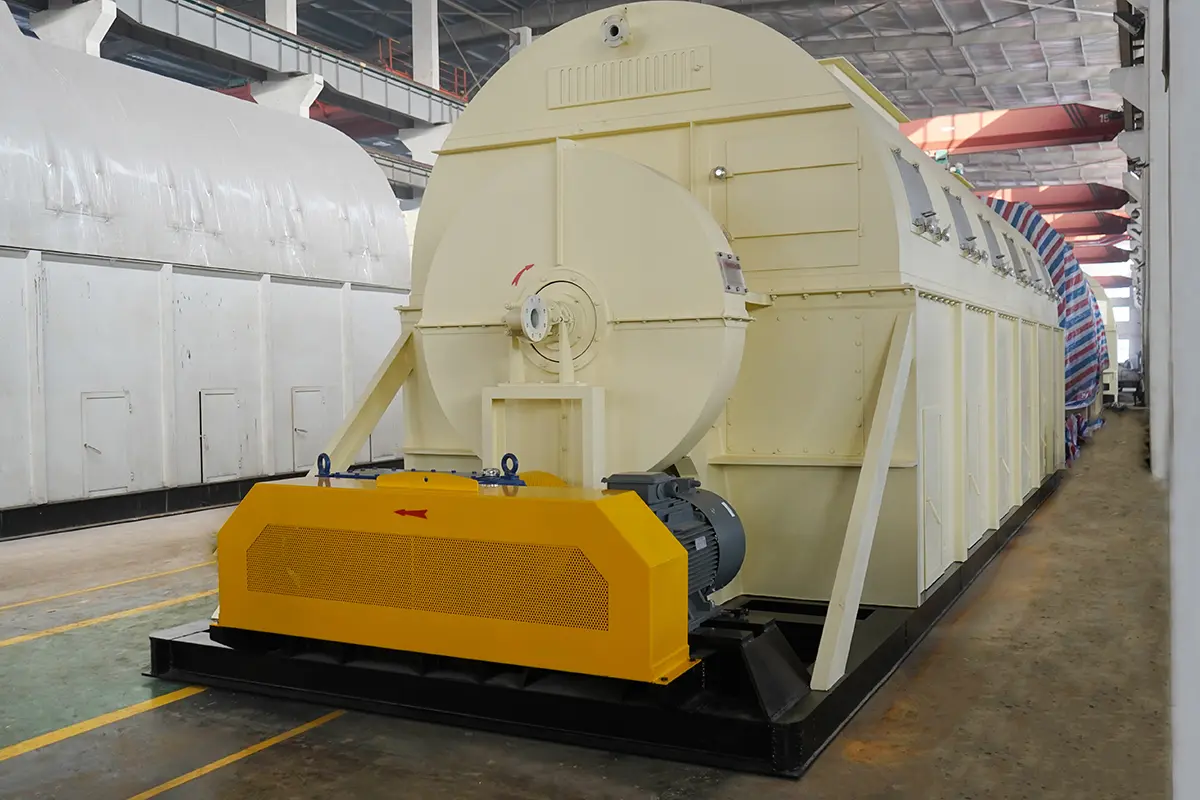
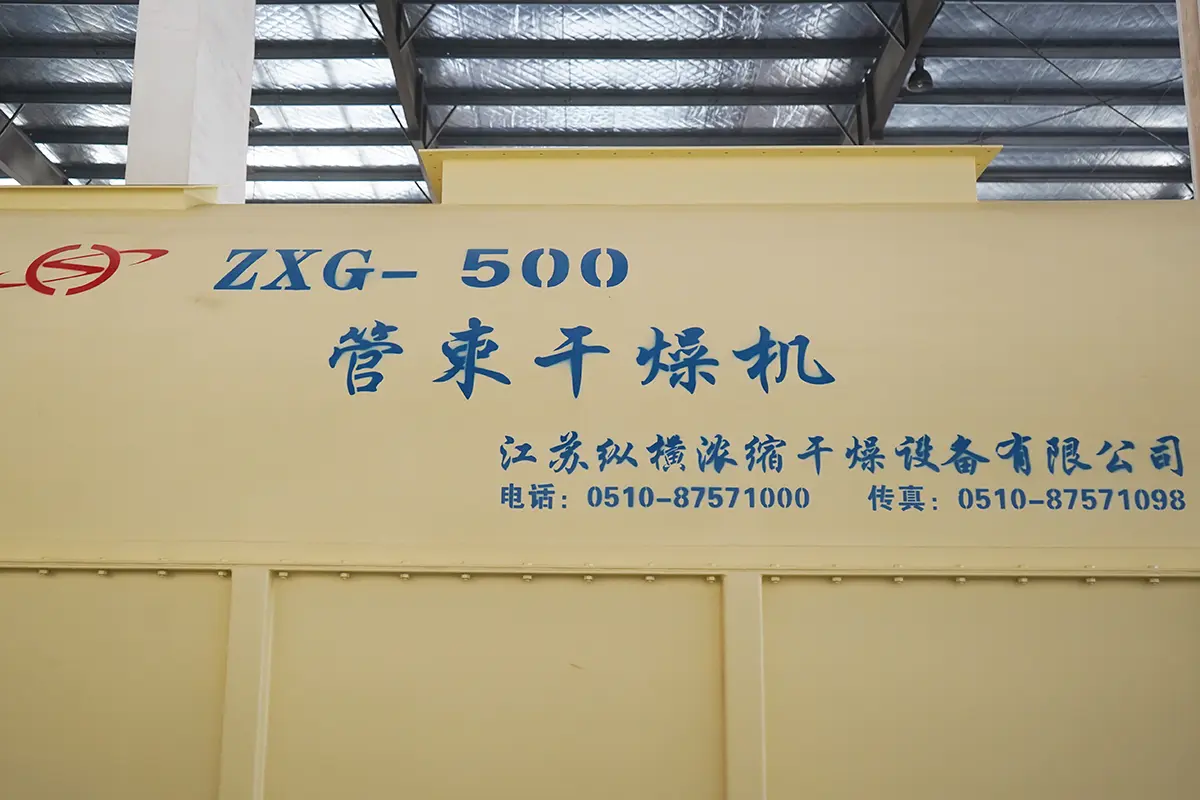
Industrial drying processes account for roughly 12% to 25% of total energy consumption in manufacturing industries globally. Amidst mounting pressures to reduce carbon emissions and operational expenditure, traditional direct-fired rotary dryers are rapidly being replaced by indirect heating systems. Among these, the Rotary Tube Bundle Dryer (ZXG Series) has emerged as the premier standard for bulk solids, particularly within the starch, bio-ethanol (DDGS), and chemical processing industries.
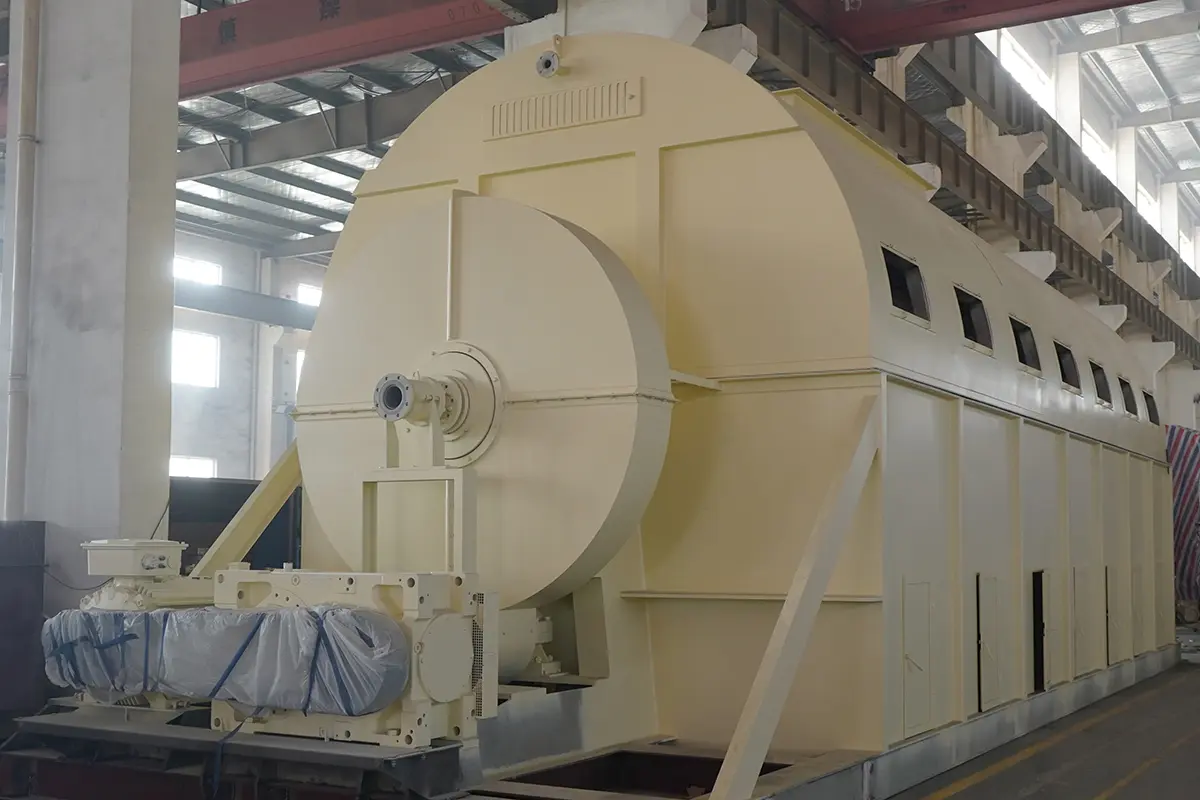
The primary thermodynamic advantage of an indirect tube bundle dryer lies in its heat transfer mechanism. Unlike direct-fired dryers, which rely on large volumes of heated air to convey and dry materials, the tube bundle dryer uses steam circulating through a dense configuration of concentric tubes. This design maximizes the contact surface area per unit volume, minimizing convective thermal loss and achieving thermal efficiencies often exceeding 85%.
In modern industrial plants, drying cannot be treated as an isolated operation. Rather, it must be integrated into the facility's overall heat and mass balance. Jiangsu Zongheng specialized systems are designed to interface seamlessly with Mechanical Vapor Recompression (MVR) and Multiple-Effect Evaporators.
For instance, in a wet corn milling facility, the steep liquor is concentrated in a falling film evaporator using waste vapor or low-pressure steam discharged from the tube bundle dryer. By coupling the dryer's exhaust steam with the evaporator's first-effect heat exchanger, plants can achieve a net energy reduction of up to 30%. This synergistic loop not only lowers steam consumption but also reduces the cooling load required by the condenser systems, yielding a double benefit in operational cost reduction.
Because Rotary Tube Bundle Dryers operate under internal steam pressure (typically ranging from 0.4 to 1.6 MPa), they are strictly classified as pressure vessels. Global commercial deployment requires absolute compliance with local regulatory frameworks:
Jiangsu Zongheng's fabrication facility has achieved both ISO9001 and ASME "U" Stamp authorization, ensuring that every weld, material certification (MTR), and non-destructive testing (NDT) protocol meets the highest global standards. Our rigorous testing, including hydrostatic tests and radiographic examination, guarantees long-term durability and zero leakage under continuous cycling conditions.
The reliability of a tube bundle dryer hinges on materials selection. Standard configurations utilize carbon steel for non-critical elements, but the tube bundle itself—which bears the brunt of mechanical stress and thermal fatigue—requires high-grade stainless steel (such as SUS304, SUS316L, or Duplex 2205). When dealing with corrosive, acidic, or chloride-rich materials, standard steels degrade rapidly via stress corrosion cracking (SCC) or localized pitting.
Our engineering team performs finite element analysis (FEA) to simulate thermal expansion stresses at the tube-to-tubesheet joint. By utilizing strength-expansion welding techniques, we eliminate micro-gaps where corrosive species could accumulate, significantly extending the lifespan of the bundle beyond traditional standards.
A reflection of our commitment to quality, capacity, and technological advancement since 1992.
Leading the Concentration and Drying Equipment Sector Since 1992
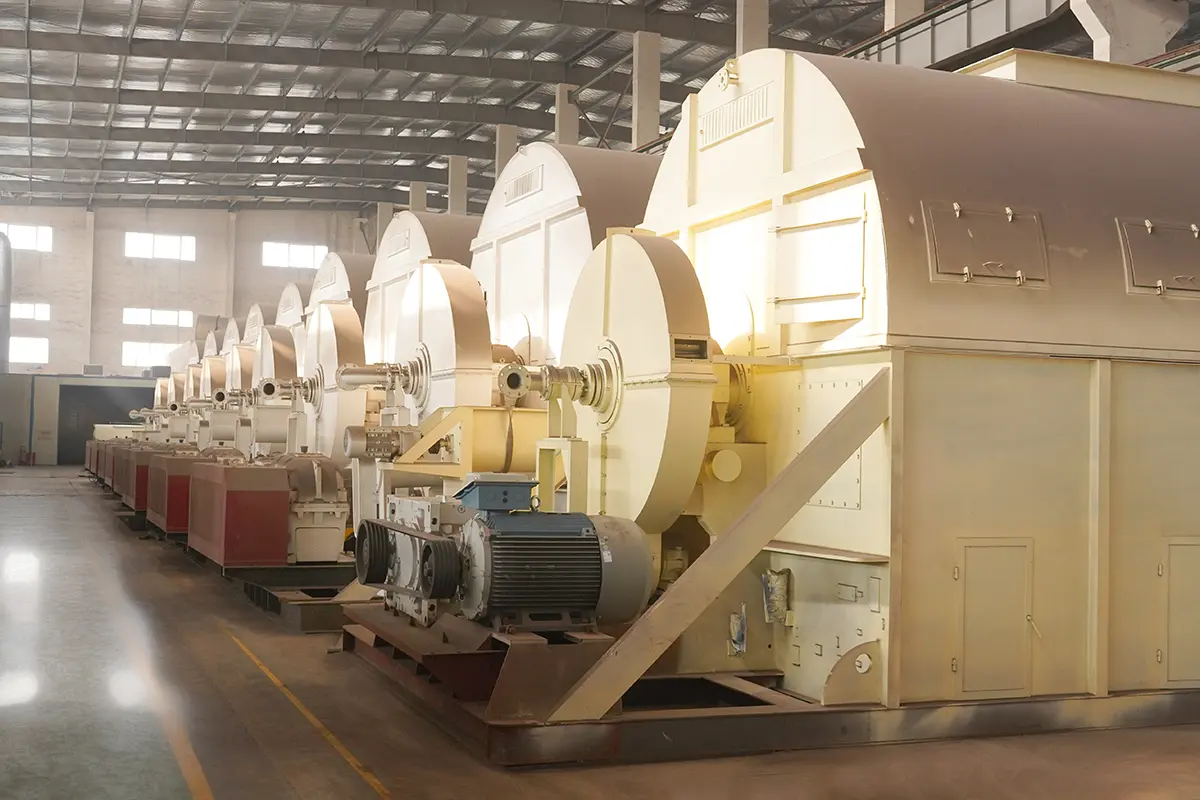
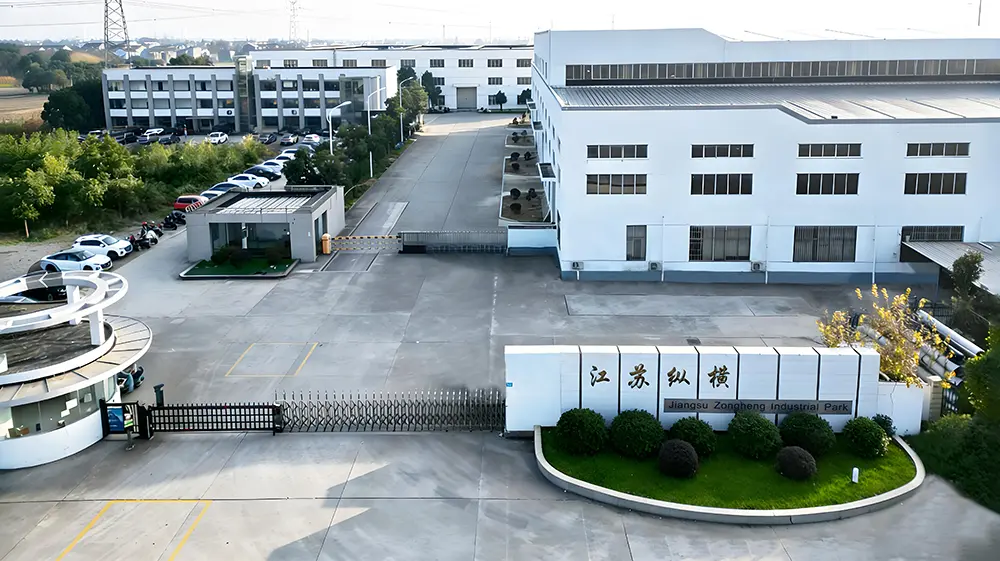
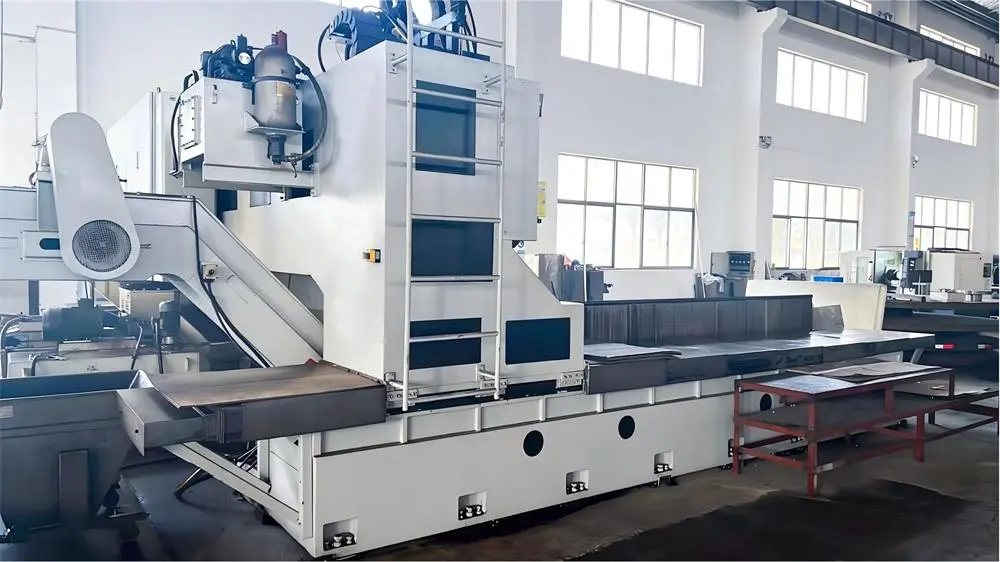
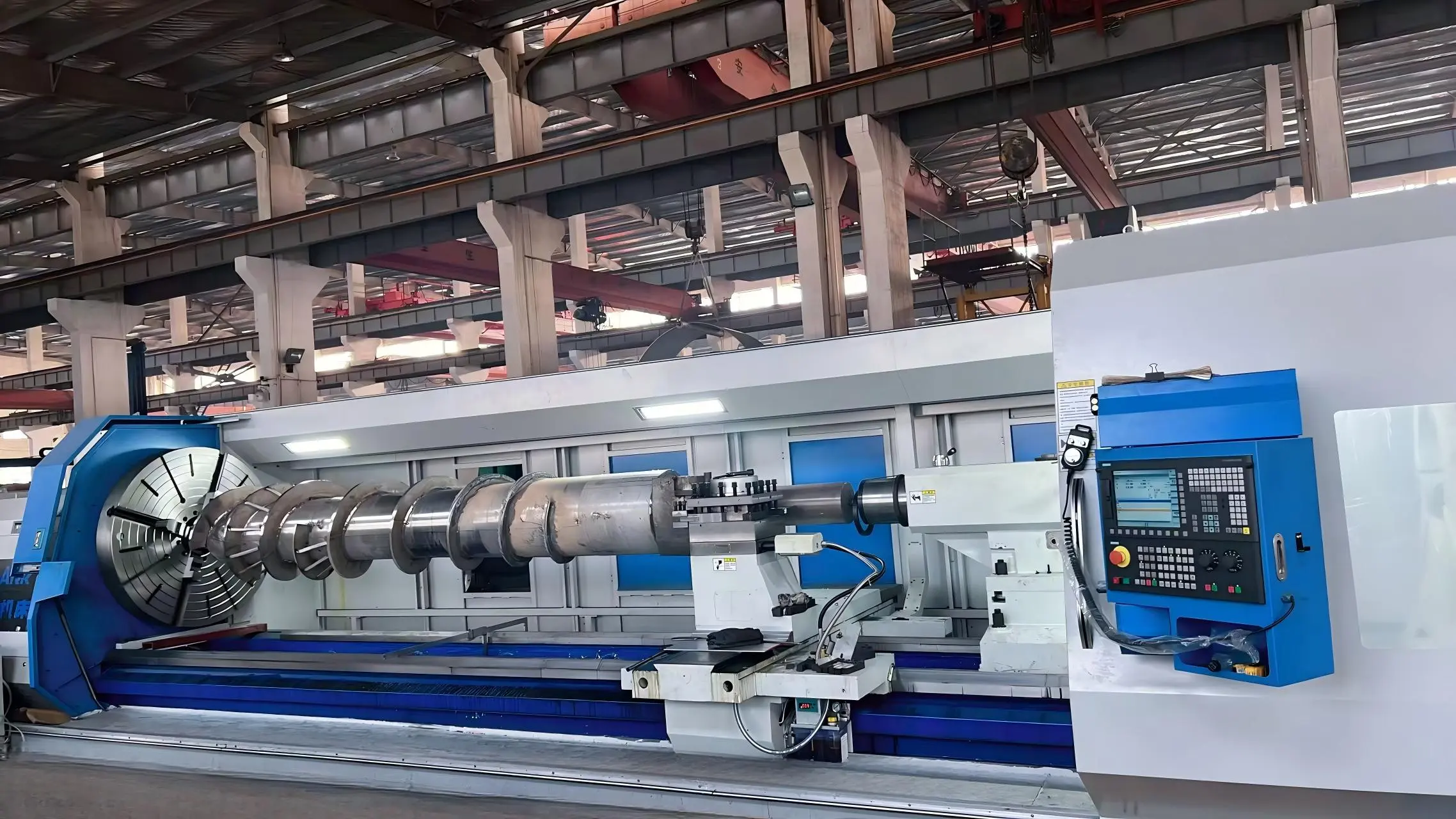
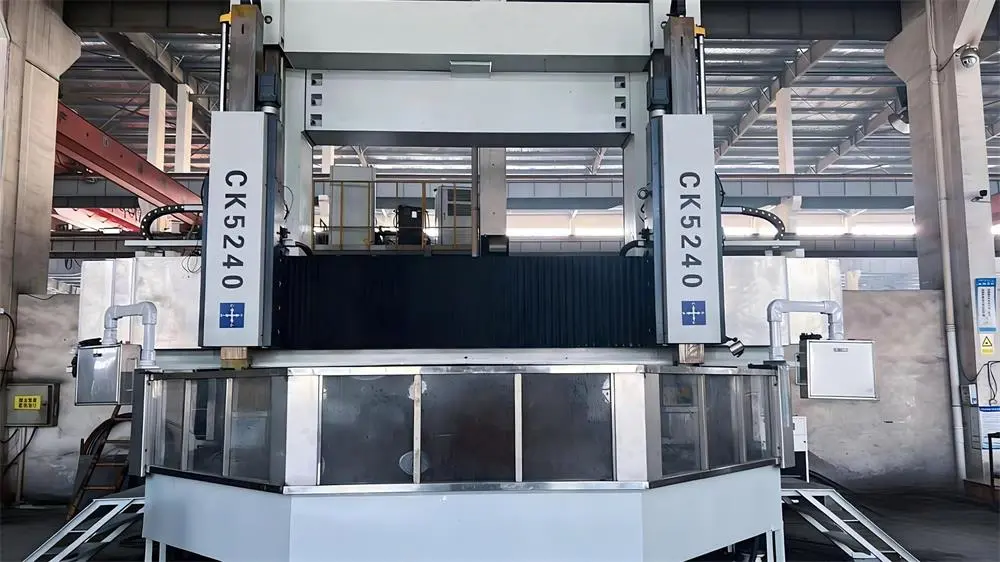
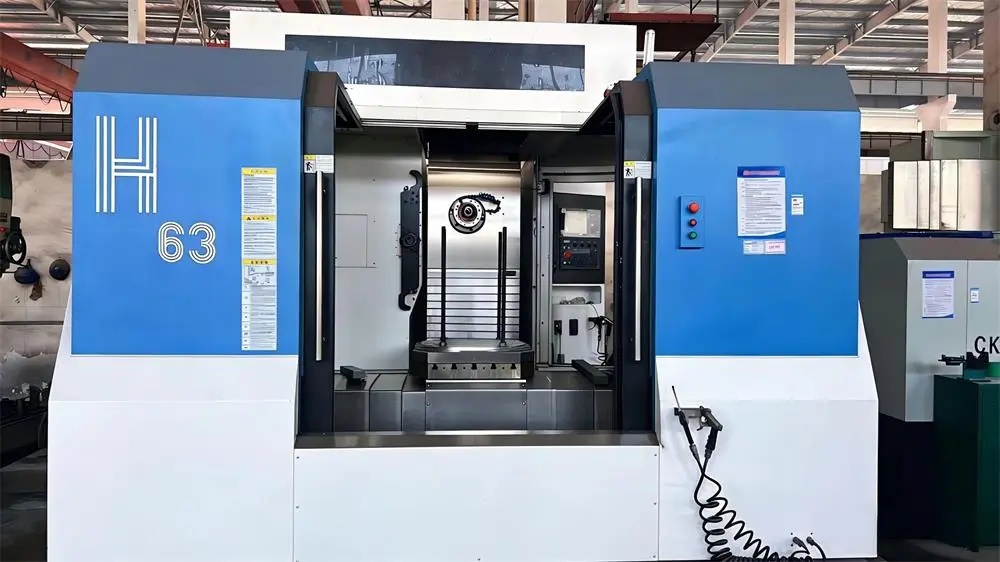
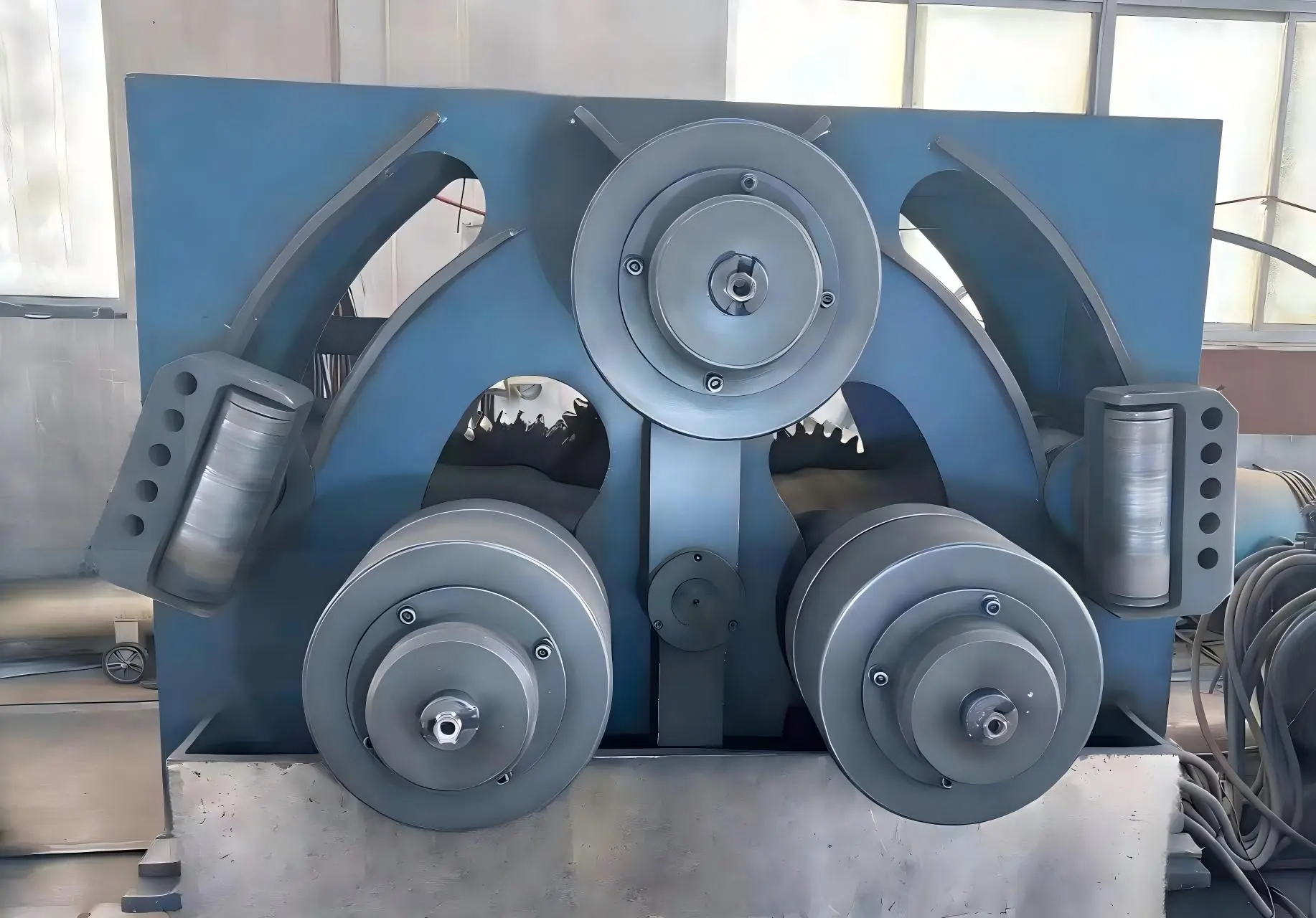
Jiangsu Zongheng Concentrating and Drying Equipment Co., Ltd. (formerly known as Yixing Yangxi Light Industry Machinery Factory), founded in 1992, is situated in Zhoutie Town, Yixing City, along the picturesque shores of Taihu Lake. Our modern, high-tech manufacturing plant covers an expansive 54,000 square meters, featuring a dedicated 22,000-square-meter production workshop equipped with heavy-duty rolling, welding, and machining systems.
As a standing member of the China Starch and Alcohol Association, we specialize in the engineering, fabrication, and commissioning of evaporation, drying, starch separation, and Category III medium & low-pressure vessel equipment. Our thermal solutions are deployed in food fermentation, chemical processing, pharmaceuticals, municipal wastewater treatment, and petrochemical industries worldwide.
Learn More About Us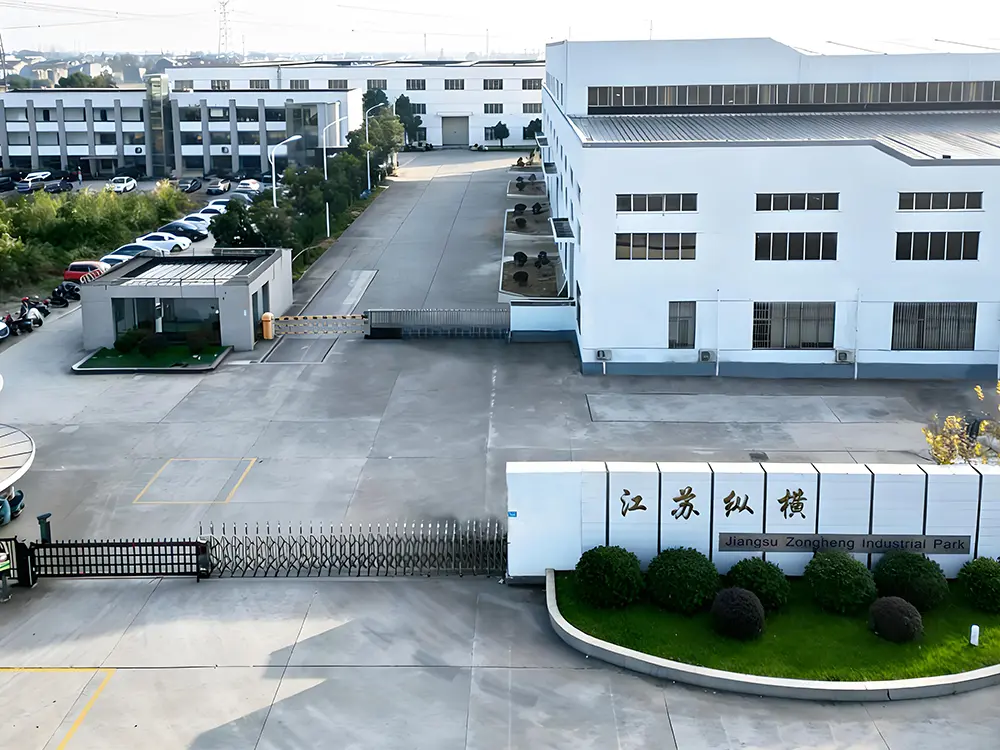
Custom-tailored thermodynamic configurations optimized for specific processing requirements.
Over three decades of manufacturing expansion, technological research, and global compliance certifications.
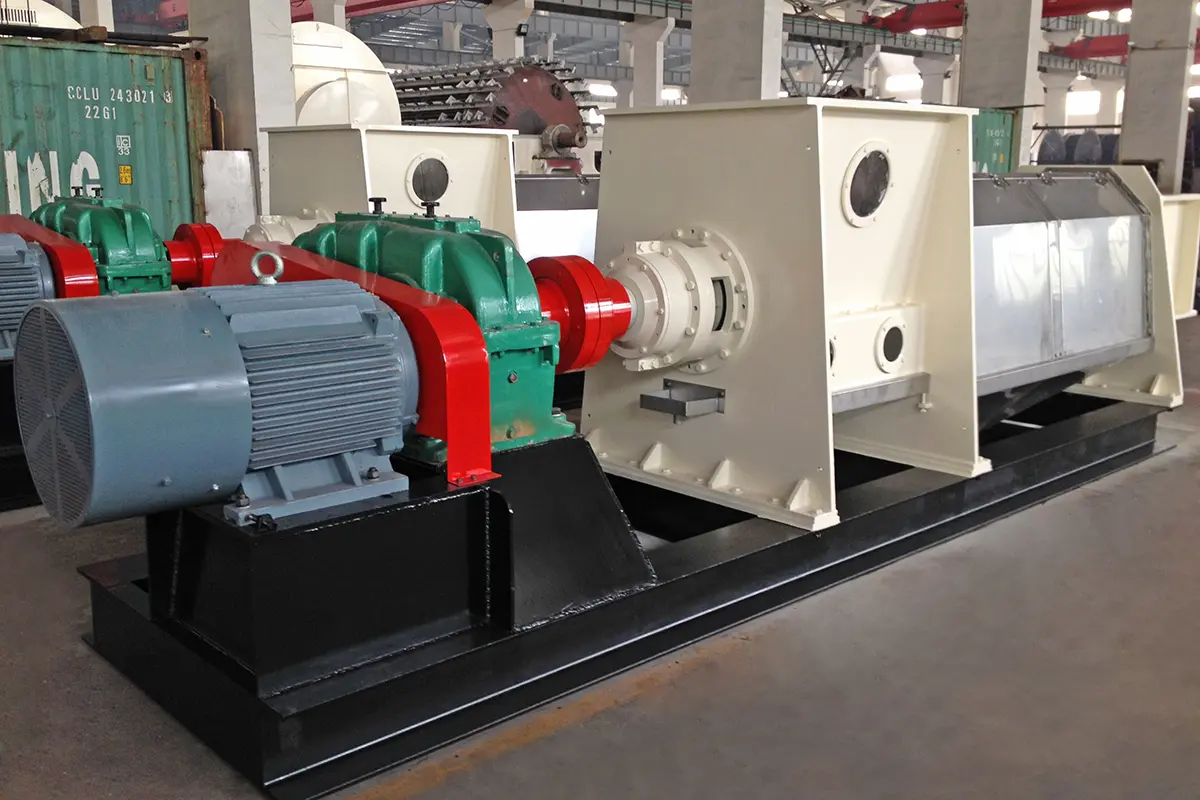
Jiangsu Zongheng operates across 54,000 m² of corporate facilities, with workshops exceeding 22,000 m². The design and production team includes 3 senior engineers, over 20 engineers/assistant engineers, and a total staff of 120 dedicated professionals.
Obtained International Quality System Certification (Certificate No.: 45021), establishing a complete quality assurance framework aligned with international industrial manufacturing standards.
Acquired the prestigious ASME "U" Stamp authorization, validating our pressure vessel engineering and marking our formal entry into the high-end global machinery supply chain.
Granted the Special Equipment Manufacturing License of the People's Republic of China (License No.: TS2232C42), authorizing the manufacture of specialized Class III pressure equipment.
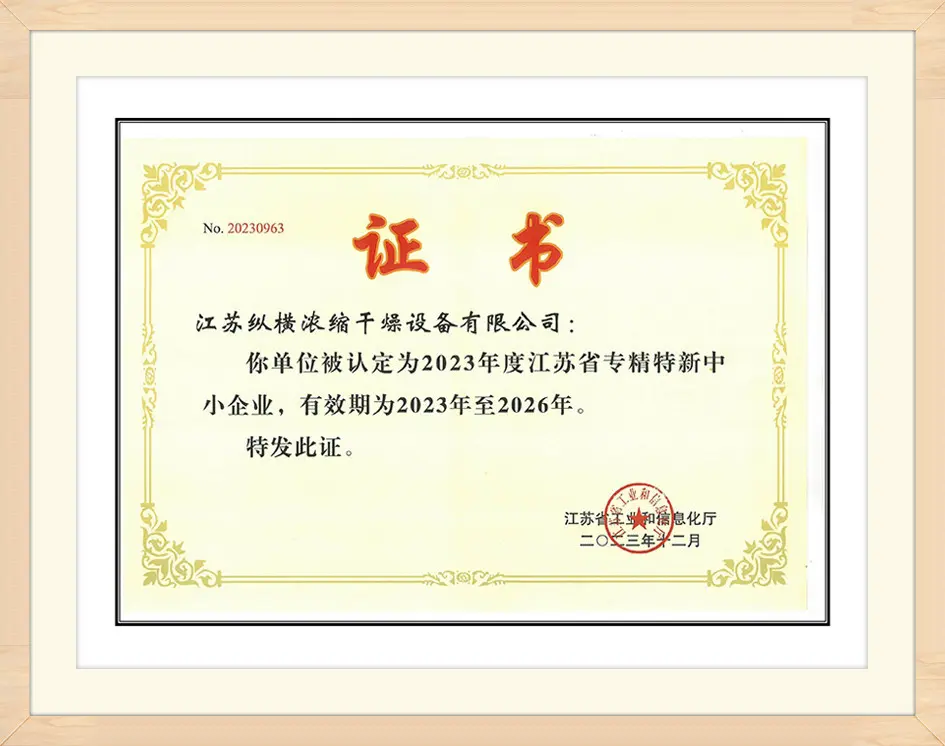
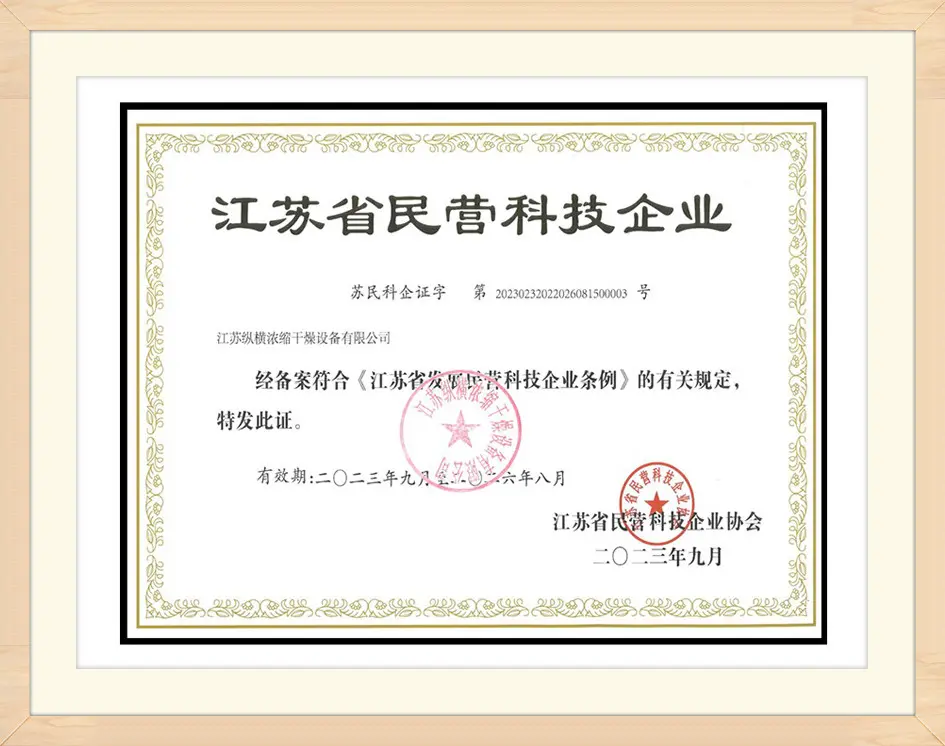
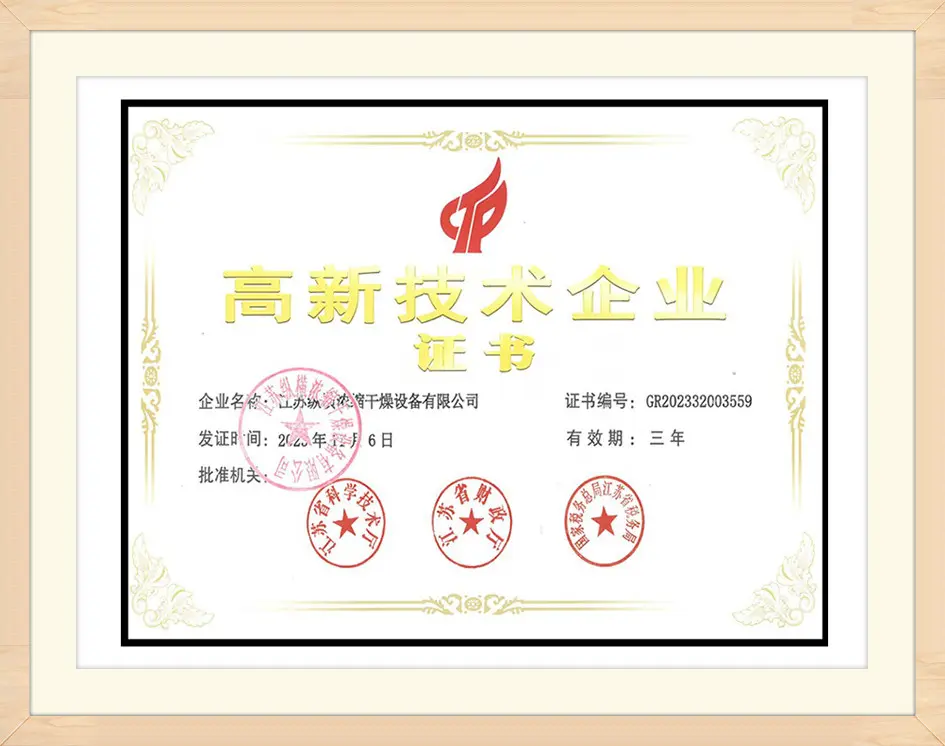
Recognized officially as a Jiangsu Provincial High-Tech Enterprise, reinforcing our leadership in the local drying and concentrating equipment sector.
The company took the lead in the regional industry by obtaining the ISO9001 Quality Management Certification, standardizing internal design and production processes.
Originally established as Yixing Yangxi Light Industrial Machinery Factory, covering a modest 15 mu area with 45 pioneering employees.
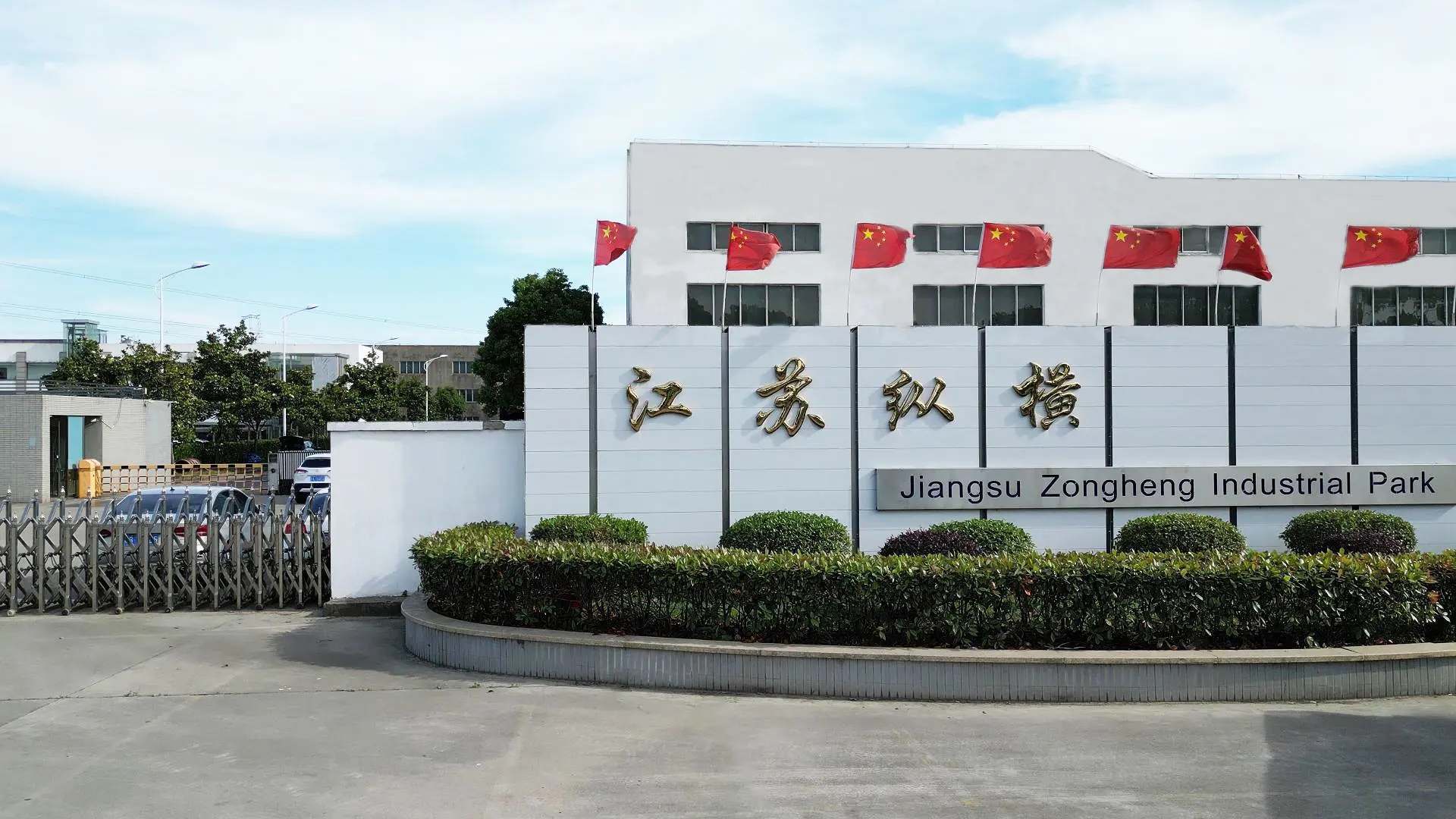
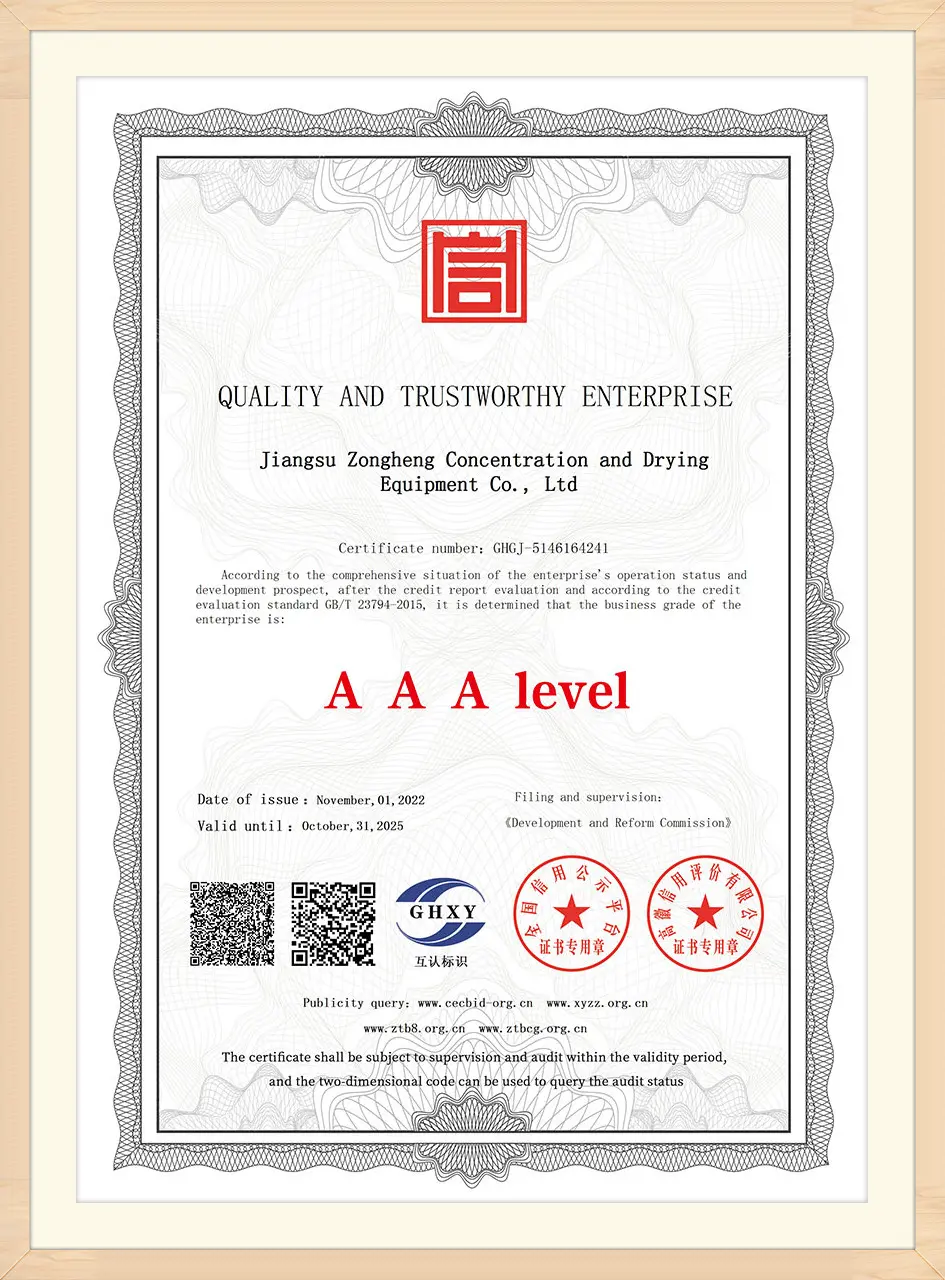
Certifications and design standard conformity verifying our engineering credibility and global compliance.

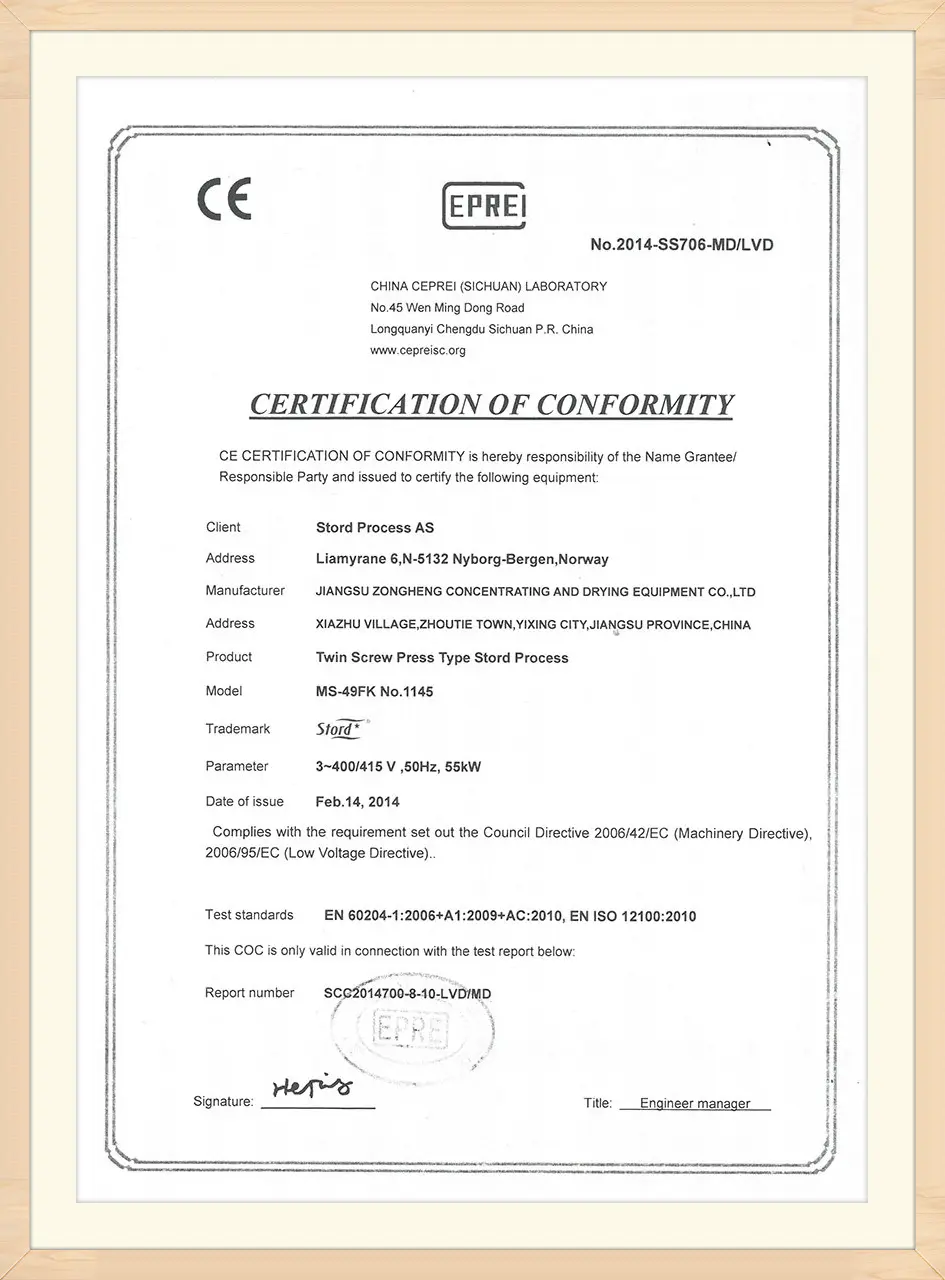
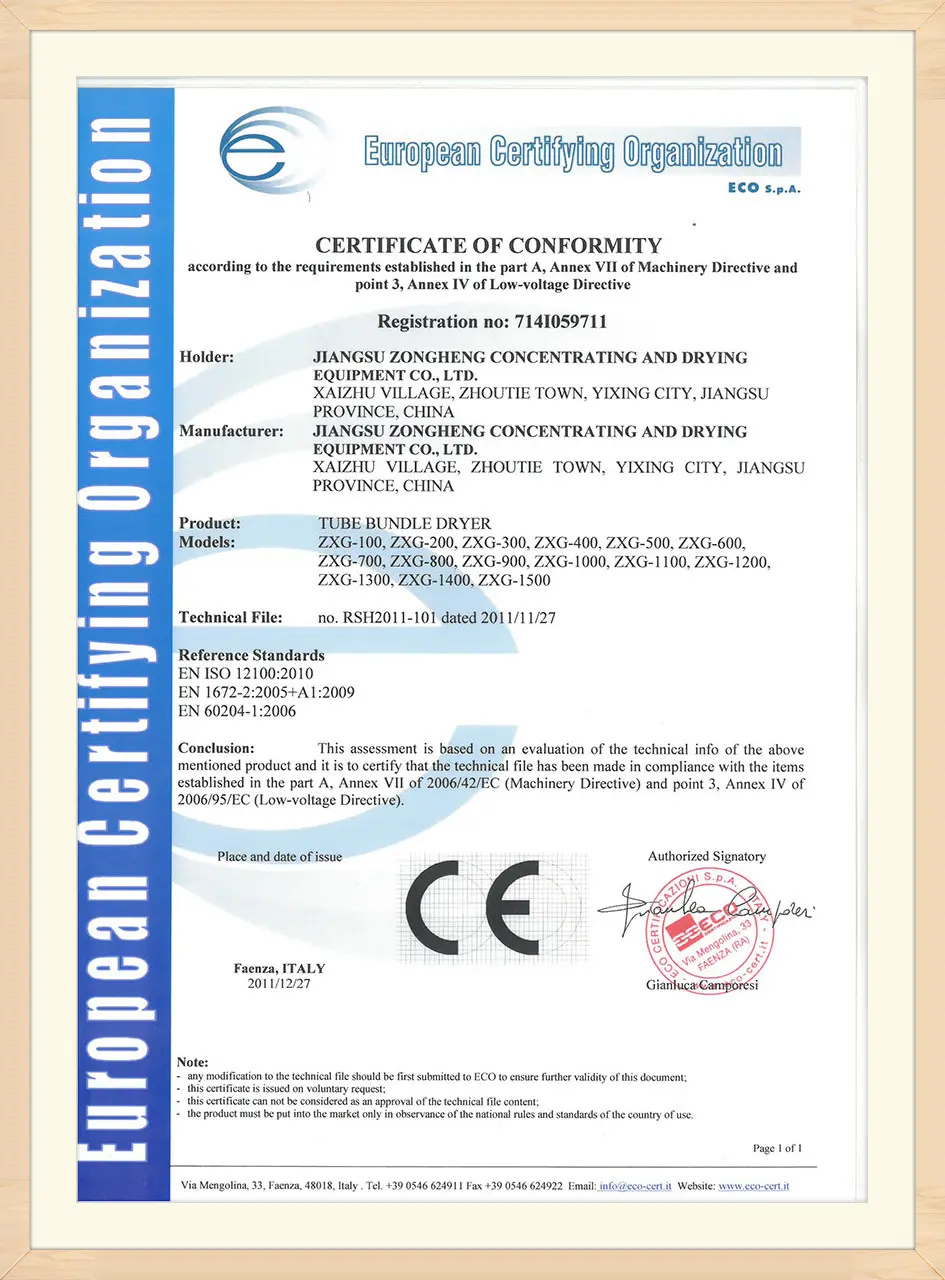
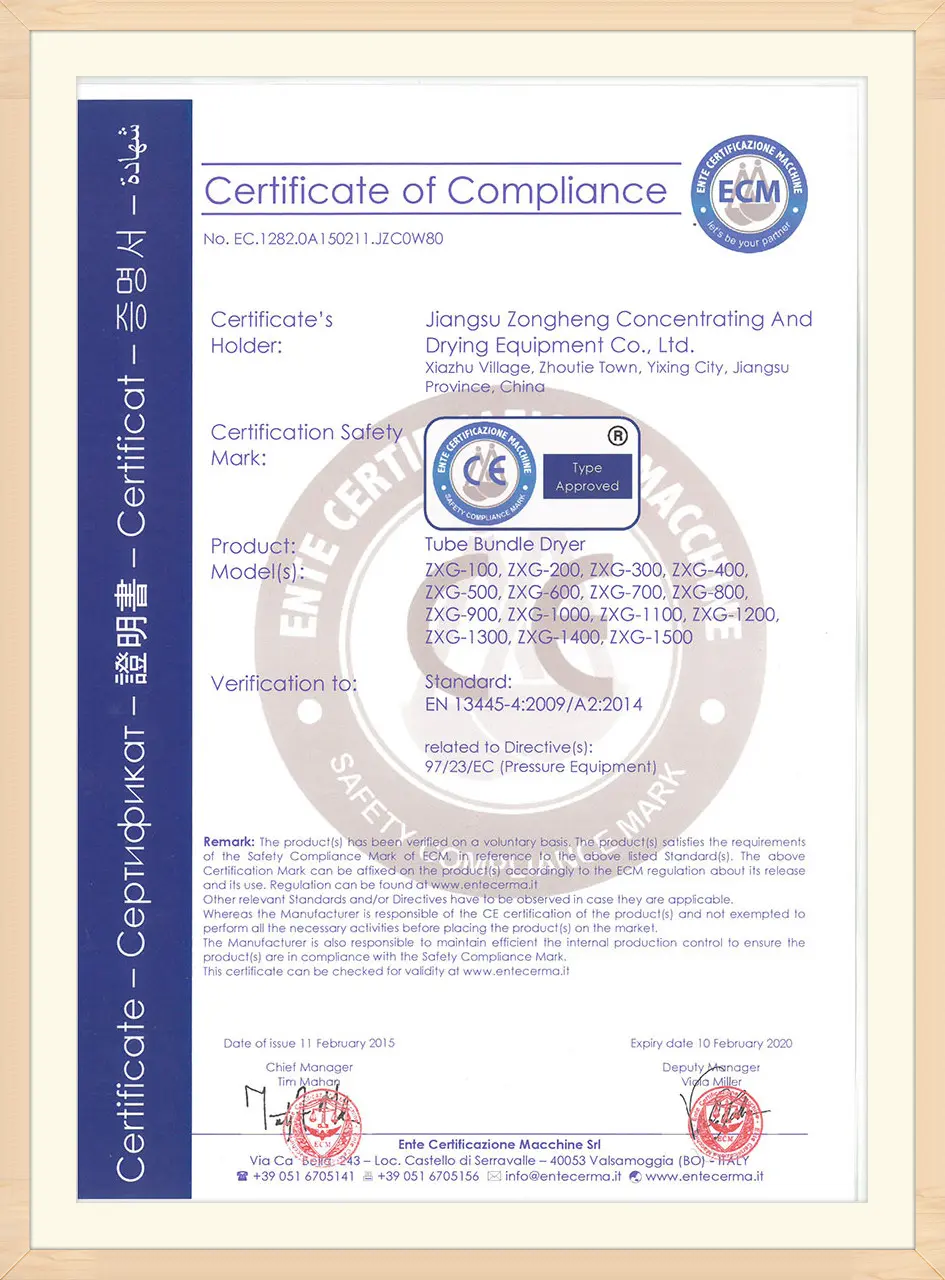
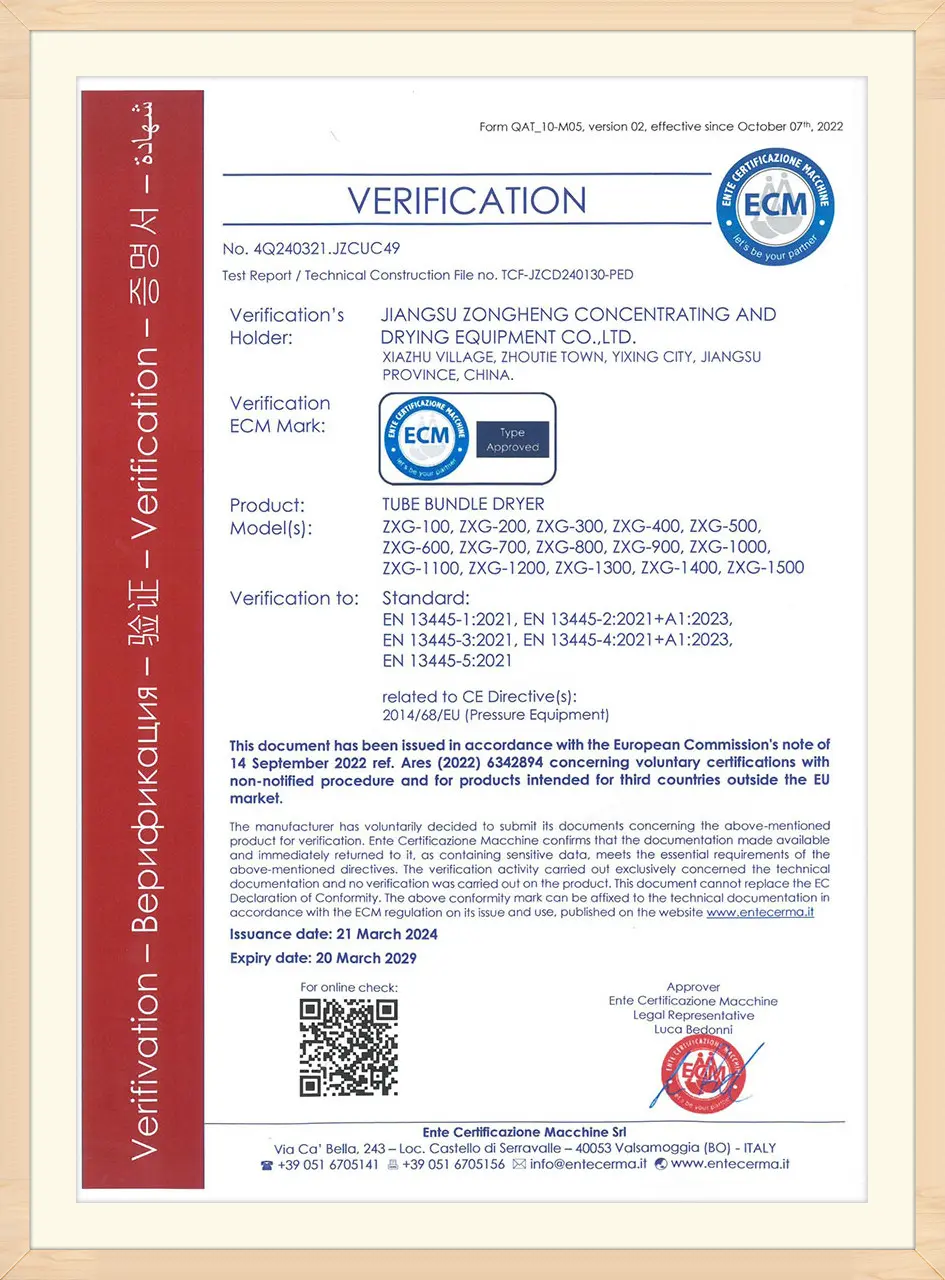
Providing technical answers to help engineering and procurement teams make informed decisions.
For most starches and organic pulps, our ZXG Tube Bundle Dryers achieve an outstanding thermodynamic ratio of 1.2 to 1.4 kg of steam consumption per 1 kg of water evaporated. This represents a significant reduction in fuel consumption compared to direct hot-air drying methods.
Yes. Jiangsu Zongheng acquired the ASME "U" Stamp Authorization in 2012. Every pressure vessel undergoes rigorous manufacturing supervision, and our standard product lines comply with CE (PED), ISO9001, and China's TS2232C42 standards.
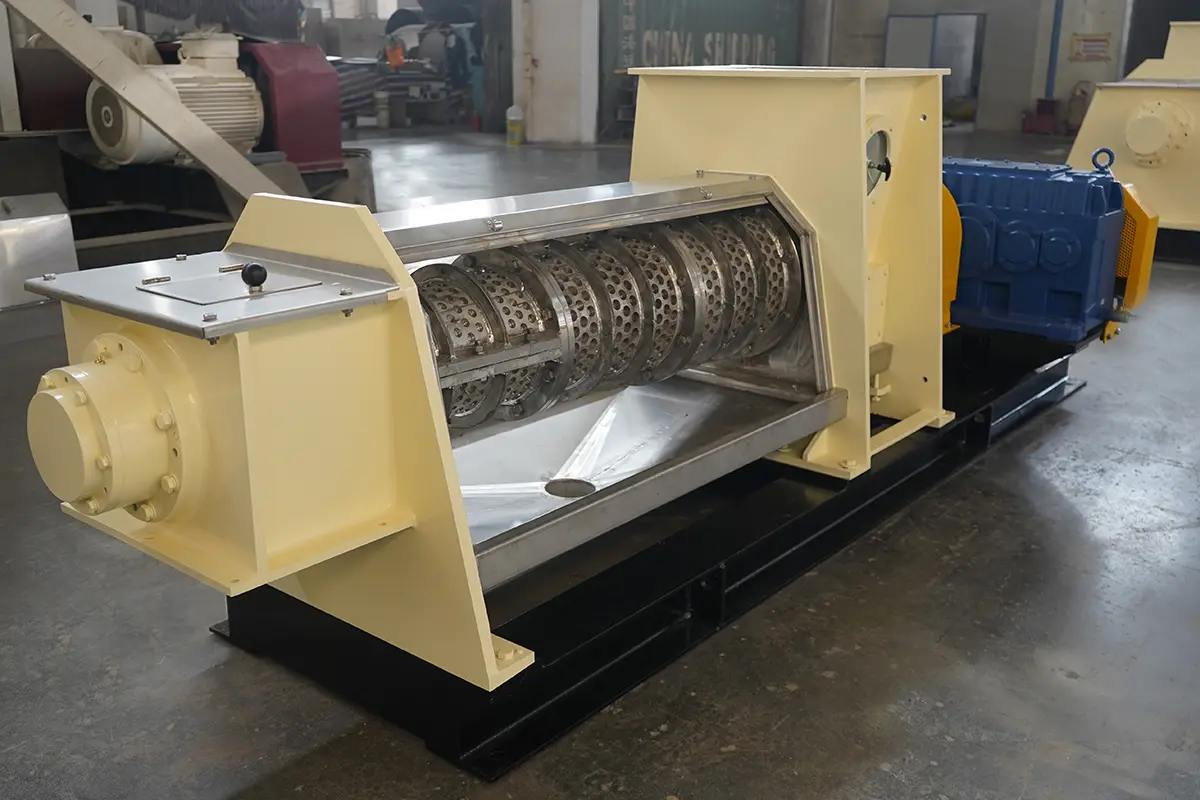
We optimize fluid dynamics at the entry feed zone. Proper liquid distribution and controlled material pre-dewatering via our Single Screw Press ensure that materials touch the tubes at optimal moisture levels. Furthermore, specialized scraping flights rotate with the bundle, preventing material build-up.
With correct water treatment on the steam side and appropriate pH monitoring of the feed material, our high-grade stainless steel (SS304/SS316L/Duplex 2205) tube bundles feature an operational lifetime exceeding 10 to 15 years.
Stay informed with updates from our thermodynamic engineering and research division.
 Jun 18, 2026
The evaporator absorbs heat to vaporize media, while the condenser releases heat to liquefy vapor; the two perform opposite cooling and heating functions. Operating under low pressure, the evaporator generates cold energy and concentrates liquid streams, while the dryer utilizes indirect heating elements to achieve final moisture targets. Our newly optimized integration loop pairs these stages to minimize latent heat losses, reducing total steam demand by an additional 15% across starch processing plants.
Collaborate with Jiangsu Zongheng engineers to develop custom-tailored drying, concentration, and dewatering lines.
Premium systems customized to maximize operational efficiency and process reliability.
 Zongheng