 Zongheng
1 / 1
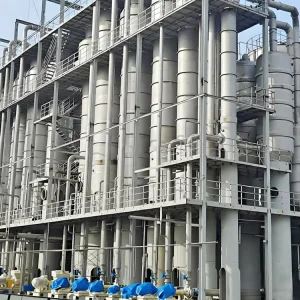
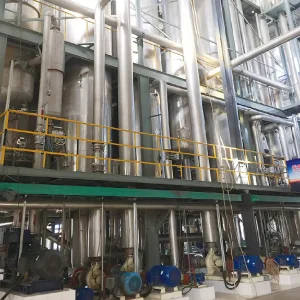
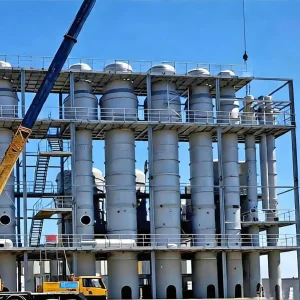
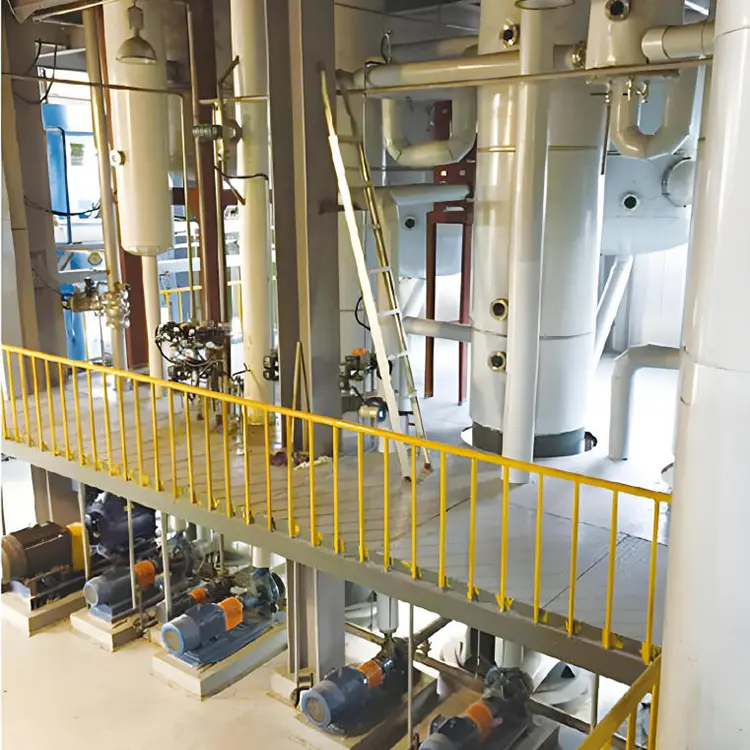
The liquid feed is introduced at the top of the calandria, where a distribution system ensures the formation of a uniform liquid film along the inner walls of the heating tubes. As the film flows downward under gravity, it is heated externally and begins to boil, partially evaporating along its path. The downward flow is further promoted by the co-current flow of vapor generated during boiling.
Separation of the remaining liquid film and vapor takes place in the lower section of the calandria and is completed in a downstream centrifugal droplet separator. To prevent dry spots—which can cause fouling and deposit accumulation—it is critical to maintain complete and even wetting of the entire heating surface. This can be achieved by using longer heating tubes, dividing the evaporator into multiple compartments, or implementing product recirculation.
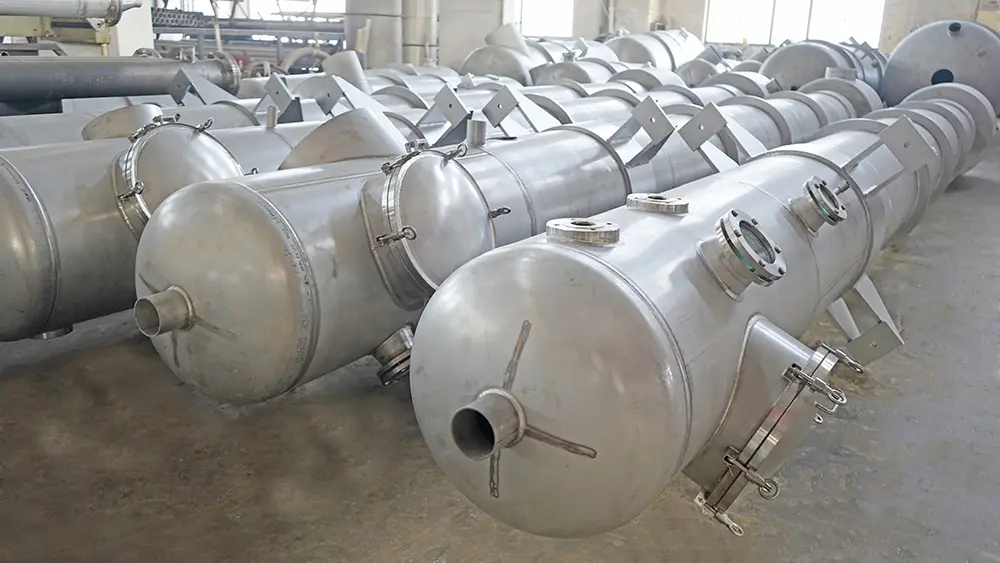
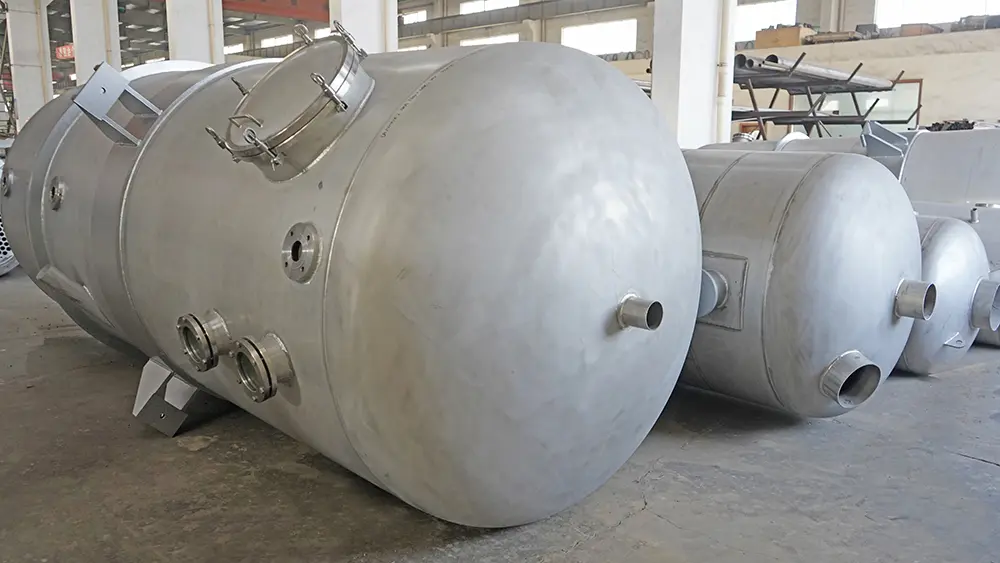
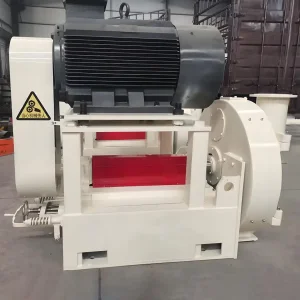
Integration of multi-effect evaporation and mechanical vapor recompression (MVR) systems significantly reduces energy consumption and operational costs.
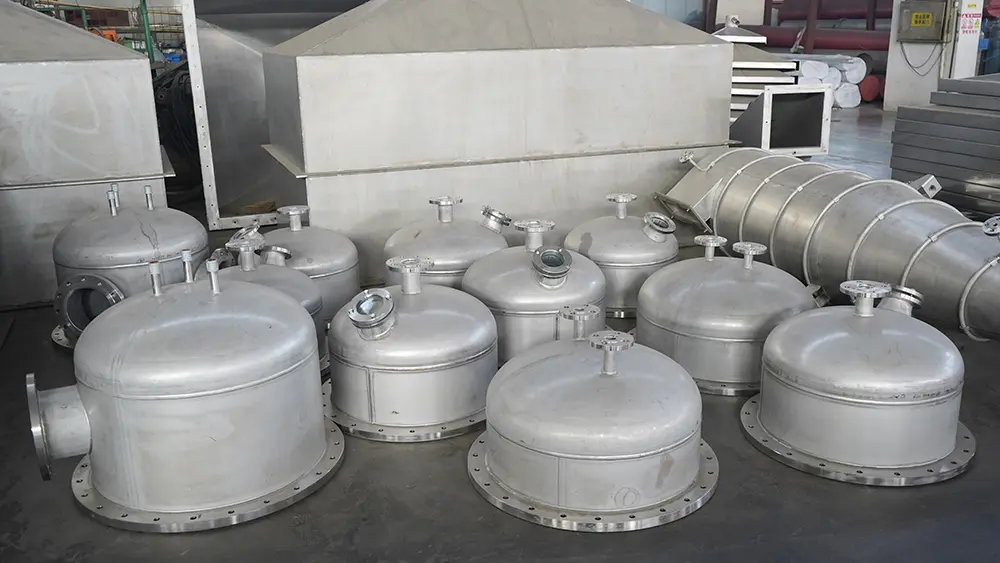
Utilization of high-grade stainless steel and industrial alloys ensures corrosion resistance, durability, and long-term reliability under continuous operation.
Tailored system design, layout, and material selection to meet specific client requirements, supported by end-to-end services from simulation to commissioning and training.
Equipped with advanced PLC and HMI systems for real-time monitoring, precise process adjustments, remote control capabilities, and predictive maintenance.
Rigorous testing and inspection processes aligned with international standards (ISO, CE, ASME), ensuring safety, performance, and worldwide regulatory compliance.