 Zongheng
1 / 1
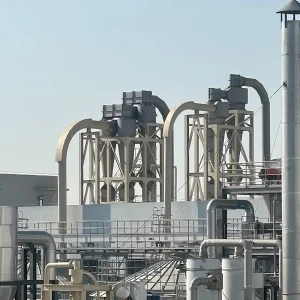
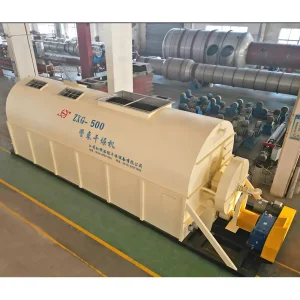
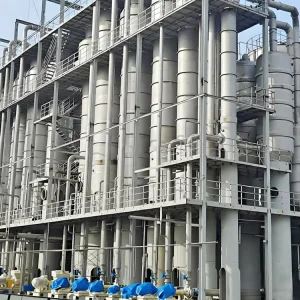
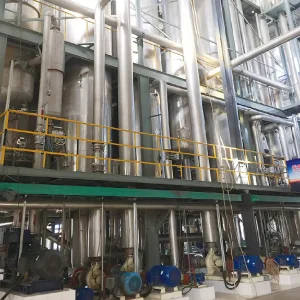
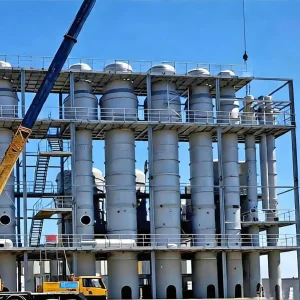
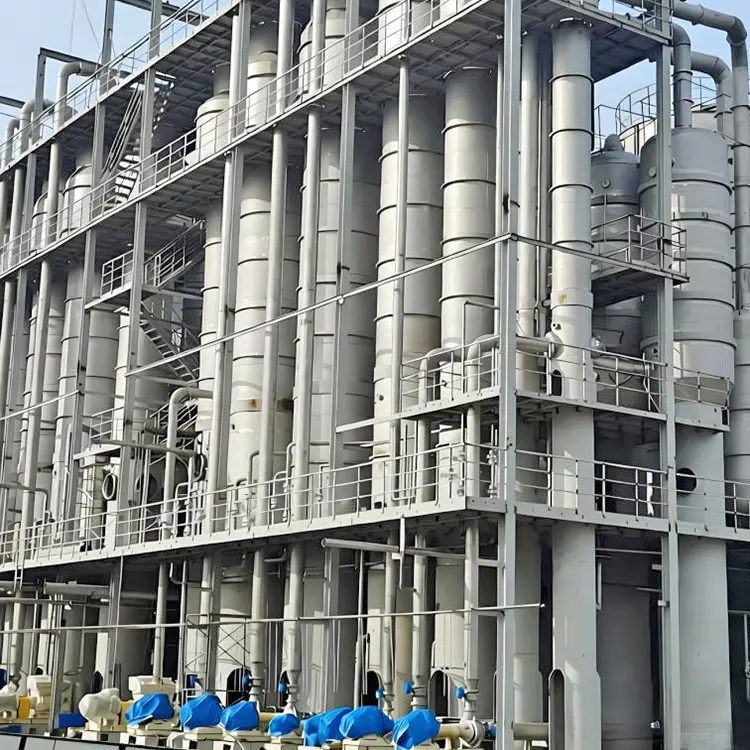
Utilizing waste heat from the production process in the evaporation system—such as waste vapor and condensate from drying starch by-products (fiber, germ, gluten, fiber+CSL), waste vapor and condensate from DDGS drying, and liquefaction vapor from the sugar factory liquefaction process—can, through rational design, significantly reduce fresh steam consumption. This achieves notable energy savings while also greatly cutting dust emissions and reducing environmental pollution.
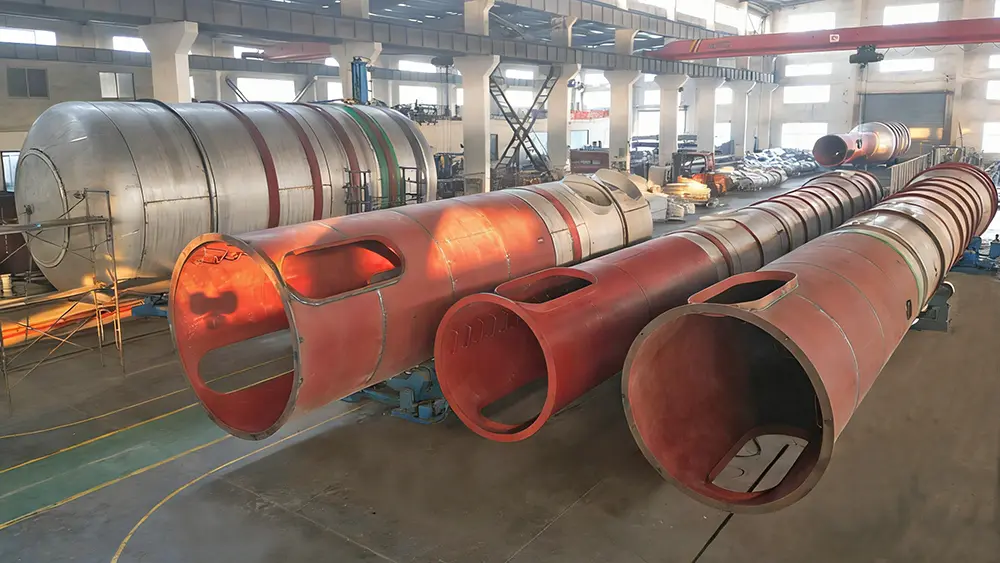
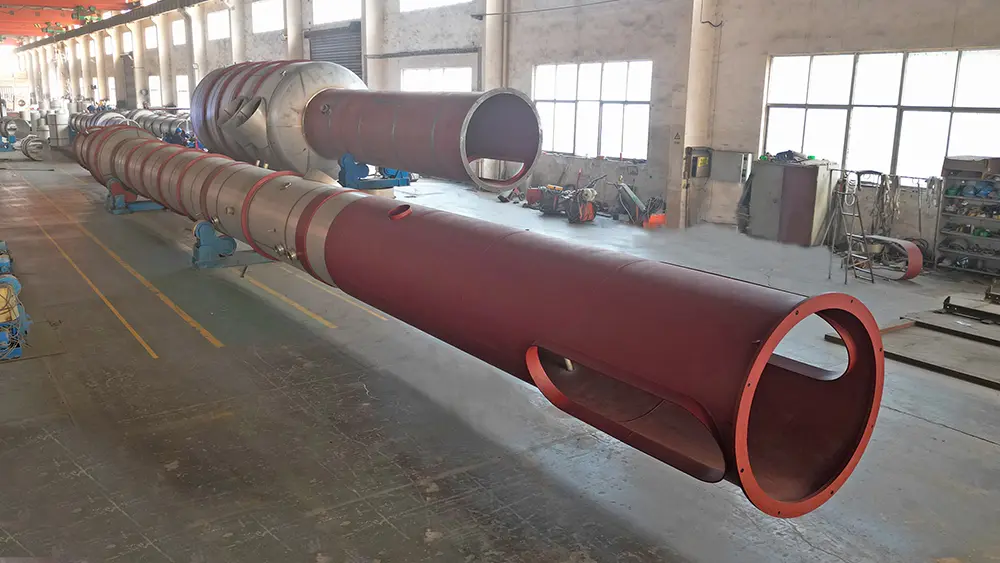
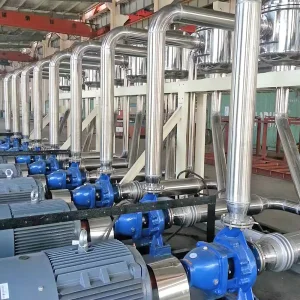
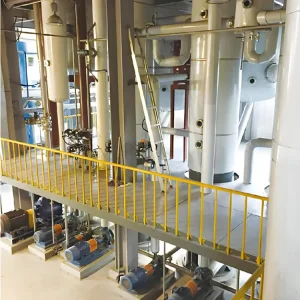
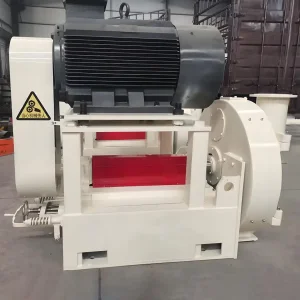
The utilization of advanced technologies such as multi-effect evaporation, MVR, and forced circulation evaporation ensures superior performance and energy optimization.
Custom-designed systems suitable for chemical, metallurgy, food, pharmaceutical, and wastewater sectors, effectively treating diverse liquid wastes in compliance with environmental regulations.
By harnessing industrial waste heat, the plants significantly reduce energy consumption, lower greenhouse gas emissions, and offer substantial operational cost savings.
Tailor-made designs—including ZLD systems, steam-driven evaporators, and high-concentration setups—developed to meet specific client requirements and maximize efficiency.
Adherence to international standards (ISO 9001, CE), rigorous quality control, and full after-sales support including installation, training, and maintenance ensure long-term reliability.