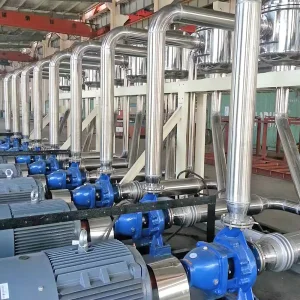
Designed for professional starch refining, offering premium structural efficiency and robust classification parameters.
View Supplier Details
Industrial-grade purification and impurity removal system engineered specifically for starch production lines.
View Factory Details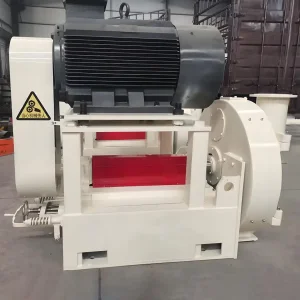
Reliable germ separation and processing machinery for maize and starch industries with high grain integrity retention.
View Product Details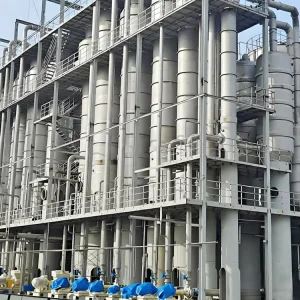
Leverages thermal process outgassing and industrial waste vapor streams for efficient liquid volume reduction.
View Evaporator Specs
High-precision starch starch-milk counter-current washing system for maximum starch recovery ratios.
View Refining Details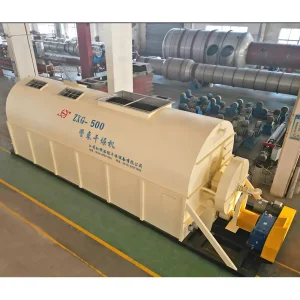
Features indirect steam drying solutions with optimal heat exchange surfaces and high energy density recovery.
View Dryer Configs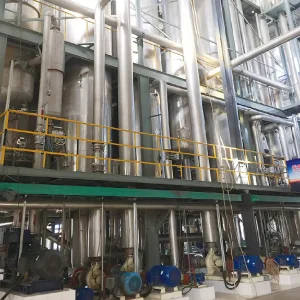
Designed for highly viscous, scaling, or high salt concentrations prone to crystal deposition during processing.
View Engineering Sheet
Reliable industrial crystallization design backed by custom engineering setups for complex effluent streams.
View Supplier PricingA three-effect evaporator (also known as a triple-effect evaporator) is a thermal processing installation designed to boil off solvent (usually water) from a liquid feed solution using an efficient cascade of pressures and boiling temperatures. The primary objective is energy economy: by linking multiple evaporation vessels in series, the vapor generated in the first effect acts as the heating medium for the second, and the vapor from the second boils the liquid in the third.
Under standard thermal dynamics, generating 1 kg of vapor from liquid water requires approximately 1 kg of fresh live steam in a single-effect system. In a 3-effect evaporator system, the steam consumption ratio drastically drops. Thanks to sequential pressure reductions across the chambers, the steam economy rises to approximately 2.4 to 2.6 kg of water evaporated per 1 kg of primary steam injected.
To maintain continuous boiling without adding fresh external heat to the downstream effects, each succeeding chamber must operate at a lower pressure (higher vacuum) than the one preceding it. This reduces the boiling point of the solution, establishing a temperature gradient (ΔT) between the incoming heating vapor and the boiling liquid inside the chamber.
Operates under the highest pressure and temperature. It is directly heated by live boiler steam (typically 2 to 6 bar pressure), creating initial high-quality process vapors.
Uses the vapors produced in the first effect as its heating source. Operates at a moderate vacuum level, dropping the boiling point to align with incoming vapor temperatures.
Operates under high vacuum (typically -0.08 to -0.09 MPa), dropping boiling temperatures as low as 45°C to 60°C. Minimizes thermal damage to heat-sensitive materials.
In the global chemical, agricultural, and wastewater treatment sectors, the demand for high-capacity concentrators is growing. Key drivers include tightening environmental regulations regarding industrial waste (Zero Liquid Discharge or ZLD) and high primary energy costs. In these sectors, multi-effect setups represent the cornerstone of thermal processing.
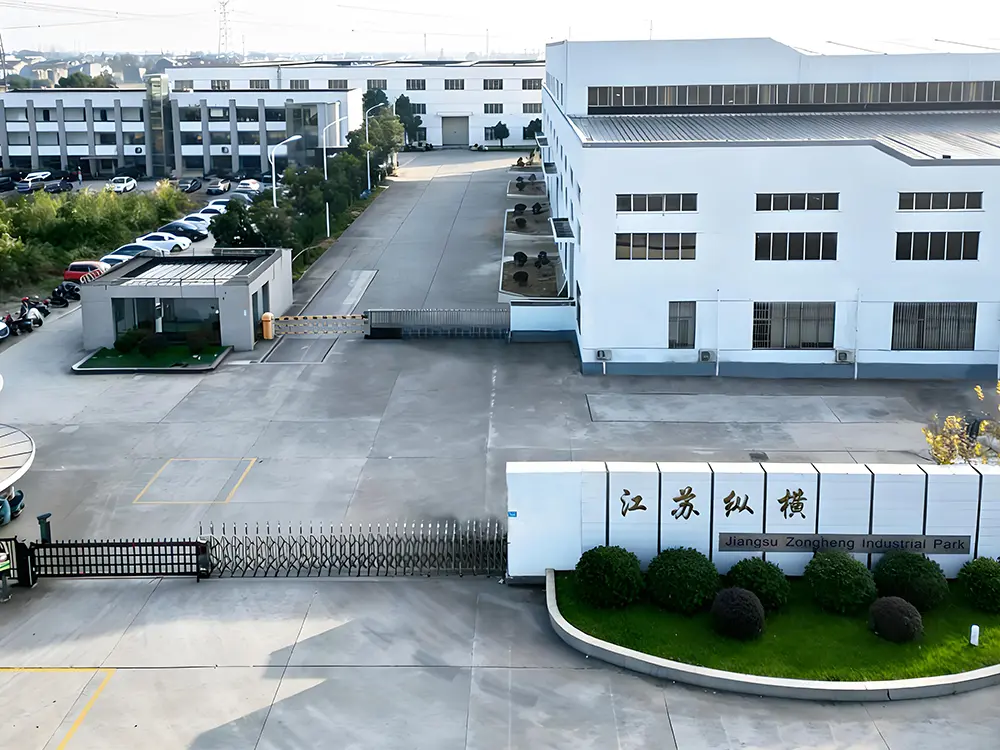
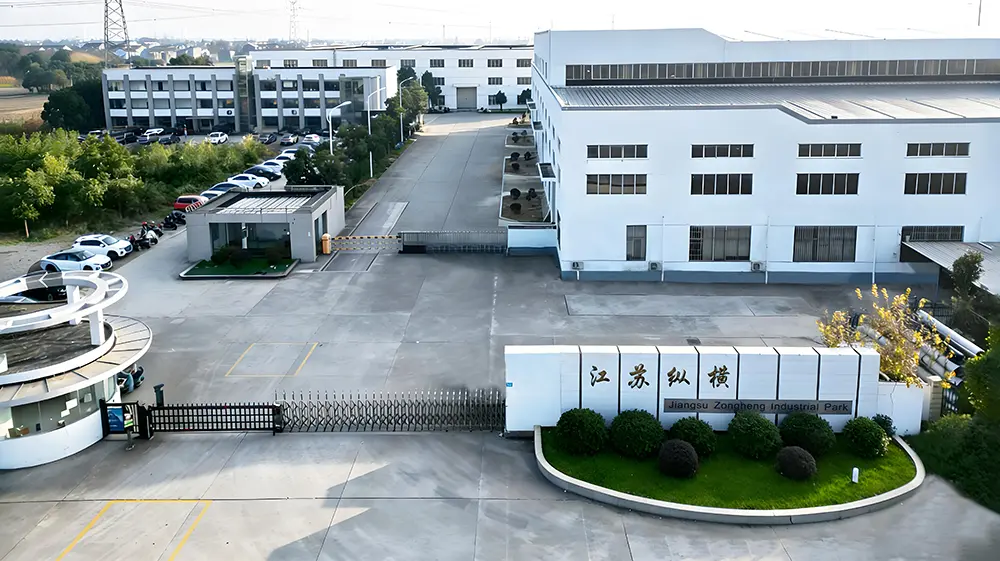
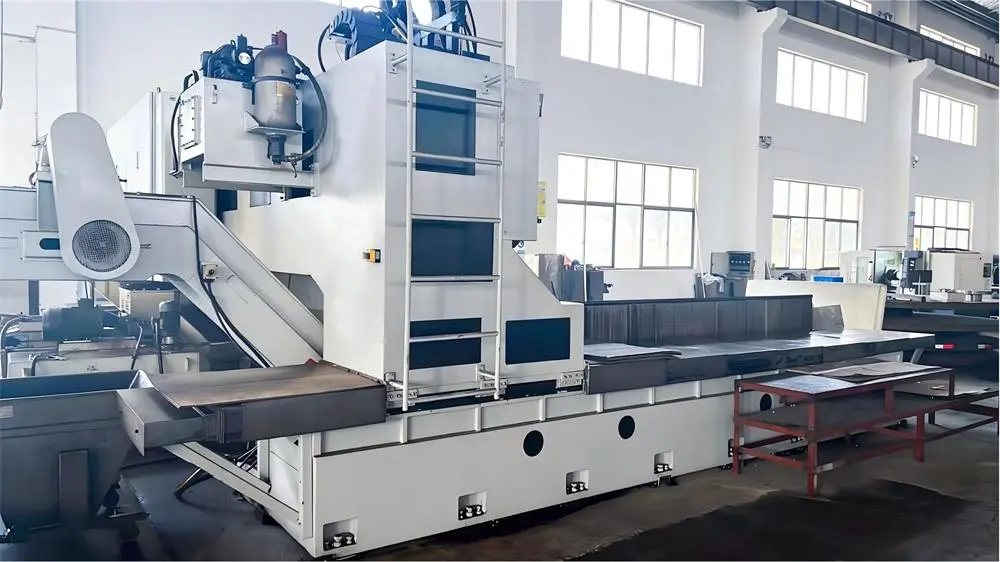
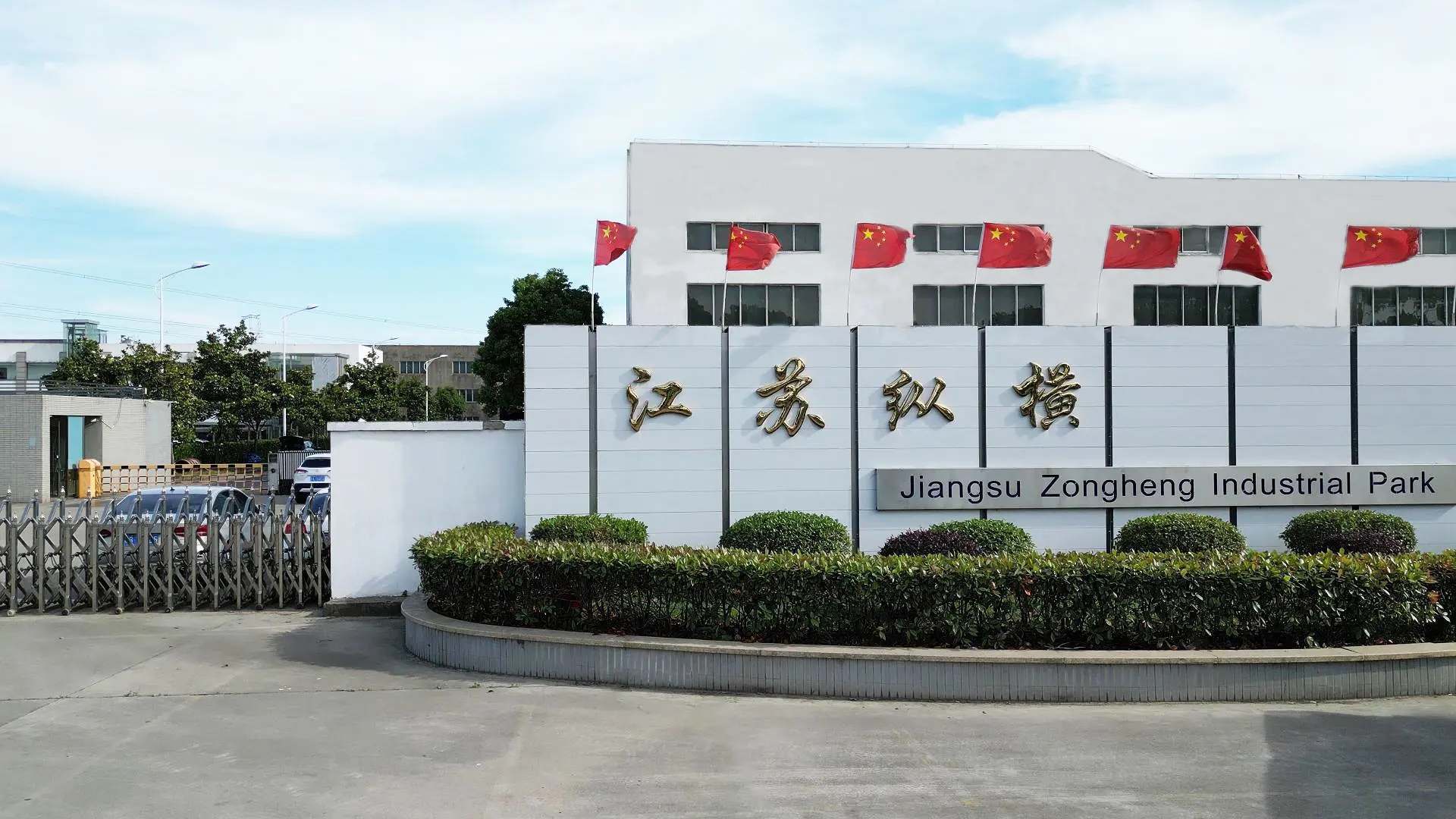
Jiangsu Zongheng Concentrating and Drying Equipment Co., Ltd (established in 1992) stands as a prominent example of China's advanced manufacturing capabilities. Located in the industrial heartland of Yixing, Jiangsu, the company possesses over three decades of mechanical engineering experience. The factory occupies 54,000 square meters, including 22,000 square meters of high-capacity production workshops equipped to handle heavy pressure vessels and exotic metal welding (titanium, duplex stainless steels like SUS2205, and Hastelloy).
• Capital Expenditure (CAPEX) Optimization: Up to 40% lower equipment procurement costs compared to European or US fabricators, while maintaining comparable components and structural lifetimes.
• Integrated Engineering Ecosystems: Direct access to local metallurgy supply chains, leading to faster fabrication turnaround times for customized heat exchanger designs.
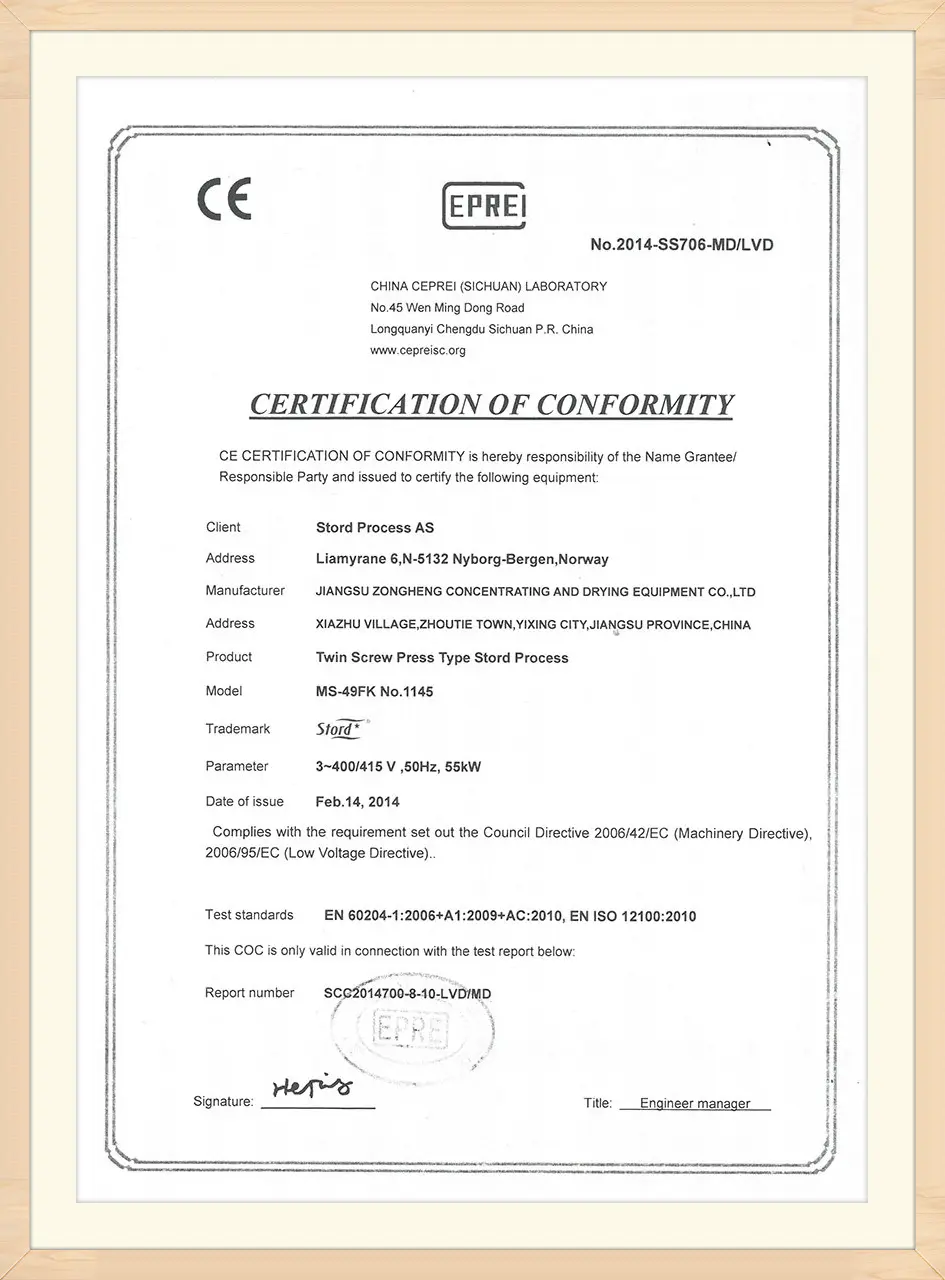
• Compliance & Certification: Facilities like Jiangsu Zongheng hold the ASME "U" Stamp certification, ISO 9001 quality compliance, and CE markings, meeting strict regulatory requirements in the West.
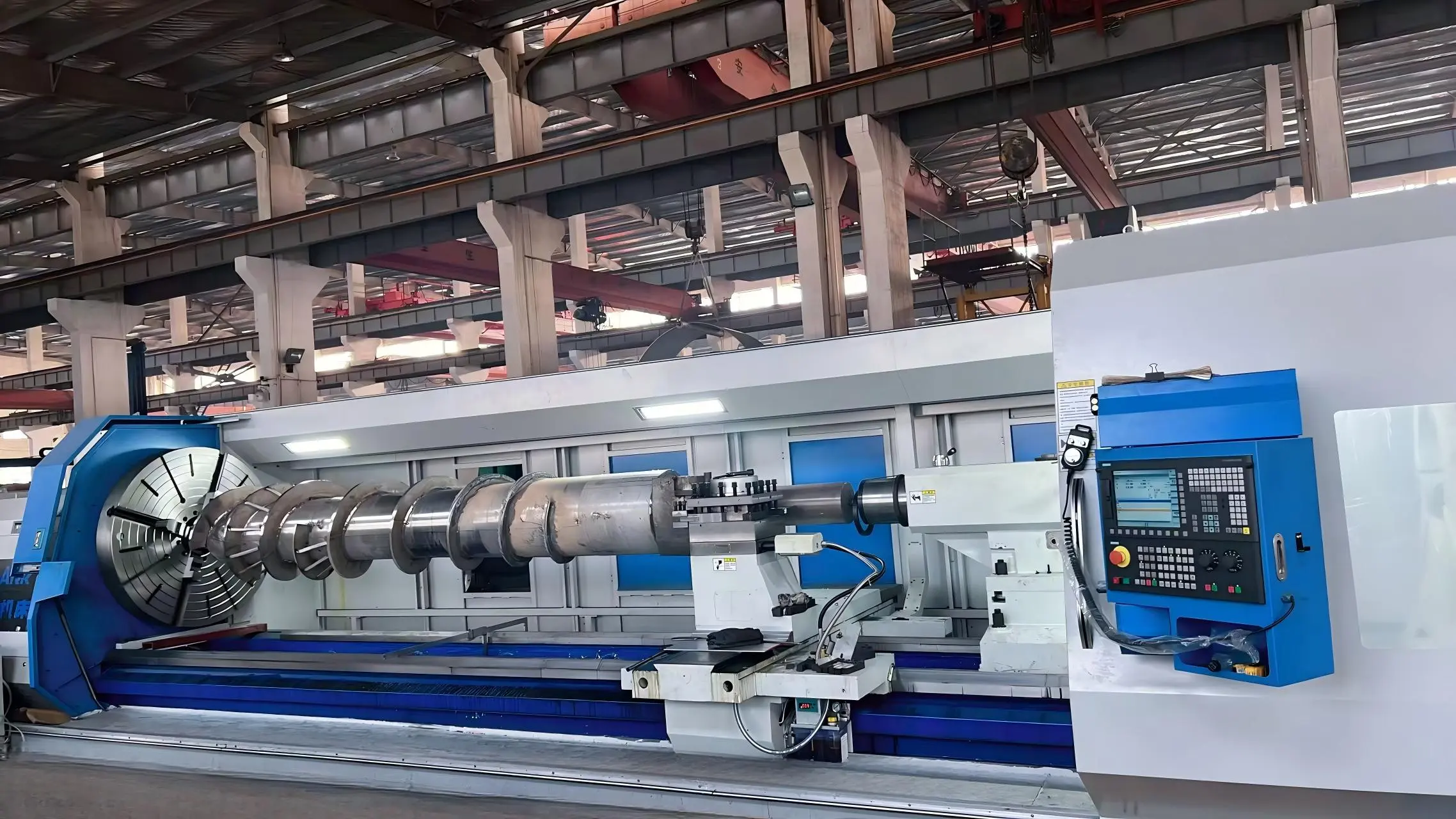
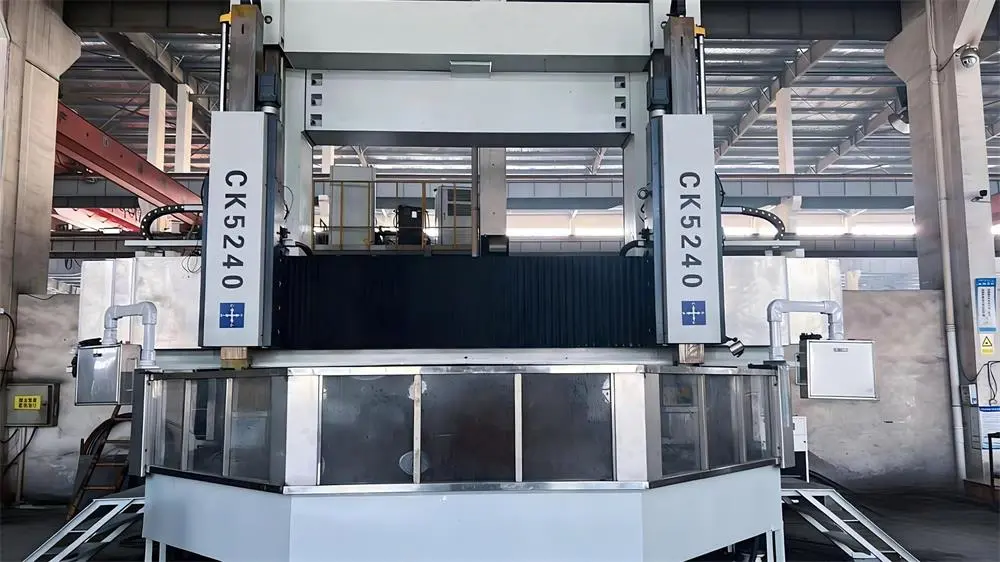
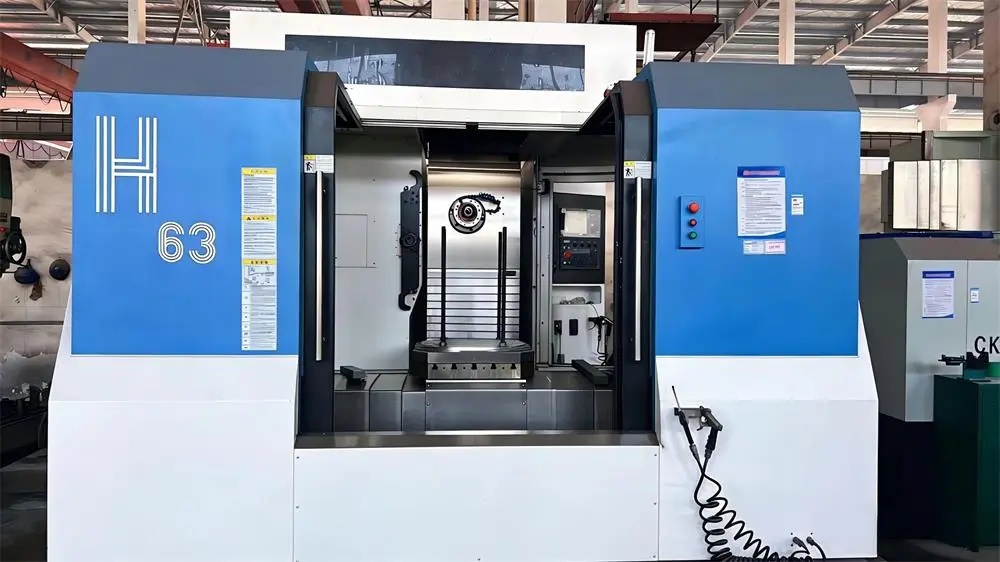
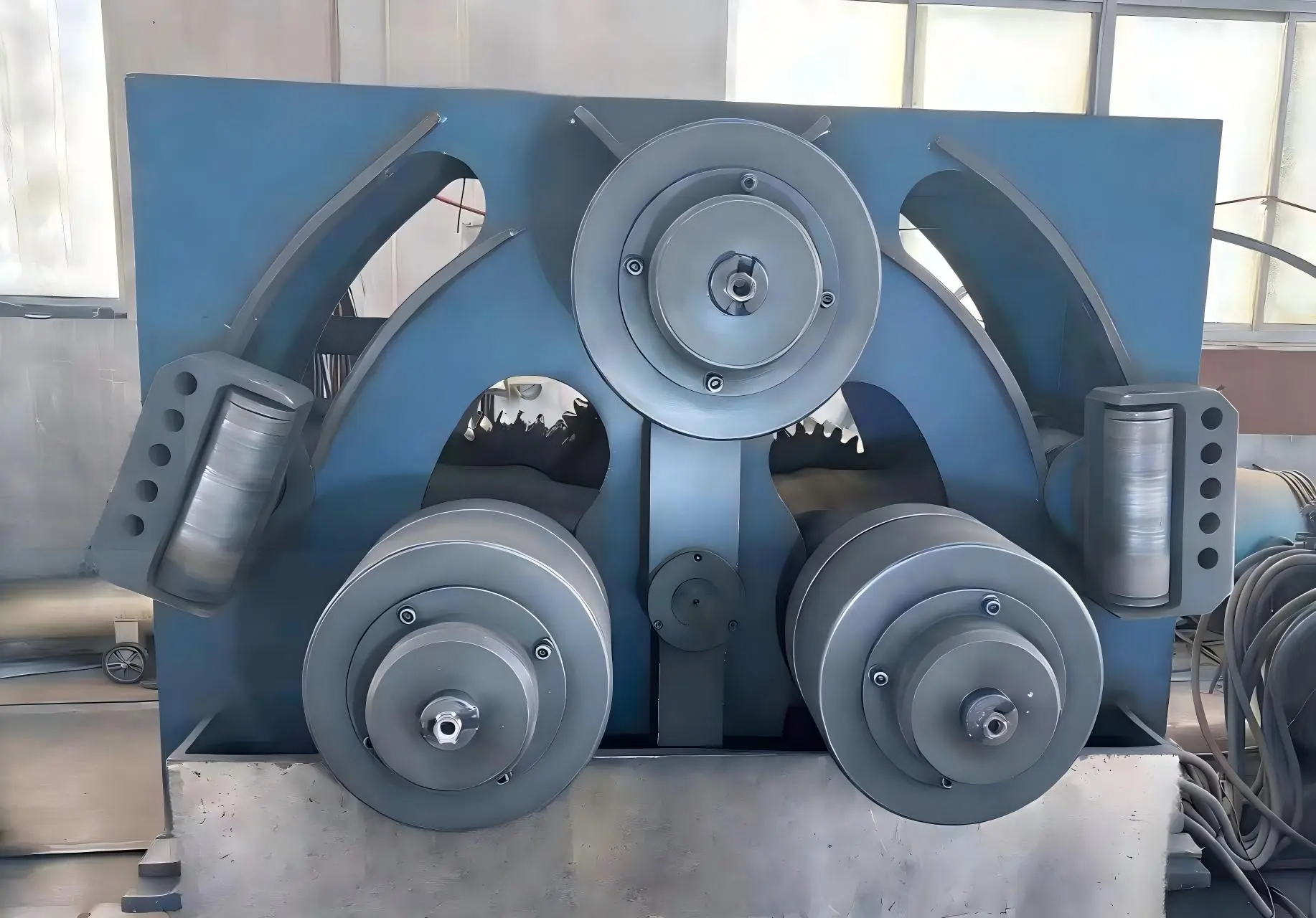
Industrial plants process a wide variety of liquids, each with unique density, viscosity, boiling point elevation (BPE), and scaling behaviors. A standard falling film design may work well for low-viscosity solutions, but could fail or foul rapidly if applied to highly saturated chemical salts.
During corn processing, large volumes of steep water must be concentrated from 5% solids up to approximately 48% to 50% solids. The final concentrated product is used for animal feed or fermentation. Because CSL contains organic acids, proteins, and free sulfur dioxide, a 3-effect falling film evaporator configuration is typically selected. The system features customized titanium tubes in the first effect to resist corrosion from dissolved sulfur dioxide and chlorides at high temperatures.
In fuel ethanol and beverage distilleries, thin stillage contains high concentrations of suspended organic solids. 3-effect forced circulation evaporators are commonly used here. Driven by high-flow axial pumps, the liquid is pumped through heat exchanger tubes at high velocities (2.0 to 2.5 m/s). This design suppresses boiling inside the tube bundle, preventing scaling and fouling on the heat exchange surfaces.
Chemical plant wastewater streams containing sodium chloride (NaCl), sodium sulfate (Na2SO4), or ammonium sulfate ((NH4)2SO4) require evaporation to reach saturation, followed by crystallization. For these applications, forced circulation crystallizers are used in a multi-effect configuration to handle the precipitation of salts without clogging the heat exchanger.
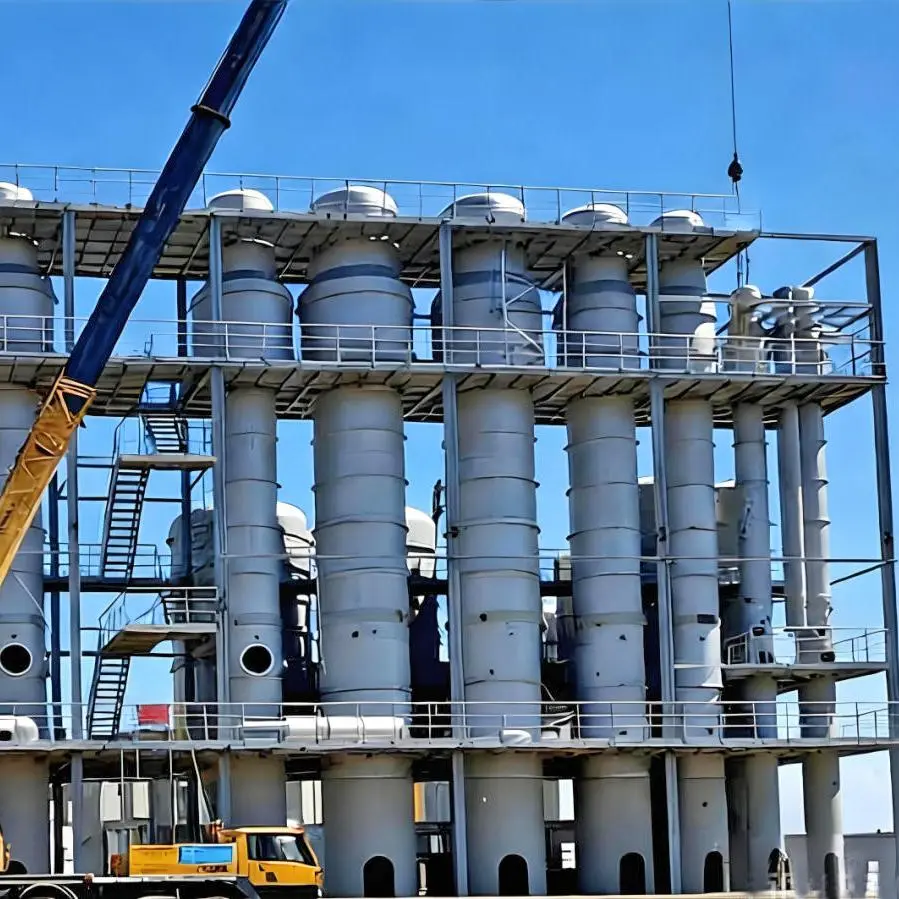
Zongheng designs high-performance evaporation solutions, including multi-effect systems, falling film evaporators, waste heat evaporators, and mechanical vapor recompression (MVR) systems. Each plant is engineered to match the client's thermodynamic requirements and material characteristics.
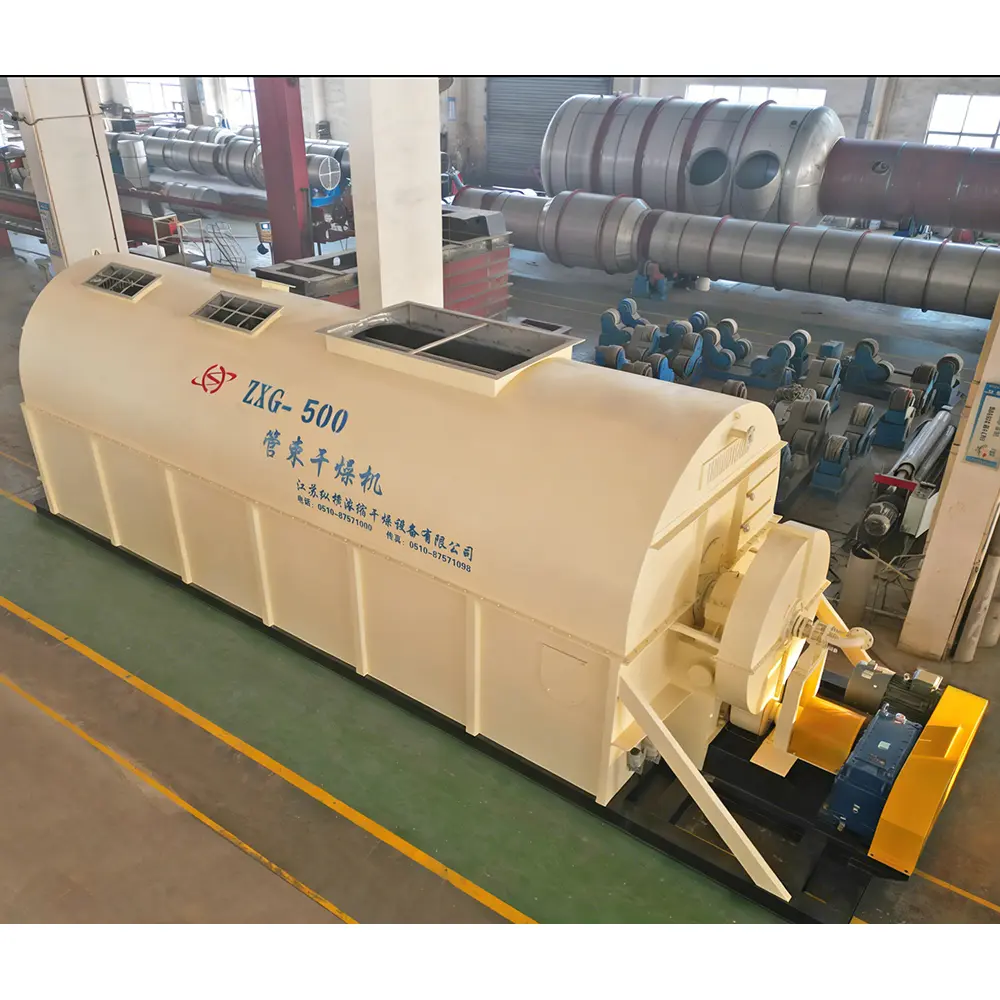
Jiangsu Zongheng's ZXG Tube Bundle Dryers provide indirect steam heating. By rotating the inner tube bundle through the material bed under low oxygen conditions, they deliver safe, reliable, and uniform drying for organic materials like corn germ, fiber, and DDGS.
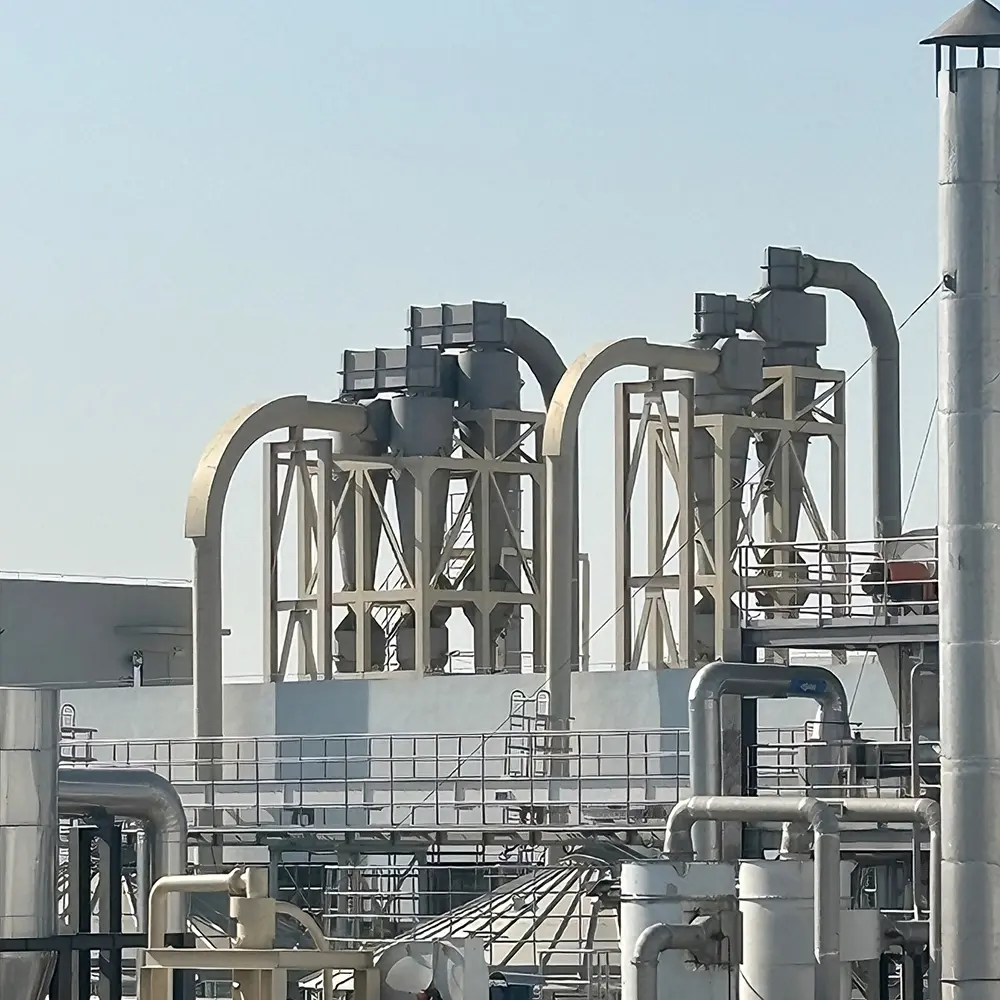
The MQG Airflow Dryer uses high-velocity hot air to fluidize and suspend wet solids. By utilizing impulse tube variations, it continuously tumbles and conveys particles, ensuring rapid, uniform drying throughout the system.
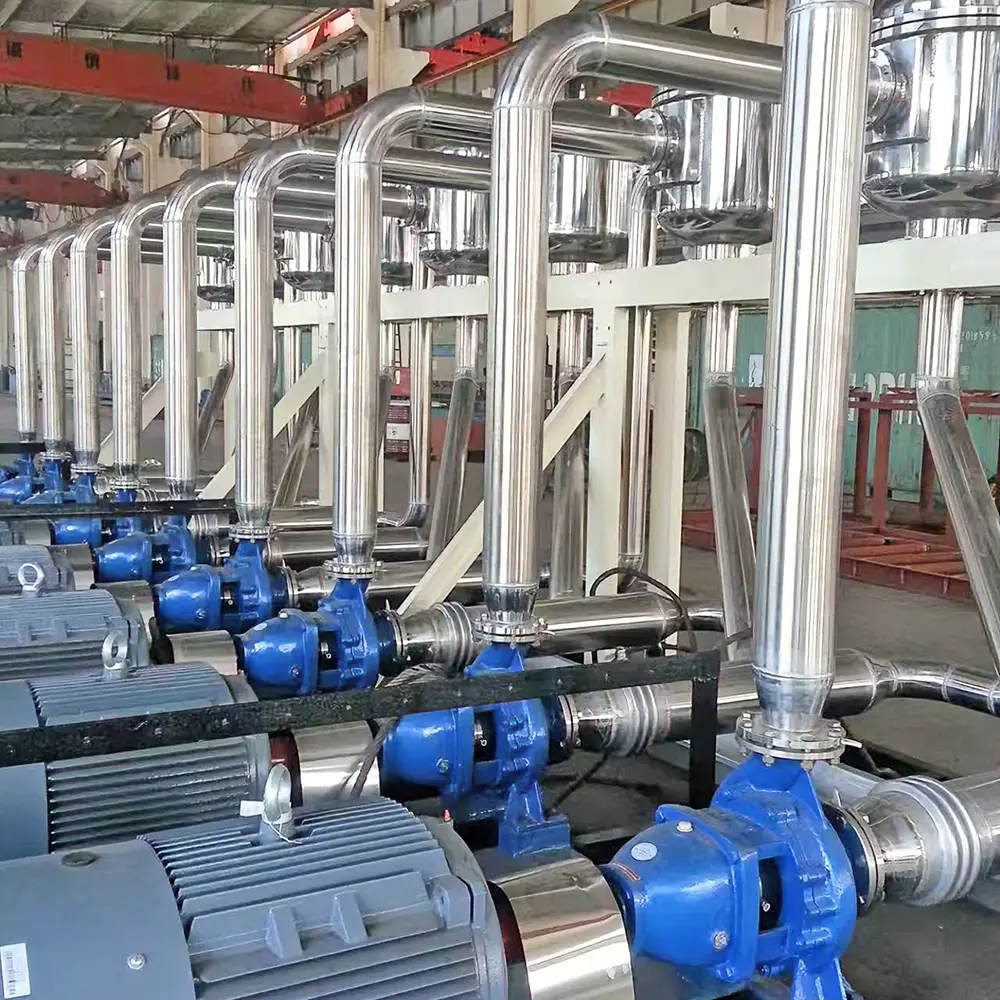
The YDX Starch Washing Cyclone uses high-pressure classification fields to separate, wash, and purify starch milk. This design helps minimize starch loss while removing fine fibers and proteins.
When purchasing a 3-effect industrial concentration system, EPC contractors and chemical engineers should evaluate several design criteria:
Heat Exchanger Surface Area Calculation: The heat transfer rate (Q = U * A * ΔT) is primary. Designers must account for fouling factor allowances. Selecting high-grade titanium tubes or duplex stainless steel (2205) maintains high heat transfer coefficients (U-values) and prevents premature replacement in corrosive environments.
Automation & Instrumentation: Modern chemical installations operate continuously. The evaporator should feature PLC/SCADA control systems to monitor temperatures, absolute pressures, and feed concentration levels. High-accuracy differential pressure transmitters help track scaling inside the tube bundles.
To improve thermal efficiency, manufacturers are combining multi-effect systems with Thermal Vapor Recompression (TVR) or Mechanical Vapor Recompression (MVR). In a TVR setup, a steam ejector uses high-pressure motive steam to compress fractionated process vapor, reintroducing it into the heating chest to reduce overall steam consumption.

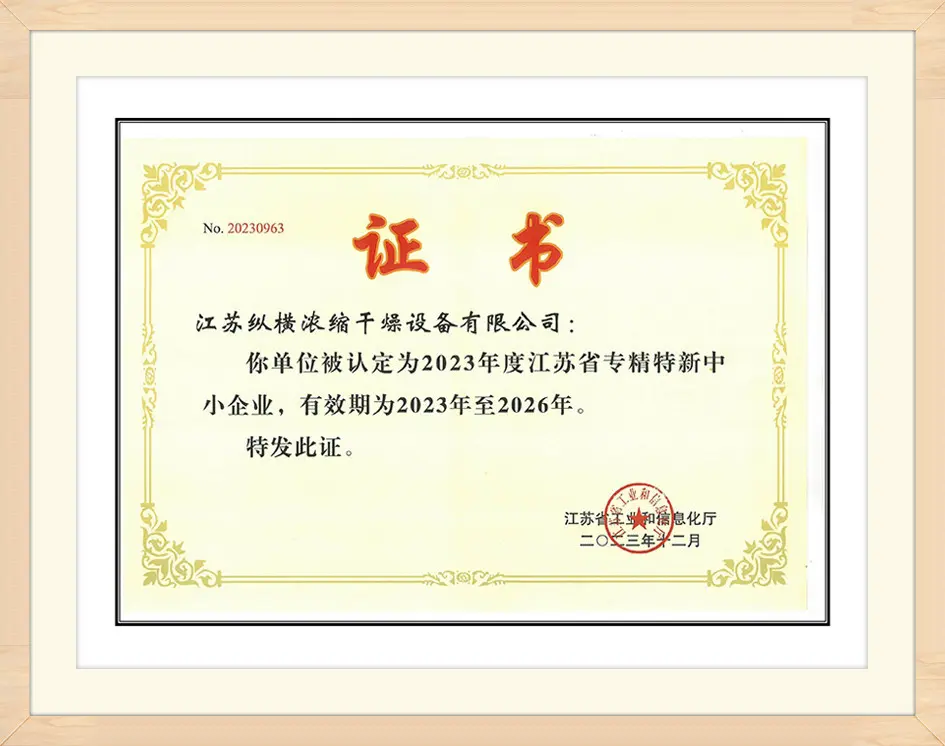
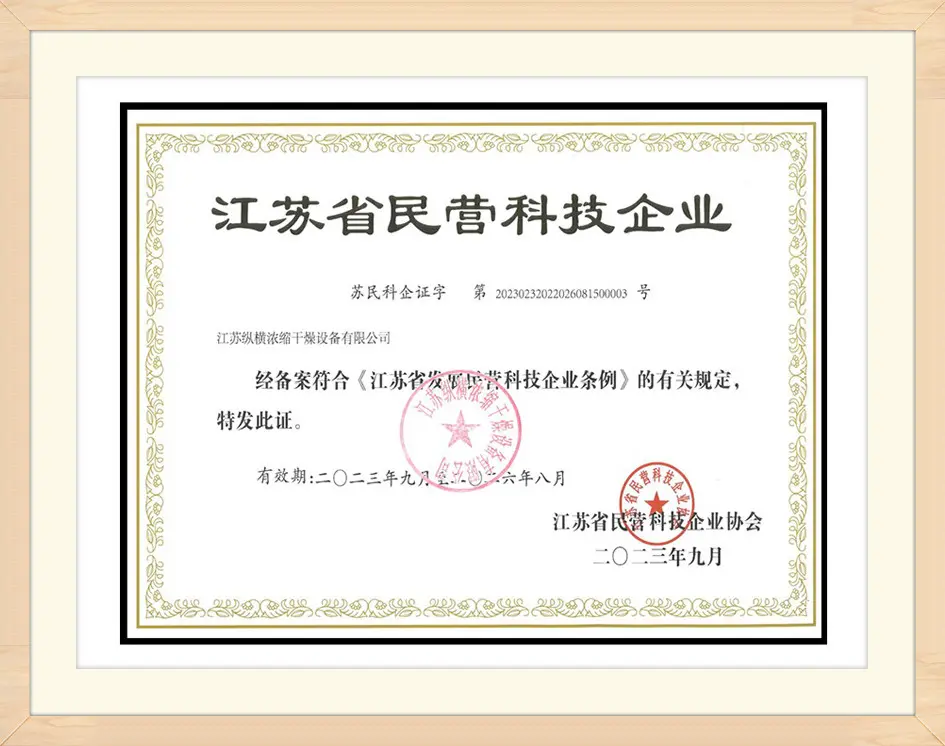
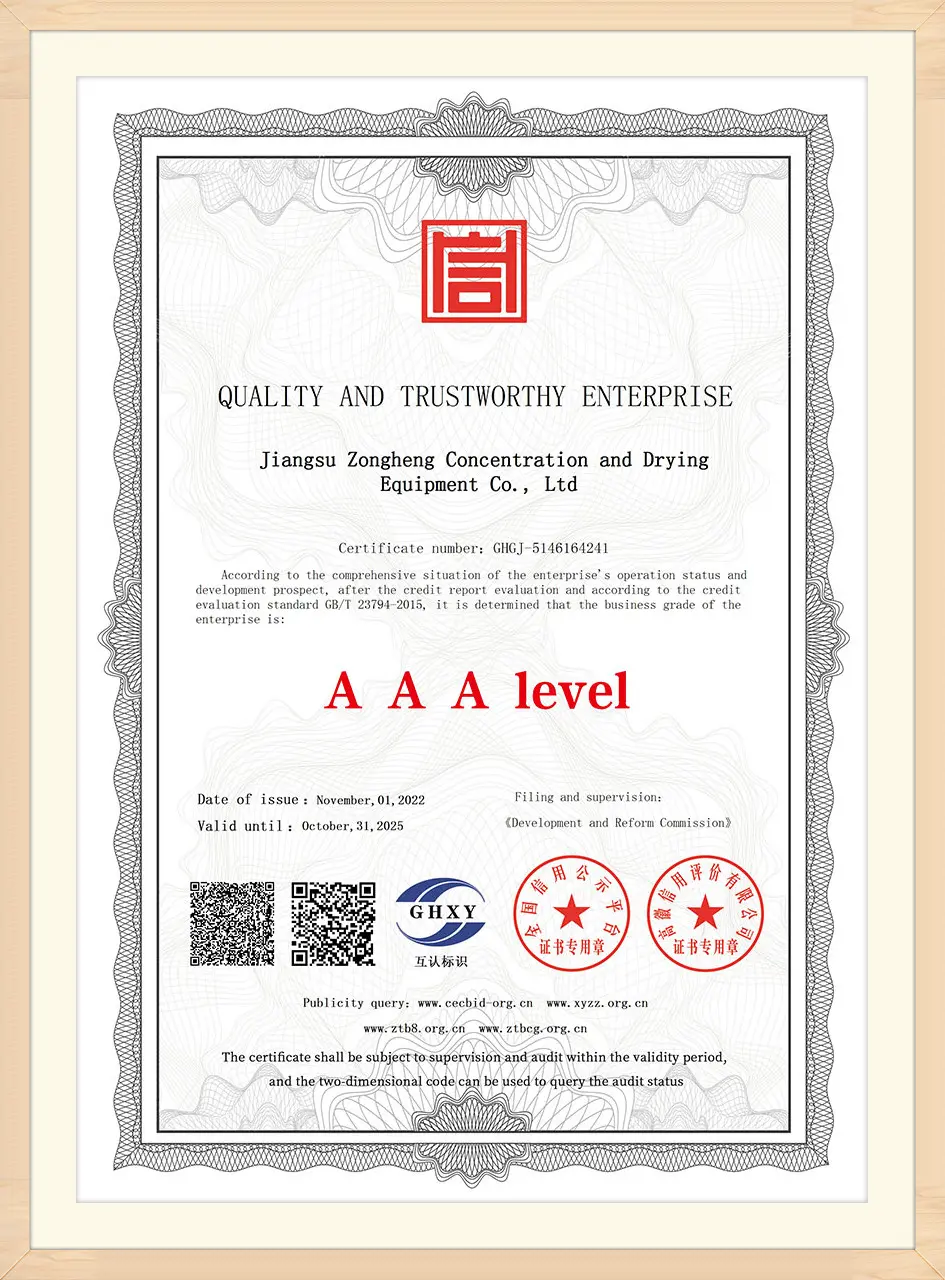
Jiangsu Zongheng operates under a certified quality control system. Our welding engineers and design draftsmen comply with domestic and international regulations. We hold the authorization certificates required to export pressure vessels to North America, Europe, Southeast Asia, and South America.
The steam economy represents the mass of water evaporated per unit mass of live steam consumed. For a triple-effect system under standard operating conditions, the steam economy is typically between 2.4 and 2.6. This means 1 ton of high-pressure boiler steam can evaporate approximately 2.4 to 2.6 tons of water from the process solution.
A falling film evaporator relies on gravity to distribute liquid as a thin film down the inside of vertical tubes. This design offers high heat-transfer coefficients and short residence times, making it suitable for heat-sensitive and low-viscosity materials. A forced circulation system uses a high-capacity axial pump to drive liquid through the tubes at high velocities, suppressing boiling inside the heat exchanger. This setup is better suited for highly viscous, scaling, or crystallizing liquids.
For acidic solutions or those with high chloride concentrations, standard stainless steels like SUS304 or SUS316L are susceptible to stress corrosion cracking and pitting. In these applications, we utilize duplex stainless steel (such as SUS2205/2207) or titanium (Gr. 1, Gr. 2) for the tube sheets, tubes, and separator walls to ensure system longevity.
Boiling Point Elevation (BPE) is the increase in the boiling point of a solution compared to pure water at the same pressure. As concentration increases, the solution's boiling point rises, reducing the effective temperature difference (ΔT) available for heat transfer. Our design engineers calculate the BPE curve across all three effects to size the heat exchanger surface area correctly.
Yes, our waste heat evaporators are designed to utilize low-pressure flash vapor, exhaust streams, or hot process condensate as their primary heating medium. This integration reduces utility steam requirements and improves overall plant thermal efficiency.
Applying a vacuum lowers the absolute pressure in the subsequent effects, which decreases the boiling point of the liquid. This allows the system to evaporate solvent at lower temperatures, protecting heat-sensitive products and maintaining a sufficient temperature difference (ΔT) between effects.
We use several design features to address fouling: liquid distributors for uniform film distribution, high-velocity forced circulation loops to scour tube surfaces, and integrated Clean-In-Place (CIP) systems that allow chemical cleaning without dismantling the unit.
Our vapor separators utilize tangential inlets, baffle plates, and wire-mesh mist eliminators. This multi-stage separation configuration removes liquid droplets from the vapor stream, preventing carryover and protecting product quality in downstream effects.
Jiangsu Zongheng welcomes collaboration with EPC contractors, chemical plant operators, and industrial distributors worldwide. We offer design, ASME-compliant fabrication, and installation support.
 Jun 18, 2026
This technical article evaluates the thermodynamic relationship between evaporator heat transfer surfaces and condenser performance. It highlights energy recovery methods in low-pressure concentration designs and strategies to reduce steam consumption in large-scale plants.
Mechanical Vapor Recompression system designed to recycle thermal energy, reducing primary steam consumption.
View System Designs
Provides indirect steam drying with high thermal efficiency, suitable for bulk chemical and feed processing plants.
View Factory Models
High-efficiency germ separation mill designed for wet milling operations in maize processing lines.
View Machine Spec Sheet
Concentrates steep liquor and organic wastewater streams using hot exhaust vapors, reducing utility costs.
View Solution Details
Drying equipment certified to European directives, featuring robust structural design and safety systems.
View CE Documentation
Concentrates industrial effluents using waste heat, helping facilities move closer to zero-liquid discharge targets.
View Wastewater Designs
Indirect steam-heated tube bundle dryer designed for bulk chemical, feed, and agricultural products.
View Plant Specs
Rapid pneumatic flash dryer suitable for fine starches, protein powders, and heat-sensitive food starches.
View Supplier Catalog Zongheng