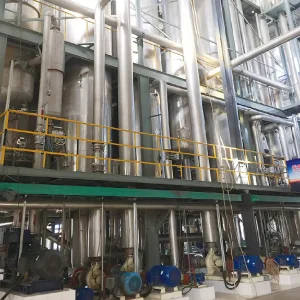
Advanced liquid concentration solutions engineered for high-viscosity and scaling fluid applications. High turbulence prevents fouling.
Read More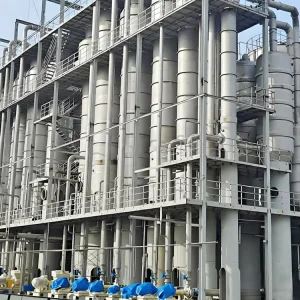
Energy-saving waste heat evaporator systems integrating plant-wide thermal sources to dramatically reduce operating costs.
Read More
Reliable factory solutions built to high international engineering standards. Dynamic flow velocity reduces heat exchanger degradation.
Read More
Optimized design for extreme concentration applications, achieving zero liquid discharge (ZLD) when configured with crystallizers.
Read More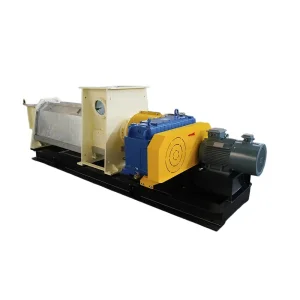
Specialized solid-liquid separation equipment for the dewatering of corn fiber, germ, and various starch-processing byproducts.
Read More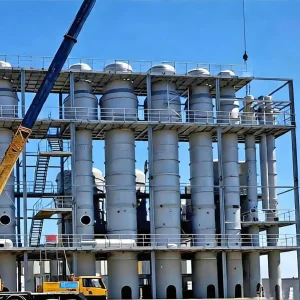
Customized system configurations incorporating thermal vapor recompression (TVR) and multi-effect designs to optimize steam usage.
Read More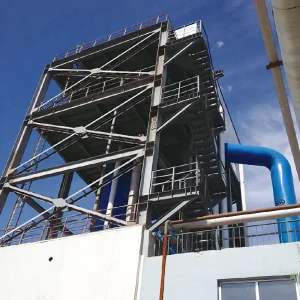
State-of-the-art Mechanical Vapor Recompression systems designed to minimize carbon emissions by recycling latent heat.
Read More
Specially formulated waste heat evaporation solutions for organic wastewater and complex agricultural processing effluents.
Read MoreIndustrial evaporation serves as the backbone of modern thermal separation technologies, acting as a crucial process across the chemical, food, starch, distillery, and wastewater treatment industries. At its core, the thermodynamic objective is simple: to concentrate a non-volatile solute from a solvent (typically water) through vaporisation. However, in execution, the mechanical complexities are immense. Achieving high thermodynamic efficiency requires a profound understanding of fluid dynamics, boiling point elevation (BPE), material corrosion risks, and energy configuration setups.
Historically, multi-effect evaporation (MEE) plants utilized live steam across sequential vessels operating at decreasing pressures to reuse latent heat. While structurally simple, traditional MEE setups consume significant energy. The paradigm shift toward Mechanical Vapor Recompression (MVR) and advanced Waste Heat Evaporators has revolutionized how plants assess their thermal footprints. In an MVR system, vapor generated from the product is compressed mechanically (typically by a high-efficiency centrifugal fan or turbo-compressor), which increases both its temperature and pressure. The compressed vapor is then returned to the shell side of the same heat exchanger, serving as the heating medium. This continuous thermal cycle effectively lowers energy requirements to between 15 and 30 kWh per ton of water evaporated, compared to the 150-200 kg of steam needed for a standard triple-effect evaporator.
Specifically designed to manage crystallizing liquids and high-viscosity slurries. Large recirculation pumps maintain high velocities across the tubes to inhibit fouling and scale accumulation.
Highly suited for heat-sensitive liquids. By distributing feed to form a thin flowing film down the vertical tubes, the liquid vaporizes rapidly with minimal heat exposure.
Mechanical Vapor Recompression recycles latent steam energy through mechanical blowers, delivering a major boost in thermal efficiency and slashing overall plant fuel consumption.
To achieve long-term durability and consistent processing yields, downstream drying and upstream physical separation must align with the thermal concentration plant. Jiangsu Zongheng design-engineers complete processing lines where evaporators work in tandem with screw presses, tube bundle dryers, and pneumatic airflow systems:
The ZXG Tube Bundle Dryer uses indirect steam heating to process bulk solids under low oxygen. A rotating bundle of steam-heated tubes tumbles materials gently, transferring heat through physical contact.
Synergistic Advantage: Latent flash steam released from the tube bundle dryer can be captured and routed to feed a waste heat evaporator, creating a closed-loop thermal cycle that yields significant energy savings.
The MQG Airflow Dryer disperses wet filter cakes in a high-speed hot air stream, achieving rapid moisture evaporation. In wet milling operations, this step is preceded by Degerming Mills and Starch Washing Cyclones to ensure high-purity separations.
Synergistic Advantage: By pre-concentrating process slurries via multi-cyclones, the thermal load on the evaporator is reduced, optimizing downstream drying performance.
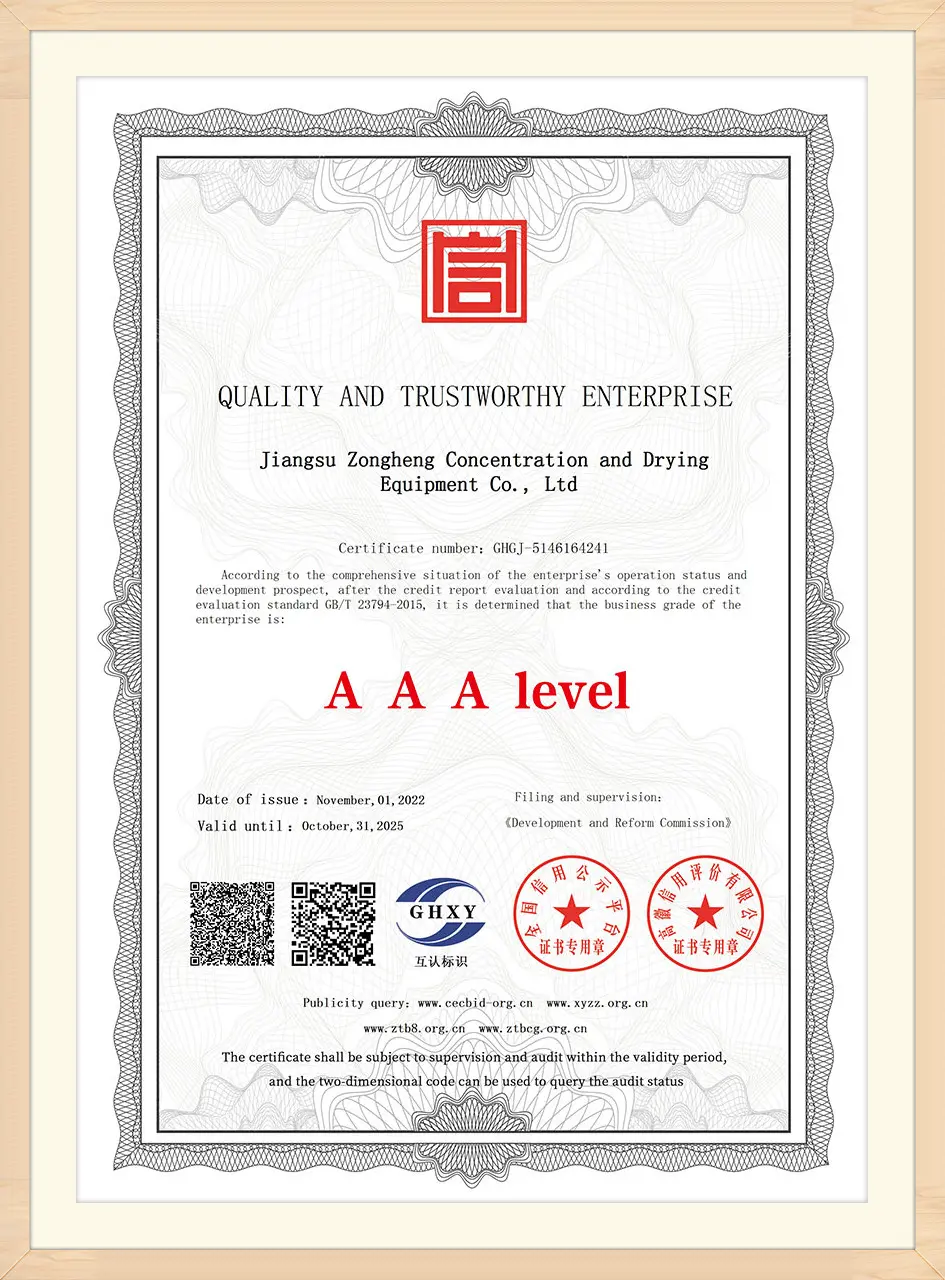
Selecting a supplier for large-scale, complex evaporation equipment involves evaluating multiple criteria: raw material supply chains, structural engineering capabilities, compliance certifications, and total cost of ownership. Chinese manufacturing centers—particularly in industrial hubs like Jiangsu Province—deliver unique competitive advantages:
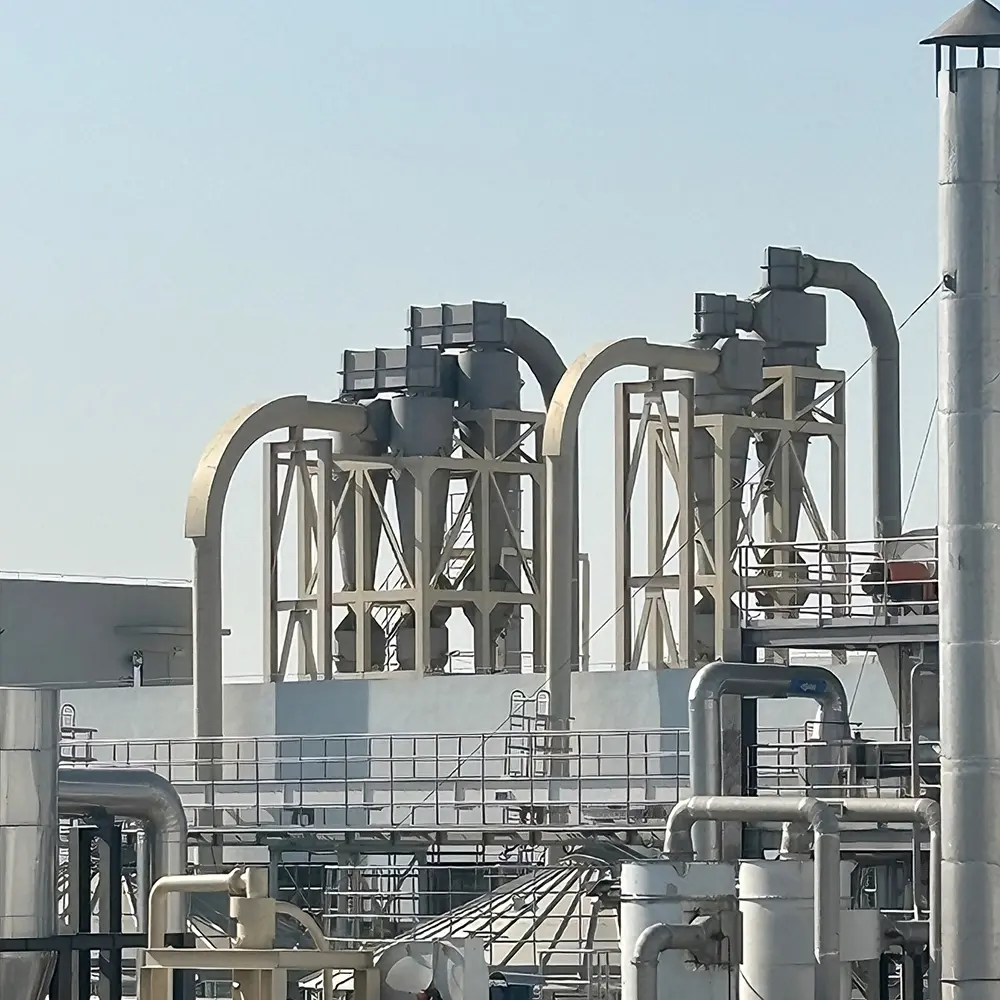
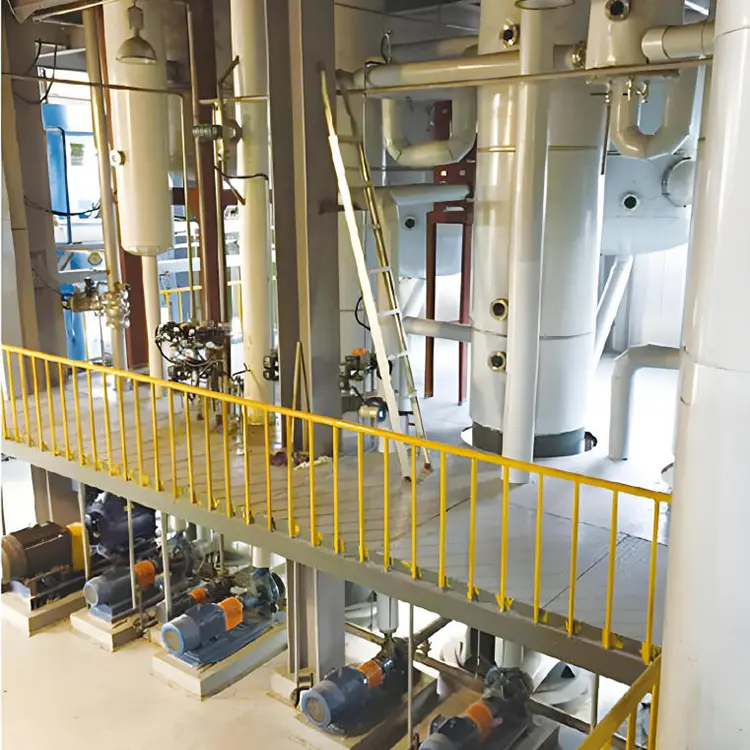
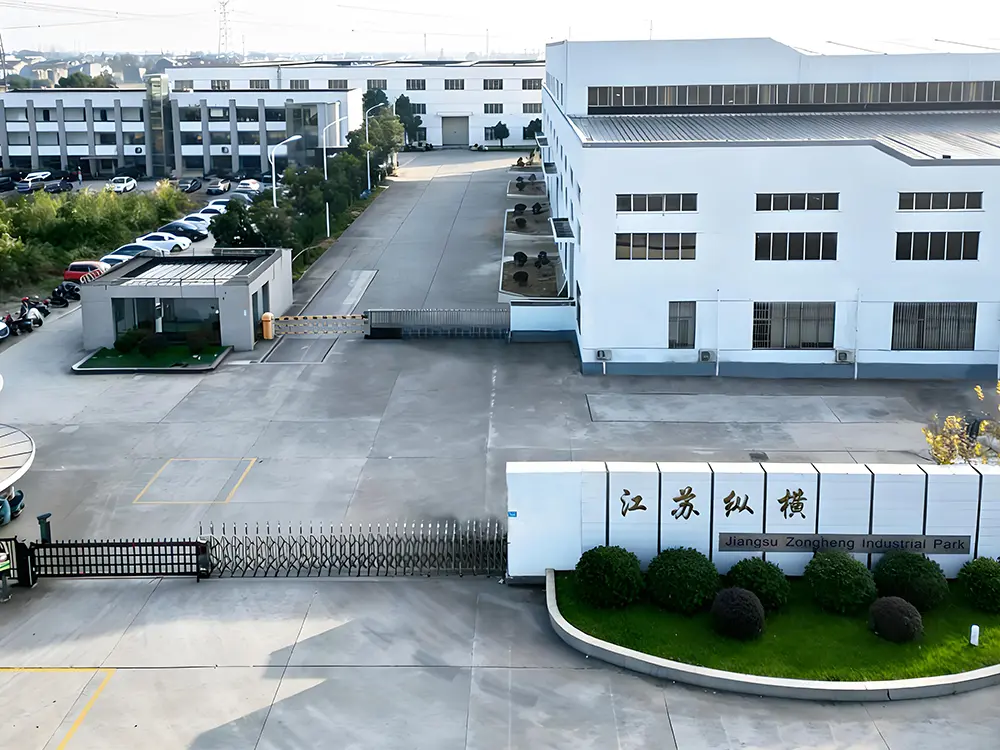
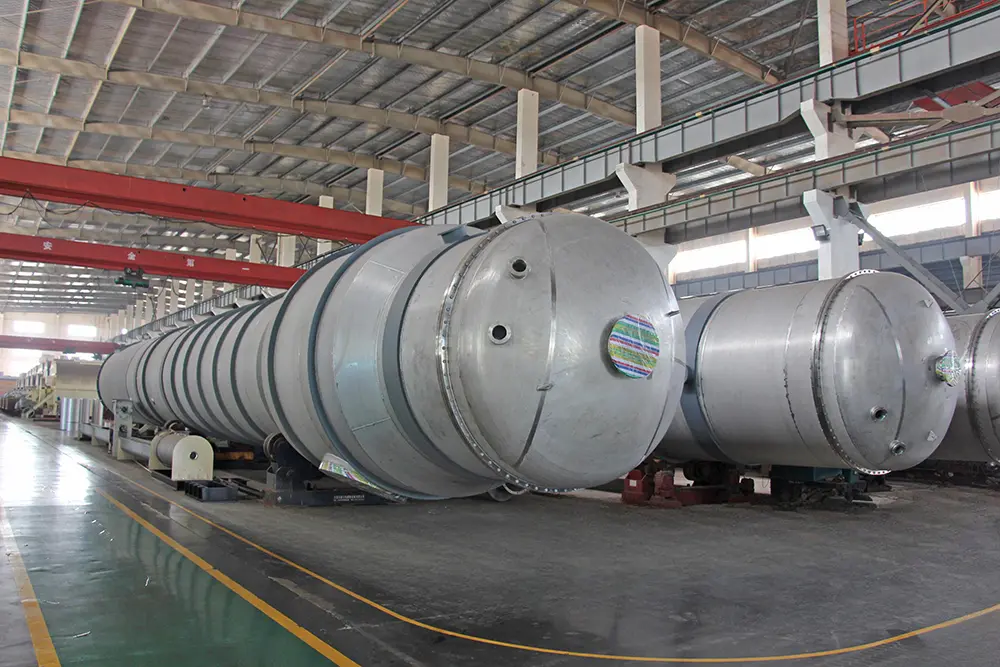
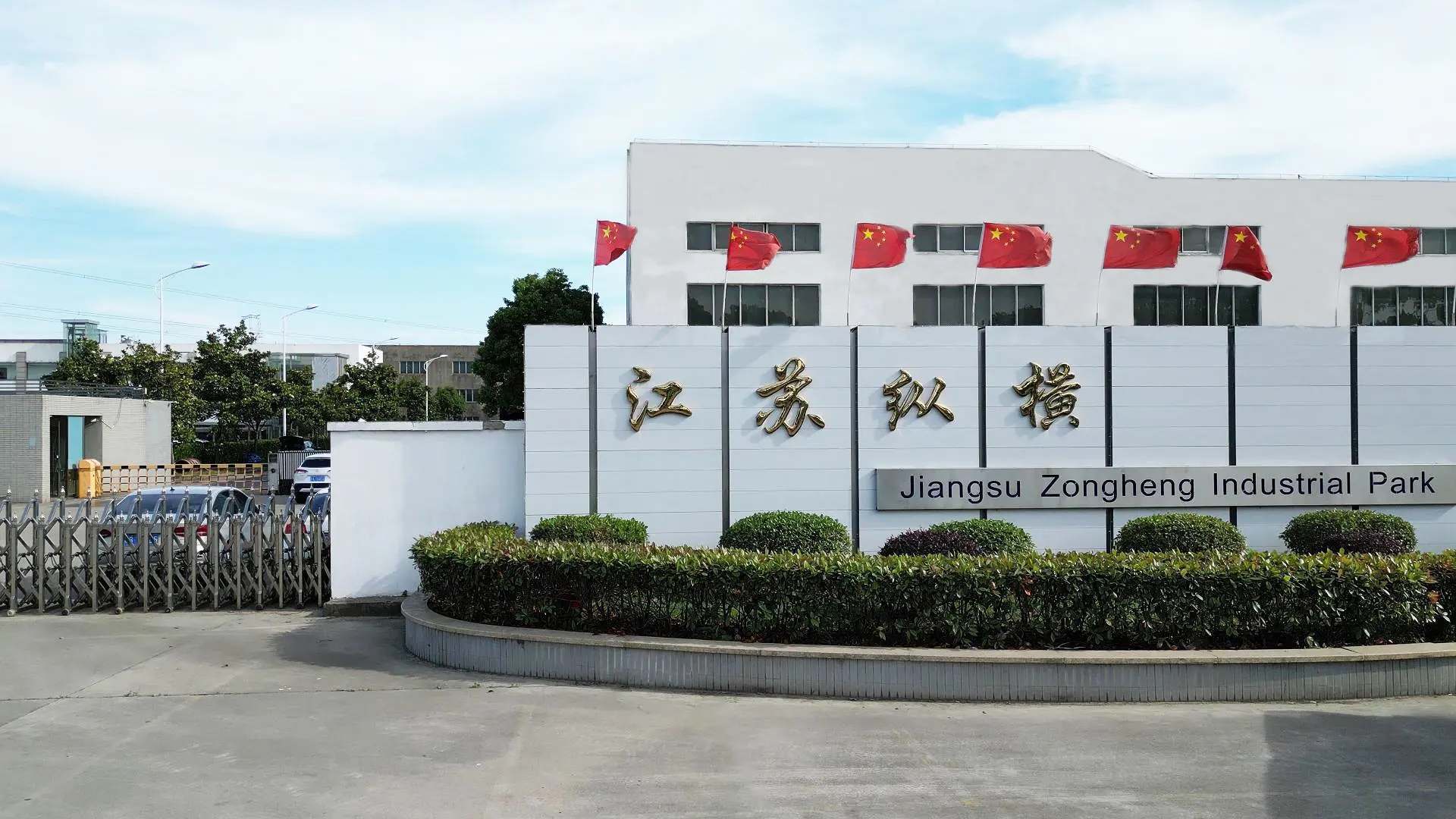
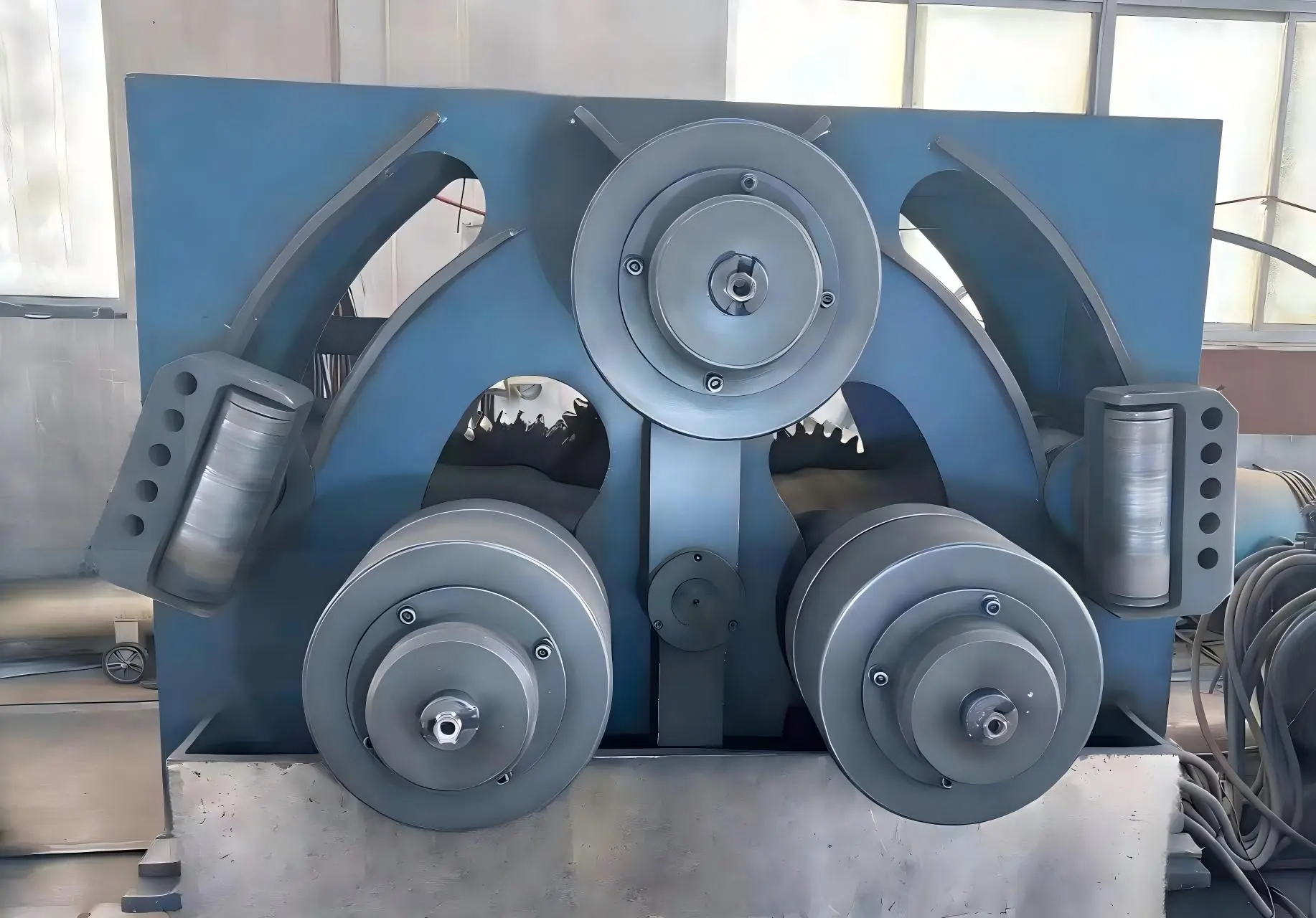
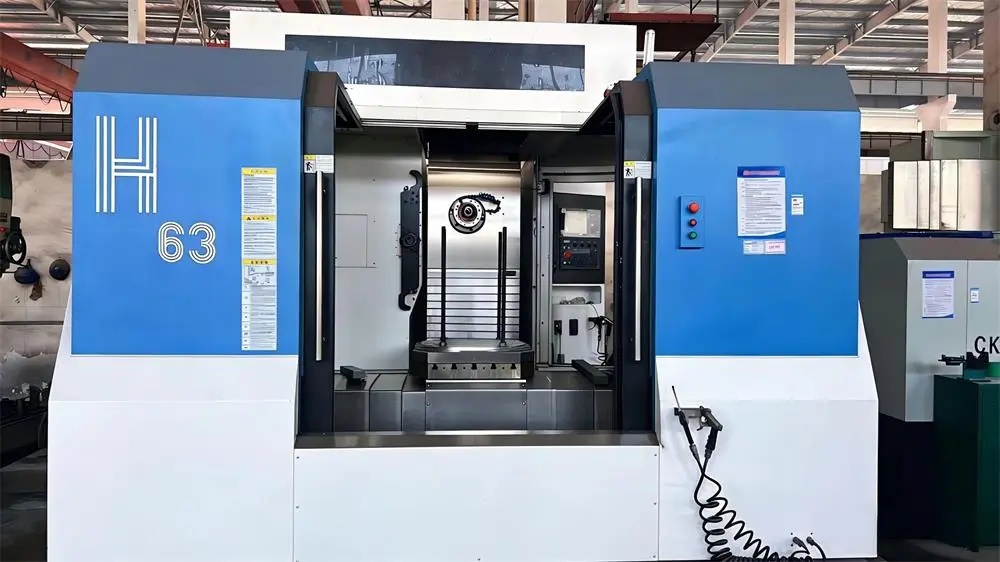
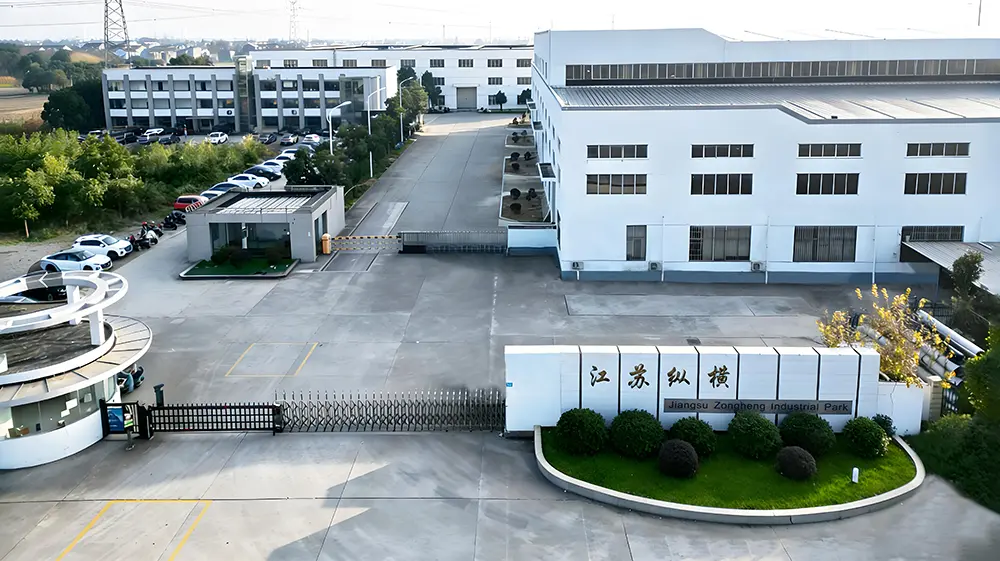
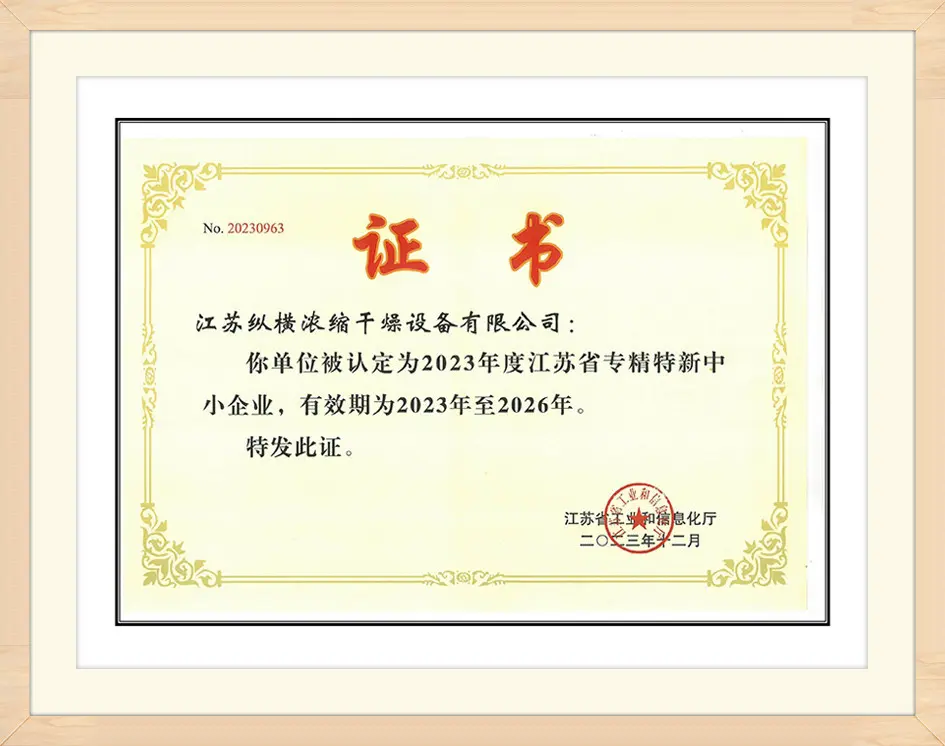
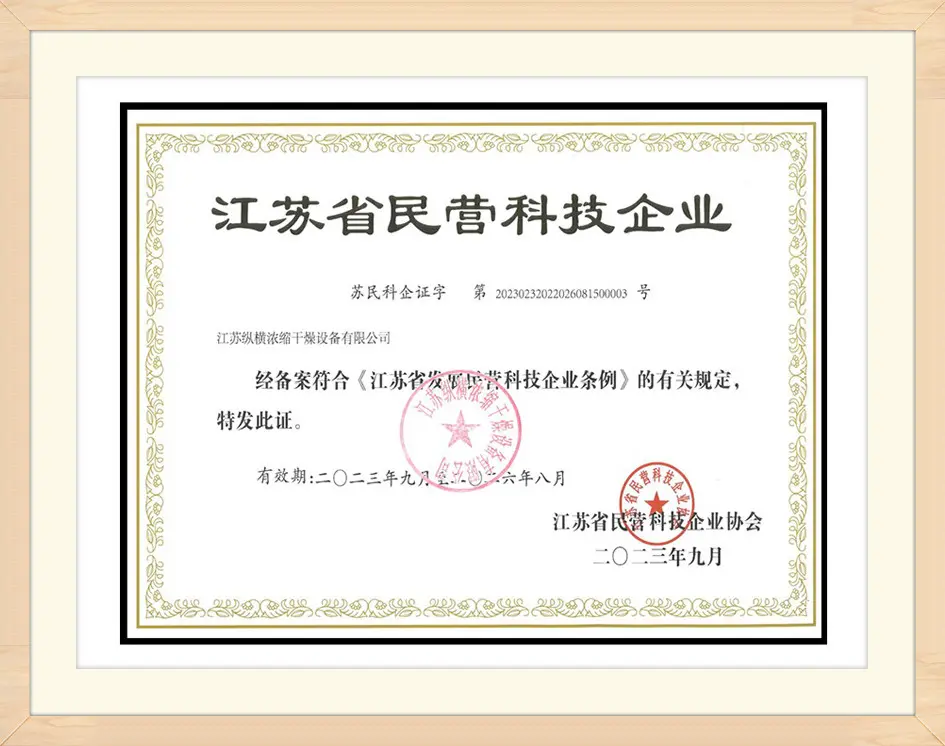
Jiangsu Zongheng Concentrating and Drying Equipment Co., Ltd (formerly Yixing Yangxi Light Industry Machinery Factory), founded in 1992, is located in Zhoutie Town, Yixing City, on the shores of Taihu Lake. Covering over 54,000 square meters with a production workshop area of over 22,000 square meters, we are a modern high-tech enterprise specializing in evaporation, drying, and Category III vessel manufacturing.
Establishment & Foundation
Founded as Yixing Yangxi Light Industrial Machinery Factory, covering 15 mu of land with 45 dedicated employees.
ISO9001 Quality System Certification
Obtained ISO9001 certification, standardizing quality assurance protocols for key manufacturing processes.
High-Tech Designation
Recognized as a Jiangsu Provincial High-Tech Enterprise, reinforcing our commitment to product R&D.
Special Equipment License
Granted the Special Equipment Manufacturing License of the PRC (License No: TS2232C42) to manufacture high-spec pressure vessels.
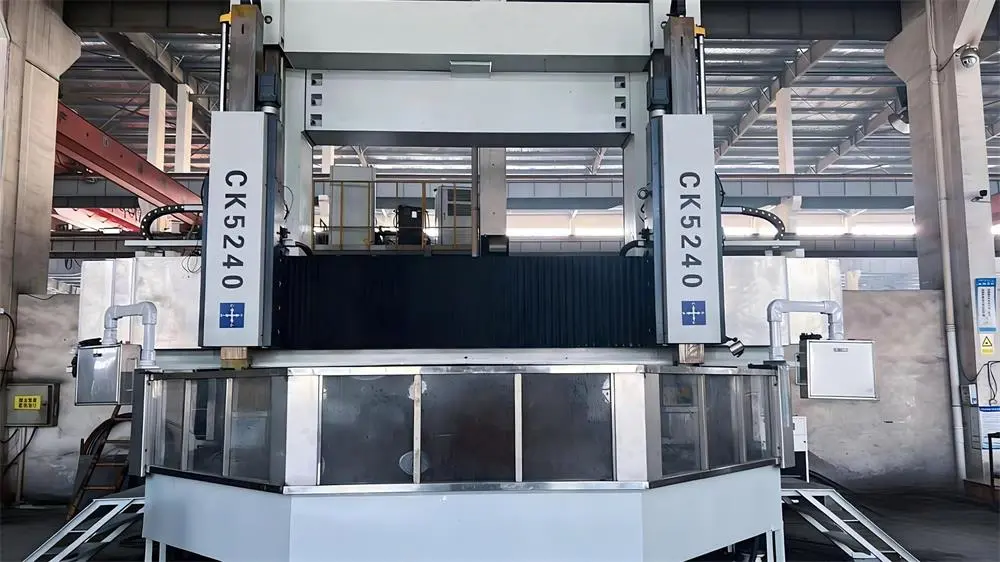
ASME "U" Stamp Authorization
Earned the ASME "U" Stamp certification, enabling direct supply of compliant pressure vessels to international markets.
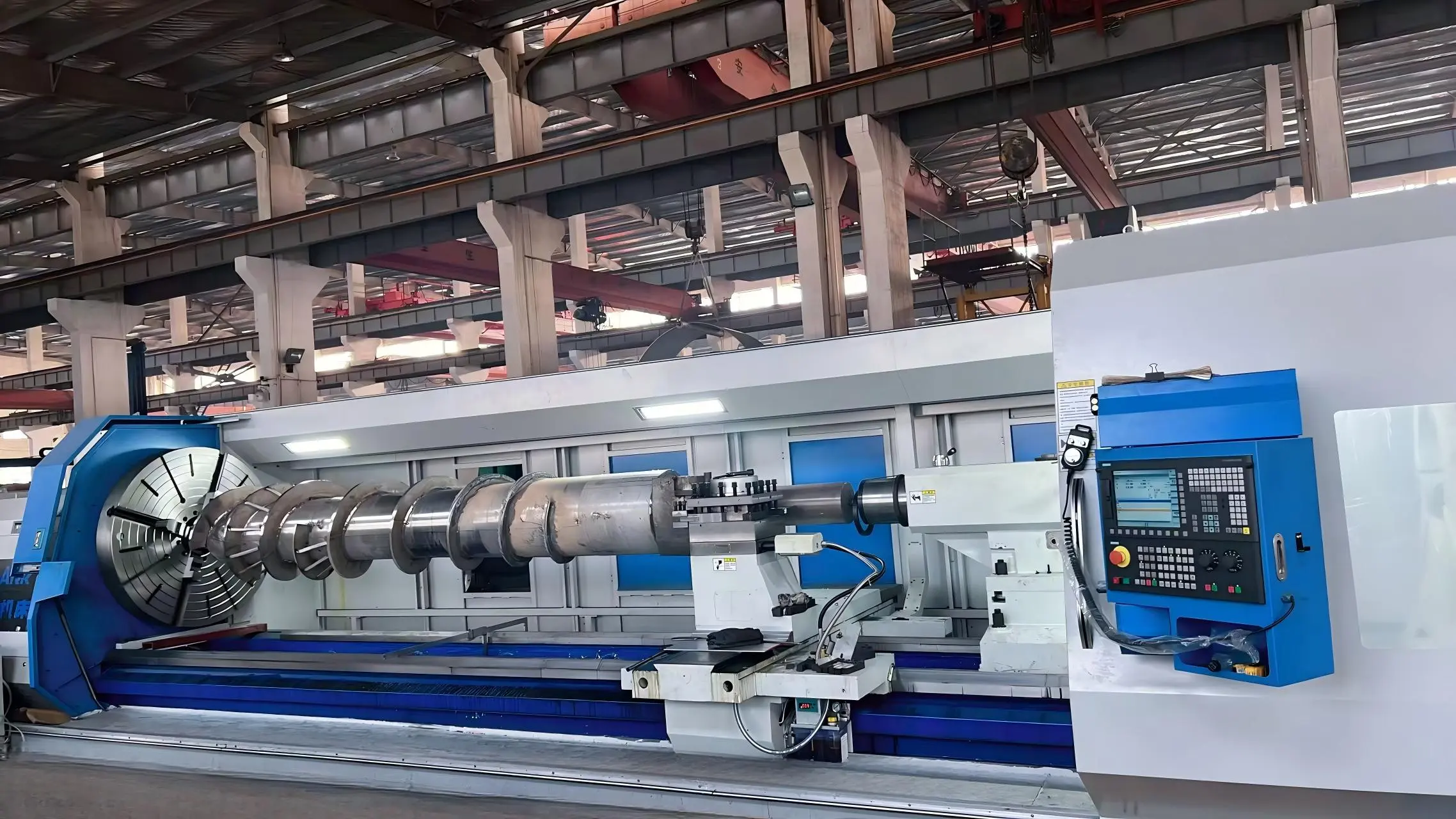
International Quality System Certification
Obtained international quality system certification (No. 45021) to expand exporting capability.
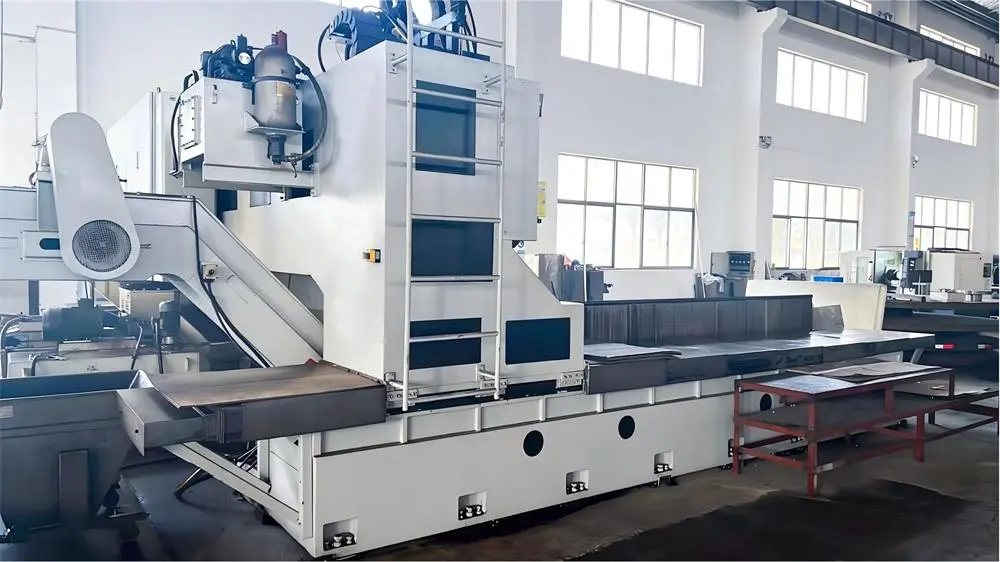
Global Leadership & Scaling
Operating from a 54,000+ sqm facility with a workforce of 120, including 3 senior engineers and over 20 specialist engineers.
Evaporation equipment must be custom-configured for the chemical and physical attributes of the feed liquid. Factors such as viscosity, fouling index, temperature sensitivity, boiling point elevation (BPE), and crystallization kinetics dictate whether a falling film, forced circulation, or hybrid system configuration is appropriate.
Concentration of corn steep liquor (CSL) and light steep water.
Our waste-heat driven evaporators capture energy from tube bundle dryers, yielding energy-efficient concentration of highly viscous organic steeps.
Syrup concentration in Distillers Dried Grains with Solubles lines.
Using multi-effect falling film evaporators integrated with mechanical recompression to process thin stillage efficiently and reliably.
Wastewater purification and Zero Liquid Discharge requirements.
Forced circulation crystallizers isolate inorganic salts from chemical effluents, returning pure distillate to the plant utility loop.
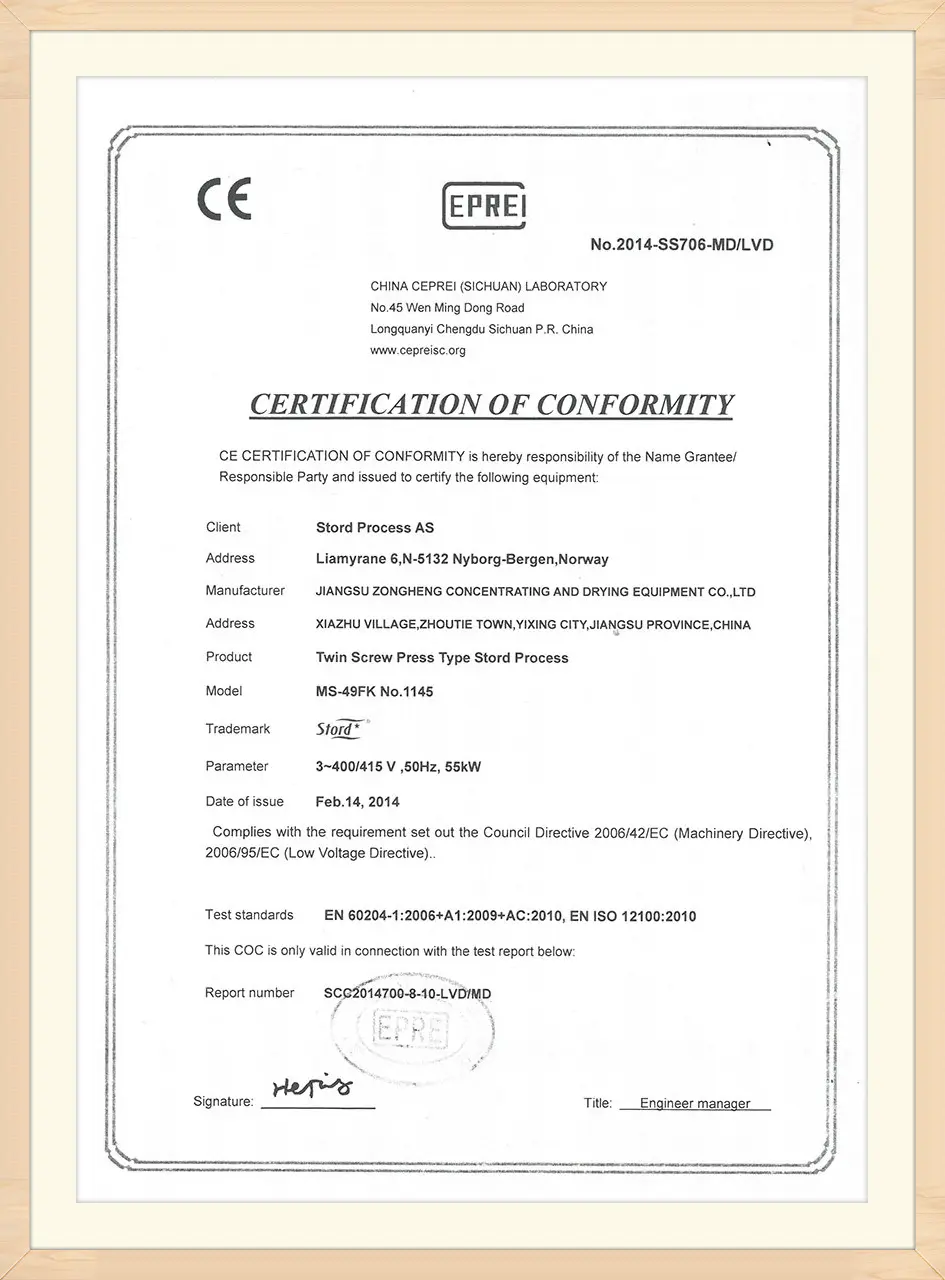
Procuring heavy-duty process equipment requires rigorous engineering validation. At Jiangsu Zongheng, we support global procurement with complete compliance documentation. The CE Mark confirms adherence to European Union health, safety, and environmental protection standards—specifically the Pressure Equipment Directive (PED) 2014/68/EU and the Machinery Directive 2006/42/EC.
For clients operating in North and South America, our pressure vessels are fabricated in strict compliance with the ASME Boiler and Pressure Vessel Code (Section VIII Division 1), bearing the official "U" Stamp. Our engineering and quality assurance processes cover full material traceability (EN 10204 3.1 certification), non-destructive testing (NDT) including radiography, ultrasonic and dye penetrant inspections, and comprehensive hydrostatic testing witnessed by authorized third-party inspectors.
Advanced energy recycling technology that compresses vapor mechanically to replace raw steam inputs in continuous production loops.
Read More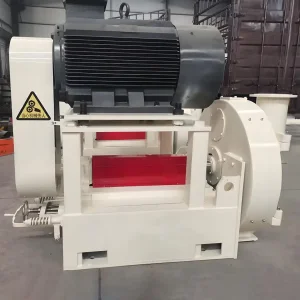
Precision mill designed for starch processing. Ensures efficient germ separation with minimal starch loss or kernel damage.
Read More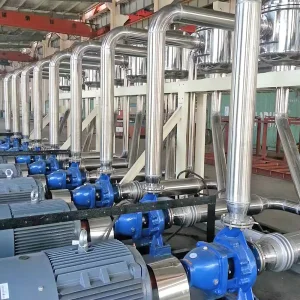
High-efficiency hydrocyclones optimized for starch refining, washing, and concentration within wet milling lines.
Read More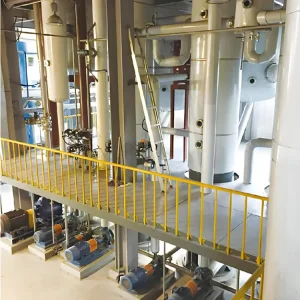
High-capacity evaporative concentration systems optimized for thermal sensitivity, offering short residence times.
Read More
CE-marked solid dewatering press built to safely manage fibrous agricultural products and chemical sludges.
Read More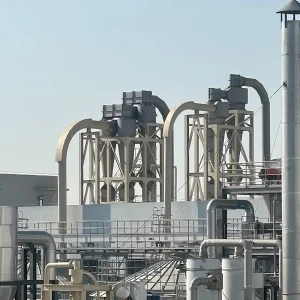
Pneumatic flash drying system that suspends wet cakes in high-velocity hot air for instant moisture reduction.
Read More
Advanced concentration system architectures utilizing integrated thermal processes to minimize overall plant operating costs.
Read More
High-capacity degerming mills engineered to separate corn germ from starch during maize wet-milling operations.
Read MoreWe welcome collaborators and partners from across industries worldwide to explore mutually beneficial projects.
Request a quoteGet in touch with our technical sales and engineering departments for support with your process designs.
View Details Zongheng