 Zongheng
1 / 1
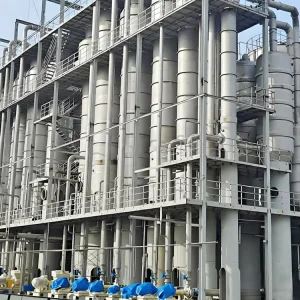
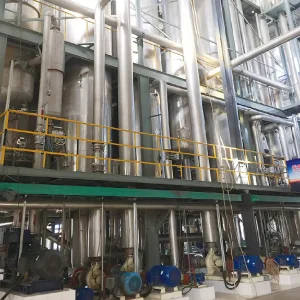
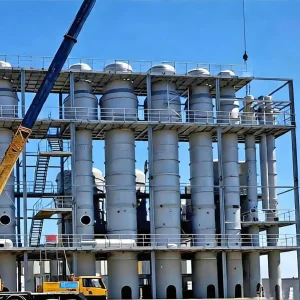
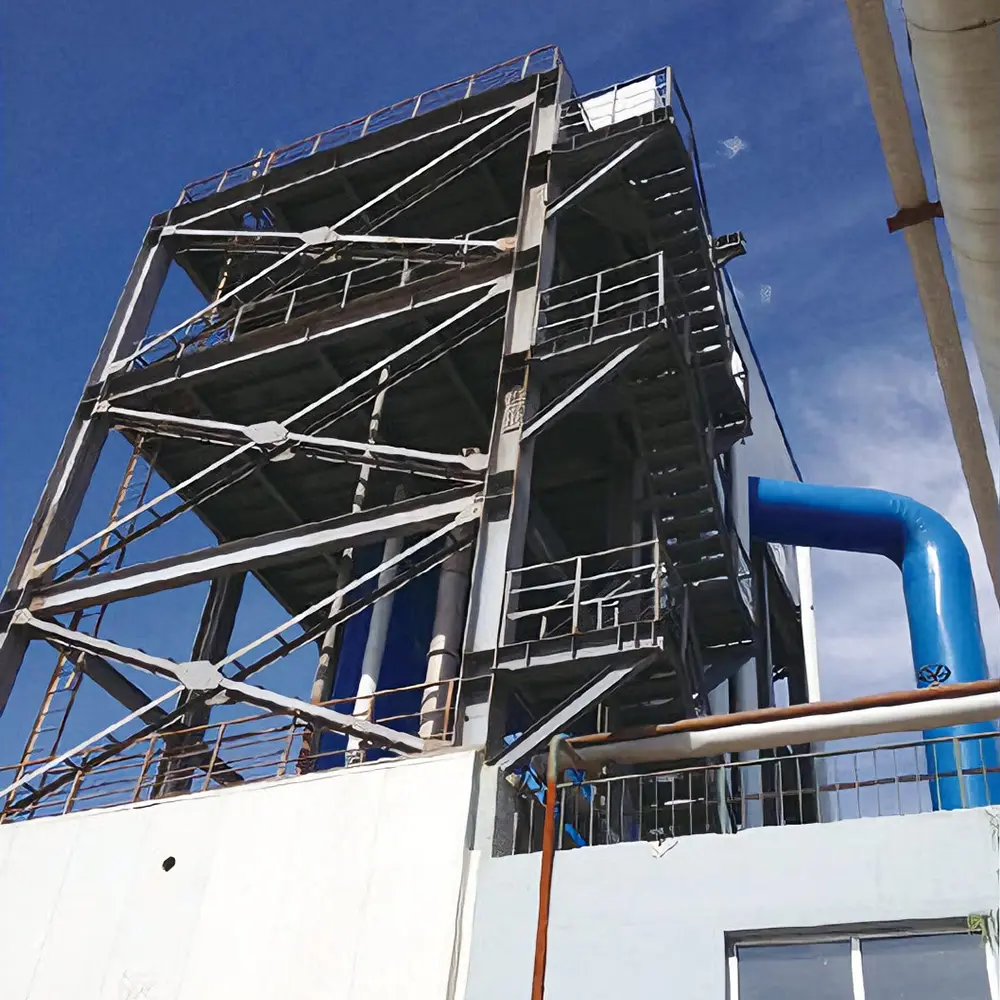
MVR Evaporation plant delivers substantial operational cost savings in areas with an ample supply of low-cost electrical energy.
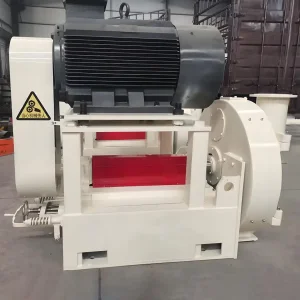
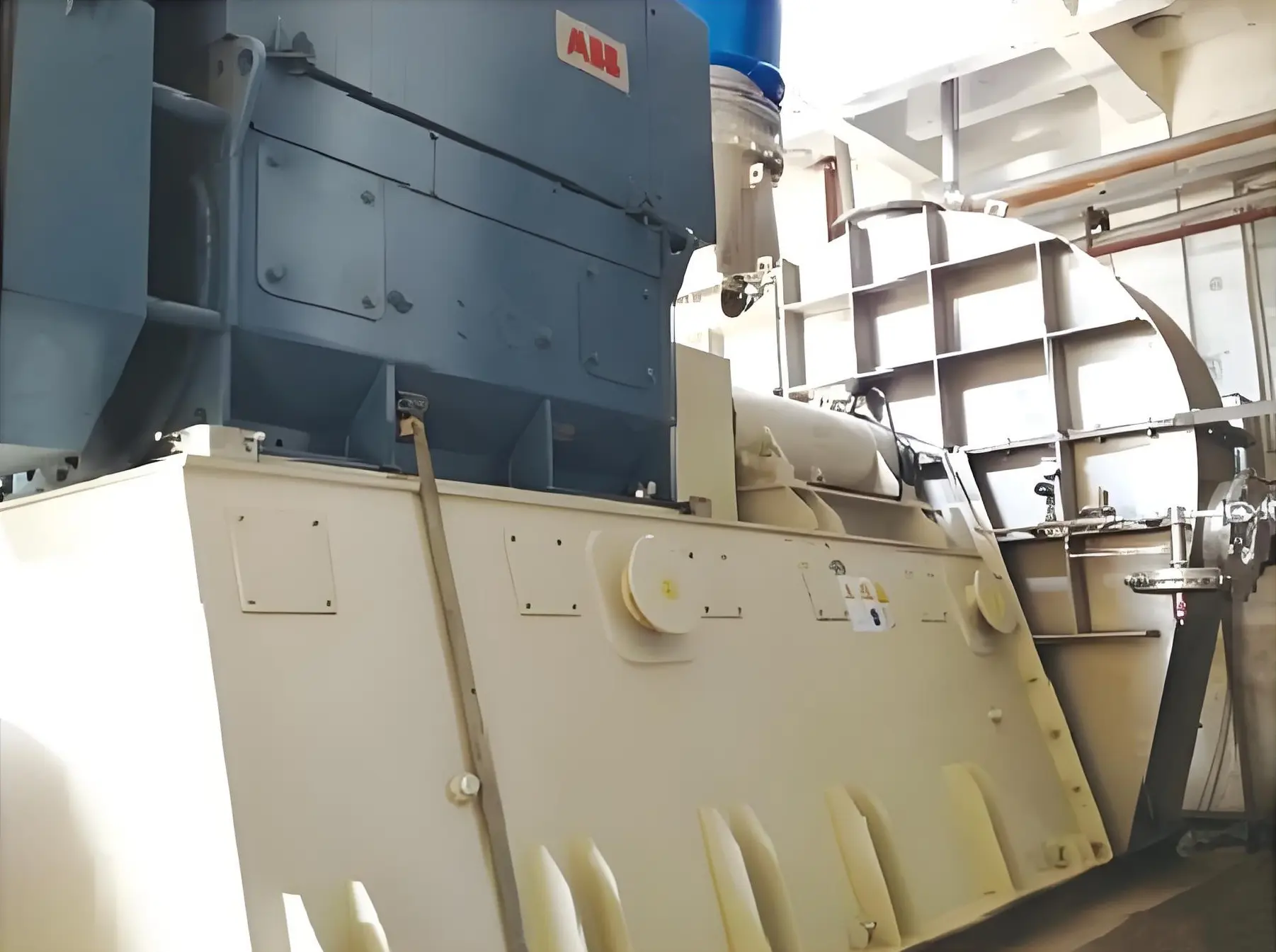
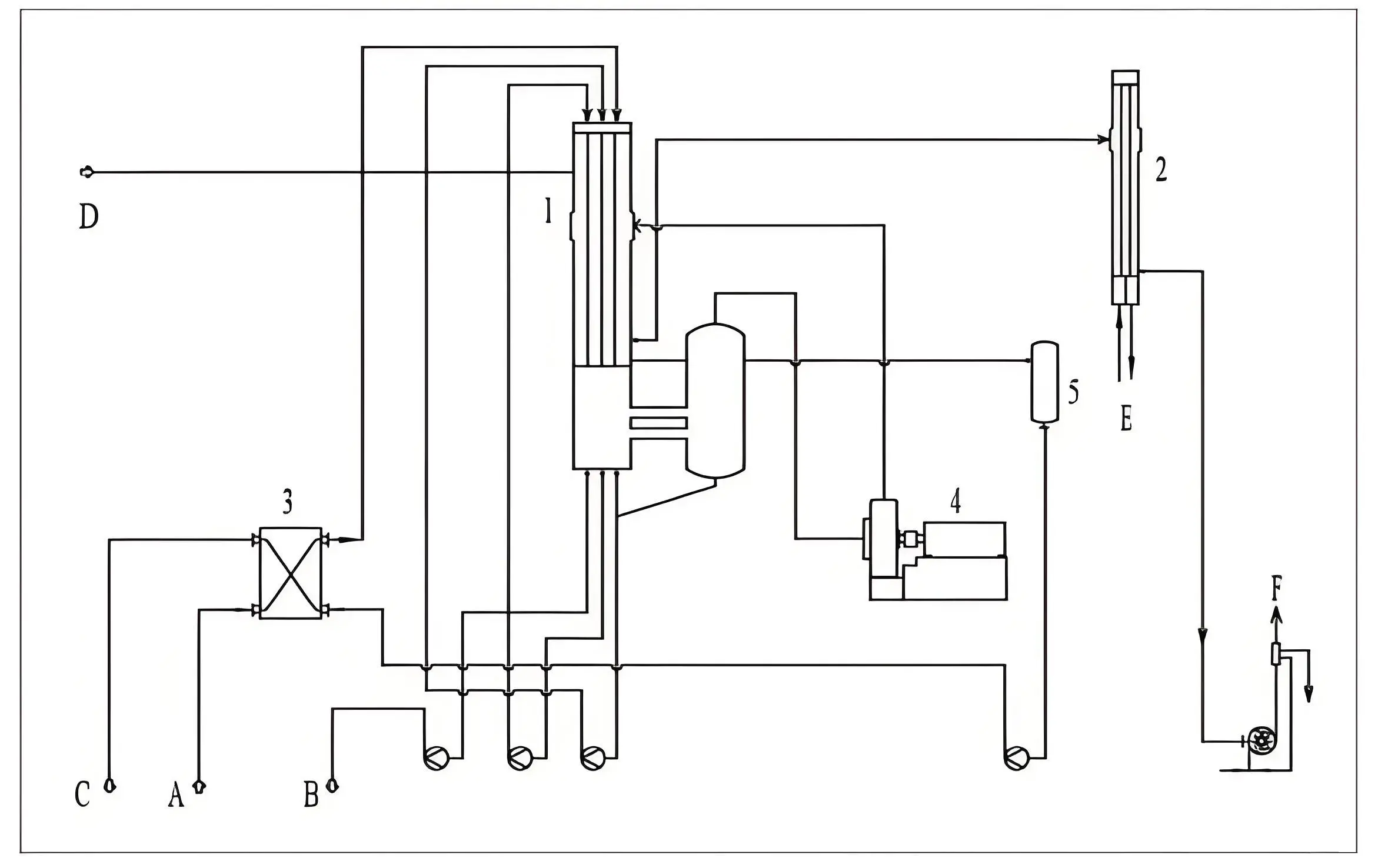
Once an MVR evaporation plant is running, little or no additional steam is required. In the MVR evaporation plant, a centrifugal fan is used to recompress the vapour to a higher pressure, resulting in a temperature rise. This means that the recompressed vapour can be used as the evaporation plant heating medium, while the condensate is ideal for preheating of the feed product.
For low boiling point increases, a single-stage compressor can be used to fulfill the requirements of the design.
For high boiling point increases, we will provide two designs: multiple-stage compressors, single stage compressors combined with multiple-effect.
The MVR evaporation plant almost doesn't use steam, but electric energy is required as the main energy source.
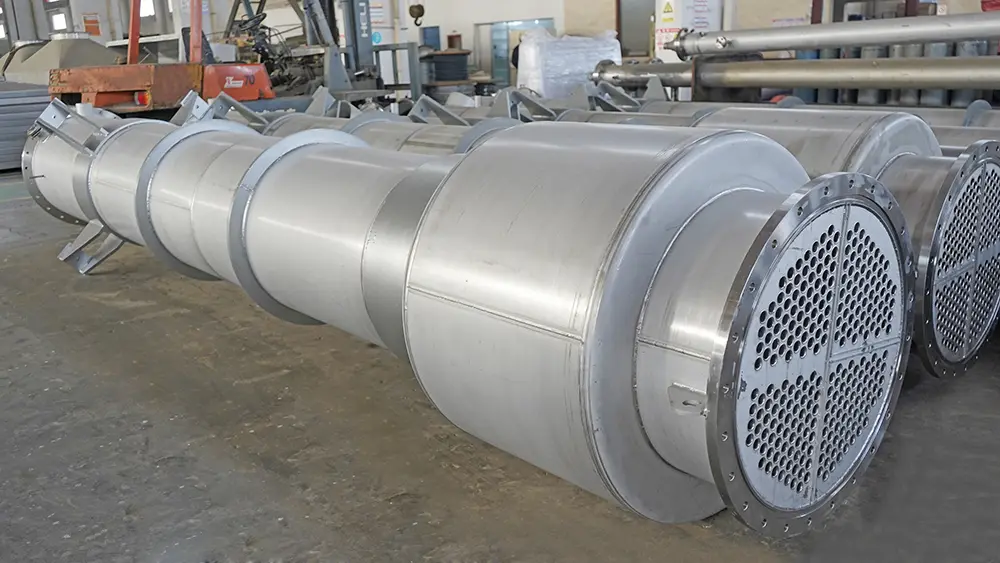
The power consumption of the main motor of MVR is due to the heat exchange area and the evaporating temperature of the evaporation plant. The Heat exchange area is bigger, and as a result, power consumption is lower, but the investment in equipment is increased.
Evaporating temperature is higher and as a result, power consumption is lower, but fouling in the calandria is therefore increased; Evaporating temperature is lower and as a result, power consumption is higher.
MVR can be powered by an electric motor, the rotary speed of an MVR can be controlled by a frequency converter, and the rotary speed of an MVR may control the evaporation rate and final concentration of the MVR evaporation plant.
| Type | Multiple-effect Evaporation Plant / TVR Evaporation Plant | MVR Evaporation Plant |
|---|---|---|
| Energy sources | Steam | Electric power |
| Energy consumption of concentrating water of 1 ton, per hour | 0.16–0.6 T | 18–26 Kw |
| Type | 4-Effect Evaporation Plant | MVR Evaporation Plant |
|---|---|---|
| Energy consumption | Steam: 11 T/h | Electric power: 1,000 Kw/h |
| Expense of energy consumption, per annum | 14,080,000 RMB | 6,400,000 RMB |
| Economizing expense, per annum | Zero | 💰 7,680,000 RMB |
When we design evaporation plants, various requirements must be considered. These determine the type of design, arrangement, the resulting process, the cost of investments, and running expenses.
The most important requirements:
| 📊 Capacity and Operation Data |
|---|
| Name of Product |
| Feeding concentration (dry materials %) |
| Feeding temperature |
| Final concentration (dry materials %) |
| Evaporation rate (T/h) |
| If crystallization, requirement of crystals |
| Requirement of controlling, automatization |
| 🧪 Product Properties |
|---|
| Product properties |
| Viscosity and flow properties |
| Tendency of foaming |
| Fouling and precipitation |
| Boiling Point |
| ⚡ Utility Requirements |
|---|
| Steam pressure / temperature |
| Temperature of Cooling water feeding |
| Voltage / frequency |
| Unit price of steam (RMB/T) |
| Unit price of electric power (RMB/Kw) |
| 🌡️ Waste Heat Parameter |
|---|
| Waste vapour rate from dryer |
| Wet bulb temperature of waste vapour from dryer |
| Condensate rate from dryer |
| Condensate temperature from dryer |
| Liquefaction vapour rate |
| Liquefaction Vapour temperature |
| Others |
| 🔧 Selection of Materials |
|---|
| Material of heating pipe |
| Material of tube plate |
| Material of contacting with liquor |
| Material of contacting with secondary steam |
| Requirement of surface finish |
| 🔋 Energy Efficiency of Evaporation Plants |
|---|
| Multiple-effect evaporation plant |
| TVR evaporation plant |
| MVR evaporation plant |
| Waste heat evaporation plant |