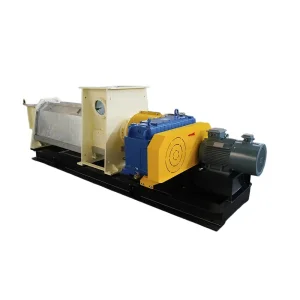
Modern screw press engineering focuses heavily on volumetric compression ratios. By utilizing variable pitch profiles and tapered shafts, the material space gradually decreases from the inlet to the outlet. This transition creates high capillary pressures within the sludge cake, forcing out entrapped water without shearing organic solids, reducing overall energy demand.
Frictional wear in sand-heavy municipal sludge and fibrous starch applications is a critical failure point. High-quality factories now employ automated tungsten carbide hardsurfacing on the screw flight edges. Extending flight lifespans up to 30,000 operational hours significantly reduces maintenance cycles and guarantees consistent compression profiles over years of continuous use.
The integration of pneumatic or hydraulic backpressure cones controlled by programmable logic controllers (PLCs) represents the next frontier in solid-liquid separation. Real-time moisture sensors calculate discharge cake density and adjust resistance instantaneously, compensating for upstream process variance and ensuring an optimal, dry discharge cake.
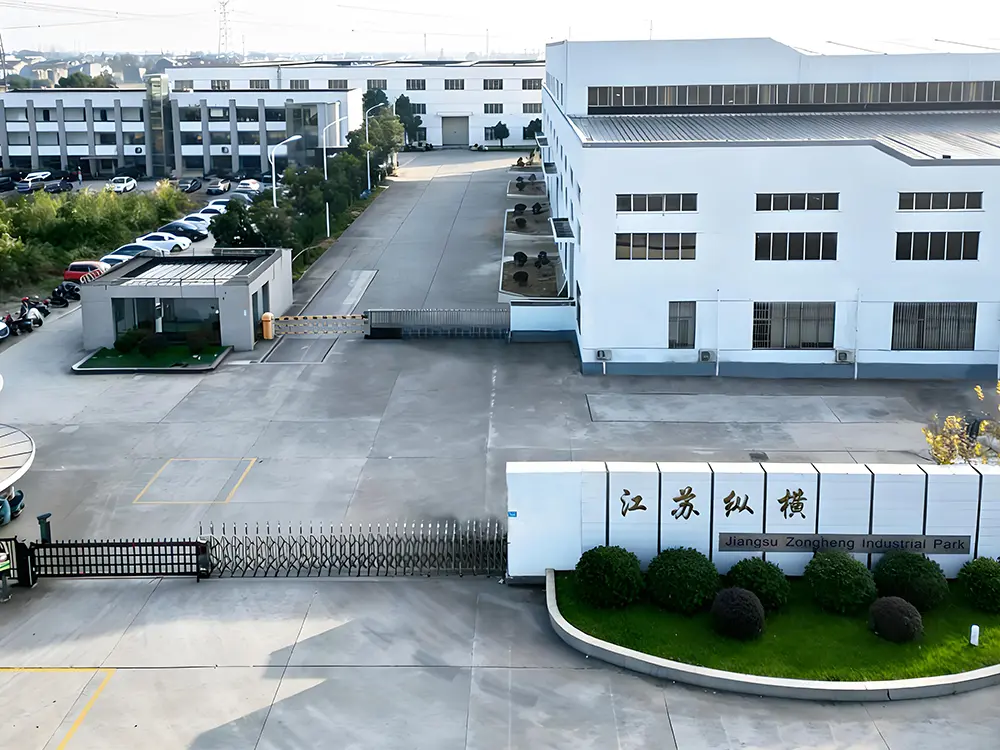
Jiangsu Zongheng Concentrating and Drying Equipment Co., Ltd. (formerly Yixing Yangxi Light Industry Machinery Factory), founded in 1992, is located in Zhoutie Town, Yixing City, on the shores of the beautiful Taihu Lake. The company covers an area of over 54,000 square meters, with a production workshop area of over 22,000 square meters.
As a modern high-tech enterprise, Jiangsu Zongheng specializes in the manufacturing of concentration, drying, starch processing systems, alcohol DDGS plants, and Category III medium & low-pressure vessel equipment. We are a key member of the China Starch and Alcohol Association, serving chemical, pharmaceutical, starch, food fermentation, and environmental protection sectors worldwide.
Highly optimized single screw presses separate starch starch fibers and corn germ downstream. Dewatering fiber prior to bundle dryers drastically cuts thermal load. Integrated with high-performance degerming mills and starch washing cyclones, this solution achieves high purity, recovery rates, and thermal efficiency.
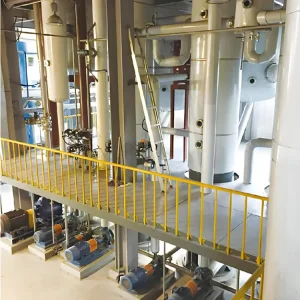
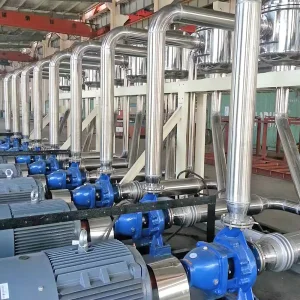
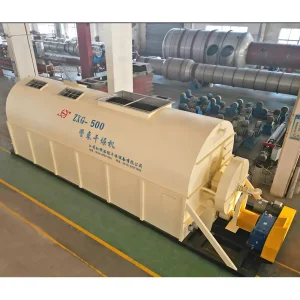
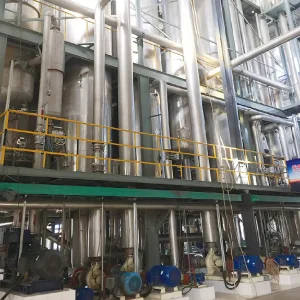
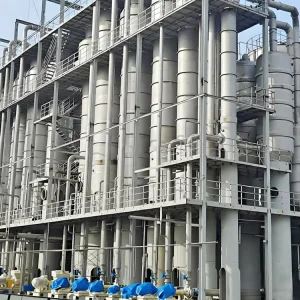
Our dewatering press systems handle high-viscosity spent grains. Dewatered cake feeds directly into ZXG tube bundle dryers. Concurrently, the separated liquid fractions are processed using falling film evaporators or mechanical vapor recompression (MVR) systems, capturing protein-rich syrup and creating zero liquid discharge loops.
For municipal, chemical, and pulp sludge, our systems reduce water content to 75-80% cake moisture. Screw presses consume only 5-10% of the energy needed for centrifuges or decanters, providing long-term cost benefits for municipal plants and heavy industrial facilities.
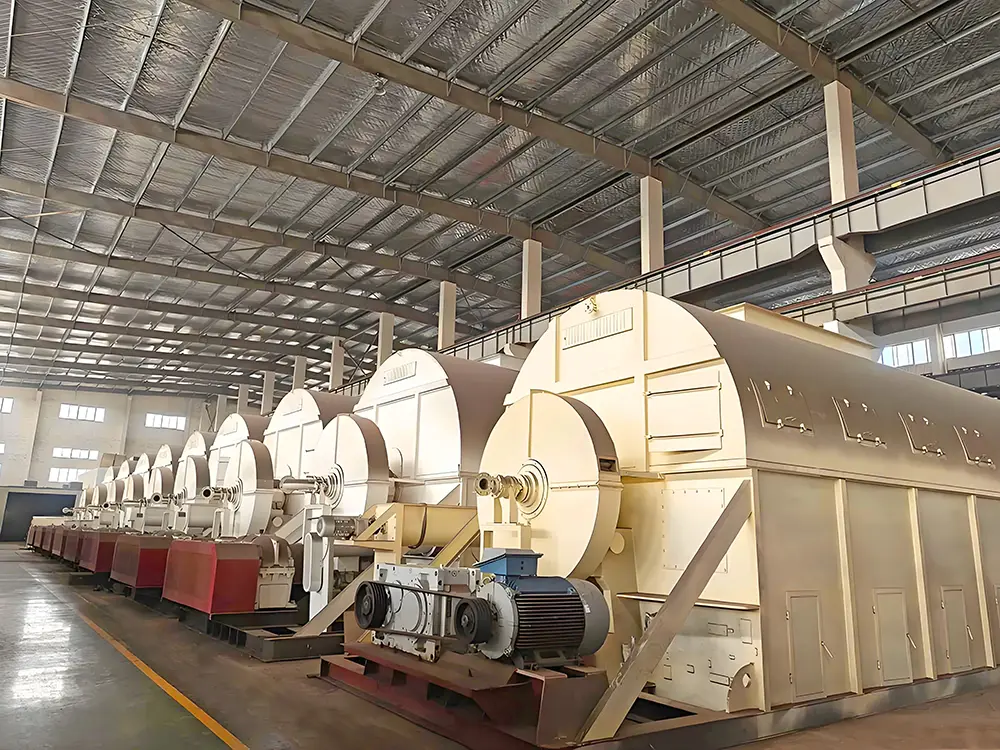
Operating from our 54,000 square meter Yixing manufacturing campus, Jiangsu Zongheng integrates modern automated machining with strict quality control. From initial heavy plate rolling and CNC screw flight milling to dynamic balancing, we ensure high precision across every physical dimension.
Our raw material supply chain ensures direct access to certified structural steels, duplex stainless steels (SS304, SS316, 2205), and robust drive components. This vertical integration buffers against price volatility and guarantees reliable lead times for global engineering projects.
Furthermore, our specialized Category III Pressure Vessel manufacturing qualification allows us to construct fully integrated drying and evaporation systems under strict regulatory frameworks.
Experienced buyers focus on overall TCO, evaluating energy draw, polymer consumption, and wear part longevity rather than just initial purchase price. Screw presses run at low motor speeds (e.g., 1-4 RPM), saving thousands in electricity annually compared to high-RPM decanter centrifuges.
Ensuring chemical compatibility and abrasion resistance is critical. We use standard 304/316 stainless steels, duplex 2205, and super duplex alloys for demanding industrial environments. Heavy-gauge basket screens are precisely milled to prevent plugging and structural failure under load.
Optimal dewatering depends on sound sludge conditioning. Our engineering team assists clients in configuring chemical dosing systems. This ensures ideal floc size, clean filtrate, high capture rates, and minimal polymer waste.
Our pressure vessel welding, piping runs, and structural steel designs comply with ASME Section VIII and CE directives, ensuring safe installation in North American and European industrial settings.
For chemical plants, starches, and DDGS environments, we offer ATEX-certified motors, variable frequency drives, and instruments to mitigate dust and vapor ignition risks.
We provide global remote diagnostics, rapid dispatch of critical parts (screens, seals, flights), and onsite commissioning assistance, minimizing unplanned downtime.
A single screw press operates inside a fully enclosed screen basket, generating pressure through a decreasing screw pitch. This design minimizes odor and floor space, consumes less rinse water, and operates with less wear. A belt press, by contrast, is open, footprint-intensive, and relies on tensioned belts and rollers, leading to higher maintenance costs and frequent belt replacements.
Screw presses function best with feed solids ranging from 0.8% to 5% TSS. If the feed is too thin, the press requires a larger gravity zone or pre-thickening. If the concentration is too high, friction increases, which can trigger torque limits. Maintaining stable feed solids ensures consistent cake dryness and high solid capture rates.
We use automated hard-facing welding on the screw flight edges, depositing a thick layer of chromium carbide or tungsten carbide alloys. This treatment provides high resistance to abrasive particles like sand and silica, maintaining a tight tolerance between the screw and screen for long-term dewatering efficiency.
Yes. For corrosive applications, we fabricate all wetted parts from acid-resistant materials, including 316L, duplex stainless steels, or Hastelloy. We also use specialized elastomer gaskets and mechanical seals to withstand broad pH ranges.
The single screw press first mechanically dewaters corn fiber or germ from 90% water down to about 60%. Removing this water mechanically is far more energy-efficient than thermal drying. The dewatered cake is then fed into our ZXG tube bundle dryer, which dries it to the final target moisture, saving up to 50% in steam consumption.
Under standard operations, screen baskets last 3 to 6 years before requiring replacement or repair. Screw flights, protected by hard-facing, typically last 4 to 8 years depending on sludge abrasiveness. Regular adjustment of the screen clearance helps maximize component lifespans.
Contact our engineering team to request a formal quote, consult on custom material specs, or schedule pilot run analysis.
Request a Quote & Technical Consultation Zongheng