đ Description
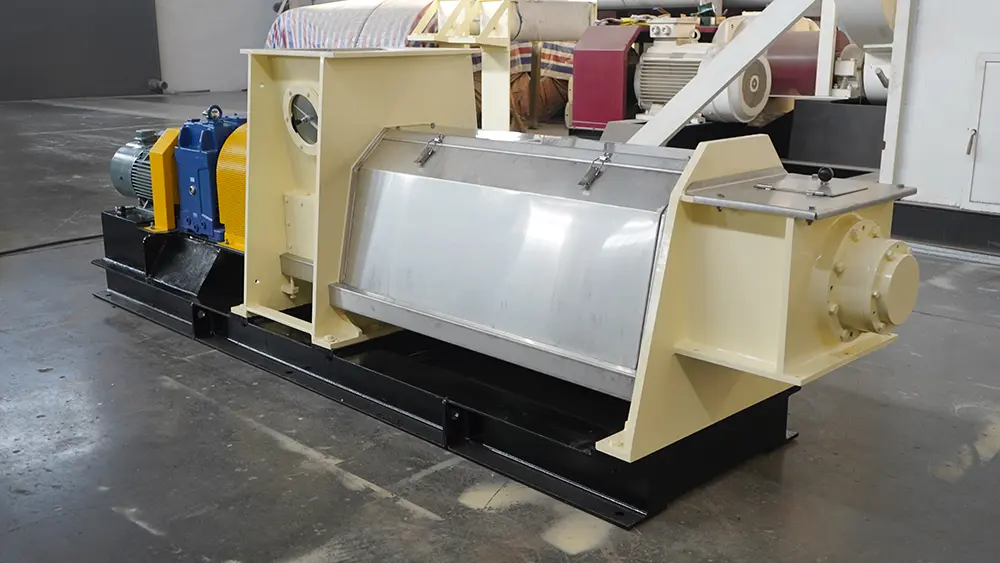
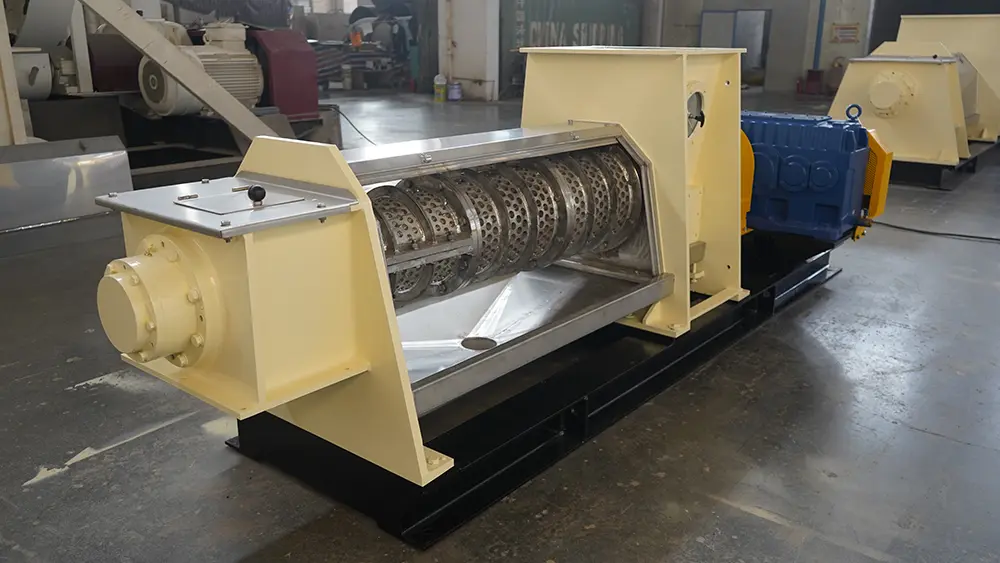
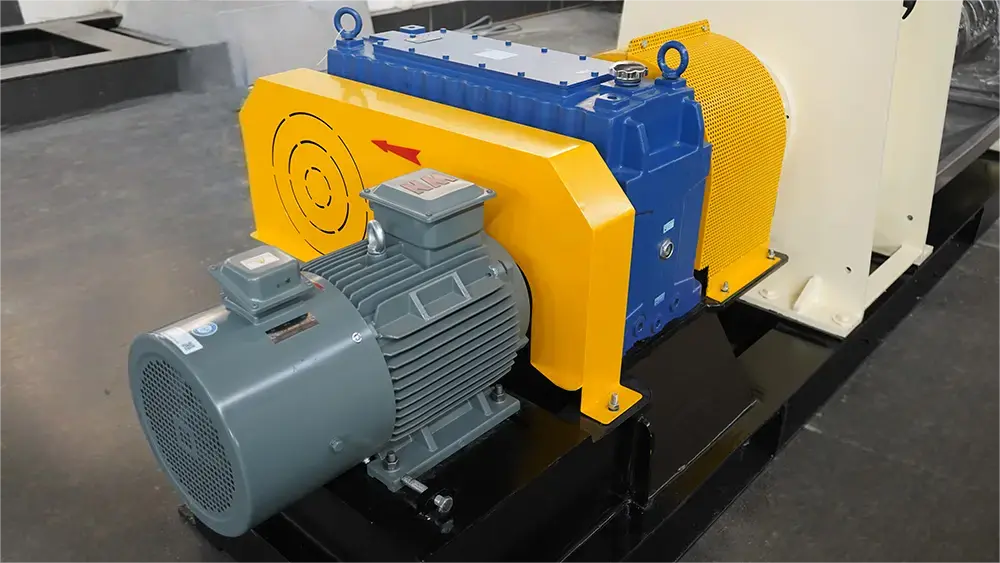
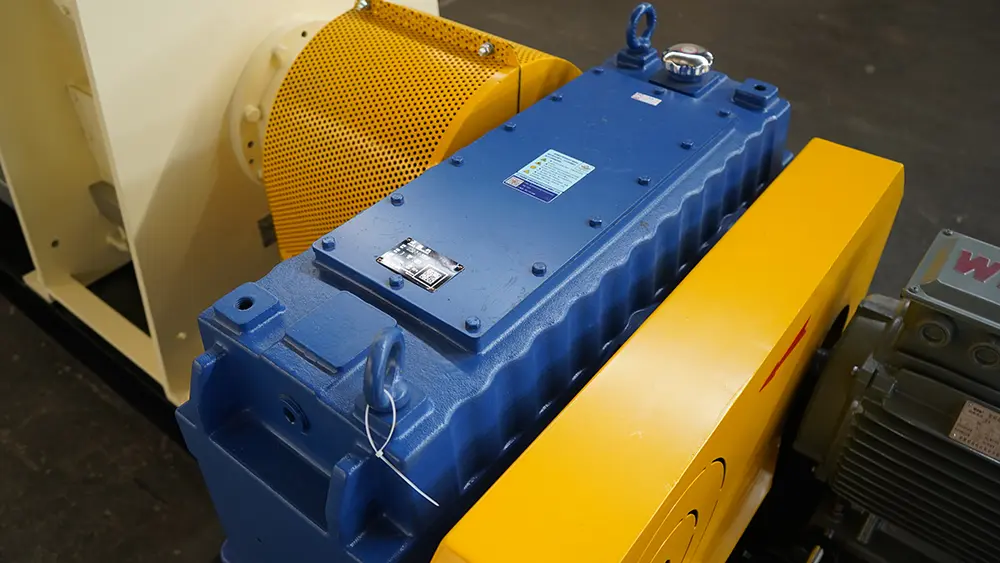
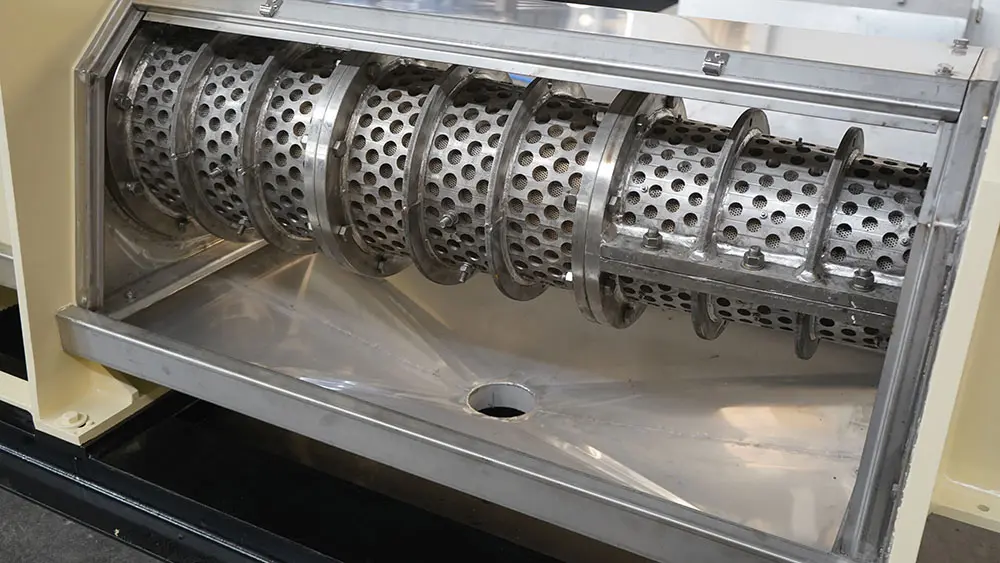
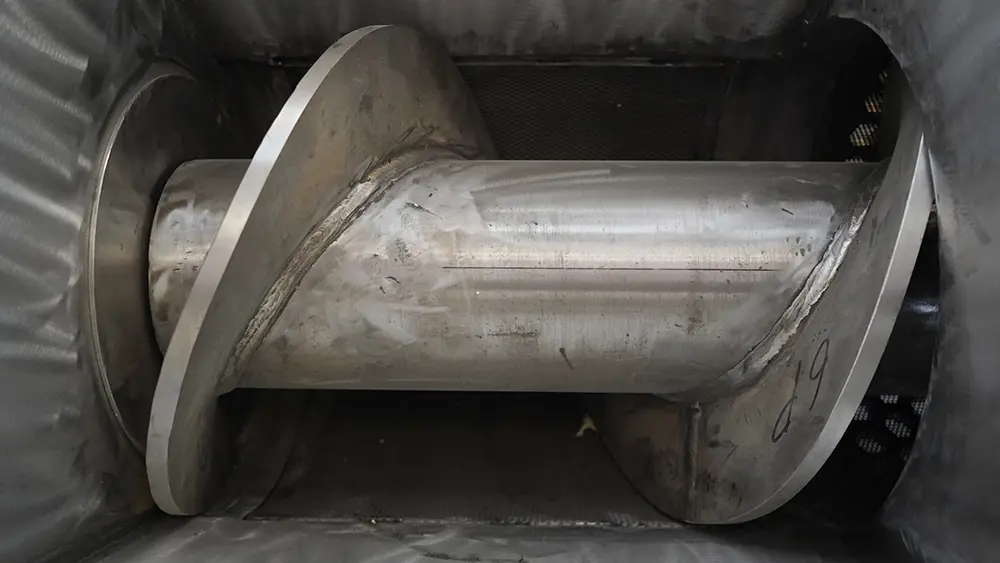
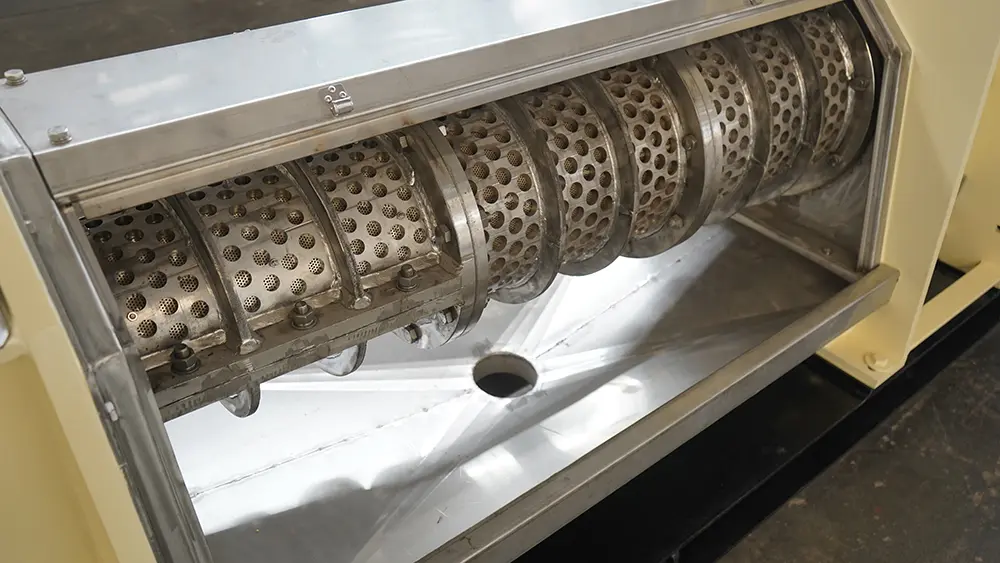
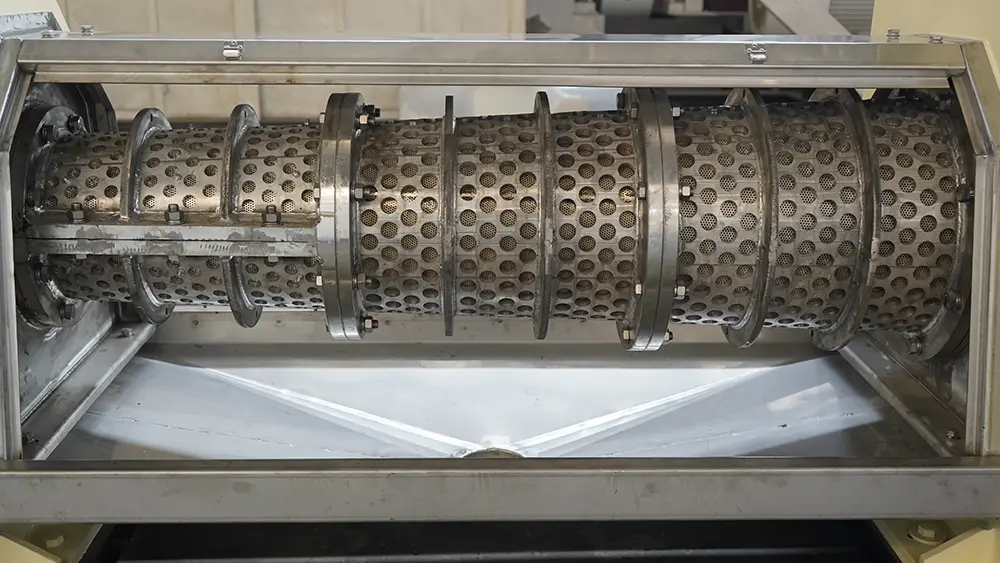
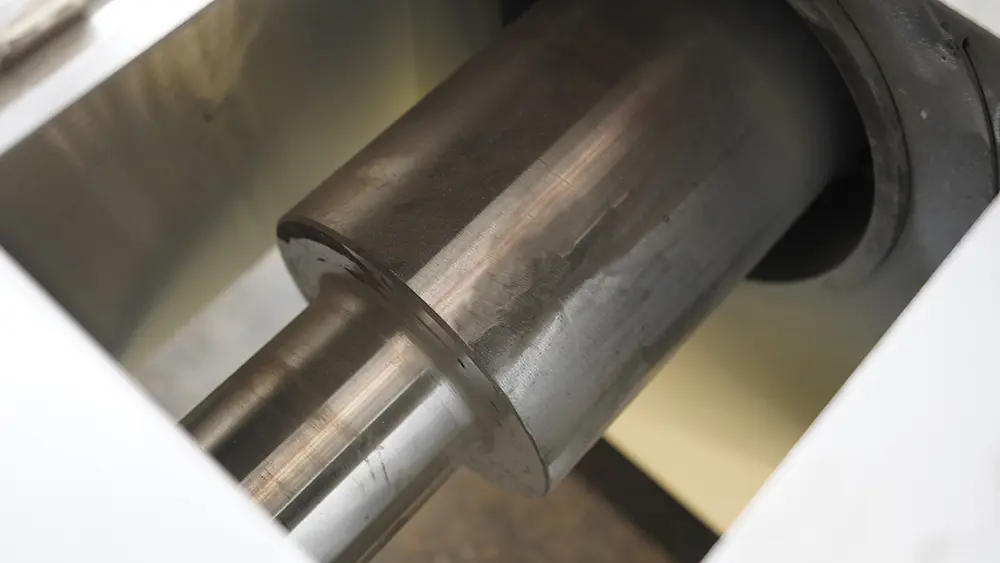
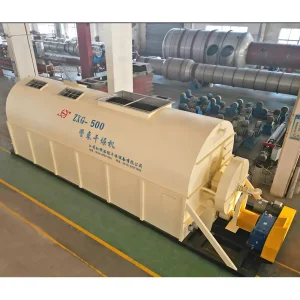
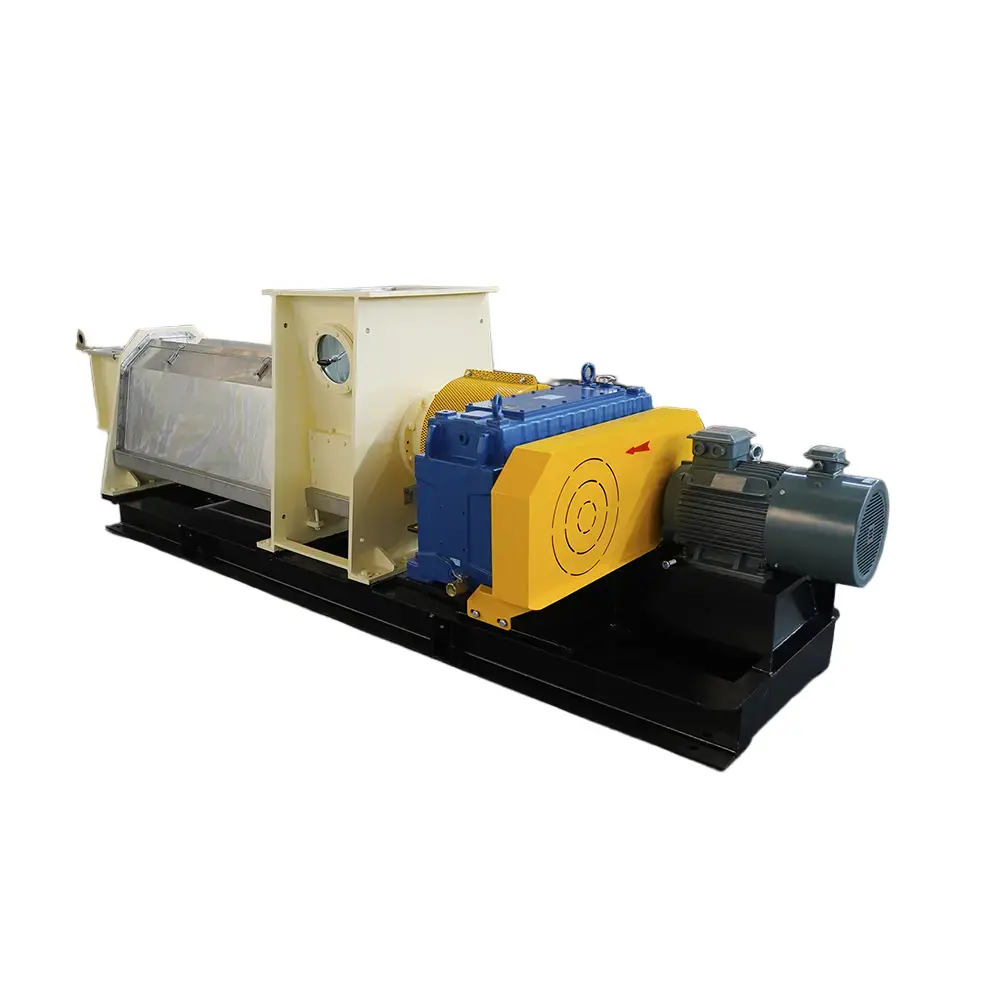
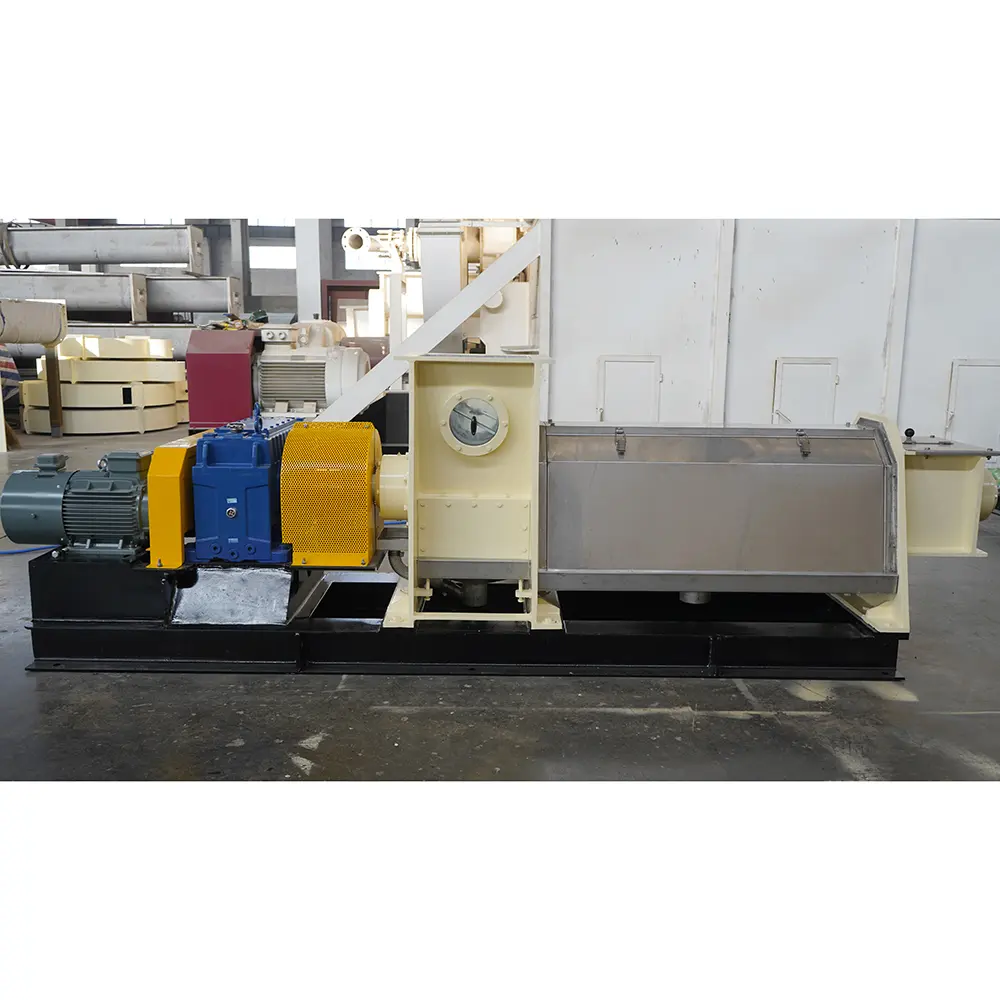
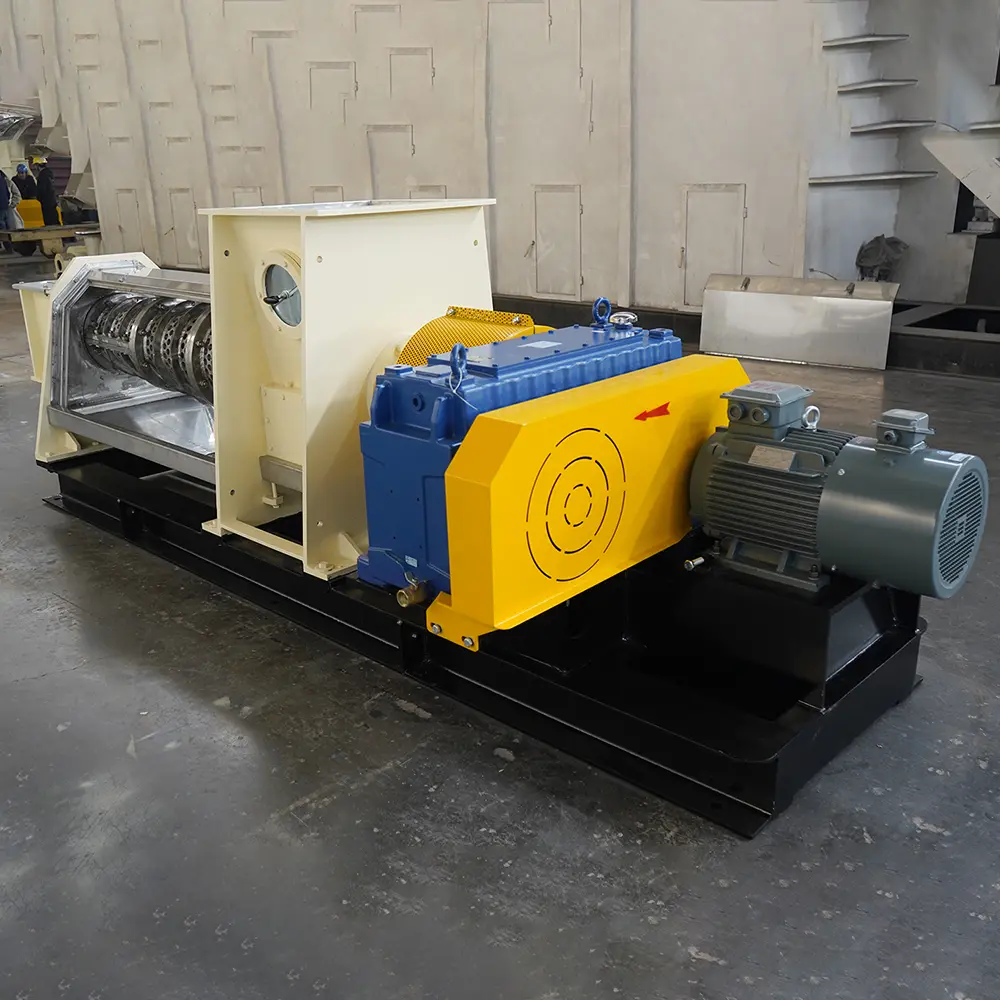
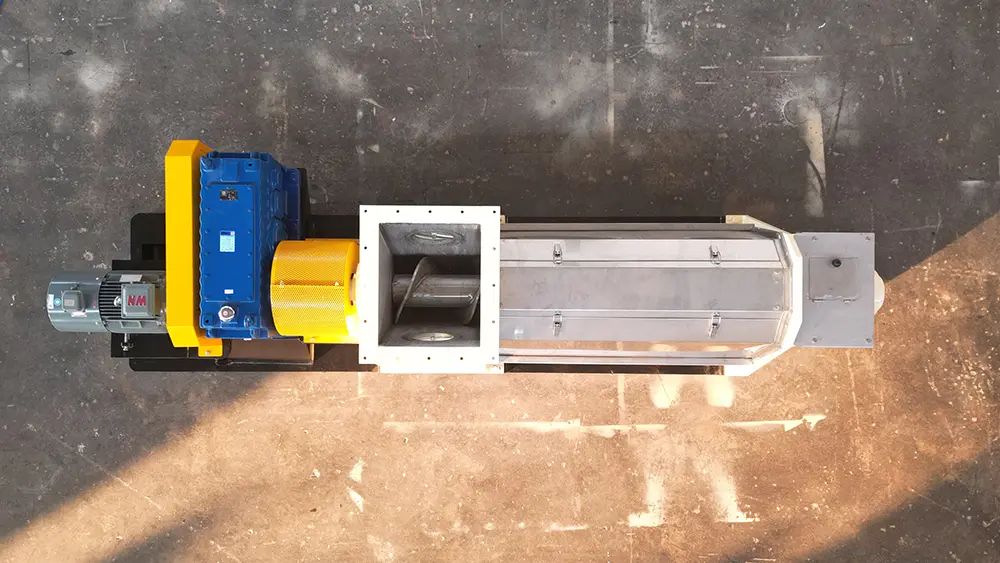
The single screw presses are applied to dewater media containing solids. The product is fed to the pressing section through a feed hopper. In this section, the pressing screw compresses, tumbles and works the product so that water escapes through the screen cages. At the end of the pressing section, the material falls through the discharge hopper thus leaving the press.
A single screw press has widely been used for chemical, food and grain deep processing industries. A press may mechanically pre-dewater many kinds of water-material, such as corn fibre, corn germ, etc. The result is that a press supplies energy conservation for final drying, largely decreasing total energy consumption of drying.
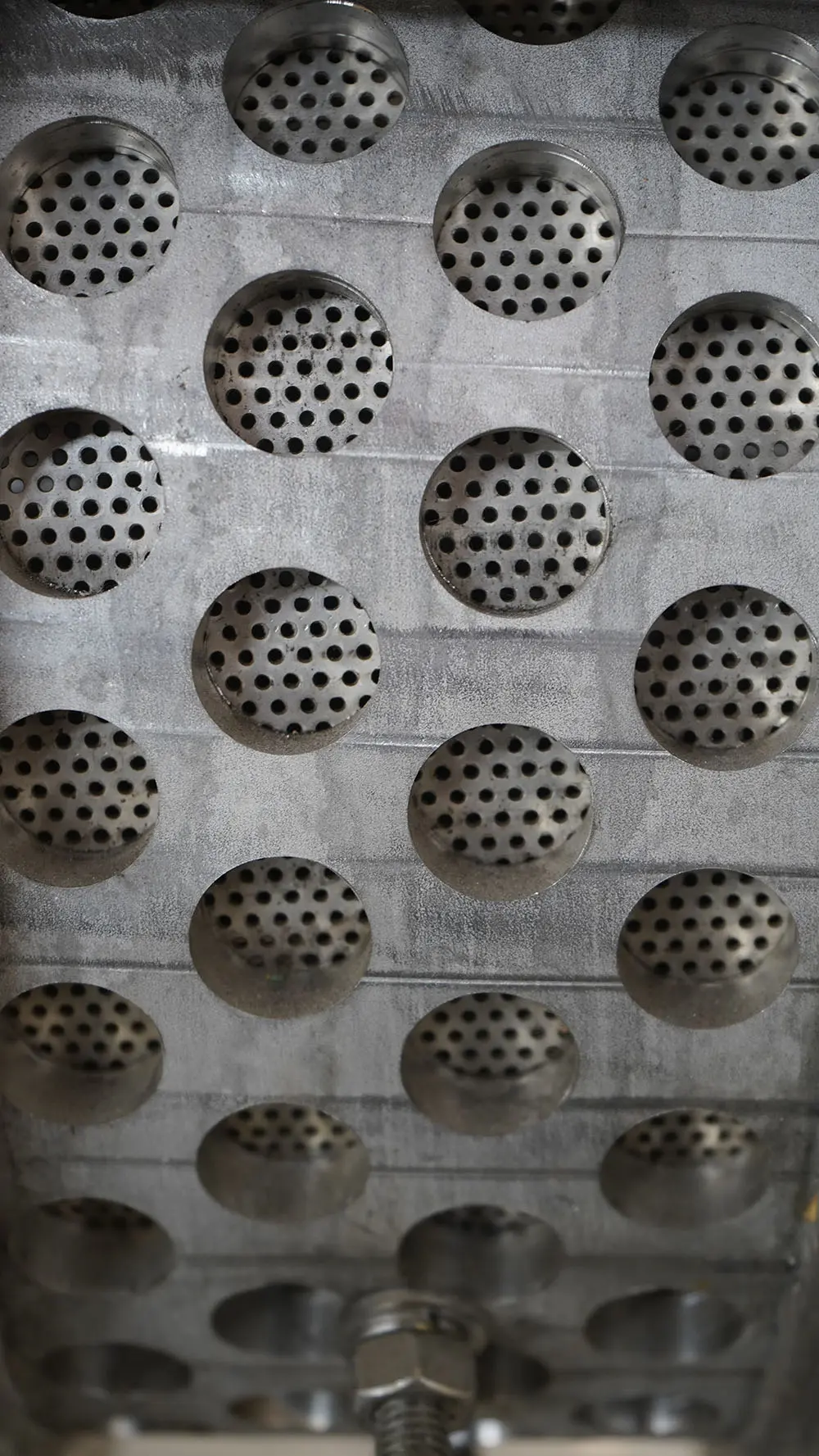
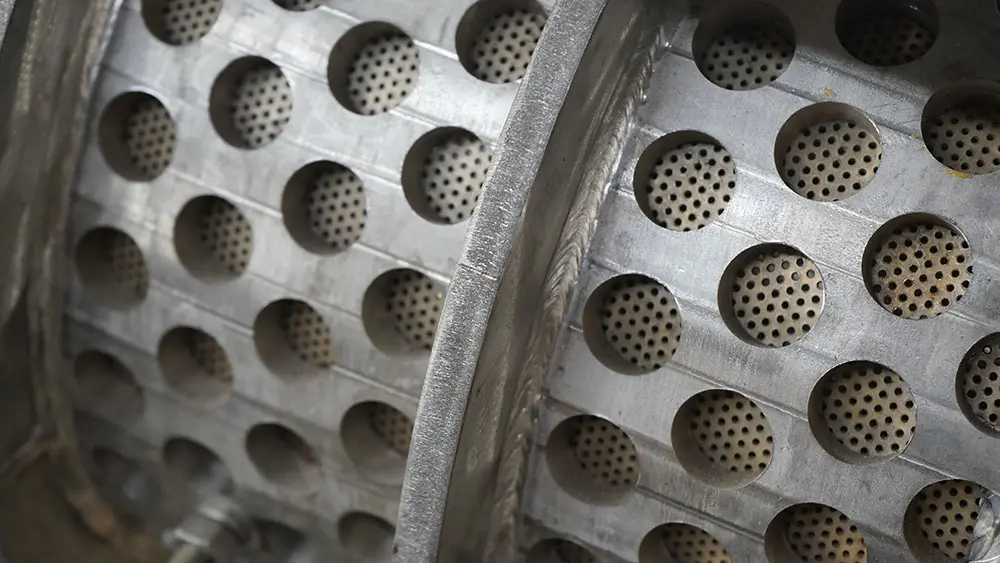
The optimized dewatering efficiency of these single screw presses stems from their robust design and precise mechanical action. The screw's progressive pitch and adjustable pressure control allow for tailored processing of materials with varying fiber content and moisture levels. This ensures maximum liquid separation while minimizing solid loss. The constructed screen cages, available in different aperture sizes, provide high drainage capacity and durability against abrasion.
By significantly reducing the moisture content prior to thermal drying, these presses drastically cut the energy required in downstream processes. This pre-dewatering step not only lowers fuel or steam consumption but also increases the overall capacity of drying systems. The reliable, continuous operation minimizes downtime and maintenance costs, delivering a rapid return on investment. As a result, these presses are an essential component for industries aiming to enhance sustainability, improve product quality, and boost operational profitability through efficient moisture management.
â Frequently Asked Questions
Q
What materials can the single screw press handle?
The single screw press is designed to dewater a wide range of solid-containing media. It is widely used in chemical, food, and grain deep processing industries, and is particularly effective for materials such as corn fibre, corn germ, and other fibrous or semi-solid wet materials.
Q
How does the single screw press reduce energy consumption in drying processes?
By mechanically pre-dewatering the material before thermal drying, the single screw press significantly reduces the moisture content of the feed. This reduces the amount of heat energy â fuel or steam â needed in the downstream drying stage, lowering total energy consumption and increasing overall drying system capacity.
Q
What is the maximum processing capacity of the single screw press?
The largest model, NSC650, supports a maximal feeding capacity of up to 20,000 kg/h (20 T/h). The range of models â from NSC250 to NSC650 â allows customers to select the appropriate capacity based on their production requirements.
Q
What materials are used in the construction of the single screw press?
All product-contact parts are made of stainless steel to ensure hygiene, corrosion resistance, and compliance with food and chemical processing standards. The vanes are equipped with carbide alloy for excellent wear resistance, extending the service life of the machine significantly.
Q
Can the pressing parameters be adjusted for different materials?
Yes. The screw's progressive pitch and adjustable pressure control allow operators to tailor the pressing process to materials with varying fiber content and moisture levels. The screen cages are also available in different aperture sizes to optimize drainage capacity for specific applications.
Q
What are the maintenance requirements for the single screw press?
The single screw press is designed for reliable, continuous operation with minimal downtime. Its compact and robust construction simplifies maintenance procedures. The use of wear-resistant carbide alloy vanes and durable screen cages reduces the frequency of part replacement, resulting in lower maintenance costs and a faster return on investment.