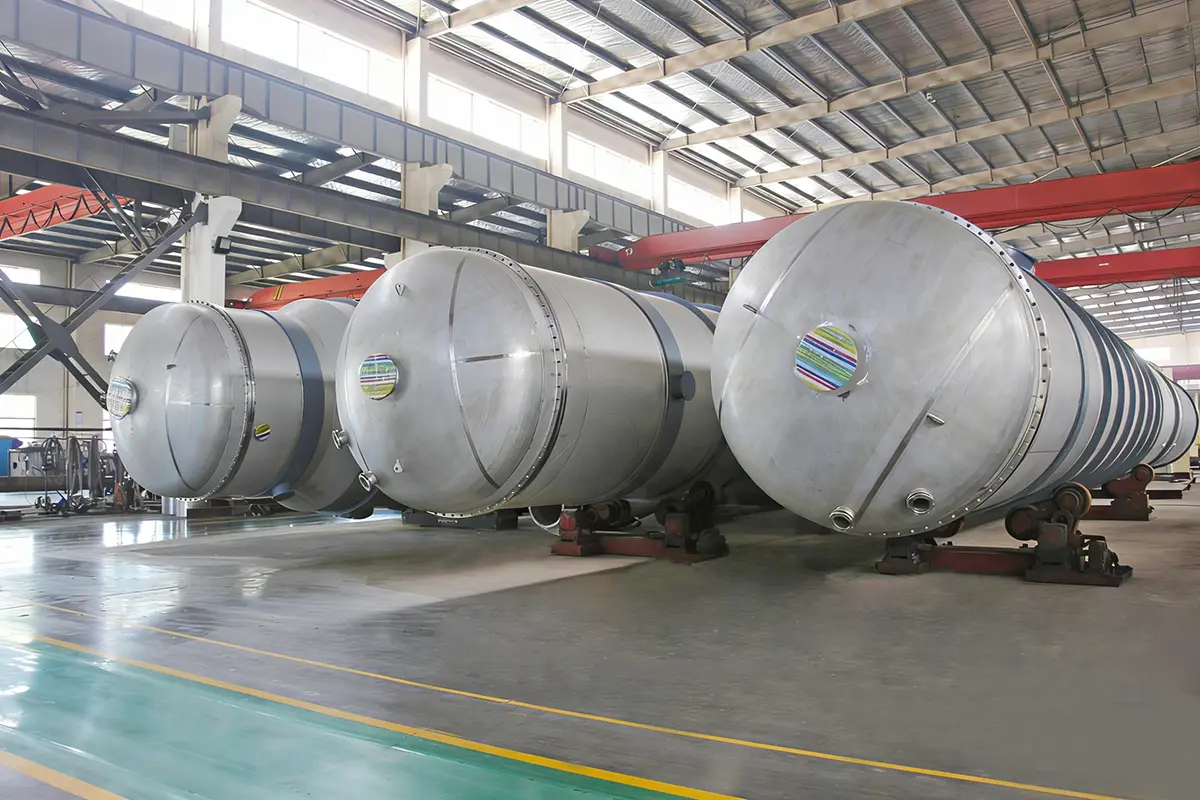
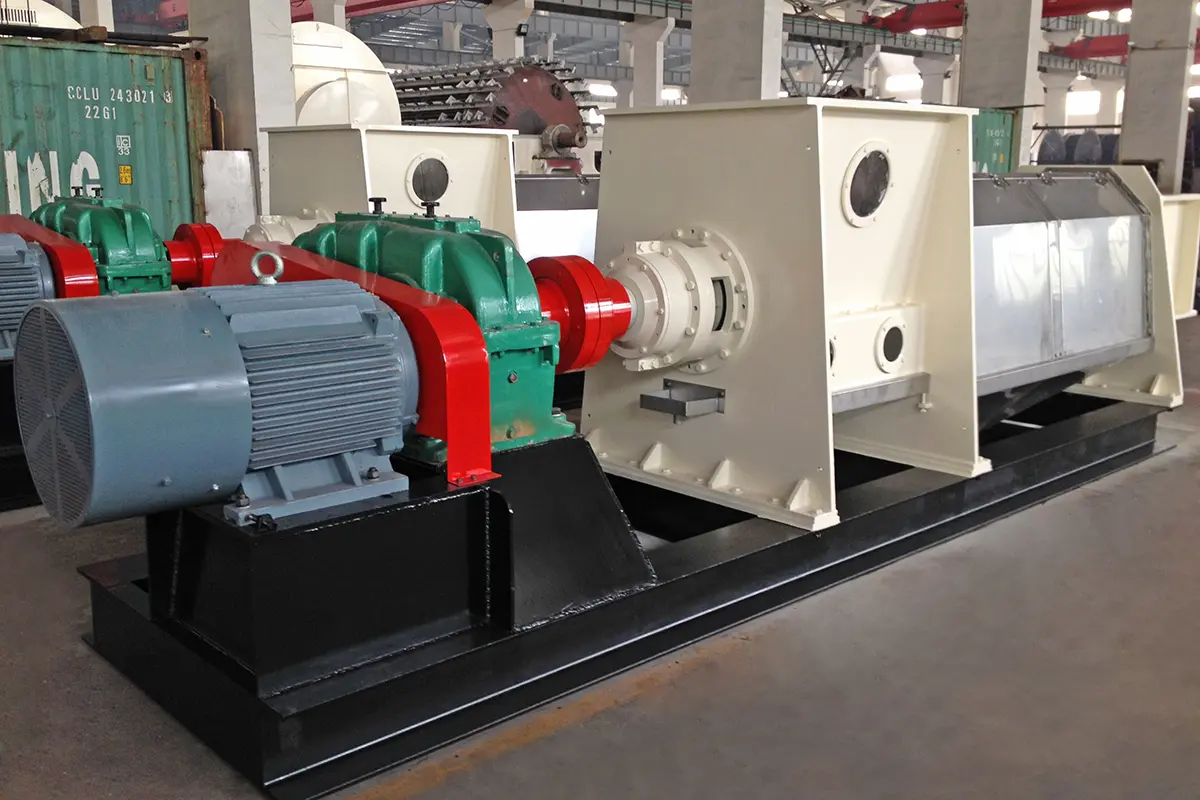
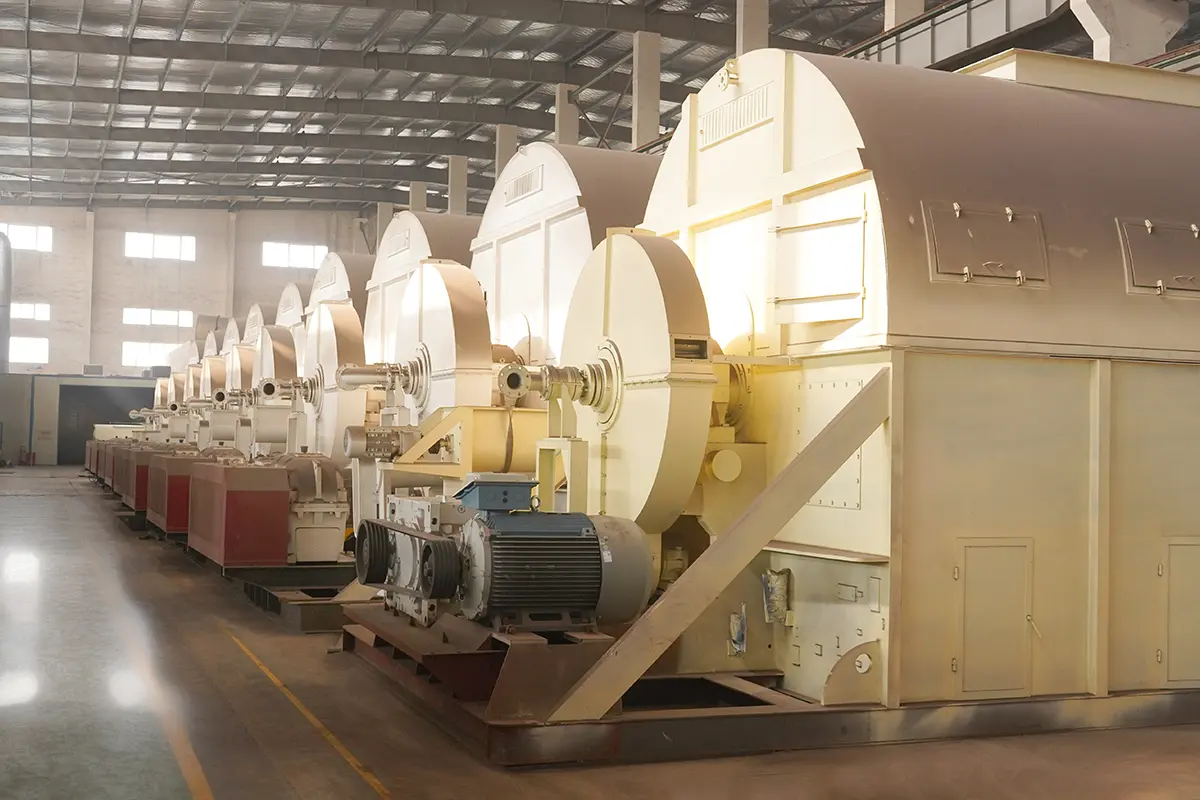
Explore our premium machinery developed by a leading engineering factory for industrial liquid concentration, starch purification, and high-efficiency material drying.
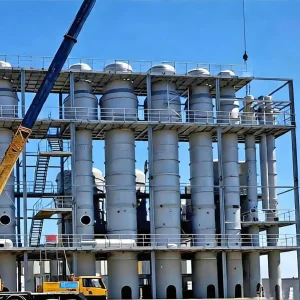
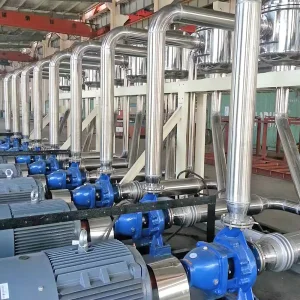
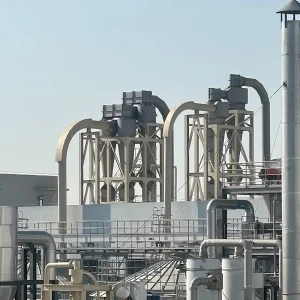
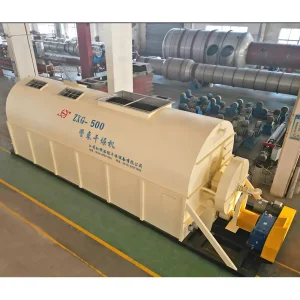
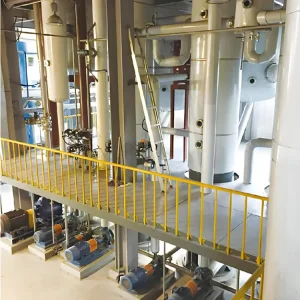
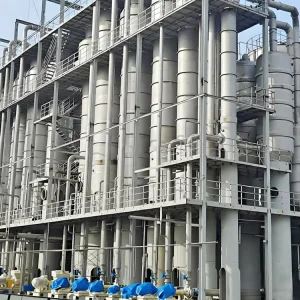
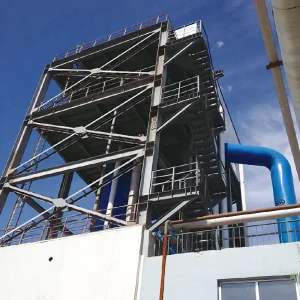
In modern industrial processing, concentration, and crystallization, thermal efficiency must be balanced with operational uptime. Under challenging process environments—specifically those characterized by high viscosity, elevated solid load concentrations, extreme fouling tendencies, and crystallization points—standard thermal evaporators fail due to scale deposition. The forced convection evaporator (also commonly referred to as a forced circulation evaporator) is engineered to solve these mechanical and thermal challenges.
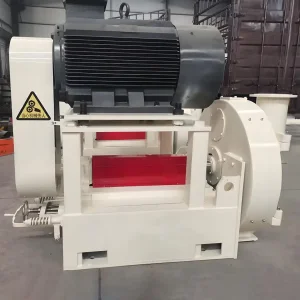
By design, forced convection evaporators work by suppressing boiling within the heat exchanger tubes. This is accomplished by utilizing a high-flow, high-head circulation pump (typically axial flow or mixed flow) that pumps the process liquid through the heat exchanger tubes under hydrostatic pressure. Since the liquid is pressurized, it remains in the liquid phase while absorbing sensible heat from the steam or thermal medium jacket.
Boiling is strictly prevented until the heated process liquid enters the flash vessel or separator chamber, where the pressure is rapidly reduced. Upon entry, the sudden drop in hydrostatic pressure causes flash evaporation, converting the absorbed sensible heat into latent heat of vaporization. This separator chamber design prevents localized dry spots, crystallization, and severe scaling on the heat transfer surfaces of the heat exchanger tubes.
"Forced convection evaporation keeps the fluid velocity inside the tubes between 1.5 to 3.5 meters per second (m/s). This elevated velocity generates high shear stress along the inner tube walls, effectively sweeping away boundary layers and mitigating chemical scaling or crystallization fouling."
Achieving maximum heat transfer efficiency (expressed as the Overall Heat Transfer Coefficient, $U$) requires precise control over the fluid's Reynolds number ($Re$). In high-viscosity applications, maintaining turbulent flow ($Re > 4000$) is critical. If the flow drops into the laminar regime, thermal boundary layers thicken, resulting in localized boiling, fouling, and immediate reduction in evaporation rates.
Jiangsu Zongheng utilizes computational fluid dynamics (CFD) modeling to analyze internal flow velocities and shear rates. By carefully matching pump curves, pipe geometry, and tube bundle diameters, we design thermal systems that achieve optimal turbulence with the lowest possible electrical power consumption. This structural optimization translates to reliable operation across challenging media like corn steep liquor, starch hydrolysate, pharmaceutical wastes, and high-salinity industrial wastewater.
Because forced convection evaporators handle highly concentrated slurry, abrasive solids, and corrosive liquids, the selection of metallurgy is critical. Our manufacturing plant works with a wide range of materials to ensure long equipment life:
Choosing the right evaporator depends on your feed properties, viscosity profiles, and crystallization demands. This table details where forced circulation shines compared to other technologies.
| Performance Indicator | Forced Convection Evaporator | Falling Film Evaporator | Rising Film Evaporator | |
|---|---|---|---|---|
| Operating Fluid Velocity | High (1.5 – 3.5 m/s, pump-driven) | Moderate (0.5 – 1.5 m/s, gravity-driven) | Low to Moderate (vapor-drag velocity) | Low |
| Scaling & Fouling Resistance | Excellent / Maximum | Poor (High risk of dry spots) | Medium | Low |
| Maximum Slurry Viscosity | Up to 150 - 200 cP | Up to 50 - 100 cP | Up to 30 cP | Low |
| Ideal Application Focus | Crystallization, High TDS, Corrosives | Heat-sensitive liquids, low-scaling juices | Dilute industrial liquids, clear chemicals | Clear liquids |
| Residence Time | Longer (circulation loop volume) | Very short (thin falling film flow) | Short to Moderate | Short |
| Heat Transfer Coefficient ($U$) | High (under pressure fluid contact) | Very High (thin-film boiling) | High | Medium |
Engineering procurement managers and plant operators faces complex challenges when specifying concentration systems. Capital expenditure (CAPEX) is only a fraction of the lifecycle cost. Real efficiency is measured through operational expenditure (OPEX) over 10 to 20 years, focusing on:
In starch manufacturing plants, refining processes require concentration of starch hydrolysates, dextrose, and corn steep liquor (CSL). CSL contains suspended proteins and minerals that easily deposit on hot steel. Zongheng's waste-heat integrated forced convection evaporators utilize waste vapor from airflow dryers or tube bundle dryers to concentrate these sensitive streams, converting a process stream into animal feed ingredients with near-zero heat input.
Chemical, pharmaceutical, and petrochemical facilities generate high-salinity wastewater that cannot be discharged. Forced convection evaporators act as crystallizers, driving concentration to the point of salt precipitation. This enables downstream dewatering via screw presses or centrifuges, recovery of pure water, and dry solid disposal.
Processing thin stillage into DDGS requires evaporating large volumes of water. The sticky, protein-rich liquid quickly fouls standard heat exchangers. A forced circulation loop maintains continuous, high-speed flow, ensuring consistent evaporation without plug flow risks or thermal degradation of valuable proteins.
A trusted, modern high-tech enterprise specializing in concentration, drying, starch industry, and Category III medium & low-pressure vessel equipment.
Founded in 1992 (originally known as Yixing Yangxi Light Industry Machinery Factory), Jiangsu Zongheng Concentrating and Drying Equipment Co., Ltd. is located in Zhoutie Town, Yixing City, on the shores of Taihu Lake. With a total facility footprint exceeding 54,000 square meters and a dedicated production workshop area of over 22,000 square meters, we design and manufacture standard-compliant industrial chemical process equipment.
As an active member of the China Starch and Alcohol Association, Zongheng serves the global food fermentation, industrial alcohol, agrochemical, pharmaceutical, environmental protection, and petrochemical sectors.
Established as Yixing Yangxi Light Industrial Machinery Factory, covering 15 mu with 45 employees.
Achieved ISO9001 Quality Management System certification, standardizing manufacturing operations.
Recognized as a Jiangsu Provincial High-Tech Enterprise for innovative thermal designs.
Obtained the Special Equipment Manufacturing License of the People's Republic of China (TS2232C42).
Acquired ASME "U" Stamp authorization, enabling international pressure vessel delivery.
Acquired International Quality System certification (Certificate No. 45021).
Modern factory operation employs 3 senior engineers, 20+ specialized engineers, and 120 total staff.
As global energy transition policies tighten, heat-intensive processes like thermal concentration must adapt. The design phase of thermal equipment now must consider total decarbonization:
Our quality assurance processes align with PED (Europe), GB (China), and ASME (Global) standards, supporting commissioning in regulated regions.
Our engineered process equipment operates across primary processing and environmental reclamation sectors globally.
Browse our engineering team's technical answers regarding thermodynamics, operation, and maintenance.
Partner with Jiangsu Zongheng to access high-performance, energy-efficient forced convection evaporators tailored to your process requirements.
Engineered starch cyclones, mechanical screw presses, and industrial evaporation components manufactured for continuous operation.
 Zongheng