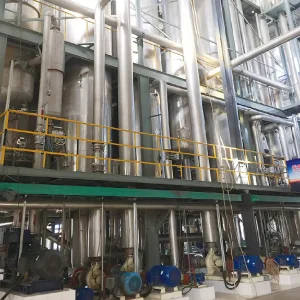
Engineered for Maximum Thermal Efficiency and Operational Reliability
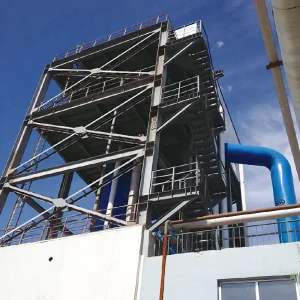
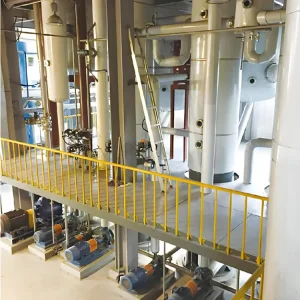
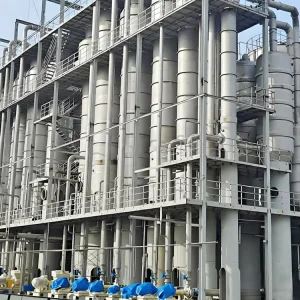
Industrial evaporation systems are critical unit operations in the chemical process industries (CPI), food and beverage processing, pharmaceutical manufacturing, and environmental waste management. At its core, evaporation is the thermal separation of a volatile solvent—most commonly water—from a non-volatile solute or slurry to produce a concentrated liquid product. Achieving this separation efficiently requires a sophisticated balance of thermodynamics, fluid dynamics, and material science.
Key Engineering Challenge: Minimizing energy consumption while preventing thermal degradation of heat-sensitive products and mitigating surface fouling on heat exchanger tubes.
The latent heat of vaporization for water is exceptionally high (approximately 2,256 kJ/kg at atmospheric pressure). Consequently, direct single-effect steam evaporation is highly energy-intensive. Modern industrial manufacturers utilize two primary configurations to optimize thermal efficiency:
| Technology | Steam Consumption (per ton water evaporated) | Electricity Consumption (per ton water evaporated) | Capital Expenditure (CAPEX) | Operational Expenditure (OPEX) |
|---|---|---|---|---|
| Single-Effect Evaporator | 1.0 - 1.1 Tons | Minimal | Low | Extremely High |
| 3-Effect Evaporator (MEE) | 0.35 - 0.4 Tons | Low | Medium | Medium-High |
| 5-Effect Evaporator (MEE) | 0.22 - 0.25 Tons | Low | High | Medium |
| Mechanical Vapor Recompression (MVR) | Minimal (Startup only) | 15 - 25 kWh | High | Extremely Low |
With over 30 years of specialized manufacturing experience, Jiangsu Zongheng Concentrating and Drying Equipment Co., Ltd. is a recognized authority in thermal separation and dewatering technologies.
All pressure vessels are designed, fabricated, and inspected in strict accordance with ASME Section VIII Div. 1 and European Pressure Equipment Directive (PED) standards.
Custom-Engineered Machinery for Starch, Alcohol, Chemical, and Waste Treatment Industries
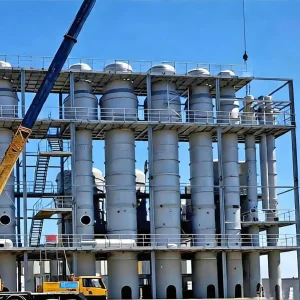
Designed for heat-sensitive liquids with low to moderate viscosities. The feed liquid enters at the top of the heating tubes, where it is evenly distributed to form a thin, continuous film flowing downward under gravity. Boiling occurs within the film, resulting in rapid heat transfer and short residence times (often measured in seconds), which prevents thermal degradation of organic compounds.
Key Application: Corn steep liquor concentration, starch sugar syrup, fruit juices, and chemical wastewater treatment.
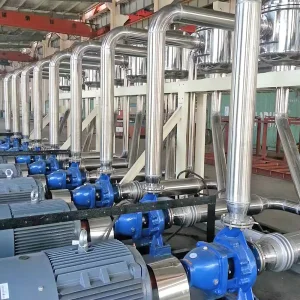
Specifically engineered for highly viscous fluids, slurries, or solutions prone to scaling and crystallization. High-capacity axial flow pumps circulate the liquid through the heat exchanger tubes at high velocities (typically 2 to 3 m/s). Boiling is suppressed within the tubes by maintaining hydrostatic head; vaporization occurs only when the liquid enters the flash separator, preventing crystallization on heat transfer surfaces.
Key Application: Zero Liquid Discharge (ZLD) salt crystallization, industrial wastewater concentration, and chemical processing.
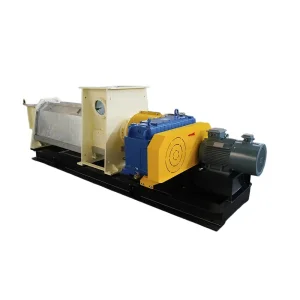
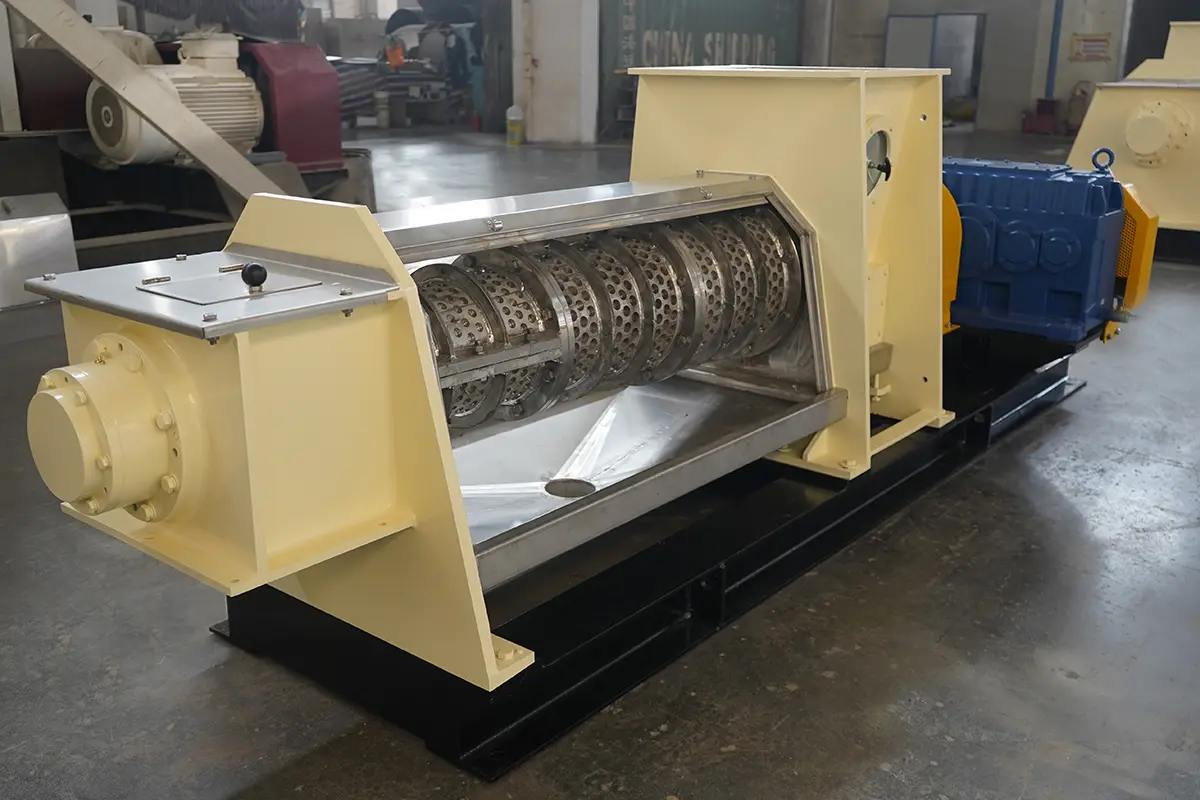
A mechanical dewatering solution designed to reduce the moisture content of fibrous materials prior to thermal drying. The machine utilizes a variable-pitch screw rotating inside a cylindrical screen basket. As the material moves axially, the decreasing pitch increases pressure, forcing liquid out through the screen mesh while discharging a low-moisture cake.
Key Application: Corn fiber, germ, spent grains, and paper pulp dewatering.
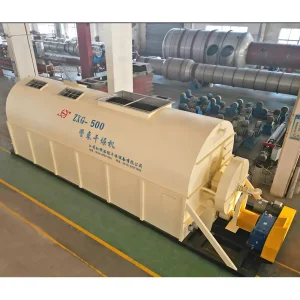
An indirect steam-heated contact dryer operating on a continuous counter-current or co-current principle. The material is dried by coming into contact with a rotating bundle of steam-heated tubes enclosed within a stationary housing. Shovels mounted on the tube bundle lift and transport the material along the length of the dryer, ensuring uniform heat transfer and moisture removal under low-oxygen conditions.
Key Application: Corn gluten meal, corn germ, DDGS (Distillers Dried Grains with Solubles), and chemical powders.
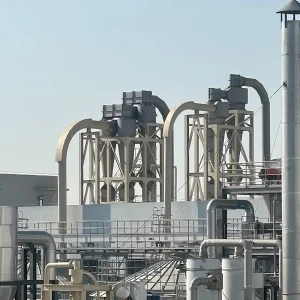
Also known as flash dryers, these systems utilize high-velocity, high-temperature air to suspend and pneumatically convey wet particulate materials. The rapid heat and mass transfer occur within seconds as the material travels through a series of drying tubes with varying diameters, generating turbulence and ensuring uniform moisture reduction without overheating the core of the particles.
Key Application: Starch, modified starch, food ingredients, and chemical powders.
High-efficiency multicyclone systems designed for the continuous refining, washing, and concentration of starch slurries. By utilizing centrifugal force within small-diameter cyclone tubes arranged in multi-stage configurations, the system separates starch from proteins, soluble impurities, and fine fibers with minimal water consumption.
Key Application: Corn, potato, cassava, and wheat starch refining lines.
Selecting an industrial evaporator manufacturer involves evaluating long-term reliability, engineering capability, and capital cost. China—specifically the Yangtze River Delta region where Jiangsu Zongheng is located—has established a world-class industrial cluster for pressure vessel fabrication and thermal process engineering. This ecosystem offers distinct advantages for global procurement managers:
Industrial evaporators processing corrosive media (such as high-chloride wastewater or acidic food streams) require advanced metallurgy. The proximity to China's leading steel mills allows manufacturers to source high-grade stainless steels (304, 316L), duplex steels (2205, 2507), and titanium alloys (Gr. 1, Gr. 2) with complete material traceability and mill test reports (MTRs) at highly competitive rates.
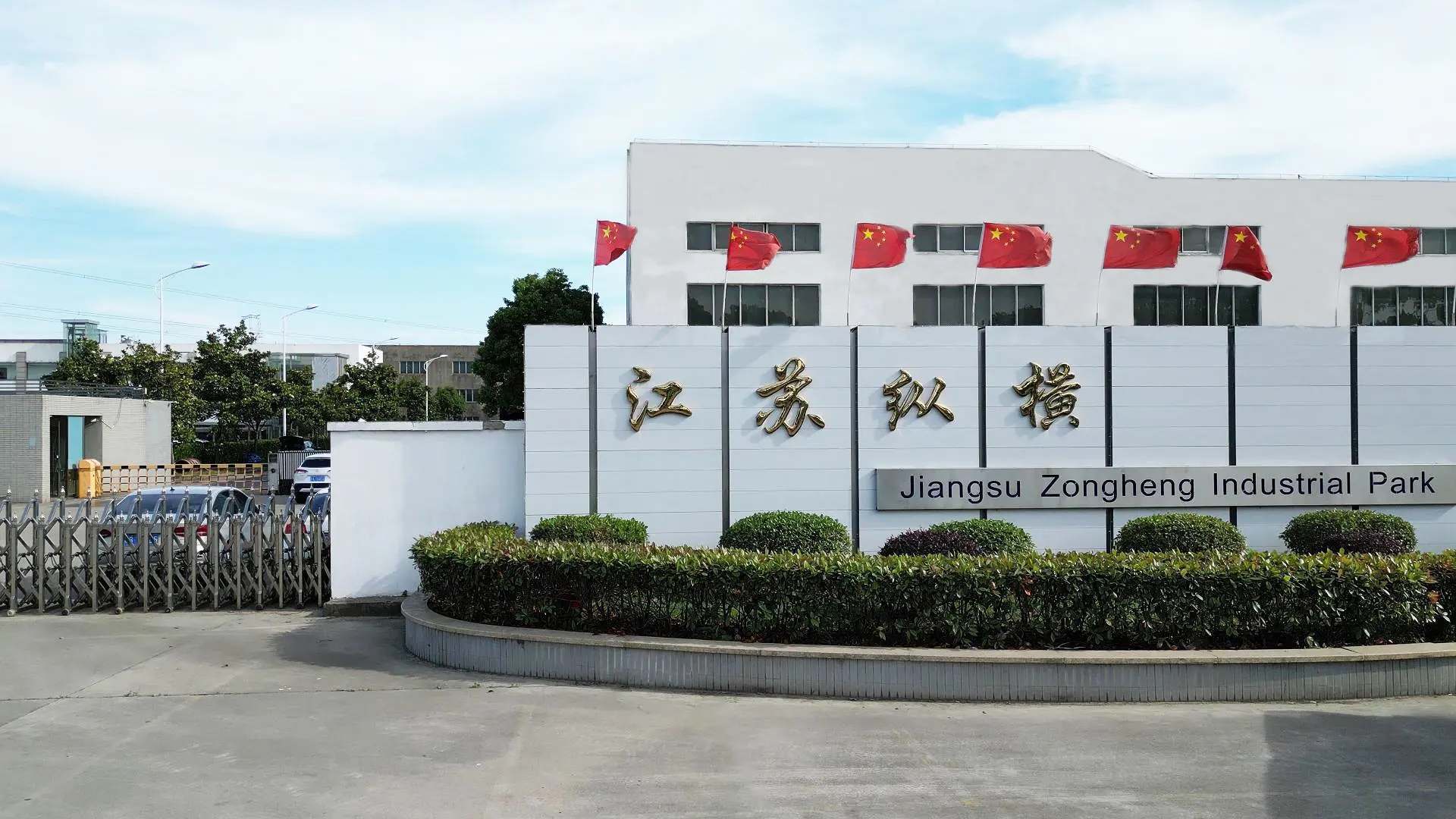
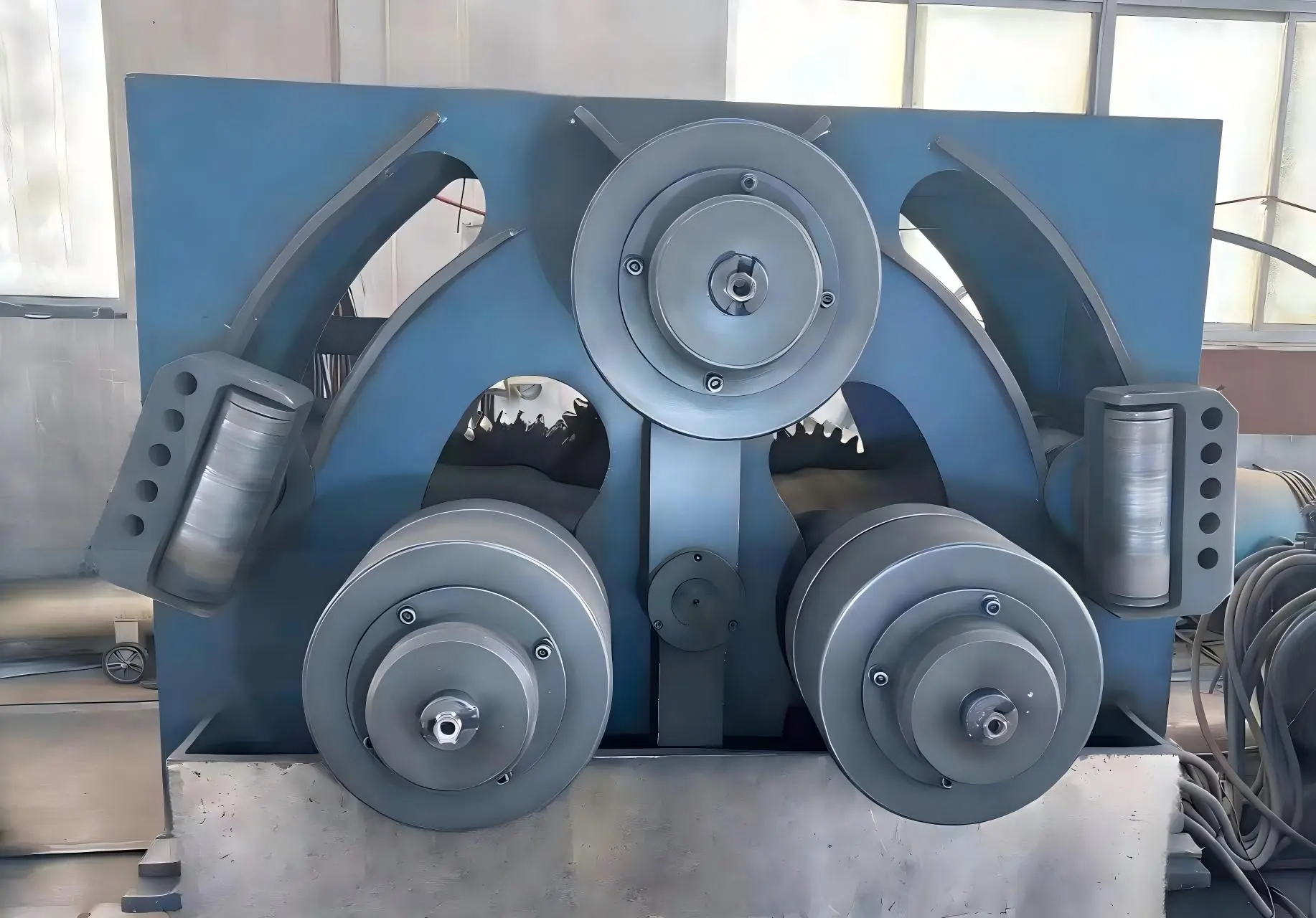
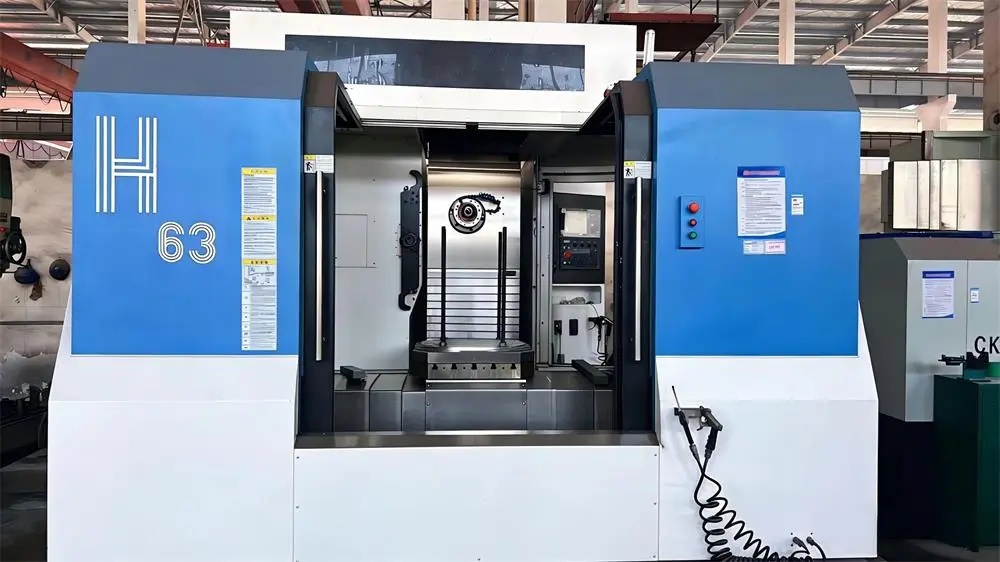
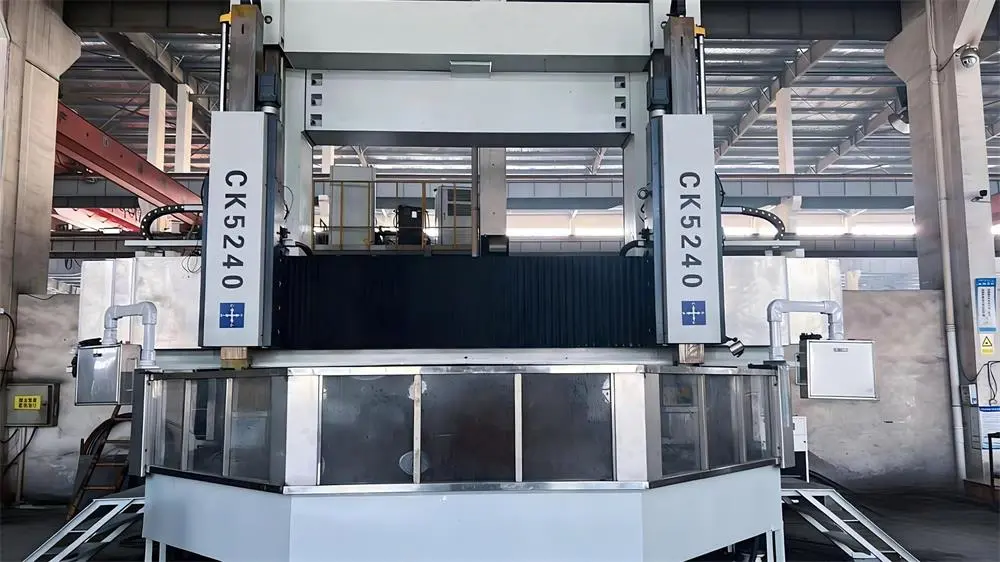
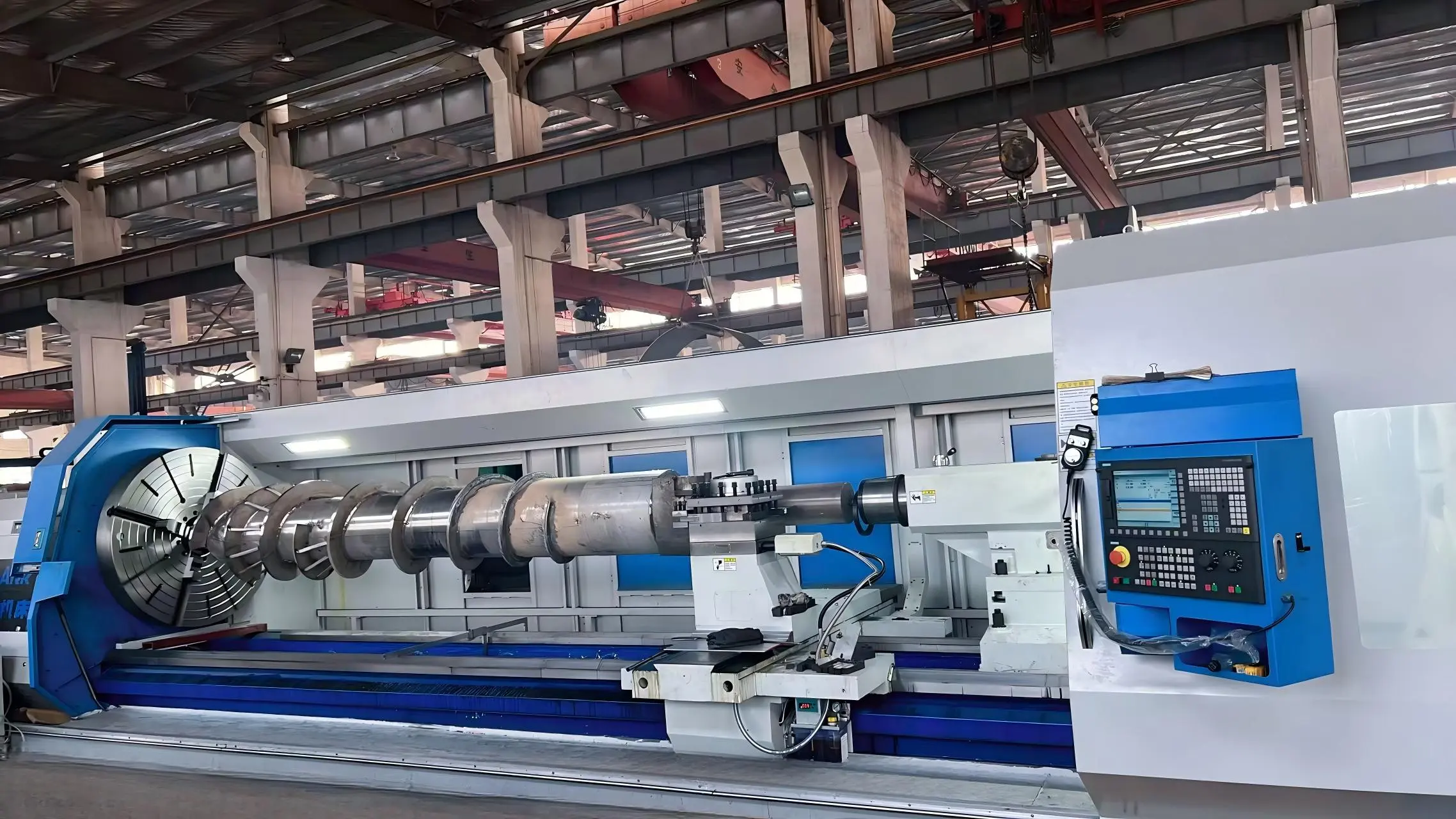
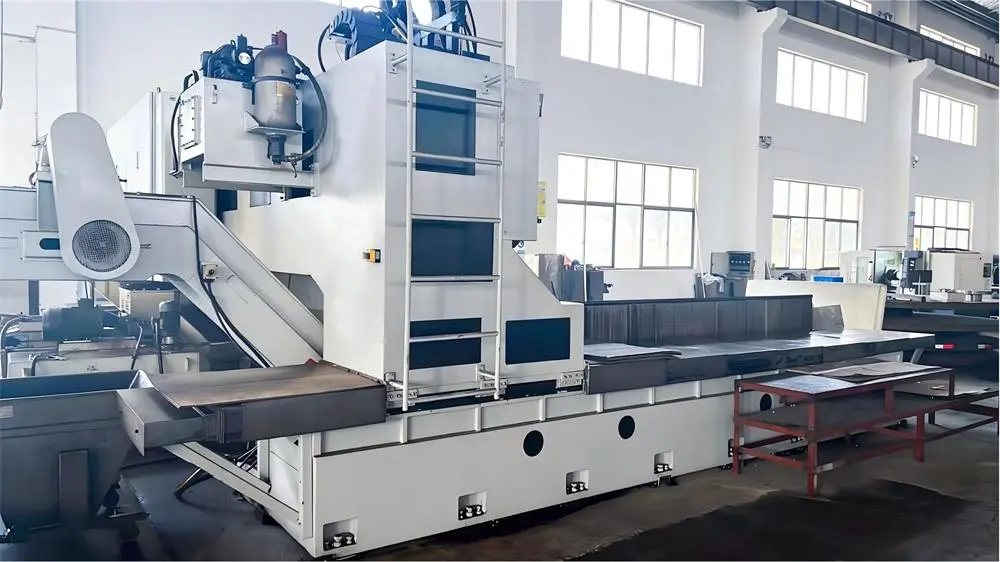
Jiangsu Zongheng's 54,000-square-meter facility (including a 22,000-square-meter heavy-duty production workshop) is equipped with state-of-the-art manufacturing machinery:
Unlike standardized equipment, every evaporation plant must be custom-designed based on the specific physical properties of the feed liquid (viscosity, boiling point elevation, density, thermal conductivity). With a dedicated team of over 20 engineers and senior specialists, Jiangsu Zongheng utilizes advanced chemical process simulation software (such as Aspen Plus) and Finite Element Analysis (FEA) for mechanical design, ensuring optimal thermal performance and structural integrity.
Meeting International Standards for Seamless Integration and Operation
For multinational corporations, purchasing equipment from overseas requires strict adherence to local safety and environmental regulations. Jiangsu Zongheng has systematically built its quality management framework to align with global standards:
To ensure operational safety, Jiangsu Zongheng conducts Hazard and Operability (HAZOP) studies during the engineering phase, identifying potential deviations from design intent and implementing fail-safe controls (such as automated pressure relief systems and redundant sensor configurations). Prior to shipment, comprehensive Factory Acceptance Testing (FAT) is conducted at our facility, followed by Site Acceptance Testing (SAT) and commissioning support at the client's site.
2002: Obtained ISO9001 Certification
2009: Special Equipment Manufacturing License (China)
2012: Acquired ASME "U" Stamp Authorization
2015: International Quality System Certification (No. 45021)
A Journey of Continuous Innovation, Quality Accreditation, and Global Expansion
Established as Yixing Yangxi Light Industrial Machinery Factory, covering 15 mu with 45 employees, focusing on basic concentration equipment.
Took the lead in obtaining ISO9001 international quality management system certification, standardizing manufacturing processes.
Recognized as a Jiangsu Provincial High-Tech Enterprise, reflecting our commitment to R&D in thermal separation technologies.
Obtained the Special Equipment Manufacturing License of the People's Republic of China (License No.: TS2232C42) for pressure vessels.
Acquired the ASME "U" Stamp, marking the company's entry into the high-end international process equipment market.
Established a complete quality assurance system aligned with international standards (Certificate No.: 45021).
Operating a 54,000+ sqm facility with 120+ employees, including 3 senior engineers and over 20 engineers, serving global markets.
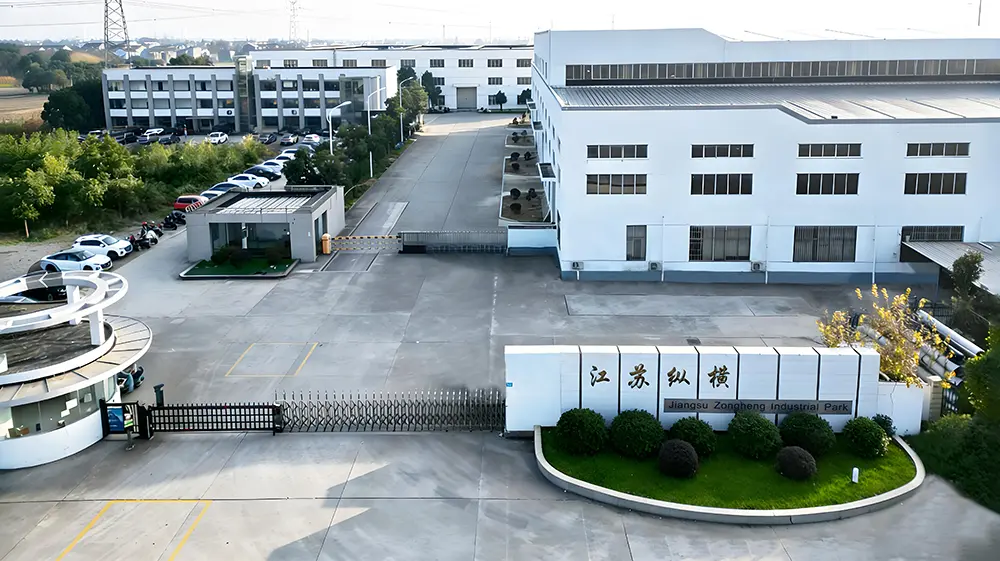
Proven Performance Across Diverse Process Industries
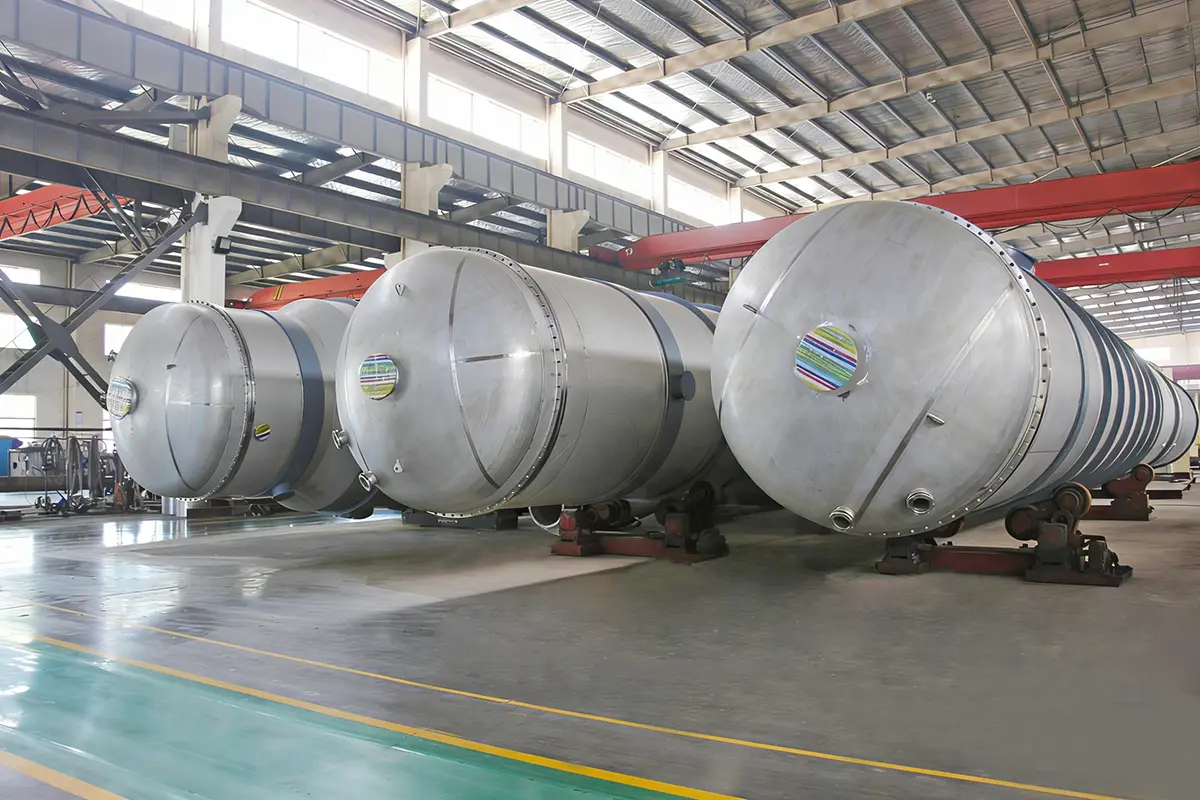
Concentrating corn steep liquor and light gluten streams to optimize dry-house operations and maximize protein recovery.
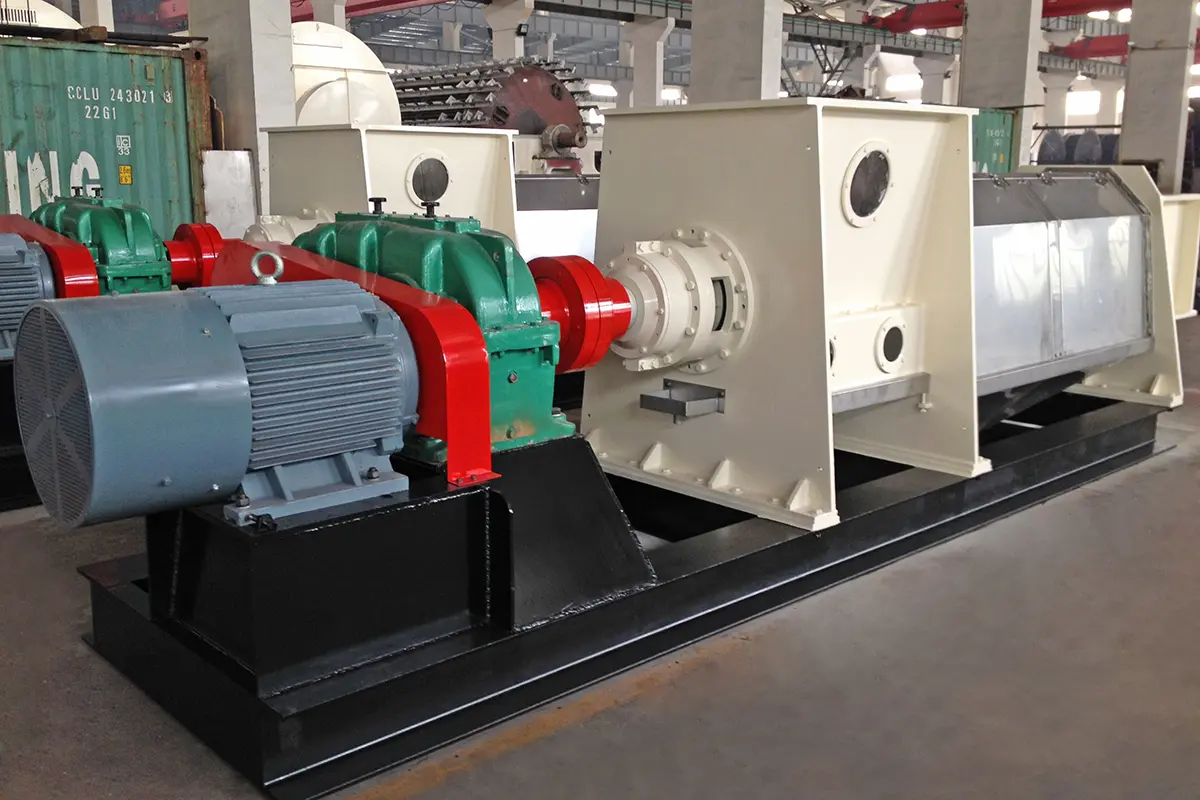
High-torque solid-liquid separation of fibrous corn germ and fiber, reducing drying energy requirements by up to 35%.
High-speed rotational drying for chemical salts and food additives, ensuring uniform moisture content.
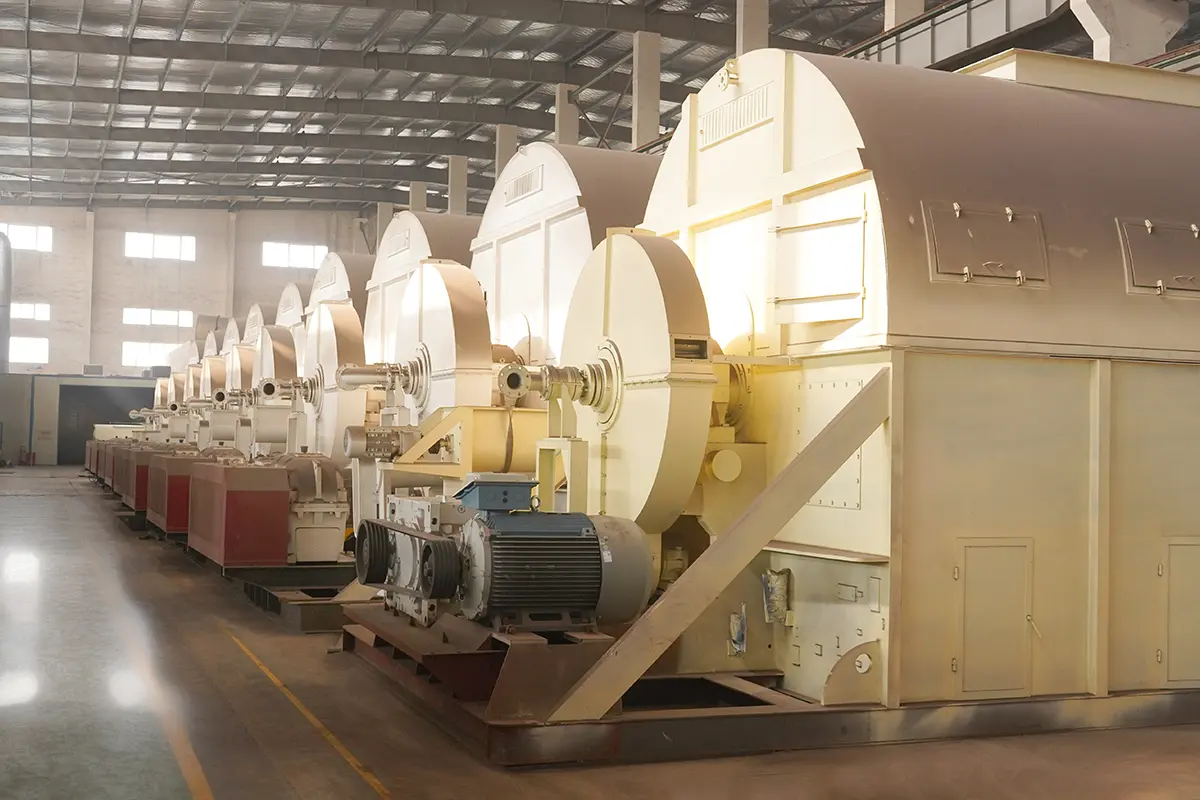
Continuous, low-temperature drying of corn gluten meal and DDGS, preserving nutritional value and color.
Expert Insights into Selection, Operation, and Maintenance
Explore Our Full Range of Industrial Dryers, Separators, and Concentration Systems
Contact our engineering team today for a detailed process simulation, energy consumption analysis, and custom equipment quotation.
 Zongheng