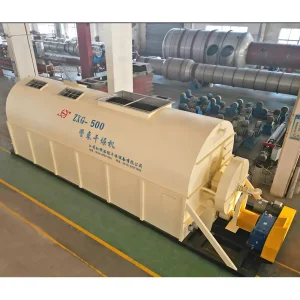
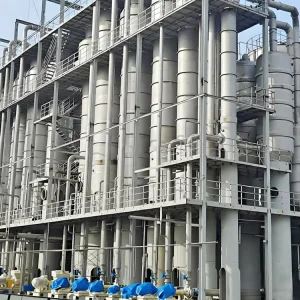
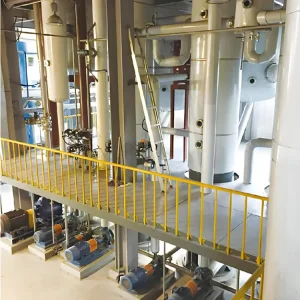
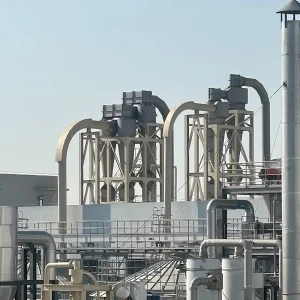
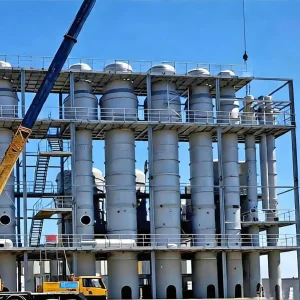
Industrial evaporation is a cornerstone thermodynamic process used for liquid separation, waste minimization, and chemical purification across global process industries. In an era marked by stringent decarbonization targets and rising utility costs, single-effect evaporation systems are rapidly being phased out. Industrial operations are shifting towards Multi-Stage Evaporator (Multi-Effect Evaporator - MEE) and Mechanical Vapor Recompression (MVR) designs to achieve optimum thermal efficiency.
By cascading stages where the vapor produced in one effect serves as the heating medium for the subsequent effect (operating at lower boiling temperatures), multi-stage systems reduce steam consumption exponentially. A single-effect system requires approximately 1.1 kg of steam to evaporate 1 kg of water, whereas a properly designed 5-stage system can drop steam consumption to under 0.22 kg per kg of water evaporated.
Globally, engineering procurement contractors (EPCs) and operators demand systems that not only conserve thermal energy but also offer long-term operational stability. This requires complex modeling of boiling point elevation (BPE), precise liquid distribution inside the tubes, and robust corrosion mitigation frameworks.
Reduces steam demands through advanced heat cascading, enabling significant operating cost (OPEX) reductions.
Allows factories to reach Zero Liquid Discharge (ZLD) thresholds, recovering clean water and isolating solids.
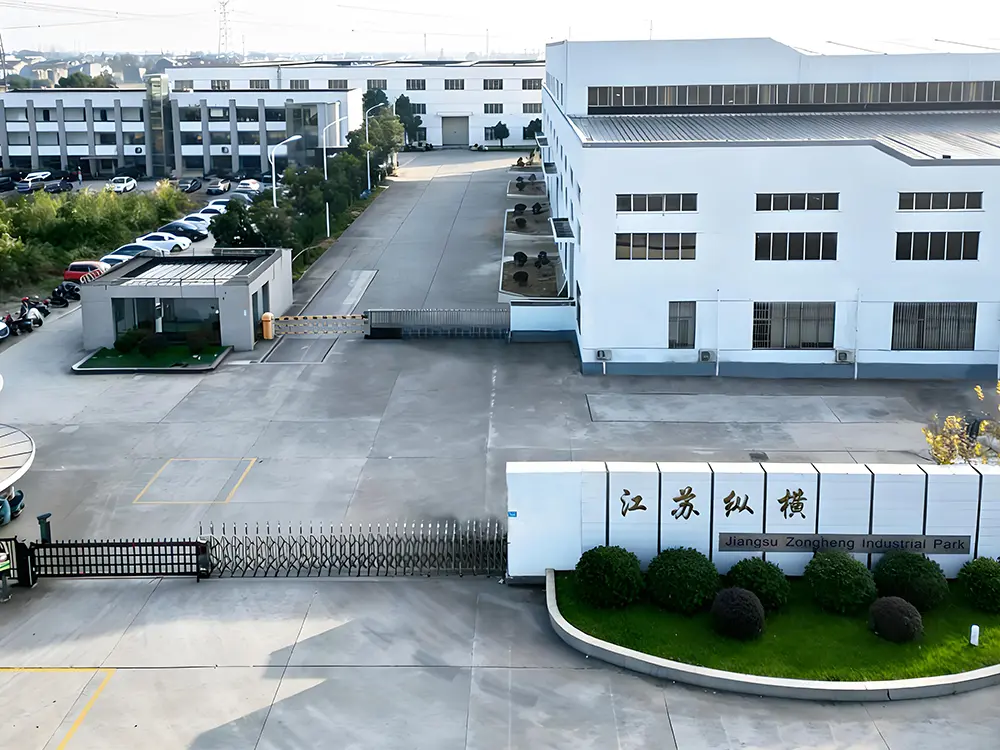
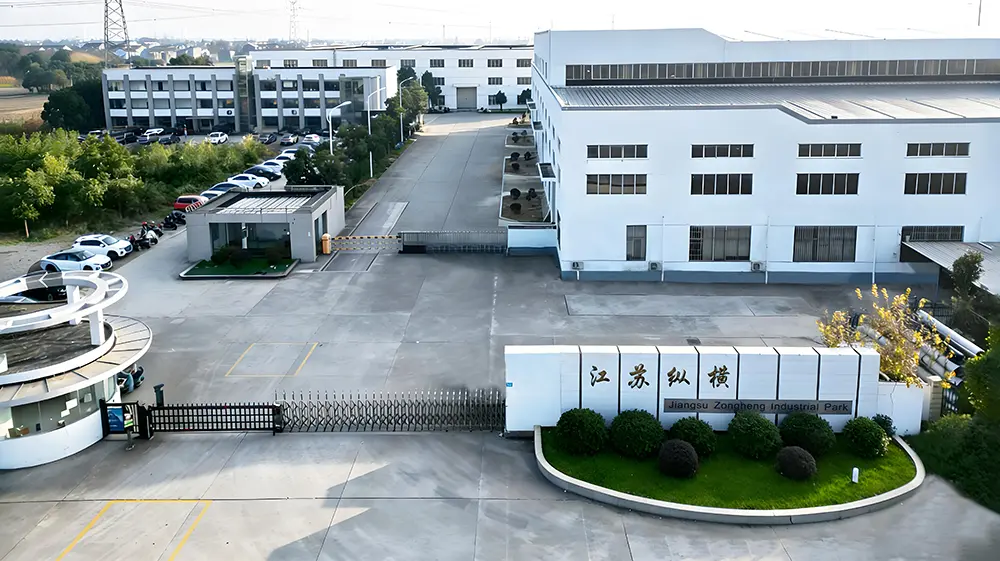
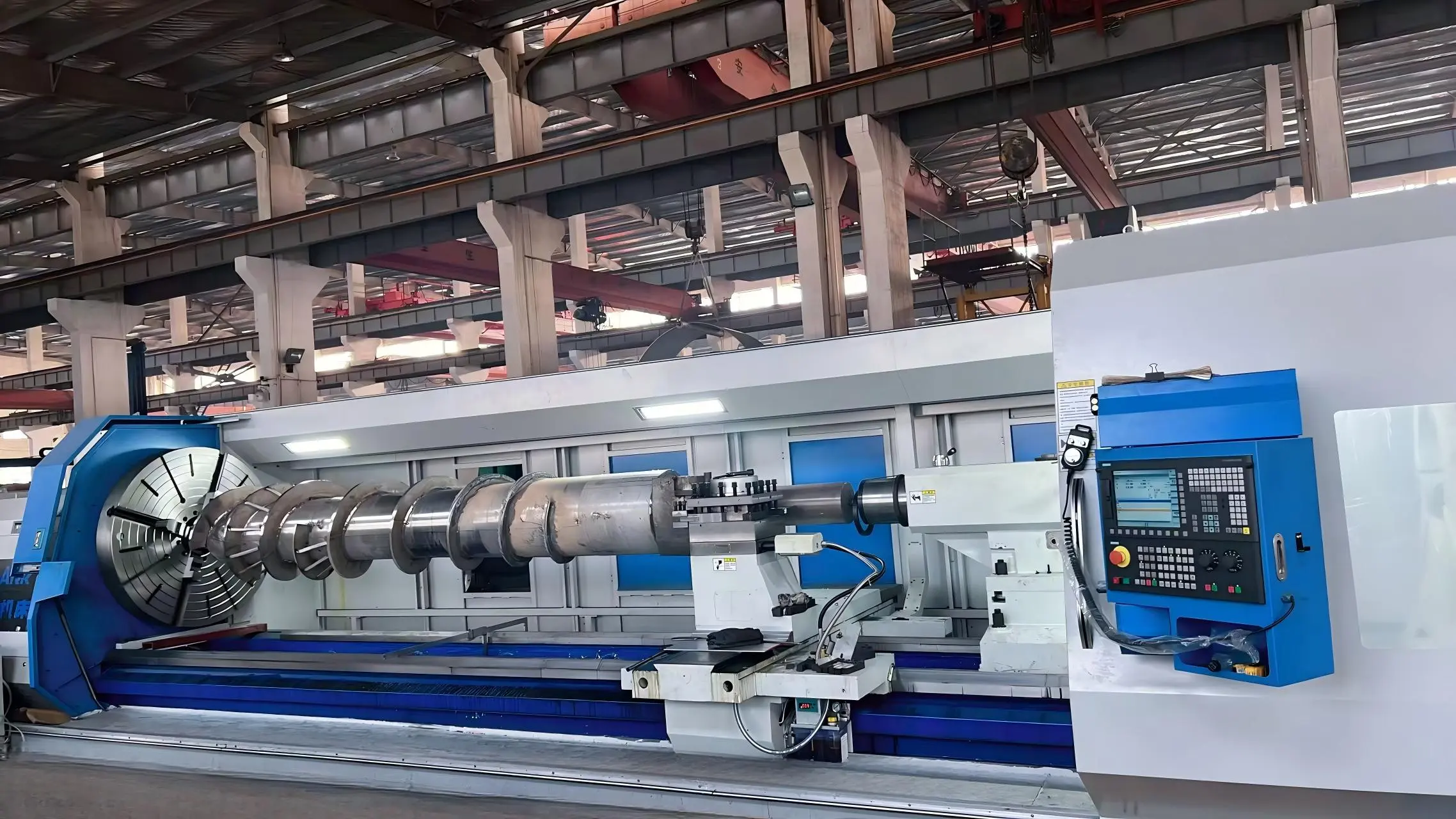
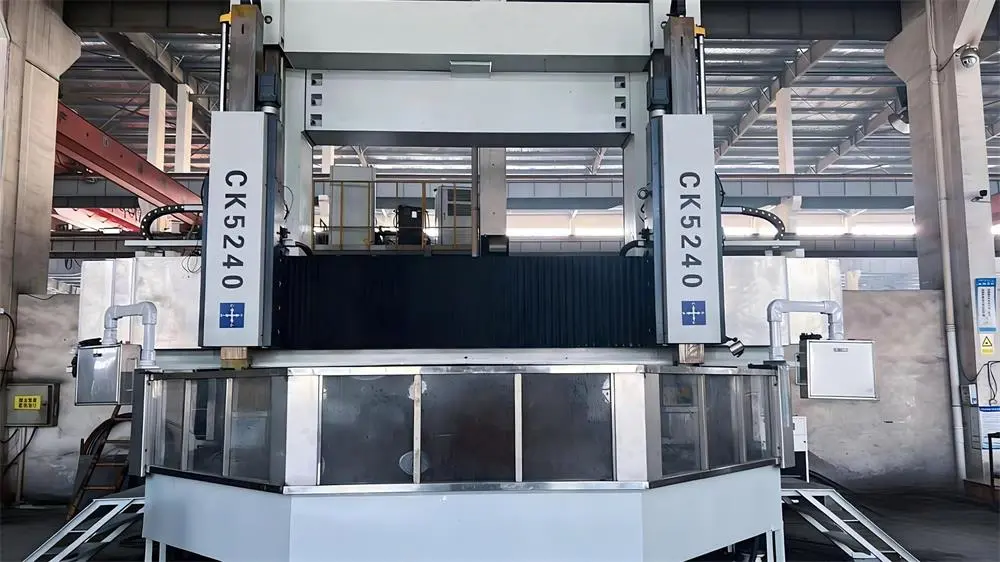
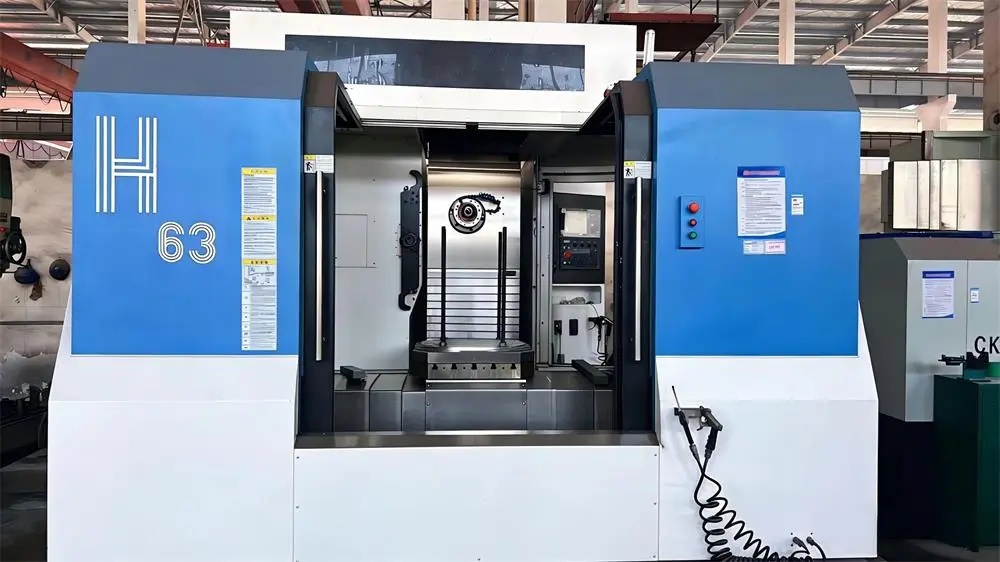
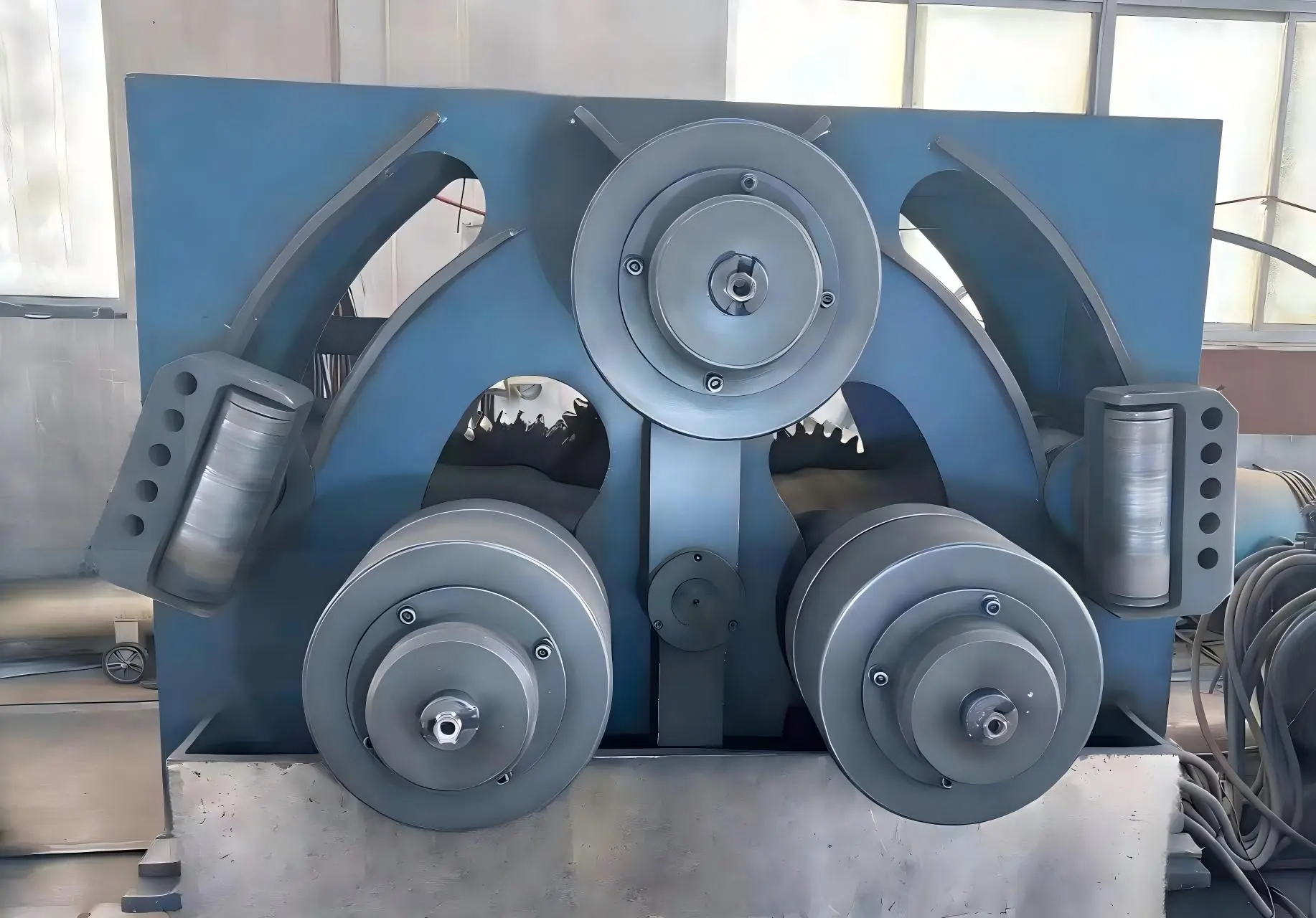
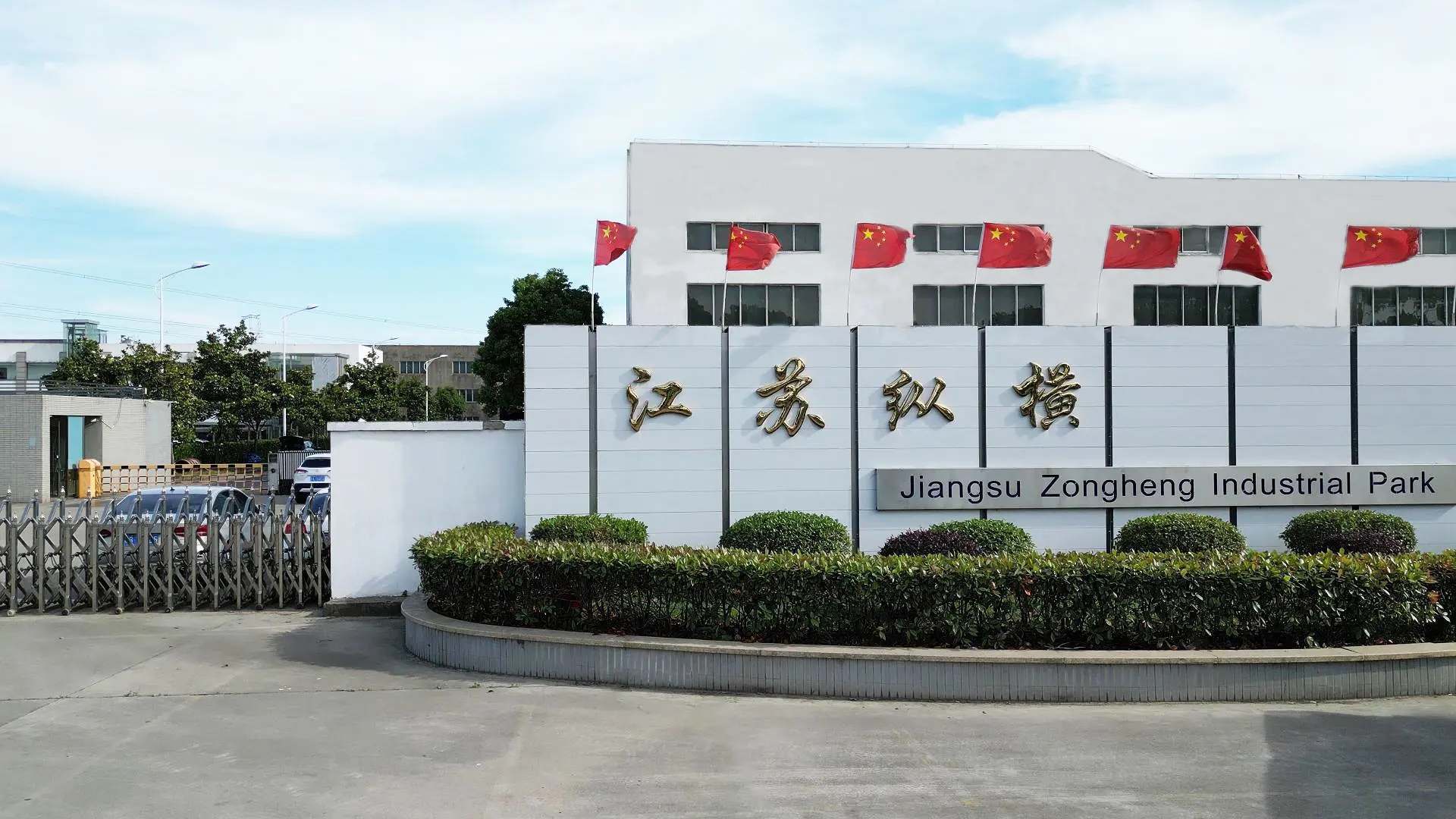
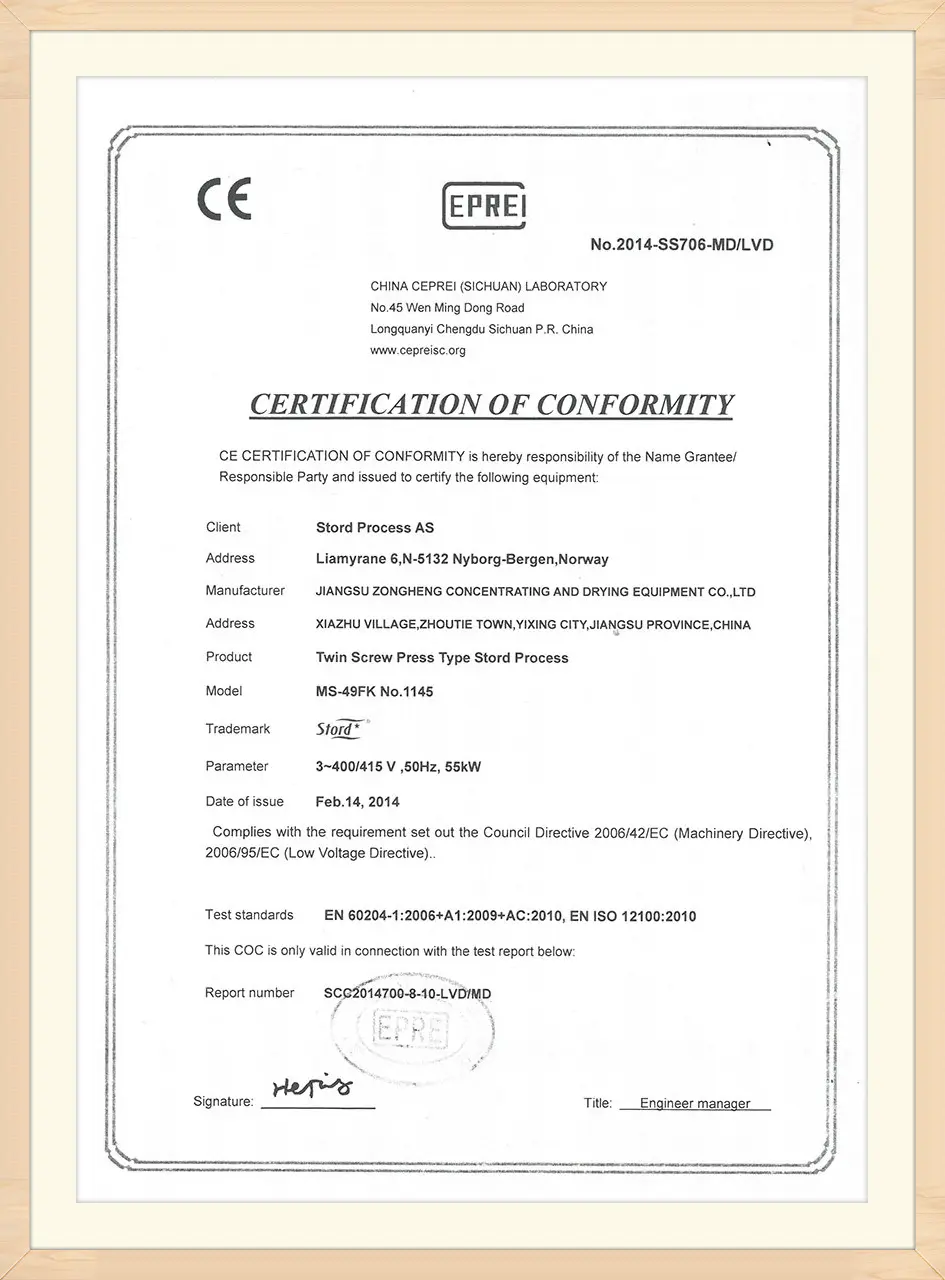
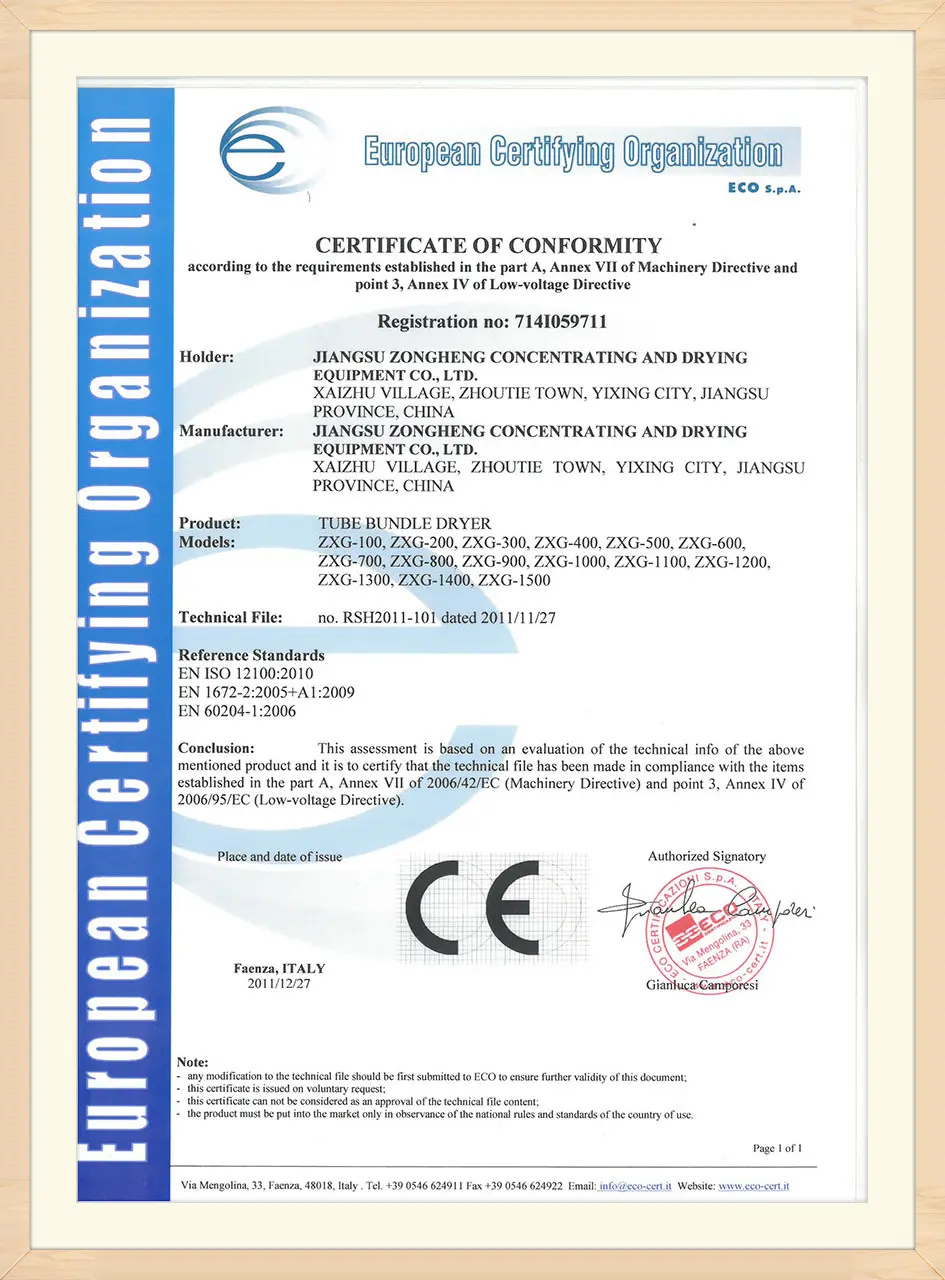
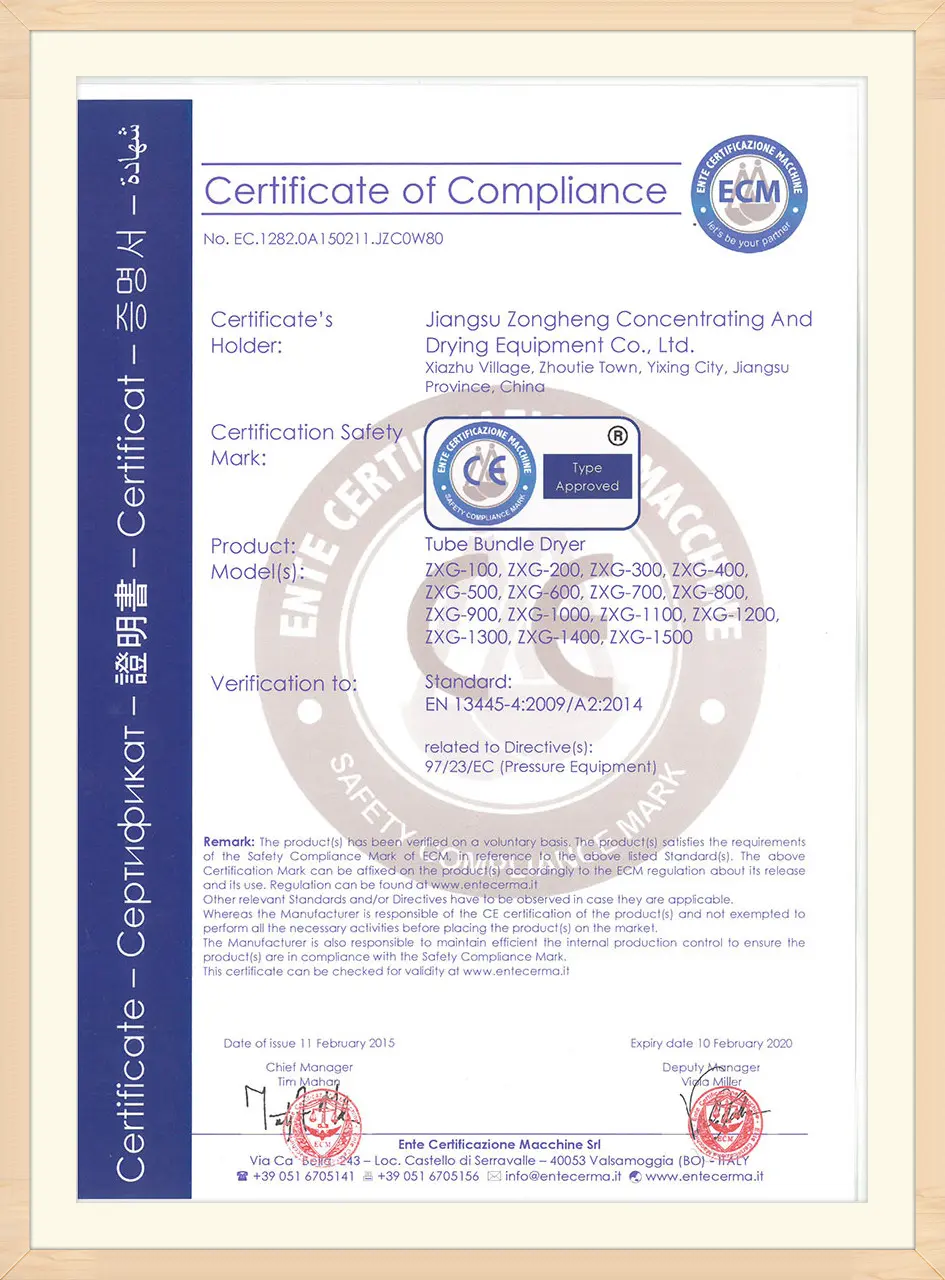
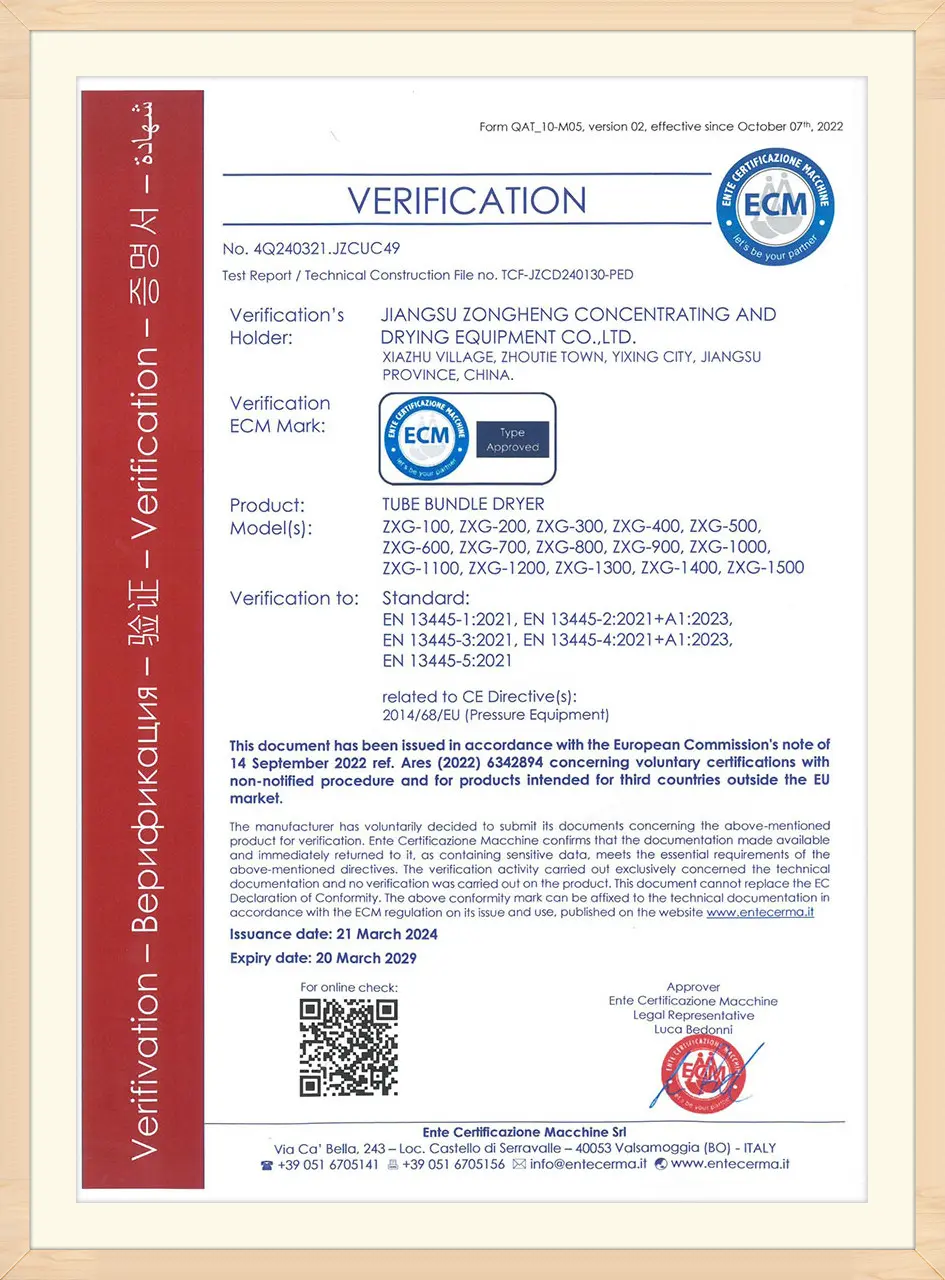
Located in Yixing, Jiangsu—the premier industrial machinery hub of China—Jiangsu Zongheng Concentrating and Drying Equipment Co., Ltd benefits from an established raw material supply chain and specialized metallurgy talent pool. Since our founding in 1992, we have optimized our 54,000-square-meter facility to deliver ASME U-stamp and CE-certified industrial equipment.
Years of Thermal Engineering Experience
Professional R&D and Process Engineers
Total Production Footprint (sq. meters)
Modernized Heavy Fabrication Plant (sq.m)
Engineered for heat-sensitive liquids, our systems allow feed to form a highly uniform thin film cascading down vertical heated tubes. This layout ensures minimal residence times, prevents product degradation, and offers high heat transfer coefficients under vacuum.
Built to handle highly saline, high-viscosity, and scale-prone liquids. Powerful recirculation pumps push the media through heat exchangers at high velocity, preventing premature boiling inside the tubes and suppressing scale formation.
Utilizing Mechanical Vapor Recompression technology, these systems recompress secondary steam to elevate its thermal state, routing it back as the primary heating medium. This cuts fresh steam consumption close to zero, providing unmatched ROI.
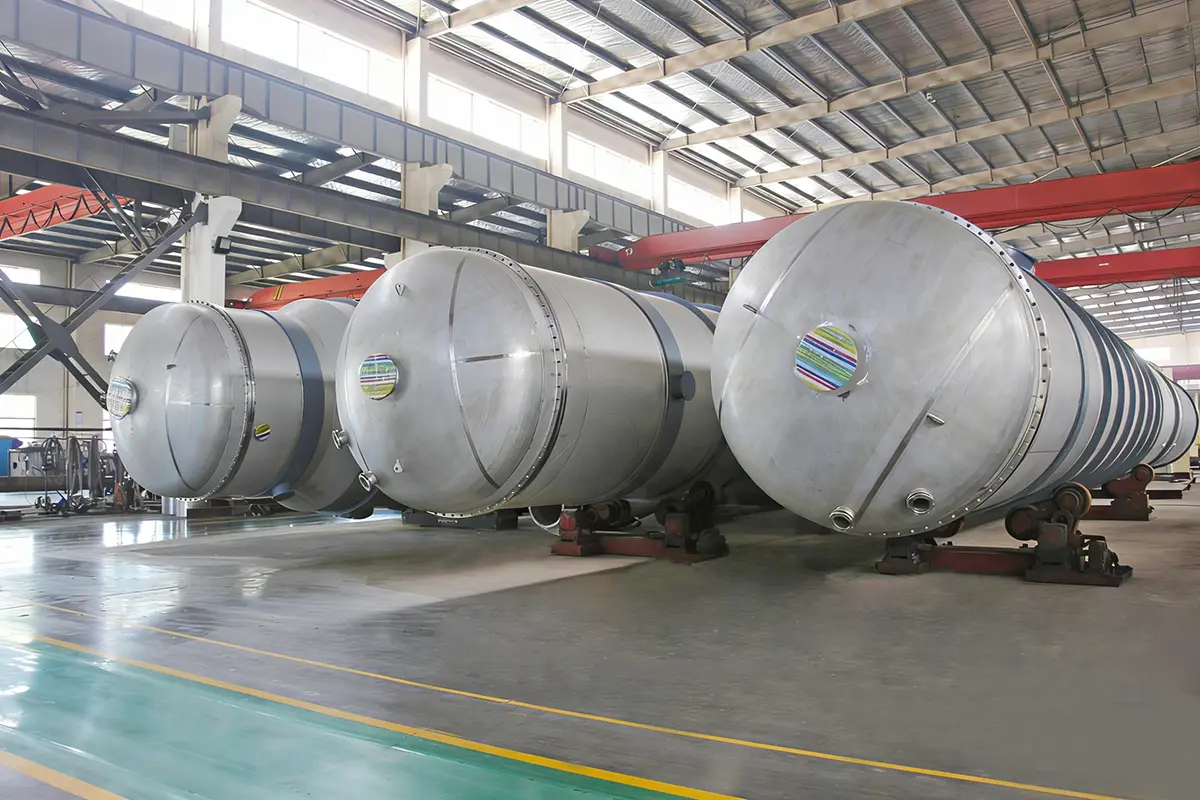
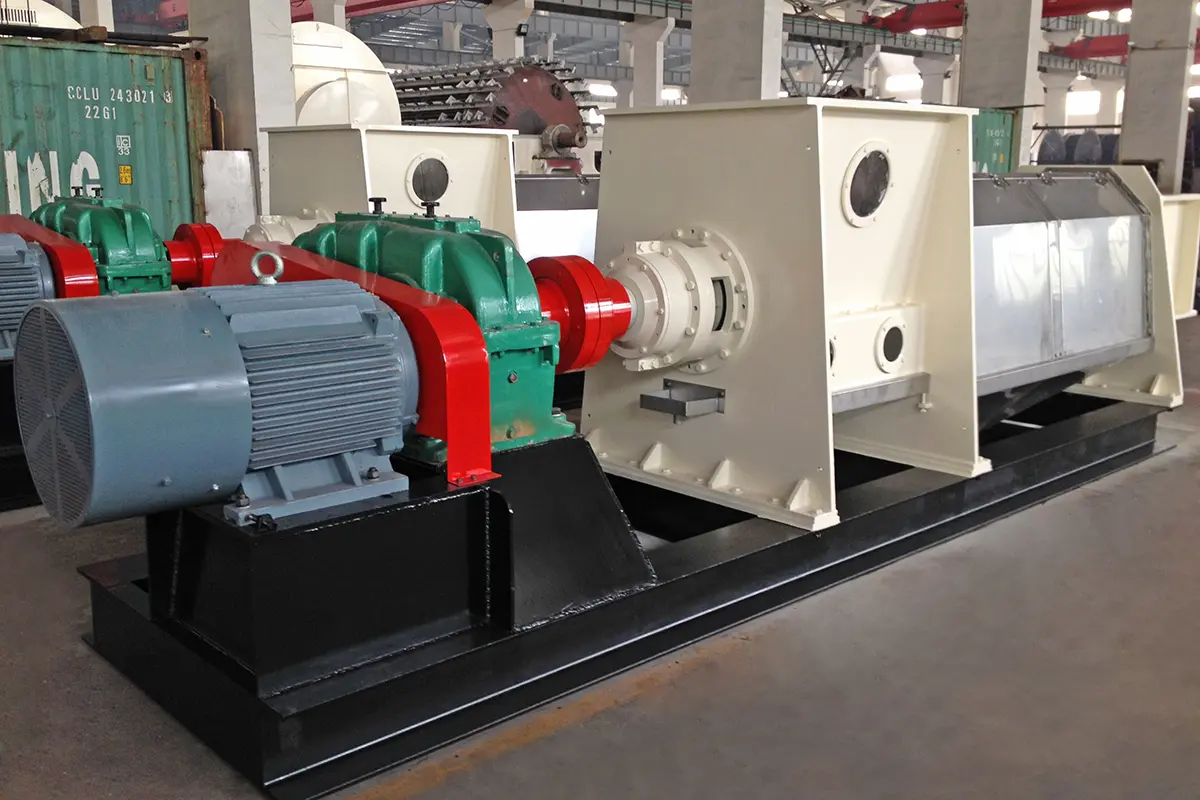
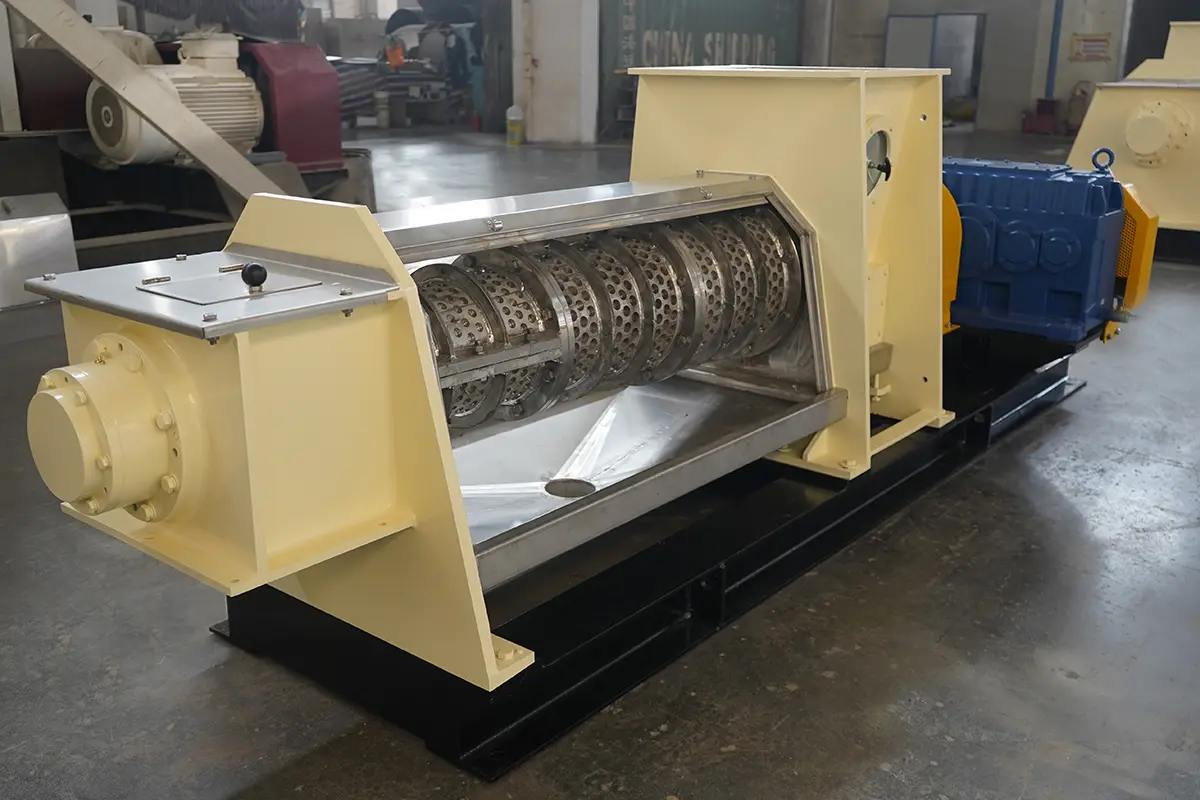
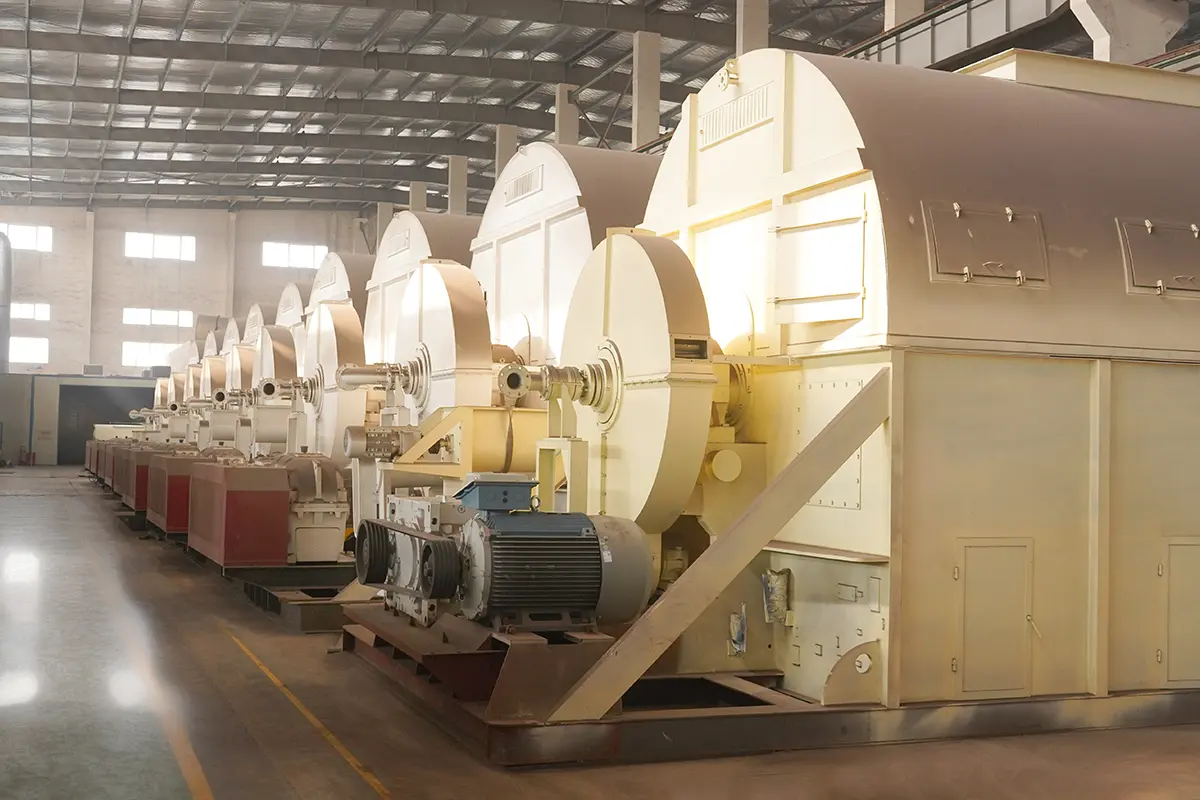
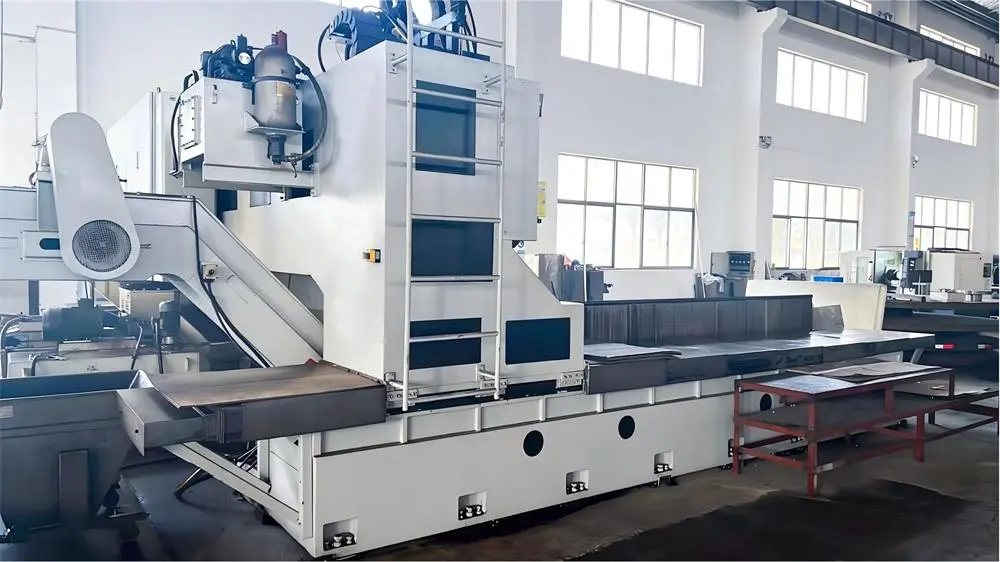
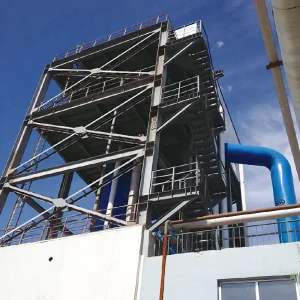
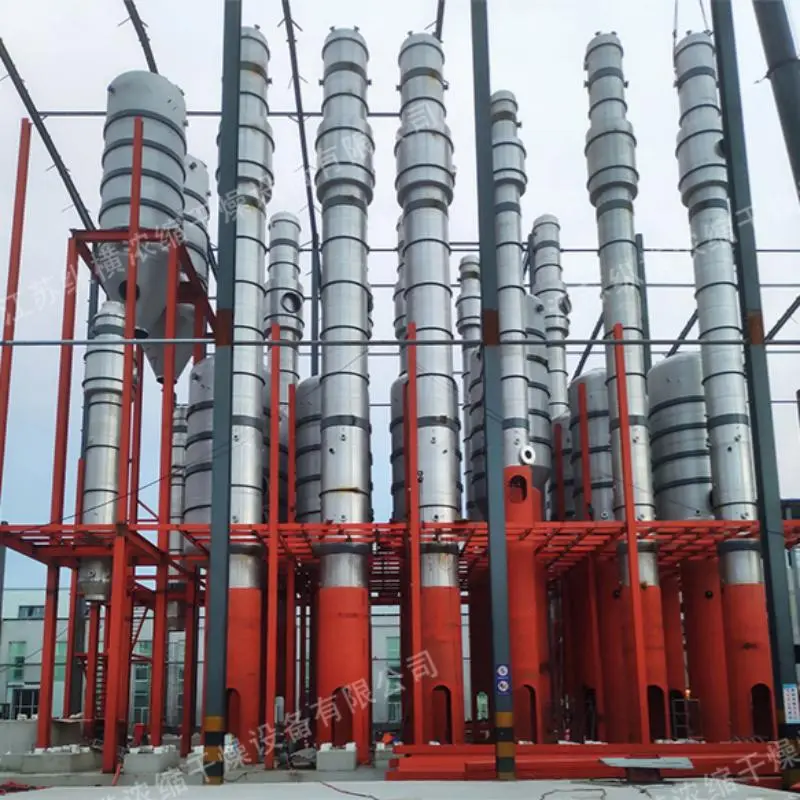
Operating a 54,000+ sqm footprint with over 120 dedicated staff including 3 senior engineers and 20+ process engineers. We continue to design next-generation MVR and high-effect evaporation columns for international process plants.
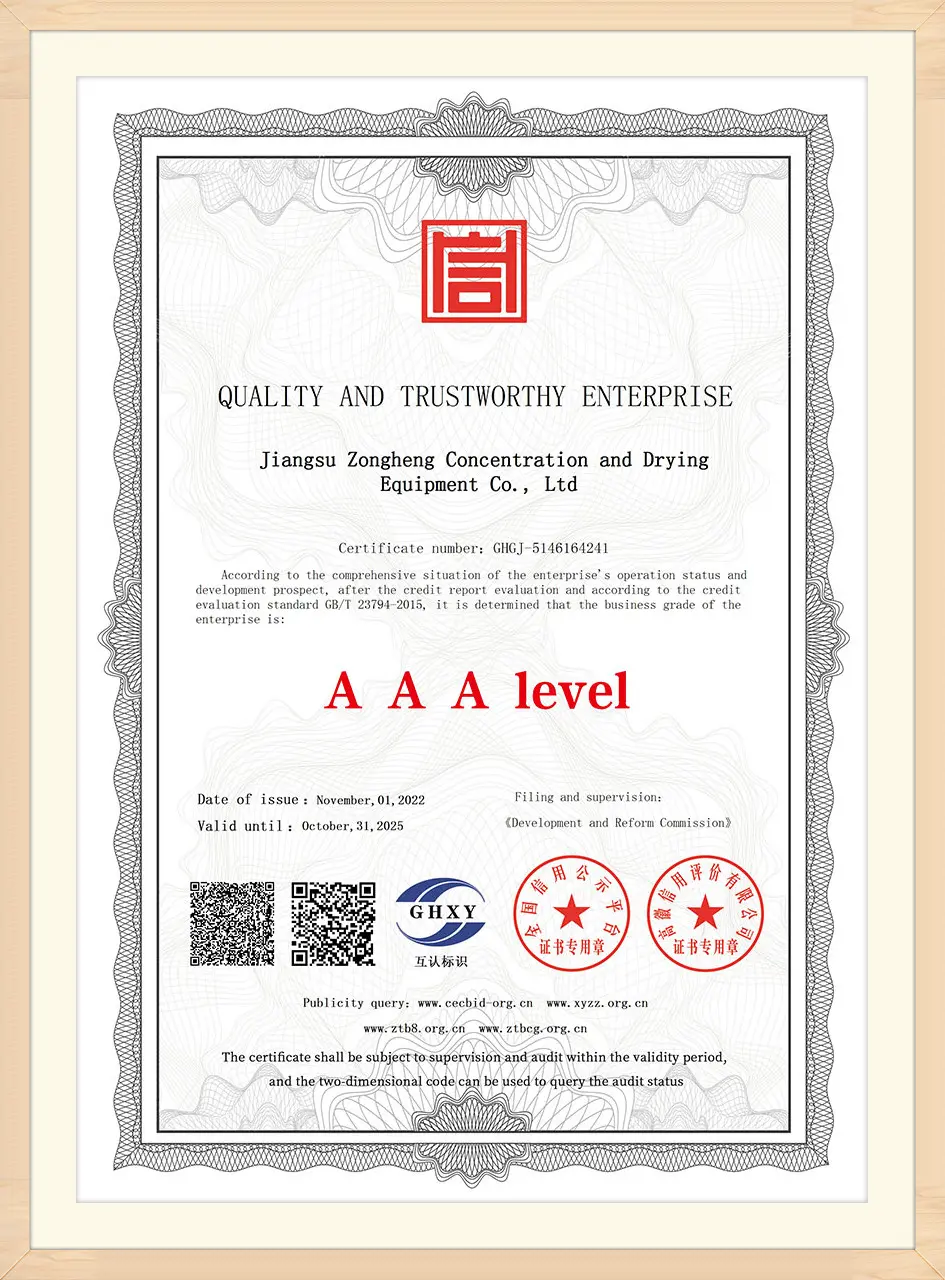
Secured international quality system certification (Certificate No.: 45021), validating our quality assurance programs across all lines of fabrication.
Earned the American Society of Mechanical Engineers (ASME) "U" Stamp authorization, opening doors to custom pressurized vessel fabrication for the global oil, gas, and chemical sectors.
Awarded the Special Equipment Manufacturing License of the People's Republic of China (License No.: TS2232C42), authorizing the creation of Category III medium and low-pressure vessels.
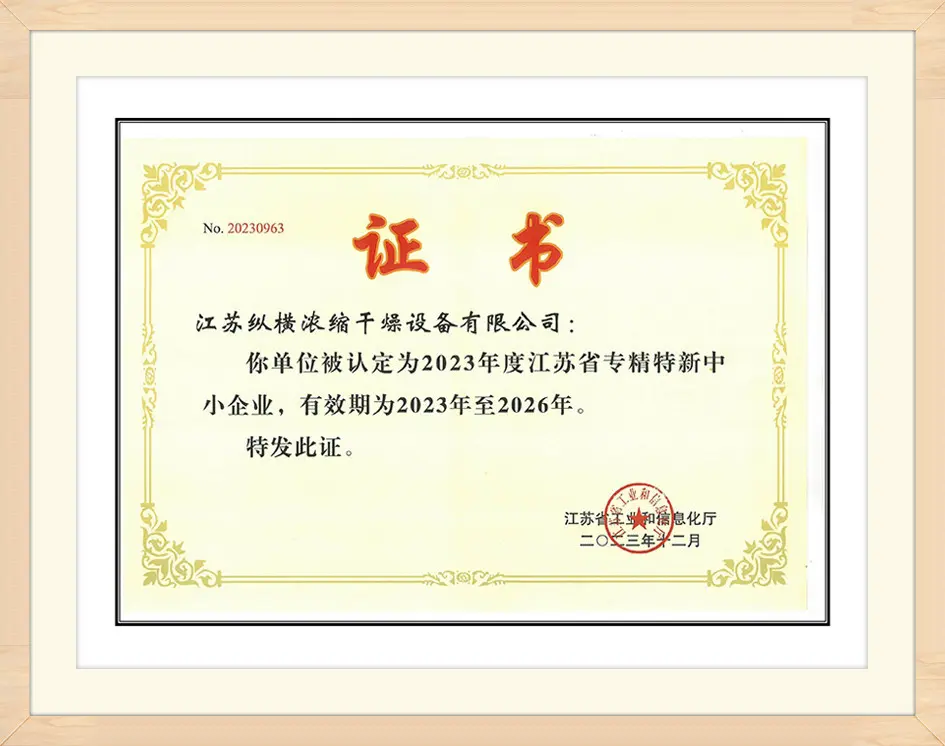
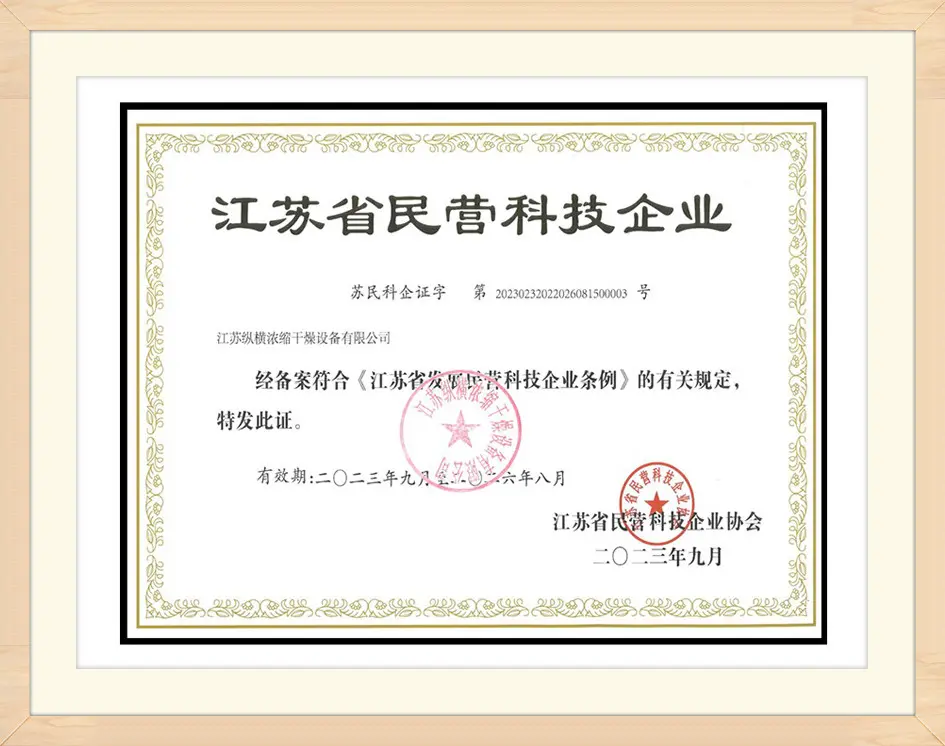
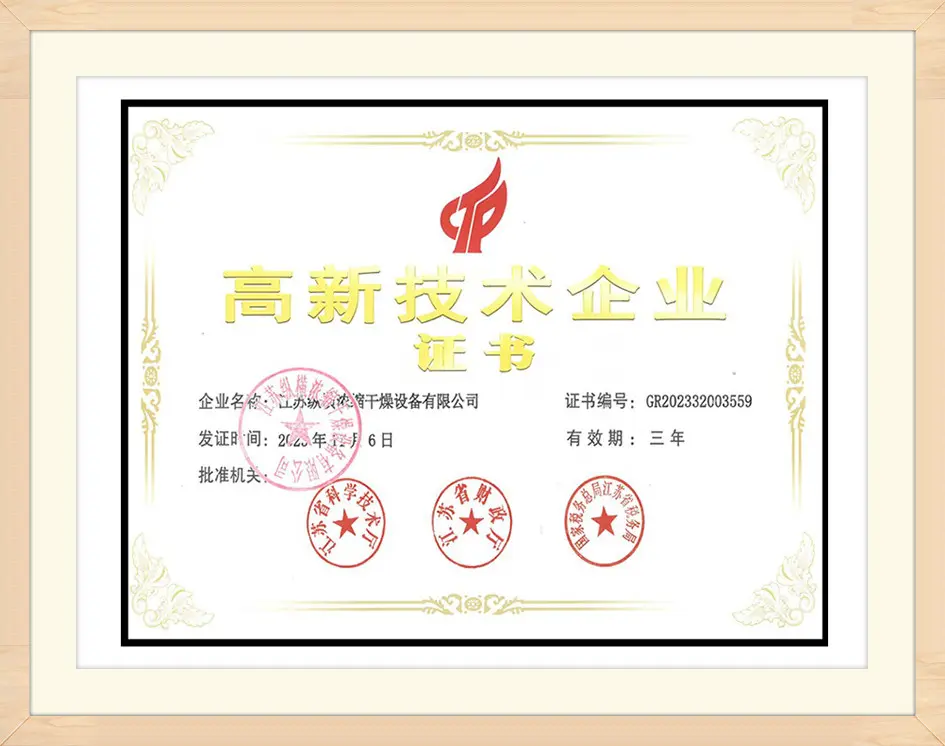
Formally recognized as a Jiangsu Provincial High-Tech Enterprise, acknowledging our innovative work in thermal and mechanical separation machinery.
Obtained our ISO9001 certification, standardizing internal project management, material sourcing, and mechanical design workflows.
Founded as Yixing Yangxi Light Industrial Machinery Factory on the shores of Taihu Lake. Began designing regional separation systems with 45 dedicated specialists.
Contact our thermal engineering division today for custom designs, simulations, and budget quotes tailored to your plant footprint.
 Jun 18, 2026
The evaporator absorbs heat to vaporize media, while the condenser releases heat to liquefy vapor; the two perform opposite cooling and heating functions. Operating under low pressure, the evaporator generates cold energy and concentrates target solutions efficiently...
 Zongheng