Explore our leading product range covering evaporation plants, dewatering solutions, and refining machines built for peak thermodynamic efficiency.
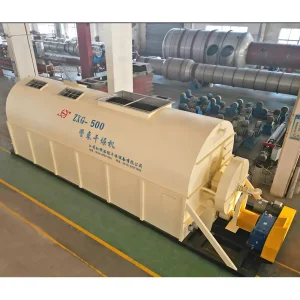
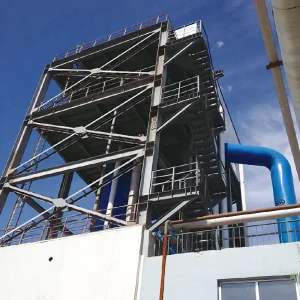
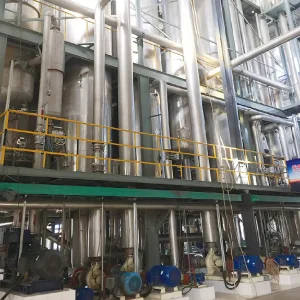
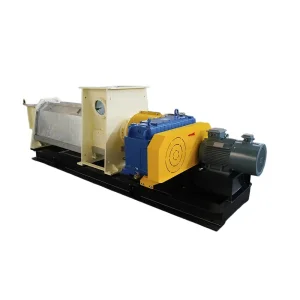
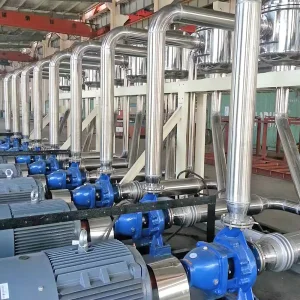
A Technical Whitepaper on Advanced Thermal Separation, Compliance Frameworks, and Global Manufacturing Capabilities.
At its core, a Single-Effect Evaporator utilizes thermal energy transfer to separate volatile solvents—typically water—from non-volatile solutes. While multi-effect evaporators re-use secondary steam across sequential stages to maximize energy economy, a single-effect configuration remains the optimal engineering solution for processing low-throughput volumes, highly viscous materials, crystalline slurries, and heat-sensitive organic compounds.
The fundamental heat transfer mechanism relies on the equation: Q = U · A · ΔT_eff, where Q represents the heat transfer rate, U is the overall heat transfer coefficient, A is the thermal transfer surface area, and ΔT_eff is the effective temperature difference. In single-effect operations under vacuum conditions, boiling points are suppressed, minimizing thermal degradation of complex raw materials such as starch derivatives, pharmaceutical extracts, and dairy products.
"The choice of single-effect system is heavily dictated by Boiling Point Elevation (BPE) and scaling risks. In industrial scenarios where crystallization is required, single-effect evaporation coupled with forced circulation ensures liquid velocities remain high enough (typically 1.5 - 3.5 m/s) inside the heat exchange tubes to inhibit fouling."
— Chief Engineering Officer, Jiangsu Zongheng
The performance of single-effect evaporators is defined by their Steam Economy (defined as the mass of water evaporated per unit mass of heating steam consumed). Typically, a single-effect evaporator operates with a steam economy in the range of 0.85 to 0.95. For high-volume recovery, developers often utilize thermal vapor recompression (TVR) or mechanical vapor recompression (MVR) modifications to boost efficiency. However, for specialized waste-treatment streams and pilot plants, the reliability, ease of maintenance, and lower capital expenditure (CAPEX) of a traditional single-effect system make it an indispensable standard.
| Evaporation Technology Type | Typical Steam Economy | Suitable Viscosity Range | Boiling Point Elevation (BPE) Tolerance | Primary Industrial Use Cases |
|---|---|---|---|---|
| Single-Effect Evaporation (Standard) | 0.85 - 0.95 | Low to Medium (< 200 cP) | Moderate (up to 15°C) | Small-scale chemical recovery, herbal extractions, high-purity laboratory chemicals. |
| Forced Circulation Single-Effect | 0.80 - 0.90 | Extremely High (< 2000 cP) | High (up to 40°C) | High-scaling wastewater treatment, zero liquid discharge (ZLD), crystallization plants. |
| Multi-Effect Evaporator (3-Effect) | 2.2 - 2.5 | Medium | Low (cumulative BPE penalty) | Starch sweetening concentration, bulk alcohol DDGS, industrial wastewater. |
| MVR Evaporation Plant | Equivalent to 10 - 20 | Medium | Low to Moderate (< 10°C BPE) | Large-scale environmental treatment, food industry concentration, starch washing. |
For European industrial procurement, evaporators must conform to the Pressure Equipment Directive (PED) 2014/68/EU and the Machinery Directive 2006/42/EC. These regulations govern the design, materials, manufacturing, testing, and documentation of all containment vessels operating under pressures exceeding 0.5 bar.
Our factory partners undergo strict independent third-party audits (e.g., TÜV, SGS) to verify:
Years of Industrial Innovation
Design & Process Engineers
Total Factory Areas (m²)
Production Plant Area (m²)
China is home to the world's most robust industrial manufacturing supply chain, offering unmatched competitive advantages in the production of high-alloy evaporation equipment. Located in the heart of this manufacturing hub, Jiangsu Zongheng utilizes local economies of scale, integrated raw material sourcing, and specialized metallurgical clusters to fabricate high-precision components at a highly competitive total cost of ownership.
Unlike small fabricators, our factory integrates advanced design with automated welding machines, large-scale pickling pools for anti-corrosion treatment, and direct access to port facilities. This allows us to guarantee shorter lead times and comply with global standards like ASME "U" stamp, ISO9001, and CE PED.
The industrial concentration industry is pivoting toward smart manufacturing and reduced carbon footprints. Current trends in evaporation design include:
Over three decades of precision manufacturing, international quality certifications, and engineering excellence.
The company covers a total area of over 54,000 square meters, with production workshop space exceeding 22,000 square meters. It currently employs 3 senior engineers and over 20 engineers and assistant engineers, with a total staff of 120 people.
International quality system certification (Certificate No.: 45021), establishing a complete quality assurance system aligned with international standards.
Acquired the ASME "U" Stamp authorization, marking the company's entry into a new phase of development.
Obtained the Special Equipment Manufacturing License of the People's Republic of China (License No.: TS2232C42).
Formally recognized as a Jiangsu Provincial High-Tech Enterprise.
The company took the lead in obtaining the ISO9001 registration.
Jiangsu Zongheng Concentrating and Drying Equipment Co., Ltd, formerly known as Yixing Yangxi Light Industrial Machinery Factory, was established with a total area of approximately 15 mu and 45 employees.
Engineered for high thermal transfer rates, minimal fouling, and long operational cycles.
Jiangsu Zongheng's MQG Airflow Dryer employs high-speed hot air to suspend and fluidize the material. By utilizing impulse airflow generated from precisely varied tube diameters, it continuously tumbles the particles while conveying them. This design ensures rapid, uniform, and efficient drying throughout the entire transportation process within the system.
View DetailsA falling film evaporator efficiently concentrates heat-sensitive liquids. The feed liquid forms a thin film flowing down heated vertical tubes, where it partially evaporates. Vapor generated flows parallel to the liquid, enhancing the process. It ensures a short residence time and low operating temperature, preserving product quality. The system requires proper liquid distribution and complete surface wetting to prevent fouling and maintain high thermal efficiency and operational stability.
View DetailsJiangsu Zongheng Concentrating and Drying Equipment Co., Ltd. (formerly Yixing Yangxi Light Industry Machinery Factory), founded in 1992, is located in Zhoutie Town, Yixing City, on the shores of the beautiful Taihu Lake. The company covers an area of over 54,000 square meters, with a production workshop area of over 22,000 square meters.
Jiangsu Zongheng is a modern high-tech enterprise specializing in the manufacturing of concentration, drying, starch industry, alcohol DDGS, and Category III medium & low-pressure vessel equipment. It is currently a member enterprise of the China Starch and Alcohol Association. Our products are widely used in industries such as food fermentation, alcohol, chemical, pharmaceutical, environmental protection, and petrochemical.
Learn More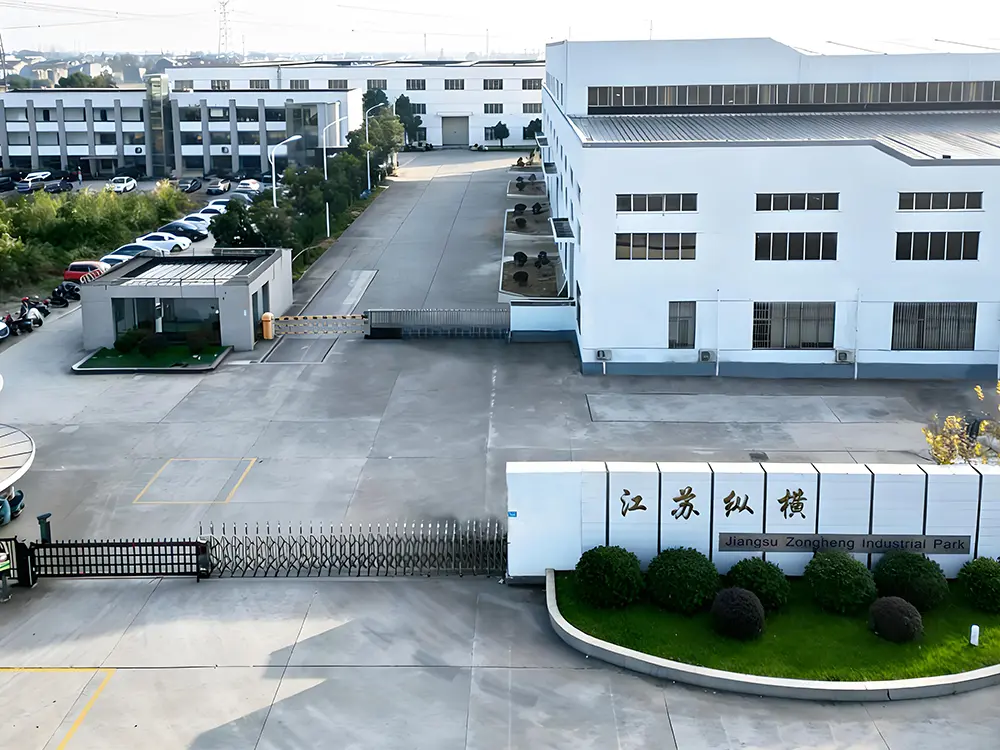
Our machinery has been field-tested in complex agricultural, waste treatment, and high-purity chemical processes.
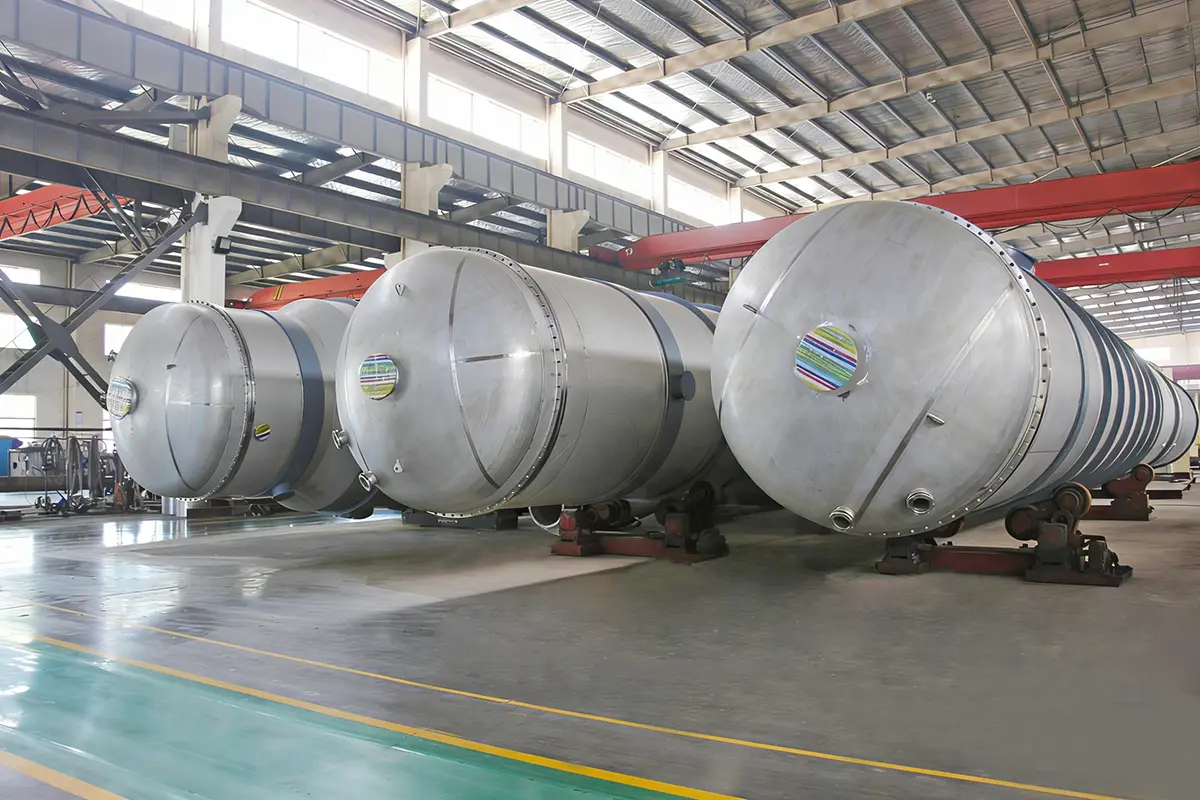
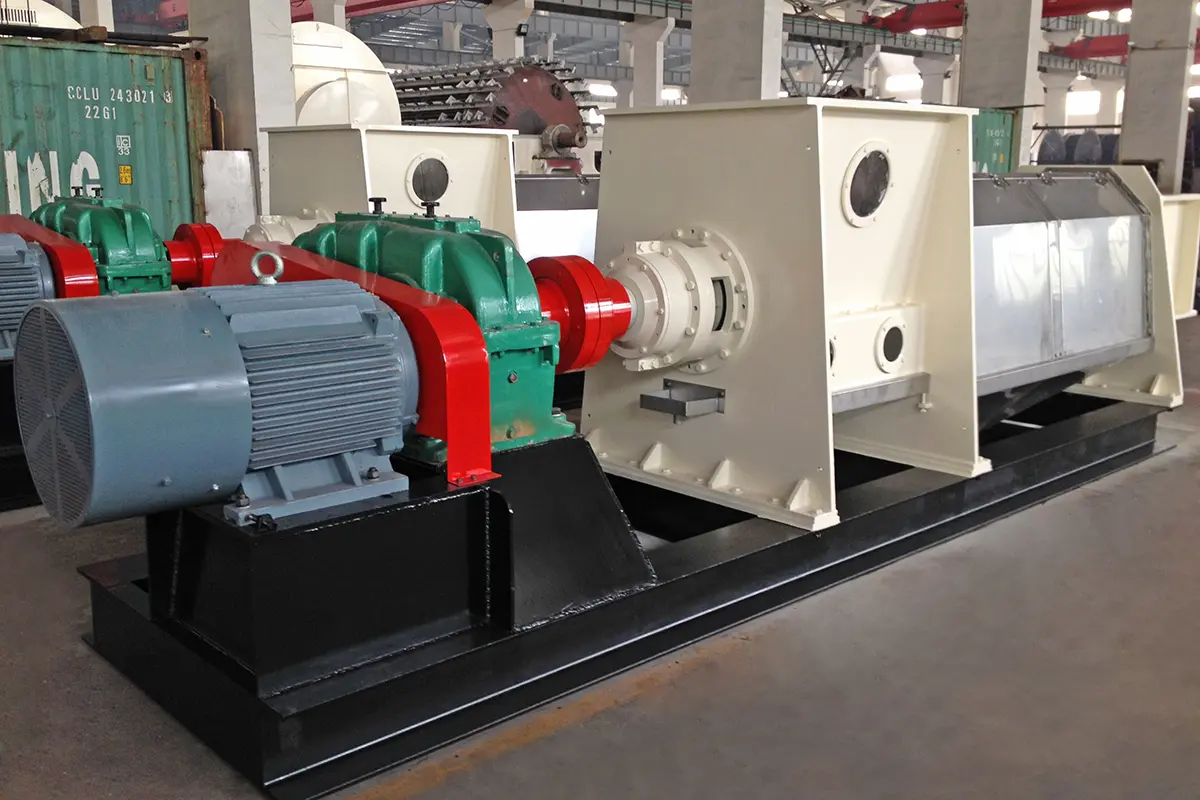
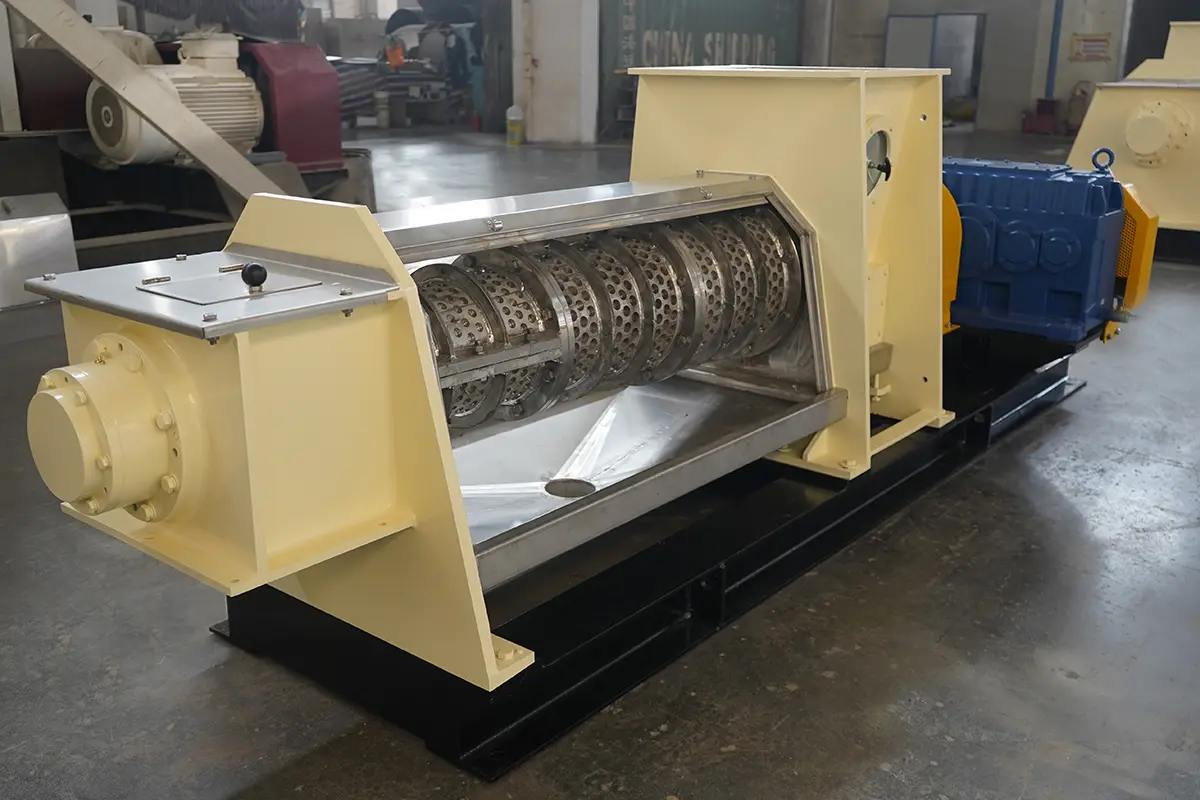
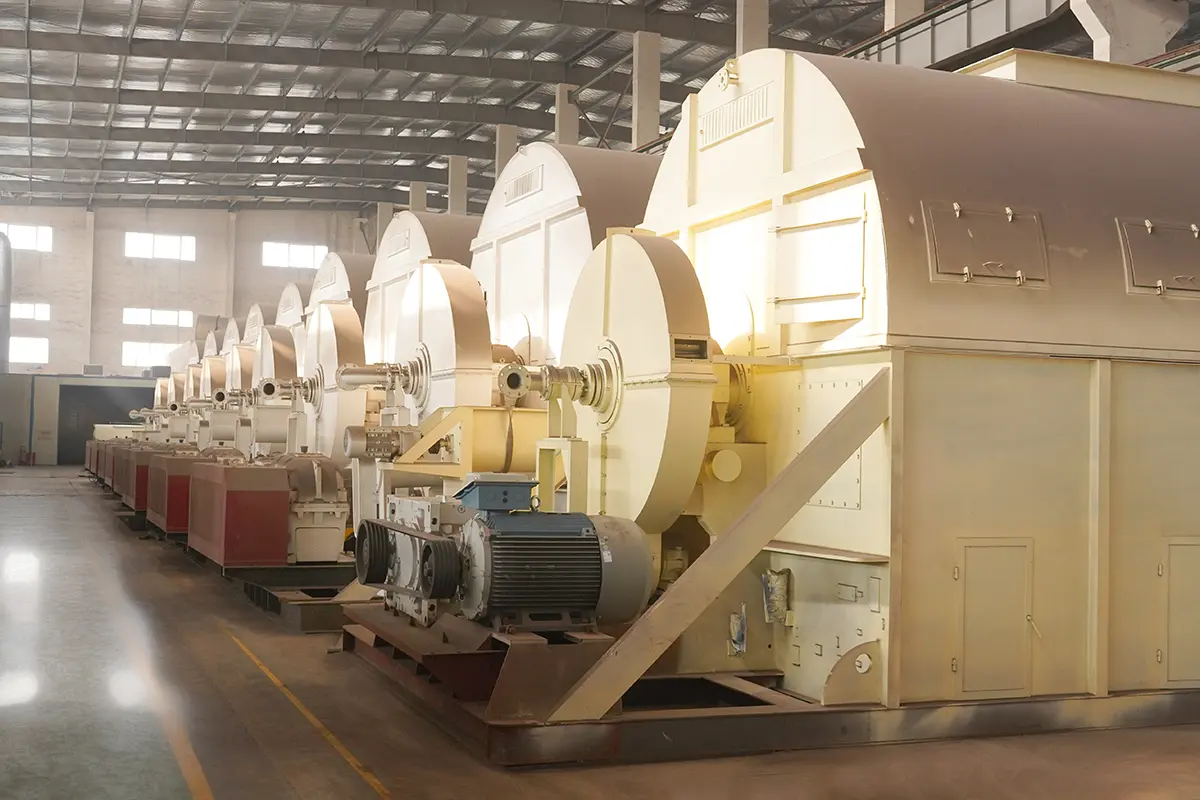
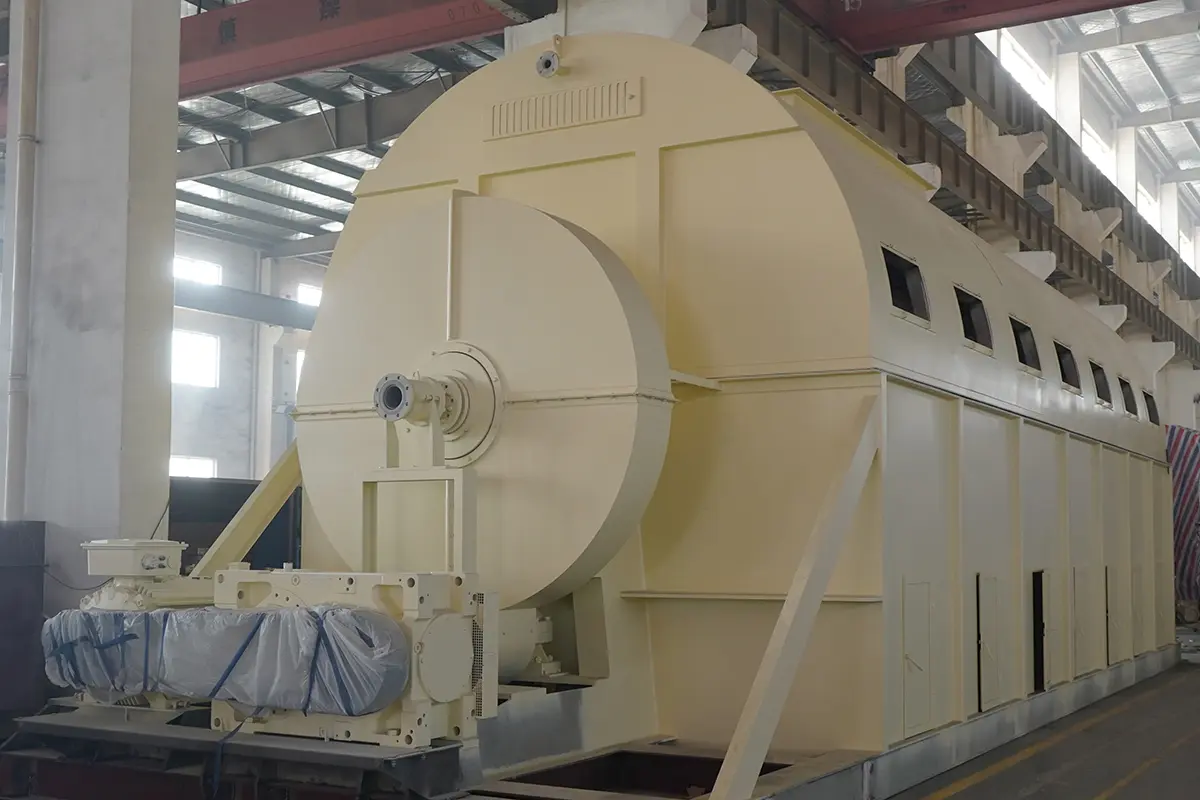
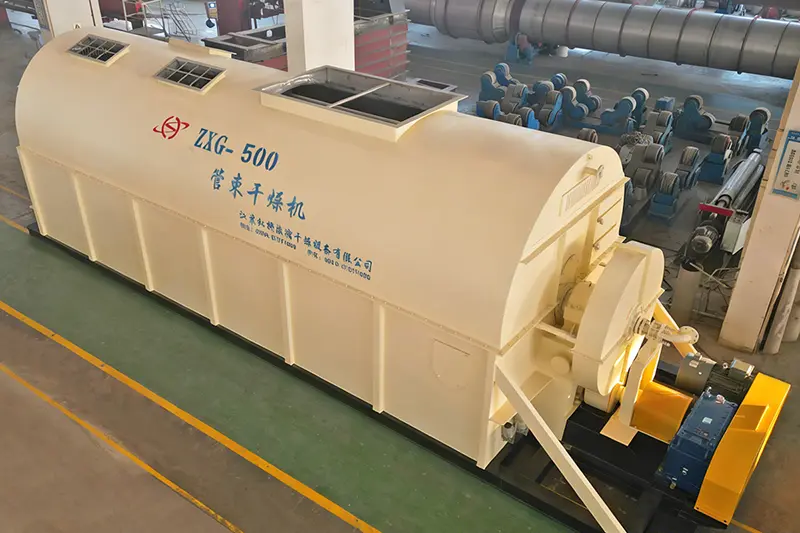
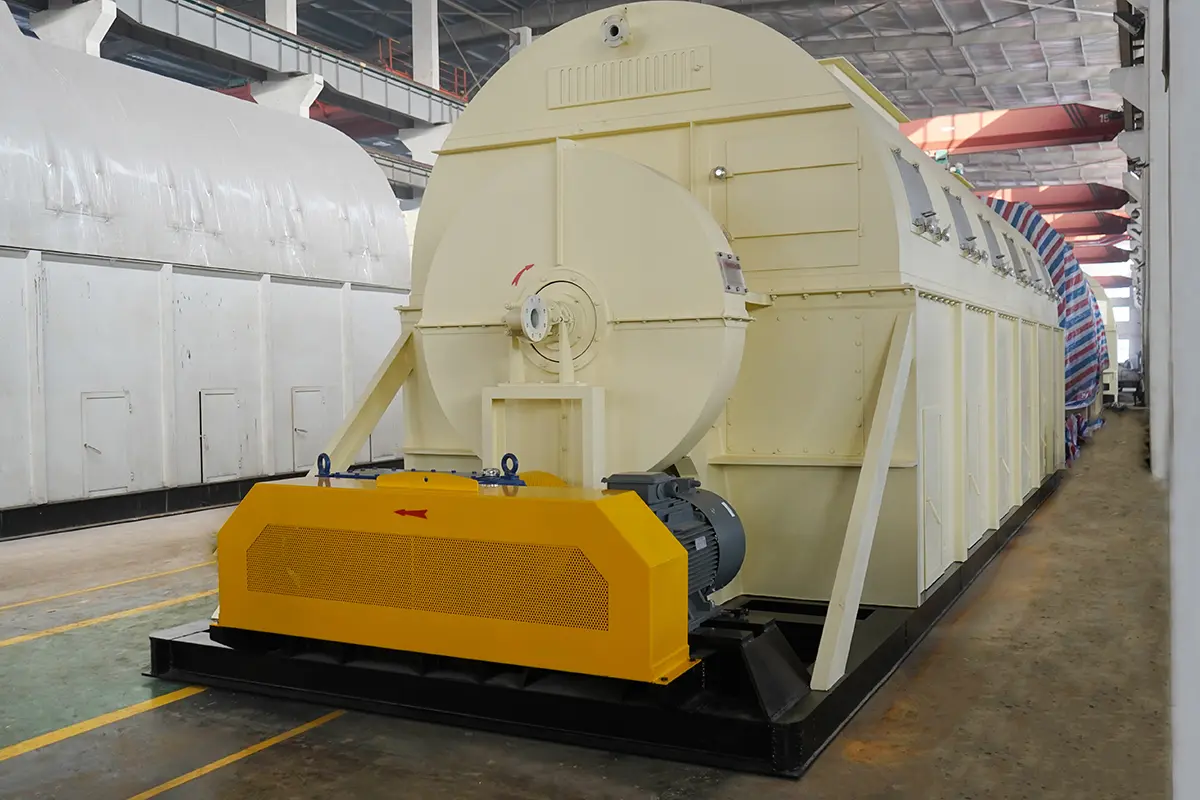
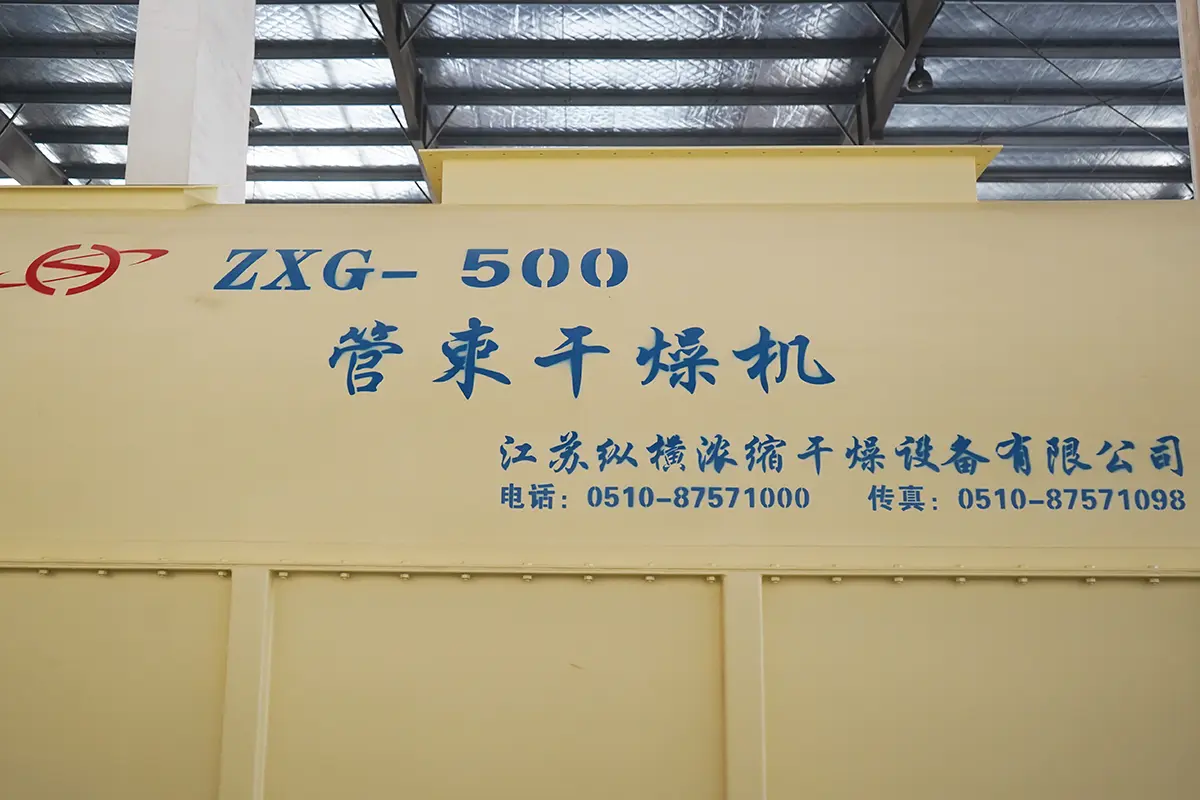
Ensuring compliance with structural and pressure-bearing global vessel standards.
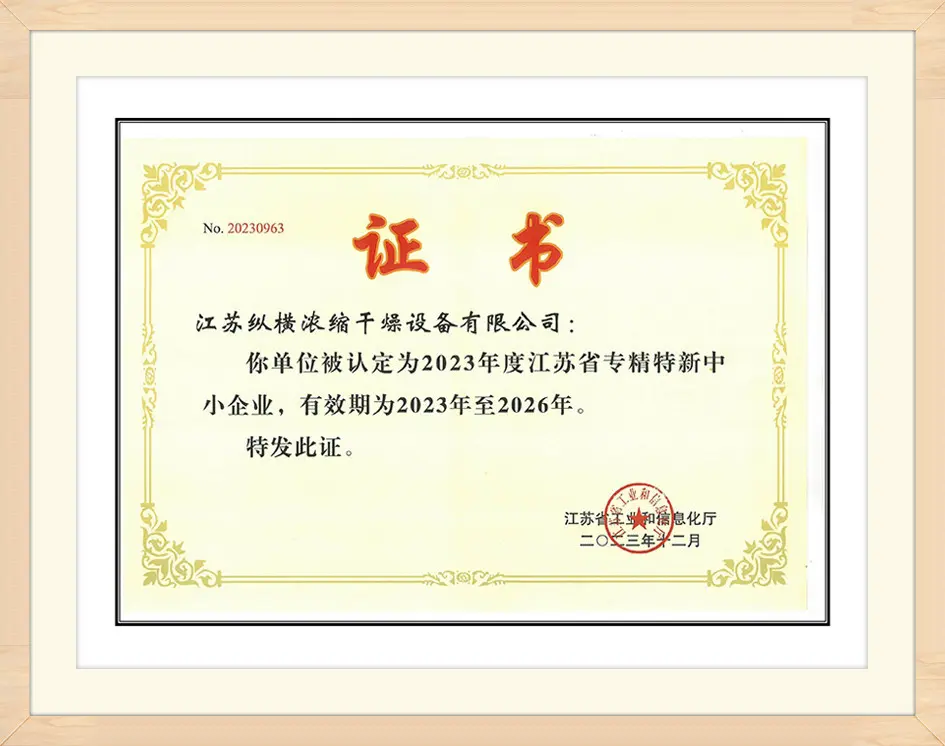
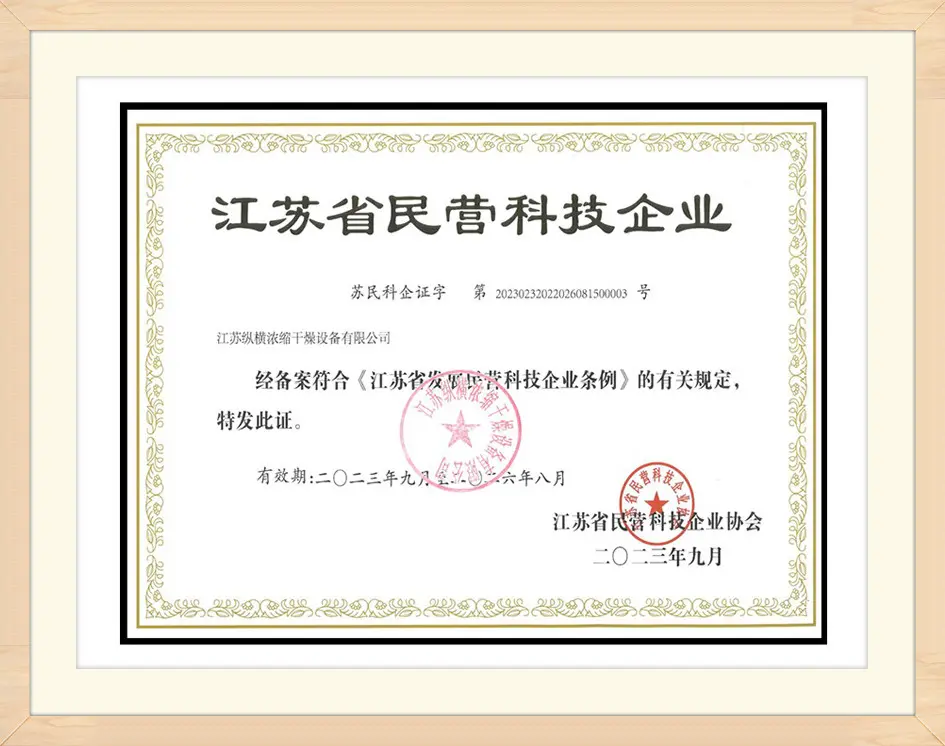
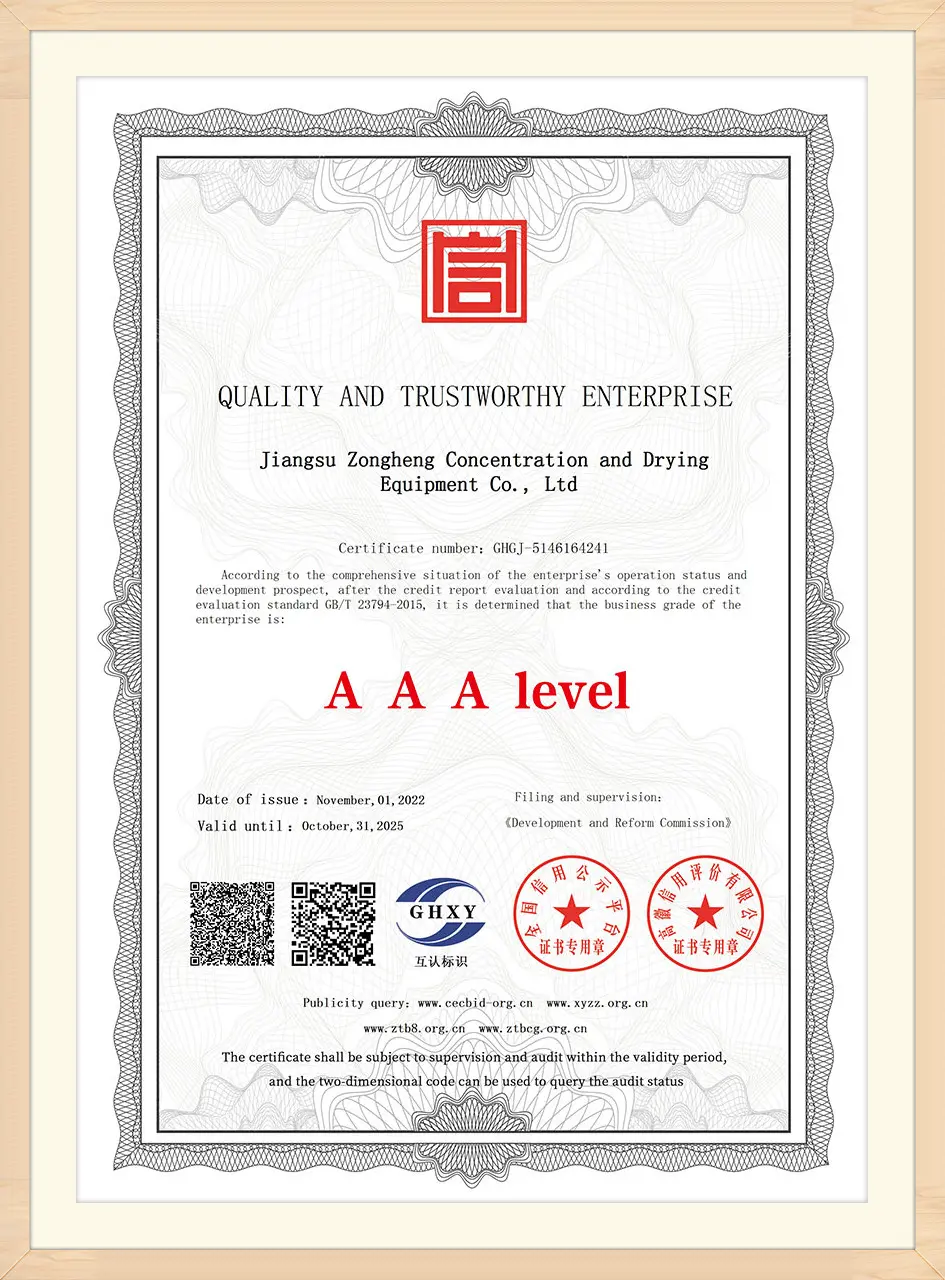
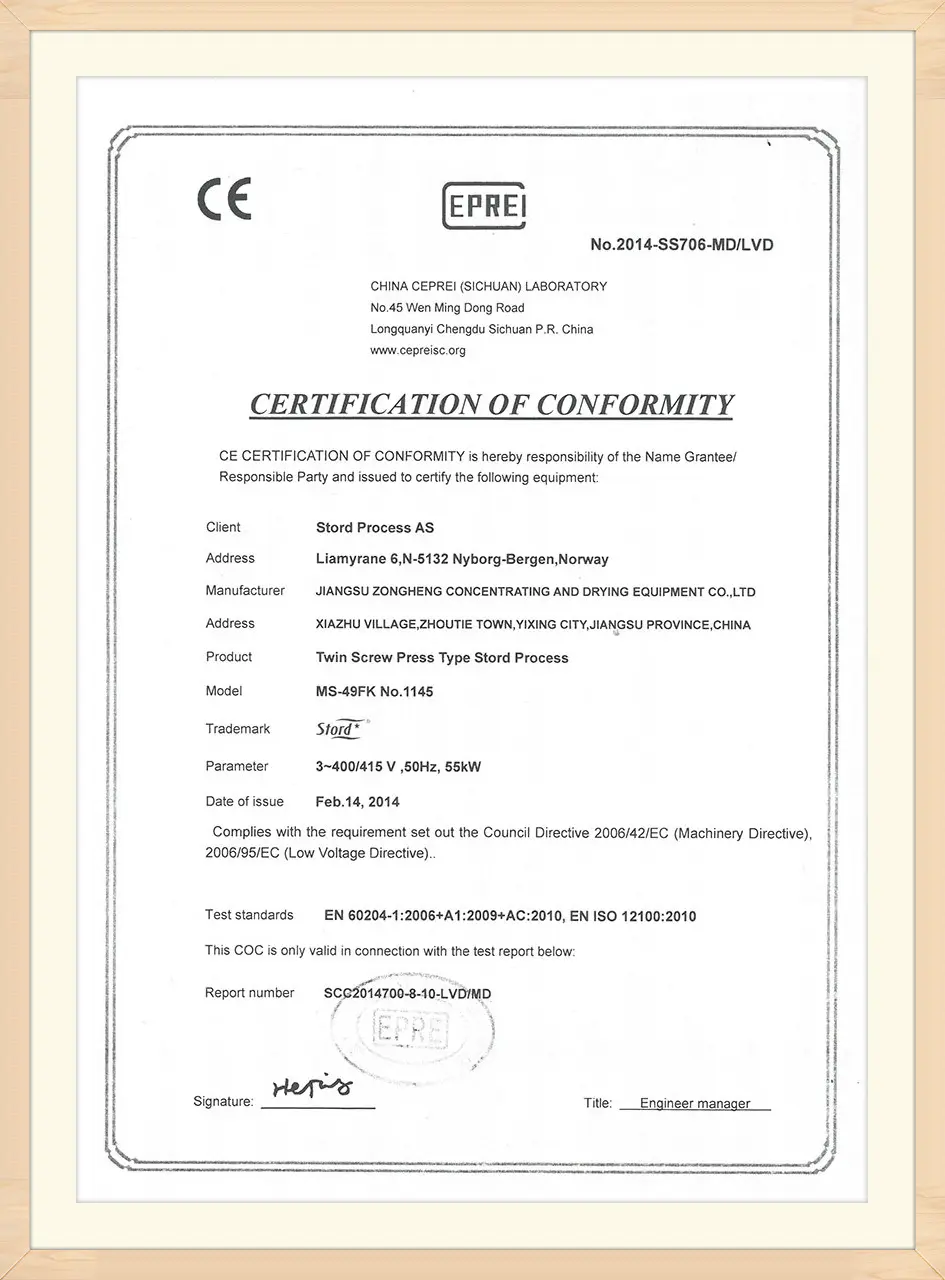
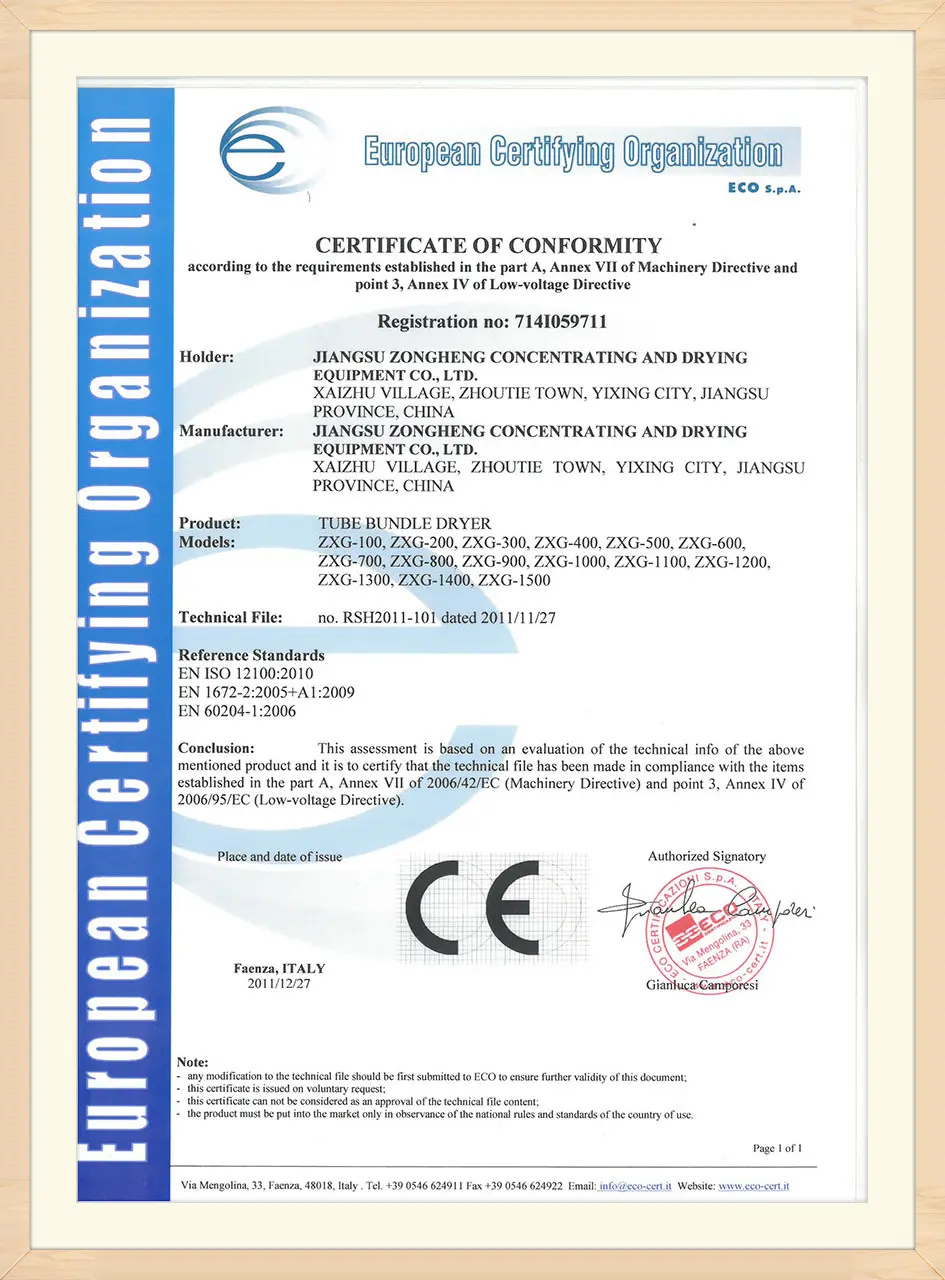
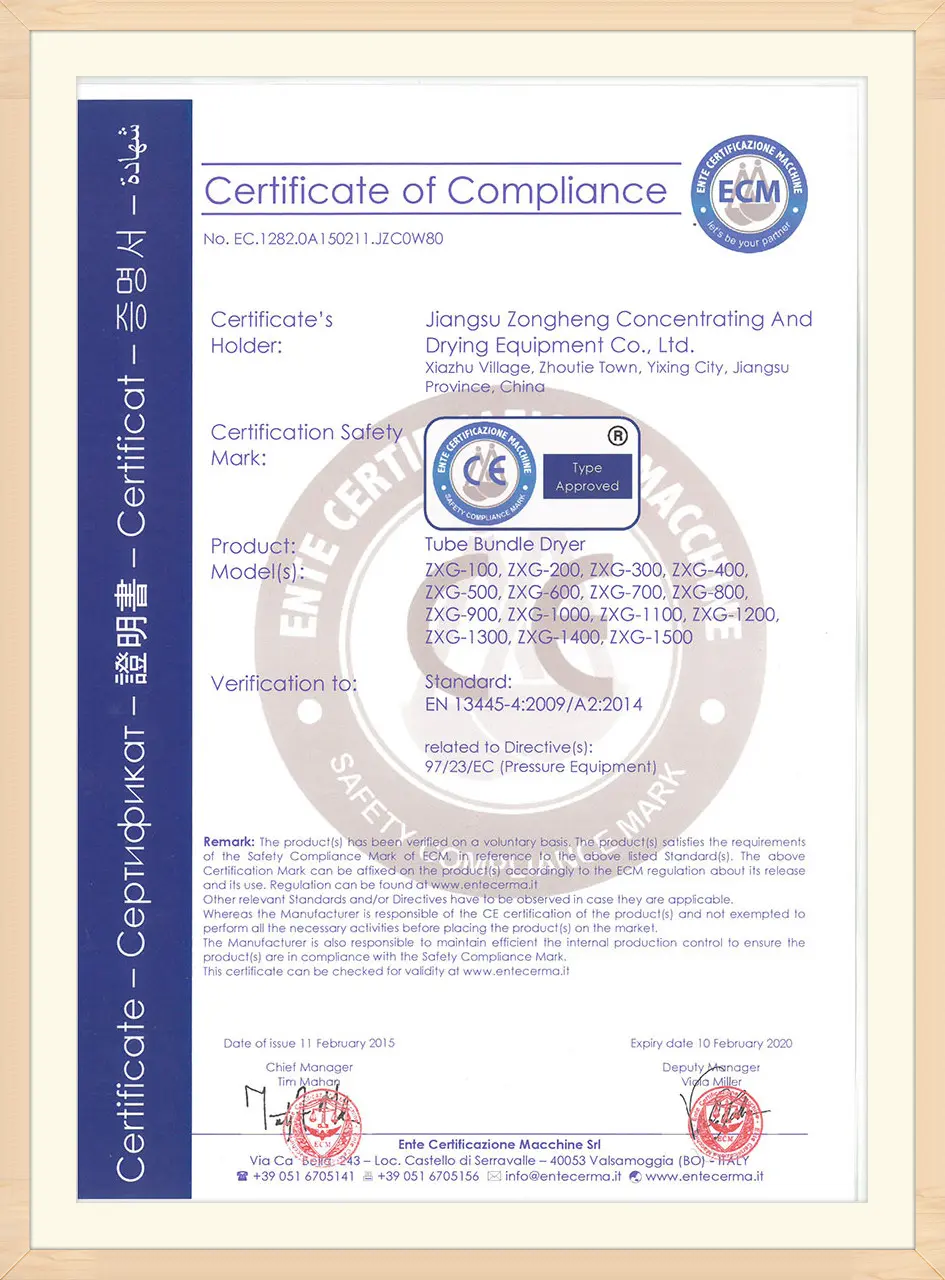
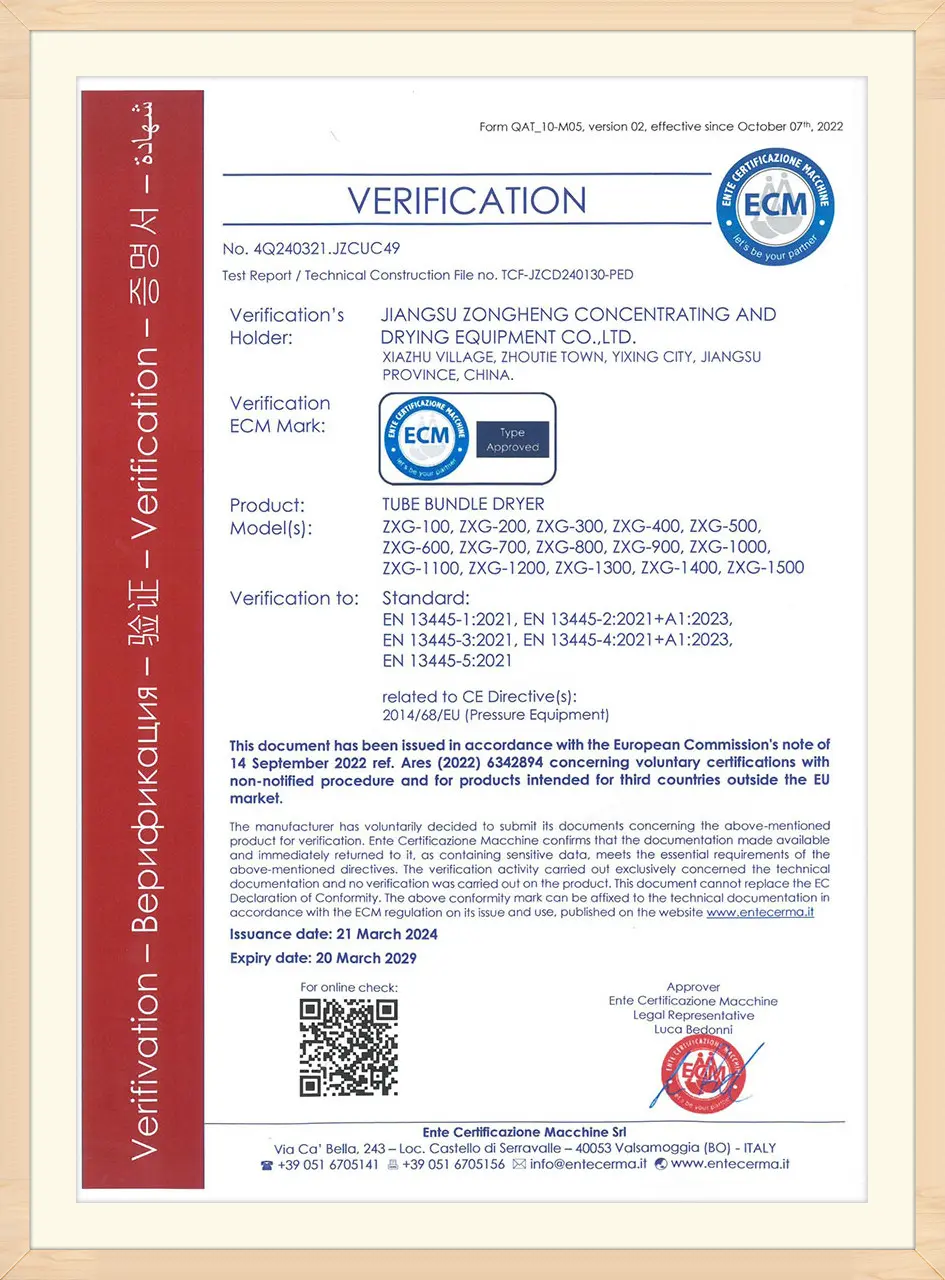
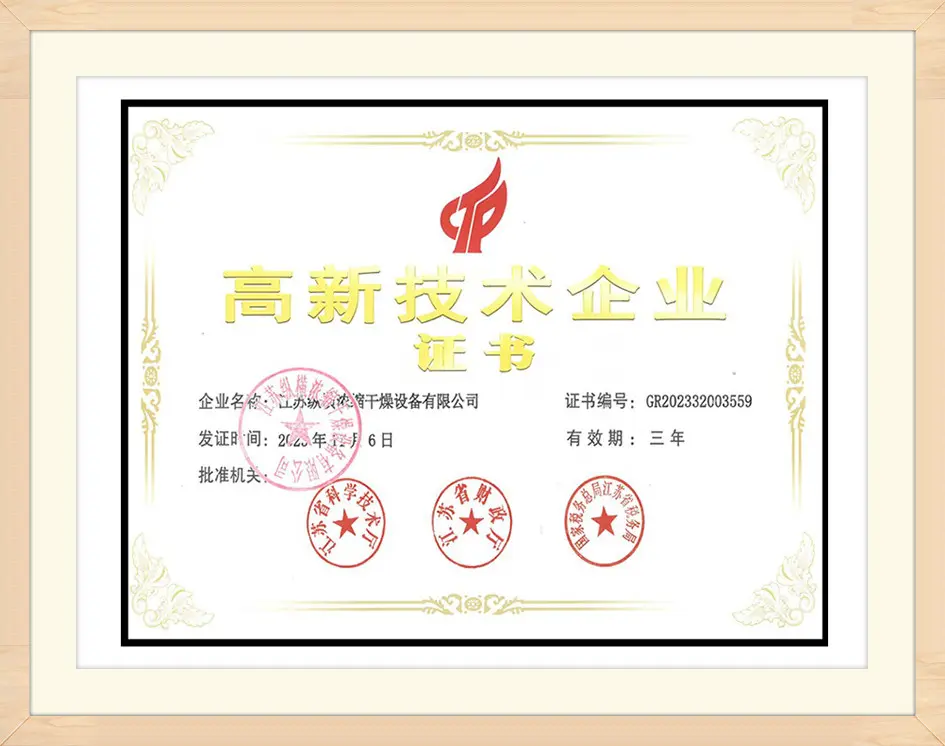
Detailed technical advice addressing the core design choices, vacuum operations, and regulatory processes.
Complete your industrial plant setup with our precision mills, cyclone separator groups, and heavy-duty screw presses.
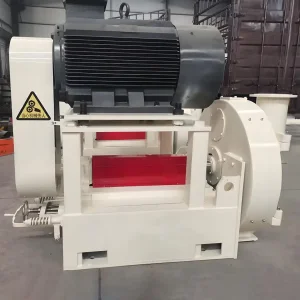
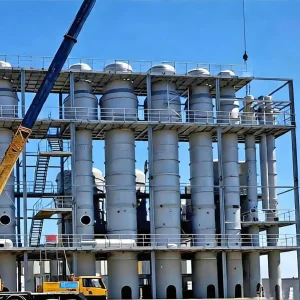
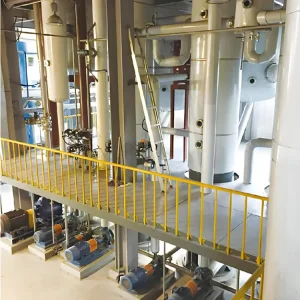
We warmly welcome friends from various industries, both domestic and international, to visit us for cooperation and mutual development!
Request a quoteGet to know our detailed contact information and receive professional guidance from our engineers.
View Details Zongheng