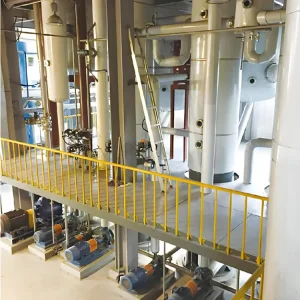
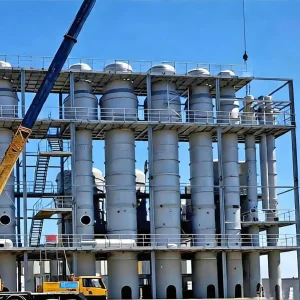
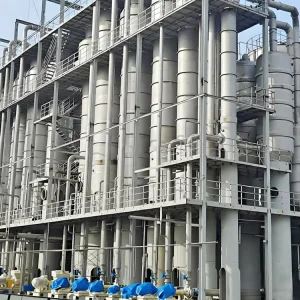
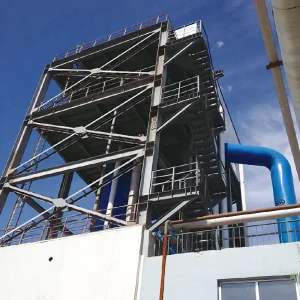
In modern process industries, the imperative to balance resource efficiency, environmental stewardship, and thermal performance has elevated the status of the Multiple Effect Evaporator (MEE) from standard utility hardware to a critical driver of industrial sustainability. As global manufacturing transitions towards low-carbon operating models, industrial thermal separation systems must deliver enhanced heat recovery metrics without compromising processing yield.
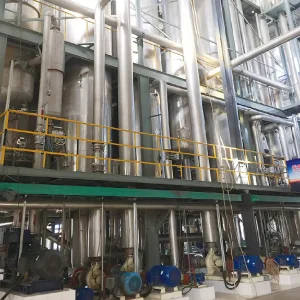
Multiple Effect Evaporation technology relies on cascade utilization of thermal energy. By utilizing the generated vapor from one effect as the heating medium for the subsequent effect (operating under a lower boiling point and corresponding reduced pressure), the thermal system achieves a dramatic reduction in fresh steam usage. In comparison to single-effect structures, which consume approximately 1.0 to 1.2 tons of steam per ton of water evaporated, a highly optimized 3, 4, or 5-effect system can achieve steam economy rates of 0.25 to 0.35, representing a crucial lever for operational cost reduction.
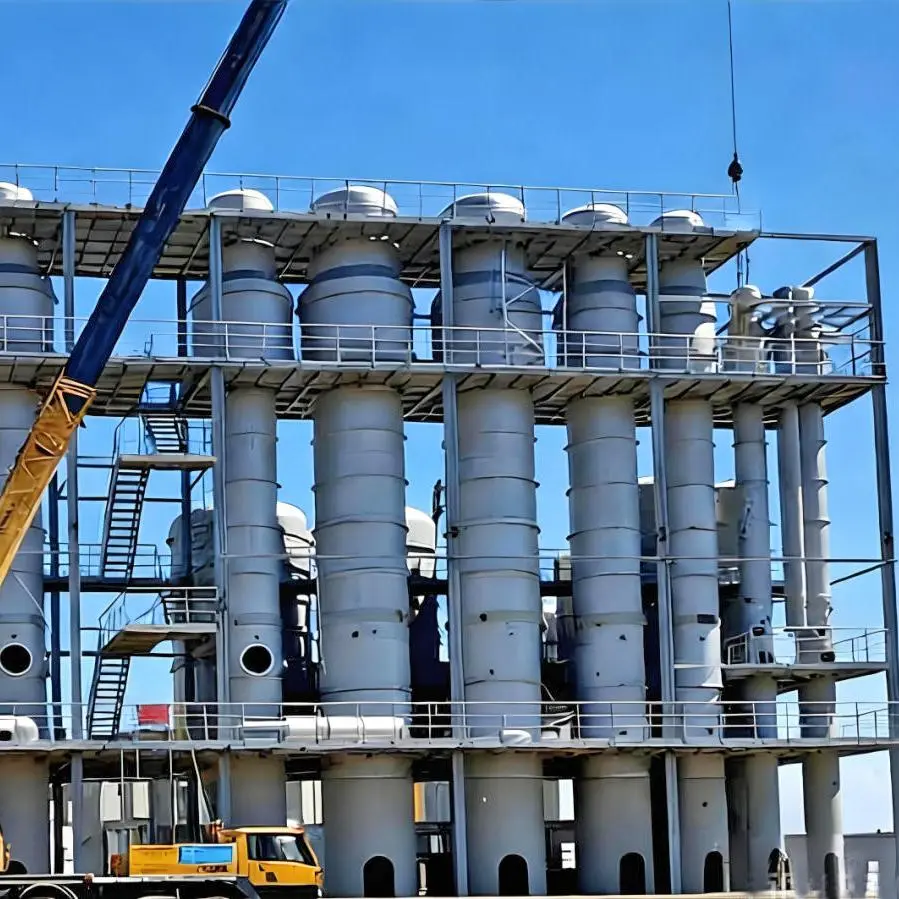
Surging global fuel and gas prices drive industrial facilities to demand systems with extreme thermal integration. MEE installations combined with Mechanical Vapor Recompression (MVR) or thermal vapor recompression (TVR) configurations represent the gold standard for reducing operational expenses.
Environmental policies across the EU, North America, and East Asia strictly mandate the reduction of wastewater disposal. Concentrators and crystallizers must reach high saturation points to facilitate salt crystallization and complete water recycling, transforming waste into resource loops.
Global procurement teams prioritize machinery carrying official CE Certification and ASME 'U' Stamp authorizations. Regulatory compliance guarantees structural integrity in high-pressure vessels, minimizing operational liabilities and legal hurdles in cross-border installations.
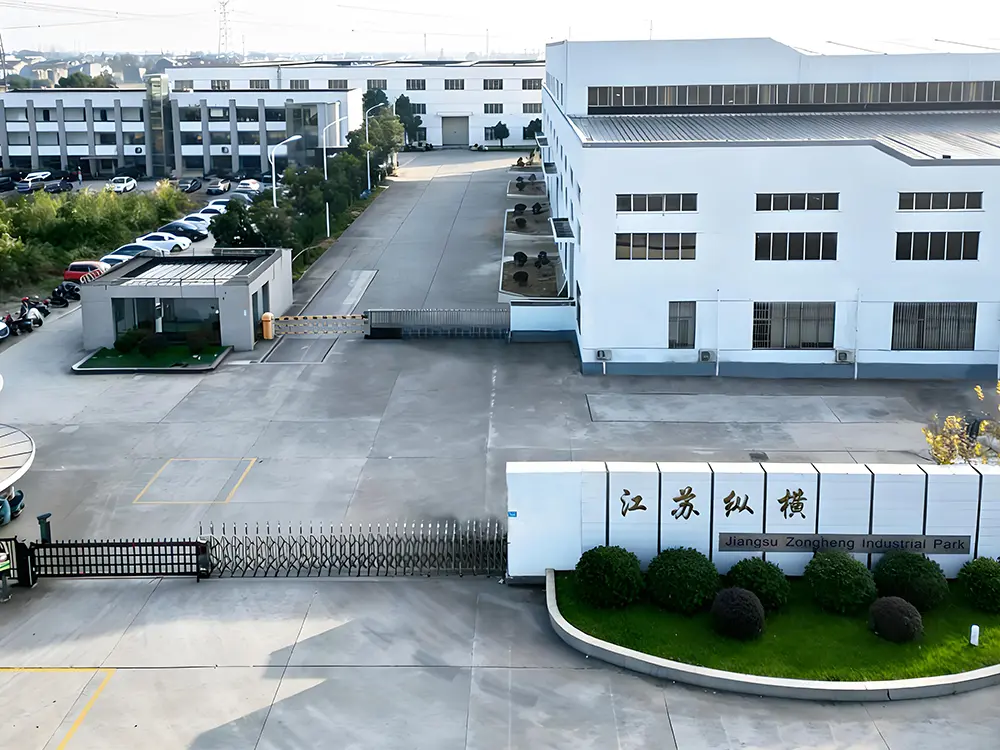
Developing industrial separation systems requires advanced design software, deep understanding of thermodynamic processes, and heavy industrial execution capabilities. China's manufacturing sector has transformed into a global source of supply chain resilience, driven by deep integration of metal fabrication, automated precision welding, and comprehensive raw-material access.
Jiangsu Zongheng, operating from our massive 54,000 square meter facility in Yixing City, embodies this industrial transition. By combining advanced ASME-certified engineering methods, automated structural assembly, and localized vertical integration of titanium, duplex stainless steel, and nickel-alloy supply chains, we significantly reduce manufacturing timelines. This complete operational model protects global clients from long procurement lead times, shipping volatility, and cost inflation.
A falling film evaporator efficiently concentrates heat-sensitive liquids. The feed liquid forms a thin film flowing down heated vertical tubes, where it partially evaporates. Vapor generated flows parallel to the liquid, enhancing the process. It ensures a short residence time and low operating temperature, preserving product quality. The system requires proper liquid distribution and complete surface wetting to prevent fouling and maintain high thermal efficiency and operational stability.
These plants are highly utilized in the concentration of corn steep liquor, starch hydrolysate, starch wastewater, fruit juice, and dairy products. By keeping thermal exposure to a minimum, protein degradation and chemical caramelization are avoided, ensuring premium product output.
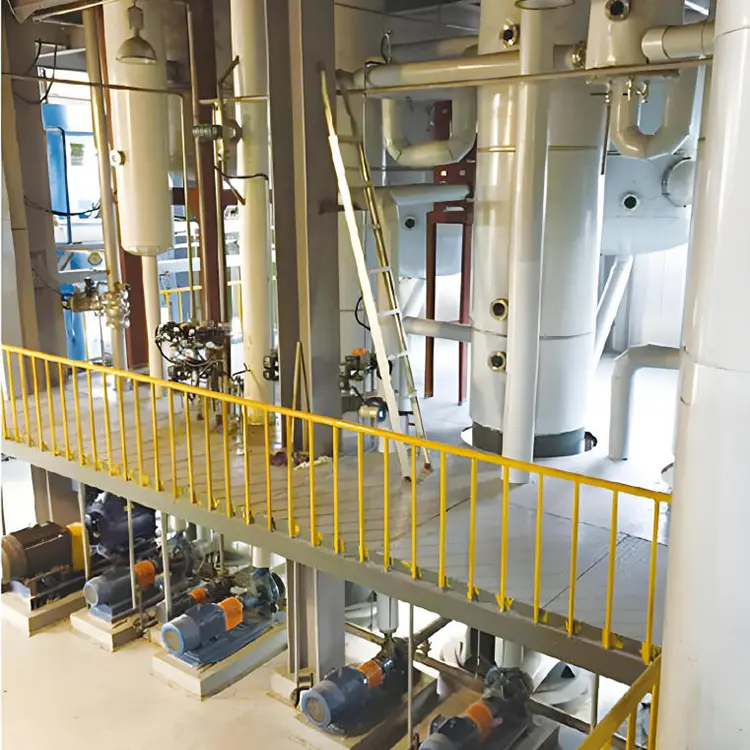
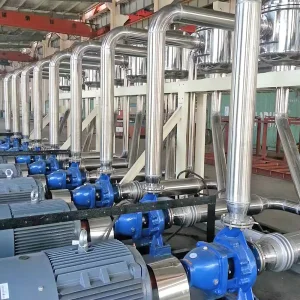
For high-viscosity media, crystallized slurries, and fluids with high scaling tendencies, forced circulation evaporation represents the industry standard. Relying on high-flow axial pumps, the fluid is pumped through heat exchanger tubes at high velocities. Boiling within the heat exchanger is prevented by suppressing vaporization through hydrostatic head pressure.
The vaporization process occurs exclusively when the superheated liquid flashes inside the separator vessel. This design significantly reduces fouling and scaling on heat transfer surfaces, ensuring uninterrupted runtimes in aggressive industries like chemical waste crystallization and corn wet milling refineries.
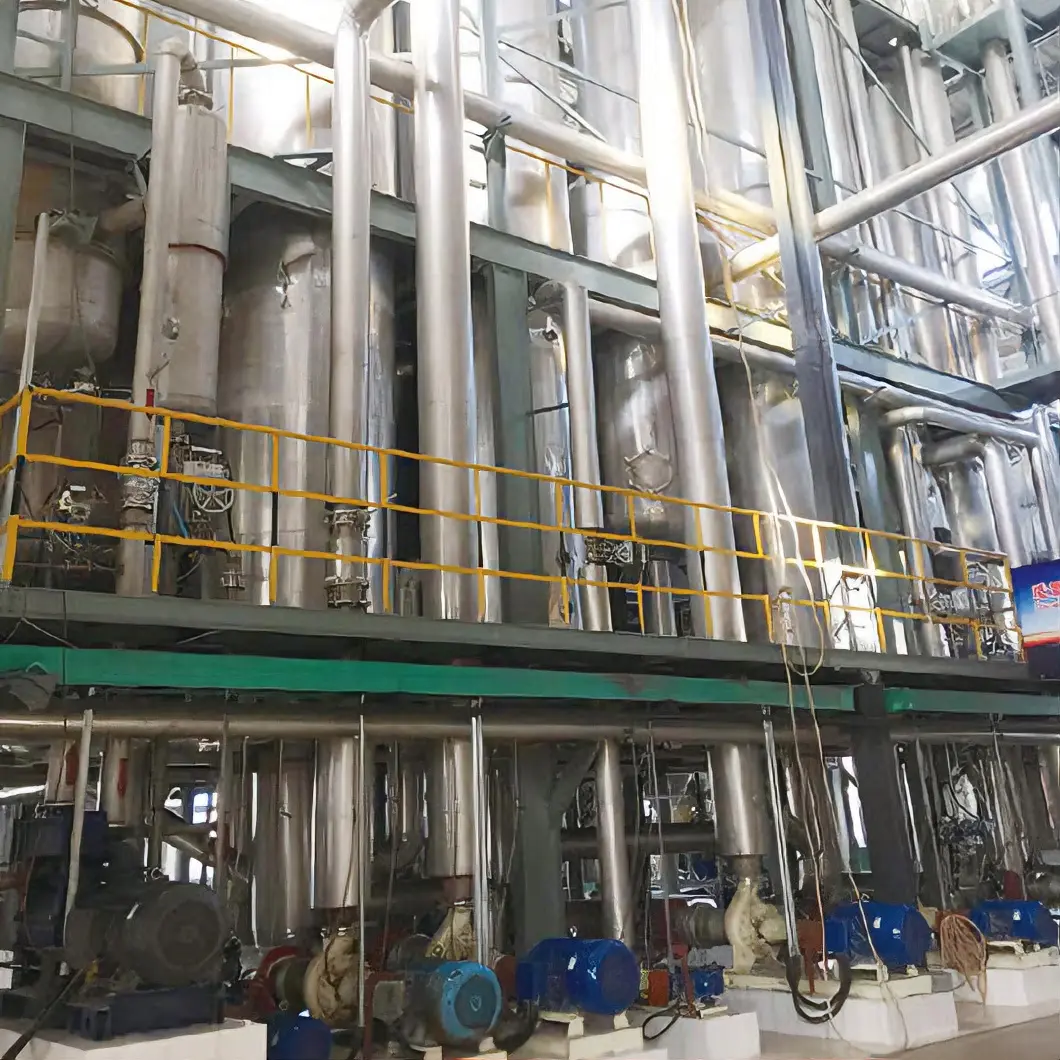
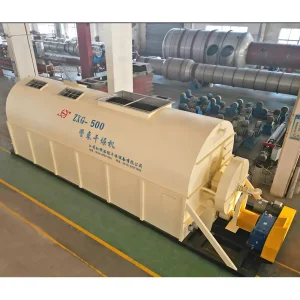
Complete product refinement requires balanced upstream separation and downstream drying technologies. High-speed thermal dewatering relies heavily on advanced drying hardware:
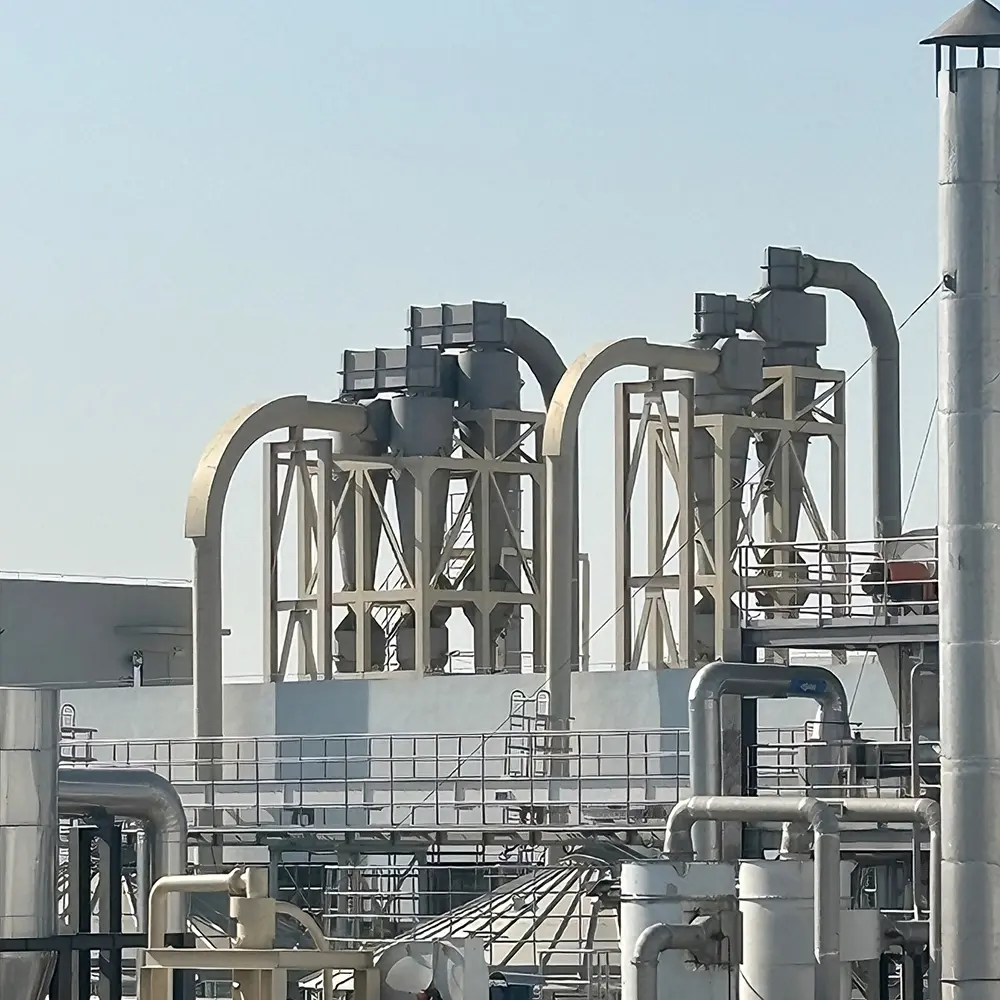
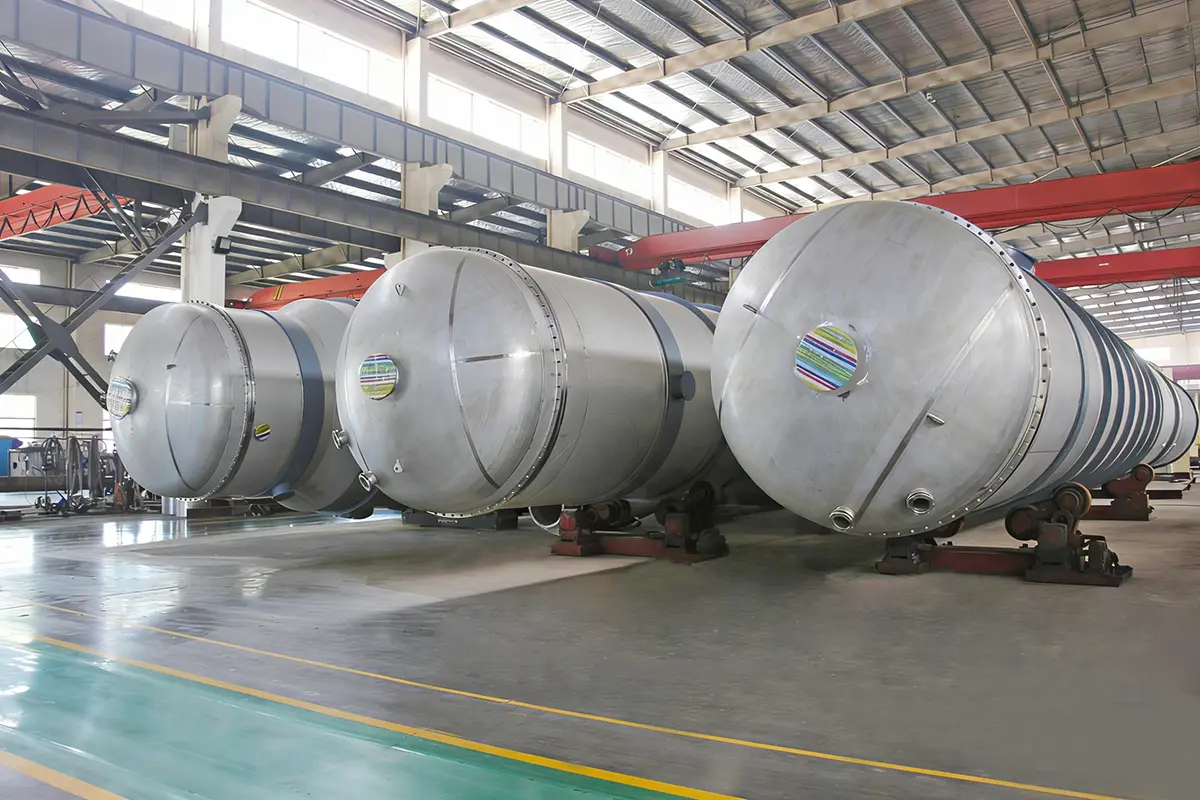
Processing gluten feed, germ separation, starch washing cyclones, and concentration of steep water require highly robust evaporation and drying networks.
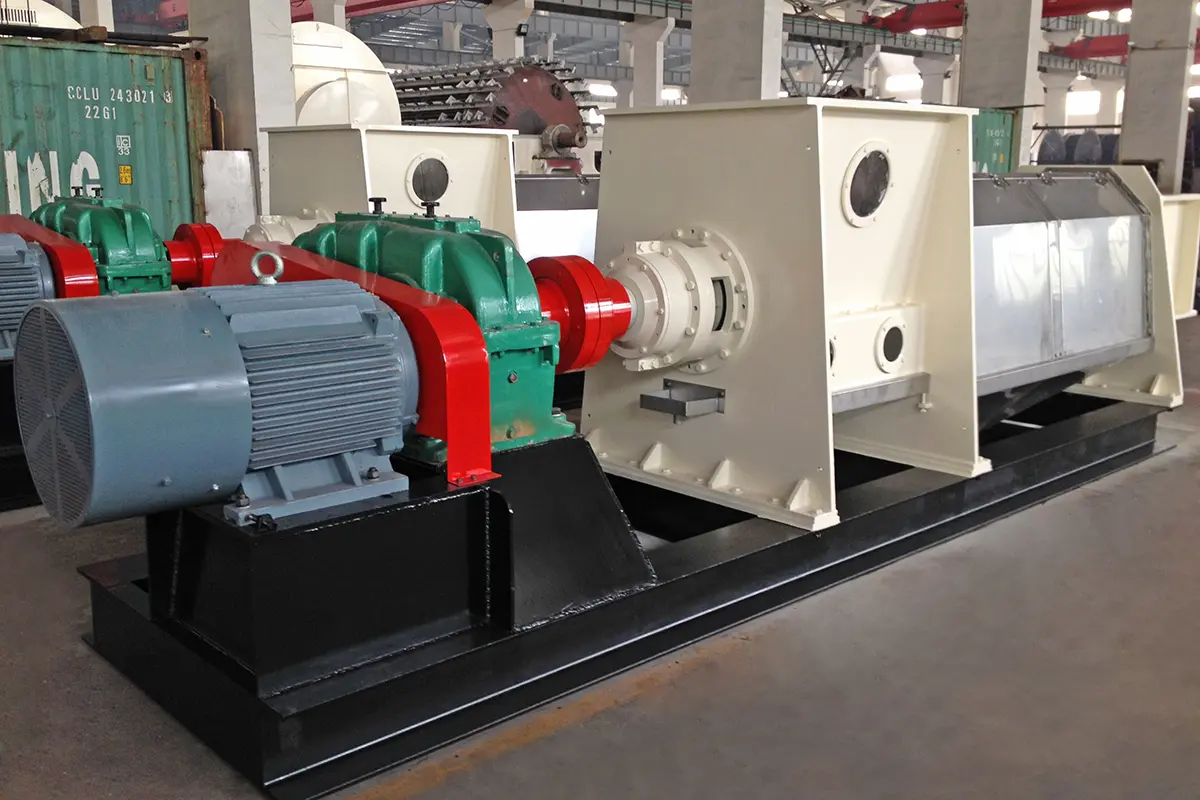
Industrial effluent streams containing heavy salts require continuous forced-circulation MEE crystallization systems to achieve dry solids for disposal.
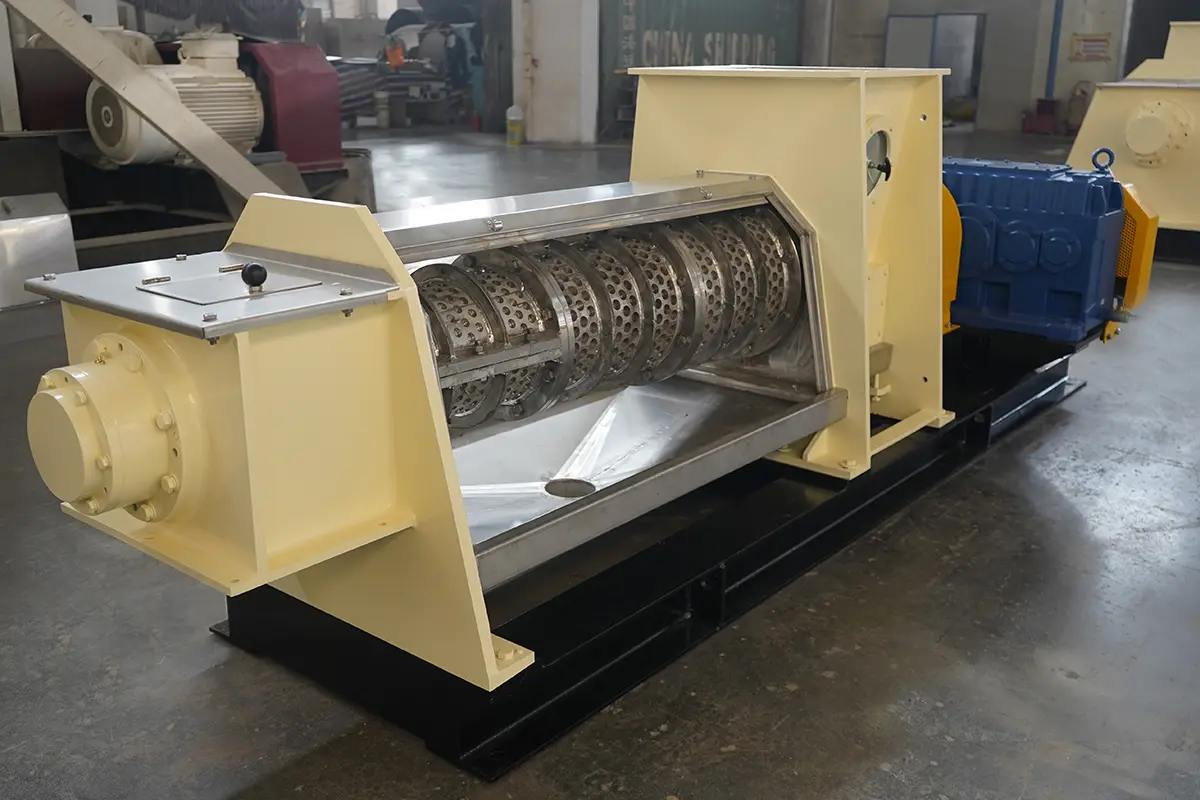
Concentrating distillery slops and drying Distillers Dried Grains with Solubles (DDGS) using waste heat integration reduces overall steam consumption.
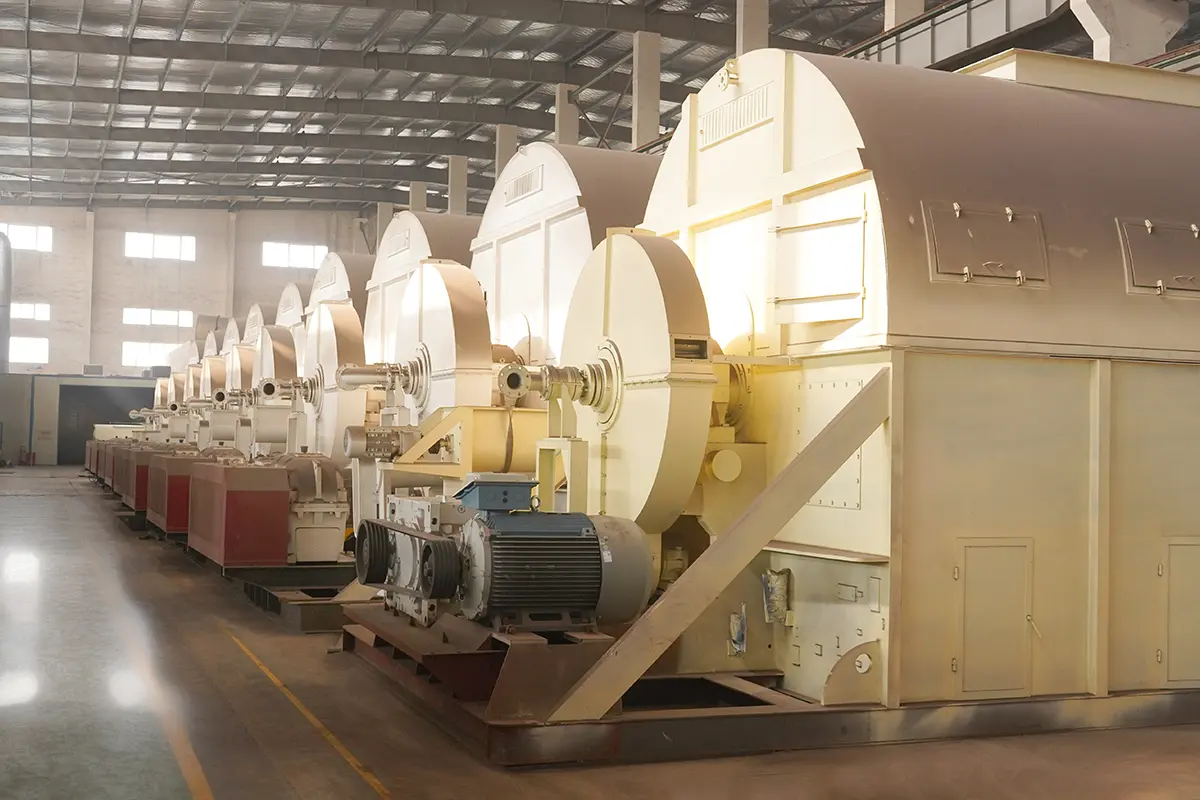
Utilizing low-pressure waste vapor from dryers and distillation systems as heat sources for multi-effect evaporators dramatically lowers site utility costs.
Our company covers a total area of over 54,000 square meters, with production workshop space exceeding 22,000 square meters. It currently employs 3 senior engineers and over 20 engineers and assistant engineers, with a total staff of 120 people.
Obtained international quality system certification (Certificate No.: 45021), establishing a complete quality assurance system aligned with international standards.
Acquired the prestigious ASME "U" Stamp authorization, marking the company's entry into high-end international process vessel supply chains.
The company obtained the Special Equipment Manufacturing License of the People's Republic of China (License No.: TS2232C42), granting authorization for medium and low-pressure vessel fabrication.
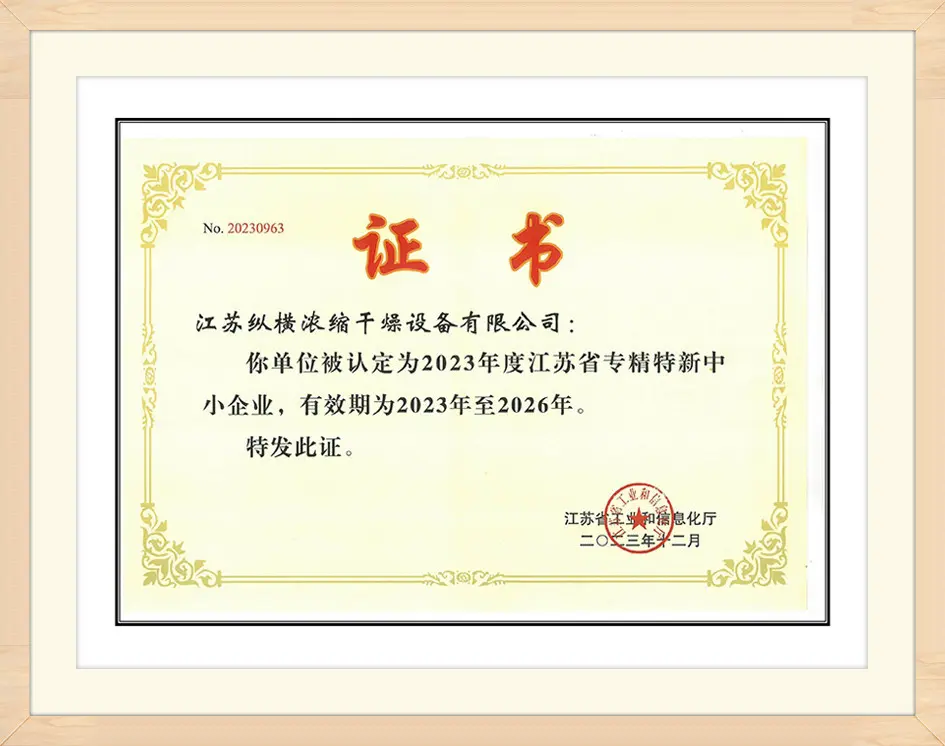
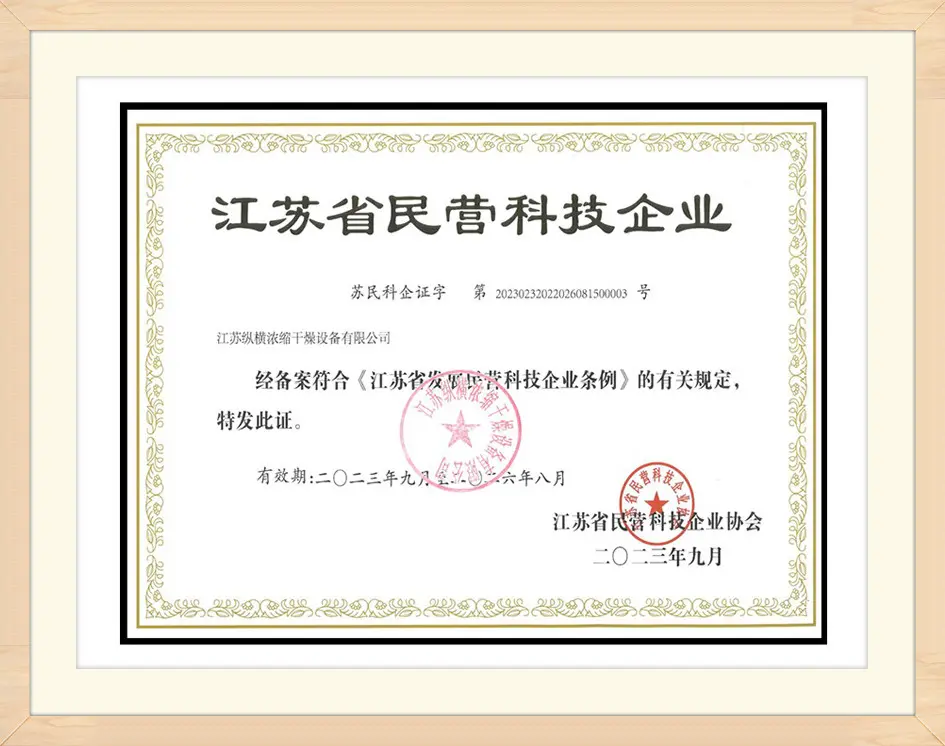
Recognized as a Jiangsu Provincial High-Tech Enterprise, celebrating technical innovation and energy-efficient design integrations.
Took the lead in obtaining ISO9001 certification, standardizing control protocols across all manufacturing departments.
Jiangsu Zongheng Concentrating and Drying Equipment Co., Ltd (formerly known as Yixing Yangxi Light Industry Machinery Factory) was founded in Zhoutie Town, Yixing City, on the shores of Taihu Lake, with 45 employees.
The primary advantage is steam economy. An MEE uses secondary steam generated from one boiling chamber to heat the next. For example, a triple-effect evaporator uses approximately 0.35-0.40 tons of primary steam to evaporate 1 ton of water, whereas a single-effect system requires 1.0-1.2 tons. This leads to a reduction of up to 70% in utility costs for high-capacity industrial plants.
CE Certification indicates that the pressure vessel and associated piping comply with the European Union's Pressure Equipment Directive (PED 2014/68/EU). This ensures that calculations for wall thickness, welding quality (using verified NDT methods), material stress tolerance under vacuum/pressure, and relief valve placement adhere to safety protocols, reducing the risk of catastrophic failure.
Choose Falling Film for clean, low-viscosity, and heat-sensitive liquids, as it operates with minimal residence times and low temperature differences. Choose Forced Circulation when the fluid has high viscosity, is prone to crystallizing, or contains scaling components. Forced circulation maintains high fluid velocity inside the tubes to prevent boiling and subsequent scale deposition on the heat-exchanging surfaces.
The ASME "U" Stamp is a globally recognized standard for pressure vessels. Sourcing vessels with ASME authorization ensures that the designer and factory have passed strict inspections of their quality control system, welding procedures, and raw materials. It simplifies compliance and licensing requirements in global markets like the US, Canada, Australia, and parts of Asia.
Waste heat, such as low-pressure exhaust steam from steam tube dryers, dryer vapors, or flash steam from condensation loops, can serve as the heating medium for the first or intermediate effects of the evaporator. This reduces the demand for live steam from the main boilers, saving energy and lowering operational carbon emissions.
Quality assurance is embedded in every phase of the engineering process at Jiangsu Zongheng. Our ASME "U" stamp, ISO9001 compliance, and Special Equipment Manufacturing License of the People's Republic of China confirm that our equipment design, metallurgical selection, welding quality, and pressure testing meet demanding international criteria.
Our testing facilities evaluate mechanical tolerances, pressure ratings, and surface finishes, ensuring that every falling film evaporator, tube bundle dryer, and starch cyclone operates reliably in continuous industrial environments.
June 18, 2026: Today, Jiangsu Zongheng Concentration and Drying Equipment Co., Ltd., a manufacturer of evaporators and industrial dryers, discusses the functional dynamics of modern thermal management. While the evaporator absorbs heat to vaporize process media, the condenser releases heat to liquefy vapor; the two perform opposite cooling and heating functions. Operating under low pressure, the evaporator generates cold energy and concentrates solids with high thermal efficiency. Integrating secondary and tertiary vapor recovery systems reduces fresh steam consumption, enabling green production loops for chemical, starch, and corn processing plants.
Get in touch with our design engineers for a custom-engineered heat balance calculation and system configuration quote.
 Zongheng