Explore our premium range of industrial evaporators, starch refining cyclones, and energy-efficient falling film plants built for heavy industries worldwide.

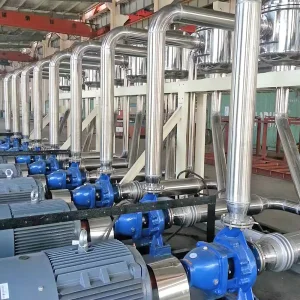
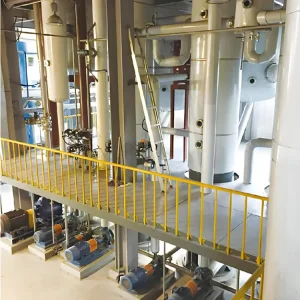
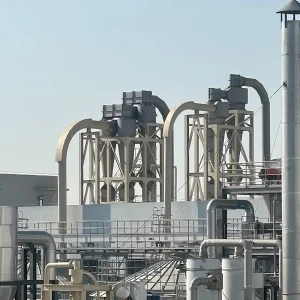
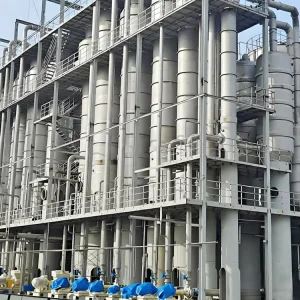
A technical guide on thermodynamic balance, energy consumption reduction, and mechanical designs of modern multi-effect evaporators (MEE).
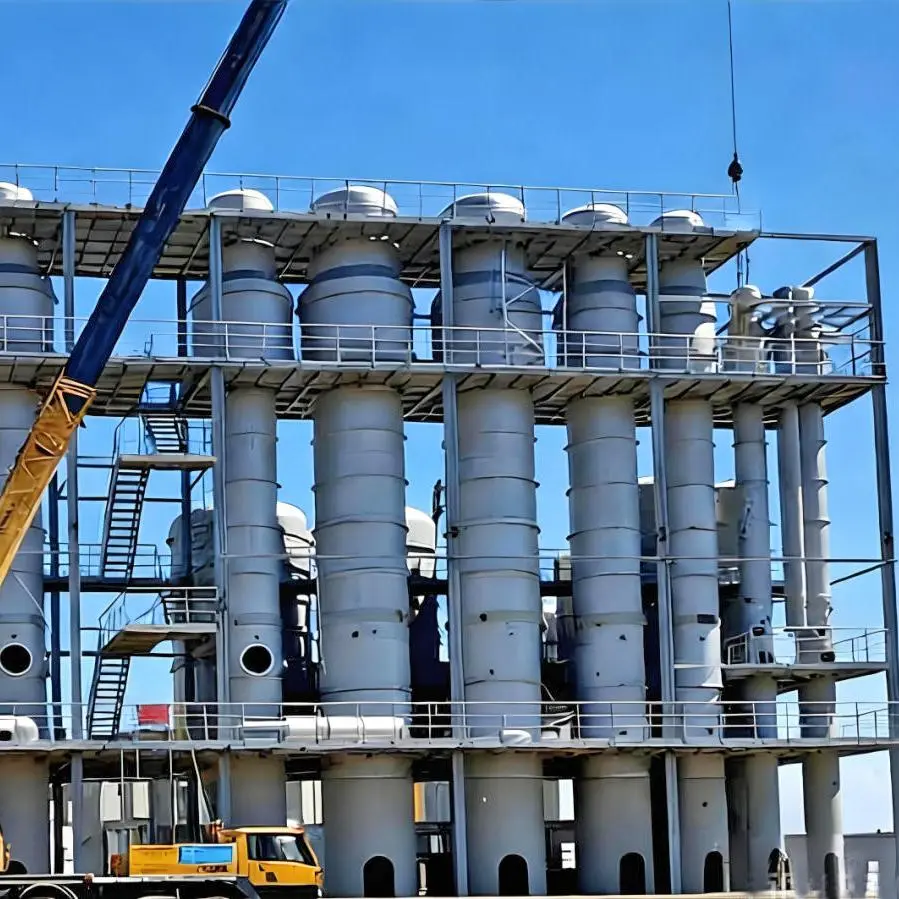
At the core of industrial waste concentration, chemical refining, and food processing lies the thermodynamic requirement to remove water or solvent efficiently. A Multi-Effect Evaporator (MEE) sequences several evaporator bodies (effects) to operate under cascading pressures and boiling temperatures. The primary heat input (steam) is supplied to the first effect, vaporizing a portion of the solvent. The evaporated solvent vapor is then piped to the heating element of the second effect, acting as its driving heat source. This process continues through multiple effects under progressively lower boiling temperatures, reducing the total energy required to evaporate a given volume of water.
Depending on the feed properties, the configurations can be customized:
SEO Insight & Information Gain: By increasing the number of effects, the steam economy of the plant increases. In a single-effect system, evaporating 1 kg of water requires approximately 1.1 kg of fresh steam. For a double-effect system, steam consumption drops to approximately 0.57 kg, a triple-effect drops to 0.37 kg, and a quintuple-effect system can achieve a steam consumption below 0.22 kg per kg of water evaporated. This makes multi-effect plants highly viable for regions with high fuel costs and strict zero-liquid-discharge (ZLD) mandates.
The evolutionary transition from standard thermal concentration to smart, zero-carbon hybrid evaporation networks.
Leverages multiple stages of boiling at decreasing pressures. Highly stable, reliable, and capable of processing highly concentrated, viscous materials with high boiling point elevation (BPE).
MVR utilizes a centrifugal fan or roots compressor to recompress the secondary vapor, increasing its temperature and enthalpy. This compressed vapor is recycled to heat the same effect, slashing live steam requirements by up to 90%.
Integrates steam jet ejectors to entrain part of the secondary vapor with high-pressure motive steam. Additionally, recovering waste heat from spray dryers or boiler flue gases optimizes plant operations.
| Parameter / Feature | Multi-Effect Evaporator (MEE) | Mechanical Vapor Recompression (MVR) | TVR Hybrid Evaporation |
|---|---|---|---|
| Primary Energy Source | Live Steam (Coal, Gas, Biomass) | Electricity (Compressor Motor) | Motive Steam + Recirculated Vapor |
| Steam Consumption (per ton H₂O) | 0.20 - 0.40 tons (depending on effects) | Negligible (starts only) | 0.15 - 0.25 tons |
| Electrical Power Consumption | Low (Feed & vacuum pumps only) | High (30 - 65 kWh/ton evaporated) | Medium (pumps + compressor load) |
| Boiling Point Elevation (BPE) Tolerance | Extremely High (Up to 30°C+) | Moderate (Max 8 - 15°C per single compressor stage) | High (Enhanced by ejector pressure drop) |
| Capital Expenditure (CAPEX) | Moderate to Low | High (High compressor investment) | Moderate |
Custom-engineered thermal concentrating systems adapted to food, pharmaceutical, biochemical, and ecological projects.
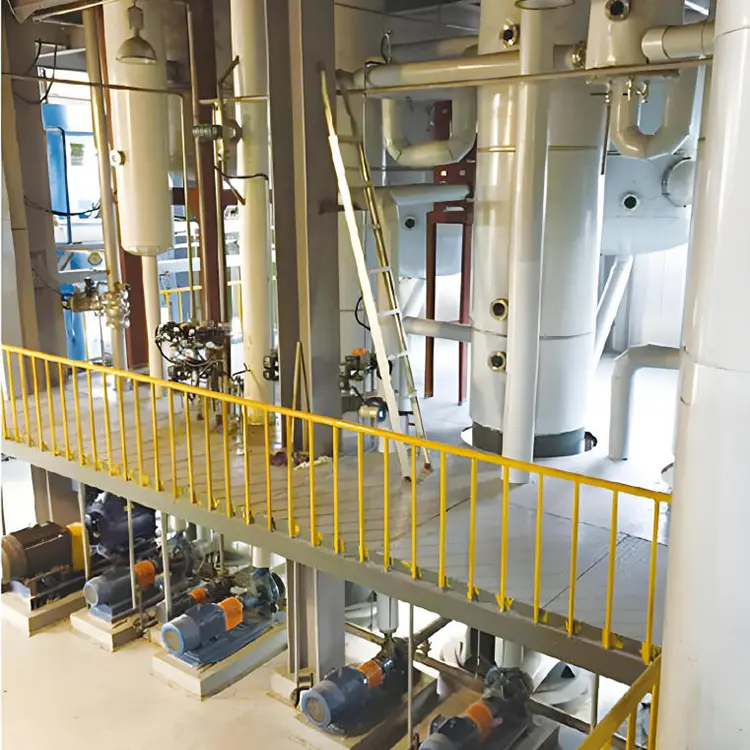
Our Falling Film Evaporators are designed to concentrate products that are susceptible to thermal degradation. The process liquid enters the top distribution system of the heating tubes and descends as a thin film along the inner tube walls. Boiling takes place under a high vacuum inside the tubes. The co-current vapor flow accelerates the liquid downwards, which shortens residence times (often measured in seconds) and minimizes the thermal footprint on sensitive materials like glucose, fructose, dairy proteins, and yeast extract.
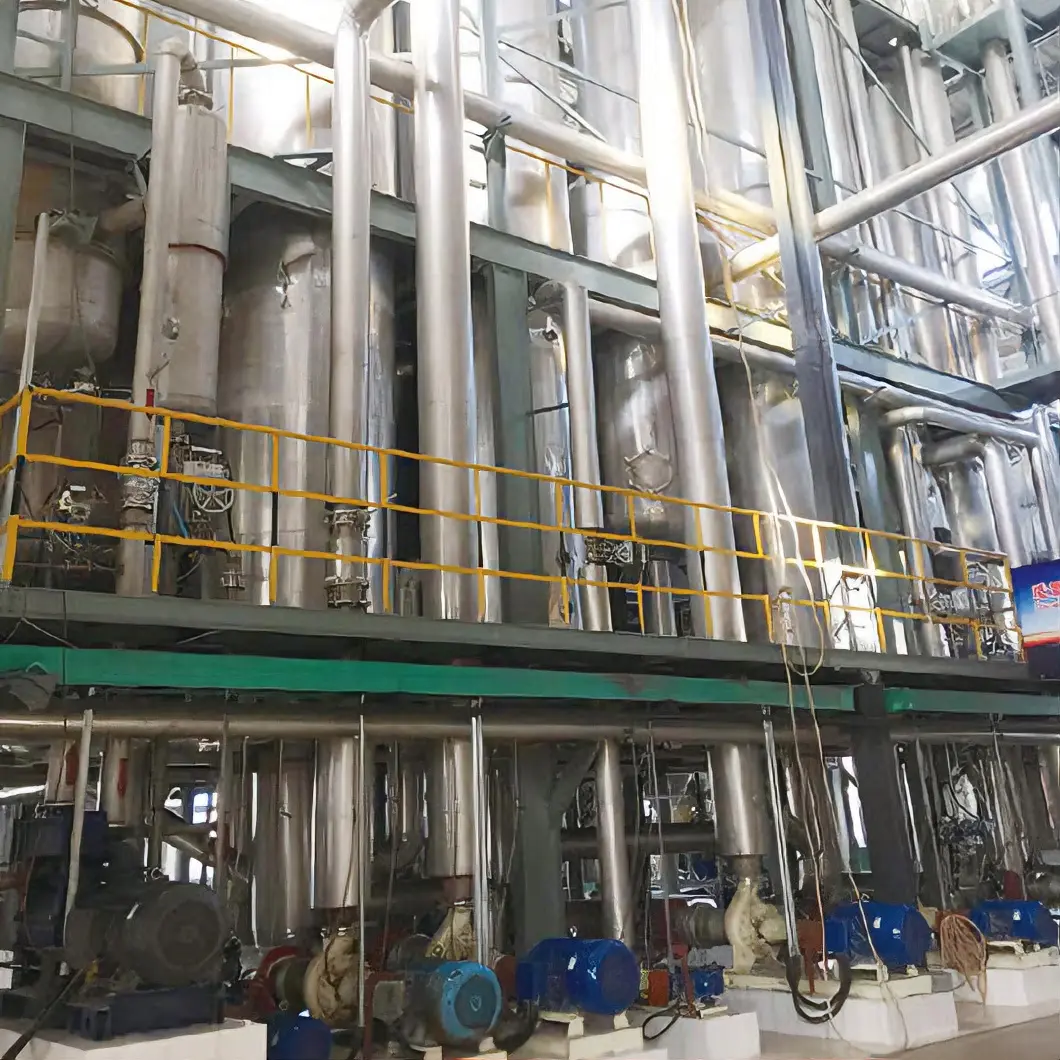
For applications where solids precipitation, high viscosity, or crystallization occurs, falling film plants are prone to tube plugging. In these scenarios, Forced Circulation Evaporators are the industrial standard. By using high-capacity axial flow pumps, the liquid is forced through the heat exchanger tubes at high velocities (typically 1.5 - 3.5 m/s) under static pressure to prevent boiling inside the heat exchanger. Boiling occurs only when the superheated liquid enters the flash separator vessel, ensuring scaling is minimized.
Review our specialized categories matching global plant standards.
Jiangsu Zongheng specializes in energy-efficient falling film, forced circulation, MVR, and waste heat evaporators. These systems concentrate corn steep liquor, starch syrup, biochemical wastewater, and pharmaceutical intermediates. The design integrates automatic CIP cleaning, advanced vacuum monitoring, and precise mass balance to maximize system stability.
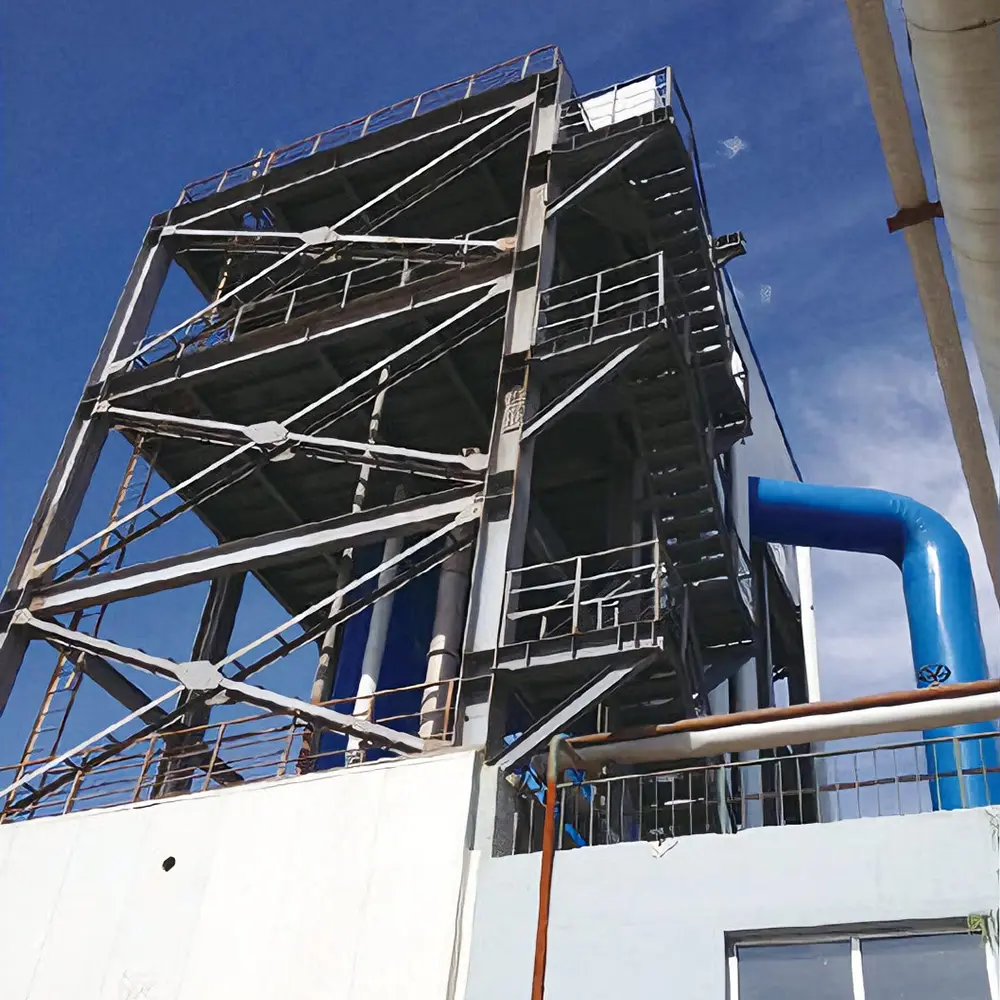
Located in the heart of Yixing's industrial manufacturing cluster, delivering certified pressure vessels and turn-key thermal plants globally.
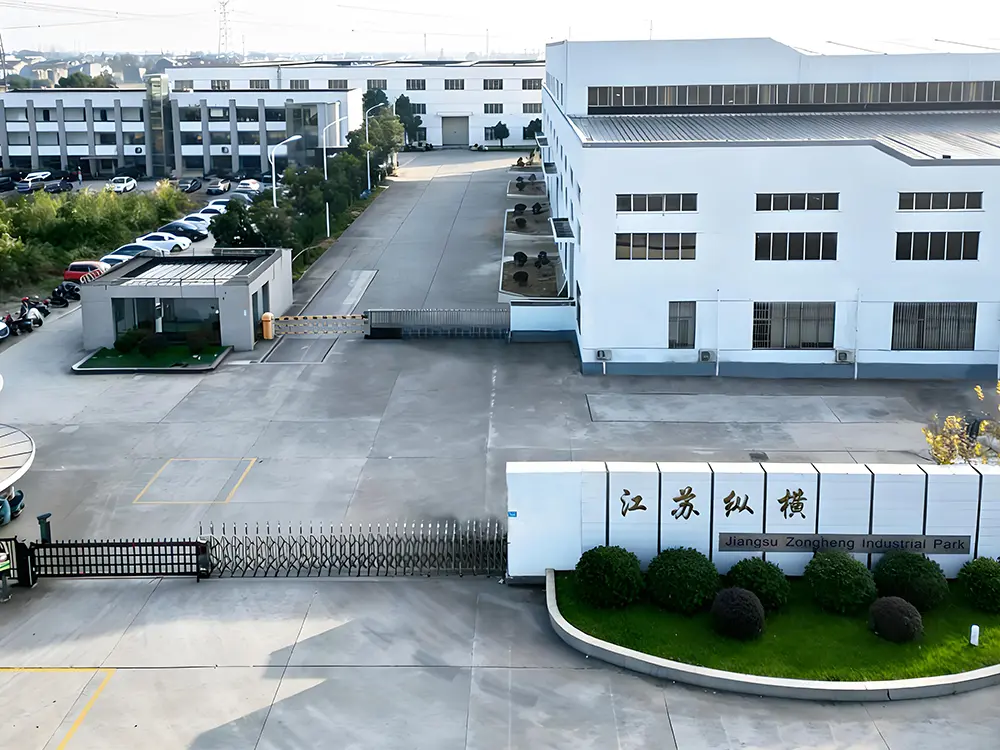
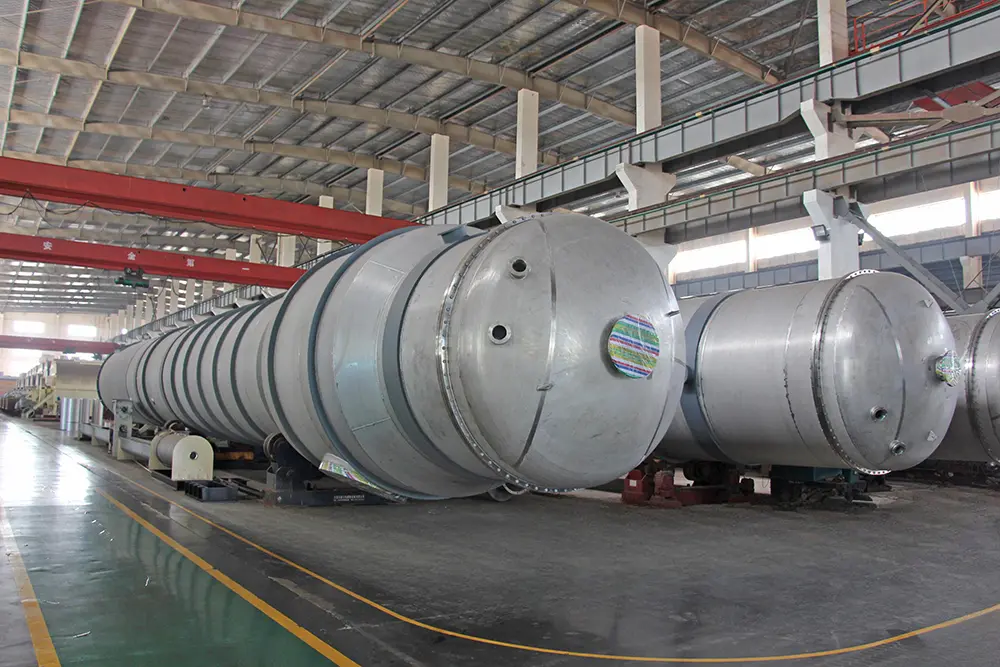
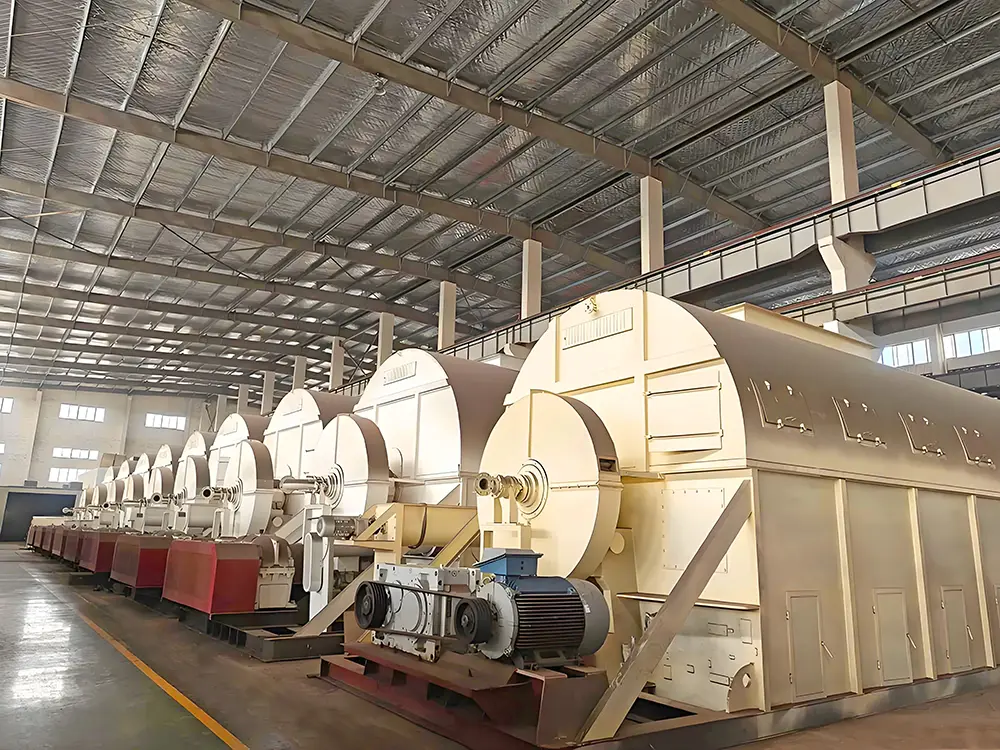
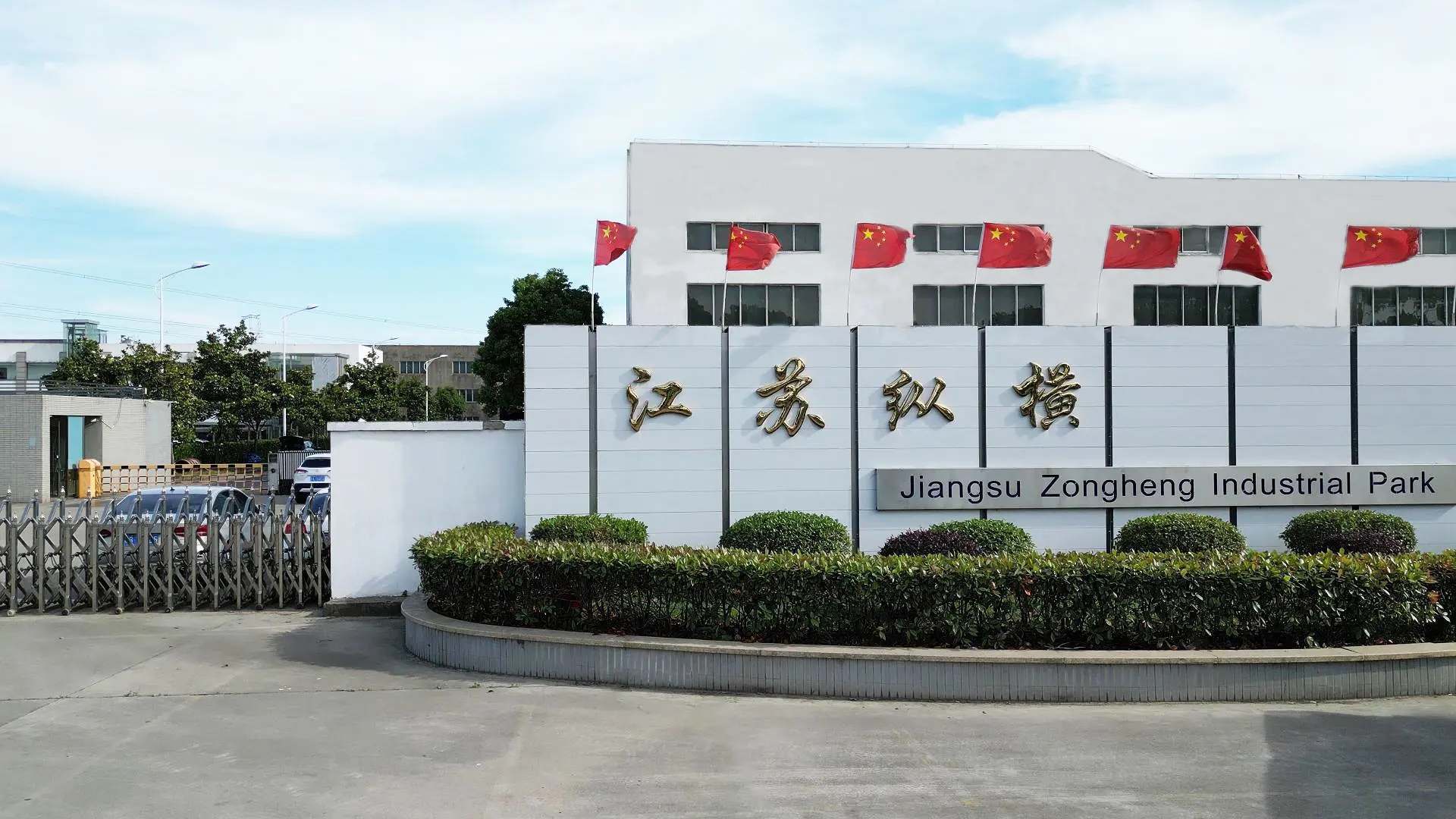
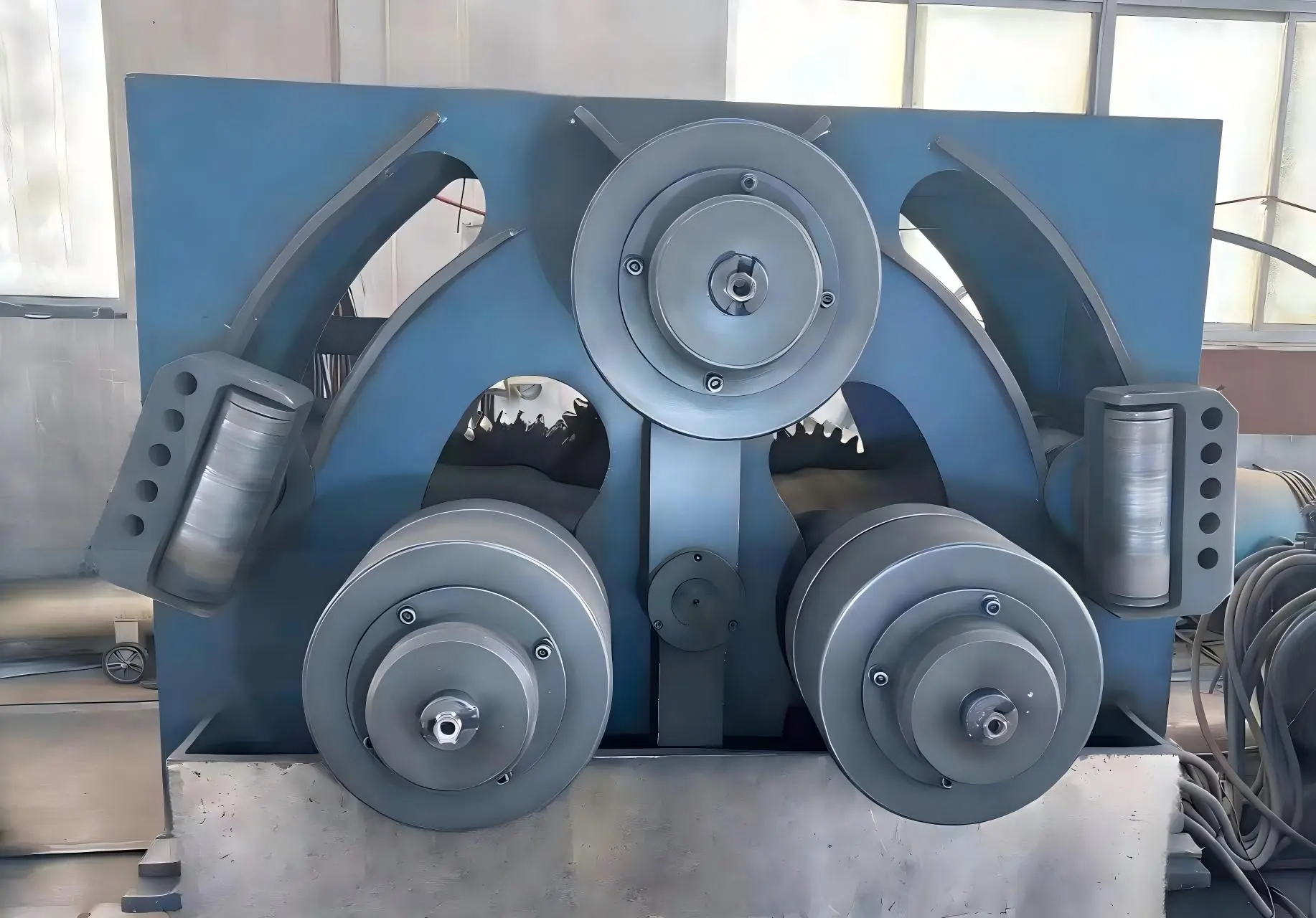
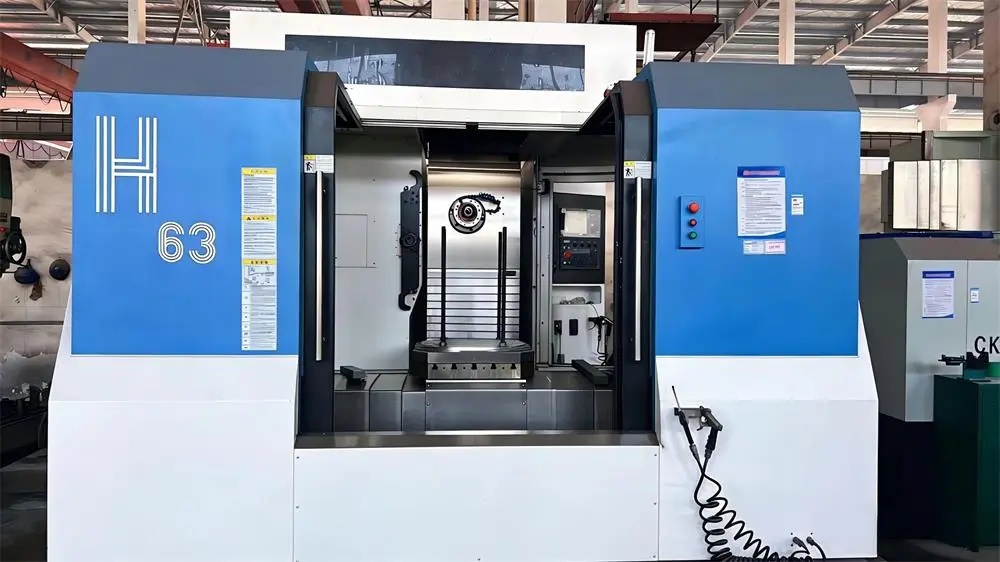
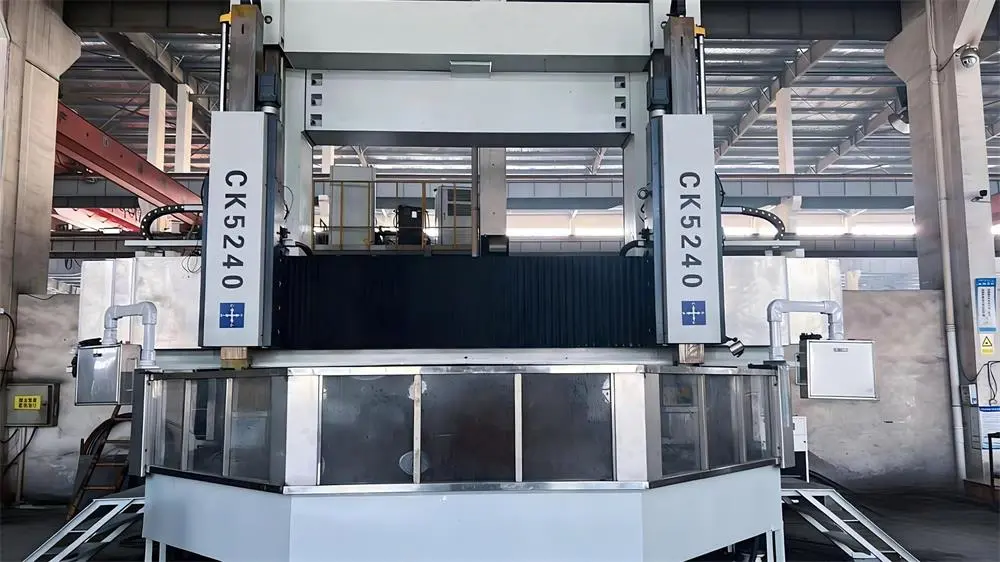
Jiangsu Zongheng Concentrating and Drying Equipment Co., Ltd. (formerly Yixing Yangxi Light Industry Machinery Factory) operates a state-of-the-art facility covering 54,000 square meters of total land area, including a dedicated 22,000 square meter production workshop. Our manufacturing floor is optimized for heavy fabrication, tube bundle assembly, high-precision machining, and welding of exotic materials like Titanium and Duplex Stainless Steel.
Our engineering team comprises over 20 specialized engineers and 3 senior design directors. Utilizing computational fluid dynamics (CFD) modeling and finite element analysis (FEA), we simulate flow dynamics, thermal stress profiles, and steam distribution inside our evaporator columns. This ensures our designs perform to specifications under fluctuating operation loads.
Having control over our raw material supply chain in Jiangsu allows us to source certified steels, instrumentation loops, pumps, and valves efficiently, ensuring short lead times and pricing stability for our global clients.
Years of Thermal Engineering Experience
Professional Design & Quality Control Engineers
Total Factory Area (m²)
Heavy Fabrication Workshop Area (m²)
How we ensure safe operations under high pressure, high vacuum, and chemical environments.
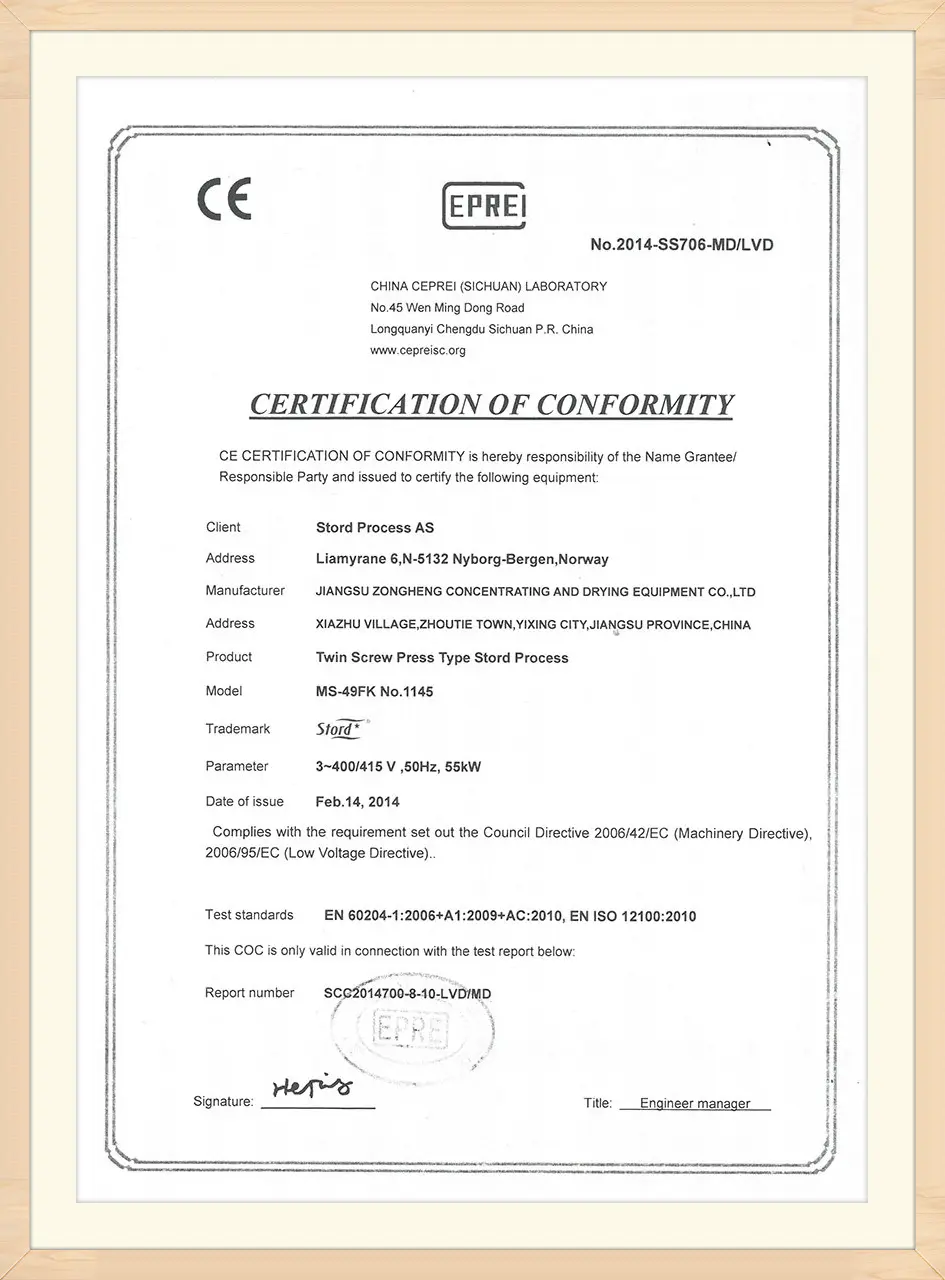
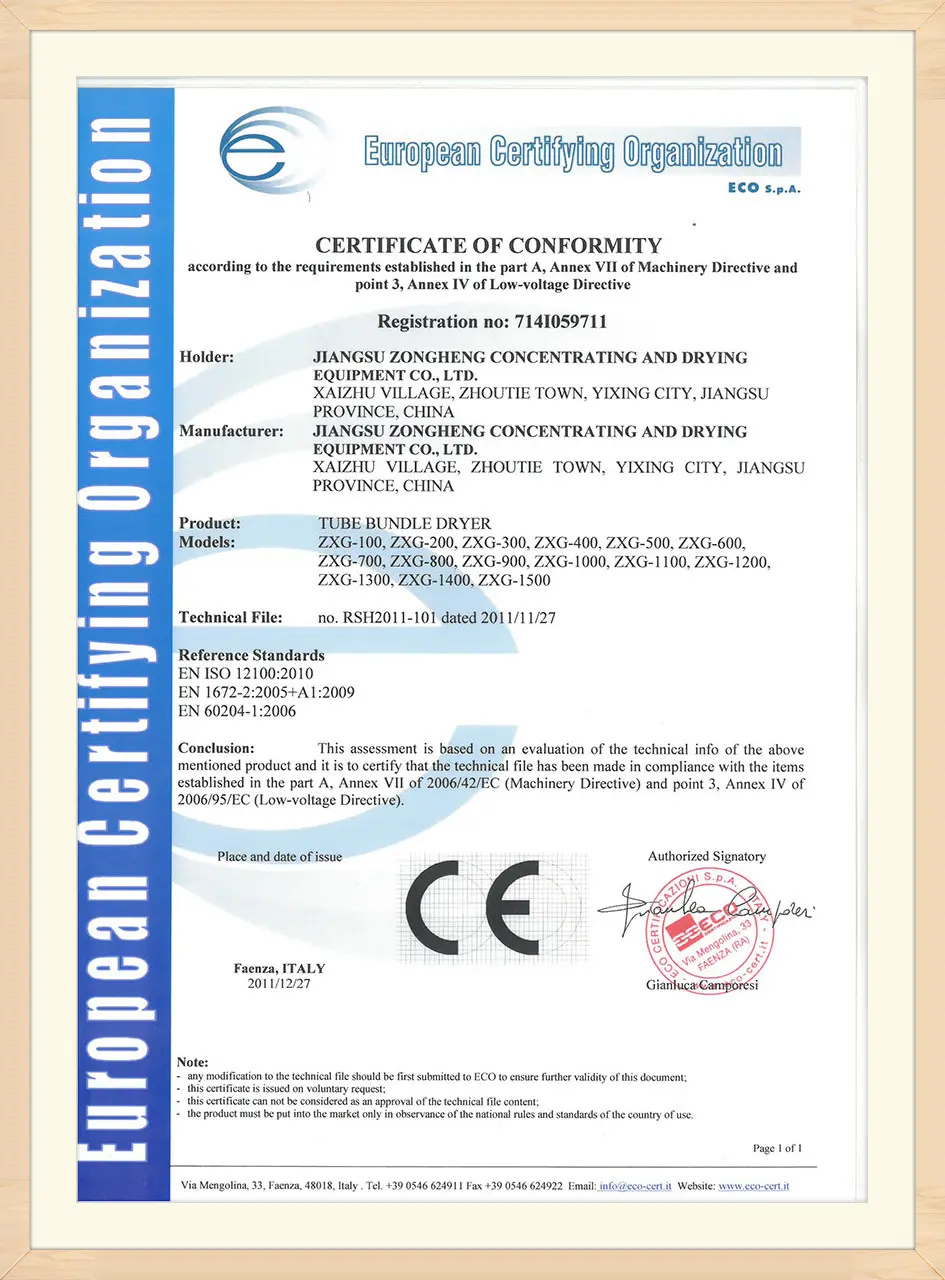
Our evaporators, bundle dryers, and control panels comply with the EU Machinery Directive (2006/42/EC) and Low Voltage Directive (2014/35/EU). This ensures seamless customs clearance, safe plant commissioning, and legal operations across Europe.
Obtained in 2012, our ASME "U" Stamp authorization validates our quality management system for manufacturing Category III high-pressure equipment. Every pressure vessel undergoes hydro-testing, non-destructive testing (NDT), and authorization audits.
We maintain full process traceability—from raw steel chemical tests to final paint coatings. Our ISO 9001 certified QA/QC procedures ensure that weld lines are radiographed, plate thicknesses are verified, and component fits conform to design drawings.
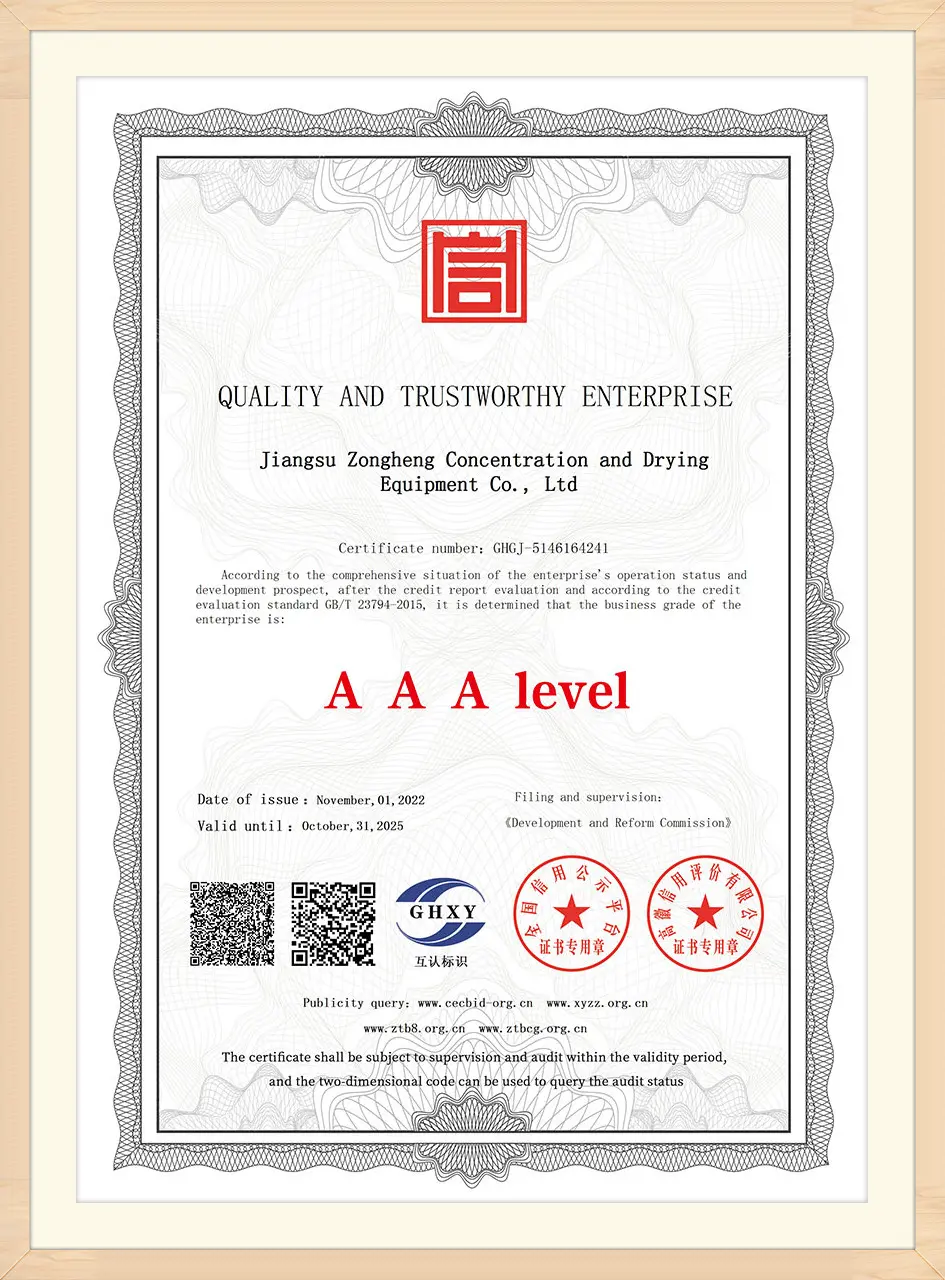
How we grew from a local light industry machinery factory into a high-tech export enterprise.
Jiangsu Zongheng, formerly known as Yixing Yangxi Light Industrial Machinery Factory, was established. The company covered 15 mu and employed 45 staff members, focusing on local agricultural concentration vessels.
The company obtained ISO9001 certification, standardizing manufacturing steps for industrial concentration and starch washing equipment.
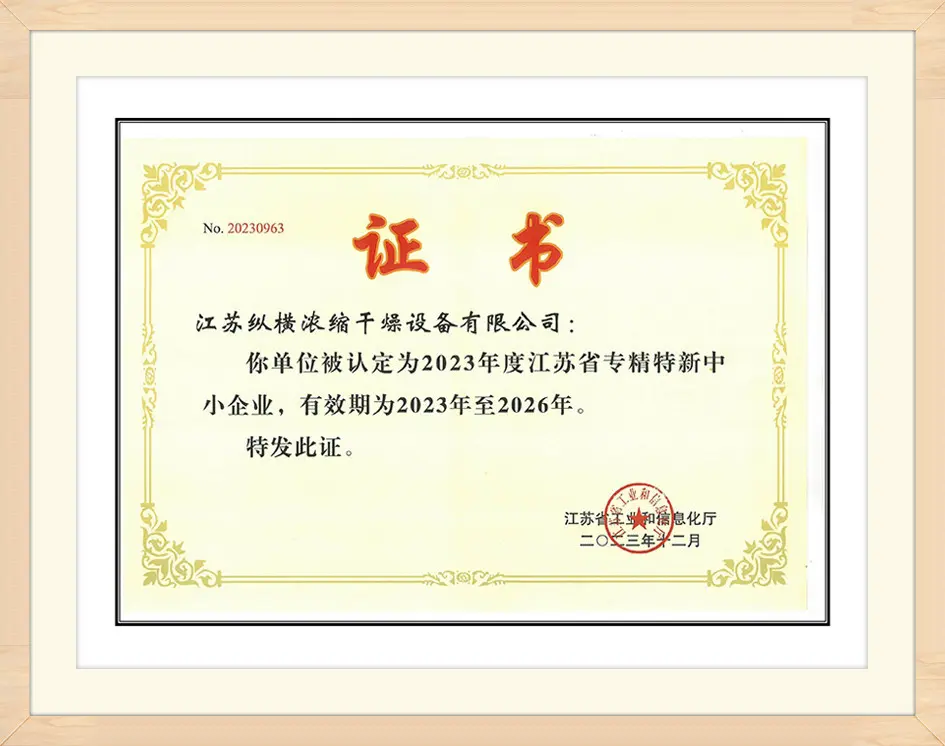
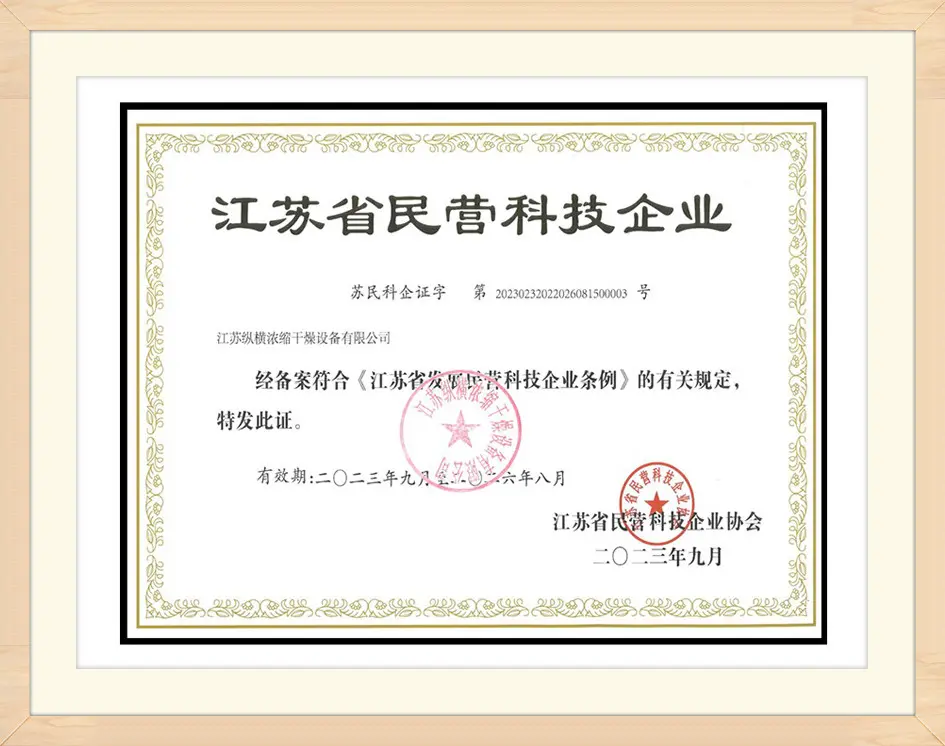
Recognized as a Jiangsu Provincial High-Tech Enterprise, marking a pivot toward proprietary energy-saving thermal patents.
Obtained the Special Equipment Manufacturing License of the People's Republic of China (License No.: TS2232C42) for low and medium pressure vessels.
Acquired the ASME "U" Stamp authorization, marking our entry into high-pressure global manufacturing.
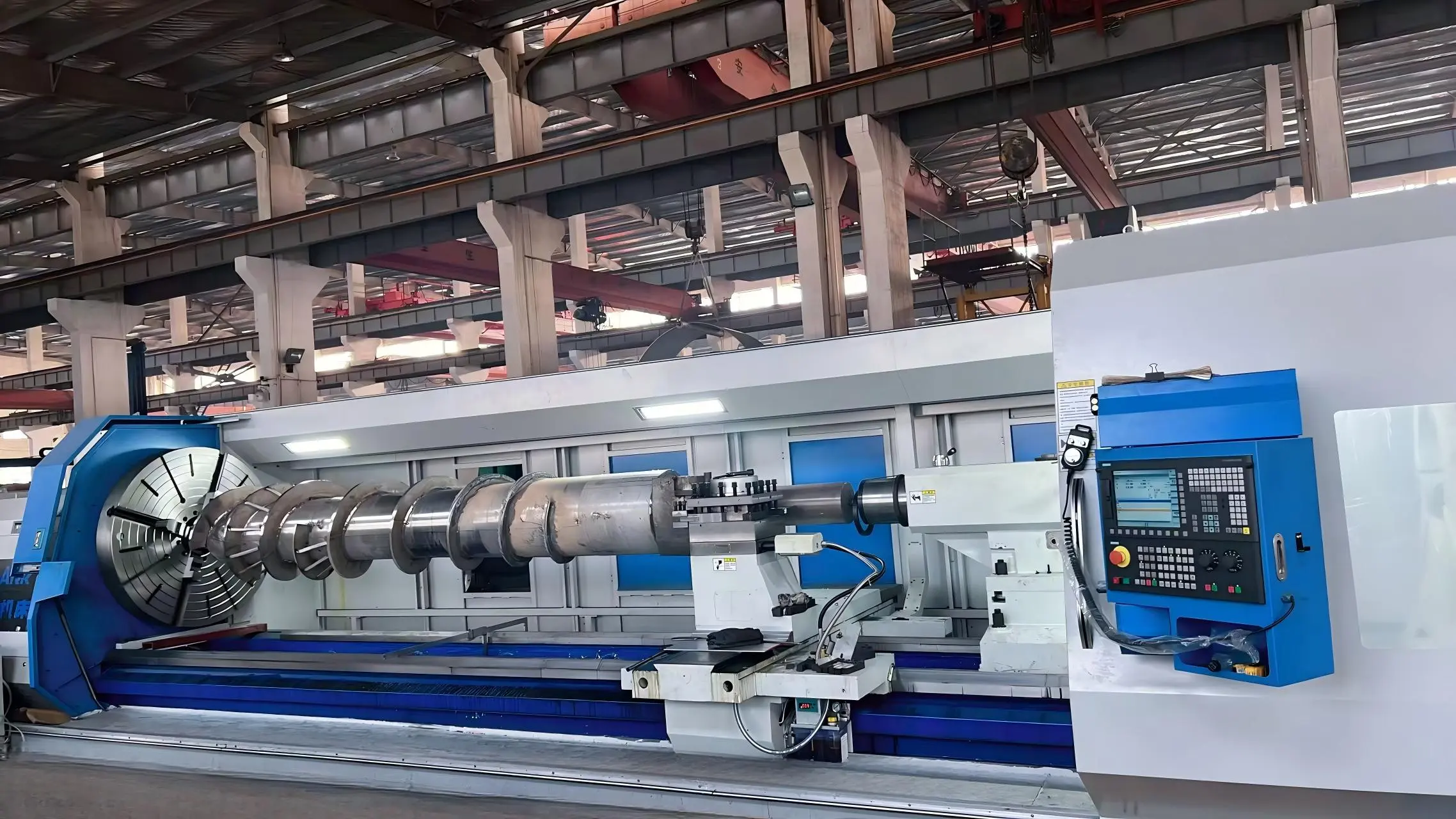
Operations span over 54,000 square meters, with workshops exceeding 22,000 square meters, 20+ specialized engineers, and digital twin technology for real-time plant simulation.
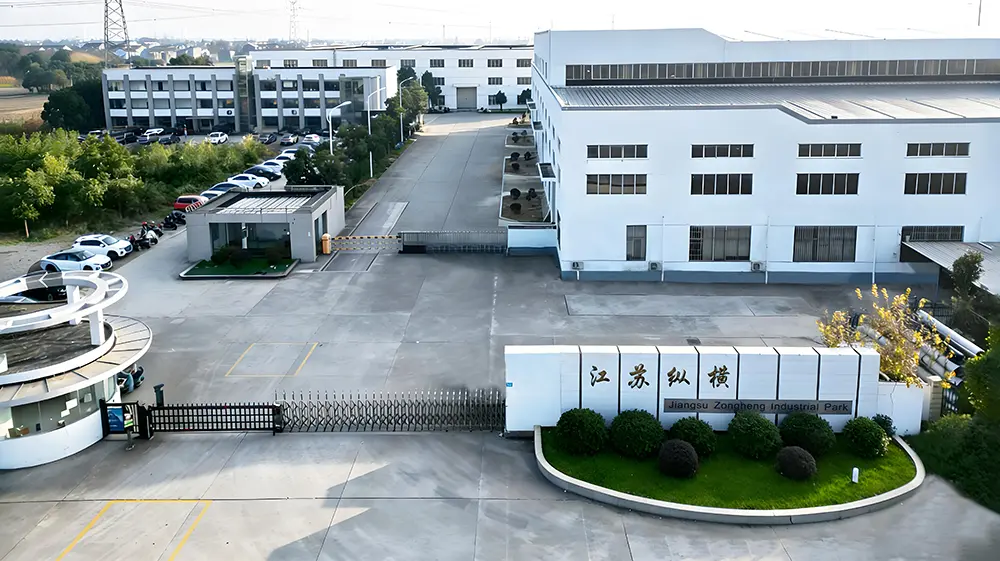
Our technological systems are implemented globally across multiple industries to achieve water loop recycling, product concentration, and thermal drying.
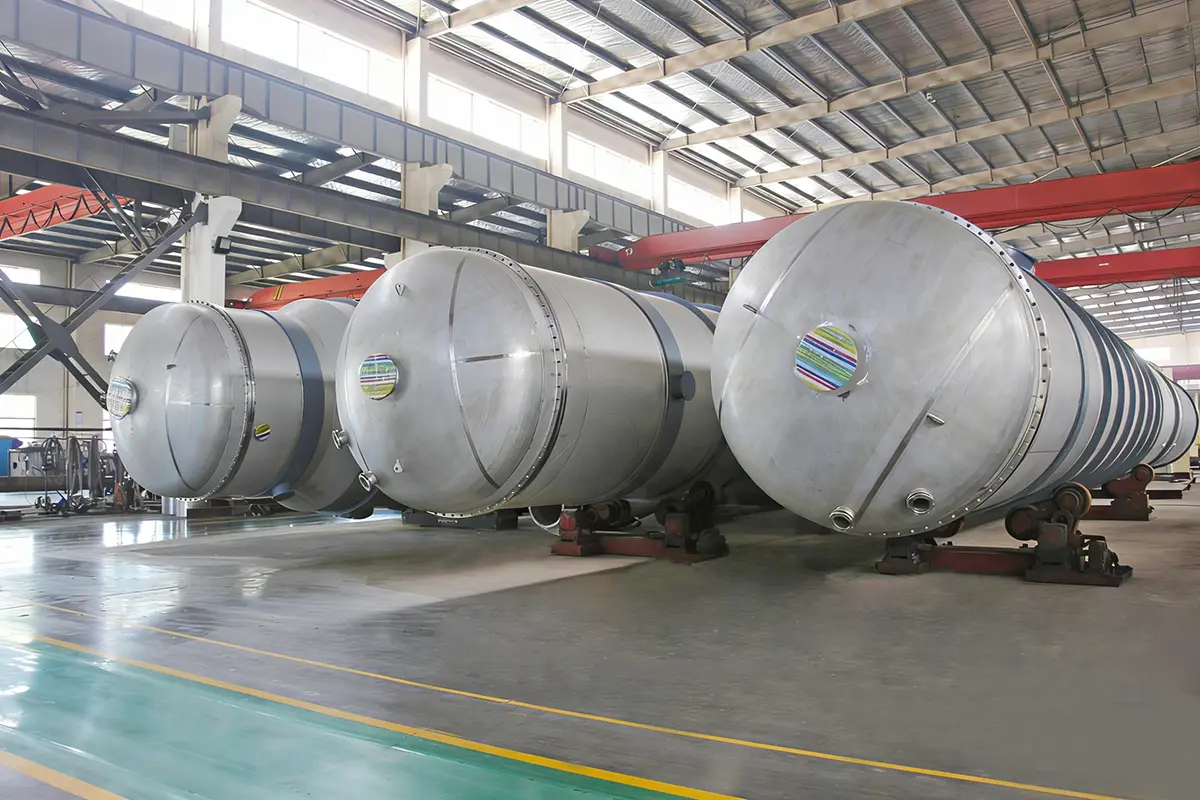
Concentrates raw juices, corn steep liquor (CSL), starch slurries, and organic acids under vacuum to retain nutrient profiles and chemical stability.
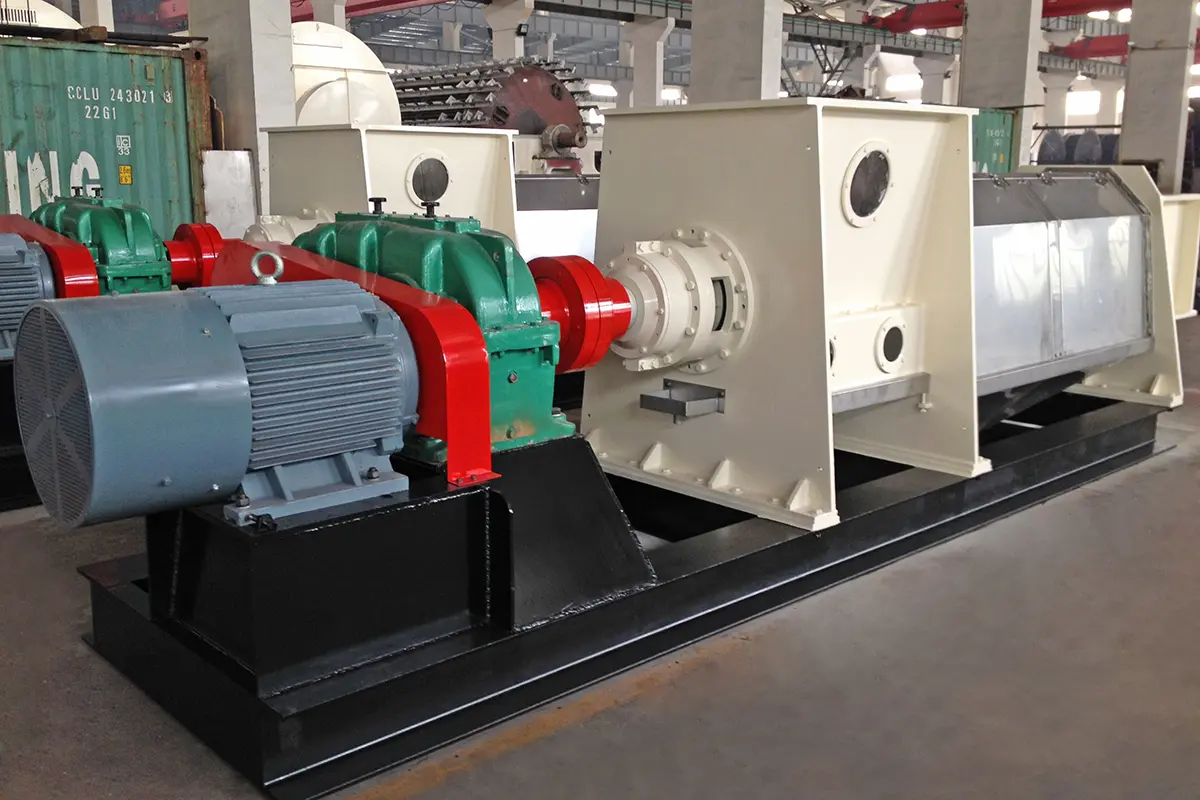
Handles high-density organic sludges, spent grains, and paper pulps, lowering feed moisture content ahead of final thermal drying phases.
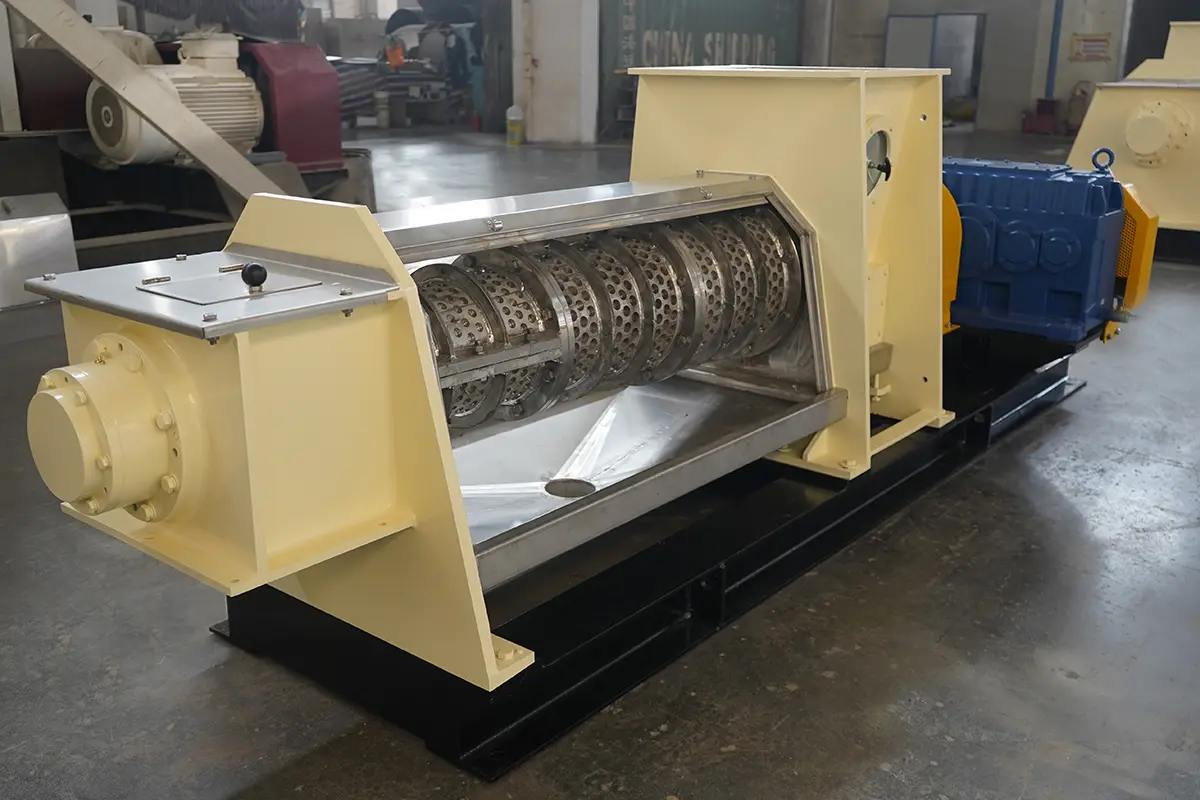
Engineered for fine powders, micro-crystals, and industrial chemicals requiring rapid moisture evaporation under highly controlled conditions.
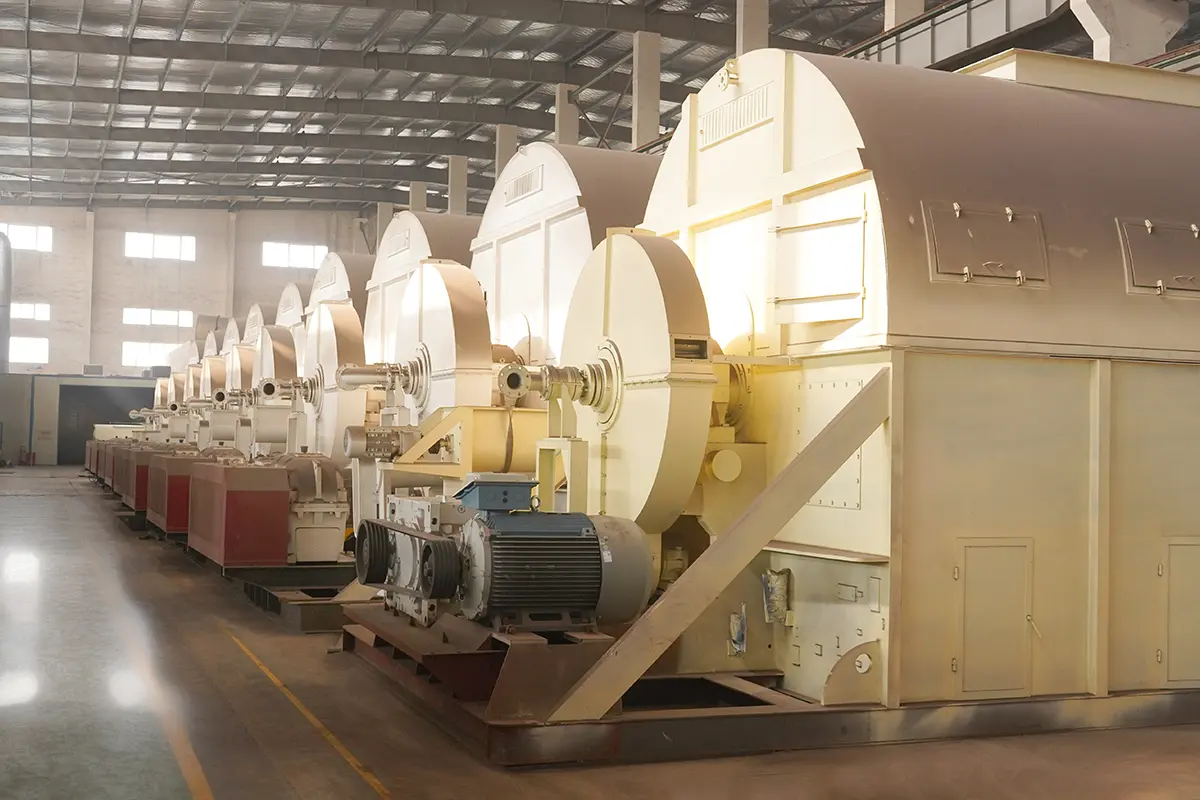
Ideal for processing bulk materials like corn gluten, germ, fiber, or chemical salts. Uses indirect steam heating for low-oxygen drying.
Detailed explanations regarding chemical concentration engineering, procurement choices, and validation testing.
Steam economy is optimized by utilizing the latent heat of vaporization from preceding effects. For instance, in a 4-effect falling film configuration, the steam economy reaches roughly 3.2 (meaning 1 kg of fresh live steam evaporates 3.2 kg of water). Additionally, implementing pre-heaters using outgoing condensate streams and integrating a Thermal Vapor Recompressor (TVR) on the first effect further reduces energy consumption. This setup entrains low-pressure vapor back into the thermal loop, maximizing overall efficiency.
Falling film evaporators maintain thin, high-velocity film layers that flow co-currently downward under high vacuum. Because boiling occurs at lower temperatures (due to vacuum conditions) and the liquid flows along the tube walls in seconds, the raw solution has a very short residence time. This prevents caramelization, thermal denaturation, and color degradation in substances like corn steep liquor, starch hydrolysates, glucose, and enzymes.
The ASME "U" Stamp is a globally recognized standard for pressure vessels (ASME Section VIII, Division 1). Obtaining this certification confirms that the design, material traceability, welding procedures, and quality checks comply with ASME standards. Every vessel is reviewed by an Authorized Inspector (AI), ensuring safety compliance for operators and facilitating commissioning processes with local safety regulators.
For chemical wastewater streams containing high concentrations of chlorides, organic salts, or acids, standard stainless steel (such as SS304 or SS316L) is susceptible to stress corrosion cracking and pitting. In these environments, we recommend Duplex Stainless Steel (2205/2507) or pure Titanium (Gr. 1/Gr. 2) for the heating tubes and distribution plates. Titanium offers superior corrosion resistance against chloride ions, extending the operational life of the evaporator.
Unlike falling film designs, a Forced Circulation Evaporator uses a high-flow axial recirculating pump to drive the liquid through the heat exchanger tubes under high pressure. This pressure prevents boiling from occurring inside the tubes. Boiling and crystal precipitation only occur inside the flash vessel separator. The high fluid velocity inside the tubes creates shear force, sweeping potential scaling deposits away and maintaining stable heat transfer during crystallization processes.
Contact our technical team to receive a detailed mass-energy balance calculation, sizing parameters, and a custom design proposal for your plant expansion.
Select from our heavy-duty tube bundle dryers, industrial airflow drying systems, and cyclone separators designed for high-throughput processing lines.
 Zongheng