Engineered to deliver exceptional thermal separation, energy economy, and processing reliability for regional agricultural and chemical operations.
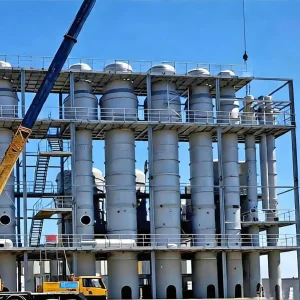
Advanced thermal evaporation and concentration engineering designed specifically to handle tough local industrial fluid dynamics while optimizing energy consumption.
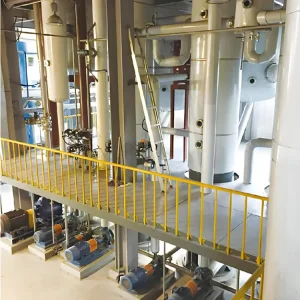
Designed for delicate, heat-sensitive fluids such as local mango puree, starch syrup, and organic juices, achieving rapid evaporation without degradation.
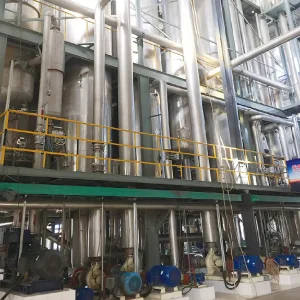
Heavy-duty circulation system that handles highly scaling materials, high-salinity industrial wastewater, and heavy crystallization tasks.
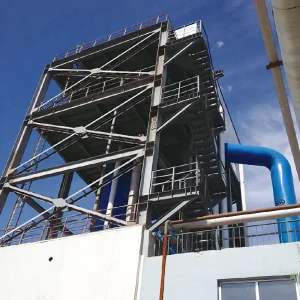
Mechanical Vapor Recompression (MVR) systems compress secondary steam to reuse its latent heat, drastically dropping operational steam demands.
An authoritative analysis of localized commercial conditions, thermodynamic configurations, and global equipment selection paradigms.
Rajshahi, known historically as the "Mango Capital" and silk hub of Bangladesh, is transitioning rapidly into a diversified agro-processing and industrial zone. With major state-backed infrastructure upgrades, including gas pipelines and BSCIC (Bangladesh Small and Cottage Industries Corporation) expansions, the demand for sophisticated thermal concentration and separation processes is skyrocketing.
Processing delicate biological commodities like mango puree, sugarcane molasses, liquid glucose, and local starches requires ultra-precise temperature profiles. Traditional evaporation methods often cause caramelization, loss of vitamins, and altered color profiles. Modern falling film evaporators operating under deep vacuum are necessary to secure high-quality product outputs that meet global export standards.
Furthermore, local environmental mandates are enforcing strict zero-liquid-discharge (ZLD) criteria for chemical runoffs and textile sizing waste. Thus, advanced forced circulation evaporators and MVR units have become critical assets for modern factories in the region.
"In tropical regions like Rajshahi, where ambient temperatures range from 15°C in winter to 40°C in peak summer, heat exchanger delta-T margins must be engineered with dynamic cooling water profiles. Design adaptations in vacuum condensers prevent vapor short-circuiting and optimize steam economy factors throughout fluctuating seasonal conditions."
— Chief Thermal Designer, Jiangsu Zongheng
Internationally, the focus of industrial concentration has shifted toward decarbonization and operational cost mitigation. Conventional steam-guzzling single-effect systems are obsolete. The industry standard demands thermodynamic integrations:
Utilizes waste heat or condensate thermal capacity to raise feed temperature to boiling point.
Lowers the liquid boiling point to process heat-sensitive organics without thermal damage.
MVR compressor compresses clean secondary vapor to serve as the new primary heat source.
Jiangsu Zongheng Concentrating and Drying Equipment Co., Ltd. provides a world-class manufacturing alternative that combines European thermal design precision with Chinese supply-chain efficiencies. Producing equipment in our 54,000 square meter facility yields significant benefits for overseas buyers in Rajshahi:
Since 1992
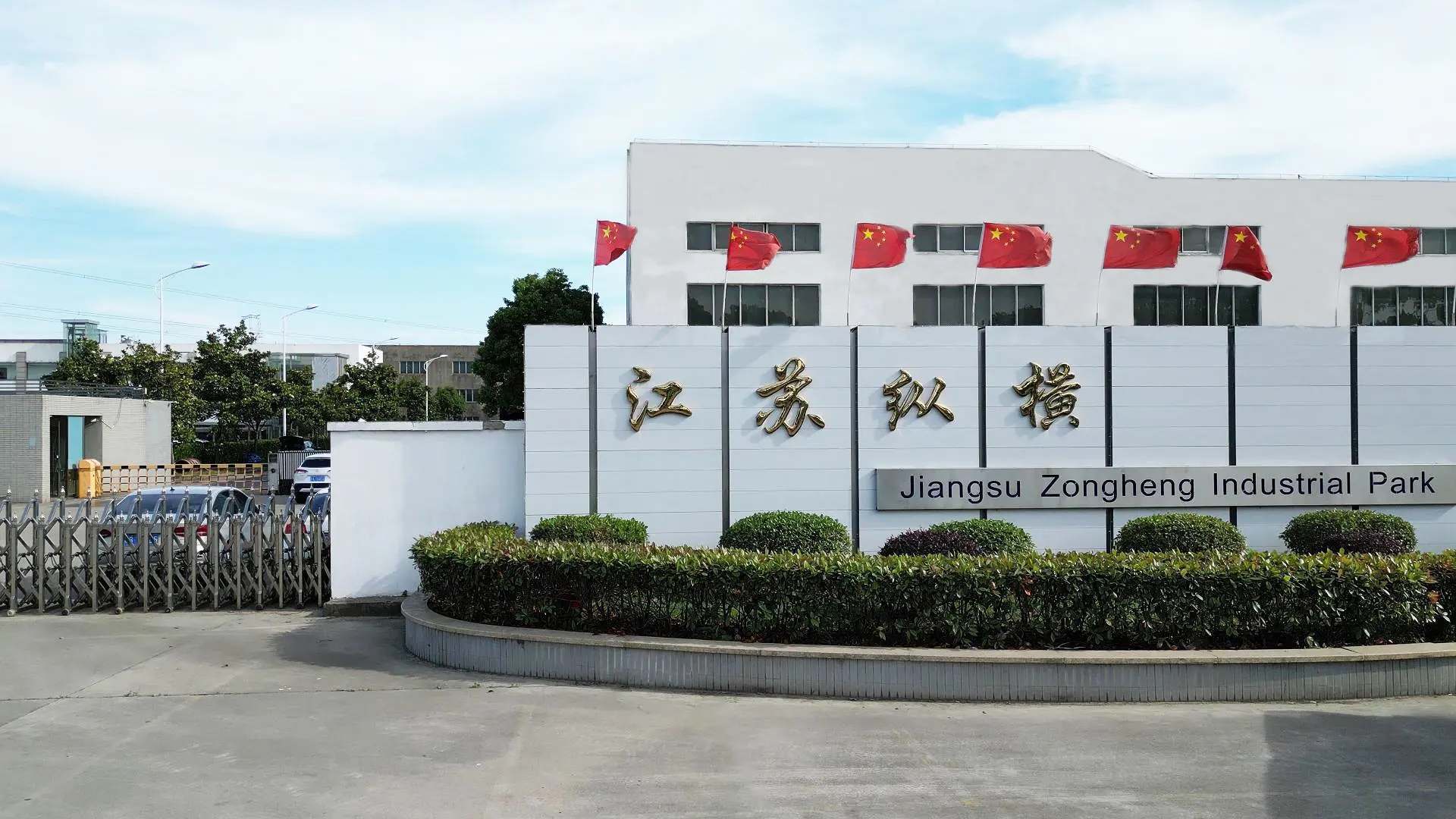
Jiangsu Zongheng Concentrating and Drying Equipment Co., Ltd (formerly Yixing Yangxi Light Industry Machinery Factory), founded in 1992, is located in Zhoutie Town, Yixing City, on the shores of the beautiful Taihu Lake. The company covers an area of over 54,000 square meters, with a production workshop area of over 22,000 square meters.
Jiangsu Zongheng is a modern high-tech enterprise specializing in the manufacturing of concentration, drying, starch industry, alcohol DDGS, and Category III medium & low-pressure vessel equipment. It is currently a member enterprise of the China Starch and Alcohol Association. Our products are widely used in food fermentation, alcohol, chemical, pharmaceutical, environmental protection, and petrochemical sectors globally.
Decades of continuous research, certification updates, and project scale expansions.
Established as Yixing Yangxi Light Industrial Machinery Factory, covering 15 mu of land with 45 dedicated employees.
Pioneered and obtained the ISO9001 standard to align manufacturing quality control systems with international benchmarks.
Officially recognized as a Jiangsu Provincial High-Tech Enterprise following major technological breakthroughs in thermal evaporation.
Acquired the Special Equipment Manufacturing License of the People's Republic of China (License No.: TS2232C42) for pressure vessels.
Authorized to stamp vessels with the prestigious ASME "U" logo, marking the entry into major global markets.
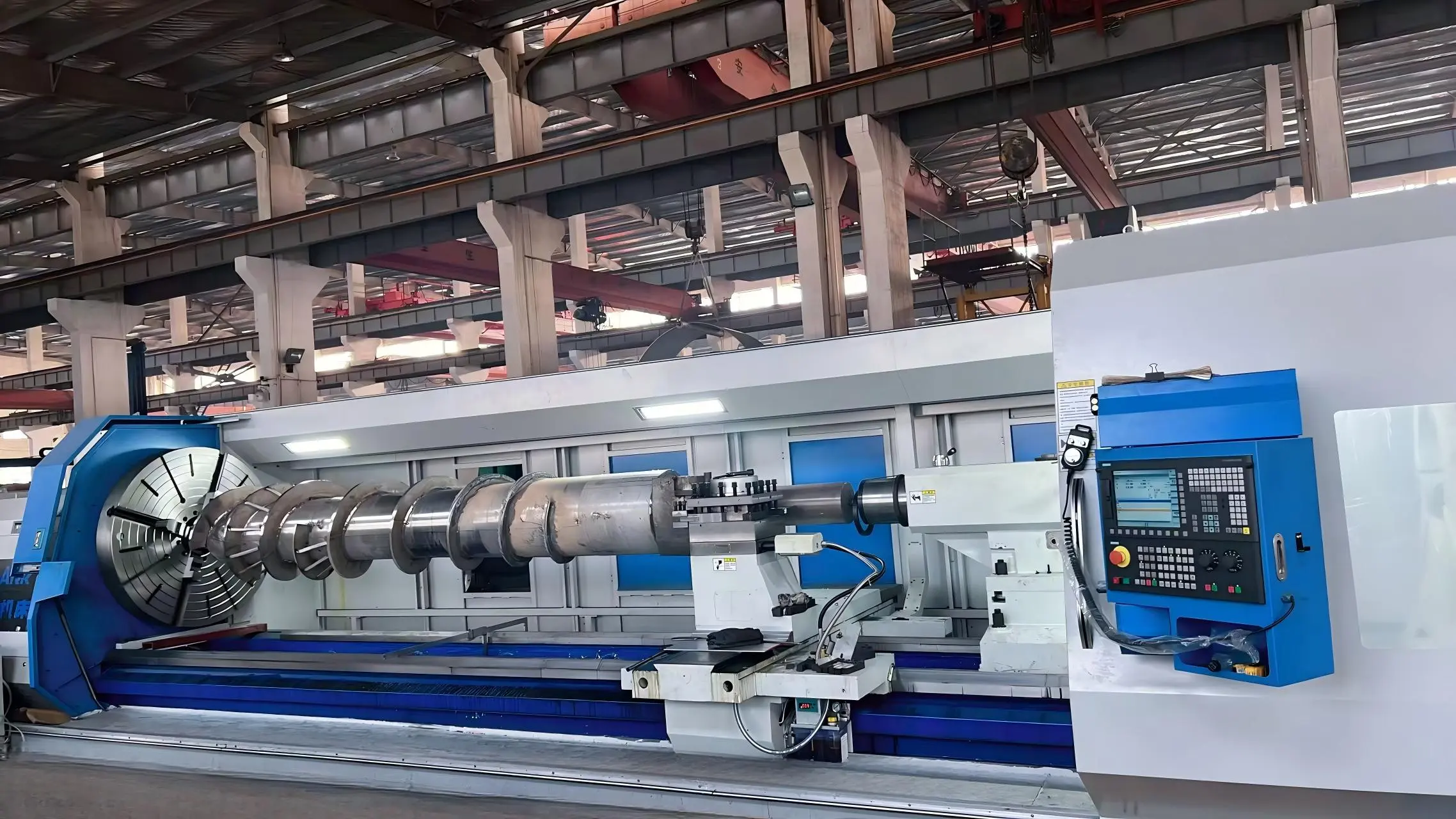
Renewed international quality system certification (Certificate No.: 45021), proving a reliable, system-driven plant environment.
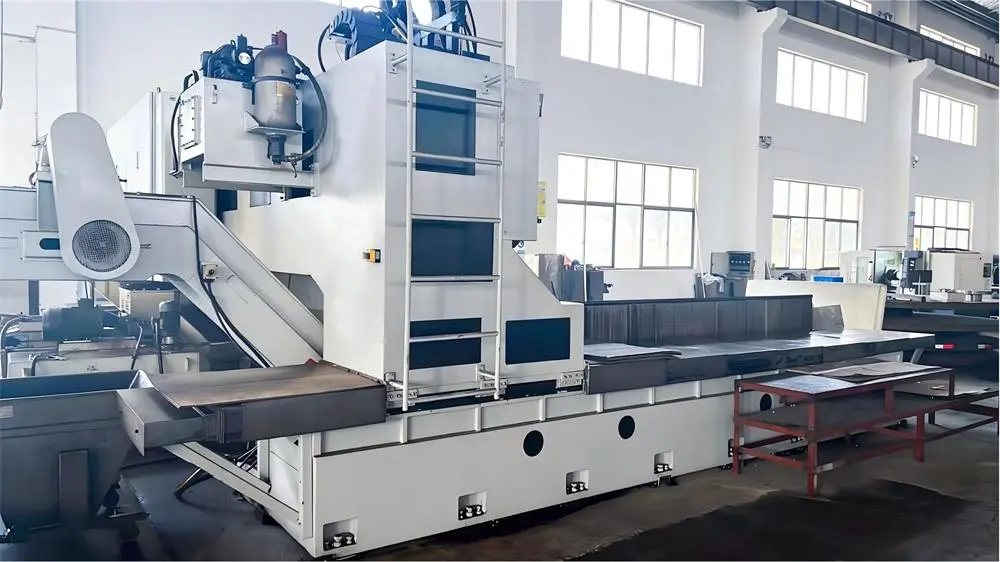
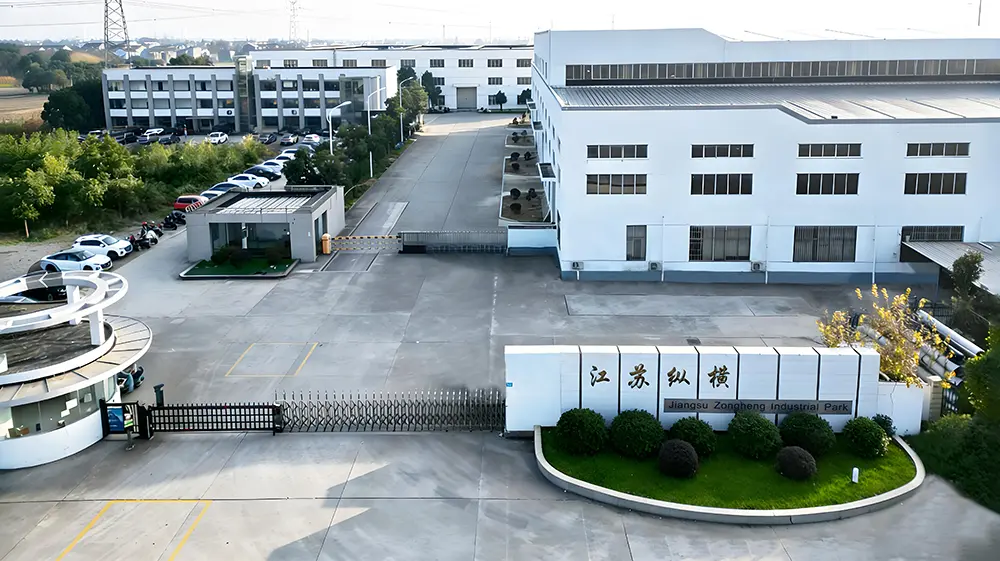
Spanning 54,000+ m² with 22,000+ m² of workshop space. The team includes 3 senior engineers, over 20 specialized engineers, and 120 total staff members delivering global separation plants.
Translating chemical and biological requirements into reliable physical equipment applications.
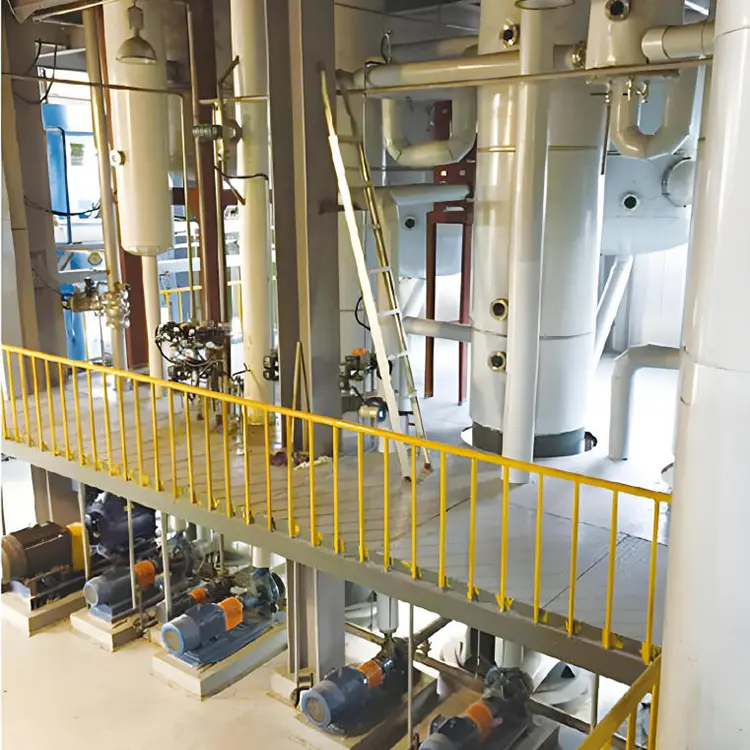
Designed for premium processing of agricultural feedstocks such as mango puree, sugar juice, and starch syrups. In our falling film system, the feed liquid is introduced at the top of vertical heating tubes, distributed uniformly as a thin film via advanced liquid distribution plates, and pulled downward by gravity.
As it flows down, heat from steam jackets vaporizes volatile components. Vapor and liquid flow co-currently down the tubes. This design yields high heat-transfer coefficients and short contact periods, preserving the feedstock's aroma, taste, nutrients, and color profiles.
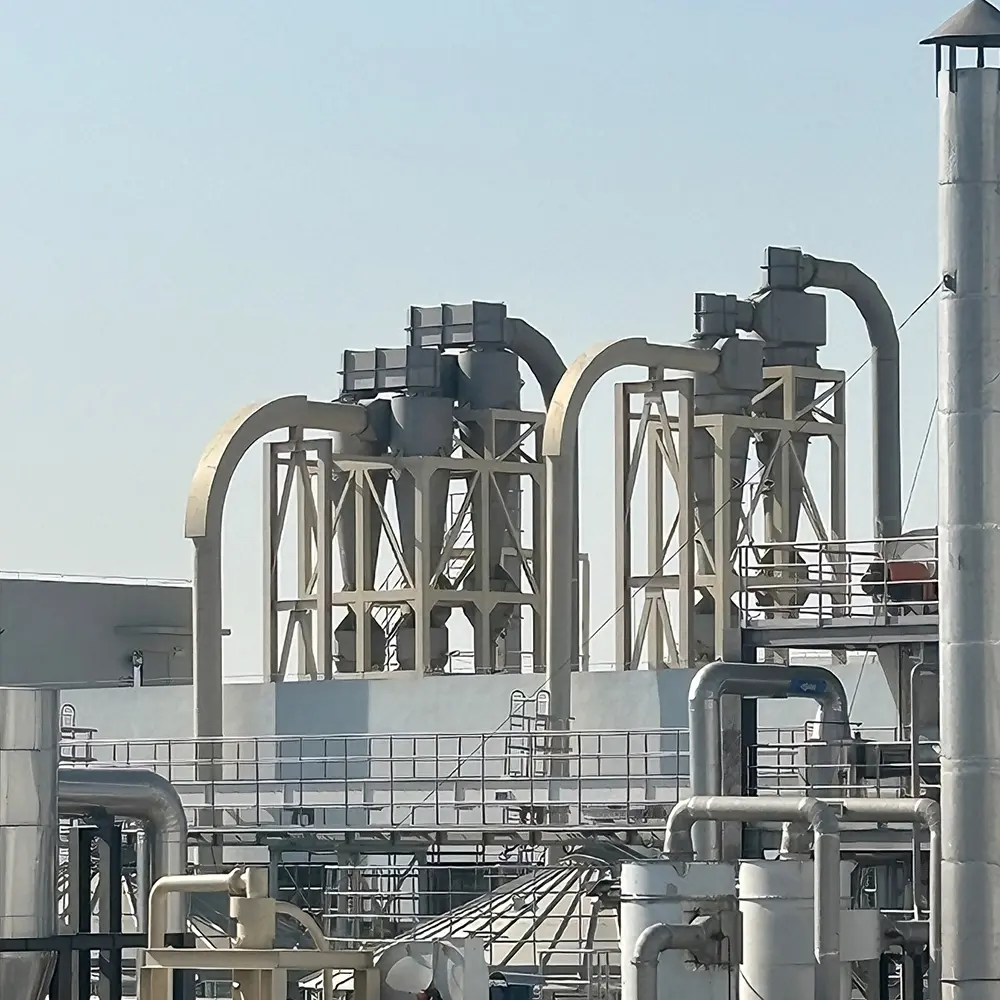
Perfectly suited for local cassava, corn, and wheat processing facilities. The MQG Airflow Dryer utilizes high-speed hot air to suspend and fluidize wet particulate materials. As the material is pneumatically conveyed through varying tube diameters, the impulse airflow tumbles the particles to maximize heat exchange surfaces.
This achieves quick, uniform moisture removal within a fraction of a second, preventing thermal degradation of starches and proteins.
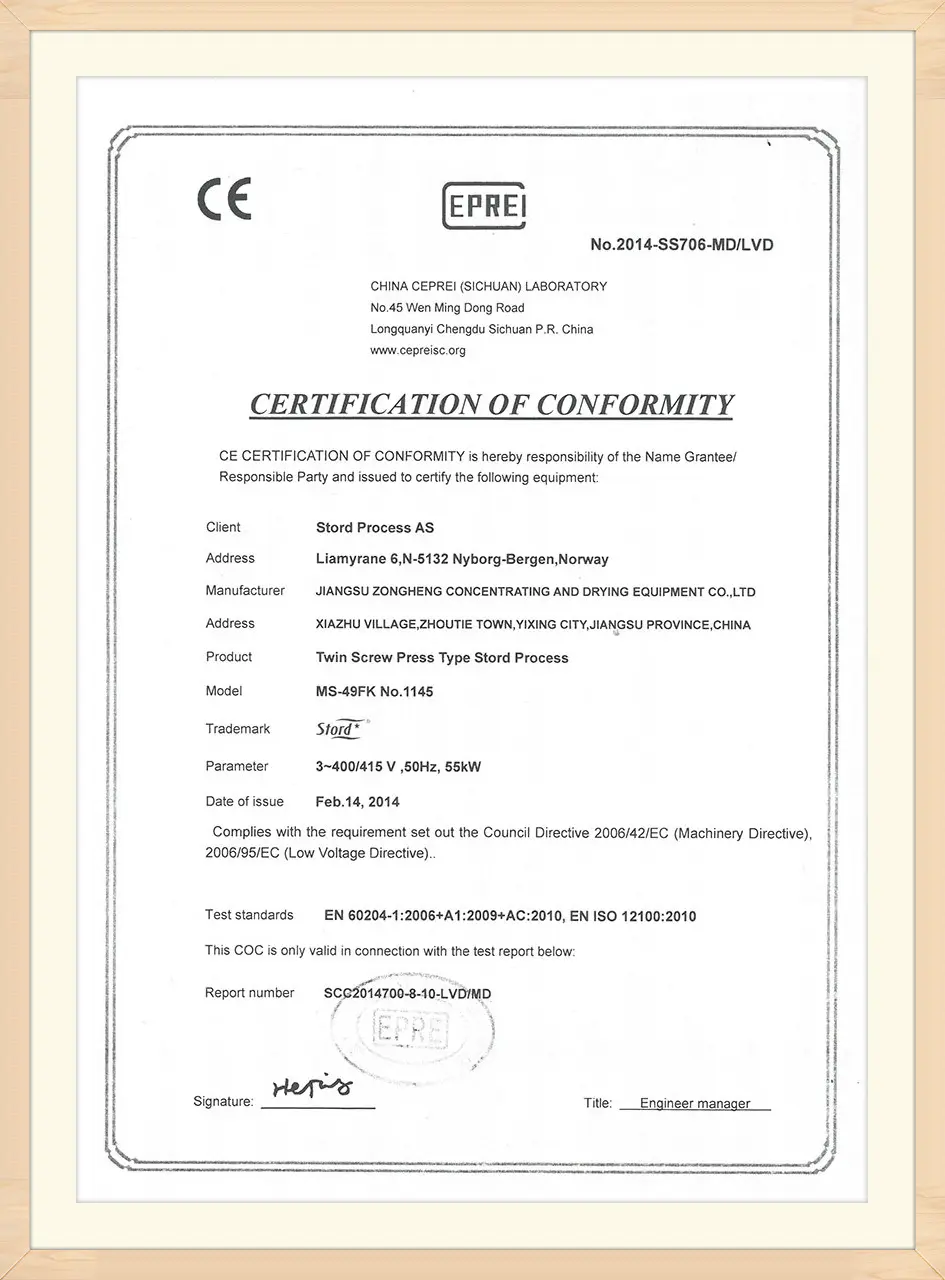
Our workshop maintains complete compliance records with strict international quality norms, which has enabled us to secure various industry achievements.
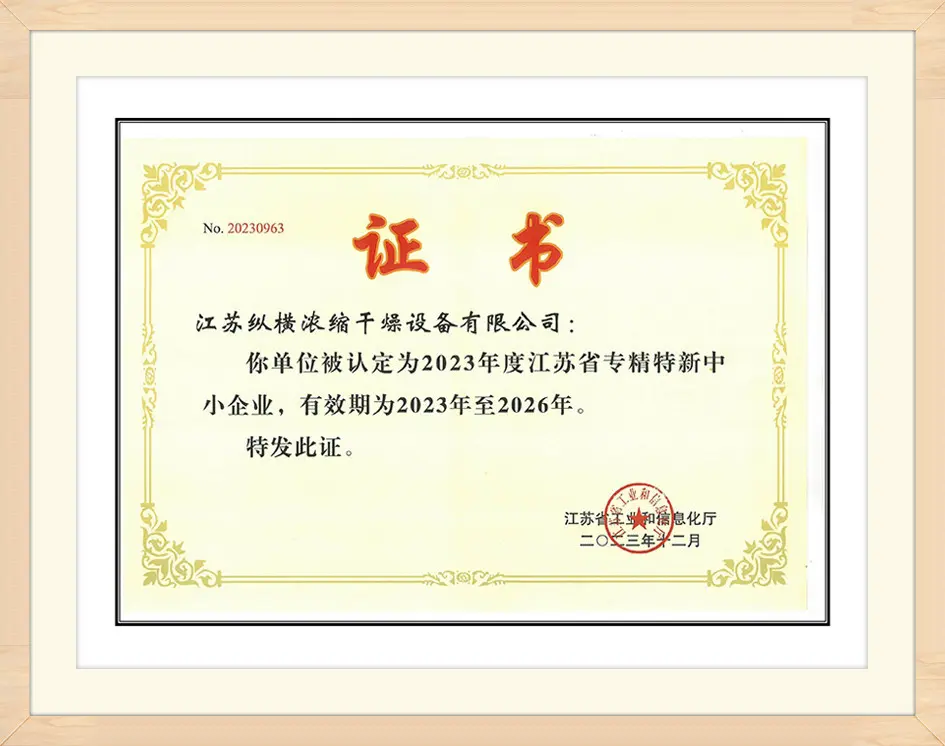
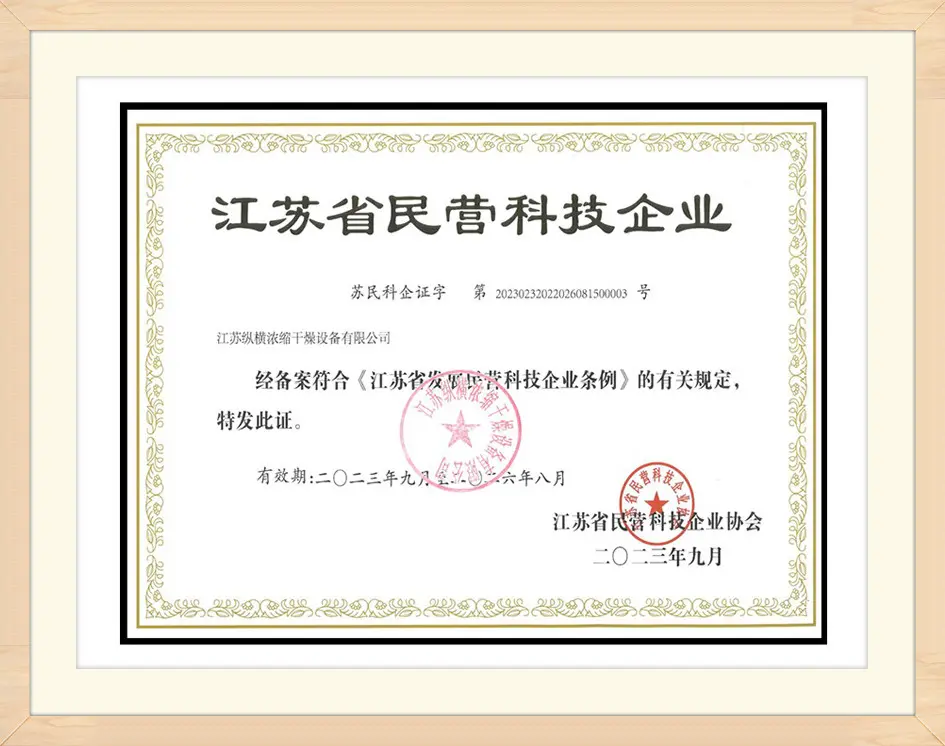
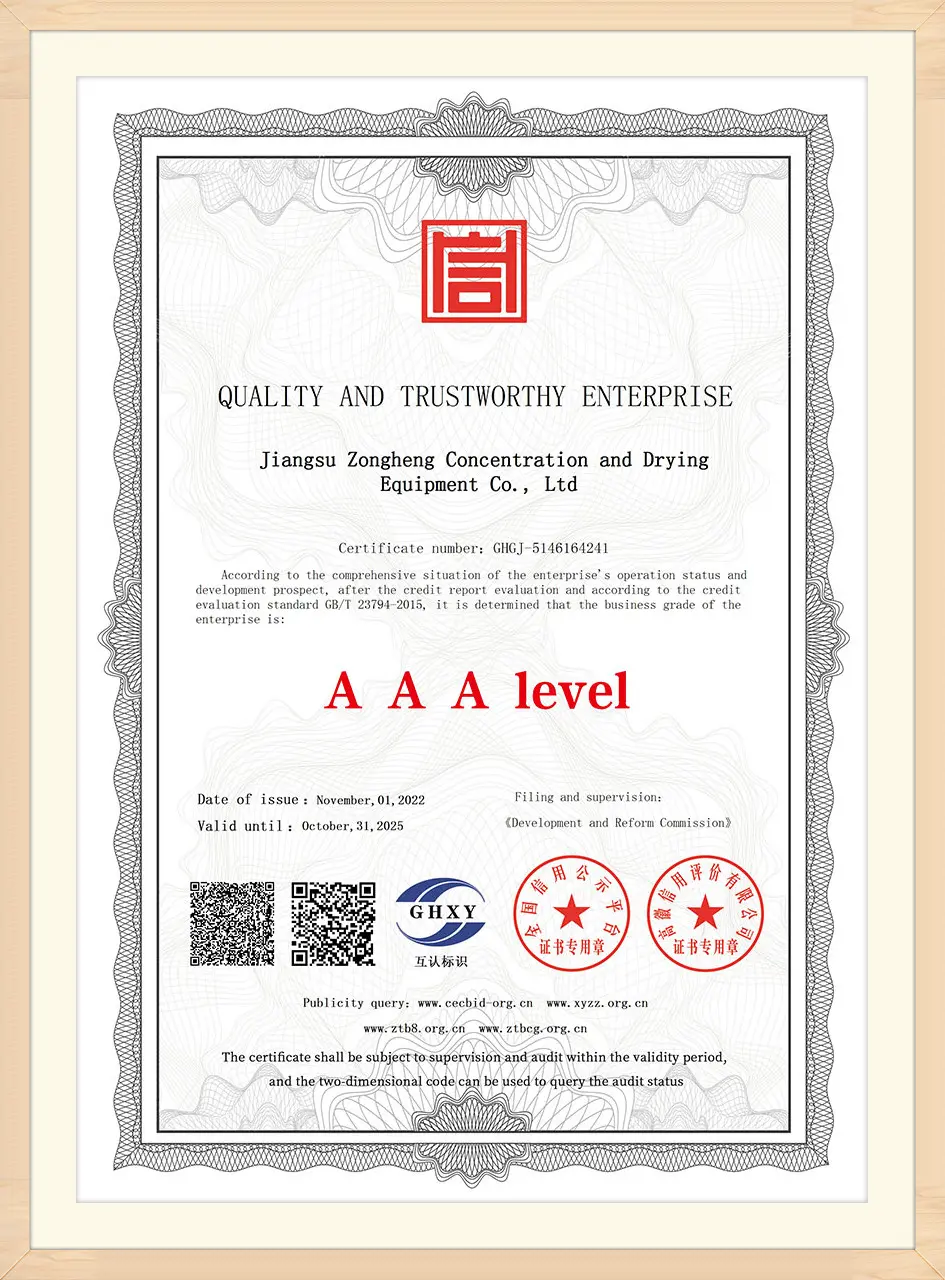
Get professional answers to critical mechanical, chemical, and operational inquiries regarding industrial evaporation plants.
Contact our thermal designers to request customized technical configurations, energy calculations, and direct factory pricing.
Premium auxiliary machinery, separation components, and industrial dryers manufactured in our ASME certified facilities.
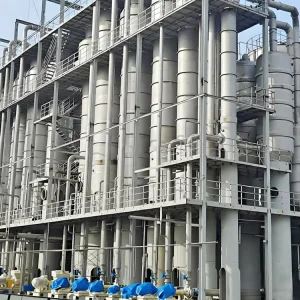
Integrates waste heat sources, such as drying exhaust vapors, to drive evaporation processes and lower fuel requirements.
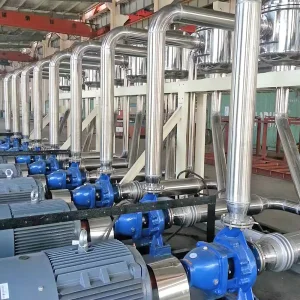
Designed for washing, refining, and separating protein and starch suspensions to achieve high product purity.
Leading Chinese factory solutions for manufacturing high-capacity, low-temperature evaporative concentrators.
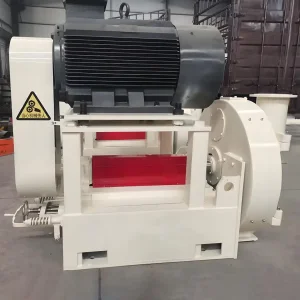
Preserves kernel structures and optimizes starch yields during wet-milling maize degerming processes.
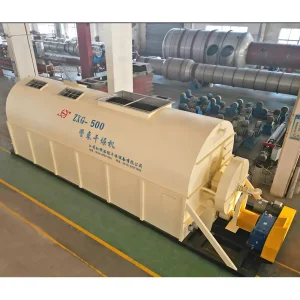
Indirect steam heating system designed for safe, low-oxygen drying of starches, fibers, and animal feeds.
Multi-stage cyclone separation arrays designed to wash out fine soluble proteins and fiber impurities.
Engineered to handle severe scaling, high viscosity, and crystallization stages in waste treatment systems.
High-efficiency wet grinding mill that splits germ structures cleanly from starch endosperms.
Proven installations across diverse processing sectors.
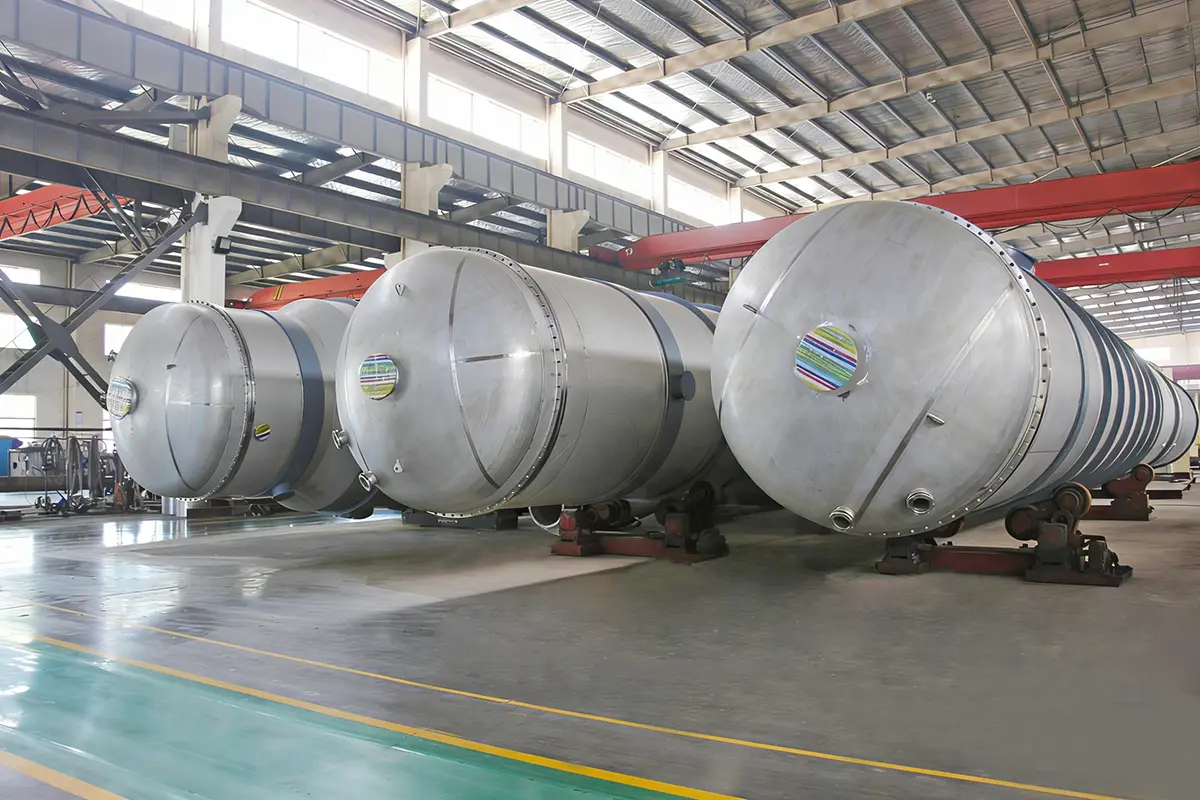
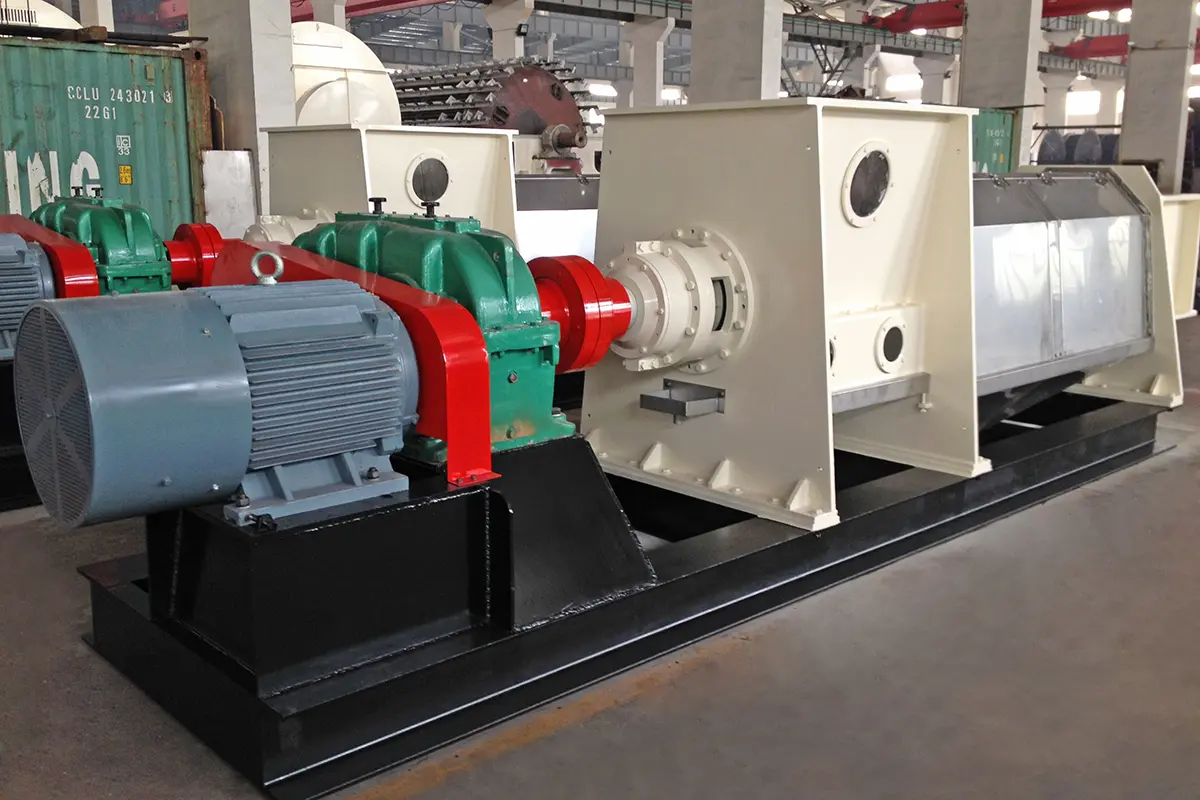
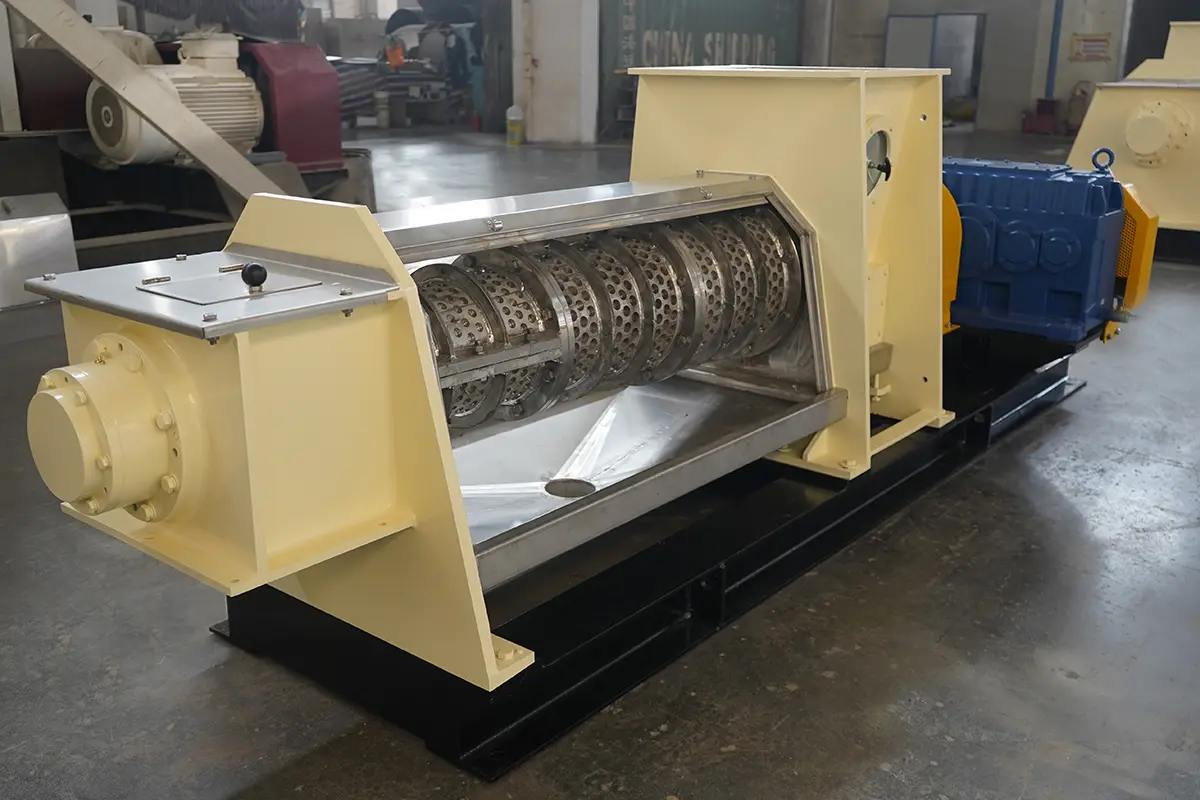
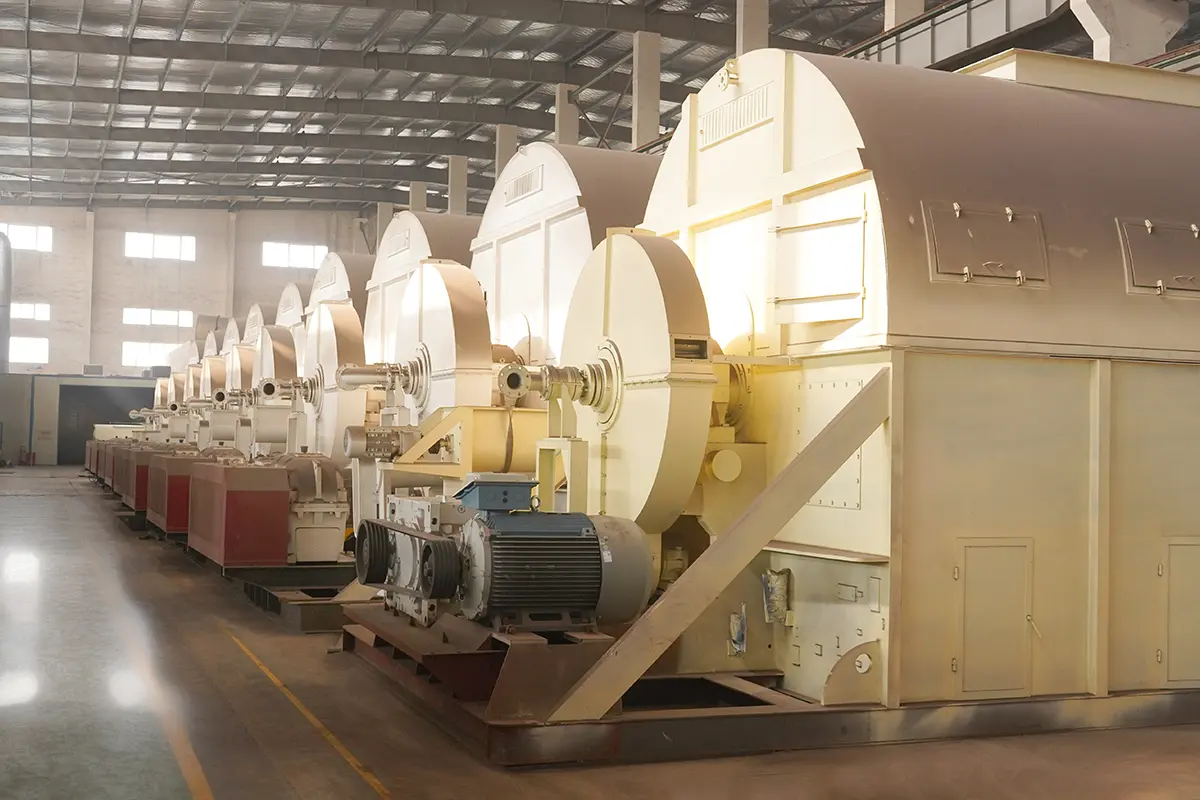
Essential thermodynamic insights from our engineering desk.
Engineering Bulletin: Evaporation Thermodynamics
The evaporator absorbs heat to vaporize media, while the condenser releases heat to liquefy vapor; the two perform opposite cooling and heating functions. Operating under low pressure, the evaporator generates cold energy and concentrates liquid feedstocks. It relies on a liquid distributor, heating elements, and vapor separators working in sync. Designing the system requires matching flow velocities, vapor compression cycles, and heat exchange areas to the specific viscosity and boiling points of the feedstock.
 Zongheng