Explore our core evaporation plants tailored for Australia's strict energy efficiency and environmental parameters.
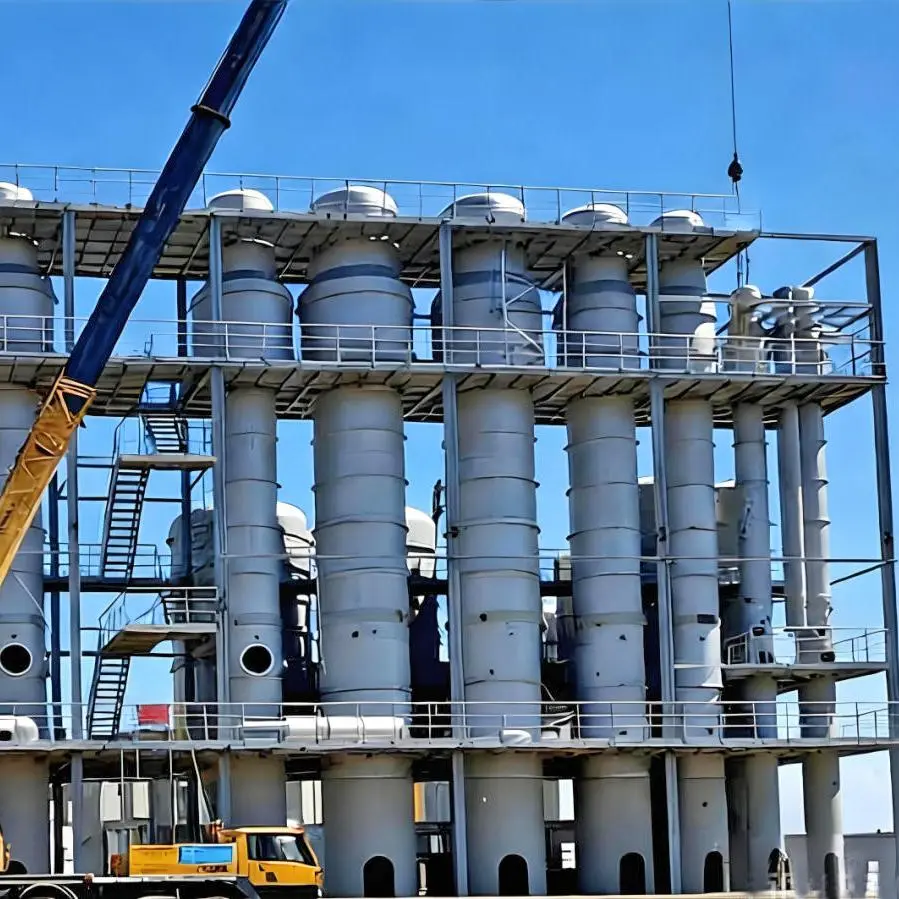
Advanced energy-saving evaporation modules engineered to reduce local carbon footprint and optimize operating expenses for food, chemical, and waste management facilities.
Read More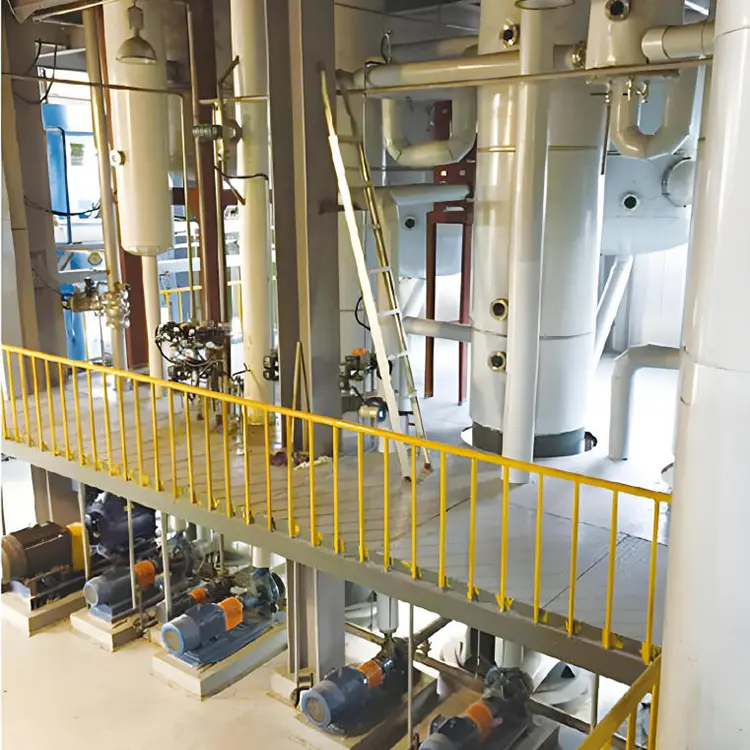
Ideal for thermal concentration of heat-sensitive liquid streams. Features minimal processing residence times and exceptional heat transfer coefficients for delicate Australian applications.
Read More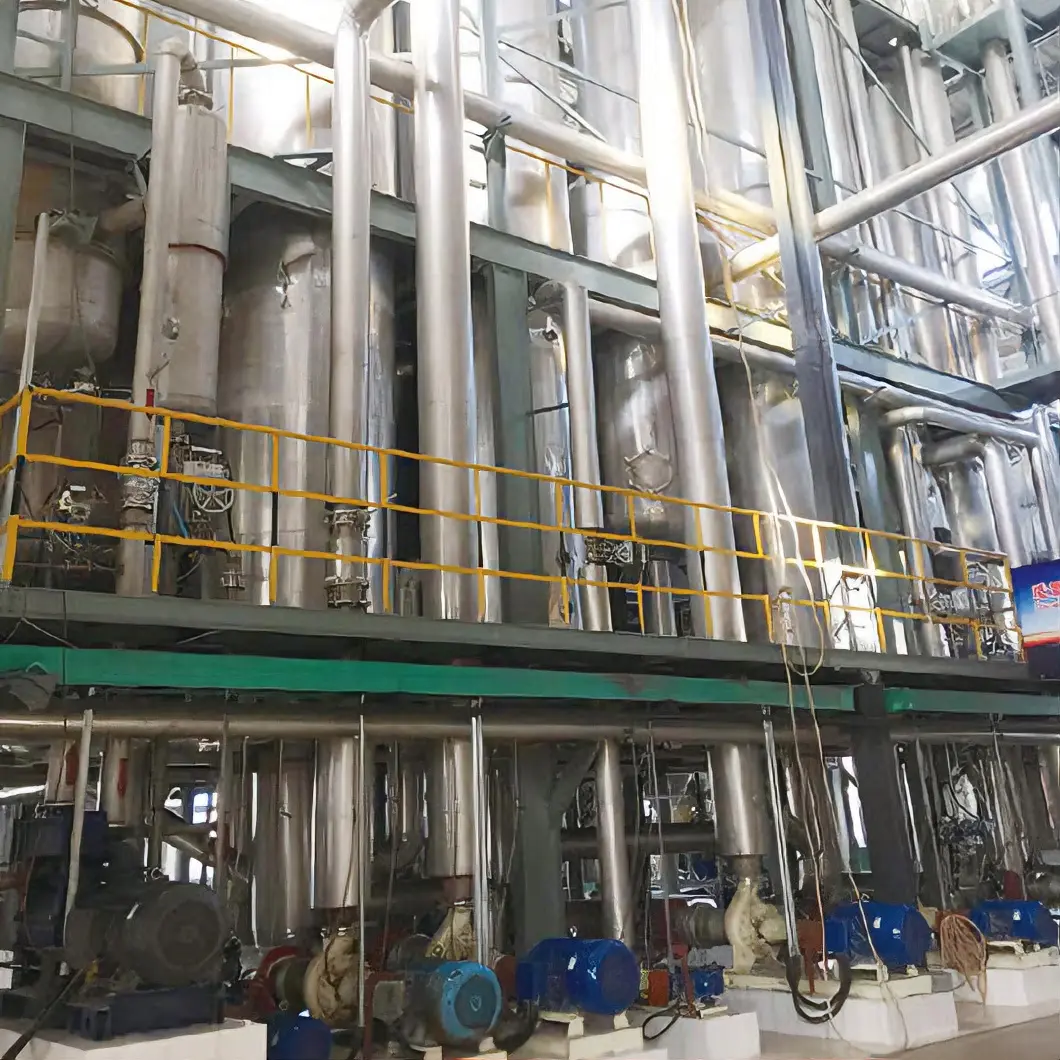
Designed to handle high solids content, viscous mediums, and scaling-prone industrial waste streams. Offers reliable shear stress dynamics and robust anti-fouling capabilities.
Read More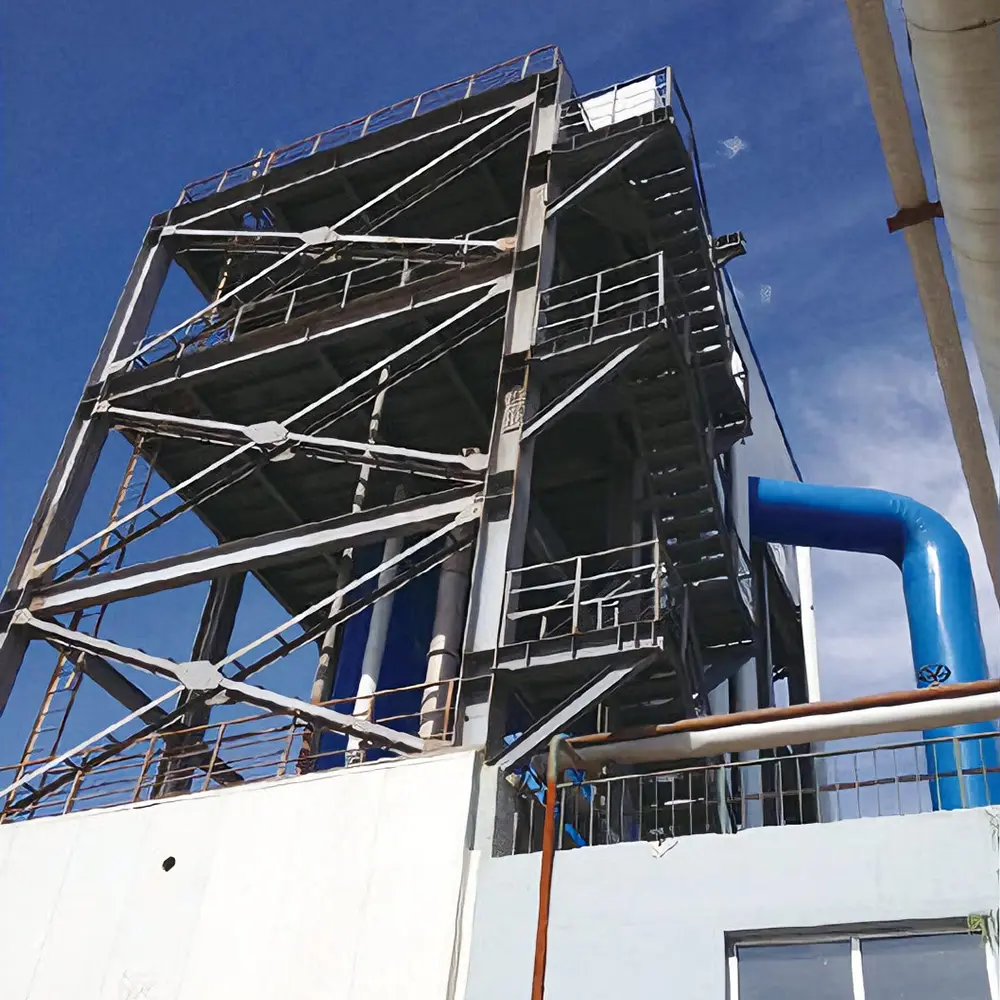
Utilizing Mechanical Vapor Recompression technology to reuse secondary steam energy. Minimizes overall utility costs while providing outstanding performance in environmental cleanups.
Read MoreThe Greater Sydney region and broader New South Wales (NSW) industrial corridors are experiencing a transformative structural shift. Strict environmental policies driven by the NSW Environment Protection Authority (EPA) and Sydney Water's rigorous Trade Waste Agreements necessitate modern, closed-loop waste treatment systems. As industrial land values escalate across Botany, Wetherill Park, and Smithfield, facilities are forced to optimize physical footprints while completely eliminating liquid discharge (Zero Liquid Discharge - ZLD).
Evaporation systems are critical infrastructure components in this paradigm, separating clean distillate from complex chemical slurry. By utilizing MVR (Mechanical Vapor Recompression) and high-efficiency Falling Film technologies, Sydney factories can recycle up to 98% of process water. This drastically mitigates municipal tap water drawdowns, aligns with local sustainability benchmarks, and insulates chemical manufacturing, food processing, and grain refining enterprises from volatile water utility tariffs.
Our custom-tailored industrial evaporators solve the specific challenges faced by Sydney operators: high energy costs, restricted water availability, and regulatory mandates on liquid trade effluents.
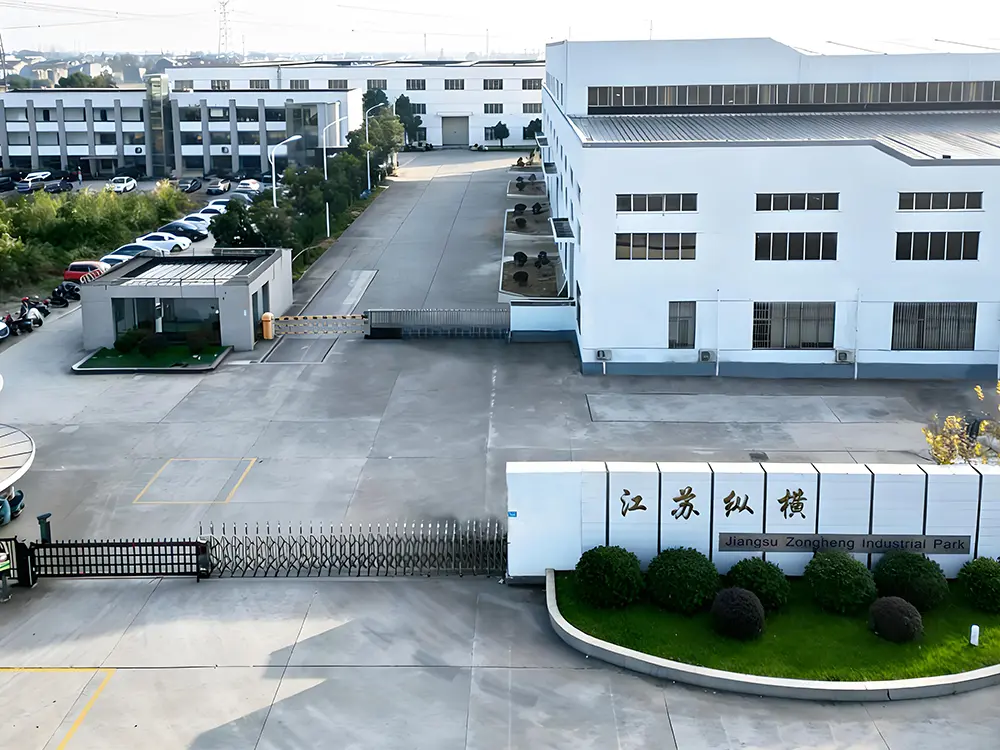
A technical assessment of energy recovery mechanisms designed to lower Australian operating expenditures.
By compressing secondary steam using a mechanical centrifugal compressor or blower, MVR elevates the vapor’s temperature and enthalpy. The re-energized vapor is then returned to the heating side of the heat exchanger to serve as the heating medium. This eliminates the need for fresh steam inputs except during start-up, cutting energy consumption by up to 90% compared to traditional single-effect thermal evaporation plant designs.
The liquid feed is distributed evenly across the inner surfaces of vertical tubes, cascading downward as a continuous, thin film. Evaporation occurs inside this thin film, driven by exterior steam heating. Because the liquid travels rapidly due to gravity, the contact time is brief, preserving high product quality. Proper wetting rate controls prevent tube dryout and reduce fouling, maintaining stable heat transfer coefficients.
Operating under high recirculation velocities powered by dedicated axial or centrifugal pumps, this system suppresses boiling at the heat exchanger tubes by applying static head pressure. Boiling is restricted to the flash separator chamber instead. This approach isolates scaling and crystallization reactions away from heat transfer surfaces, allowing continuous processing of highly mineralized or viscous brines.
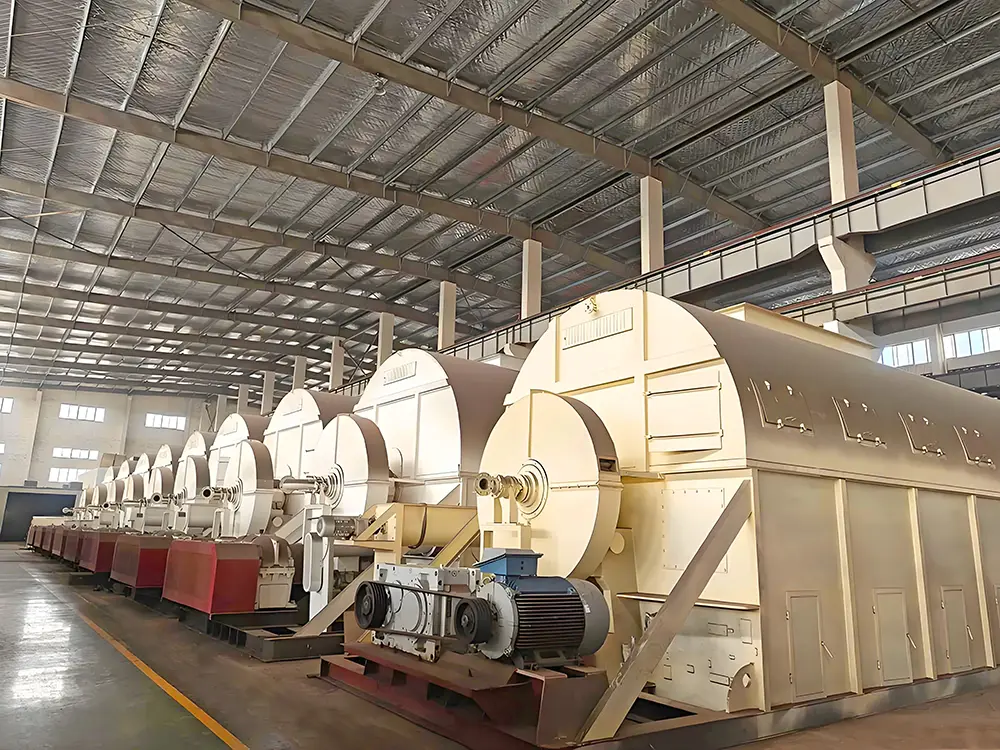
Navigating the complex procurement process for large-scale industrial pressure vessels requires balance. Localized engineering support must interface seamlessly with competitive, high-capacity fabrication yards. Jiangsu Zongheng bridge this gap, leveraging a massive 54,000 square meter factory space and over three decades of engineering experience. This allows us to supply cost-effective processing systems that fully comply with Australia's demanding safety and quality frameworks.
All pressure vessels, heat exchangers, and separator columns can be engineered and certified to meet the AS1210 pressure equipment standards required in New South Wales, alongside international ASME "U" stamp credentials. Our quality control tracking follows structural steel checks, non-destructive testing (NDT), weld certifications, and detailed hydro-testing protocols. This ensures that when equipment arrives at a Sydney port, it undergoes smooth commissioning and local WorkSafe NSW registrations.
By coupling advanced Chinese fabrication efficiencies with reliable global components (such as specialized mechanical vapor compressors, control valves, and PLC systems), we deliver reliable capital equipment with short lead times and highly competitive ROI.
A history of engineering growth, international certifications, and global footprint expansion.
Established as Yixing Yangxi Light Industrial Machinery Factory, focusing on basic evaporation vessels and food drying machinery with a small team of 45 people.
Achieved ISO9001 quality system certification, standardizing manufacturing protocols and expanding into chemical and wastewater treatment sectors.
Awarded Jiangsu Provincial High-Tech Enterprise status, marking a shift toward energy-efficient mechanical vapor recompression research.
Obtained the prestigious ASME "U" stamp authorization, enabling direct engineering and export of high-pressure equipment worldwide.
Currently employing over 120 staff members, including 20+ specialized design engineers, supplying multi-effect and MVR evaporation plants globally.
Custom configurations built to perform under specific operational parameters in Australia.
Concentrating fruit juices, dairy derivatives, sugars, and extracts in compliance with strict HACCP standards. Gentle thermal processing protects volatile flavor profiles and prevents the degradation of heat-sensitive compounds.
Treating municipal leachate, mining runoff, and industrial trade waste. Concentrators separate dissolved solids from clean effluent, reducing total sludge volume to cut disposal costs.
Highly suited for separating proteins, starches, and spent grains. Our systems integrate with spin dryers, tube bundle dryers, and screw dewatering presses to recover animal feed and valuable bio-ethanol byproducts.
Detailed engineering insights concerning evaporator operation, maintenance, and design parameters.
Explore our wider manufacturing capabilities serving agricultural and chemical processing hubs across NSW.
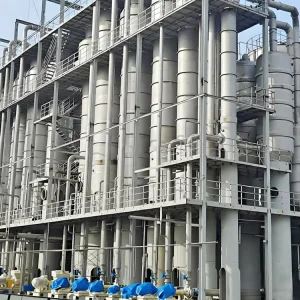
Recovers low-temperature flash steam or dryer exhaust vapor to drive concentration steps, cutting utility costs across processing plants.
Read More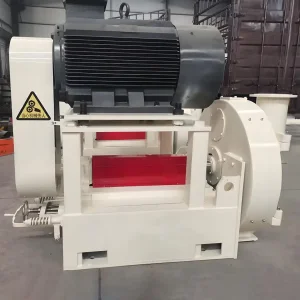
Designed for maize processing, this system separates the germ and endosperm with high efficiency, maximizing product yields.
Read More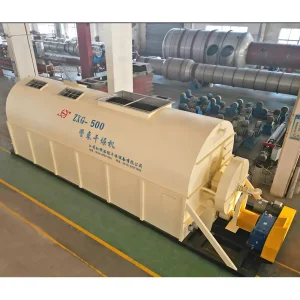
Provides indirect steam heating for moisture-sensitive bulk solids. Ideal for processing starch, corn germ, and chemical powders.
Read More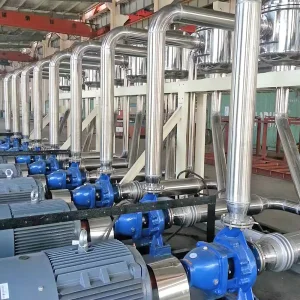
Multi-stage hydrocyclone systems engineered for high-efficiency washing, concentration, and refining of raw starch suspensions.
Read More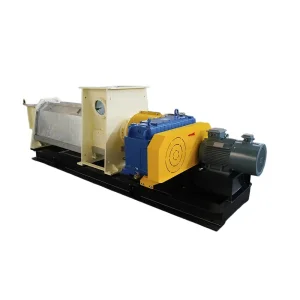
Delivers mechanical dewatering for fibrous sludges and organic solids. Significantly lowers drying energy requirements.
Read More
Designed for chemical recovery and concentration. Advanced heating configurations deliver reliable uptime under high volumes.
Read More
Optimized for processing corn germ, wet starch hulls, and spent brewing grains, delivering reliable moisture separation.
Read More
Constructed in AISI304/316L stainless steel, providing high separation efficiency for commercial starch factories.
Read More Zongheng