
Zongheng provides energy-efficient, high-performance evaporation solutions specifically calibrated for challenging environmental and industrial process parameters across Sumatra, Java, and Kalimantan.
Read More →
Specifically engineered to handle heat-sensitive liquids. Features dynamic distribution systems that optimize the wetness of tube interior surfaces to prevent scaling and maximize heat transfer coefficients.
Read More →
Robust crystalline separation systems optimized for highly viscous fluids, complex industrial wastewater containing high dissolved solids, and chemical salting processes.
Read More →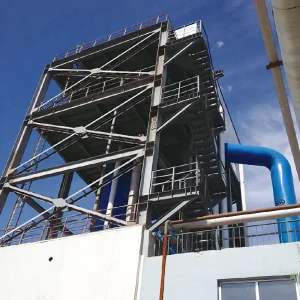
Mechanical Vapor Recompression (MVR) utilizes mechanical compressor technology to reuse waste steam, cutting thermal footprint and operational energy costs by up to 60-80% compared to traditional boilers.
Read More →Indonesia is undergoing a massive industrial transformation. As Southeast Asia’s largest economy, its key sectors—ranging from starch production (tapioca and sago extraction in Lampung and Sumatra), palm oil processing (POME treatment in Riau and Kalimantan), food & beverage, bioethanol synthesis, to mineral processing and chemical manufacturing—rely heavily on thermal separation technology.
Operating in tropical, high-humidity climates presents unique challenges. Thermal evaporators must be engineered with advanced anti-corrosion profiles (using high-grade titanium, duplex stainless steels like 2205/2507, or AISI 316L) to withstand high chloride concentrations and corrosive organic acids. Moreover, rising fuel cost and national green energy commitments necessitate high-efficiency technology, shifting market preference from classic steam-guzzling multi-effect evaporators (MEE) to Mechanical Vapor Recompression (MVR) systems and integrated Waste Heat recovery models.
To navigate the dynamic landscape of resource reclamation and zero-liquid discharge (ZLD) regulations in Indonesia, our engineering division focuses on a strict technology roadmap:
As the Indonesian government strengthens its AMDAL (Environmental Impact Assessment) frameworks, local factories are forced to treat complex waste streams. This is where forced circulation crystallization becomes mandatory, turning heavy hazardous waste into transportable dry salts and pure water for reuse inside the plant.
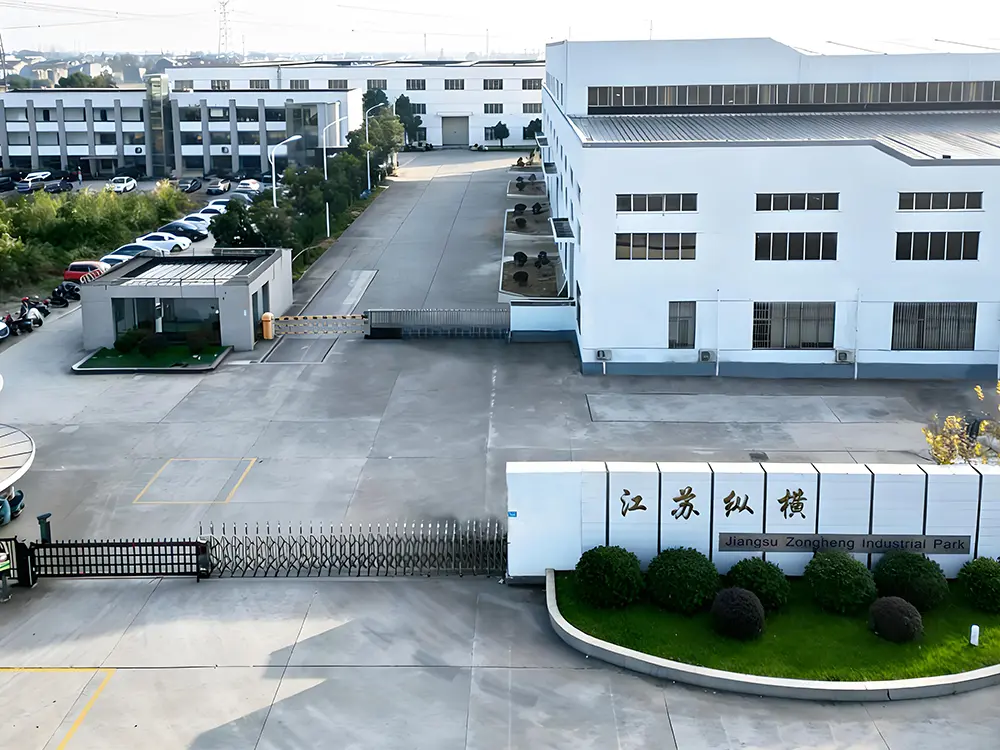
When sourcing process equipment of scale, global procurement managers look for three primary markers: supply chain reliability, compliance certification, and engineering flexibility. Jiangsu Zongheng Concentration and Drying Equipment Co., Ltd provides these advantages through a robust manufacturing architecture:
Our pressure vessel fabrications conform strictly to the ASME Code Section VIII Division 1 (carrying the prestigious ASME "U" stamp) and CE PED requirements, ensuring safe operational limits at high pressures and temperatures.
From precision automated plasma cutting to robotic longitudinal seam welders, our manufacturing floors utilize digital tracking systems to ensure heat-exchanger tube sheets are drilled and fitted with sub-millimeter accuracy.
We work in tandem with local Indonesian logistics agencies and mechanical installation crews, offering direct on-site commissioning, operator training, and annual maintenance reviews to guarantee low uptime disruption.
Established as Yixing Yangxi Light Industry Machinery Factory. Began producing basic concentration and pressure vessel parts.
Standardized manufacturing processes to earn global quality management certifications, laying the path for export capability.
Acquired official Grade III pressure vessel certifications, allowing high-risk system manufacturing for chemical and oil refineries.
Gained entry into elite global supply chains by qualifying for standard ASME markings on heavy industrial evaporators.
Our workshop area expands past 22,000㎡, with dedicated engineering divisions servicing projects across Indonesia, Vietnam, and Thailand.
Engineered for high performance, ease of integration, and extreme operational durability under challenging Indonesian process conditions.
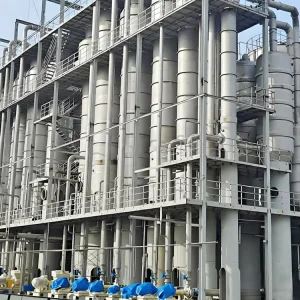
Designed to integrate with existing exhaust gases, boiler blowdown, or flash steam, turning waste energy into productive concentration capacity.
Read More →
Features premium compressors and variable speed configurations to dynamically adjust to changing evaporator feed conditions with low energy input.
Read More →
High-circulation velocity pumps push viscous fluids through heat exchangers, limiting crystallization on tubes and enhancing system uptime.
Read More →
Perfect for meeting rigorous environmental discharge targets, reclaiming distillate-grade clean water and concentrating salts for recovery.
Read More →
Bespoke system designs balancing performance, footprint, and capital expenditure for small, medium, and large-scale industrial operations.
Read More →
Engineered around thermodynamic safety and operational consistency, utilizing automated controls to minimize human error.
Read More →
Fully customizable automated control architecture integrates with DCS systems, ensuring precise density and temperature metrics.
Read More →
Compliant with stringent European and international safety directives, built for durability and seamless plant integration.
Read More →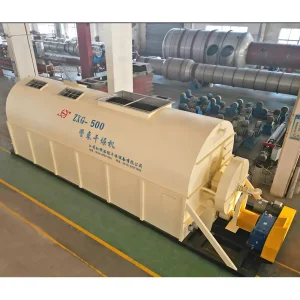
Ensures safe, low-oxygen drying via high-efficiency steam-heated contact elements, optimal for agricultural and organic waste recovery.
Read More →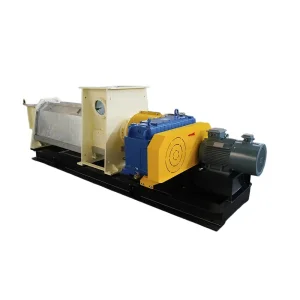
A heavy-duty dewatering solution targeting fibrous organic slurries, separating liquids from high-solid waste before drying or processing.
Read More →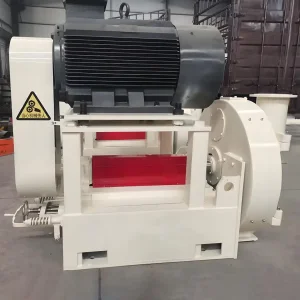
Delivers precision germ separation for maize and starch mills, maintaining kernel structure to ensure high corn oil yields.
Read More →
Our flagship industrial configuration, featuring integrated preheaters, condenser optimization, and minimal footprint scaling properties.
Read More →Deciding between multi-effect evaporation and mechanical vapor recompression (MVR) depends on regional utility costs, source water chemistry, and available boiler capacities. Below is a comparative overview highlighting critical factors for plant managers in Indonesia:
| Evaluation Parameter | Multi-Effect Evaporator (MEE) | Mechanical Vapor Recompression (MVR) |
|---|---|---|
| Main Energy Source | Live steam from coal/biomass boilers. | Electricity to drive the compressor (minimal startup steam). |
| Operating Steam Cons. | 0.25 - 0.45 tons of steam per ton of water evaporated. | ~0.02 - 0.05 tons of steam (almost negligible during steady state). |
| Specific Power Cons. | ~2 - 4 kWh/t of water evaporated (pumps only). | ~15 - 24 kWh/t of water evaporated (compressor + pumps). |
| Cooling Water Need | High (requires massive cooling tower capacity). | Low (compressed vapor condenses in the heat exchanger). |
| Optimal Feed Material | High boiling point elevation (BPE) and highly viscous fluids. | Low to moderate BPE fluids (ideal for large volume wastewater). |
For cassava starch processing plants in Lampung, steam is often readily available from biomass residues, making MEE or Waste Heat Evaporators financially viable. However, for wastewater zero-liquid discharge (ZLD) plants near residential areas in Java, MVR is preferred to minimize boiler emissions and water footprint.
With proper chemical dosing, periodic Clean-In-Place (CIP) regimes, and adherence to design pressure/temperature thresholds, Zongheng evaporators constructed from SUS316L, duplex steels, or titanium possess an operational design lifespan exceeding 15 to 20 years.
We deploy forced circulation evaporation systems equipped with high-velocity axial flow pumps. This maintains high shear rates along the inner tube walls, delaying crystal deposition and keeping fouling solids suspended until they reach the separator vessel.
Yes, our facility has maintained ASME "U" stamp authorization since 2012. All design calculations, raw materials, weld procedures (WPS), and non-destructive testing (NDT) are audited by Authorized Inspectors before shipping to Indonesian ports.
We coordinate with local Indonesian forwarders to manage customs clearance at ports like Tanjung Priok (Jakarta) or Tanjung Perak (Surabaya). Additionally, we dispatch skilled site supervisors and electrical engineers to coordinate local installers and handle commissioning.
 Zongheng