Explore our key industrial evaporation, dewatering, and airflow drying solutions engineered to reduce carbon footprints and optimize yield.
In modern industrial processing, the drying of bulk solids, starches, and food polymers constitutes a massive share of total thermal energy consumption. As global regulatory landscapes tighten around carbon emissions and operational efficiencies, traditional rotary or batch dryers are increasingly being phased out. They are being replaced by high-performance Pneumatic Conveying Dryers (commonly referred to as airflow or flash dryers).
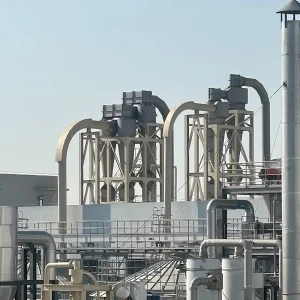
This class of equipment leverages rapid, turbulent convective heat transfer to remove surface moisture from wet powders or granules. In a matter of seconds, wet cake material is fluidized, dispersed, and conveyed through a vertical system. This short residence time preserves heat-sensitive materials such as starch, organic proteins, and pharmaceuticals while delivering continuous, high-volume production output.
Jiangsu Zongheng Concentrating and Drying Equipment Co., Ltd. stands at the intersection of thermal calculation expertise and manufacturing craftsmanship. By focusing on the thermodynamics of flash vaporization, we manufacture drying networks that significantly reduce specific energy consumption per ton of dry product.
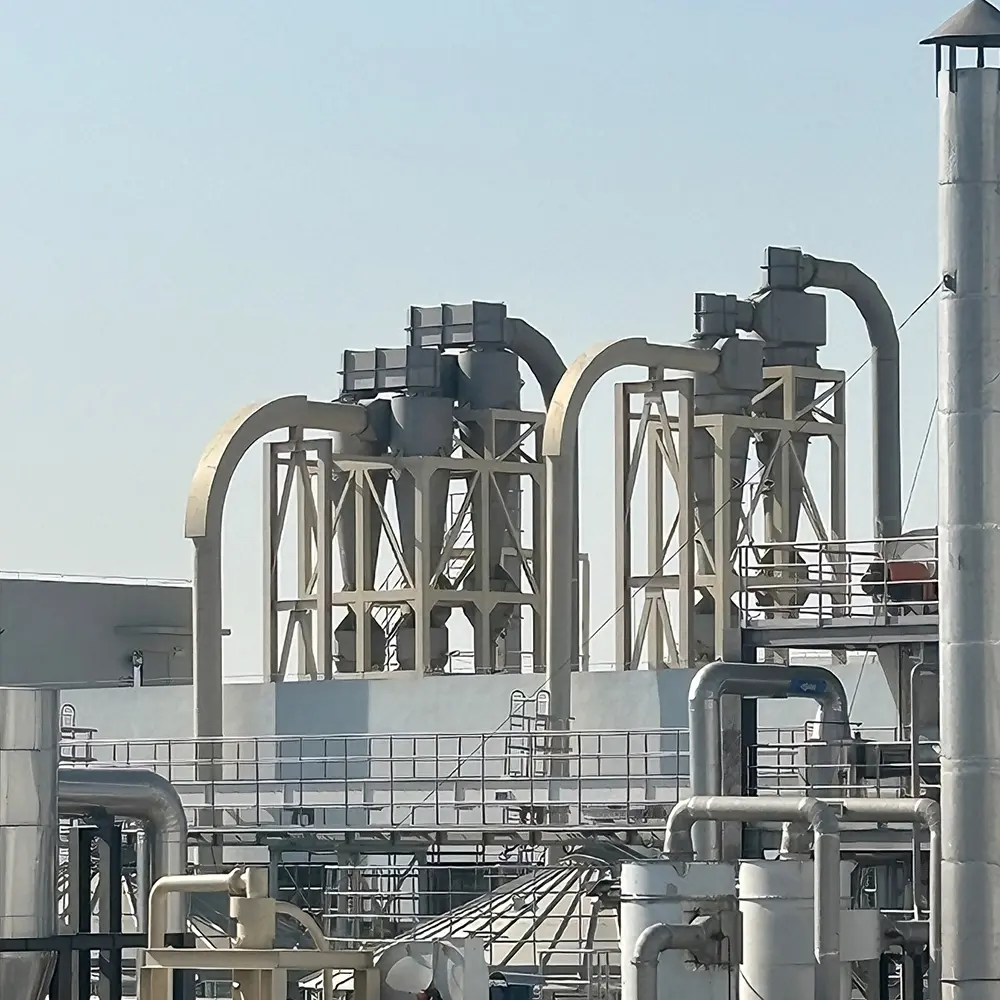
A deep engineering look at the kinetic dynamics of impulse-driven gas-solid systems.
By altering duct diameters periodically, the system creates pressure pulses. These speed variations generate shearing forces that break up cohesive wet cake agglomerates, maximizing exposed surface area for convective drying.
Co-current heat transfer profiles pair the hottest drying gases with the wettest incoming feed. Rapid initial water evaporation cools the air stream instantly, shielding sensitive particles from thermal degradation.
Integrated vortex classifiers or dispersion mills separate heavier, under-dried particles from the flow. They recirculate them back into the high-velocity hot air column, ensuring uniform residual moisture content.
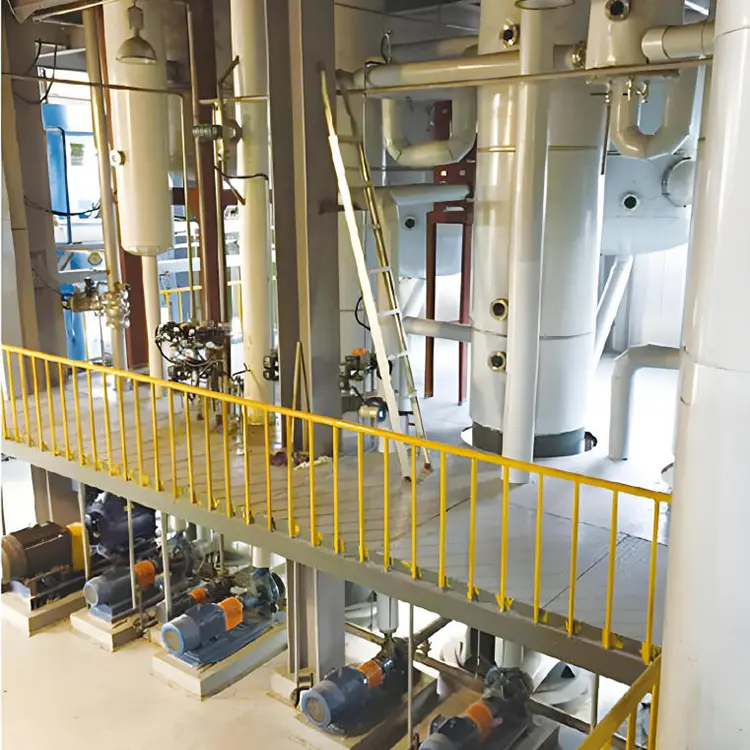
A key concept of high-efficiency drying is minimizing the water load entering the dryer. Pneumatic Conveying Dryers operate most economically when processing a cake that has been mechanically dewatered to its physical limit. This is where the integration of Jiangsu Zongheng’s broader portfolio becomes essential.
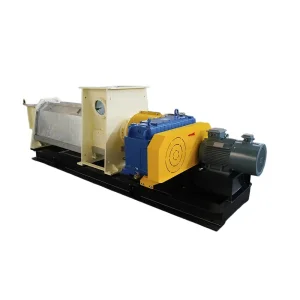
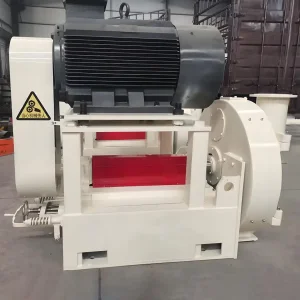
Removes bulk water mechanically, converting slurry into a crumbly cake, reducing the thermal load and fuel consumption of the subsequent flash dryer.
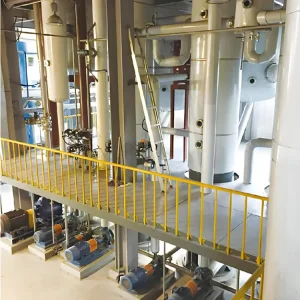
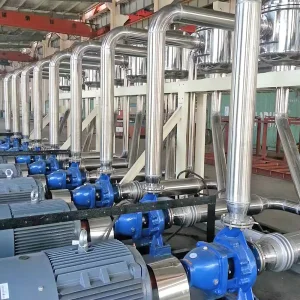
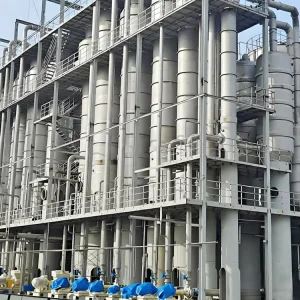
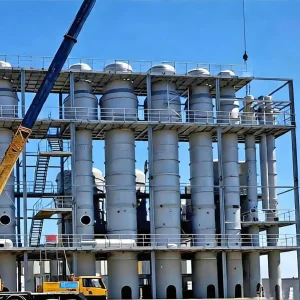
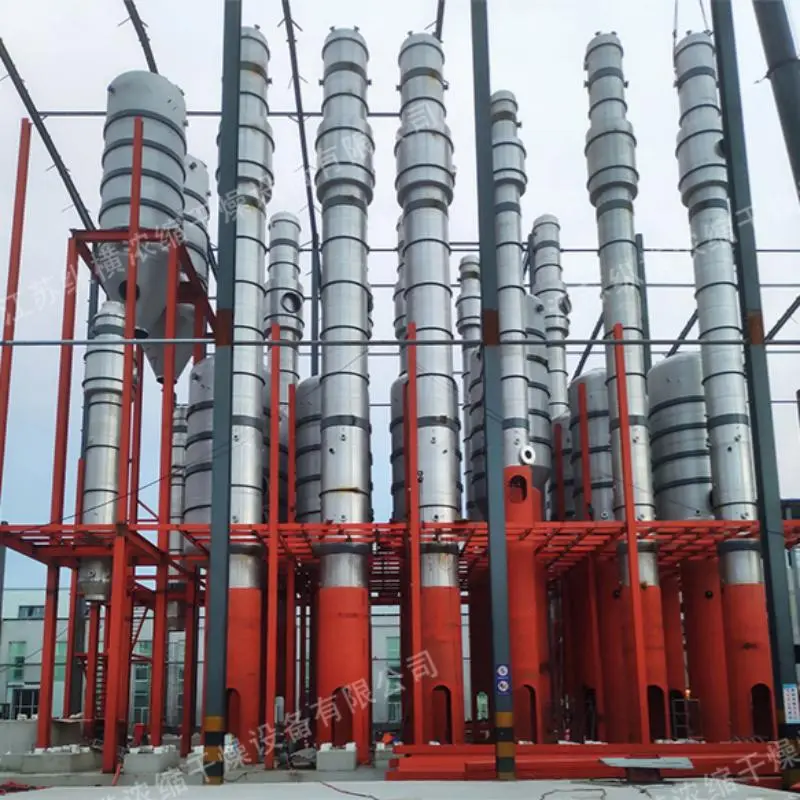
Concentrates thermal-sensitive liquid feeds under vacuum. High-efficiency mechanical vapor recompression loops minimize primary steam consumption.
Utilizes low-temperature exhaust gases and condensates from dryers and bundle vaporizers to pre-heat product feed stream, optimizing energy recovery loops.
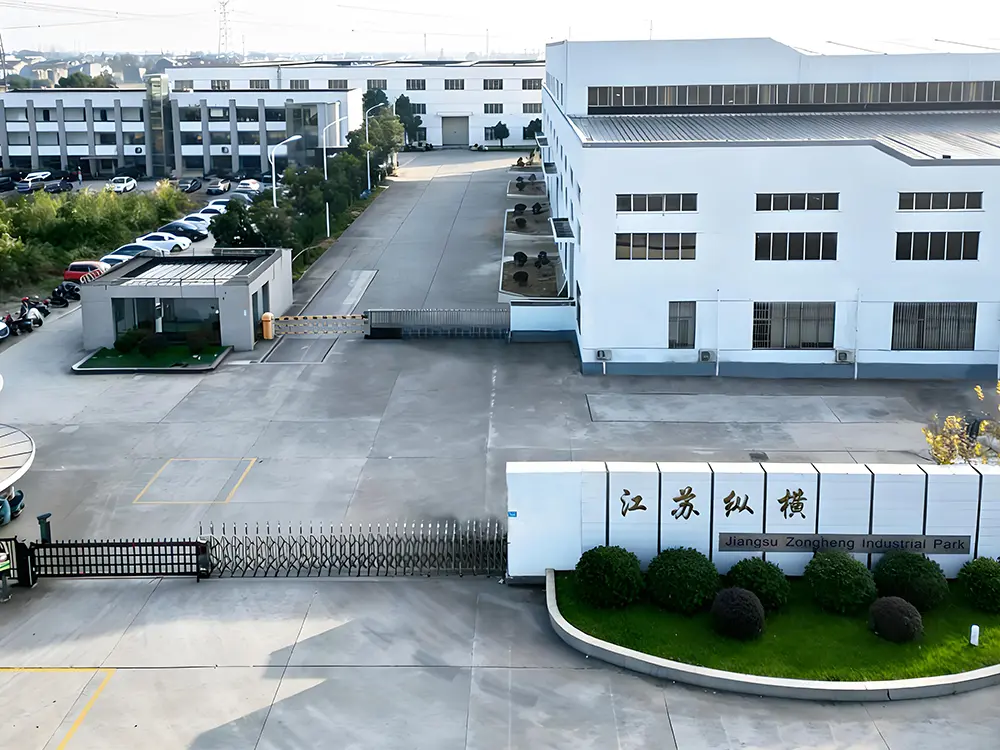
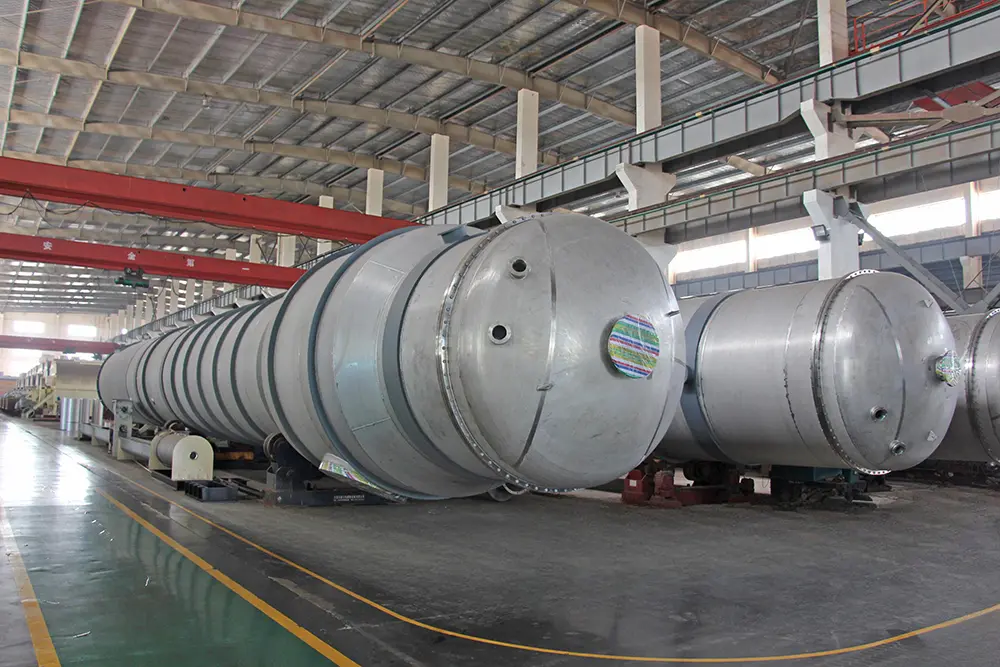
Jiangsu Zongheng Concentrating and Drying Equipment Co., Ltd. (formerly known as Yixing Yangxi Light Industry Machinery Factory), founded in 1992, is situated in Zhoutie Town, Yixing City, on the scenic banks of Taihu Lake. We operate a facility spanning over 54,000 square meters, featuring modern fabrication machinery and clean assembly workshops covering 22,000 square meters.
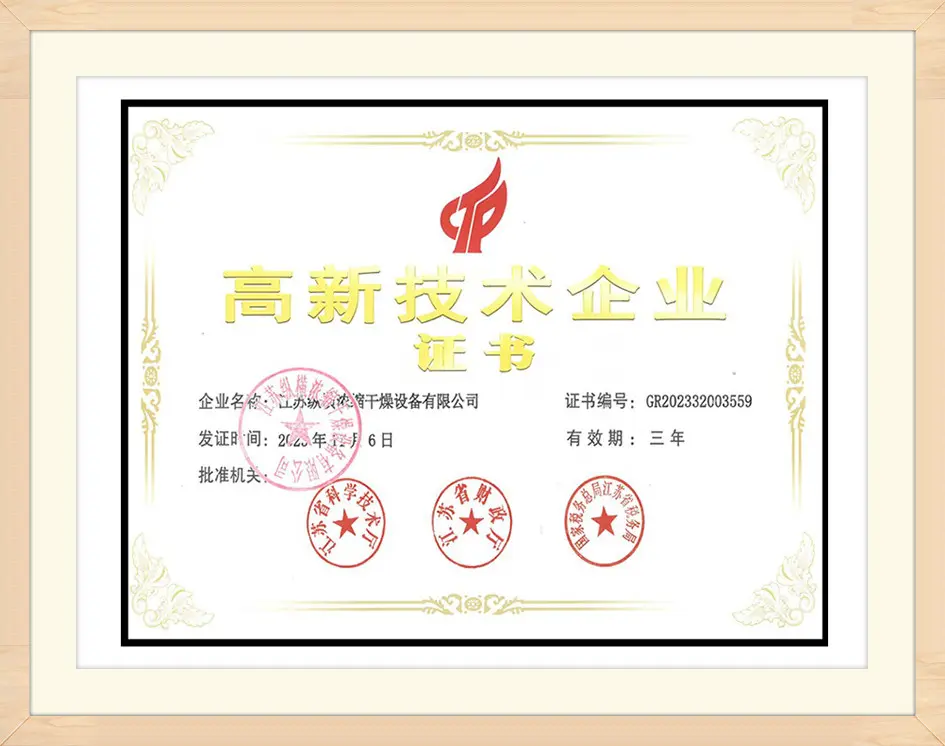
We are a recognized modern high-tech enterprise. Our core capabilities cover custom chemical engineering design, finite element mechanical analysis, and certified fabrication of concentration, drying, starch refining, bio-ethanol DDGS, and Category III medium and low-pressure pressure vessels. As an active member of the China Starch and Alcohol Association, Zongheng equipment serves leading brands across food fermentation, chemicals, waste treatment, pharmaceuticals, and environmental engineering worldwide.
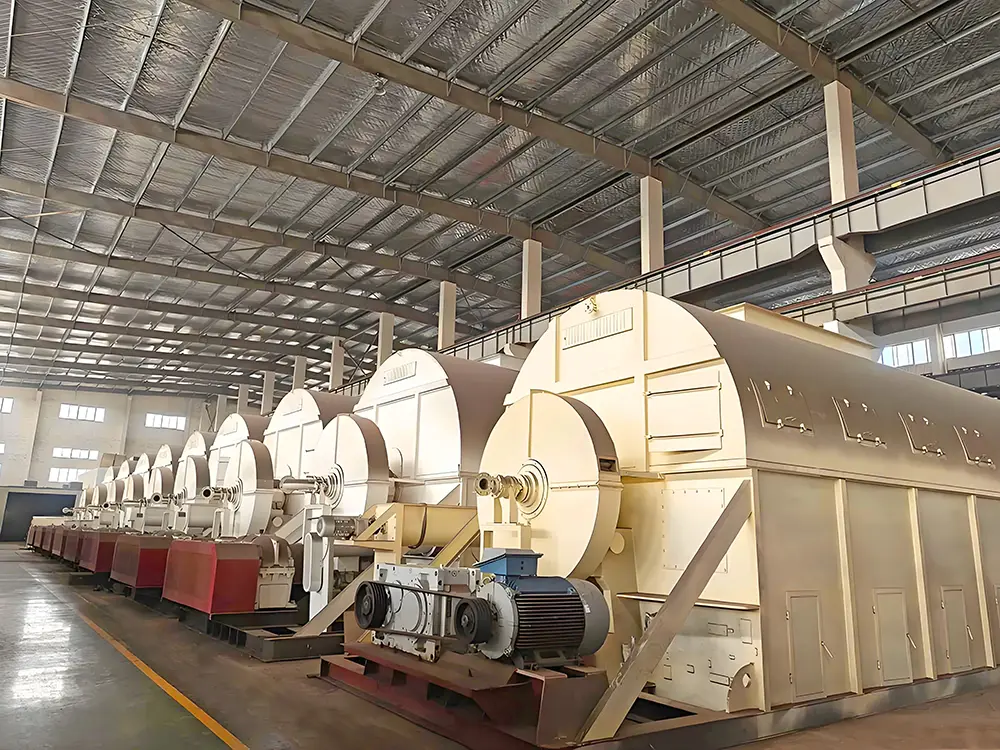
Designing the next generation of zero-emission, automated pneumatic drying systems.
To dry combustible powders safely, we design closed-loop drying lines using superheated steam or nitrogen ($N_2$) as the primary gas carrier. Recovered vapors are condensed out, minimizing VOC release and fire risk.
Real-time moisture sensors monitor product dampness dynamically. Machine learning loops automatically throttle the gas burner output and wet material feeding speeds, maintaining target moisture within ±0.2% variance.
Abrasive starches and minerals cause localized scouring at piping bends. Zongheng uses specialized clad alloys, ceramic tiles, and thick-walled elbows to prevent premature wall thinning and vacuum leaks.
A timeline of structural expansion, technical breakthroughs, and international certifications.
Jiangsu Zongheng Concentrating and Drying Equipment Co., Ltd (formerly known as Yixing Yangxi Light Industrial Machinery Factory) was founded. The company initially covered about 15 mu and had a staff of 45 people.
The company took the lead in obtaining ISO9001 quality management system certification, formalizing our manufacturing protocols.
Recognized as a Jiangsu Provincial High-Tech Enterprise, cementing our standing as an R&D innovator in thermal drying.
Obtained the Special Equipment Manufacturing License of the People's Republic of China (License No.: TS2232C42) for low and medium-pressure vessel design.
Acquired the ASME "U" Stamp authorization, marking our entry into high-end international engineering supply chains.
Secured international quality system certification (Certificate No.: 45021), establishing a complete quality assurance system aligned with global standards.
The company covers over 54,000 square meters, with workshops exceeding 22,000 square meters. The staff includes 3 senior engineers, over 20 engineers and assistant engineers, and 120 skilled technicians.
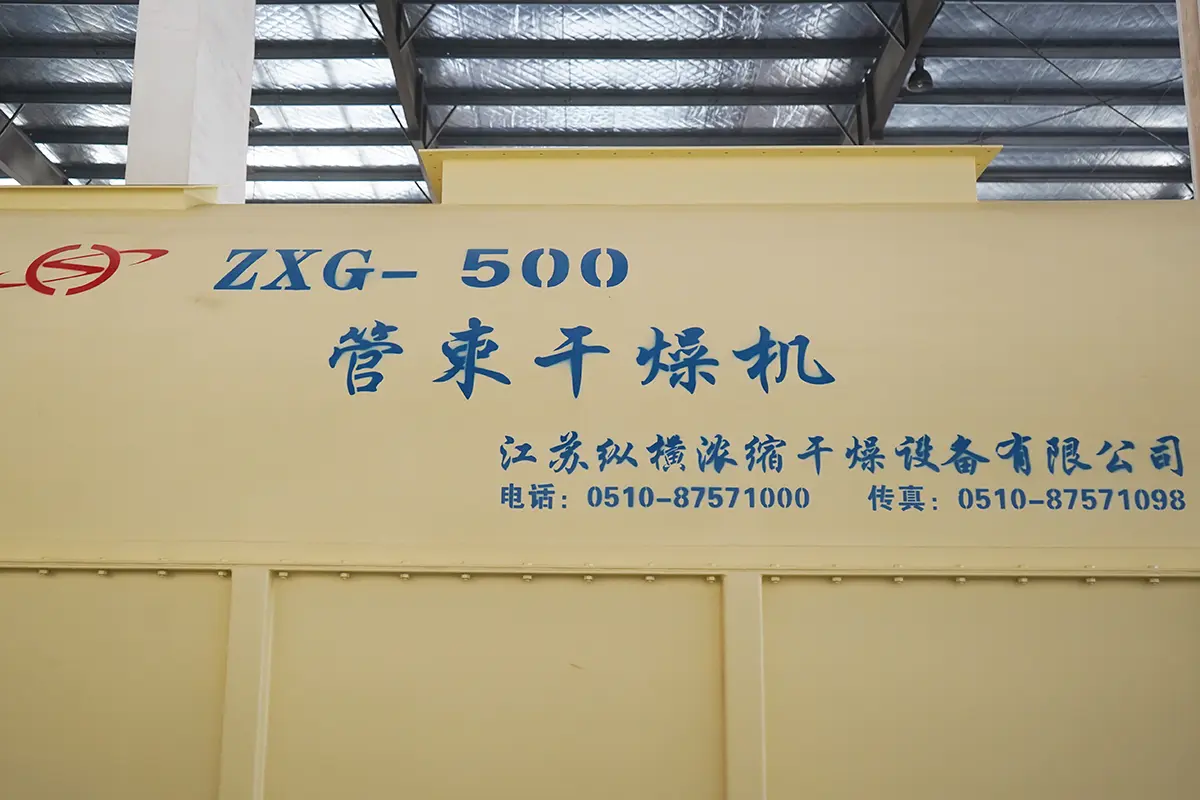
Our units are designed for heavy duty, continuous operation across key process sectors.
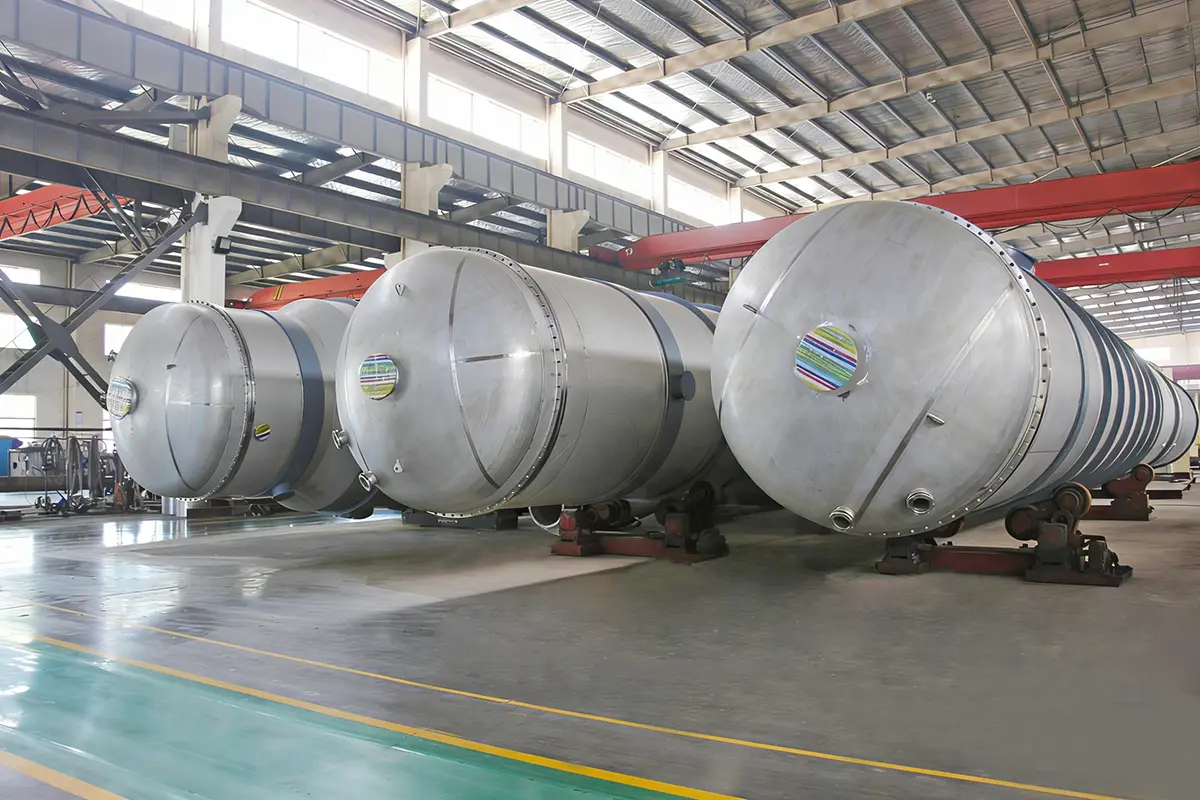
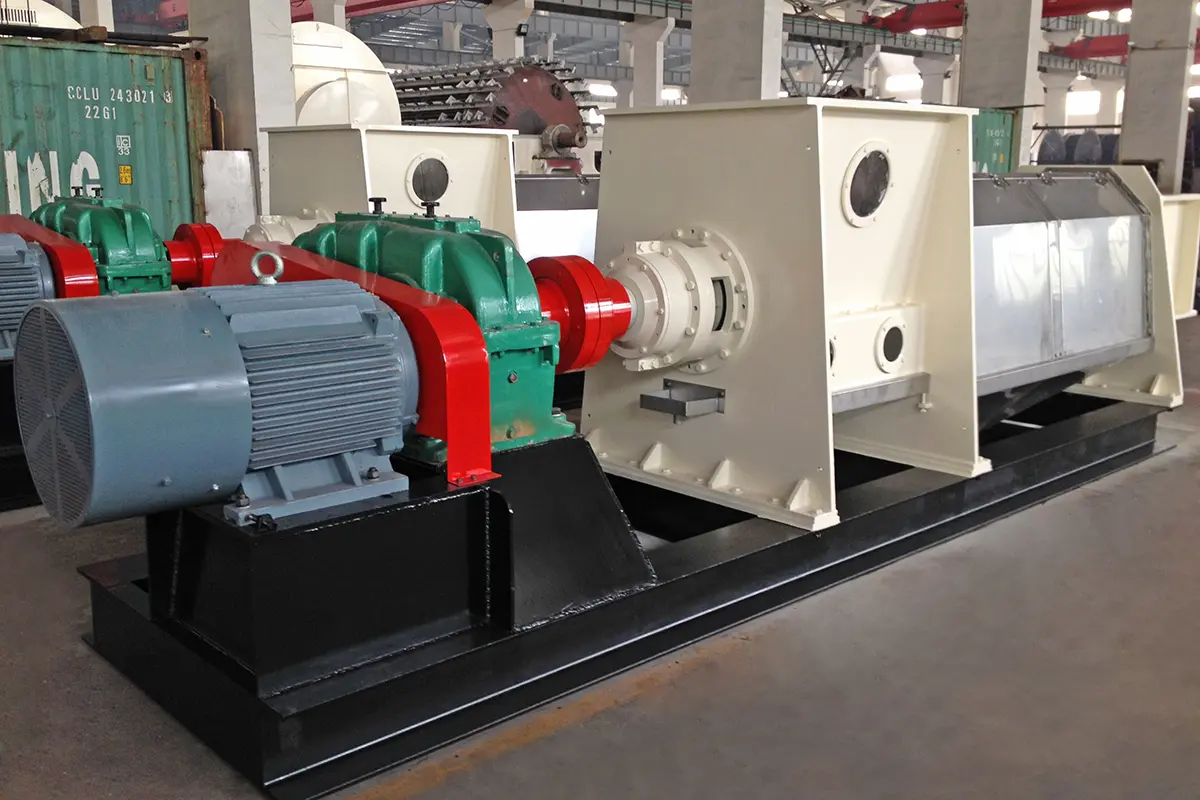
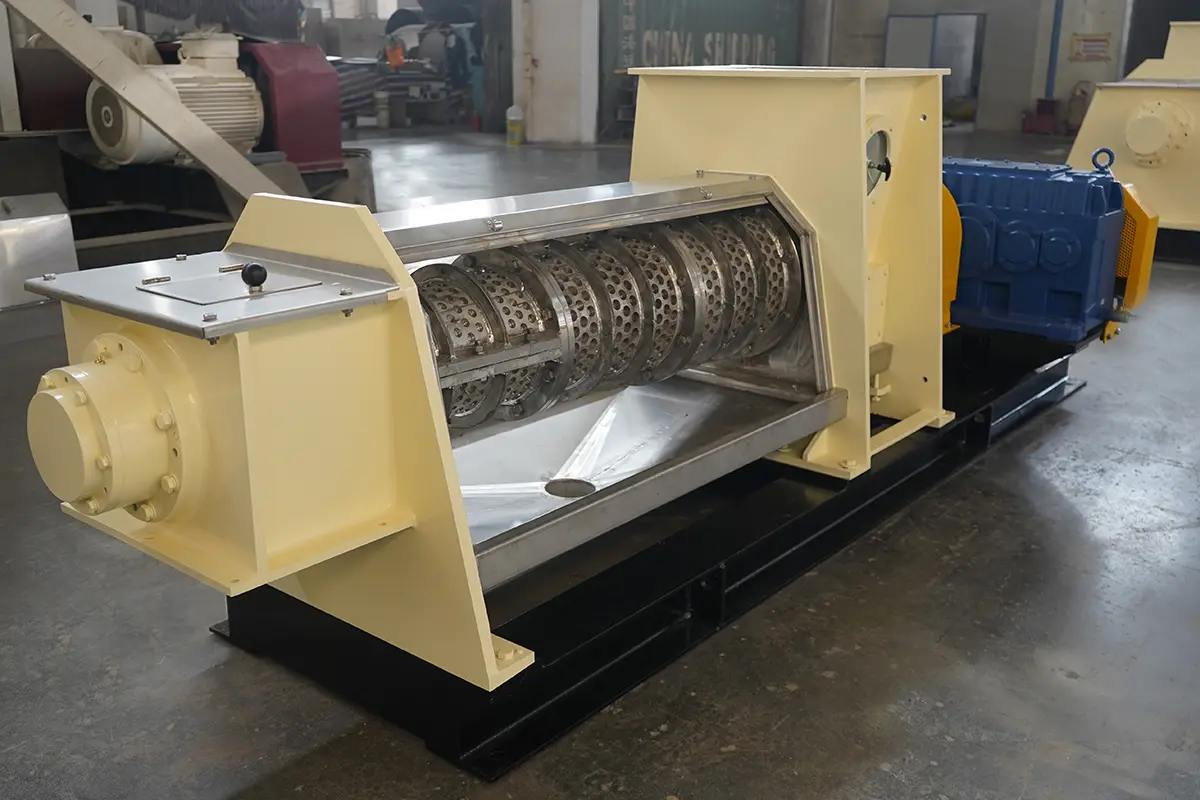
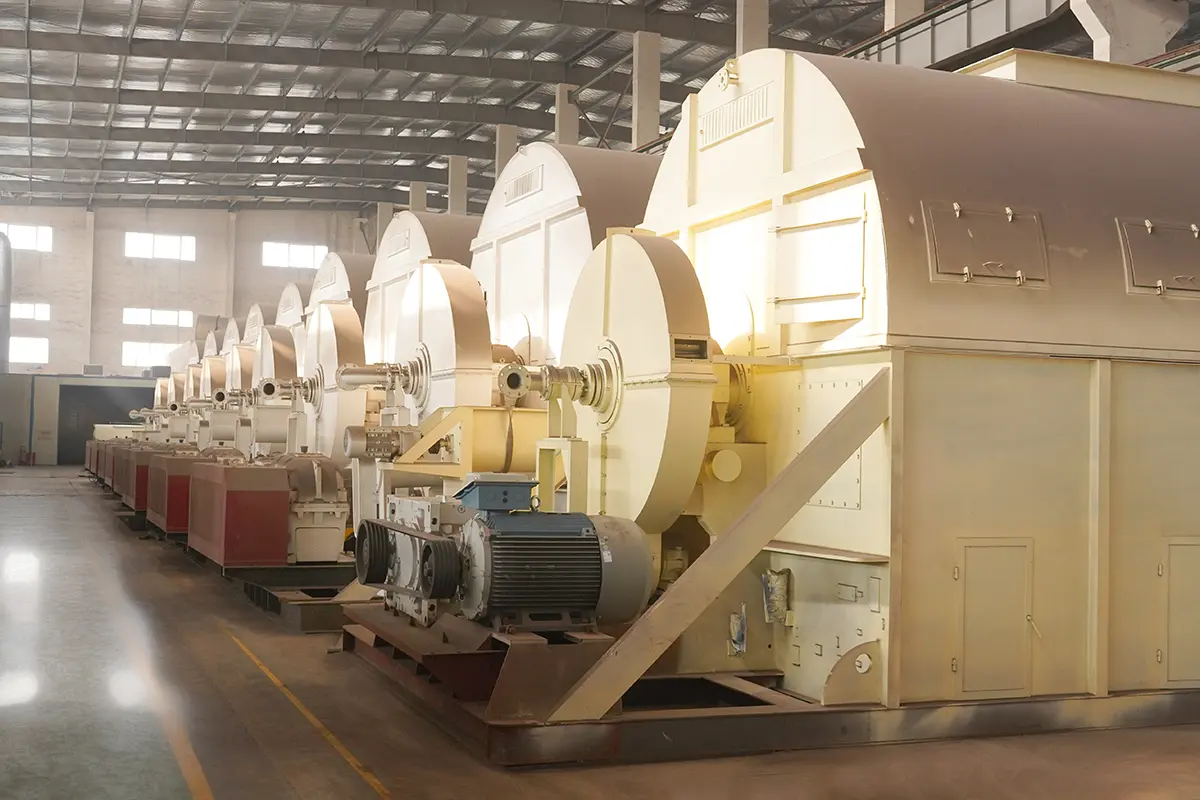
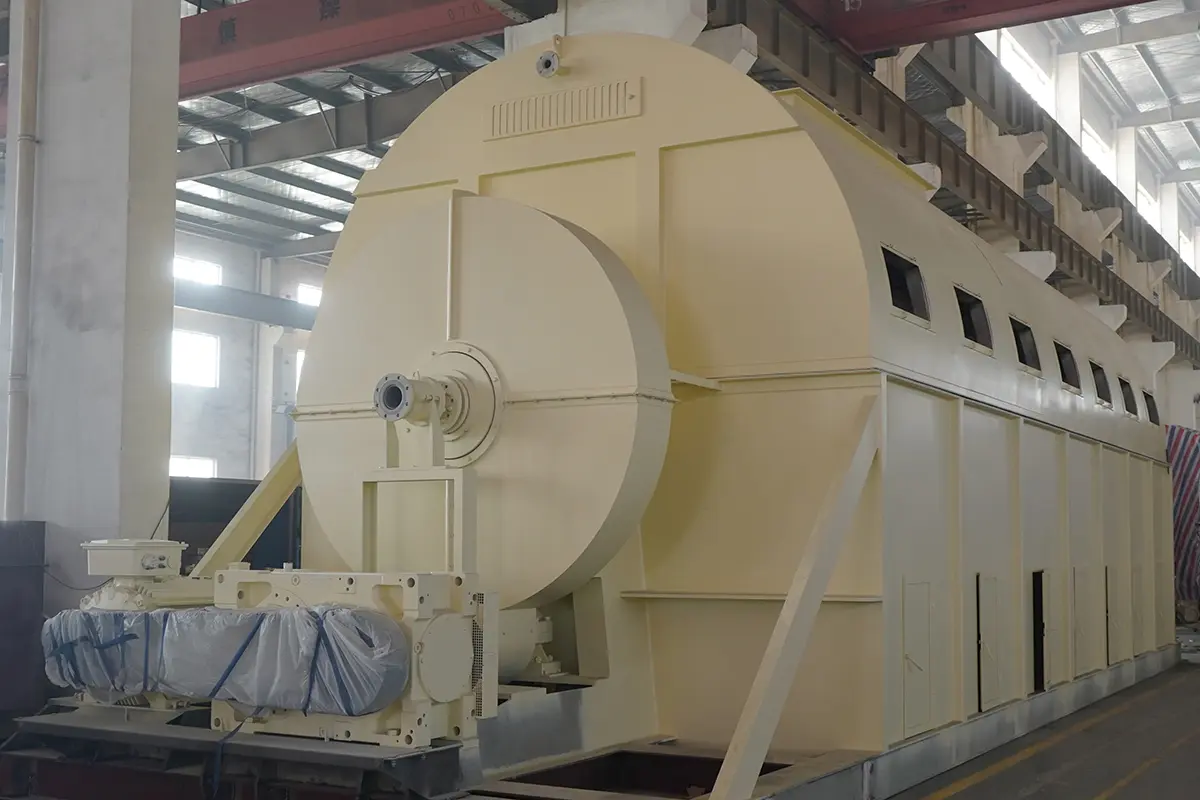
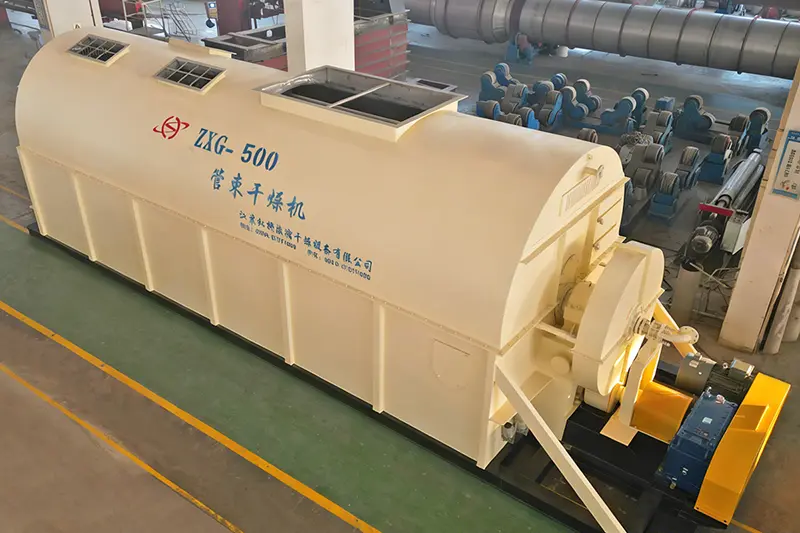
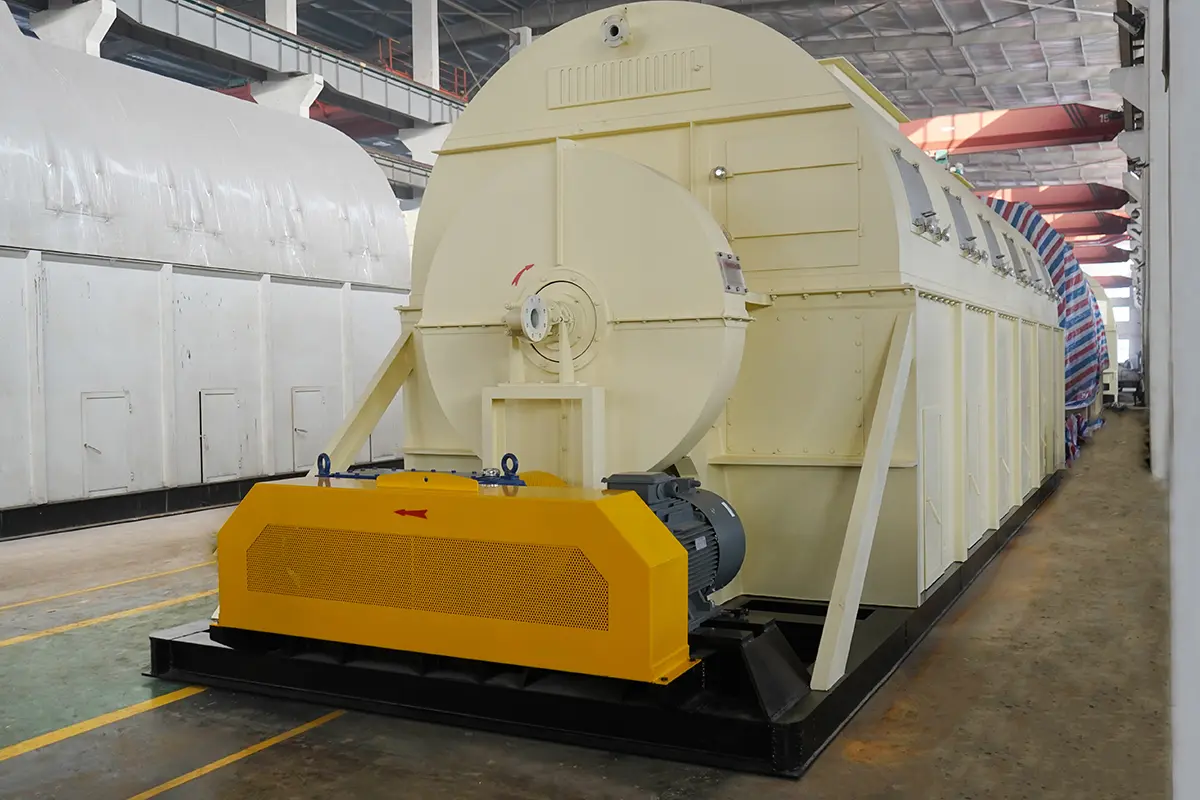
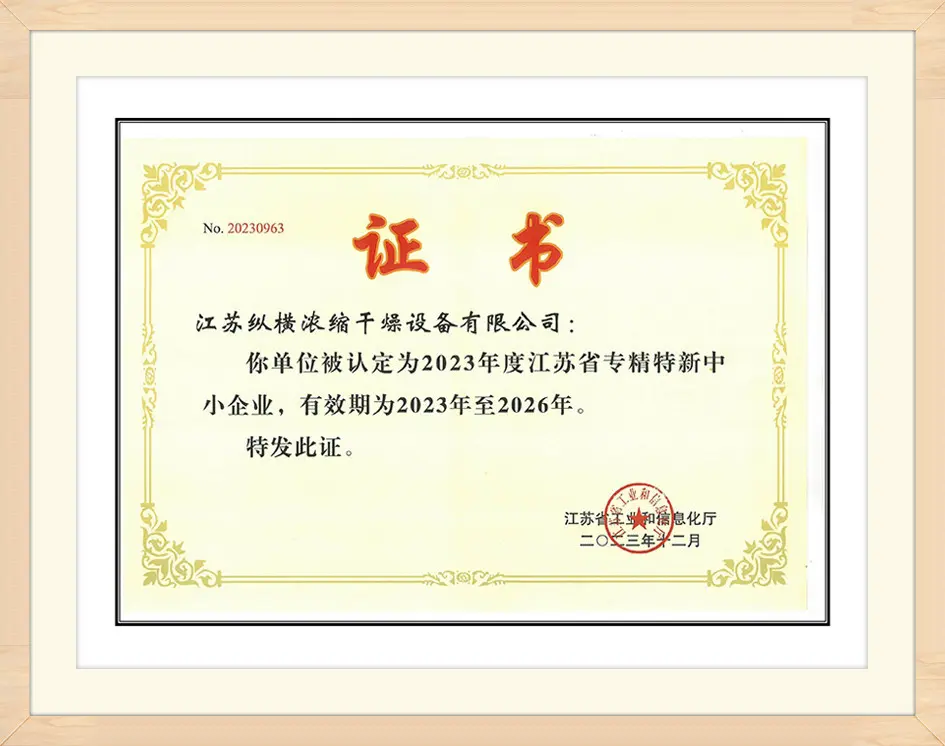
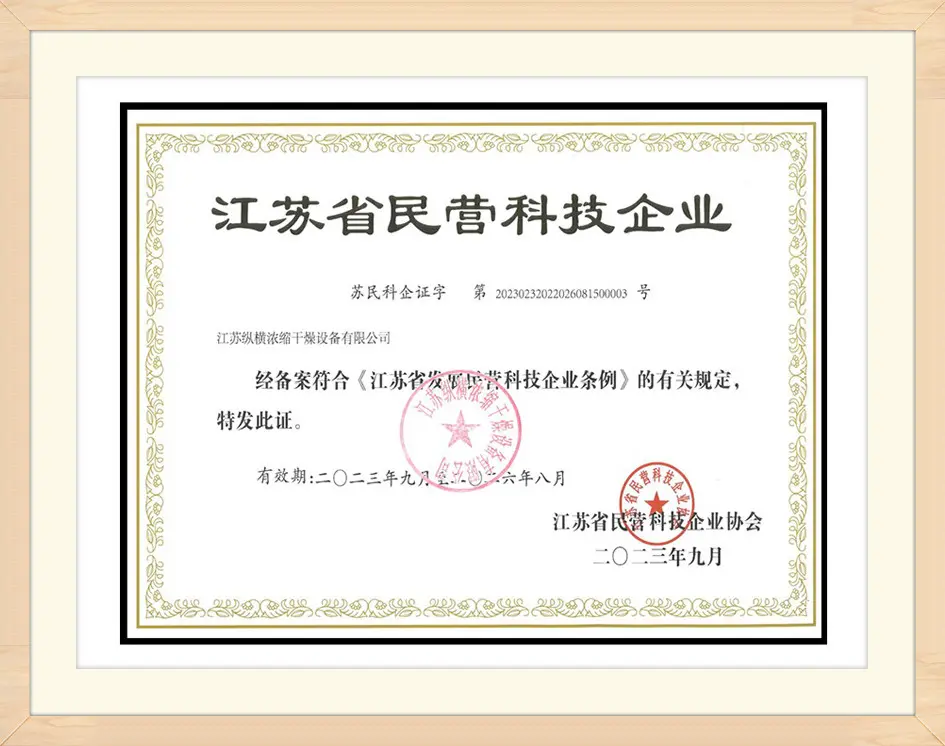
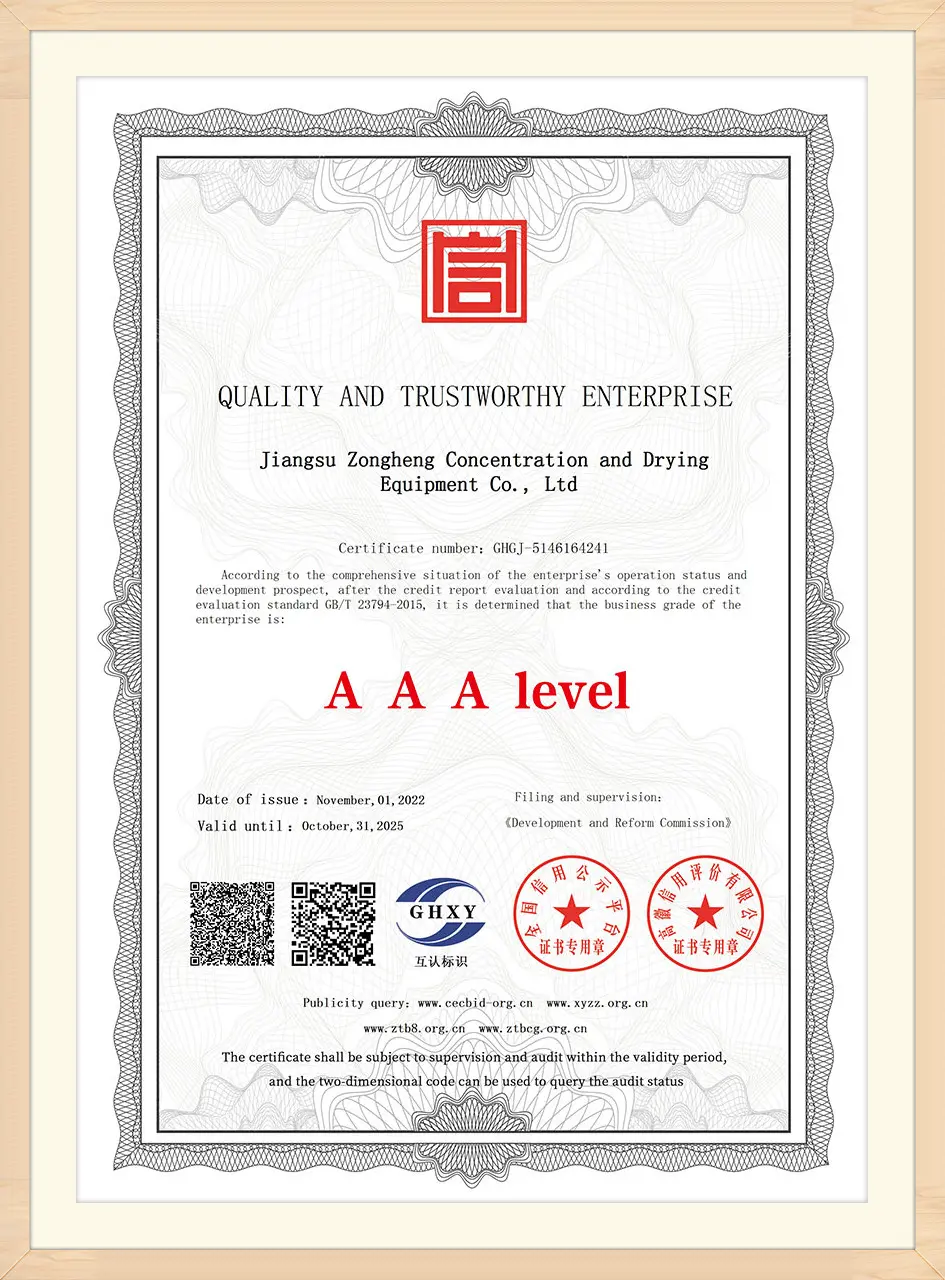
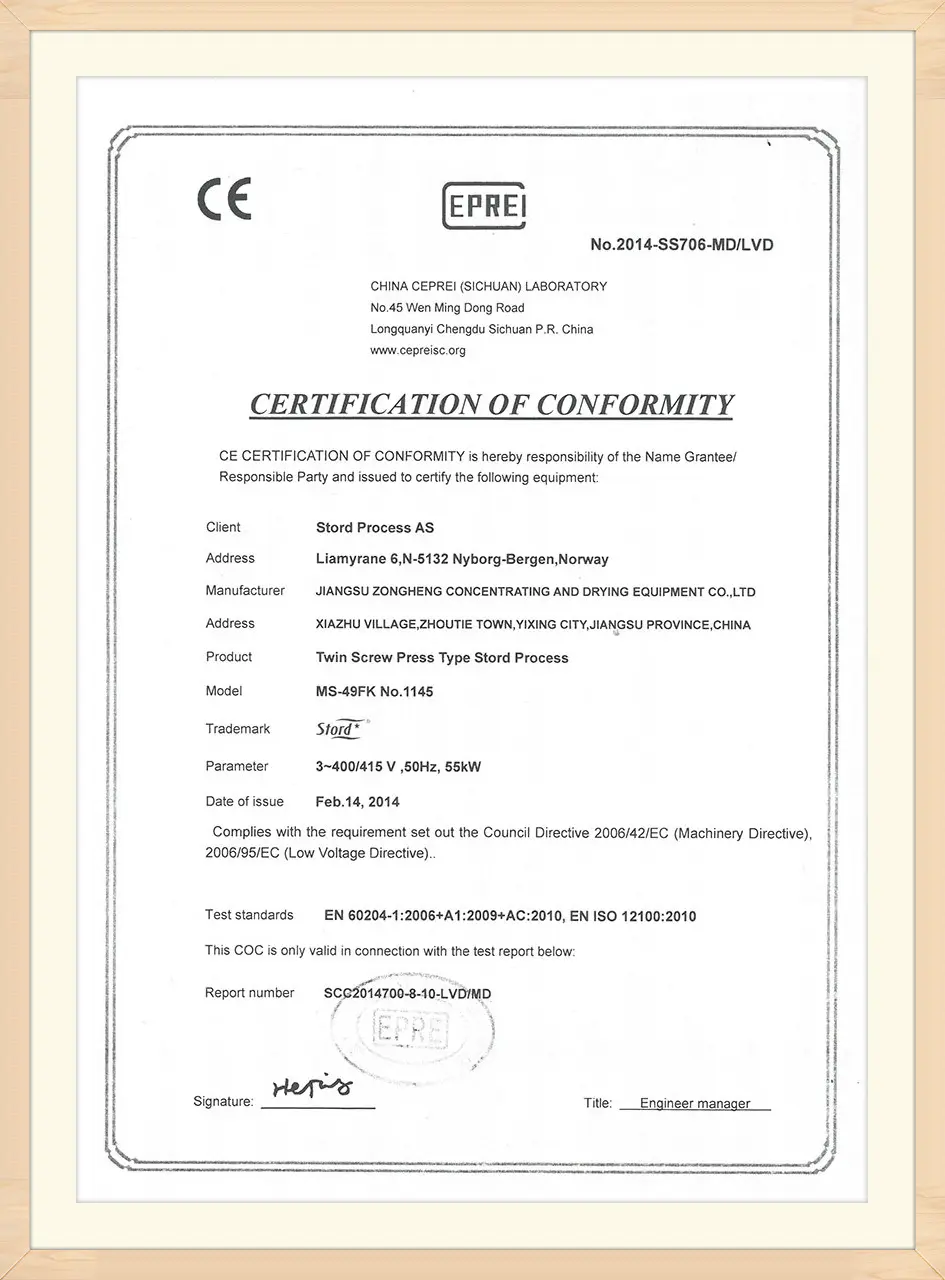
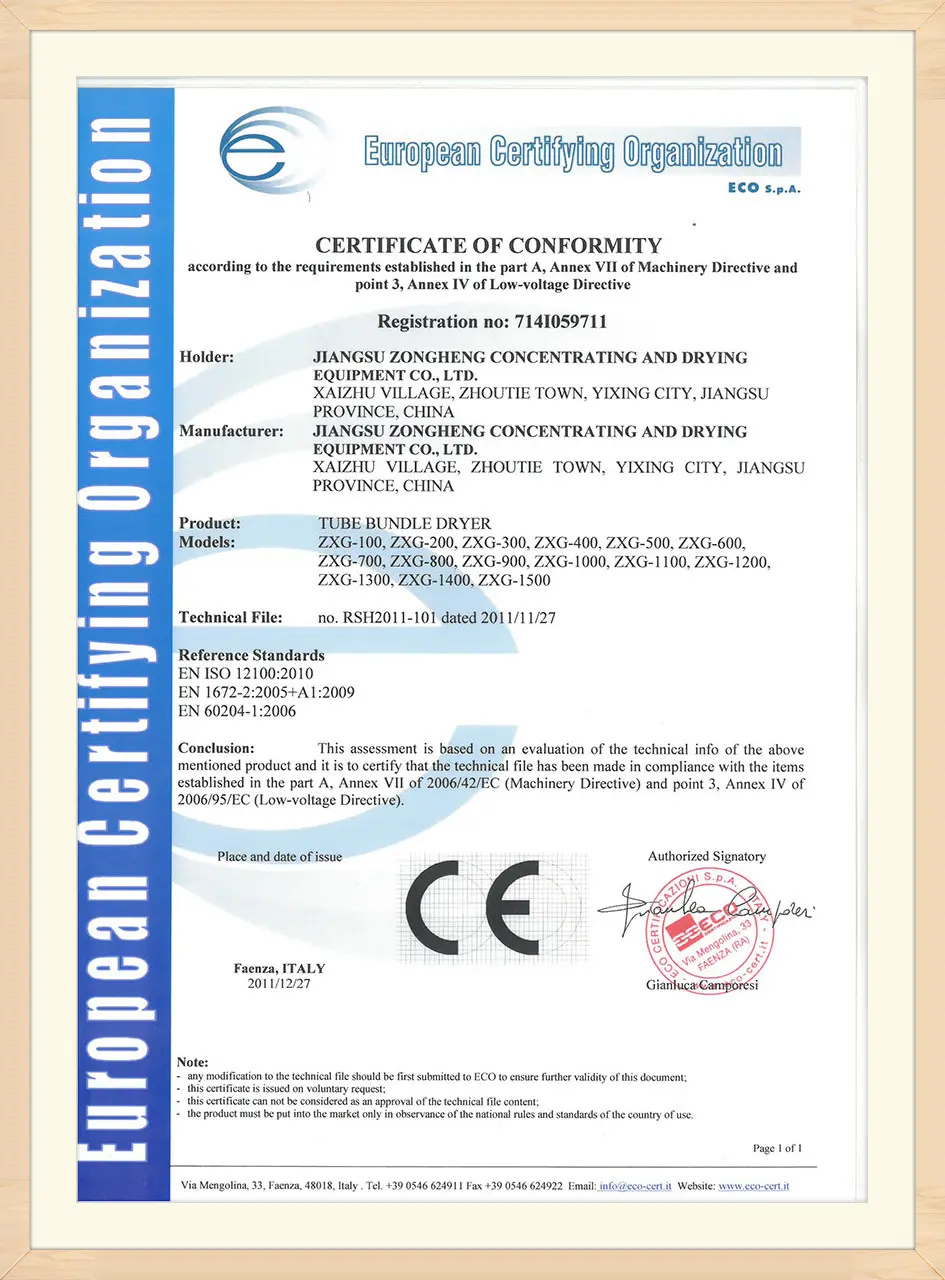
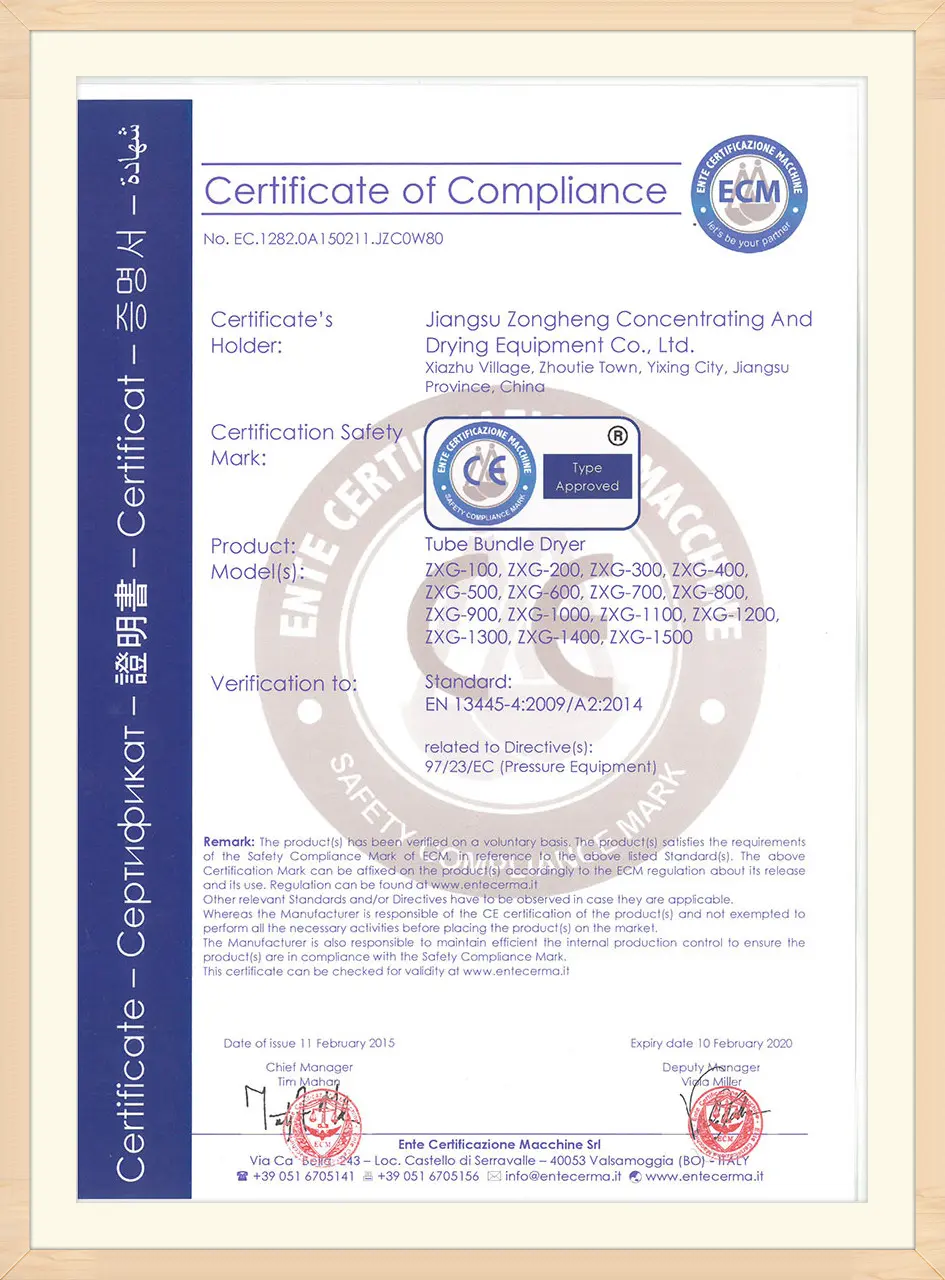
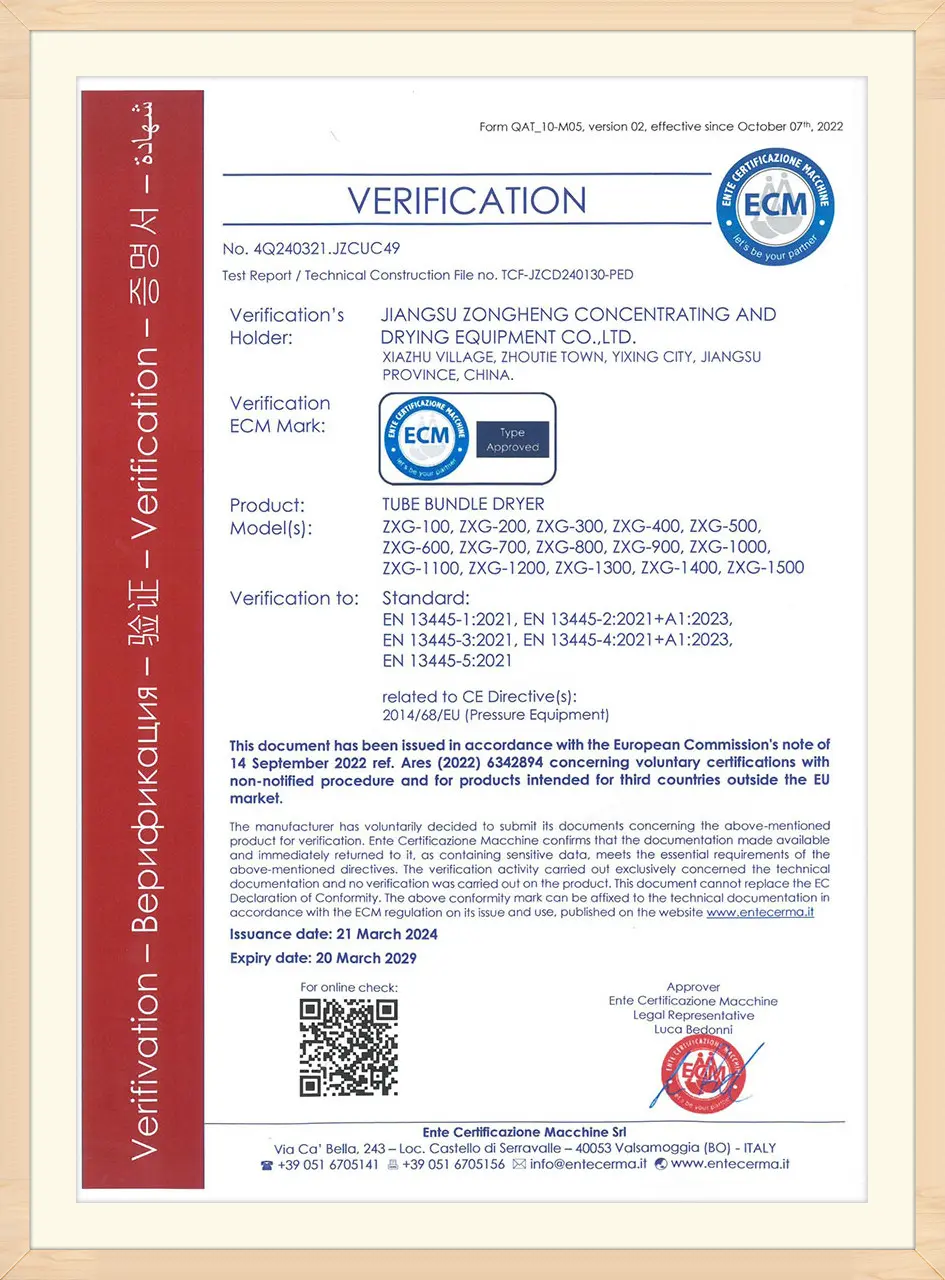
Engineered and constructed to comply with strict international regulatory expectations.
Authoritative answers to common engineering questions regarding the installation and performance of flash airflow dryers.
Pneumatic conveying dryers offer a significantly shorter residence time (typically 0.5 to 3 seconds) compared to rotary dryers, which can retain product for 15 to 45 minutes. This ultra-fast process ensures starch molecules undergo no thermal degradation. Additionally, airflow dryers have fewer moving parts, reducing maintenance costs, and they operate in a completely enclosed ducting network, which minimizes dust leakage and explosive atmospheres.
A single screw press is designed for mechanical liquid-solid expression. By squeezing free water out of wet grain, corn germ, or fiber cake before it enters the pneumatic conveying dryer, it reduces the overall moisture load from 75% down to 45-50%. This dramatically cuts fuel consumption in the thermal drying phase, as mechanical dewatering is significantly more energy-efficient than thermal evaporation.
Yes. For sticky feeds, we install an impulse dispersion mill or a wet-back mixing system at the inlet feed point. By mixing a portion of previously dried dry product back with the wet cake feed, the stickiness is neutralized, enabling efficient fluidization and preventing material build-up on the dryer column walls.
The exhaust steam from tube bundle dryers or the vapor generated in thermal starch processes contains high latent heat. A Zongheng waste heat evaporator captures this low-pressure steam to concentrate light steep liquors or waste wastewater, reducing the thermal footprint of the entire plant by reusing energy that would otherwise be vented to the atmosphere.
Stay informed with updates from our technical team and product developments.
 Jun 18, 2026
The evaporator absorbs heat to vaporize media, while the condenser releases heat to liquefy vapor; the two perform opposite cooling and heating functions. Operating under low pressure, the evaporator generates cold energy and concentrates solids, proving crucial for wastewater concentration, alcohol DDGS, and starch processing cycles.
We warmly welcome partners from various industries, both domestic and international, to visit us for collaboration and mutual development!
Connect directly with our applications engineering department for system modeling, dimensional layouts, and custom budget quotations.
Examine our full lineup of industrial separators, starch cyclones, mills, and evaporation setups built to withstand heavy operations.

 Zongheng