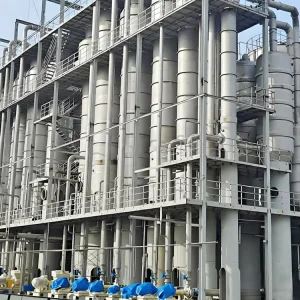
Optimize thermal efficiency by utilizing secondary waste heat streams. Engineered specifically for high-fouling corn steep liquor concentration and industrial wastewater treatment.
Read More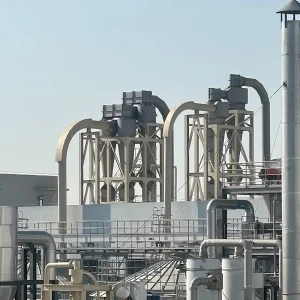
High-speed hot air fluidization system designed for rapid moisture removal. Ideal for bulk materials, starch processing, and chemical powders requiring uniform thermal treatment.
Read More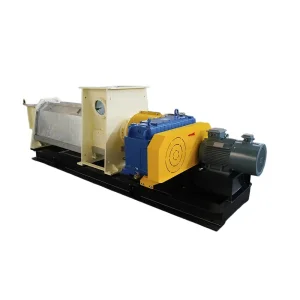
Heavy-duty mechanical dewatering press with CE compliance. Delivers high cake dryness for fibrous materials, organic waste, and industrial sludge prior to thermal drying.
Read More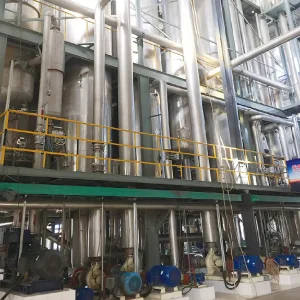
Engineered for high-viscosity liquids and crystallizing solutions. High-velocity circulation prevents tube fouling, making it perfect for chemical concentration and ZLD systems.
Read More
Drastically lower operational costs by recycling low-grade thermal energy. Designed to reduce live steam consumption in municipal and industrial effluent concentration.
Read More
Industrial-grade solid-liquid separation equipment. Features robust wear-resistant screw flights and adjustable backpressure for continuous, high-volume dewatering operations.
Read More
Advanced flash drying technology utilizing variable-diameter tubes to generate impulse airflow. Maximizes heat transfer rate for heat-sensitive organic and inorganic compounds.
Read More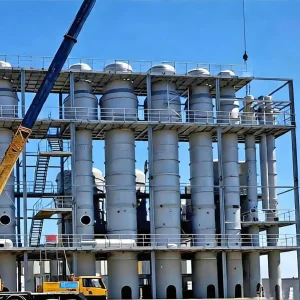
Custom-engineered multiple-effect and MVR evaporation systems. Designed to minimize carbon footprint while maximizing concentration ratios in chemical and food processing.
Read MoreIn the modern industrial landscape, thermal separation and concentration technologies have shifted from basic process requirements to critical drivers of sustainability and resource recovery. Global manufacturing enterprises face dual pressures: optimizing operational expenditures (OPEX) and complying with stringent environmental mandates, such as Zero Liquid Discharge (ZLD) and carbon neutrality targets. High-quality evaporation equipment serves as the cornerstone of this transition, enabling industries to recover valuable by-products, recycle process water, and minimize waste volumes.
The demand for advanced evaporation plants is particularly pronounced in sectors like food fermentation, starch processing, alcohol distillation (DDGS), chemical synthesis, and pharmaceutical manufacturing. As global water scarcity intensifies, the ability to reclaim up to 95% of process wastewater through evaporation and condensation has become a competitive necessity. Consequently, procurement teams are looking beyond initial capital expenditure (CAPEX) to prioritize systems that offer low steam consumption, high thermal efficiency, and long-term mechanical reliability.
Jiangsu Zongheng Concentrating and Drying Equipment Co., Ltd. designs and manufactures integrated process lines tailored to specific industrial verticals. By combining mechanical separation, thermal concentration, and final drying, we deliver turnkey solutions that optimize mass and energy balances across entire factories.
In the wet milling of maize, starch washing cyclones and degerming mills require precise control of water loops. Our evaporation systems concentrate corn steep liquor (CSL) from a dilute feed to a high-viscosity product (up to 50% DS), which is then blended with fiber and dried in tube bundle dryers to produce high-protein animal feed. This integrated approach ensures zero waste discharge from the milling process.
Distillers Dried Grains with Solubles (DDGS) production requires the concentration of thin stillage. Our multiple-effect falling film and waste heat evaporators utilize the waste heat from the dryer exhaust or distillation columns to concentrate the stillage, significantly reducing the steam demand of the plant. The concentrated syrup is then mixed with wet grains and dried, maximizing energy recovery.
For chemical, petrochemical, and pharmaceutical plants, wastewater containing high concentrations of inorganic salts and organic compounds cannot be treated biologically. We provide forced circulation evaporation and crystallization systems that separate clean condensate for reuse and concentrate the salts to solid crystals, achieving complete liquid containment and compliance.
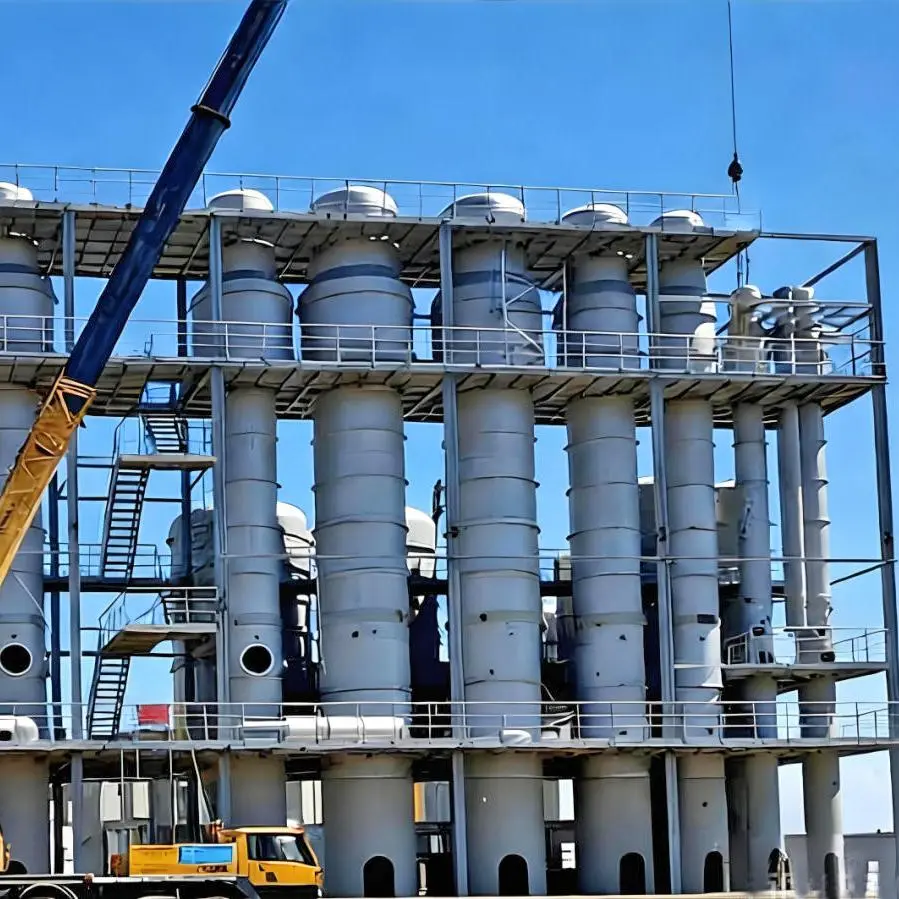
Zongheng provides energy-efficient, high-performance evaporation solutions tailored for complex industrial streams, ensuring optimal heat transfer and minimal energy consumption.
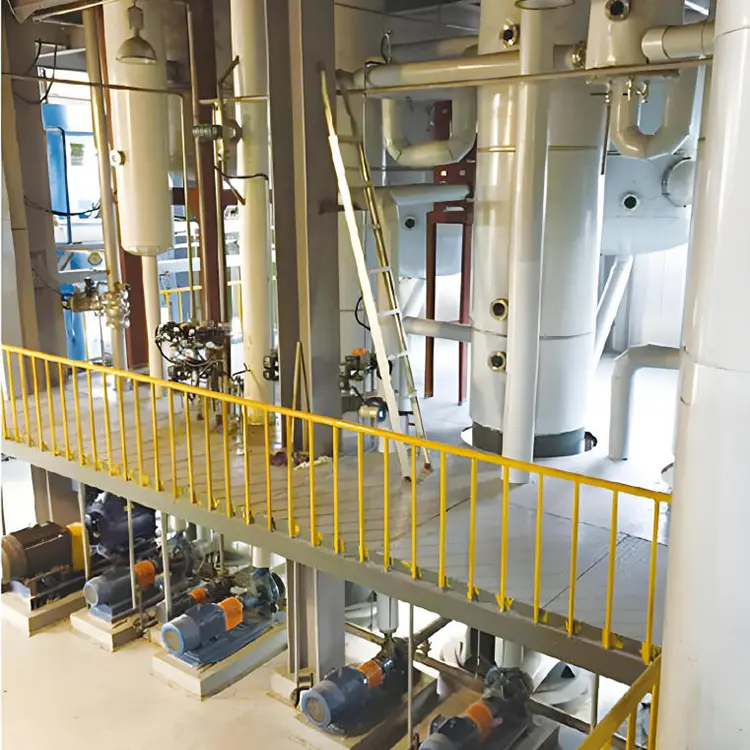
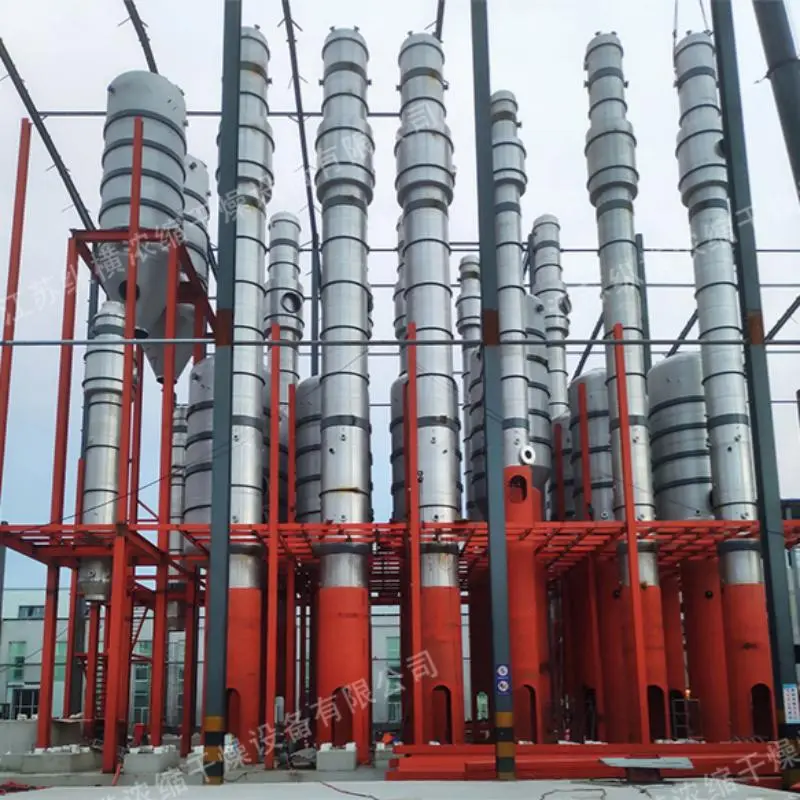
A falling film evaporator efficiently concentrates heat-sensitive liquids. The feed liquid forms a thin film flowing down heated vertical tubes, where it partially evaporates. Vapor generated flows parallel to the liquid, enhancing the process. It ensures a short residence time and low operating temperature, preserving product quality.
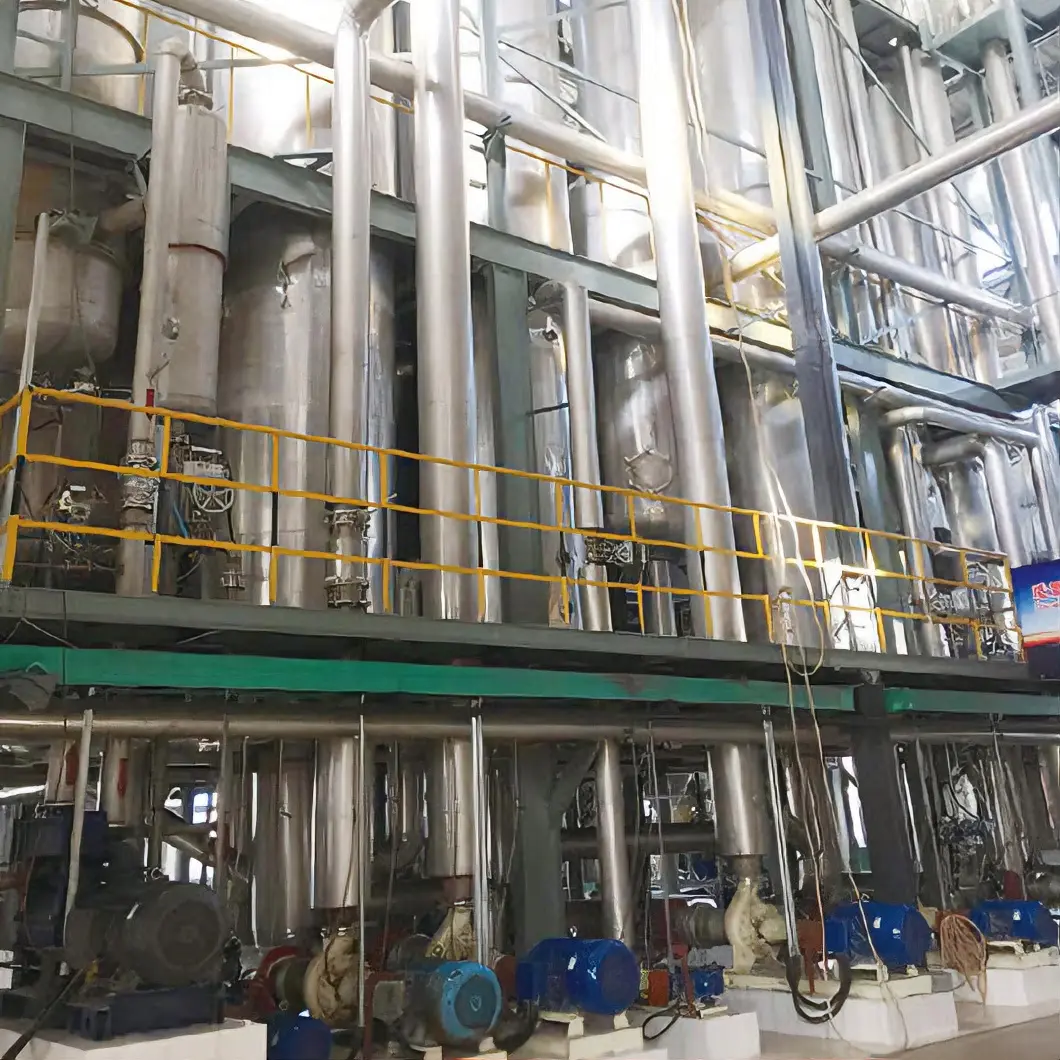
Zongheng is a premier Chinese manufacturer specializing in forced circulation evaporation systems designed to handle high-fouling liquids, high-viscosity fluids, and crystallizing solutions.
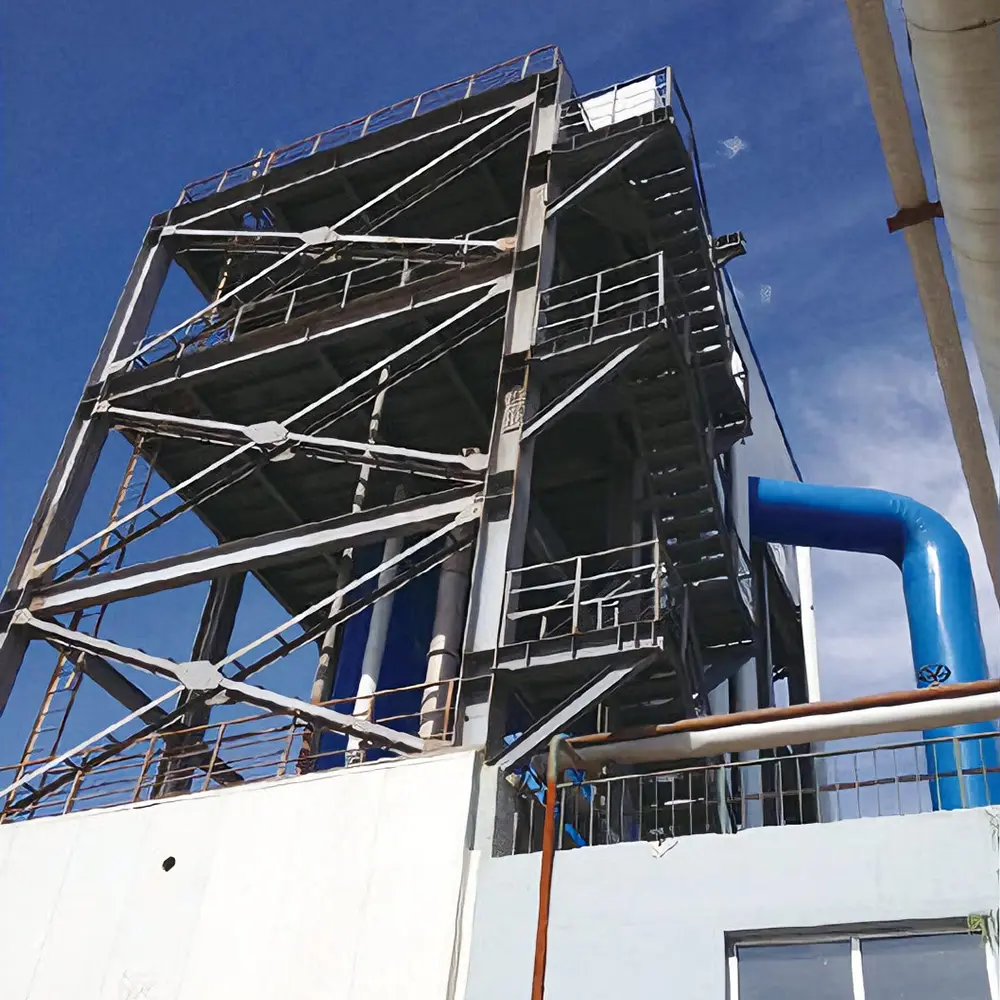
Mechanical Vapor Recompression (MVR) plants offer significant operational savings by recycling the latent heat of secondary steam, reducing external steam consumption to near zero.

This design integrates multiple waste heat sources—including drying vapors and flash steam—to drive the concentration process, maximizing thermal efficiency.
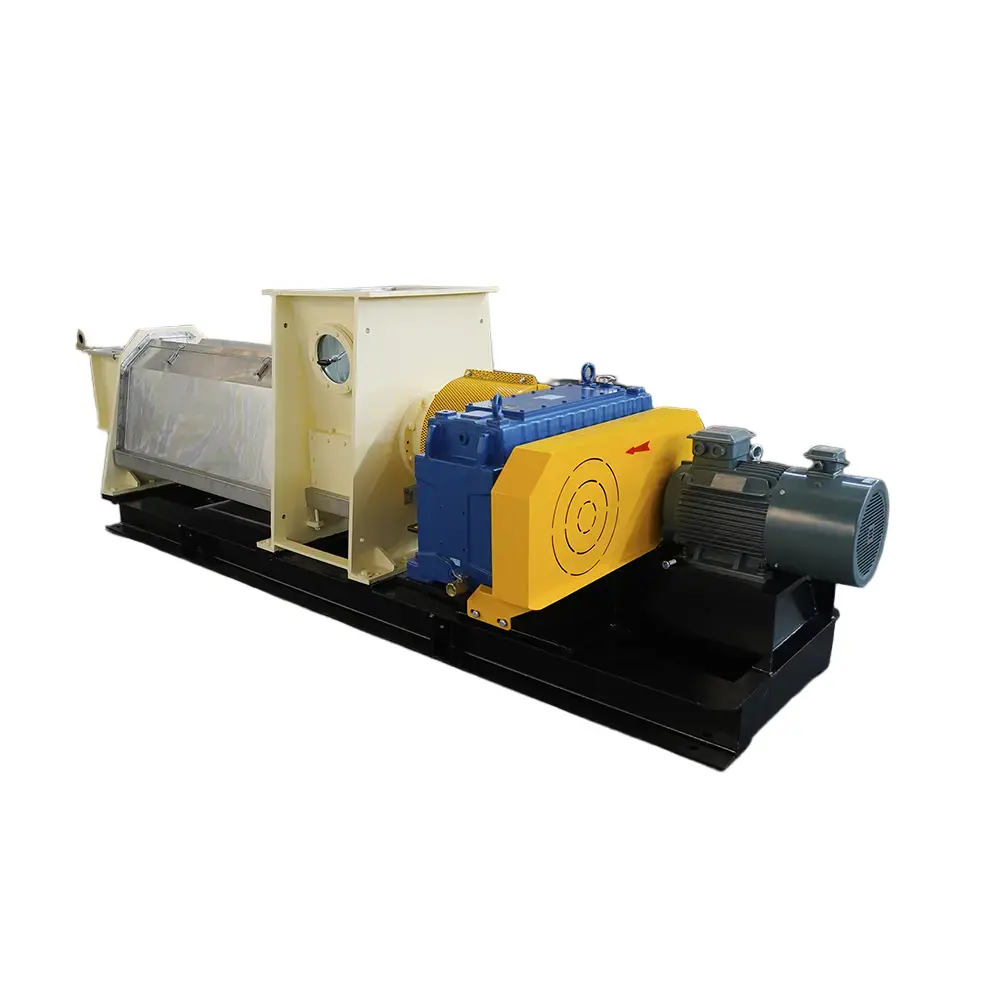
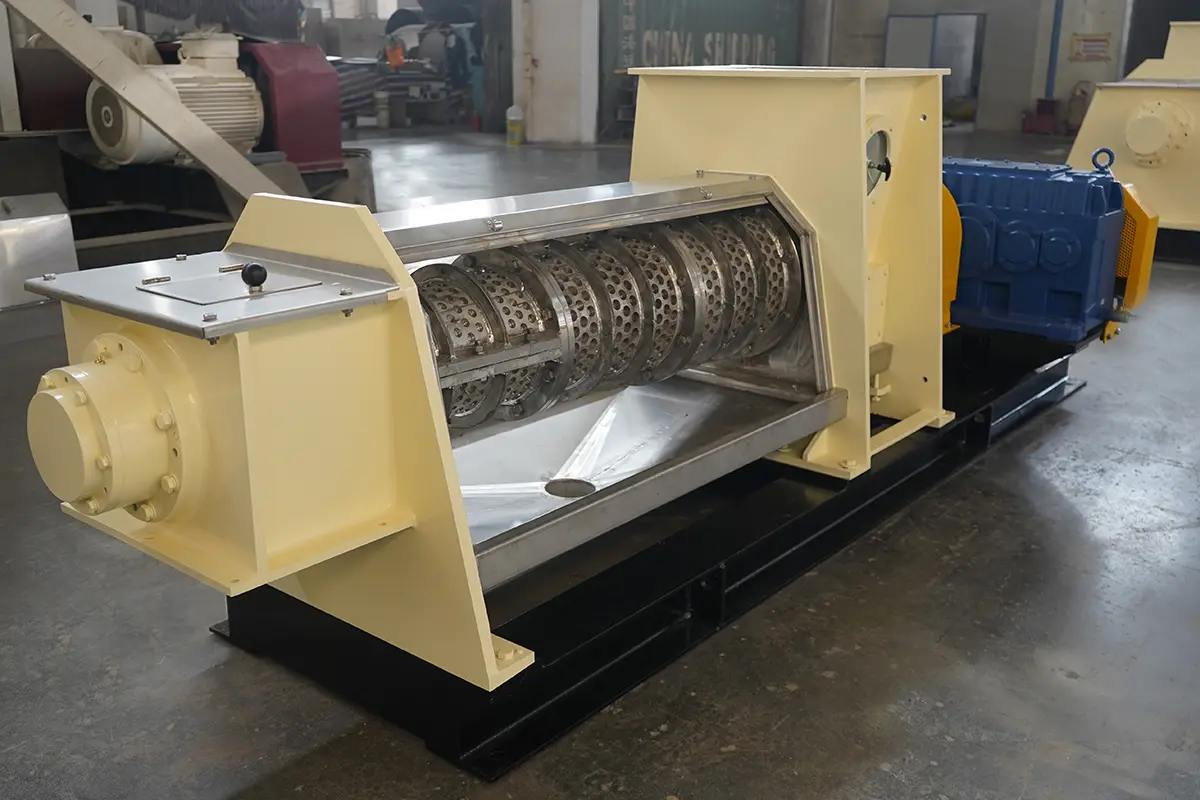
Jiangsu Zongheng's single screw press efficiently dewaters solid-containing materials, reducing moisture content mechanically prior to thermal drying stages.
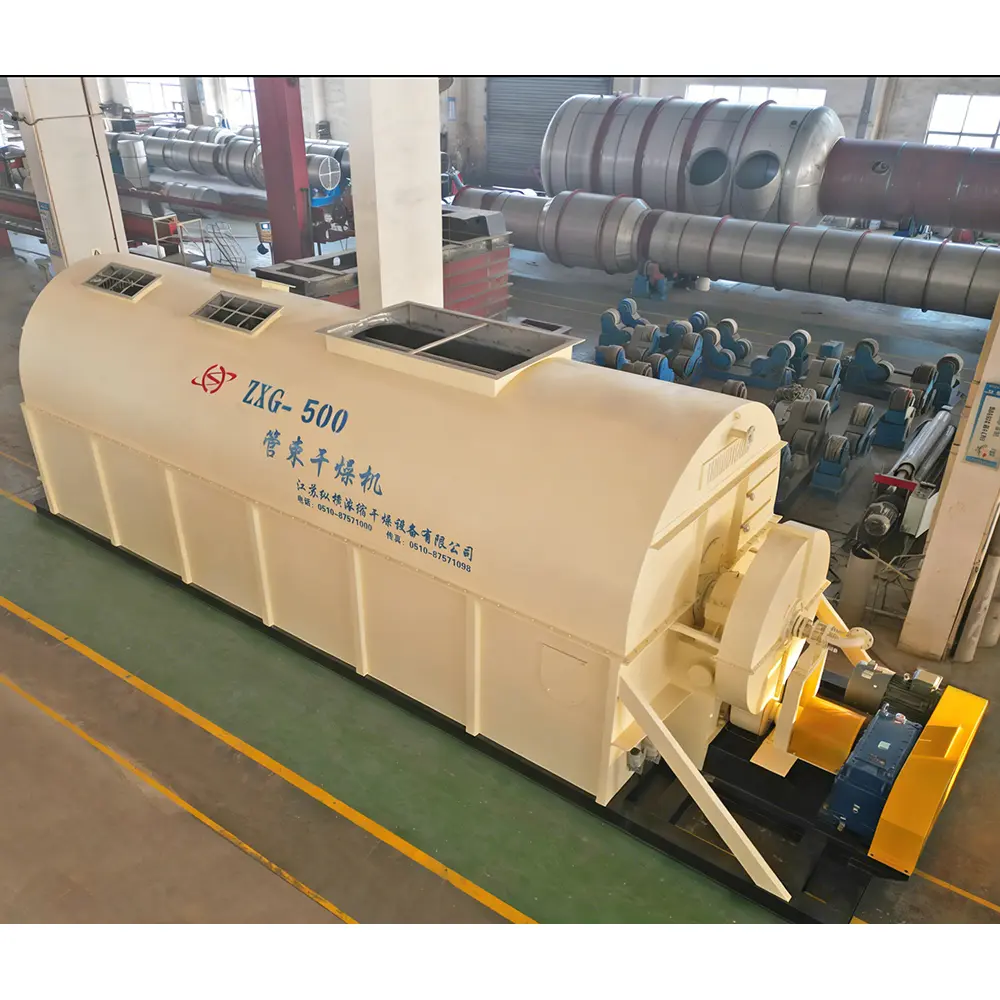
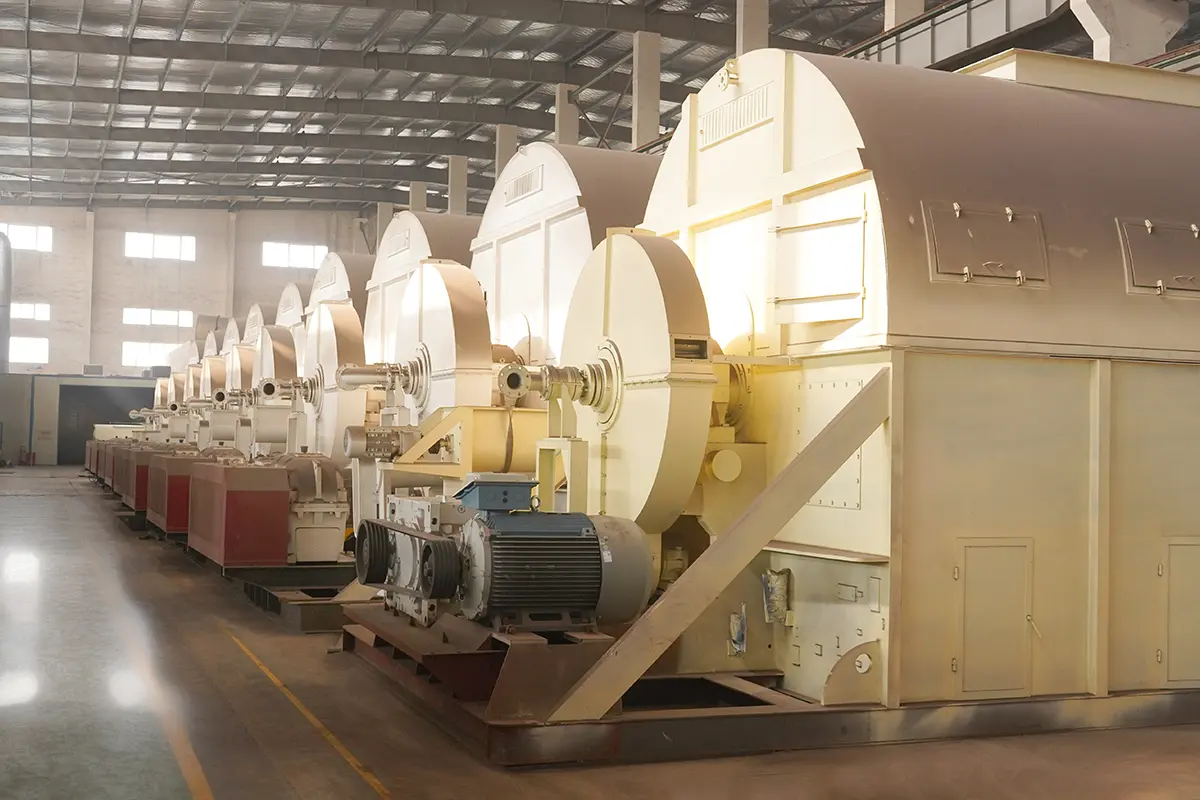
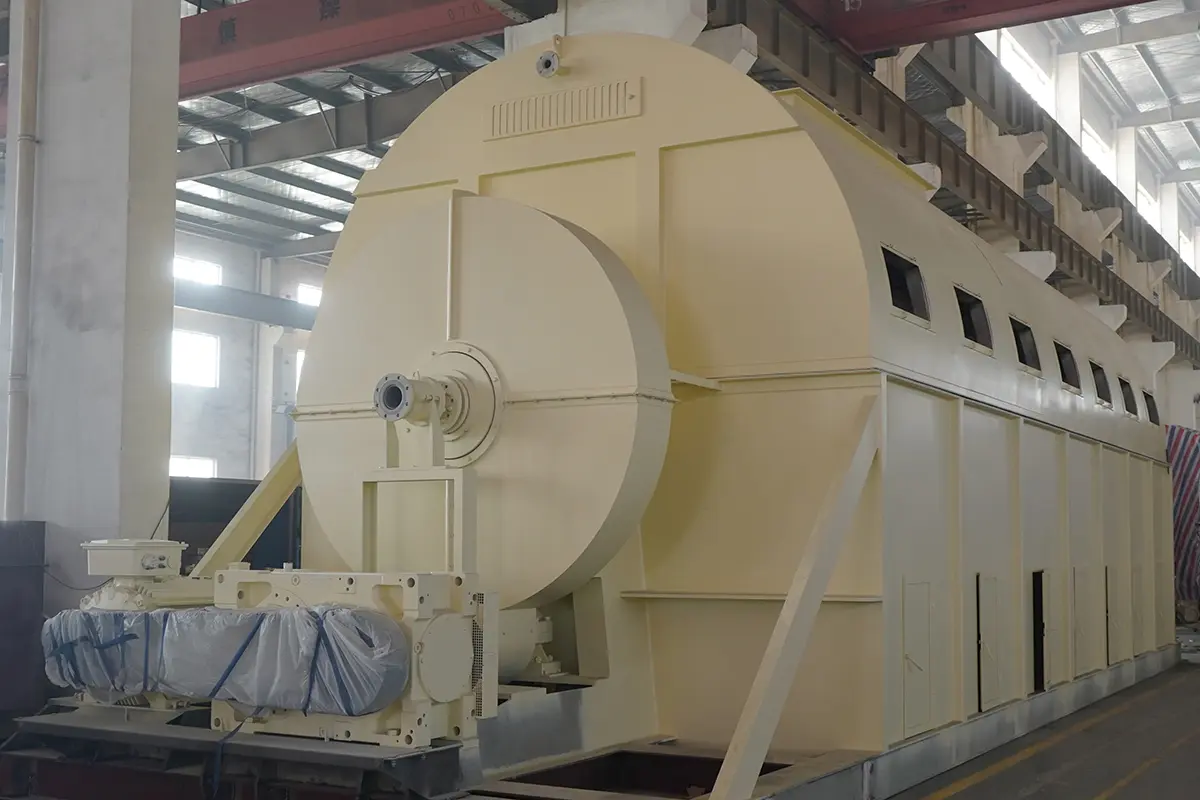
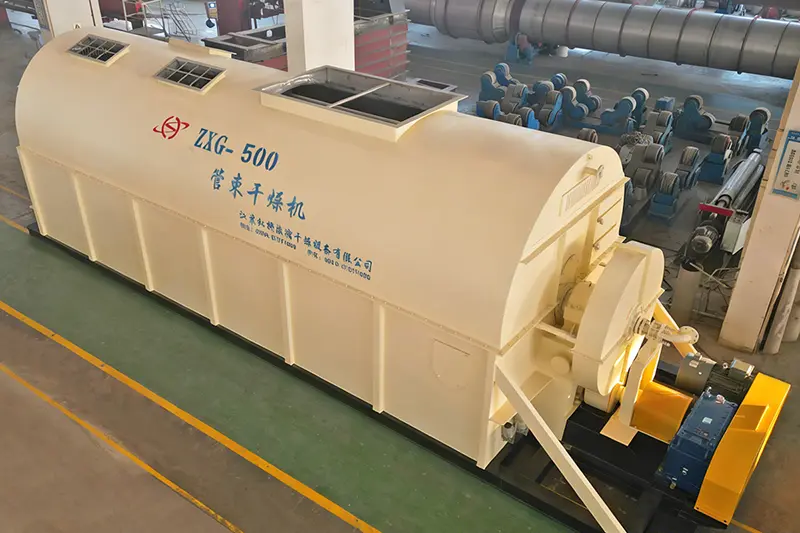
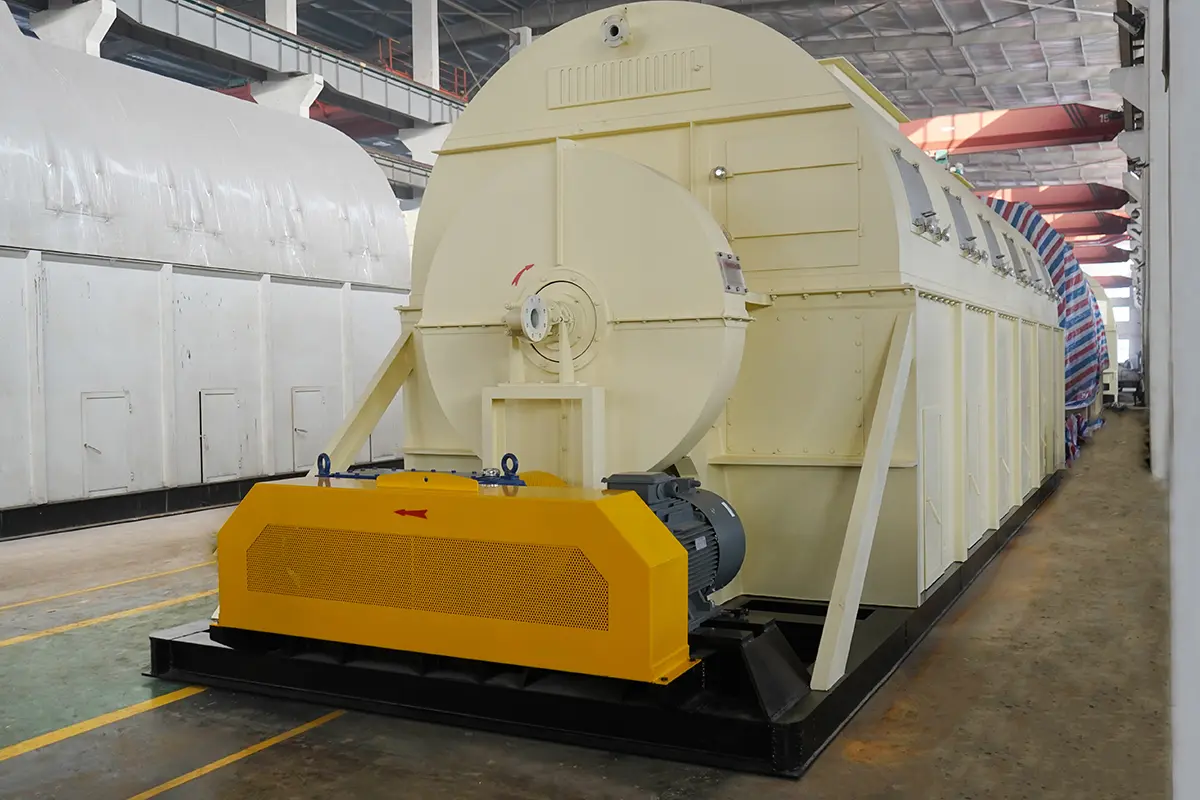
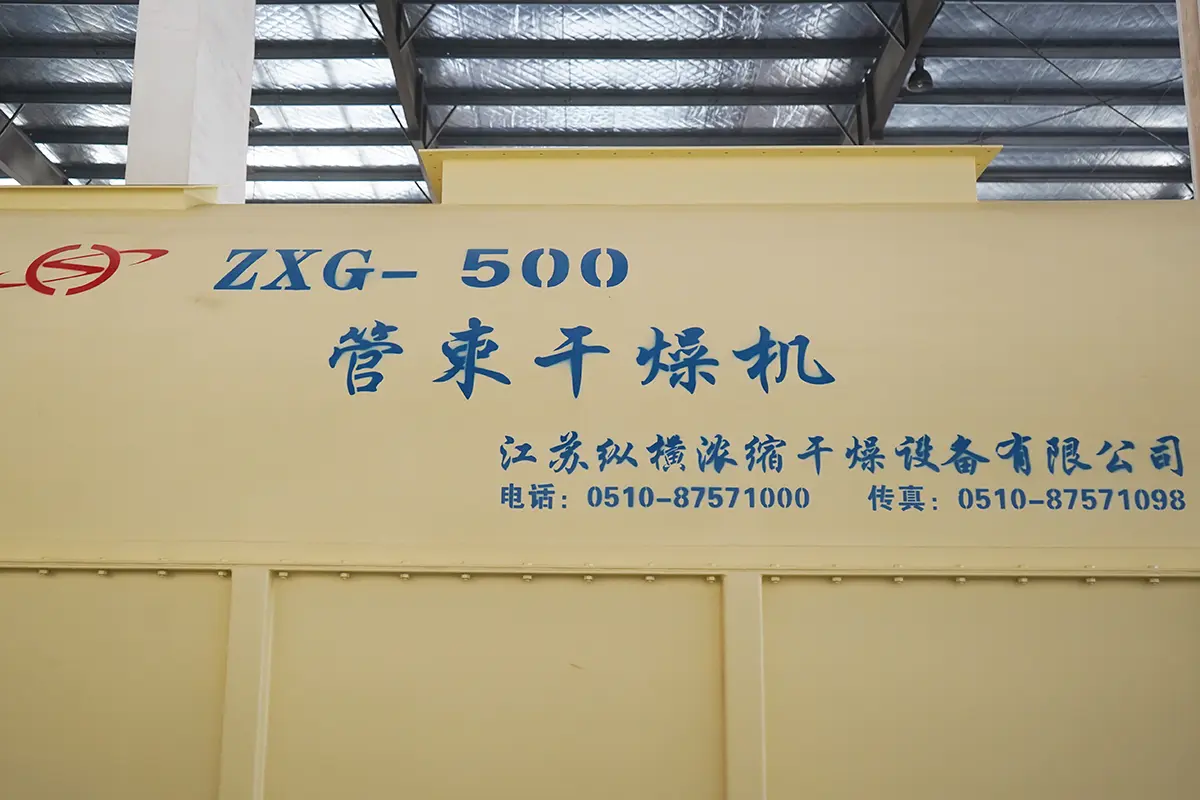
Jiangsu Zongheng's ZXG Tube Bundle Dryers ensure safe, low-oxygen drying via indirect steam heating, ideal for starch, germ, and gluten drying.
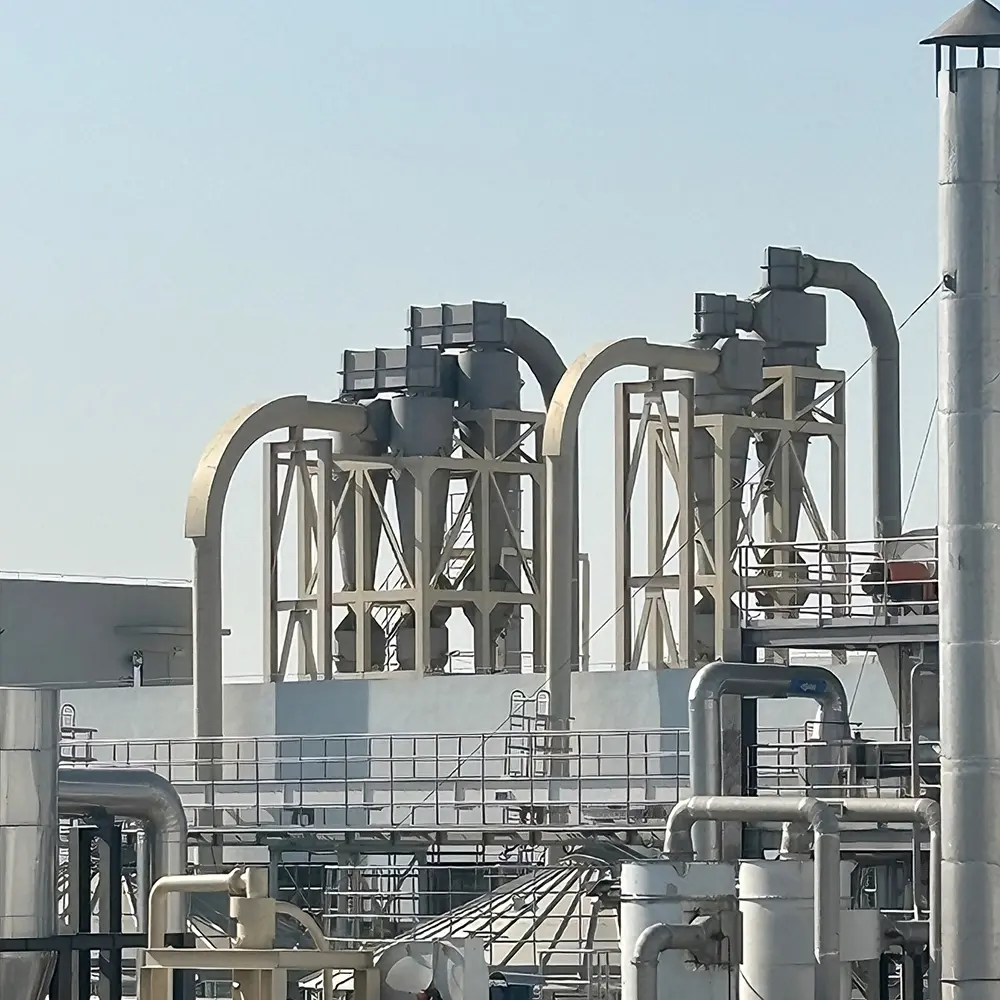
Jiangsu Zongheng's MQG Airflow Dryer employs high-speed hot air to suspend and fluidize the material, ensuring rapid, uniform, and efficient drying.
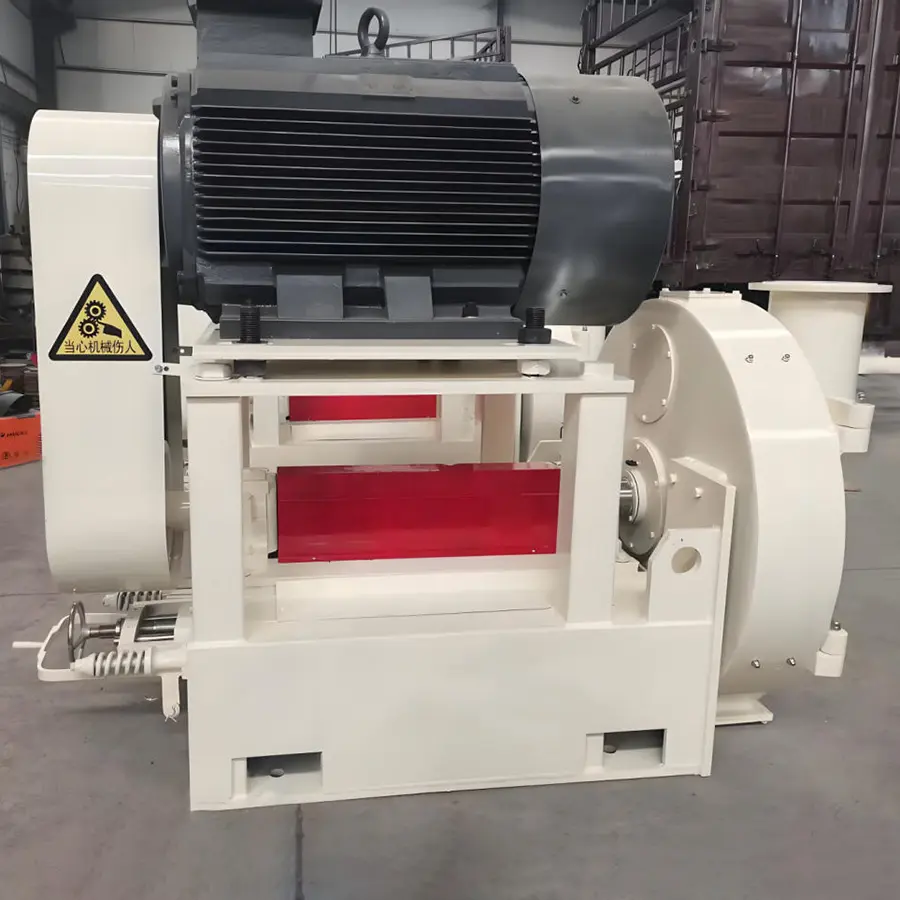
Zongheng's degerming mills ensure precision germ removal, preserving kernel structure and maximizing oil yield in maize processing plants.
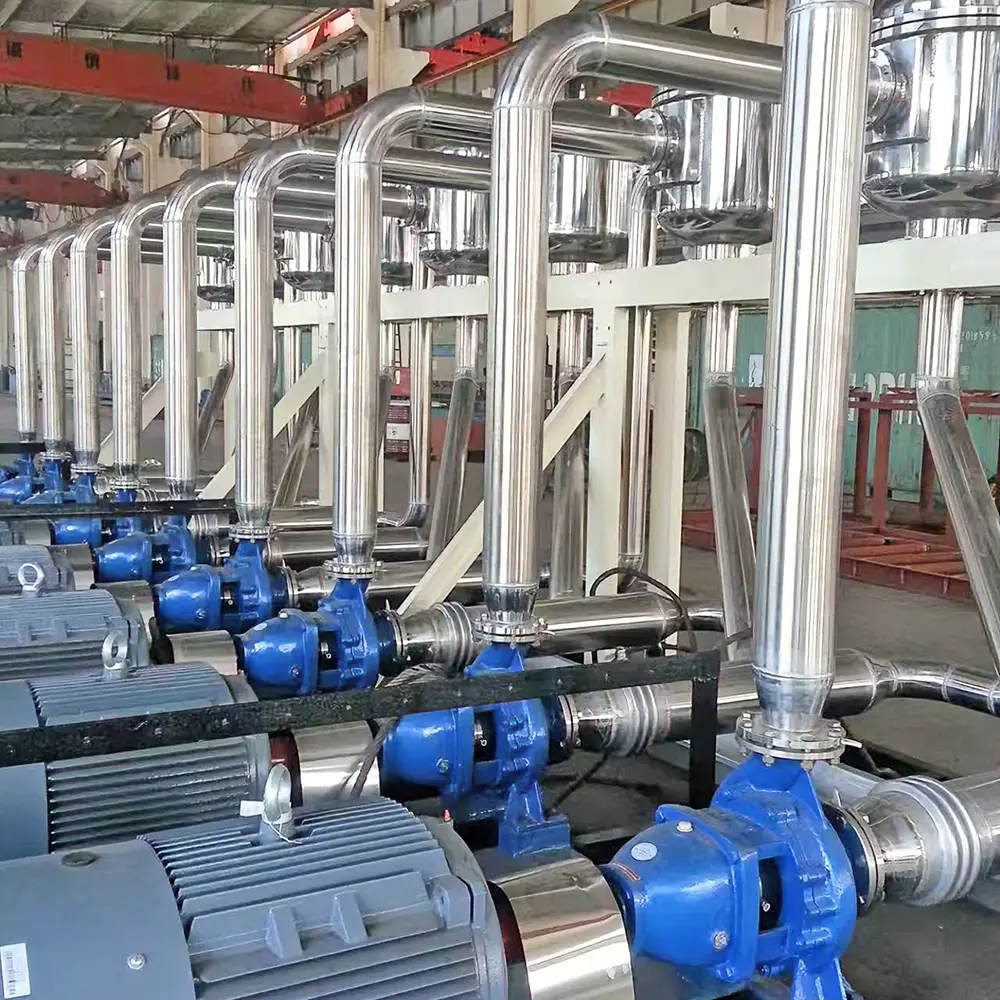
Jiangsu Zong's YDX Starch Washing Cyclone is specifically engineered for the refining, washing, and concentration of starch slurries. It uses centrifugal separation to remove soluble proteins and impurities, delivering high-purity starch output with minimal water consumption.
The future of industrial evaporation lies in the complete electrification of thermal processes and the integration of smart control systems. Traditional multiple-effect evaporators (MEE), while reliable, consume significant quantities of fossil-fuel-generated steam. The industry is rapidly transitioning towards Mechanical Vapor Recompression (MVR) systems powered by green electricity. By compressing the secondary vapor, MVR systems raise its temperature and pressure, allowing it to be reused as the heating medium. This closed-loop thermal cycle can reduce energy consumption by up to 80% compared to single-effect steam systems.
Furthermore, the integration of Industrial Internet of Things (IIoT) sensors and AI-driven process control allows for real-time monitoring of boiling point elevation, heat transfer coefficients, and fouling rates. Predictive maintenance algorithms can determine the exact timing for Clean-in-Place (CIP) cycles, minimizing downtime and chemical consumption. Jiangsu Zongheng is actively developing next-generation hybrid evaporation systems that combine MVR with waste heat recovery, ensuring optimal performance even under fluctuating feed conditions.
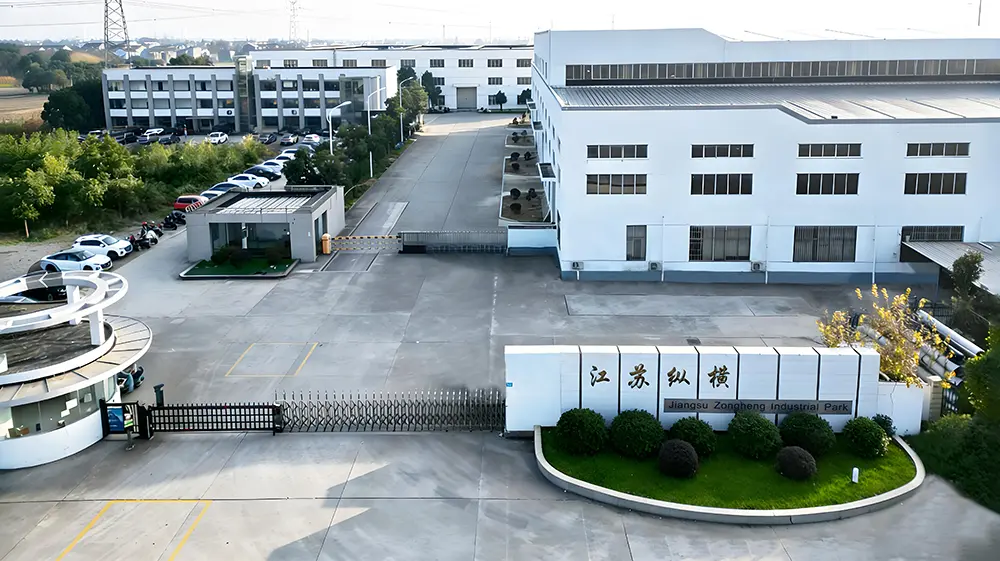
Jiangsu Zongheng Concentrating and Drying Equipment Co., Ltd. (formerly Yixing Yangxi Light Industry Machinery Factory), founded in 1992, is located in Zhoutie Town, Yixing City, on the shores of the beautiful Taihu Lake. The company covers an area of over 54,000 square meters, with a production workshop area of over 22,000 square meters.
Jiangsu Zongheng is a modern high-tech enterprise specializing in the manufacturing of concentration, drying, starch industry, alcohol DDGS, and Category III medium & low-pressure vessel equipment. It is currently a member enterprise of the China Starch and Alcohol Association. Our products are widely used in food fermentation, alcohol, chemical, pharmaceutical, environmental protection, and petrochemical industries.
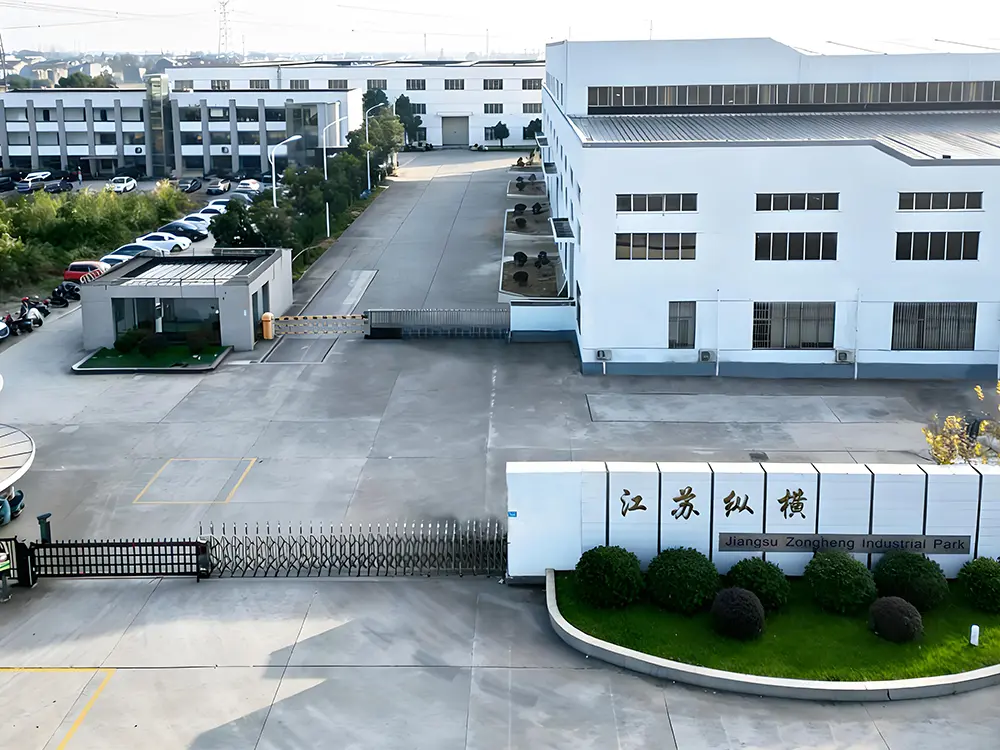
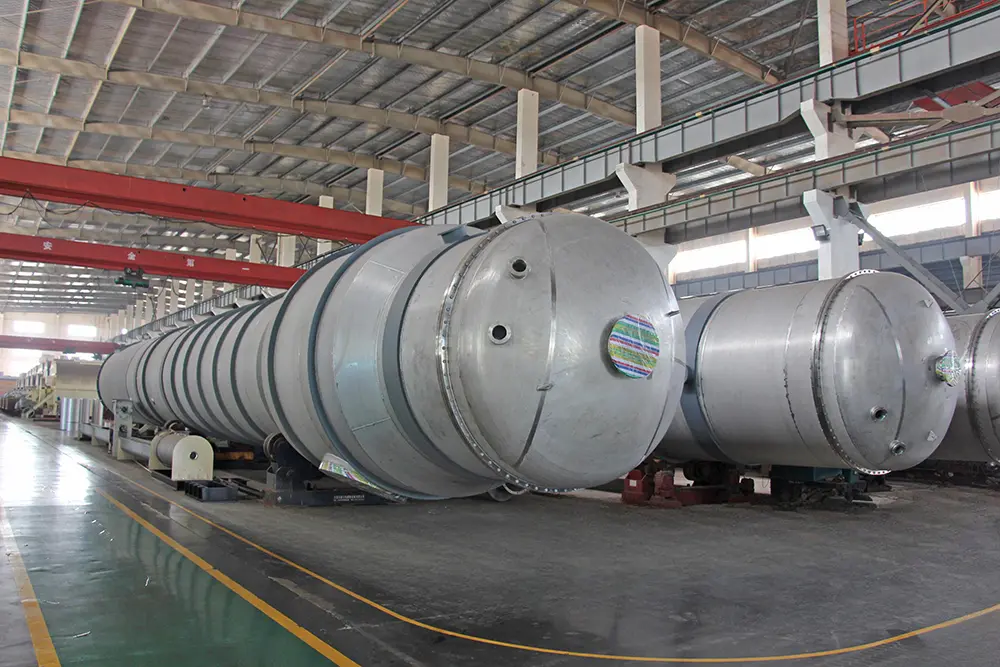
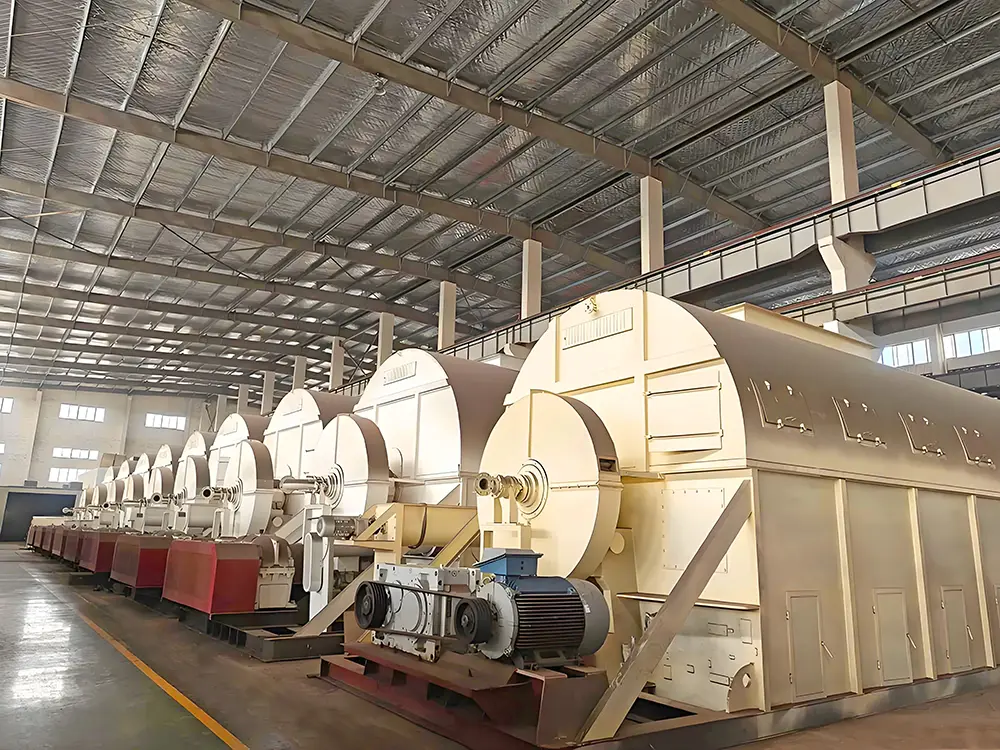
Jiangsu Zongheng Concentrating and Drying Equipment Co., Ltd., formerly known as Yixing Yangxi Light Industrial Machinery Factory, was established. The company covered a total area of approximately 15 mu and had a total of 45 employees.
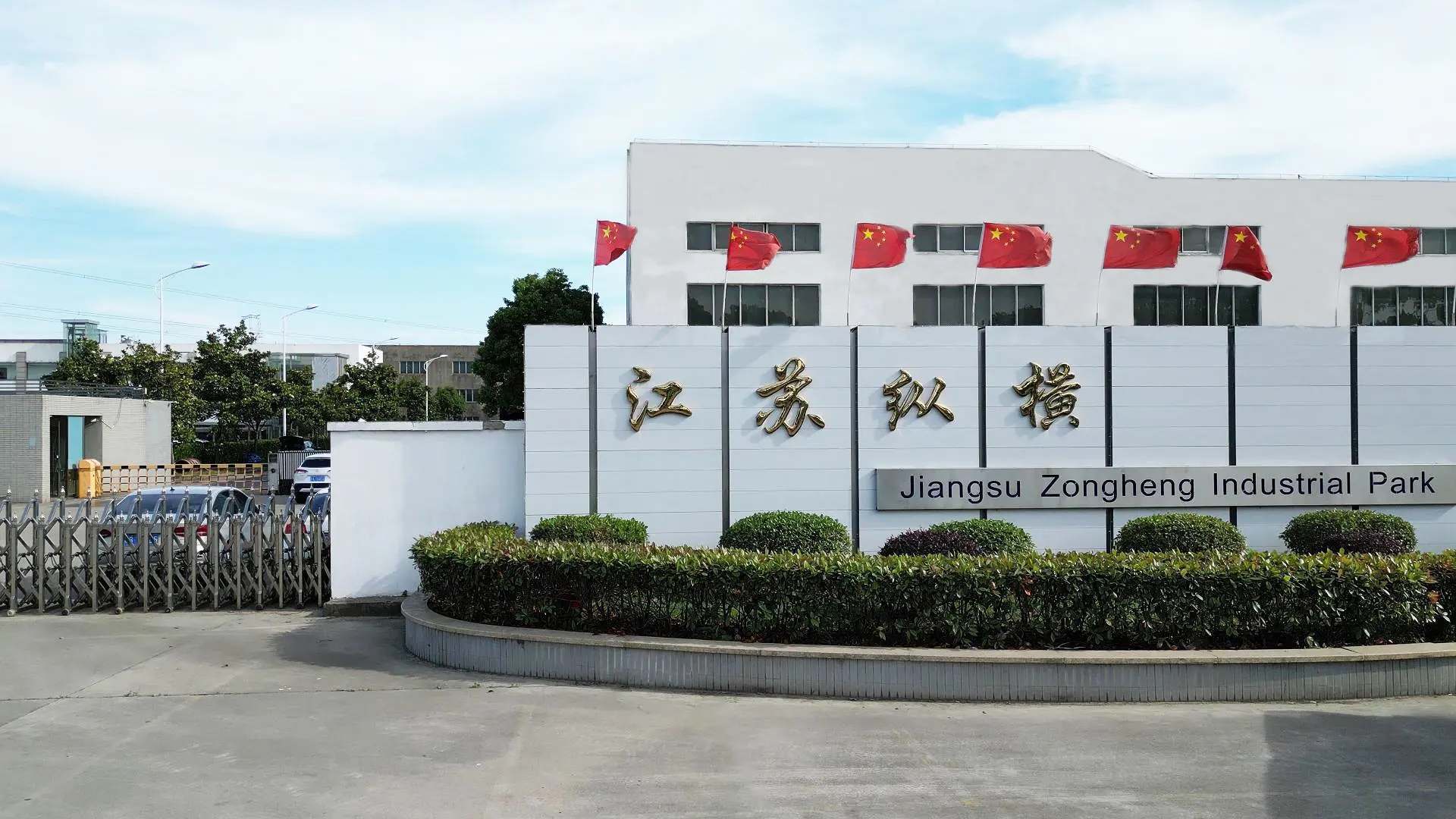
The company took the lead in obtaining ISO9001 international quality management system certification, establishing a structured approach to manufacturing and quality control.
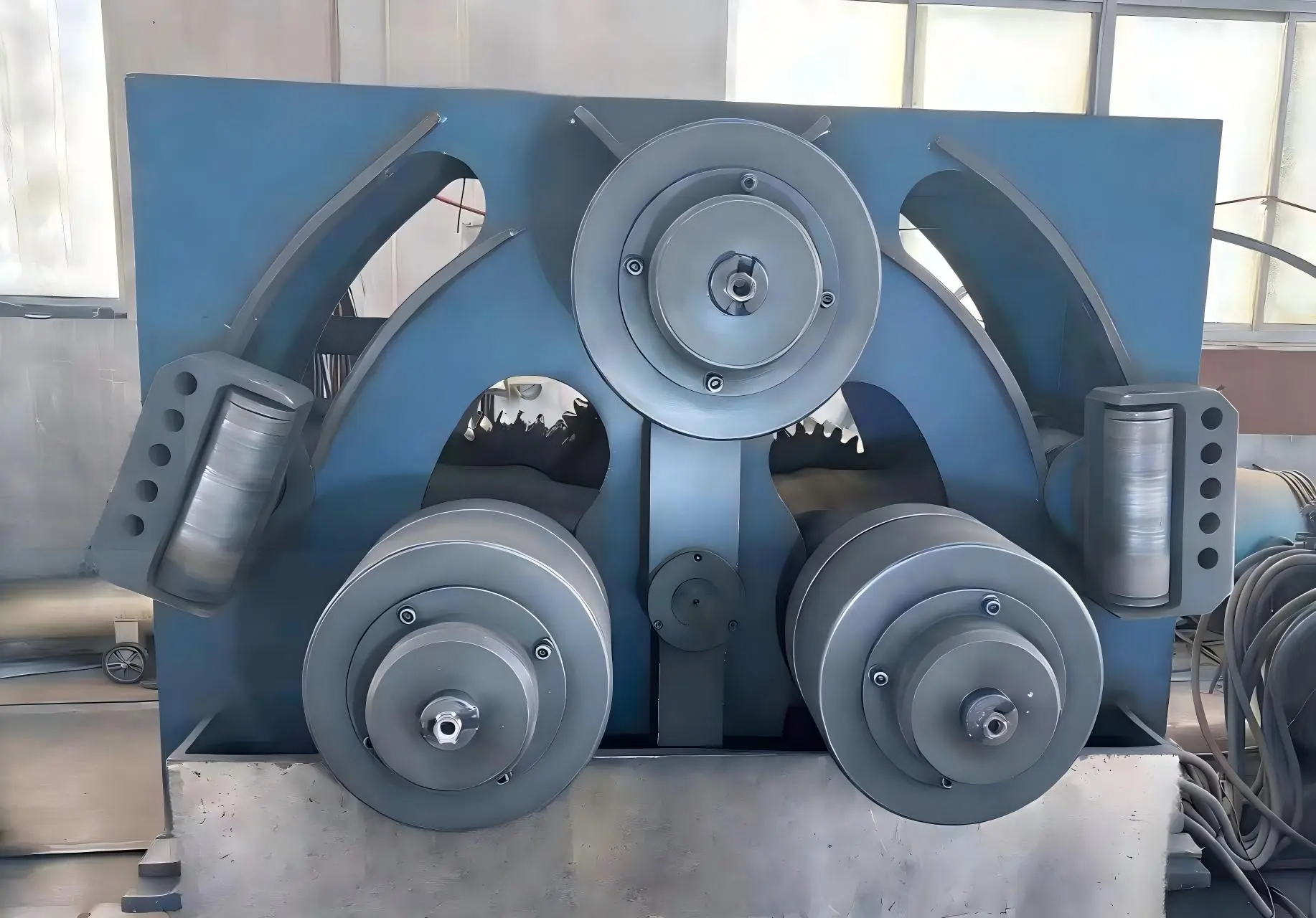
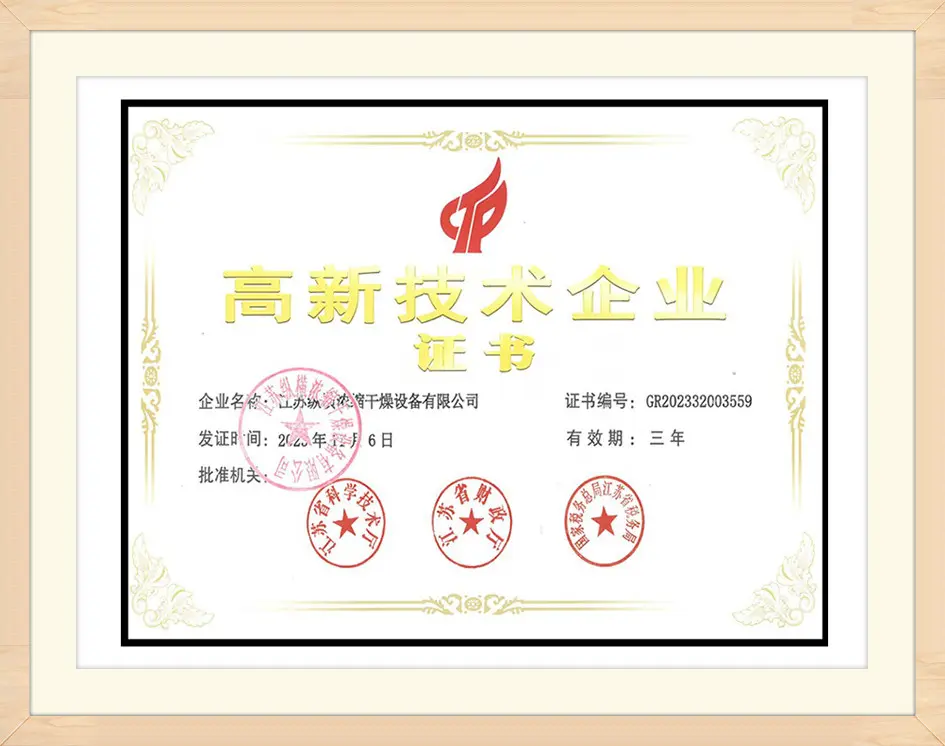
Recognized as a Jiangsu Provincial High-Tech Enterprise, reflecting our commitment to technical innovation and R&D in thermal separation systems.
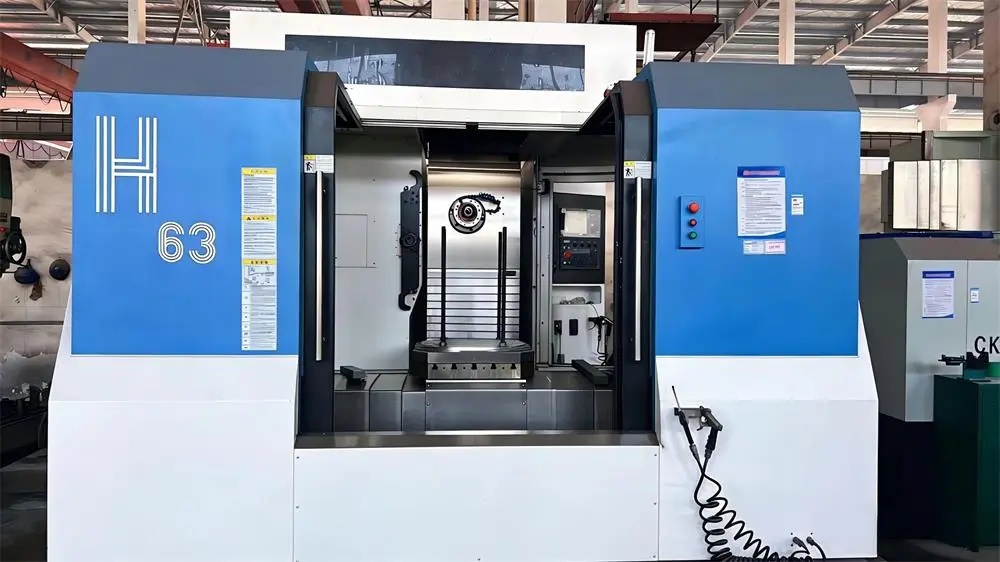
Obtained the Special Equipment Manufacturing License of the People's Republic of China (License No.: TS2232C42) for pressure vessel fabrication.
Acquired the ASME "U" Stamp authorization, marking the company's entry into the international high-pressure vessel and global process equipment market.
Obtained international quality system certification (Certificate No.: 45021), establishing a complete quality assurance system aligned with international standards.
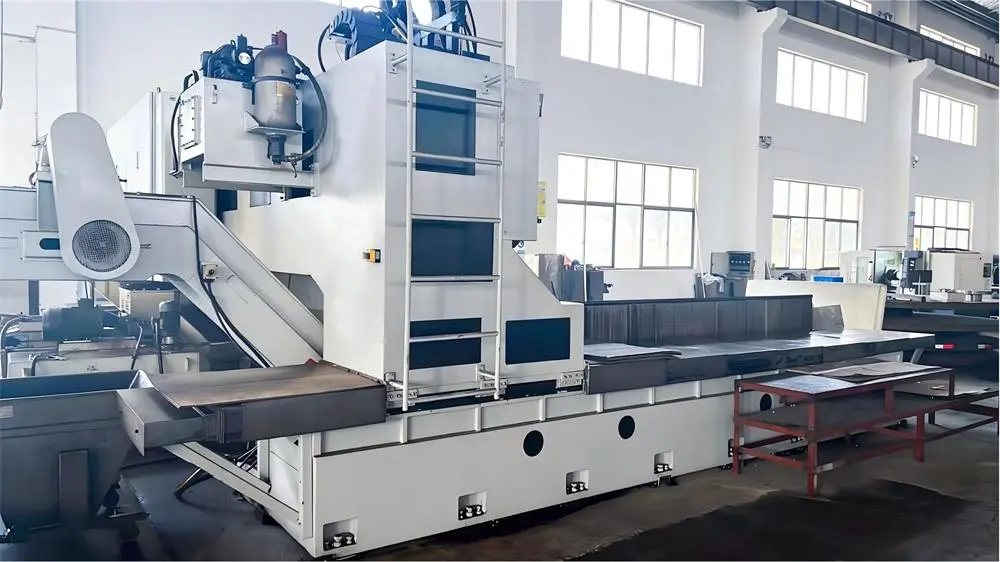
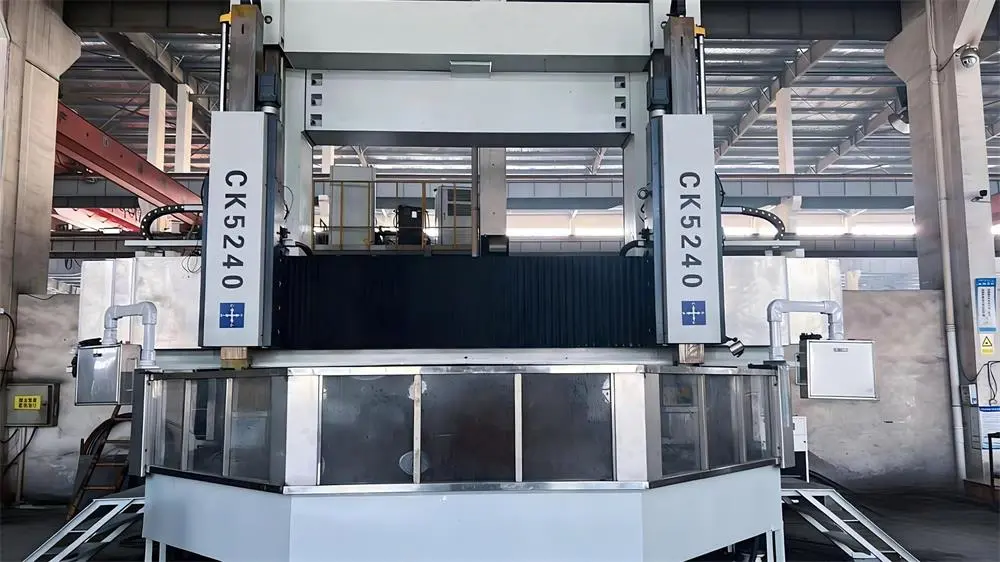
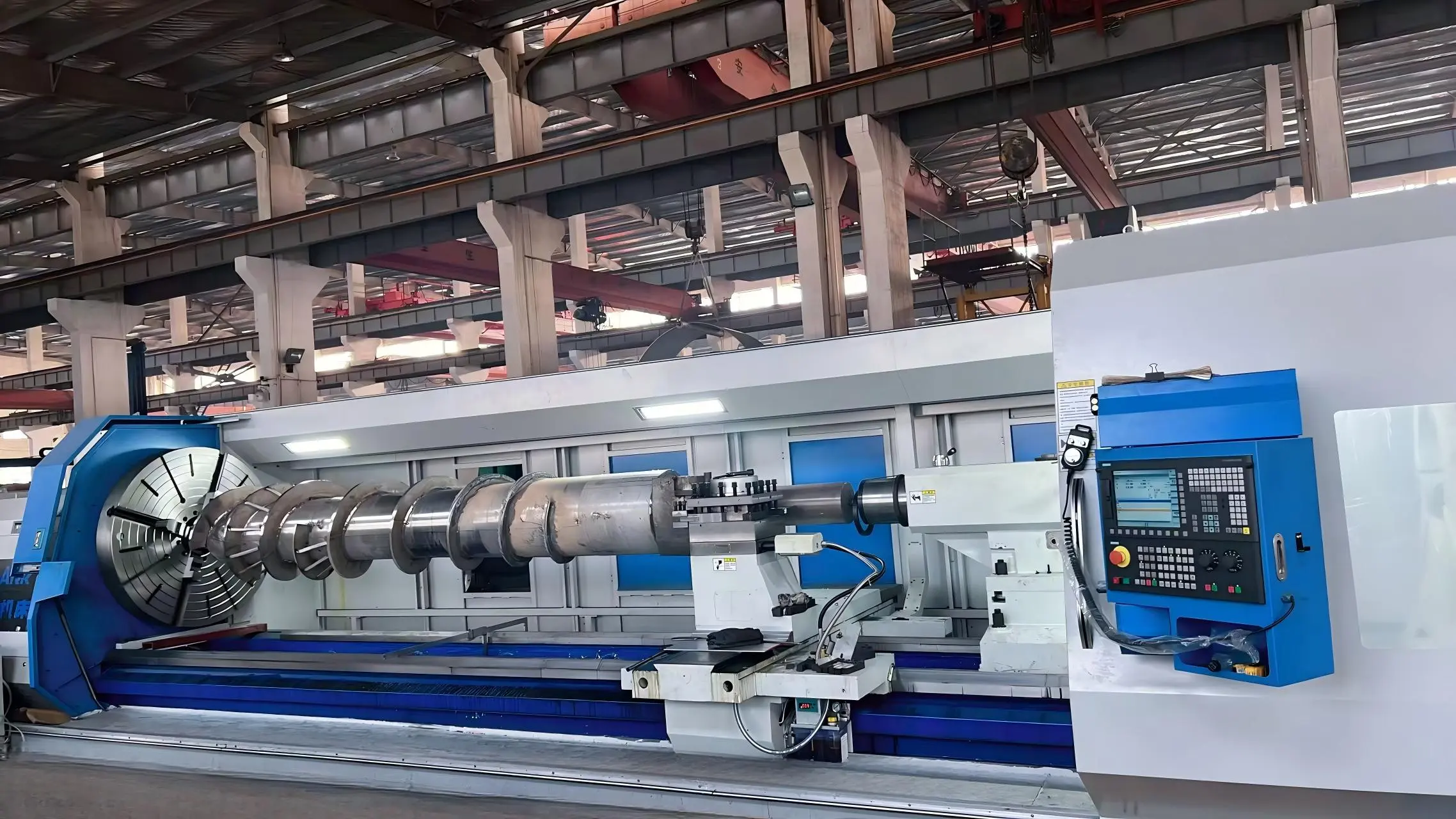
Today, the company covers a total area of over 54,000 square meters, with production workshop space exceeding 22,000 square meters. It currently employs 3 senior engineers, over 20 engineers, and a total staff of 120 people, delivering state-of-the-art evaporation and drying solutions globally.
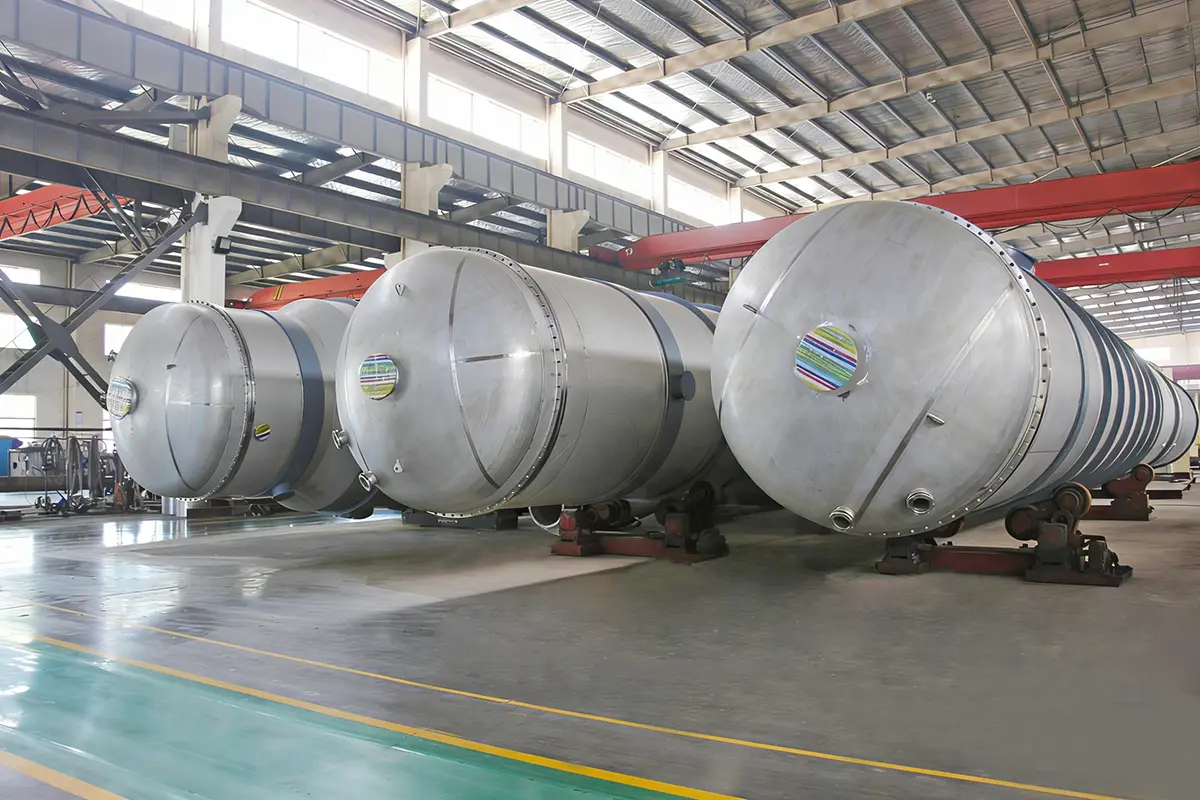
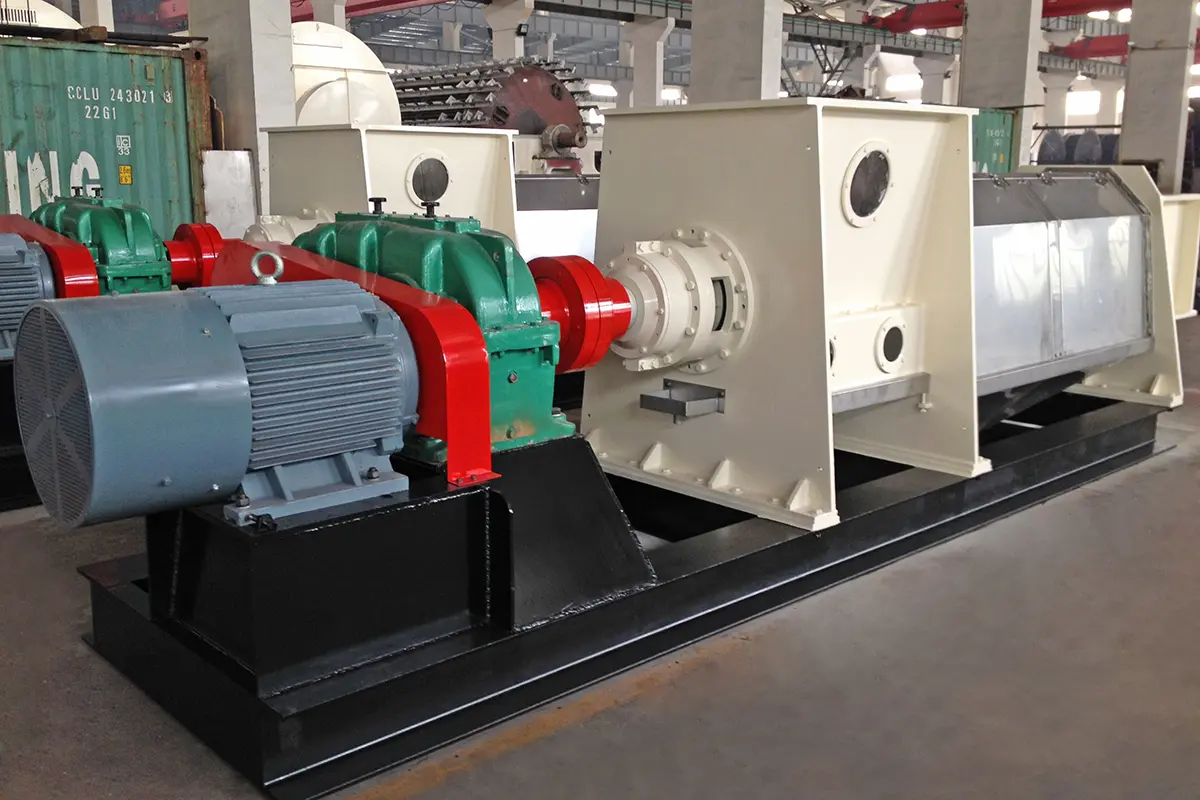

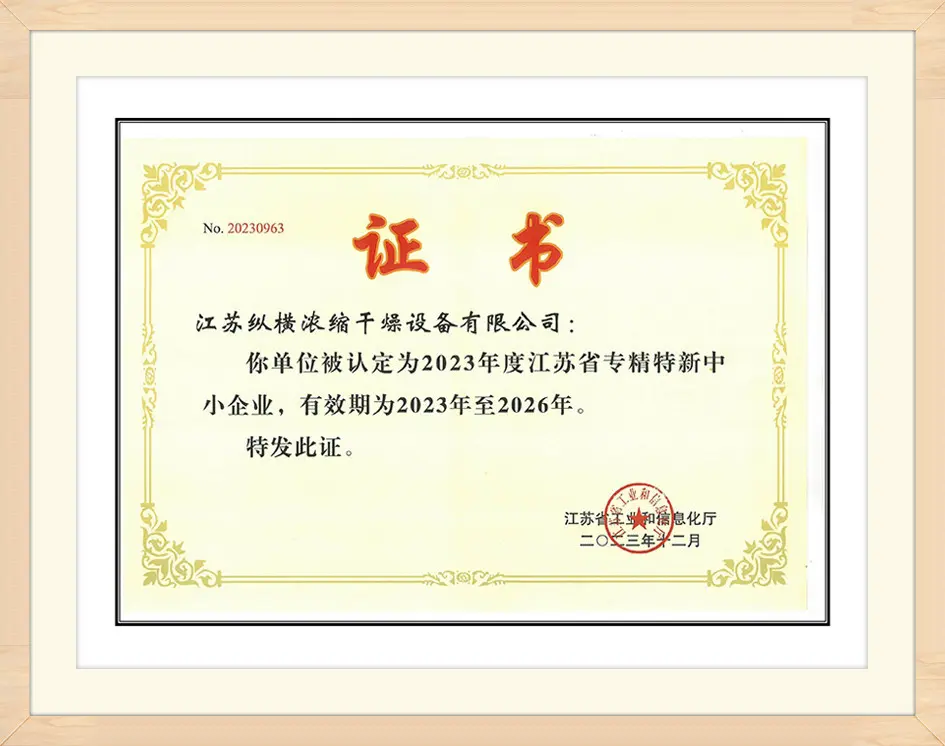
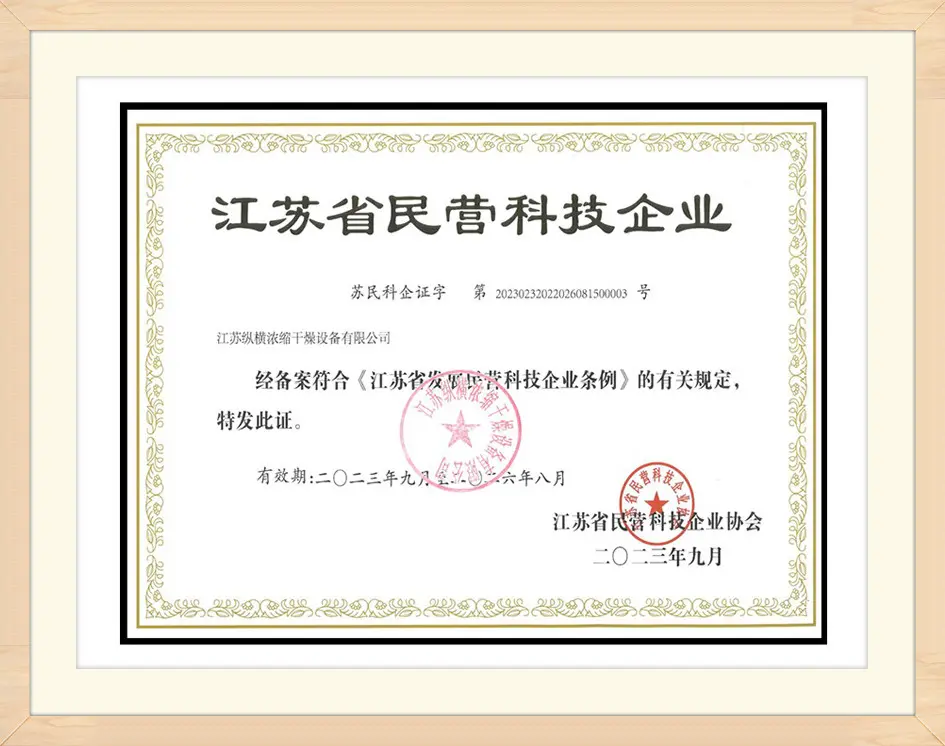
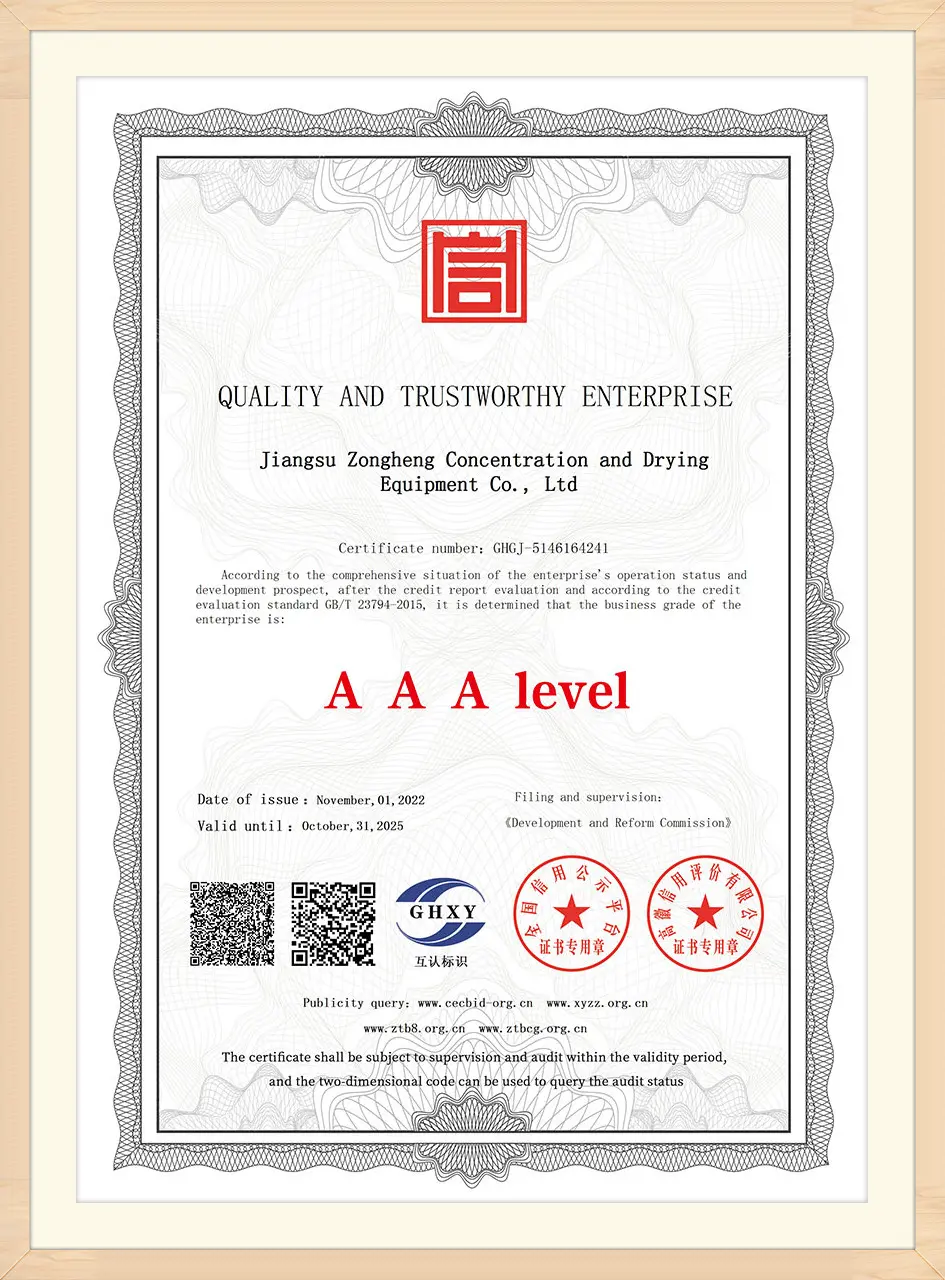
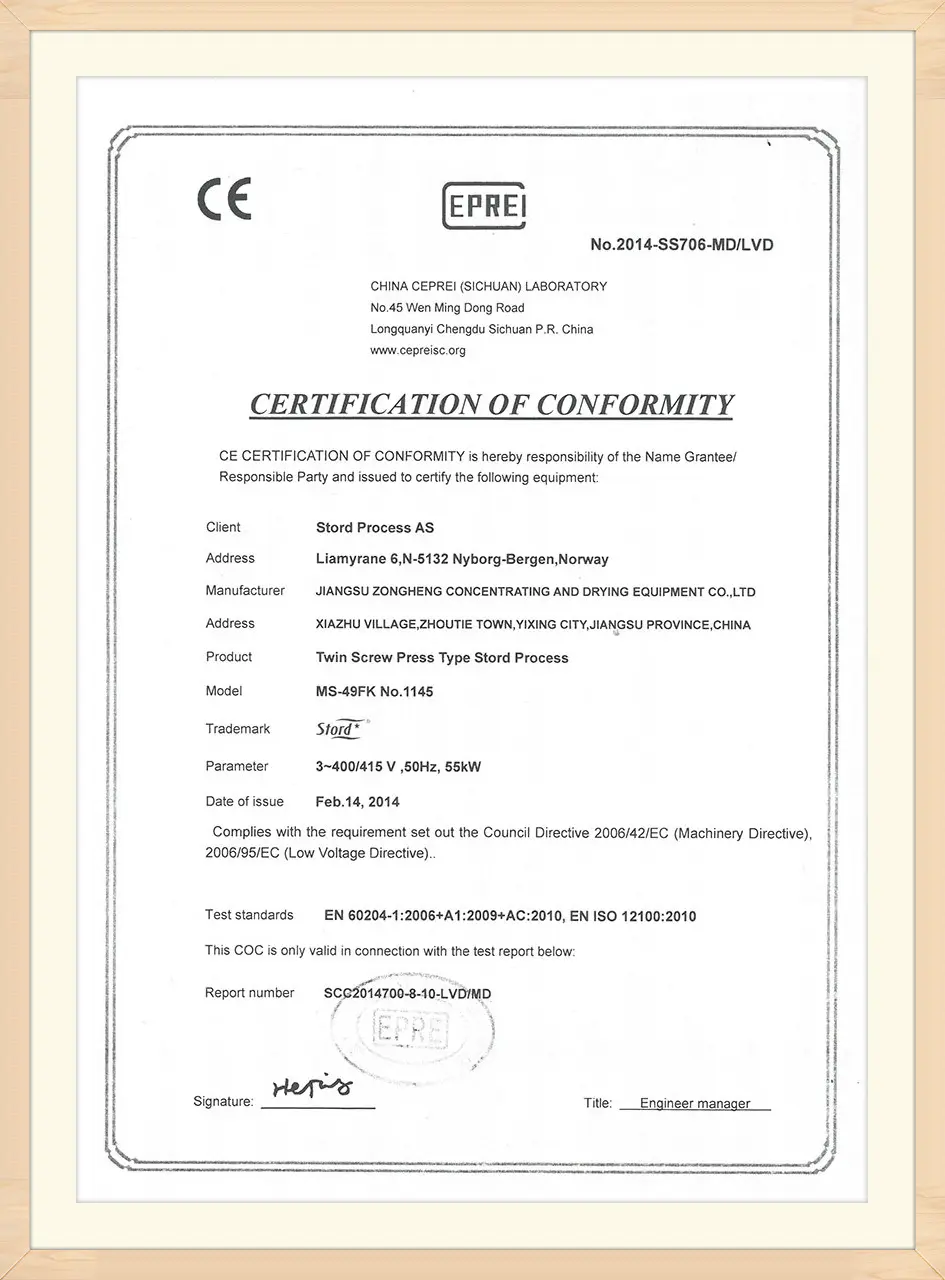
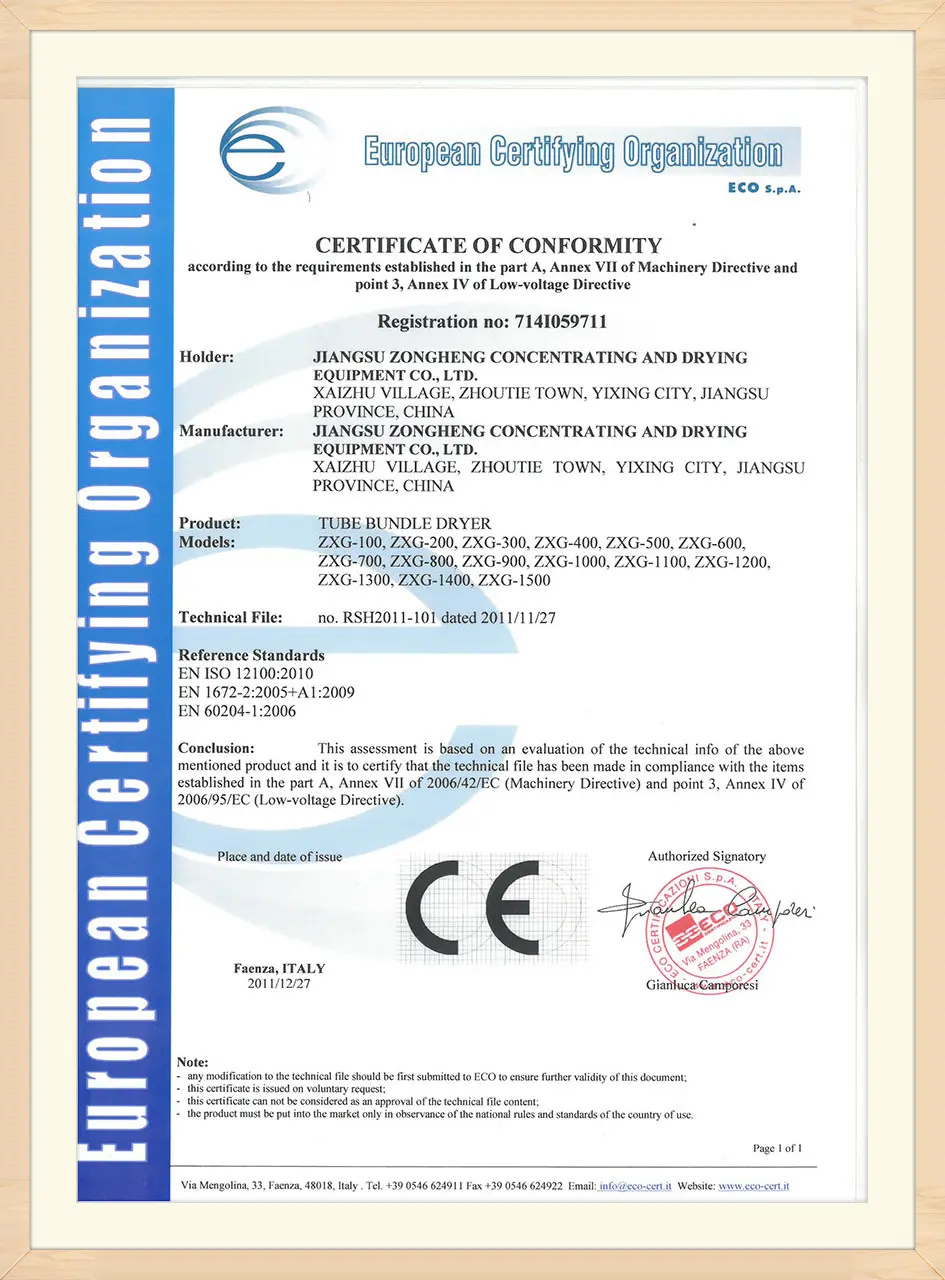
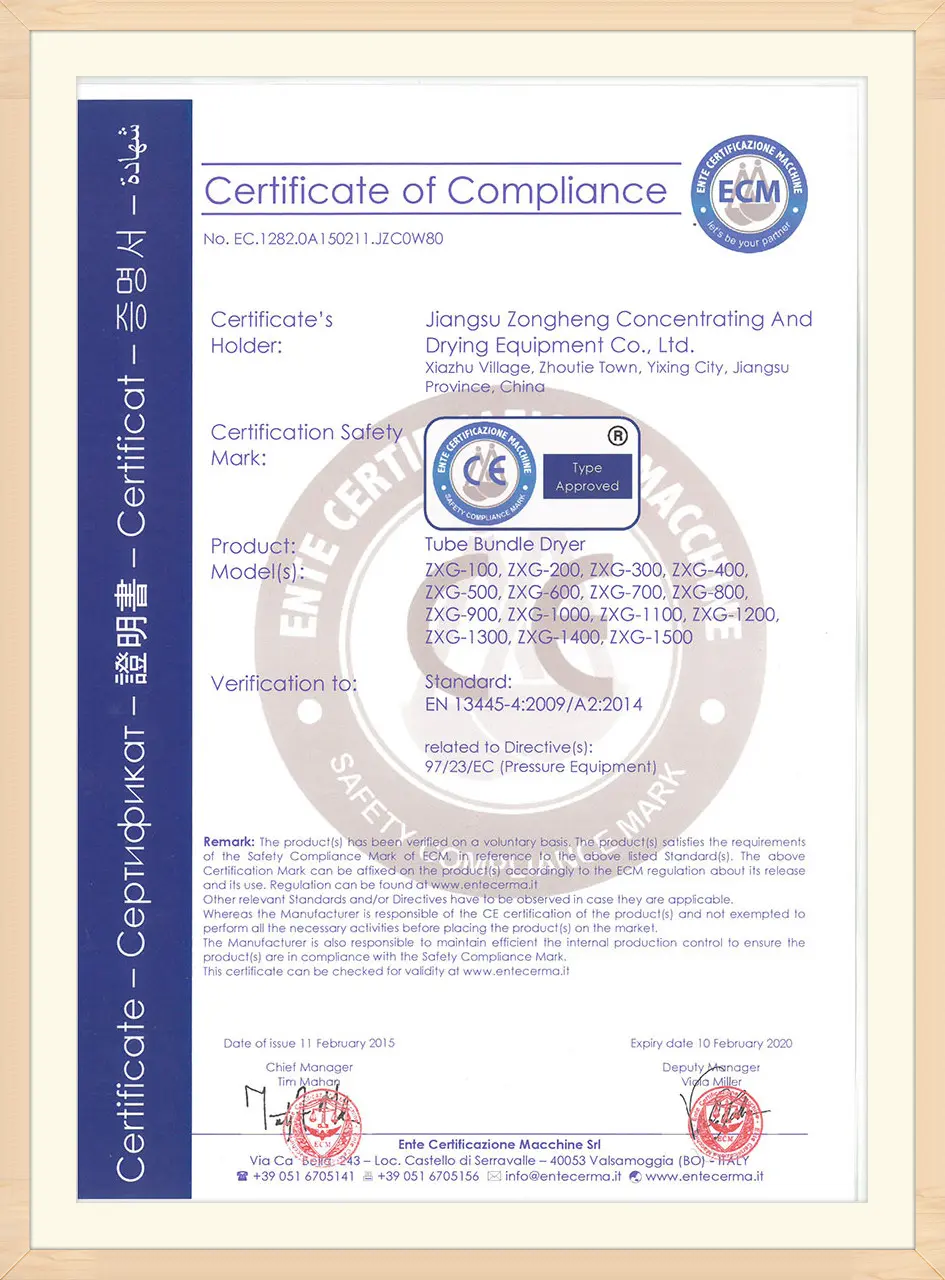
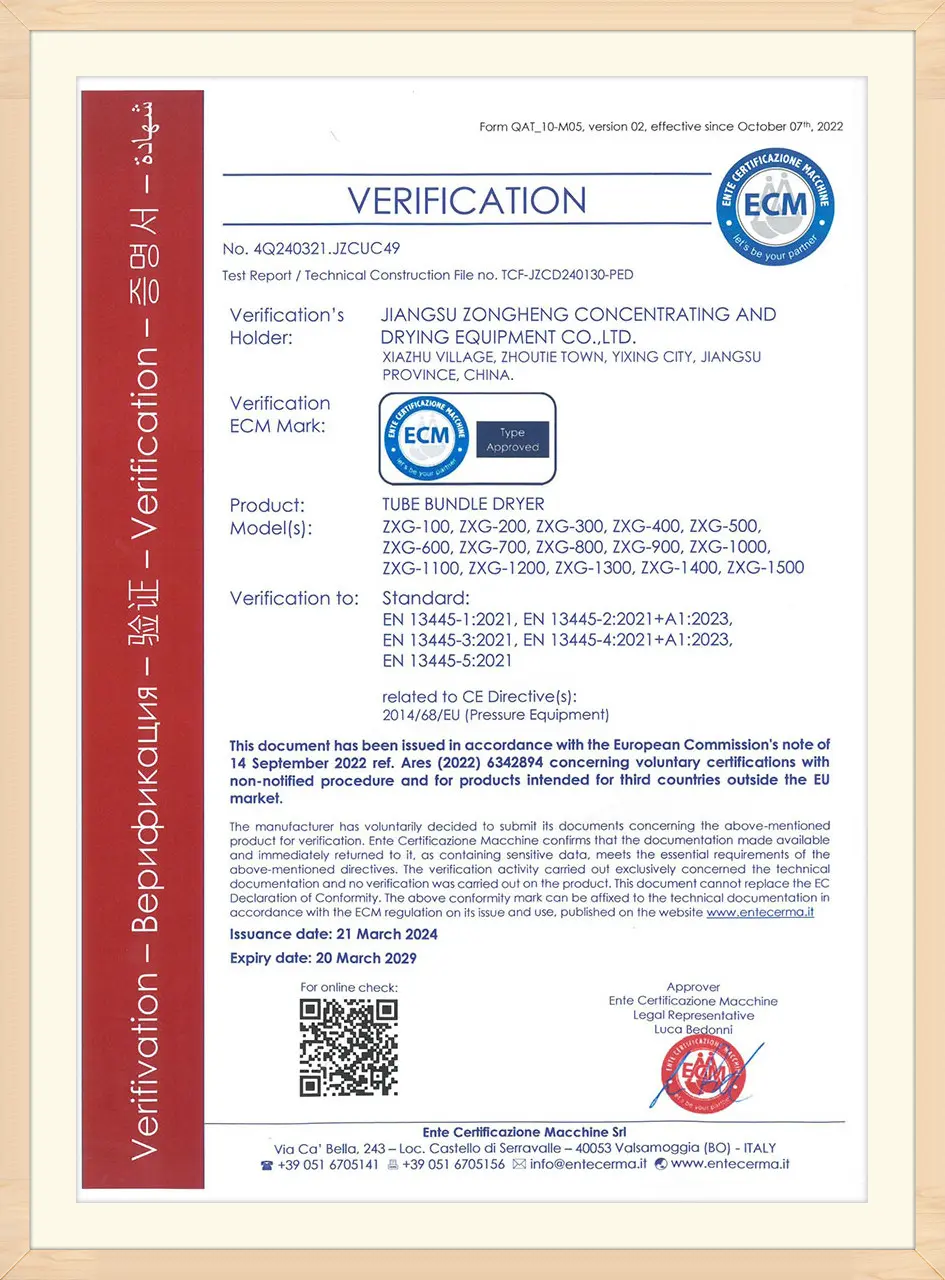
Operating as a global supplier requires strict adherence to regional design codes and safety regulations. Jiangsu Zongheng's engineering department is fully versed in international standards, ensuring that all pressure vessels and thermal systems are fully compliant before shipment. We hold the prestigious ASME "U" Stamp, which is the global benchmark for pressure vessel safety and quality. Additionally, our equipment carries CE Certification, meeting the European Union's Pressure Equipment Directive (PED) and machinery safety regulations.
To support our international clients, we provide comprehensive engineering documentation, including 3D CAD modeling, finite element analysis (FEA) for structural integrity, and detailed process flow diagrams (PFDs) and piping and instrumentation diagrams (P&IDs). Our global commissioning team offers on-site installation supervision, system integration, and operator training to guarantee a smooth startup and optimal long-term performance.
Mechanical Vapor Recompression (MVR) systems reuse the latent heat of the secondary vapor by compressing it mechanically, which elevates its temperature and pressure. This eliminates the need for continuous live steam input during operation, reducing energy consumption by up to 80% compared to traditional MEE systems. MEE systems, however, are preferred when electricity costs are high relative to steam costs, or when the boiling point elevation of the liquid is extremely high.
In a falling film evaporator, the feed liquid is distributed evenly across the top of the heating tubes and flows downward as a thin film. Because the liquid moves rapidly under gravity and vapor shear, the residence time inside the heated zone is extremely short (typically only a few seconds). Additionally, operating under vacuum lowers the boiling point, allowing evaporation to occur at lower temperatures, preserving the quality of heat-sensitive organic compounds.
Forced circulation evaporators are selected for liquids that have a high fouling tendency, high viscosity, or those that crystallize during concentration. A high-flow circulation pump maintains high velocity inside the heat exchanger tubes, suppressing boiling within the tubes and preventing scale deposition. Boiling and crystallization occur only when the liquid enters the flash separator vessel.
Depending on the chemical composition of the feed liquid (especially chloride and acid levels), we manufacture systems using high-grade stainless steels (316L, 904L), Duplex Stainless Steels (SAF 2205, SAF 2507), Titanium (Gr. 2, Gr. 12), and nickel-based alloys like Hastelloy. This ensures maximum corrosion resistance and prevents stress corrosion cracking.
The Single Screw Press performs mechanical dewatering, reducing the moisture content of wet solids (such as corn fiber, spent grains, or chemical pulp) from 80-90% down to 55-60%. By removing the bulk of the water mechanically before the material enters the thermal dryer (like an Airflow Dryer or Tube Bundle Dryer), the steam consumption of the drying stage is reduced by up to 50%, lowering overall energy costs.
 Jun 18, 2026
The evaporator absorbs heat to vaporize media, while the condenser releases heat to liquefy vapor; the two perform opposite cooling and heating functions. Operating under low pressure, the evaporator generates cold energy and concentrates process liquids, forming a critical loop in modern industrial thermal systems.
We warmly welcome friends from various industries, both domestic and international, to visit us for cooperation and mutual development!
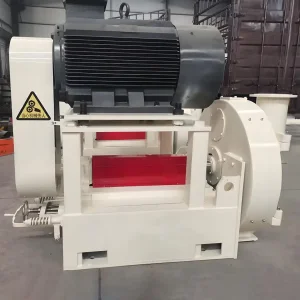
Engineered for wet milling plants to separate the germ from the maize kernel without damage. Maximizes starch yield and oil recovery rates.
Read More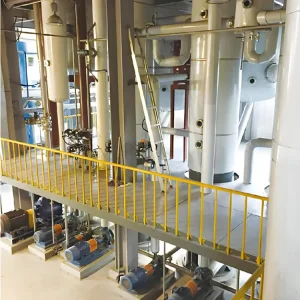
High-efficiency concentration system featuring optimal liquid distribution plates. Prevents dry-out and scaling in organic liquid concentration.
Read More
Heavy-duty degerming mill designed for continuous high-throughput maize processing. Features adjustable rotor clearance for precise separation.
Read More
Integrates low-temperature waste heat sources to drive evaporation. Minimizes factory carbon emissions and reduces utility steam demands.
Read More
Designed for low-temperature operation under vacuum. Ideal for concentrating fruit juices, proteins, and pharmaceutical intermediates.
Read More
Robust mechanical construction ensures minimal vibration and long service life. Easy maintenance design reduces operational downtime.
Read More
High-efficiency mechanical dewatering system. Delivers consistent cake dryness for spent grains, paper pulp, and organic sludge.
Read More
CE-compliant concentration systems engineered for the European market. Features advanced automation and optimized thermal efficiency.
Read More Zongheng