Modern process industries face a multi-dimensional challenge: maximizing thermodynamic output while meeting stringent global mandates for carbon neutrality and Zero Liquid Discharge (ZLD). Multiple Evaporators sit at the heart of this operational paradigm. Over the past three decades, the technology has transitioned from simple thermal separation configurations to highly integrated, multi-effect recovery systems that harness ambient waste heat, mechanical vapor recompression, and forced circulation designs.
Global demand patterns indicate a shift towards systems capable of handling corrosive media, high-viscosity concentrates, and thermal-sensitive substances. As energy pricing and regulatory compliance standards shift, the role of specialized Chinese engineering and manufacturing facilities has grown increasingly critical. These factories offer high-precision ASME-certified vessel fabrication, customized process flow design, and end-to-end integration, delivering crucial information gain and operational efficiency for international procurement managers.
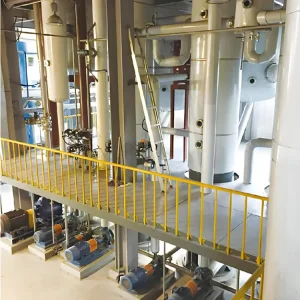
Engineered primarily for heat-sensitive liquid concentration. In this configuration, the feed liquid forms a thin film flowing down heated vertical tubes, where it partially evaporates. Vapor generated flows parallel to the liquid, enhancing the process. This layout guarantees an exceptionally short residence time and low operating temperature, preserving product quality. Critical design constraints include proper liquid distribution and complete surface wetting to prevent fouling and maintain high thermal efficiency and operational stability.
Forced circulation configurations are optimized for liquids prone to fouling, scaling, or crystallization. The feed is pumped rapidly through heat exchanger tubes at high velocities, preventing boiling on the tube walls. Boiling only occurs as the pressure drops inside the separator vessel. This dynamic reduces chemical fouling and allows high concentration of materials containing solid particles or crystalline precipitates.
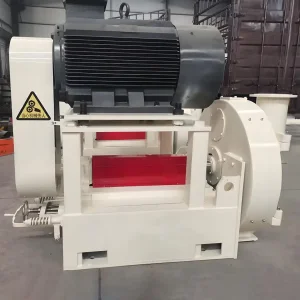
MVR systems represent the peak of thermal optimization by recycling secondary vapors. The vapor generated in the evaporator is compressed using a mechanical compressor or blower, raising its enthalpy, temperature, and pressure. The compressed vapor is then recycled back as the heating medium for the same evaporator. By using electrical energy rather than live steam, MVR systems yield significant operational cost reductions and minimize carbon footprints.
Jiangsu Zongheng's MQG Airflow Dryer employs high-speed hot air to suspend and fluidize the material. By utilizing impulse airflow generated from precisely varied tube diameters, it continuously tumbles the particles while conveying them. This design ensures rapid, uniform, and efficient drying throughout the entire transportation process within the system, making it ideal for starch, feeds, and chemical powders.
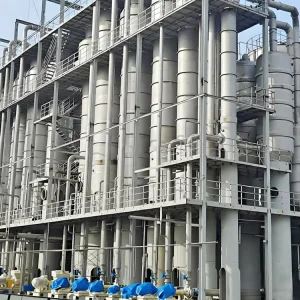
A falling film evaporator efficiently concentrates heat-sensitive liquids. The feed liquid forms a thin film flowing down heated vertical tubes, where it partially evaporates. Vapor generated flows parallel to the liquid, enhancing the process. It ensures a short residence time and low operating temperature, preserving product quality. The system requires proper liquid distribution and complete surface wetting to prevent fouling and maintain high thermal efficiency and operational stability.
Beyond our primary thermal concentration setups, our manufacturing facility manufactures a diverse array of complementary separation machinery, including:
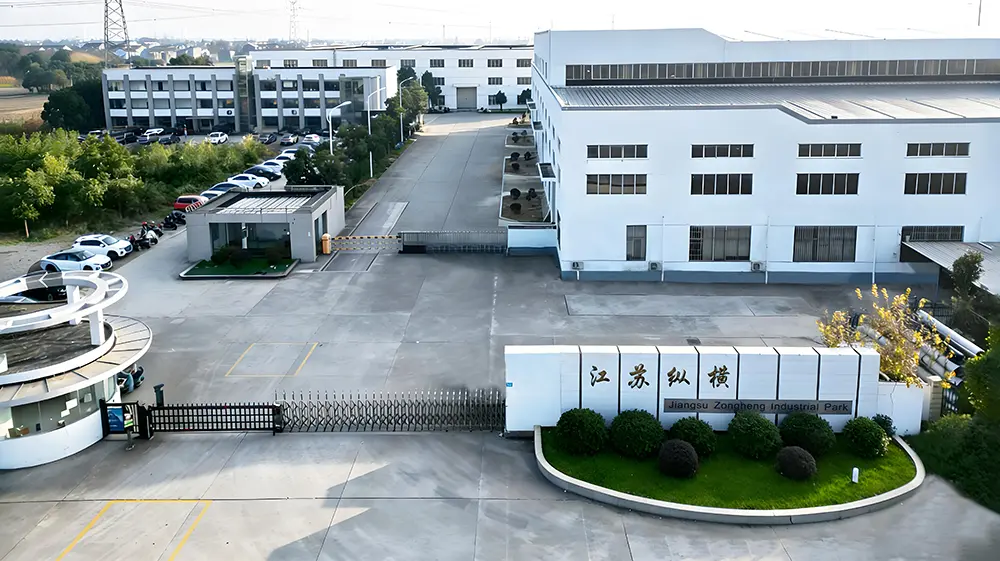
Jiangsu Zongheng Concentrating and Drying Equipment Co., Ltd (formerly Yixing Yangxi Light Industry Machinery Factory), founded in 1992, is located in Zhoutie Town, Yixing City, on the shores of the beautiful Taihu Lake. The company covers an area of over 54,000 square meters, with a production workshop area of over 22,000 square meters.
Jiangsu Zongheng is a modern high-tech enterprise specializing in the manufacturing of concentration, drying, starch industry, alcohol DDGS, and Category III medium & low-pressure vessel equipment. It is currently a member enterprise of the China Starch and Alcohol Association. Its products are widely used in industries such as food fermentation, alcohol, chemical, pharmaceutical, environmental protection, and petrochemical.
Today, the company covers a total area of over 54,000 square meters, with production workshop space exceeding 22,000 square meters. It currently employs 3 senior engineers and over 20 engineers and assistant engineers, with a total staff of 120 people.
Obtained International Quality System Certification (Certificate No.: 45021), establishing a complete quality assurance system aligned with international standards.
Acquired the ASME "U" Stamp authorization, marking the company's entry into a new phase of global equipment fabrication development.
The company obtained the Special Equipment Manufacturing License of the People's Republic of China (License No.: TS2232C42).
Recognized as a Jiangsu Provincial High-Tech Enterprise, underscoring our focus on industrial research and development.
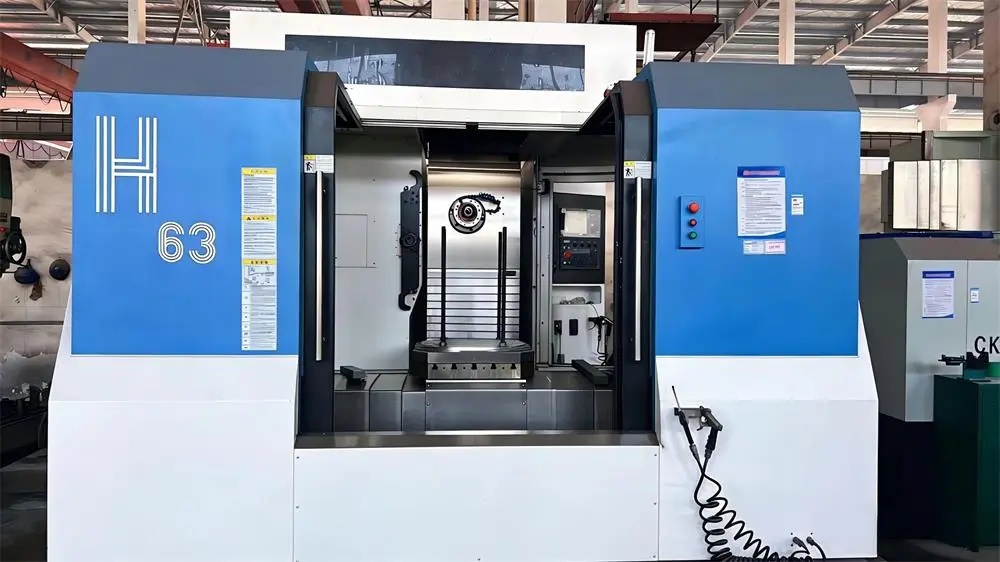
The company took the lead in obtaining ISO9001 quality management system certification, cementing production standards.
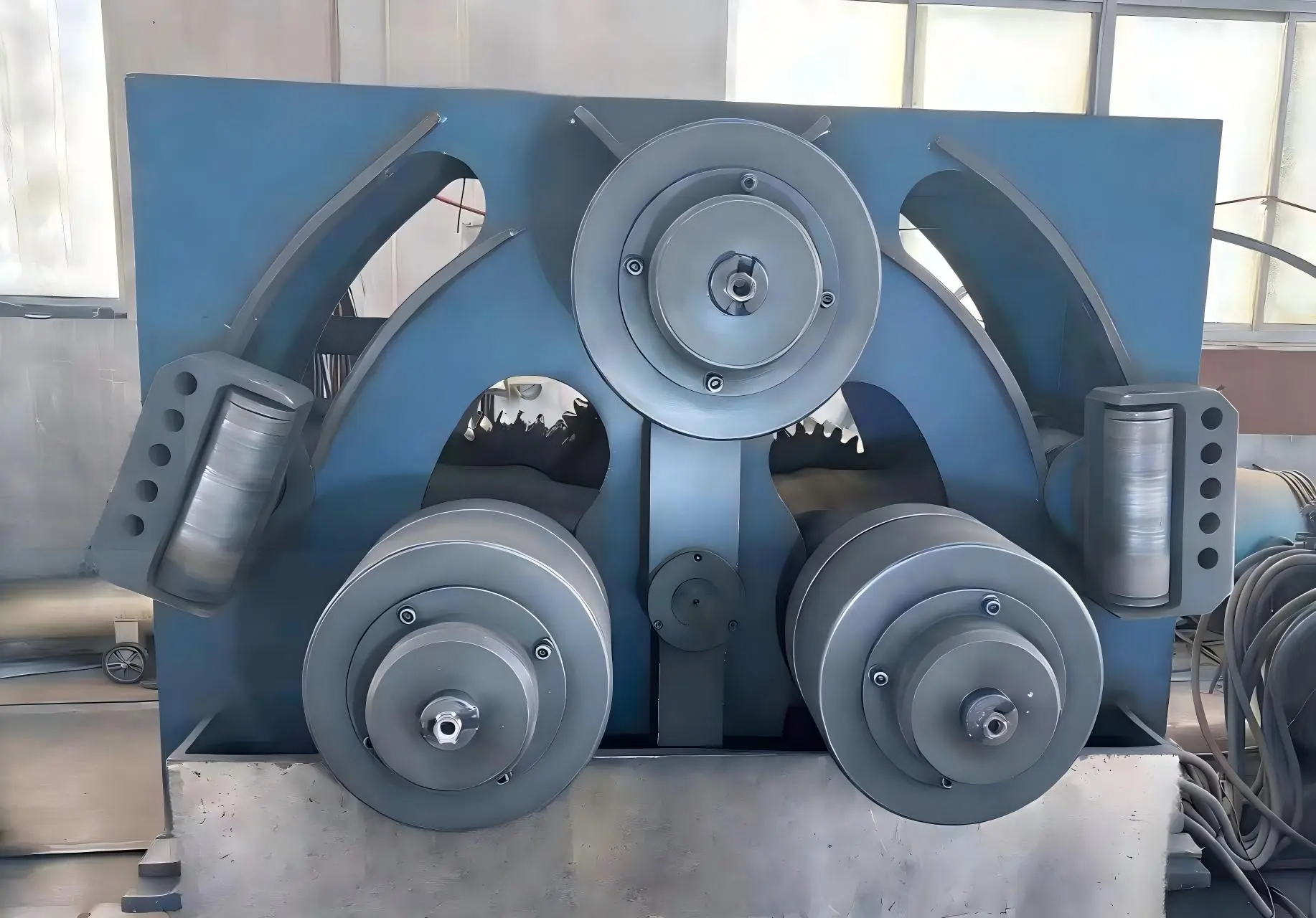
Jiangsu Zongheng Concentrating and Drying Equipment Co., Ltd, formerly known as Yixing Yangxi Light Industrial Machinery Factory, was established in 1992. The company covered a total area of approximately 15 mu and had 45 employees.
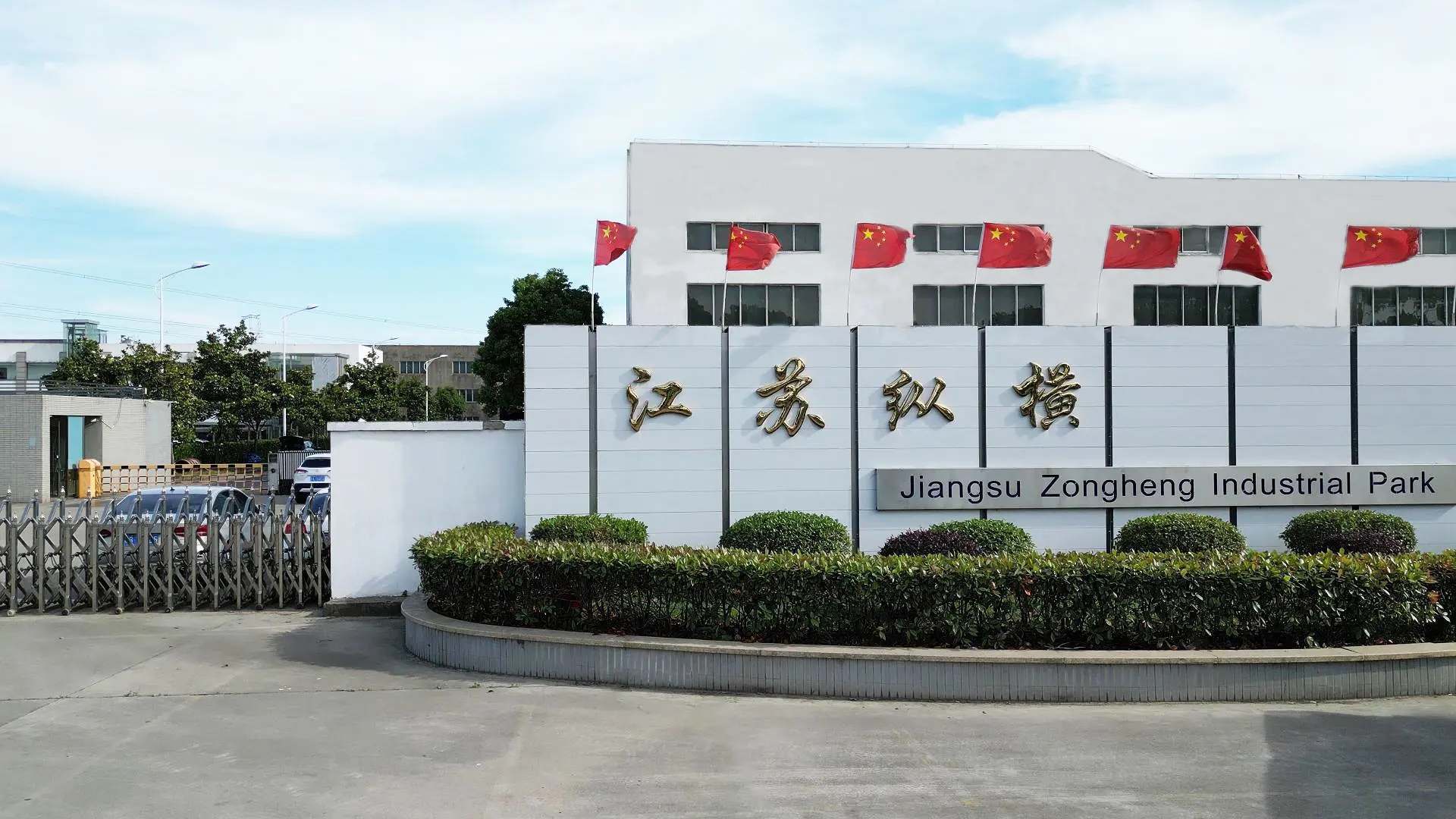
International engineering projects demand strict compliance with international standards. By holding ASME "U" Stamp authorization and CE certifications, Jiangsu Zongheng ensures that all pressure vessels, distillation columns, and evaporator shells align with European and American safety and mechanical design mandates.
We work to lower thermal energy requirements through multi-effect optimization. Our customized setups achieve optimal vapor recompression ratios, reducing live steam demand. This balancing of CAPEX and OPEX yields faster payback cycles for global production facilities.
Corrosion poses a constant risk in chemical and wastewater concentration. We enforce complete raw material tractability on all alloys—ranging from SS304 and SS316L to Duplex Stainless Steels (2205/2507) and Pure Titanium (TA1/TA2)—ensuring reliable operation under harsh conditions.
Jiangsu Zongheng provides comprehensive systems that combine thermal concentration and mechanical dewatering to optimize processes across diverse sectors.
Integrating our Degerming Mill, Starch Washing Cyclones, and Multistage Flash Evaporators maximizes recovery rates in wet corn milling, generating pure starch fractions and optimized by-product profiles.
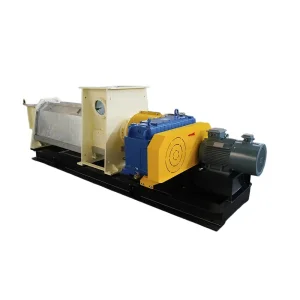
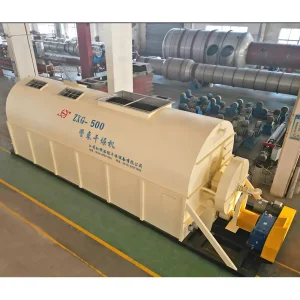
By coupling falling film evaporators with ZXG tube bundle dryers and high-capacity screw presses, we transform thin stillage and wet grains into highly valuable DDGS feed fractions with low fuel consumption.
For municipal, chemical, and landfill leachate concentration, our forced circulation evaporators serve as crystallizers, separating salts from water to meet industrial zero liquid discharge targets.
Looking ahead, industrial evaporation systems must balance energy efficiency with reduced carbon footprints. Our current technological roadmap focuses on three primary pillars:
Jiangsu Zongheng supports international projects with dedicated engineering services. From pre-sales technical analysis and chemical composition assessments to factory acceptance testing, logistics management, and on-site commissioning, our engineering team ensures seamless system integration.
Our quality assurance program documents every step of construction, providing complete raw material records, weld inspections, and pressure test certifications to satisfy third-party inspectors.
Connect with our engineering team to outline your process flow diagram, determine energy demand, and obtain a detailed technical quote.
 Zongheng