Engineered solutions designed for high-efficiency concentration, drying, and solids recovery.
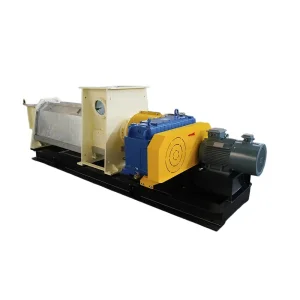
Specifically engineered for dewatering solid-containing industrial slurries, achieving optimal moisture reduction in agricultural by-products.
Read More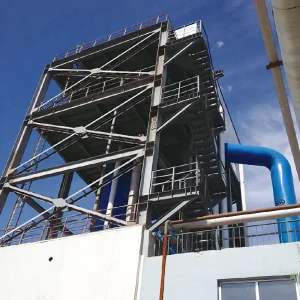
Cutting-edge MVR systems designed to recycle waste steam, minimizing energy consumption and operational expenditures.
Read More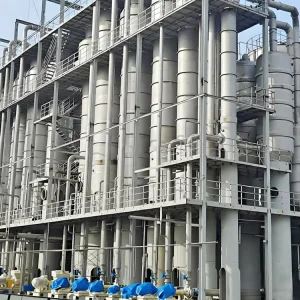
Integrates secondary steam or dryer vapor to concentrate heat-sensitive steep liquor while optimizing thermal budgets.
Read More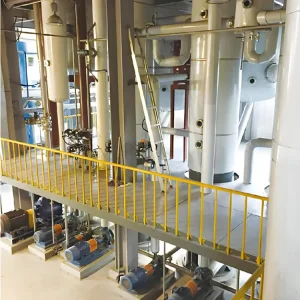
Optimized for processing temperature-sensitive media with short residence times and precise film distribution controls.
Read More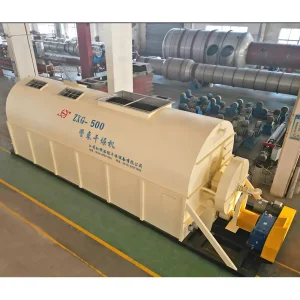
Engineered for safe, low-oxygen drying of bulk granular solids using highly efficient indirect thermal transfer surfaces.
Read More
Heavy-duty, low-speed extraction press manufactured to international safety standards, maximizing liquid separation yields.
Read More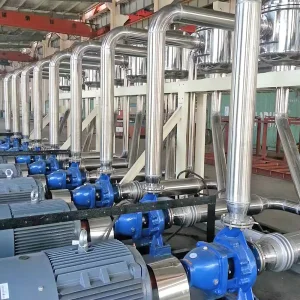
Designed for industrial multi-cyclone wash lines, ensuring deep classification and protein-impurity separation.
Read More
Industrial thermal integration units built to recover residual heat from exhaust streams, substantially reducing utility inputs.
Read MoreIn modern process industries, selecting the proper film-flow thermal separation system directly determines product quality, operating costs, and system longevity. Both rising film evaporators (RFE) and falling film evaporators (FFE) are designed to concentrate liquid solutions by distributing them along the inner walls of heated vertical tubes. However, their hydrodynamic behaviors, fluid feeding directions, and thermodynamic boundary conditions differ fundamentally.
The primary difference lies in the direction of the liquid film path relative to gravity and the driving forces that maintain film integrity:
"The key design challenge for falling film systems is ensuring uniform initial wetting at the top tube sheet. If distribution fails, localized dry spots occur, leading to immediate scaling and thermal degradation. Rising film systems, although simpler in feed distribution, require a high temperature differential to generate the shear force needed to lift the film."
In a falling film evaporator, the film thickness is heavily dependent on the liquid distribution assembly at the top. If the wetting rate falls below critical thresholds, the liquid film breaks, leading to dry-tube operation. Rising film systems do not require complex distribution headers since the liquid naturally pools at the bottom of the tubes before boiling lifts it. However, they demand a minimum heat flux to start the climbing action, making them less suitable for low-temperature applications.
| Design Parameters | Rising Film Evaporators (RFE) | Falling Film Evaporators (FFE) |
|---|---|---|
| Feed Direction | Bottom inlet, flows upward against gravity | Top inlet, flows downward with gravity |
| Driving Force | Vapor shear force & buoyancy (thermosiphon) | Gravity & co-current vapor shear |
| Wetting Requirement | Self-adjusting via bottom reservoir pooling | Critical; requires liquid distribution plates |
| Residence Time | Moderate to long (higher liquid holdup) | Very short (thin, fast-flowing film) |
| Viscosity Limits | Low to medium (up to 100-150 mPas) | Medium (up to 300-500 mPas) |
| Temperature Sensitivity | Suitable for moderately sensitive liquids | Ideal for highly heat-sensitive liquids |
| Thermal Driving Force (ΔT) | High (required to initiate boiling/climbing) | Low (operates efficiently at low temperature differences) |
| Structural Height | Moderate (typically 4–8 meters) | High (typically 8–15 meters to ensure film length) |
How varying market conditions, energy profiles, and regional regulations shape the selection of industrial evaporators.
In wet corn milling, corn steep liquor (CSL) and glucose syrups require concentration. Falling film systems are preferred here due to their short residence times, which prevent product browning (caramelization) and protein degradation.
For distillery waste treatments (such as DDGS recovery), integrating multi-effect falling film or waste heat evaporators reduces steam consumption. High dry-solids concentration is achieved by recycling waste heat from dryer exhausts.
With environmental regulations driving Zero Liquid Discharge (ZLD) policies, falling film units concentrate salty industrial waste streams before they enter crystallization stages. These systems are often paired with MVR technology.
Procurement directors in Europe, North America, and Southeast Asia look for specific indicators of quality, safety, and operational reliability when evaluating evaporation plant manufacturers. Sourcing decisions are no longer based solely on initial capital expenditure (CAPEX); instead, they focus on total cost of ownership (TCO) and compliance.
China's evaporation technology sector has transitioned from basic fabrication to high-precision engineering. By locating production within industrial hubs like Jiangsu, manufacturers benefit from localized, robust supply chains for raw materials and components, reducing delivery times for global projects.
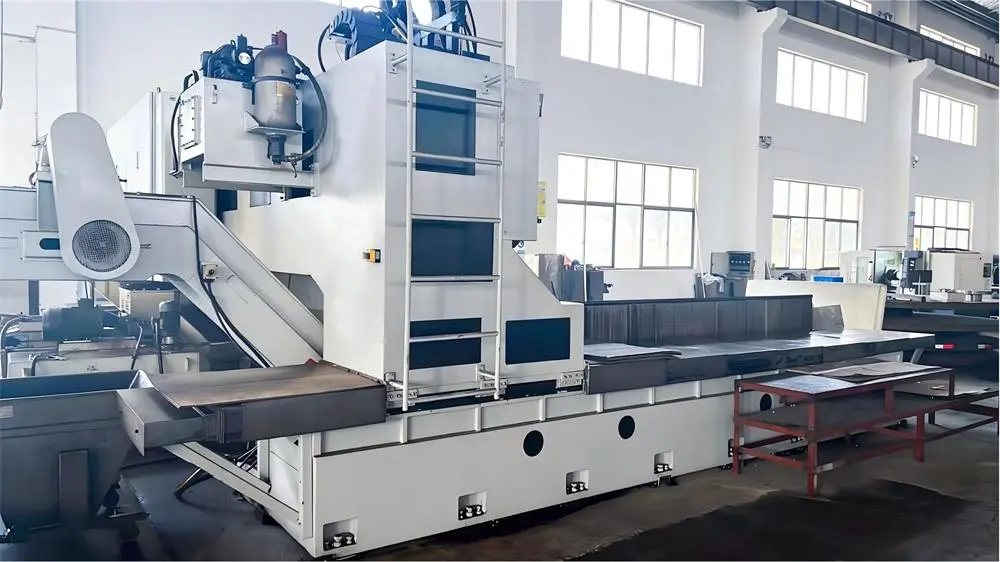
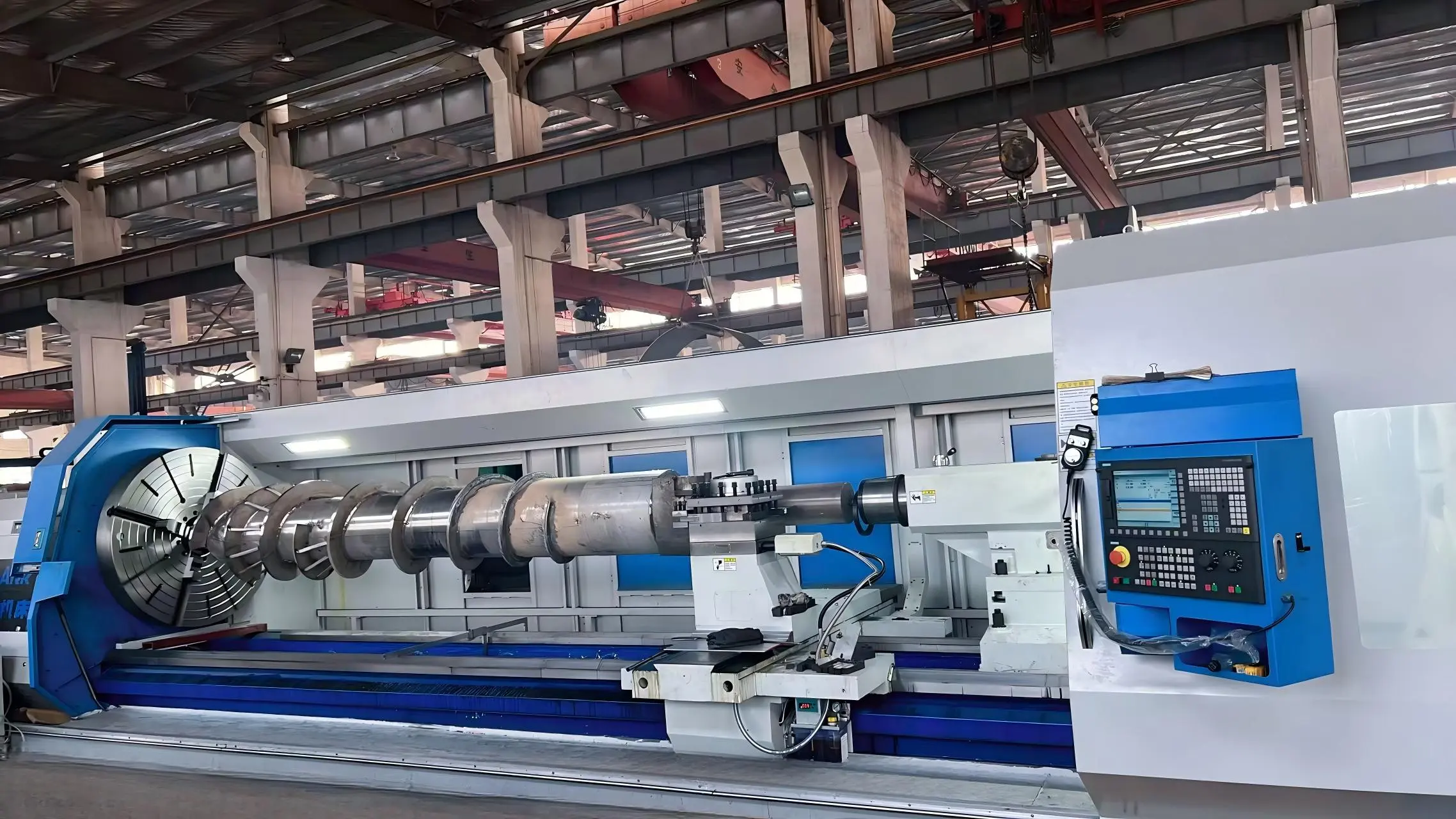
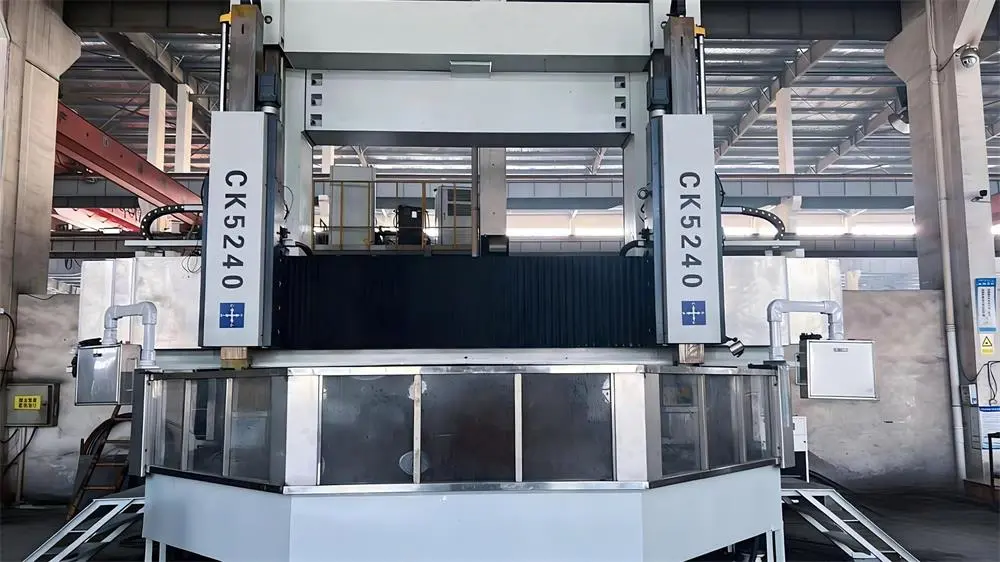
Facilities like Jiangsu Zongheng Concentrating and Drying Equipment Co., Ltd. operate production spaces exceeding 22,000 square meters. They feature advanced plasma welding, automated tube-to-tubesheet orbital welding, and large CNC machining centers. This enables high-precision fabrication of Class III low-pressure vessels, ensuring structural integrity and minimizing product scale accumulation points.
Industrial concentration requires customized systems. Chinese suppliers leverage teams of experienced engineers to run process simulations, analyze fluid dynamics, and determine optimal tube lengths and liquid distribution designs based on the physical properties of customer feed fluids.
Explore our core engineering capabilities in concentration, drying, and refining technology.
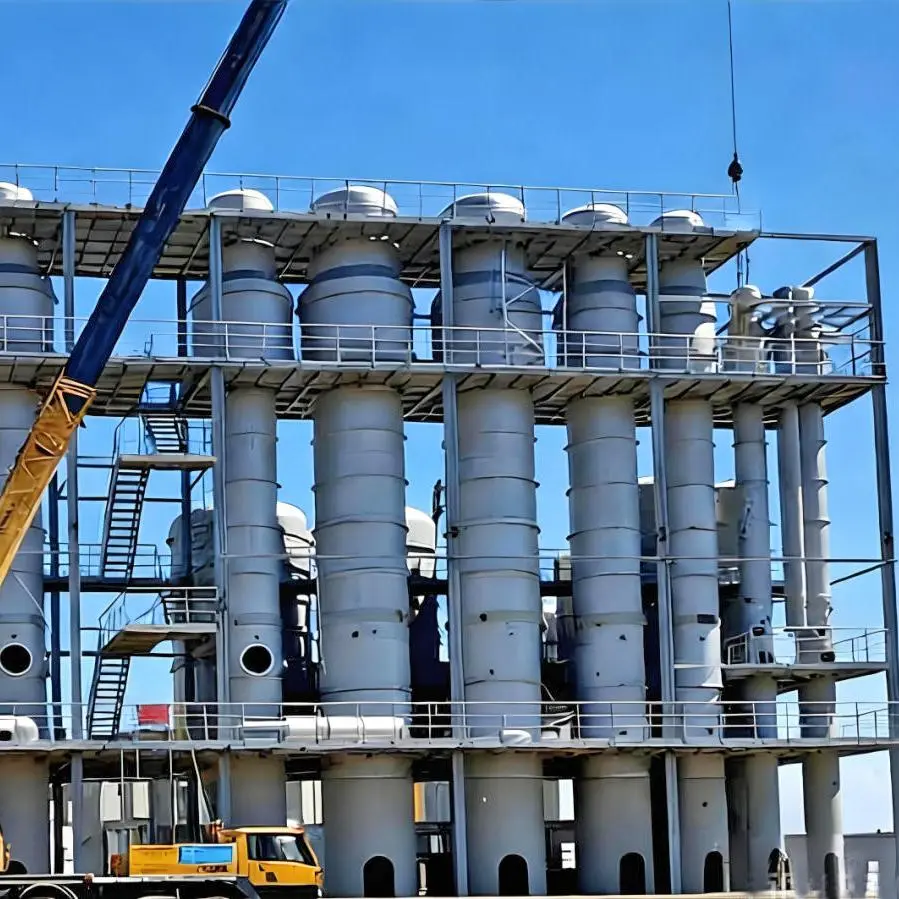
Zongheng provides energy-efficient, high-performance evaporation solutions including Falling Film Evaporators, Forced Circulation Evaporators, MVR Evaporation Plants, and Waste Heat Evaporator systems.
These systems are widely used in starch processing, corn steep liquor concentration, alcohol wastewater recovery, and chemical waste management, providing robust thermal efficiency and scaling resistance.
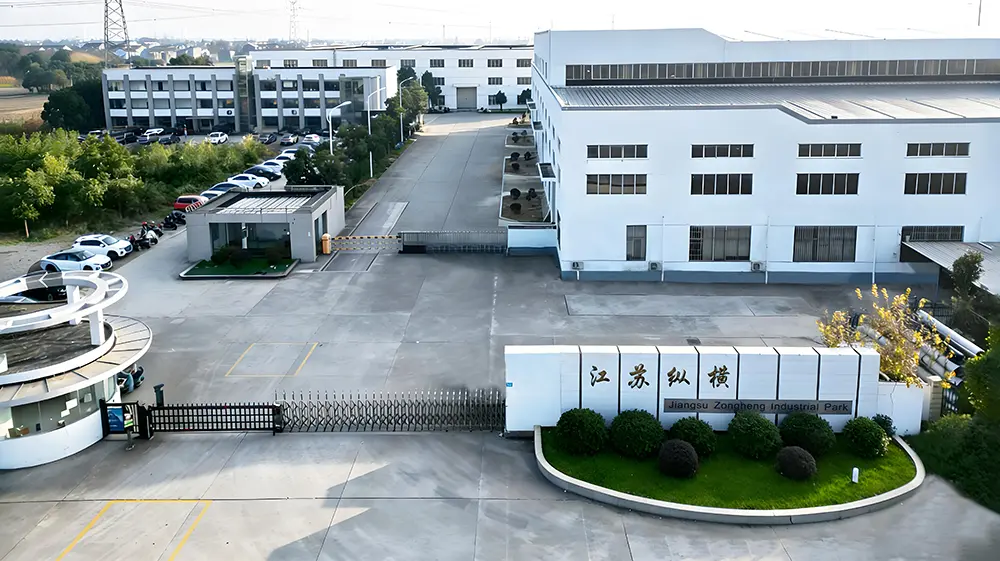
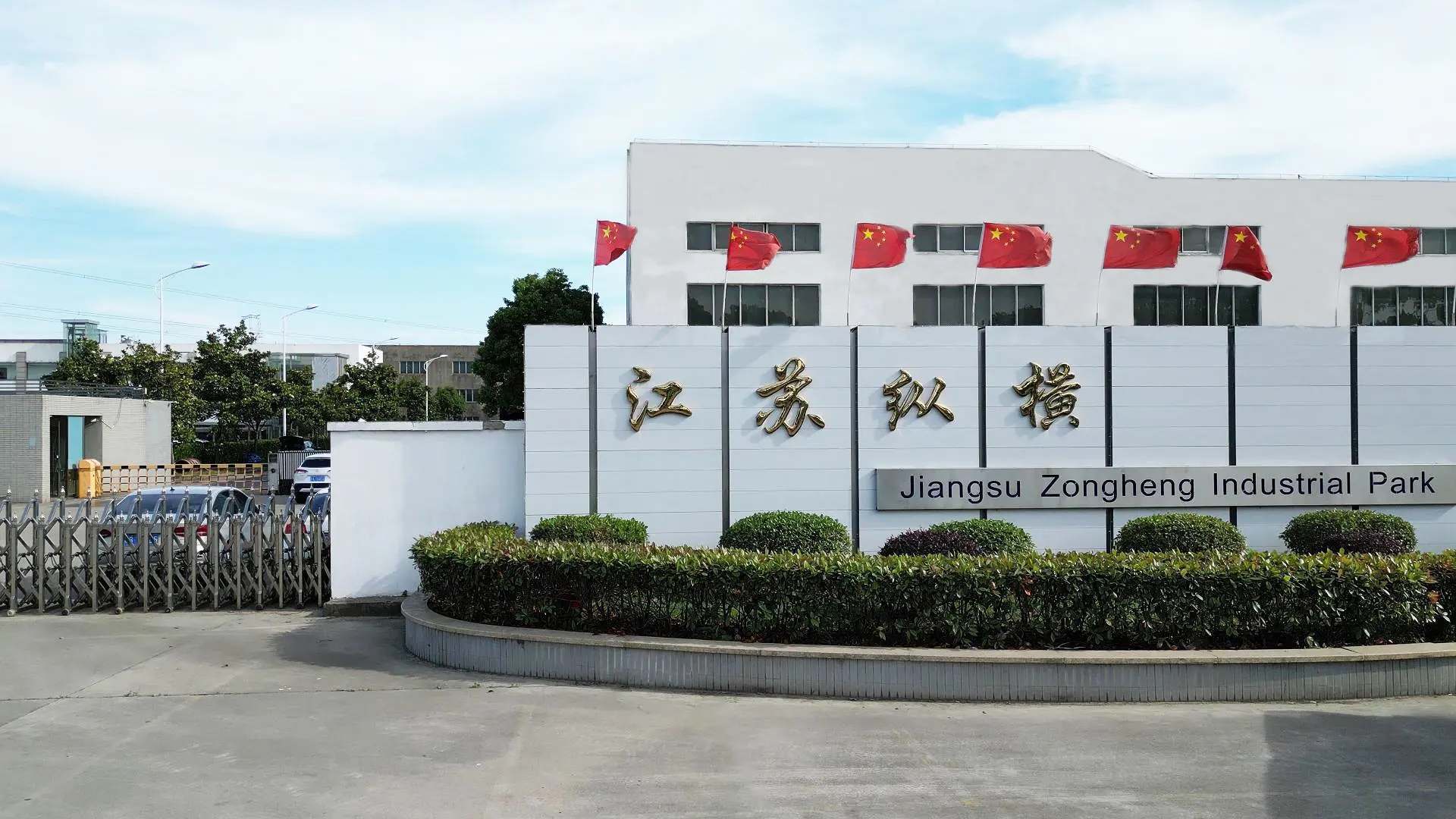
Jiangsu Zongheng Concentrating and Drying Equipment Co., Ltd (formerly Yixing Yangxi Light Industry Machinery Factory), founded in 1992, is located in Zhoutie Town, Yixing City, on the shores of Taihu Lake. The company covers an area of over 54,000 square meters, with a production workshop area of over 22,000 square meters.
As a modern high-tech enterprise specializing in the manufacturing of concentration, drying, starch industry, alcohol DDGS, and Category III medium & low-pressure vessel equipment, Jiangsu Zongheng is an active member of the China Starch and Alcohol Association. Our systems are exported worldwide to industries such as food fermentation, chemical, pharmaceutical, environmental protection, and petrochemical.
A history of engineering innovation and manufacturing quality since 1992.
The company covers over 54,000 square meters, with workshop space exceeding 22,000 square meters. Zongheng employs 3 senior engineers, over 20 engineers, and a total staff of 120 people.
Achieved international quality system certification (Certificate No.: 45021), establishing a quality assurance system aligned with international standards.
Acquired the ASME "U" Stamp authorization, marking the company's entry into high-end international markets.
Obtained the Special Equipment Manufacturing License of the People's Republic of China (License No.: TS2232C42) for pressurized industrial systems.
Jiangsu Zongheng Concentrating and Drying Equipment Co., Ltd (formerly known as Yixing Yangxi Light Industrial Machinery Factory) was established with 45 employees.
The global process industry is shifting toward designs that offer low energy consumption, minimized greenhouse gas emissions, and automated, maintenance-free operations. Several key technological trends are currently driving the future of rising and falling film systems:
Mechanical Vapor Recompression is becoming standard for falling film evaporators. Recompressing vapor using dynamic centrifugal blowers drastically reduces boiler steam demands, making it highly effective for municipal wastewater concentration and chemical processing.
Modern falling film evaporators use digital flow sensors to dynamically monitor distribution. If localized dry-out conditions are detected, variable-speed feed pumps automatically adjust distribution rates, preventing tube scaling.
Specialized inner-tube coatings reduce surface tension, making it harder for salts and organic proteins to adhere to the walls. This extends operation times between cleaning cycles.
Common engineering and procurement questions regarding film evaporators answered by our technical design team.
We welcome domestic and international clients to discuss process engineering requirements and custom equipment manufacturing.
Request a Custom QuoteGet in touch with Yixing's experienced design team for specialized calculations on concentration and drying systems.
Get Technical SupportReliable components designed to complete your processing plant and optimize overall output.
Optimized hydrocyclone arrays designed to separate proteins and impurities during industrial starch refining.
Read More
Indirect steam-contact drying designed to reduce moisture content in heavy fibers, starches, and organic grains.
Read More
Constructed from high-grade carbon or stainless steel, designed for continuous operation under demanding thermal loads.
Read More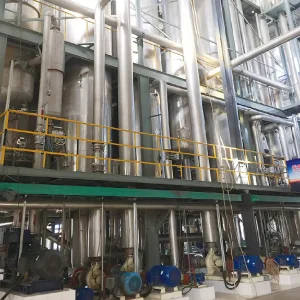
Features high-speed recirculation loops to keep scaling solids in suspension, ideal for crystallization steps.
Read More
Standardized steam-heated tube bundle dryer designed for corn germ, fiber, and DDGS drying stages.
Read More
Engineered for multi-effect thermal separation processes to handle heat-sensitive liquids while maintaining structural safety.
Read More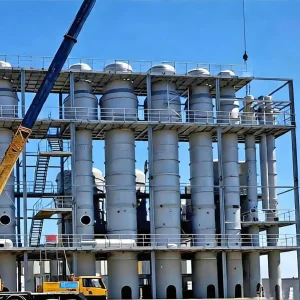
Optimized multi-effect systems designed to meet safety codes, featuring integrated condensate recovery for reduced operating costs.
Read More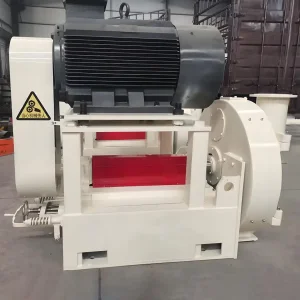
Specifically designed to separate starch-rich kernels from the germ, minimizing kernel breakage during corn milling operations.
Read More Zongheng