Explore our premium factory-direct solutions featuring custom thermal engineering, mechanical vapor recompression, and low-energy concentration technologies.
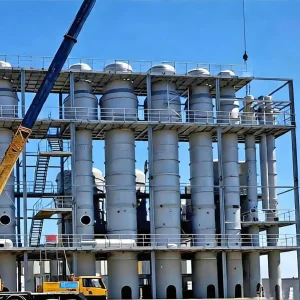
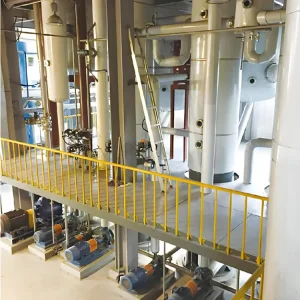
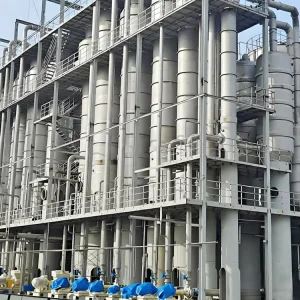
Understanding the two-phase flow dynamics, heat transfer coefficients, and operation bounds of Rising Film (Climbing) Evaporator technology in modern process plants.
A climbing film evaporator—commonly known as a rising film evaporator—operates on a thermo-hydraulic principle where the feed liquid enters the bottom of the heating tubes. As steam is applied to the shell side of the vertical tube bundle, the liquid inside the tubes starts to boil rapidly, generating vapor bubbles. As this vapor rises, the shear force pulls the liquid upward, forming a thin, highly turbulent liquid film along the inner tube walls.
By forcing the liquid to climb the internal heat exchanger walls, the process achieves exceptionally high fluid velocity. This velocity minimizes the residence time of the target medium within the high-temperature zone. It prevents degradation of heat-sensitive compounds, making it highly effective for food processing, corn starch refinery operations, and concentration of bio-pharmaceutical solutions.
For a climbing evaporator to operate continuously without fouling or dry spots, the vapor-to-liquid ratio must be balanced. Insufficient vapor generation prevents the liquid film from climbing, leading to liquid pool accumulation. Conversely, excessive vaporization dry-out causes scaling. Jiangsu Zongheng utilizes custom dynamic modeling software to calculate precise tube dimensions, ensuring optimal steam-jacket distribution.
Compared to standard falling film evaporators, climbing film configurations excel in applications where high headspace vapor velocities help combat the viscosities of concentrated starch slurries or light organic residues. In many multi-effect setups, engineers combine both climbing and falling film systems to harness the advantages of both designs at different concentration steps.
How Jiangsu Zongheng delivers world-class industrial equipment by merging localized material supply chains with rigorous international design certifications.
Operating near major steel-producing clusters in Jiangsu, we source high-quality raw materials including SS304, SS316L, Titanium, and Duplex Steels directly from certified mills. We perform complete chemical composition verifications and mechanical tests, ensuring our evaporators withstand corrosive industrial waste streams, corn steep liquors, and acidic fermentation processes.
Jiangsu Zongheng gained the international ASME "U" Stamp authorization in 2012. Our engineering practices align with global standards, guaranteeing that pressure vessels, vapor separation chambers, and tube heat-exchanger bundles conform to international standards. This structural integrity allows for seamless installation in regulatory-heavy regions, including North America and the European Union.
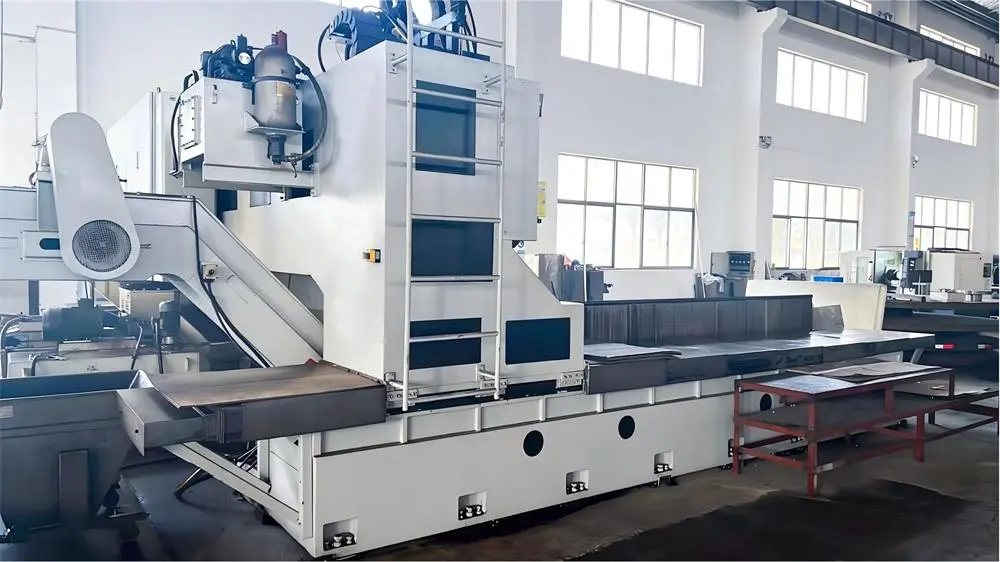
The manufacturing quality of a climbing evaporator relies heavily on the tube-to-tubesheet joint integrity. Our Yixing facility utilizes orbital automatic welding machines and CNC drilling equipment. This process minimizes residual thermal stress, prevents micro-crevice corrosion, and extends the operational lifespan of the heat exchanger under cyclical thermal loading.
Tracing our evolution from a regional light machinery shop to a global high-tech concentrating and drying enterprise.
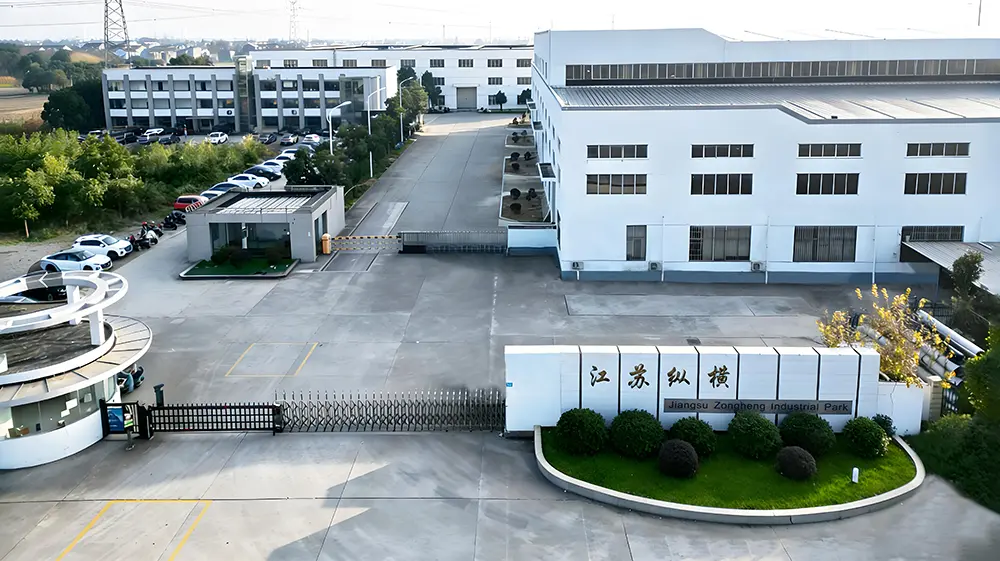
Today, the company covers a total area of over 54,000 square meters, with production workshop space exceeding 22,000 square meters. It employs 3 senior engineers and over 20 engineers and assistant engineers, with a total staff of 120 people dedicated to advanced evaporation and drying technology.
Obtained international quality system certification (Certificate No.: 45021), establishing a complete quality assurance system aligned with international standards for industrial pressure vessels and chemical process plants.
Acquired the prestigious ASME "U" Stamp authorization, marking the company's entry into high-end international markets and standardizing our manufacturing of high-pressure vessels.
The company obtained the Special Equipment Manufacturing License of the People's Republic of China (License No.: TS2232C42), authorizing the production of Category III medium and low-pressure vessels.
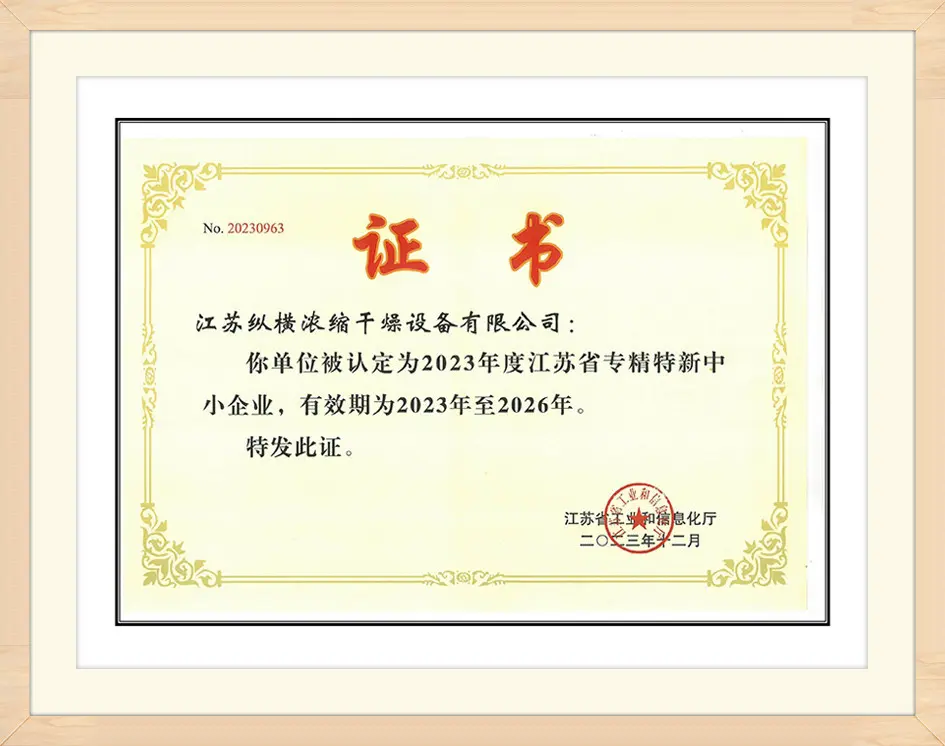
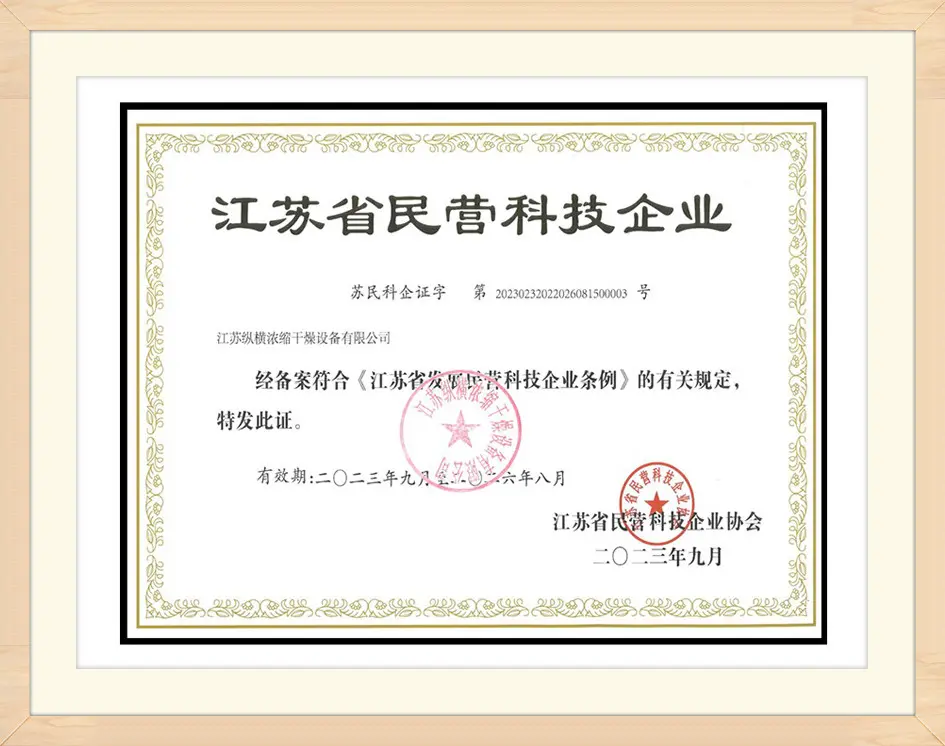
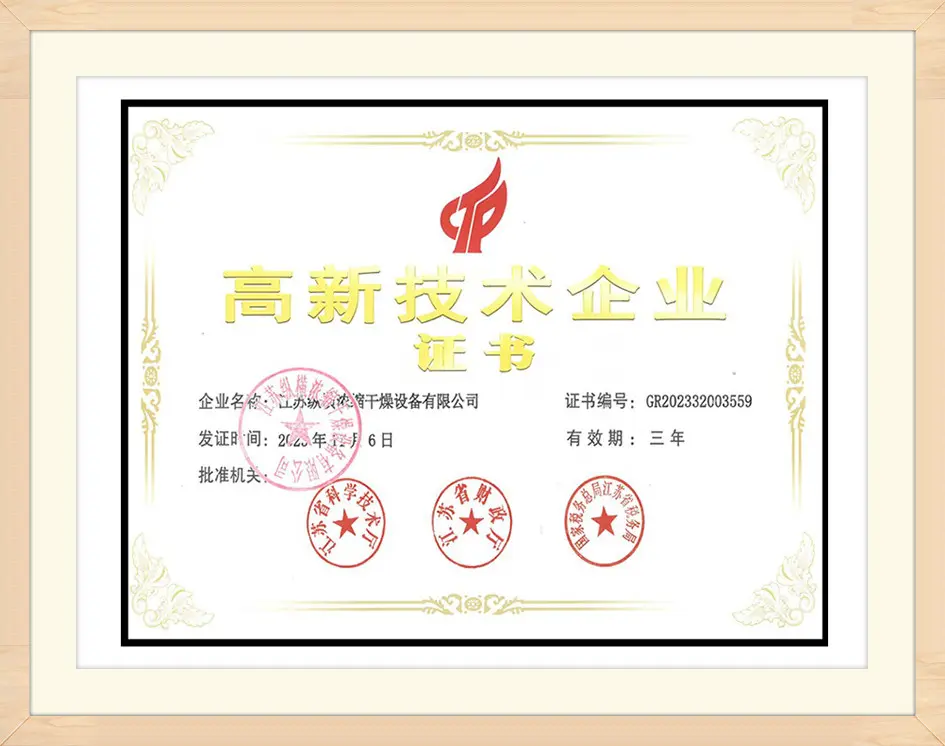
Officially recognized as a Jiangsu Provincial High-Tech Enterprise, acknowledging our investments in research, development, and proprietary thermal evaporation techniques.
Took the lead in obtaining ISO9001 certification, standardizing control protocols from raw material inspection to the post-weld heat treatment stage.
Jiangsu Zongheng Concentrating and Drying Equipment Co., Ltd (formerly known as Yixing Yangxi Light Industrial Machinery Factory) was established. The original facility covered 15 mu and started with 45 employees.
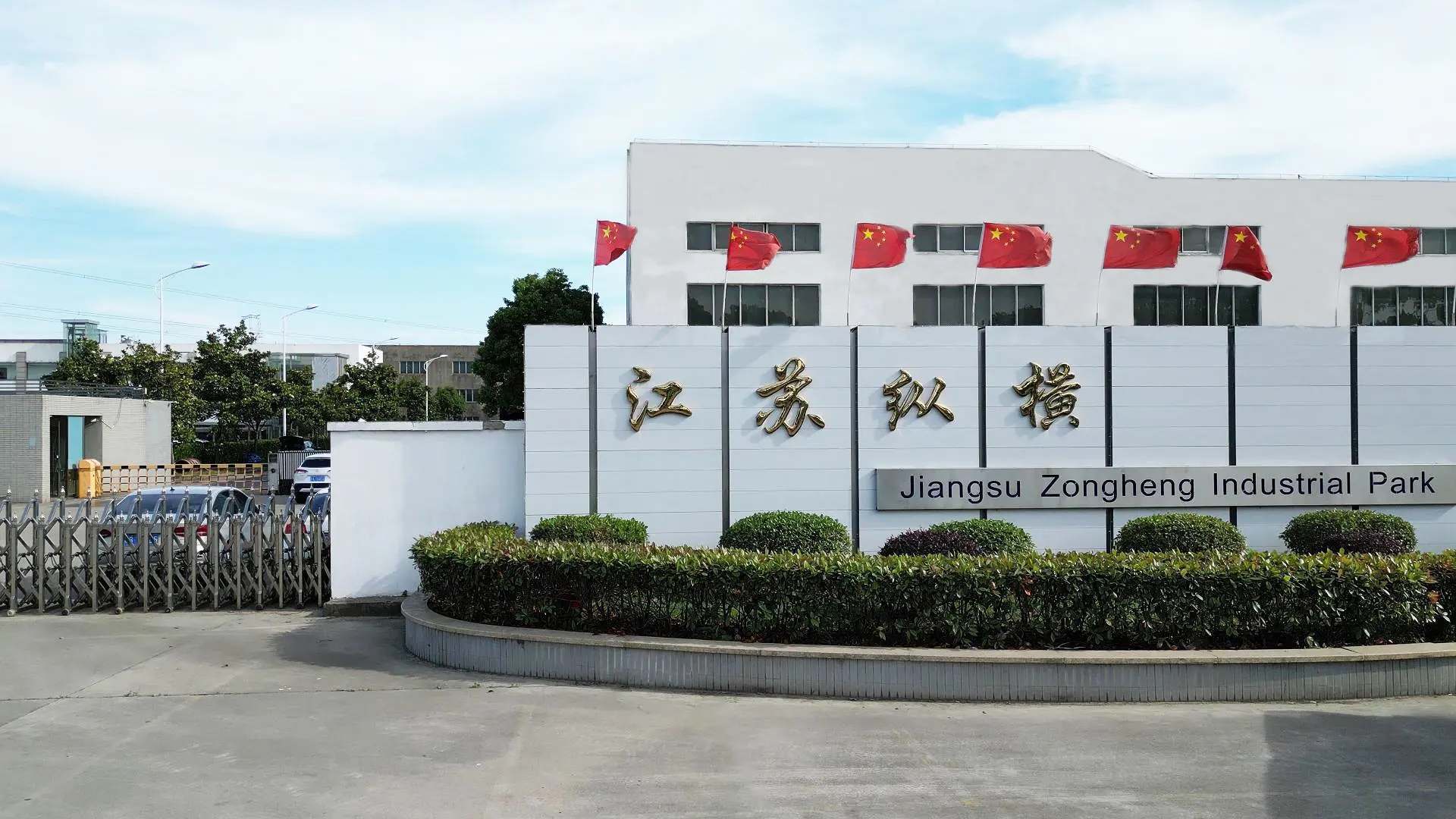
From agriculture starch refineries to petrochemical zero-liquid-discharge (ZLD) plants, we supply complete turnkey process packages.
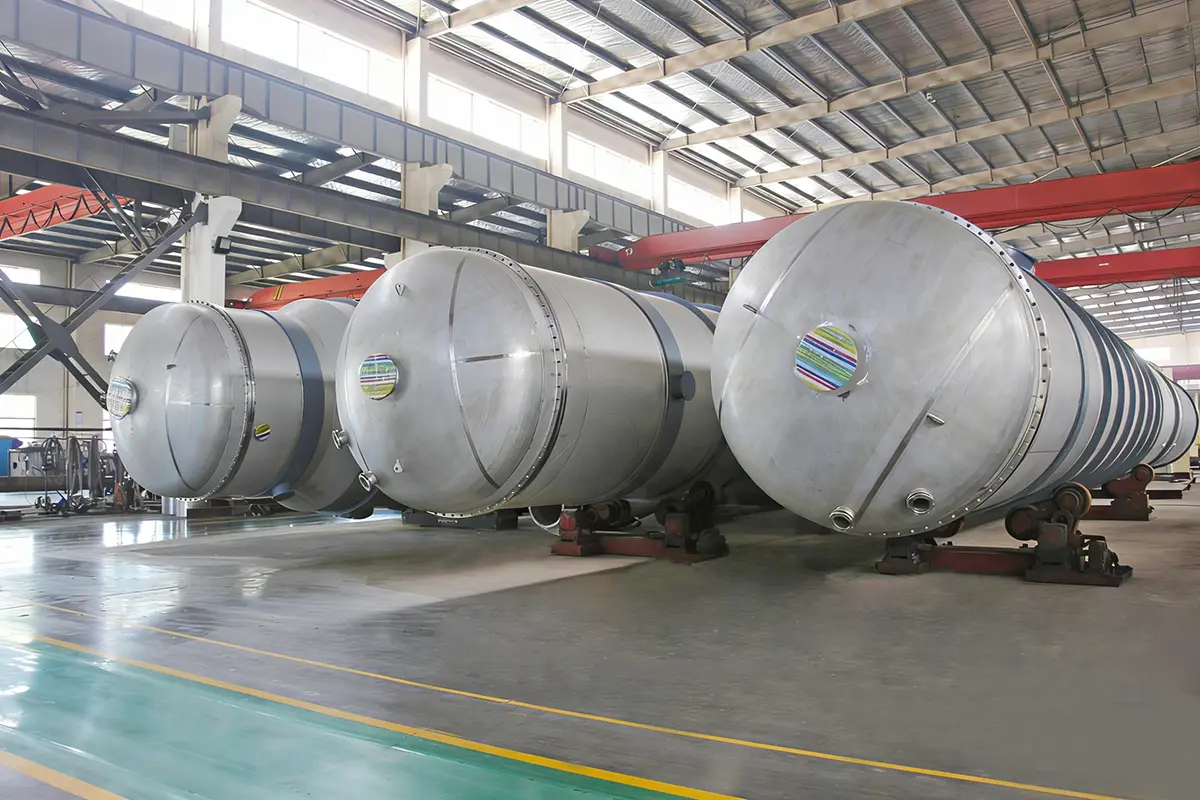
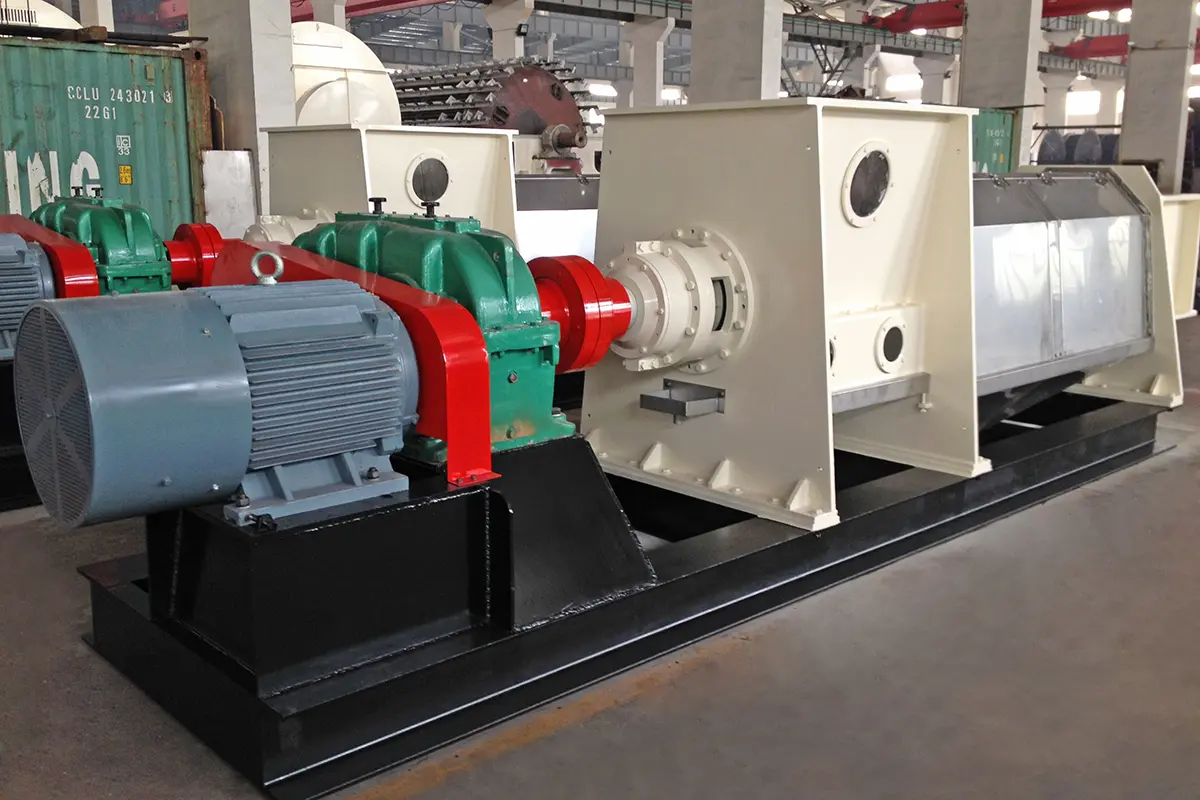
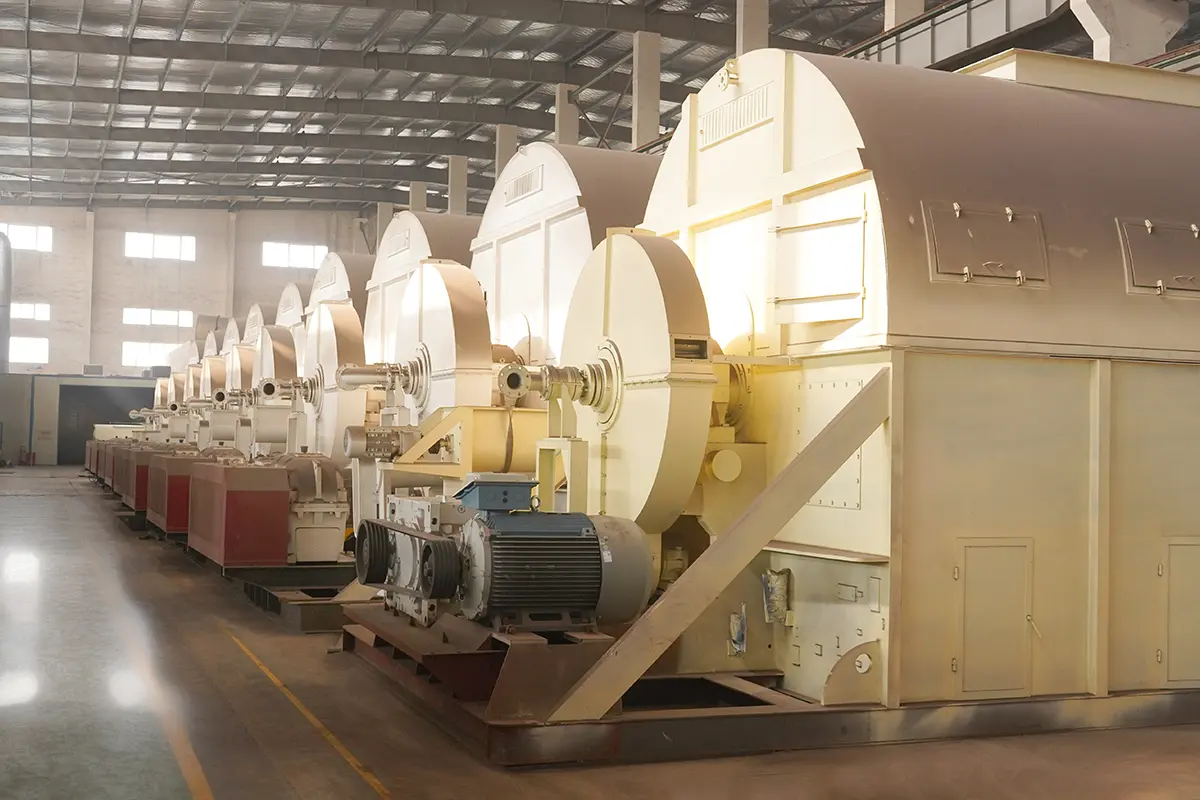
In the starch and fermentation industries, managing water footprints and reducing energy costs are critical. Standard thermal evaporators consume substantial amounts of live steam. To solve this, Jiangsu Zongheng designs integrated Mechanical Vapor Recompression (MVR) systems and Waste Heat Evaporation Plants.
By utilizing waste heat from nearby flash dryers or boiler flue gas, or by mechanically recompressing the vapor generated inside the separator to reuse it as heating steam, we help processing plants reduce steam consumption by up to 70%. In starch refining, our systems process corn steep liquor from steep tanks, concentrating it from 5-8% DS up to 45-50% DS, ready for blending into animal feed components.
For the alcohol and ethanol industries, our evaporators process thin stillage, recycling clean condensates to the cooking section. This reduces fresh water consumption and recovers solids in DDGS production lines.
Comprehensive engineering analysis of Jiangsu Zongheng's proprietary industrial concentrating, drying, and separation machinery.
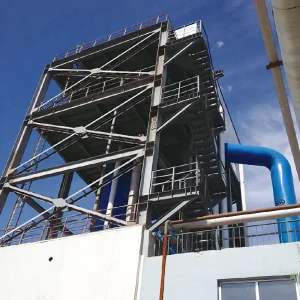
Designed for highly heat-sensitive materials. The process fluid is fed at the top of the heating tubes and flows downward as a thin liquid film. The vapor generated travels parallel to the liquid, enhancing heat transfer rates. This design features exceptionally low residence times, preventing product thermal degradation and fouling, and ensuring high thermal efficiency.
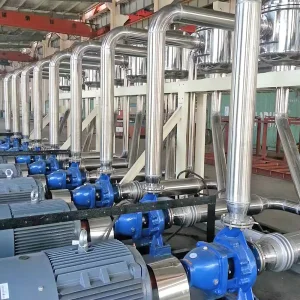
For liquids with a high tendency for fouling, crystallization, or high viscosities. High-flow axial pumps circulate the liquid rapidly through the heat exchanger tubes under pressure. Boiling is prevented inside the heat exchanger, occurring only when the fluid enters the separation separator flash tank. This maintains continuous operation and reduces manual CIP cleaning requirements.
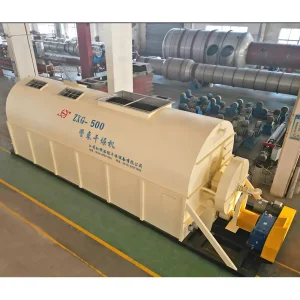
Engineered for safe, indirect steam drying of heavy, non-sticky organic materials like corn germ, fiber, gluten, and distiller's grains. The material contacts steam-heated tubes arranged in a rotating bundle. The system operates under a slight vacuum or low-oxygen atmosphere, preventing combustion hazards and achieving high drying efficiency.
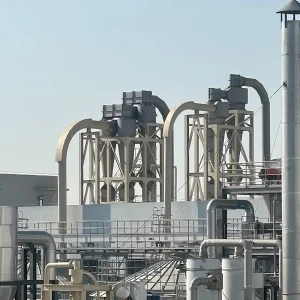
Specifically engineered for rapid drying of wet starch cake, light fibers, and heat-sensitive particulate materials. Utilizing high-velocity hot air stream velocities, the product particles are instantly suspended and fluidized. Variable tube diameters create dynamic turbulence, generating rapid heat and mass transfer to achieve uniform final moisture content within seconds.
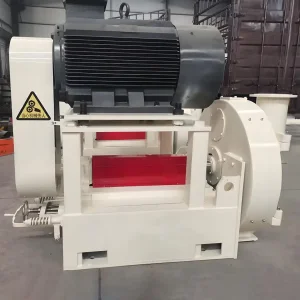
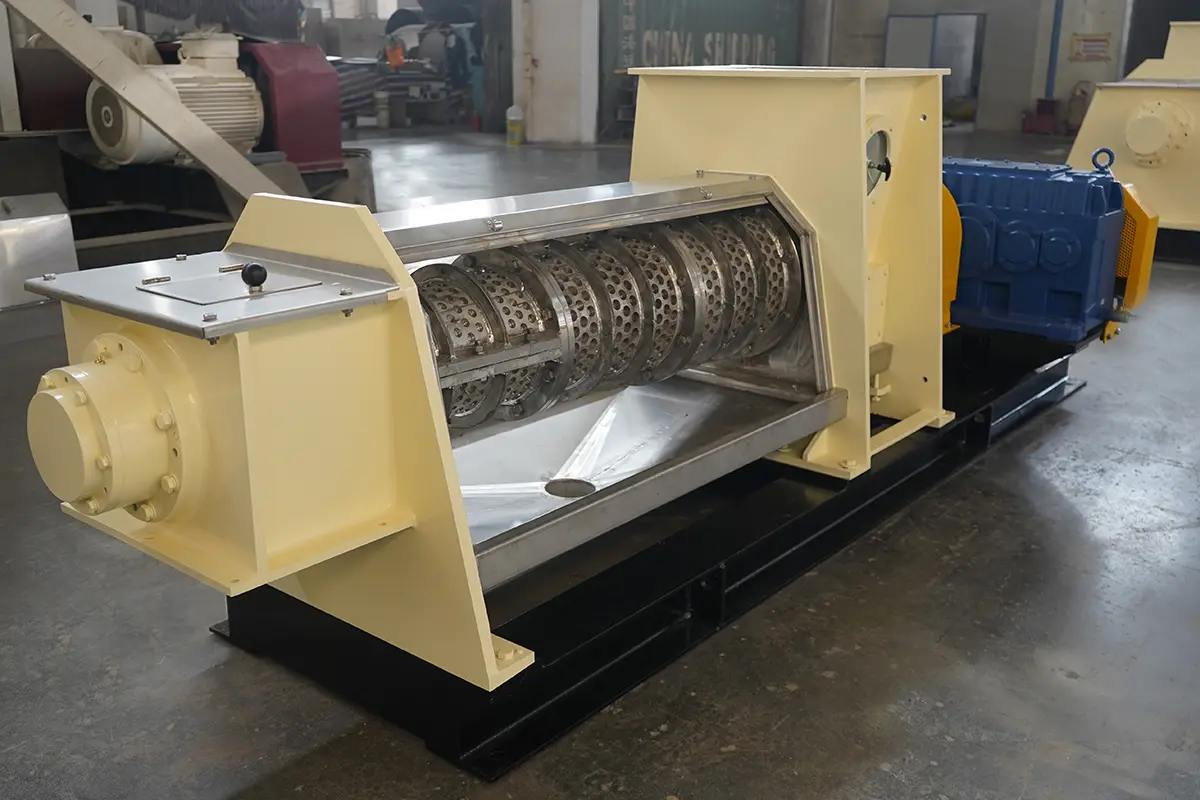
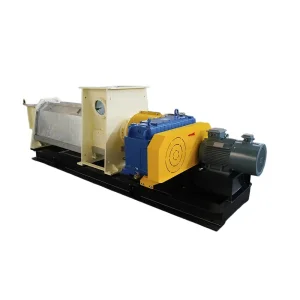
A mechanical dewatering system designed to handle high solid-content organic cakes prior to downstream thermal dryers. Continuous screw rotation generates increasing mechanical pressure along the perforated screens, expelling water. This combination of mechanical dewatering and thermal drying optimizes energy efficiency.
YDX multicyclone starch washing systems utilize a multi-stage counter-current washing design to refine starch slurries. Centrifugal separation within the micro-cyclones separates proteins, soluble impurities, and fine fibers, ensuring high starch purity and yield.
A professional guidelines overview for global EPC companies and industrial plant engineers sourcing process machinery from China.
Every evaporator and pressure vessel fabricated in our Yixing workshop undergoes strict inspection protocols. We execute non-destructive testing (NDT), including radiographic testing (RT) of butt-welded joints, liquid penetrant testing (PT) on nozzle attachments, and hydrostatic pressure testing at 1.3 times the design pressure limit. Hydrostatic tests are held for at least 30 minutes, monitored by calibrated digital gauges to guarantee zero leakage.
Sourcing an MVR system from China requires aligning technical expectations regarding compressor technology. We offer centrifugal fan blowers for lower compression ratios and high-speed turbocompressors or roots blowers for higher temperature rises. Our control engineers integrate the MVR plant PLC program into your existing DCS via Profinet or Modbus protocols to enable fully automated start-up, pressure-compensation, and CIP cycles.
Large evaporators require careful ocean transport arrangements. To prevent marine atmosphere corrosion during transit, all carbon steel components are coated with epoxy rust inhibitors, and stainless steel flanges are sealed with heavy-duty plastic plugs. We ship modular parts in open-top containers or as break-bulk cargo. Upon arrival, our engineers provide site supervision for assembly, piping installation, loop testing, and initial start-up calibration.
Addressing the technical, operational, and procurement queries of process engineers regarding industrial evaporators and dryers.
Review our solid-liquid separation presses, tube bundle dryers, starch cyclones, and customized industrial wastewater evaporator plants.
We welcome cooperation and joint project development with domestic and international engineering firms, starch refiners, and wastewater management facilities.
Connect with our technical team to discuss thermal balance calculations, material options, and equipment dimensioning.
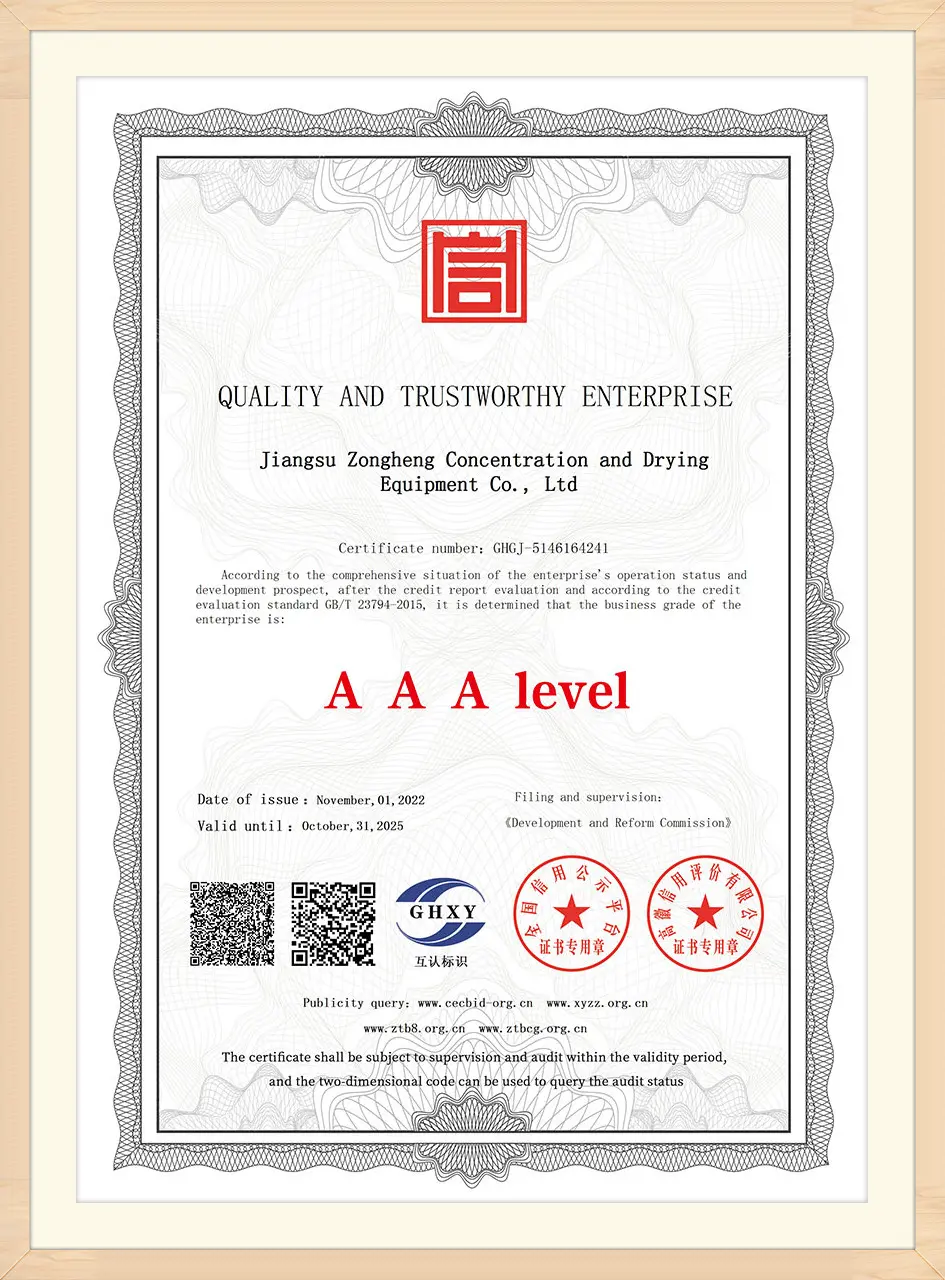
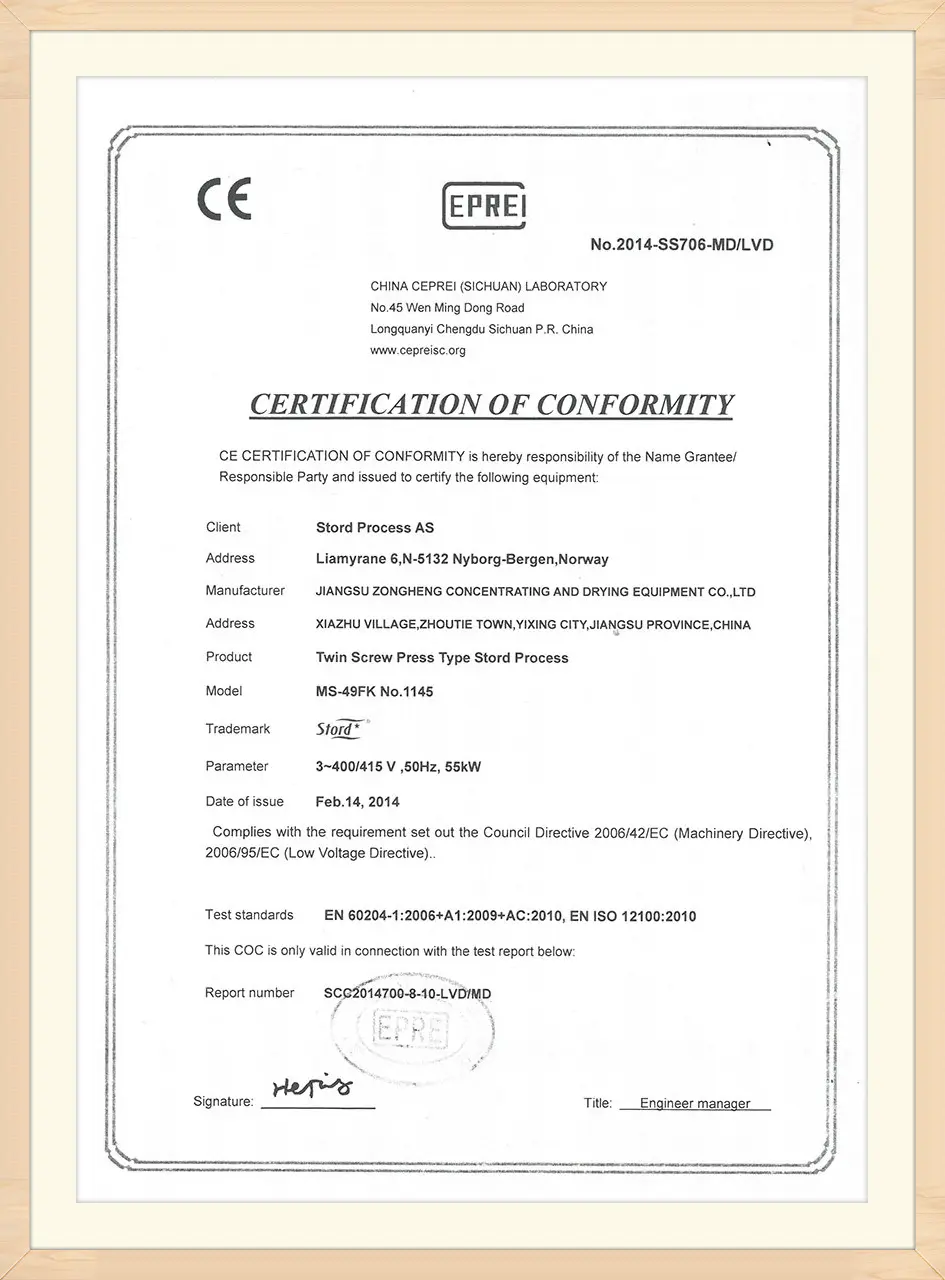
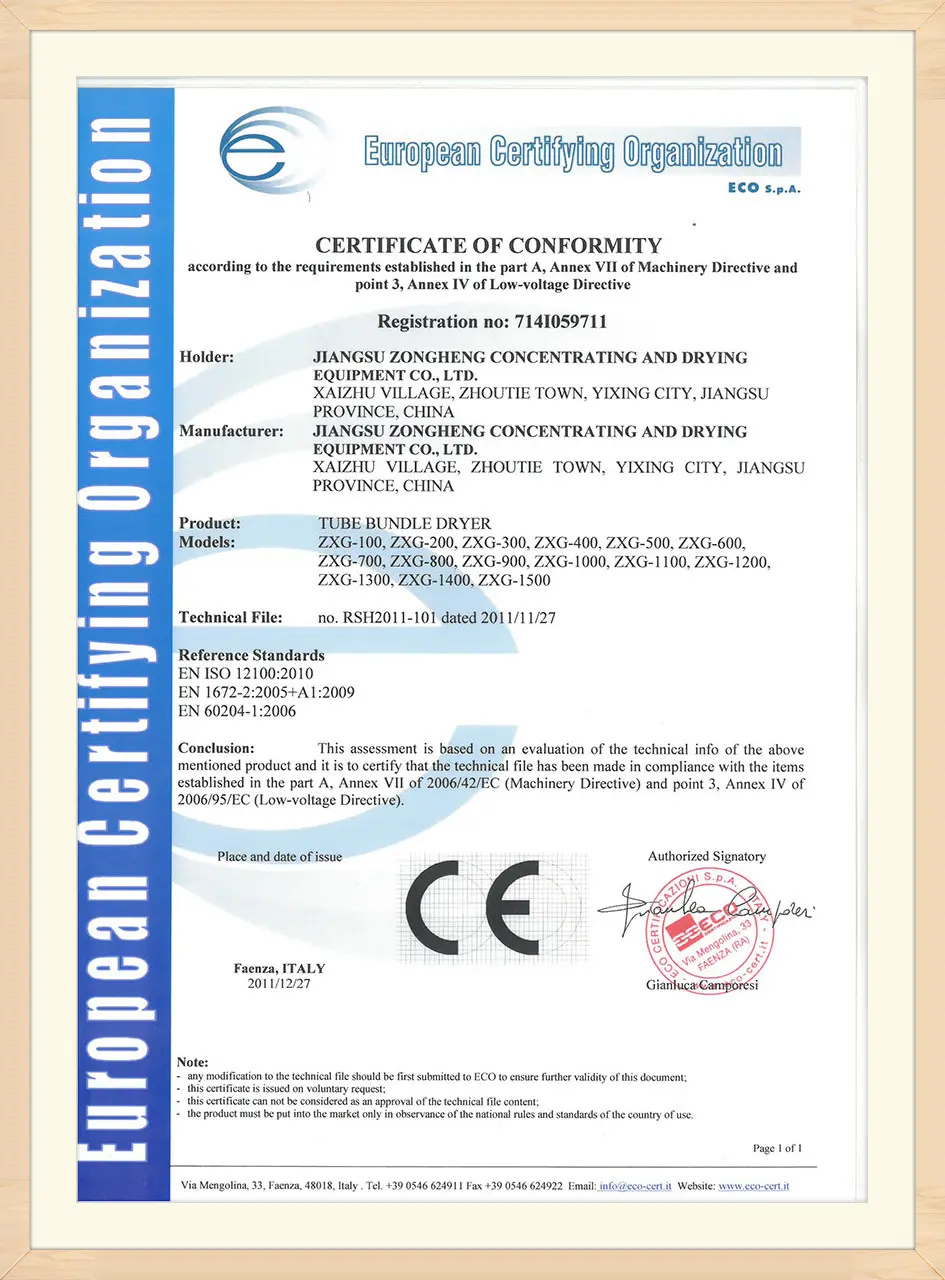
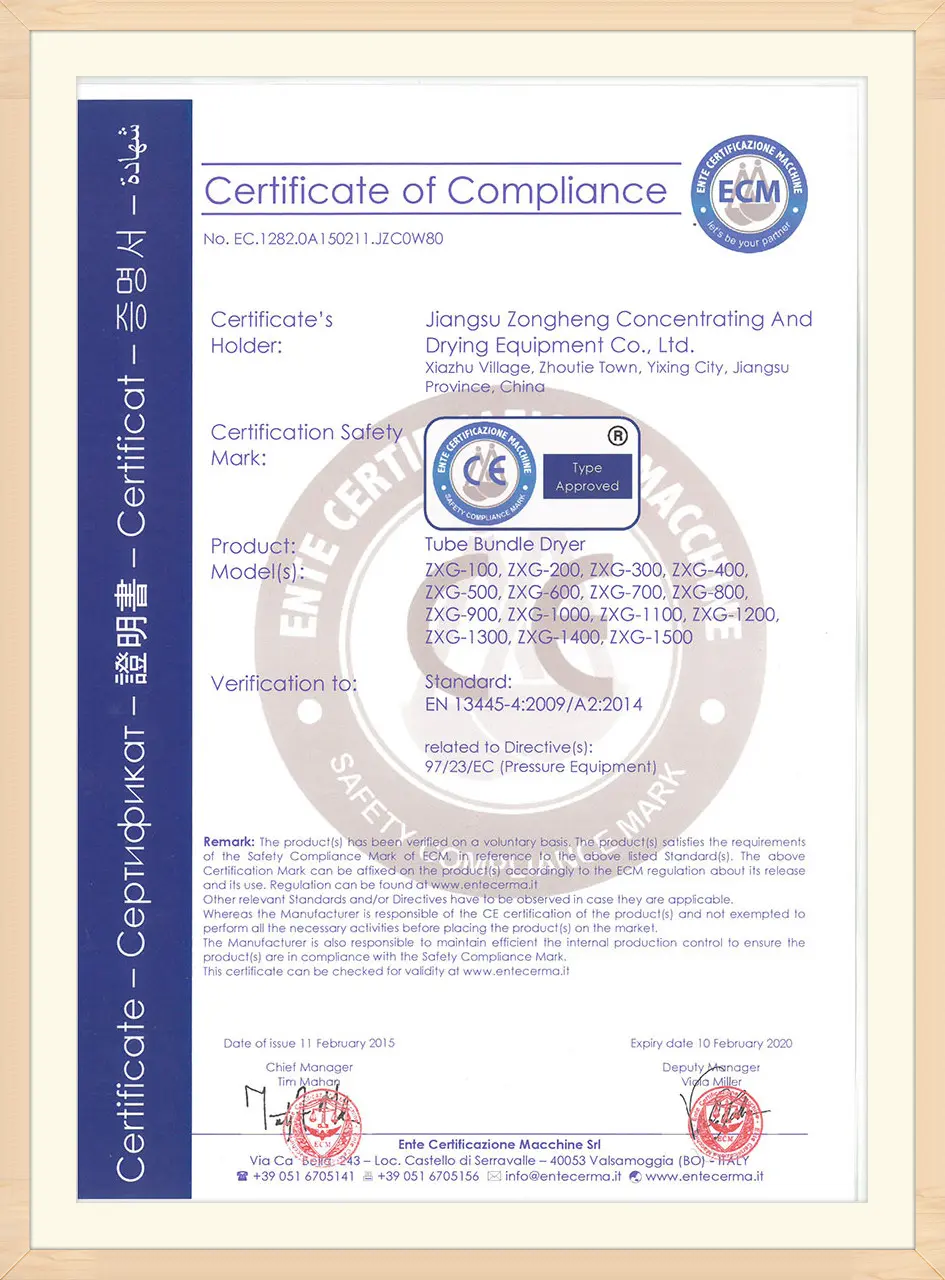
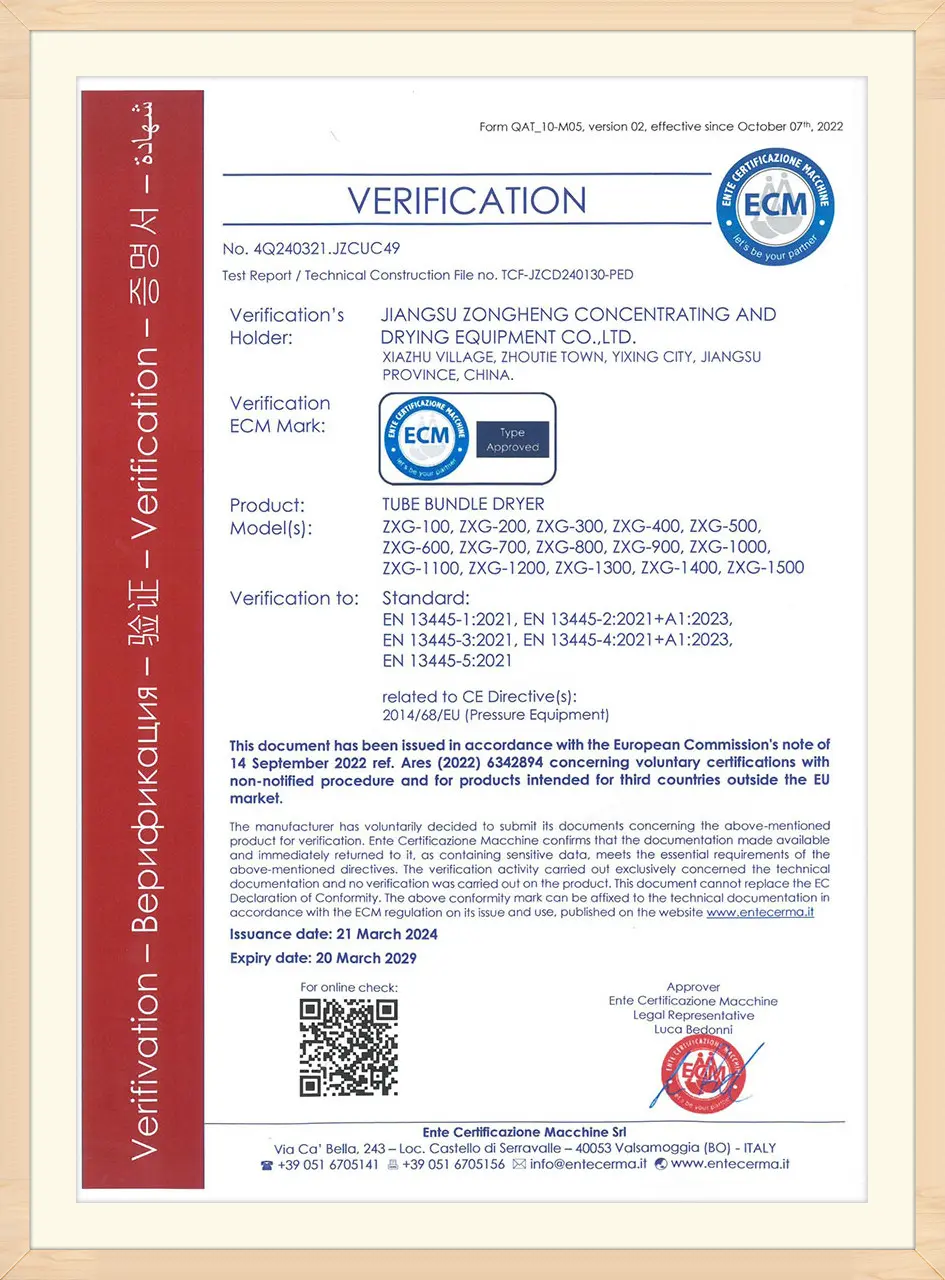
Our products are engineered, tested, and certified to meet demanding international standards.
 Zongheng