Explore our certified solutions engineered for optimal waste heat recovery, uniform dewatering, and high-efficiency material drying.
In modern industrial processing, concentration and evaporation represent some of the most energy-intensive thermal unit operations. Traditionally, multi-effect evaporators (MEE) dominated chemical, pharmaceutical, and wastewater processing plants. However, the rise of stringent global emission standards, coupled with volatile energy markets, has triggered a paradigm shift toward Mechanical Vapor Recompression (MVR) technology.
Today, MVR technology stands at the forefront of the global industrial transition toward low-carbon and zero-liquid-discharge (ZLD) paradigms. By recompressing the secondary vapor generated during the evaporation process, MVR systems elevate the latent heat of vaporization, enabling the system to reuse its own internal steam. This closed-loop thermal cycle drastically limits the demand for fresh prime steam, rendering MVR systems up to 90% more energy-efficient compared to conventional single-effect setups.
Under the rigorous compliance of CE Certification, European and international manufacturers demand absolute mechanical reliability, functional safety, and pressure-boundary compliance. Factories in North America, Western Europe, and Asia-Pacific are rapidly replacing old thermal installations with CE-marked MVR configurations to align with Net-Zero targets, saving millions in annual utility overheads.
Years of Engineering Experience
Senior Technical Engineers
Factory Areas (m²)
Production Plant Area (m²)
How the global push for resource conservation and clean technology is shaping the future of vapor recompression machinery.
Decarbonization agendas mandate the removal of coal-fired boilers. MVR utilizes electrical compressors to compress steam, directly integrating clean grid energy and green energy resources into the thermal cycle.
Traditional multi-effect plants rely heavily on cooling water and fuel oil/coal. Modern MVR systems operate with a dynamic COP (Coefficient of Performance), yielding massive utility savings that offset capital investment within 18–36 months.
Quality and environmental safety regulations (such as the EU Pressure Equipment Directive PED 2014/68/EU) enforce safety-critical requirements. CE certification ensures that vapor recompression loops handle dynamic pressure changes safely.
A closer thermodynamic view on falling film, forced circulation, and waste heat recovery methods.
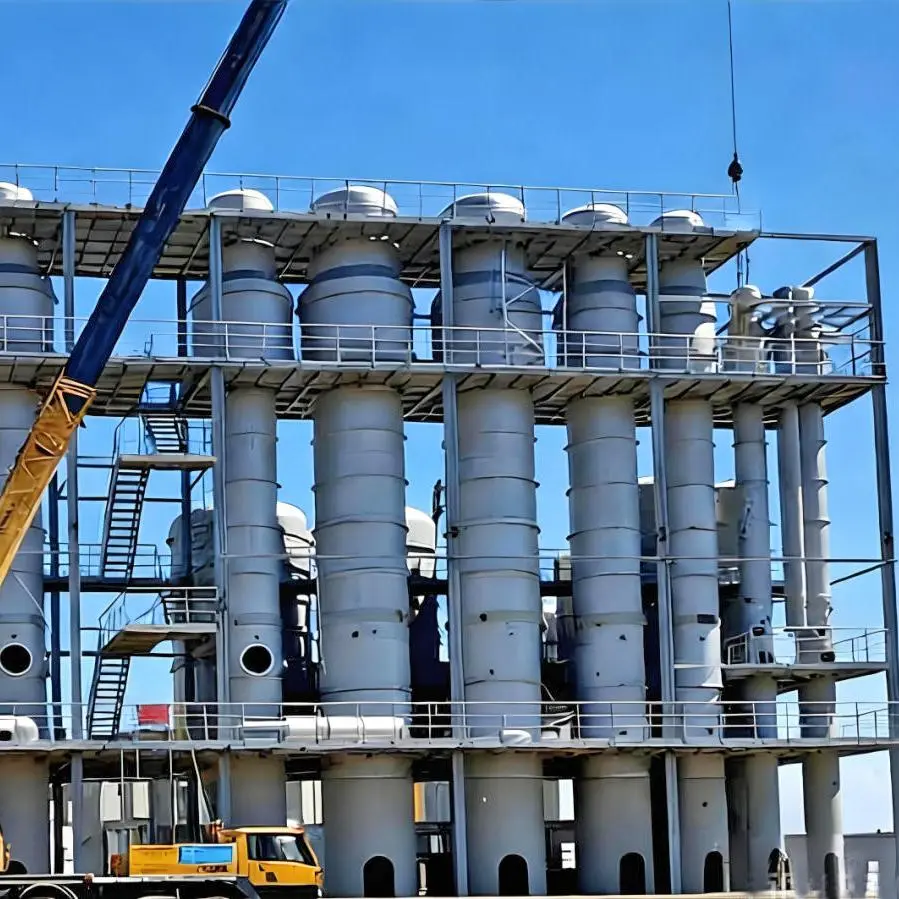
In a Falling Film Evaporator, the liquid product is fed into the top of the heating tubes and evenly distributed. A thin film flows down the inside walls of the vertical tubes under gravity, where it partially evaporates. Because the liquid travels rapidly down the tubes, the residence time is incredibly short. This thermodynamic feature makes falling film systems ideal for heat-sensitive food products, pharmaceutical compounds, and dairy concentration, preventing thermal degradation. Liquid distribution must be engineered with absolute precision to avoid dry spots that cause crusting and tube fouling.
For highly viscous liquids, crystallizing solutions, and wastewater prone to severe scaling, Forced Circulation Evaporators are the industrial standard. Instead of gravity-driven films, a high-capacity axial flow pump recirculates the fluid at elevated velocities through the heat exchanger tubes. The pressure prevents the fluid from boiling inside the tubes, shifting vapor generation to the flash separator tank. This mechanical approach keeps tube walls clear of deposits, ensuring stable heat transfer and long operational runs in high-salinity zero-liquid-discharge (ZLD) applications.
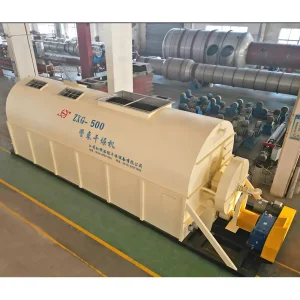
To achieve the absolute peak of utility integration, factories utilize Waste Heat Evaporation Plants. This layout integrates secondary waste heat streams from tube bundle dryers, steam exhausts, or organic distillations. By coupling these low-grade thermal sources with vapor recompression, the system extracts every possible Joule of energy, driving down external steam requirements to nearly zero and optimizing overall factory heat balances.
Ensures minimal temperature differences across the heating surface. When combined with centrifugal turbo-compressors, this method minimizes specific energy consumption (SEC) down to 15–22 kWh per metric ton of water evaporated.
Configured with high-velocity circulation pumps to generate turbulence, lowering boundary-layer concentrations. Ideal for treating complex industrial effluents in chemical, petrochemical, and refining plants.
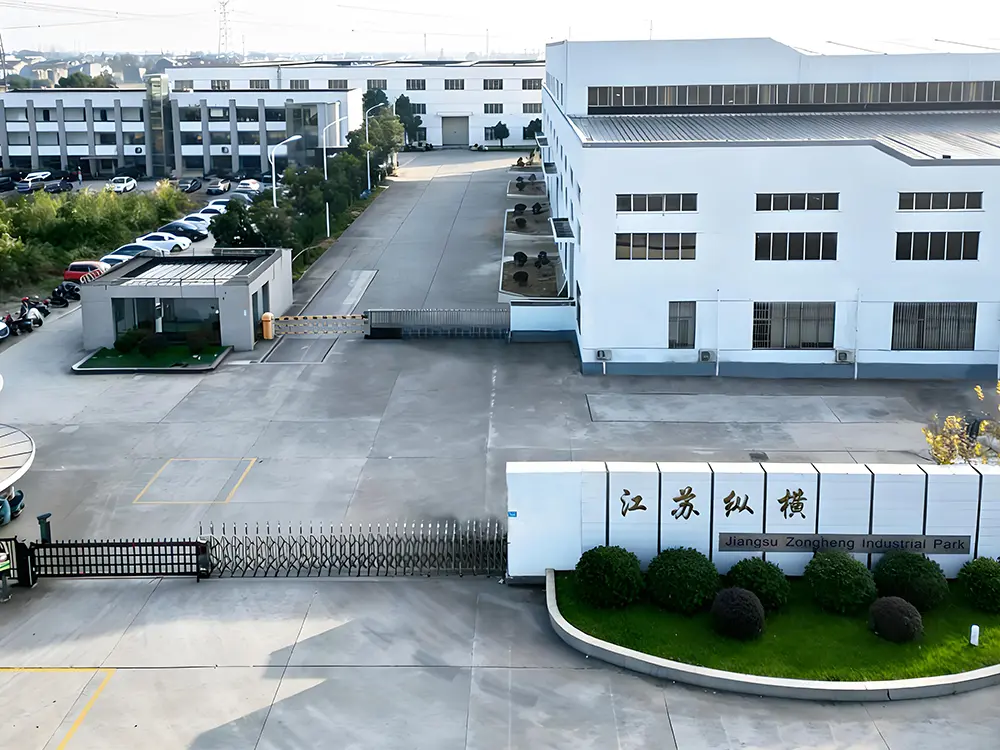
Jiangsu Zongheng Concentrating and Drying Equipment Co., Ltd. (formerly Yixing Yangxi Light Industry Machinery Factory), founded in 1992, is located in Zhoutie Town, Yixing City, on the shores of Taihu Lake. As a modern high-tech enterprise, the company covers a total area of over 54,000 square meters, with specialized heavy production workshops exceeding 22,000 square meters.
We specialize in the design, manufacture, and deployment of concentration, drying, starch refining, alcohol DDGS, and Category III medium and low-pressure vessels. As an active member of the China Starch and Alcohol Association, our thermal systems are deployed globally, helping factories achieve energy efficiency and reliable operational continuity.
A history of innovation, global quality certification, and industrial scaling.
Established as Yixing Yangxi Light Industrial Machinery Factory with 45 employees, specializing in custom machinery for domestic agricultural processing.
Obtained international quality assurance system certification, establishing structured management loops for pressure vessels and thermal equipment.
Recognized as a Jiangsu Provincial High-Tech Enterprise due to numerous patents in energy-efficient falling film systems and drying mechanics.
Obtained the formal Special Equipment Manufacturing License of the People's Republic of China (License No.: TS2232C42) for pressurized vessel welding and assembly.
Secured the American Society of Mechanical Engineers (ASME) "U" Stamp authorization, permitting compliance exports to North American and European markets.
Acquired International Quality System Certification Certificate No. 45021, aligning engineering and logistics protocols with Western standards.
Operating across 54,000 m² with a dedicated workforce of senior engineers, providing full-scope EPC evaporation solutions to the global starch, alcohol, and wastewater markets.
Custom industrial evaporation packages configured for specific regional regulations and chemical profiles.
Wastewater Applications: Integrating MVR forced circulation loops to concentrate chemical waste streams to crystallization limits, recovering pure distilled water for factory reuse.
Agricultural Integration: High-efficiency concentration of corn steep liquor (CSL), sweetwater, and wheat-based starch effluents, reducing downstream spray-drying fuel demands.
Bio-ethanol Production: Evaporating thin stillage from fermentation residues into concentrated syrups. The syrup is mixed with wet grains, feeding tube bundle dryers for high-grade DDGS animal feed.
An environmental chemicals client in Northern Europe required an evaporation upgrade to bypass rising natural gas taxes. We designed a CE-certified, twin-compressor falling film MVR evaporation system. By utilizing mechanical vapor recompression rather than a 4-effect steam arrangement, the plant reduced its specific steam consumption to less than 30 kg/ton of water evaporated. This integration allowed the operator to qualify for regional carbon offset credits under EU energy efficiency standards.
Thermodynamic, structural, and regulatory clarity regarding Vapor Recompression installations.
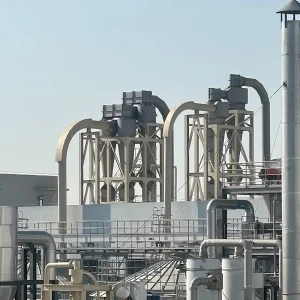
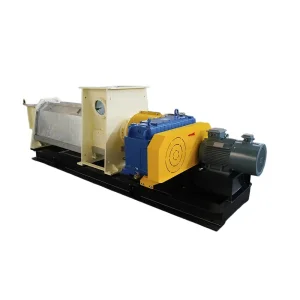
Complete your processing line with our ISO & CE compliant starch washing cyclones, airflow dryers, and single screw presses.
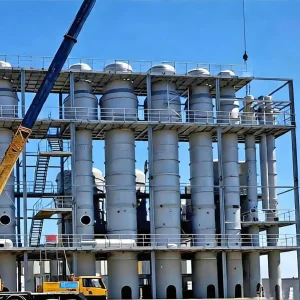
Consult with our ASME and ISO-certified application engineers to design a custom, CE-compliant MVR evaporation loop tailored to your specific process parameters.
 Zongheng