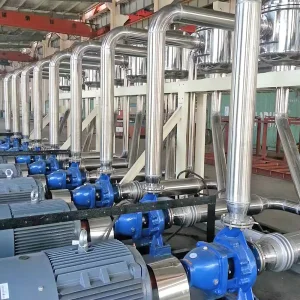
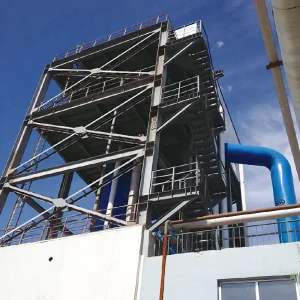
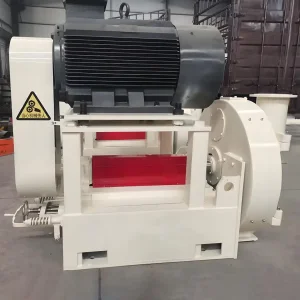
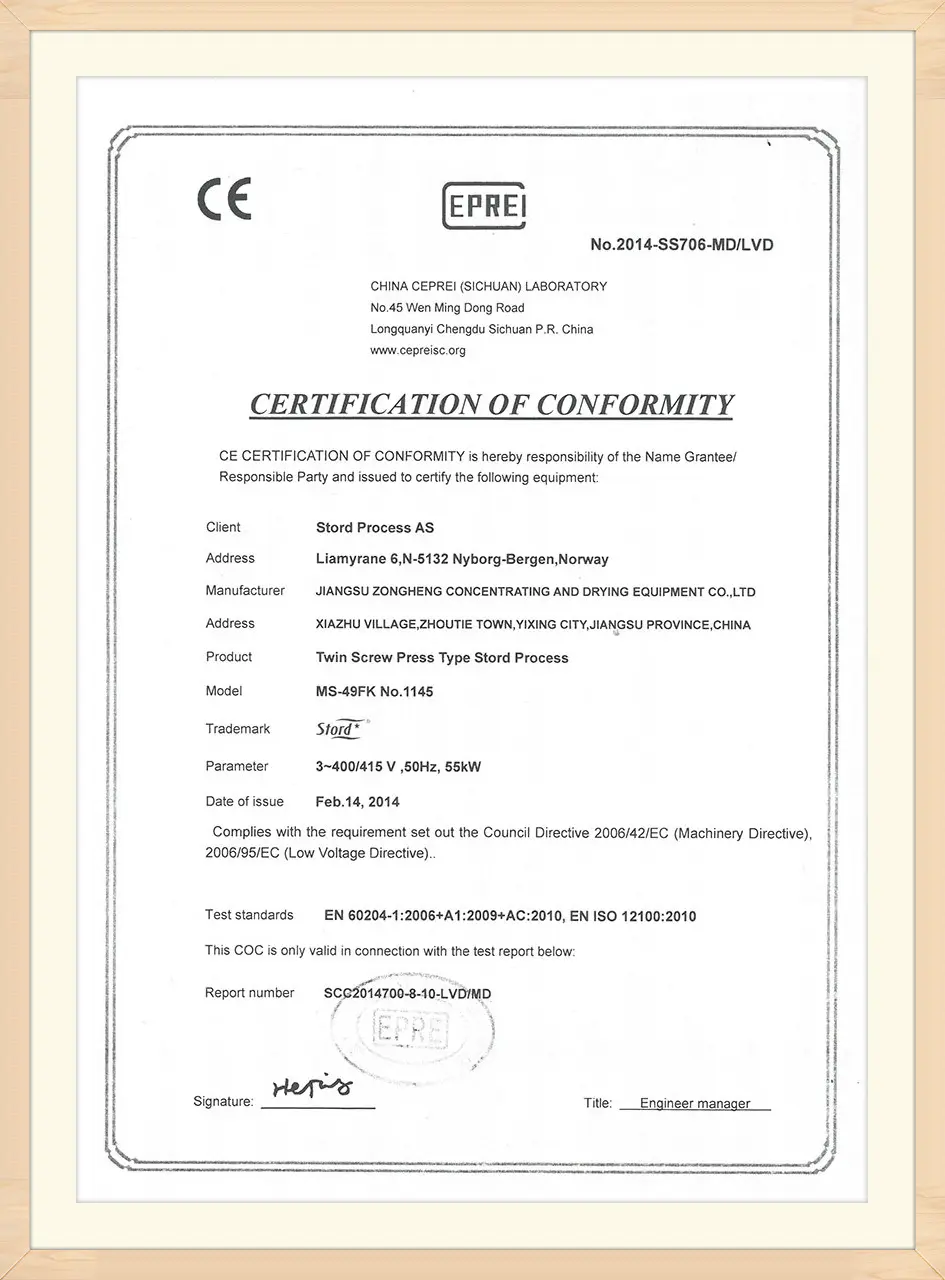
In the global chemical, starch, and pharmaceutical process industries, thermal separation systems operate under extreme environmental constraints. An evaporator is not merely a heat exchanger; it is a highly complex pressure vessel subject to continuous thermal cycling, phase transitions, and chemical attack. In the European Economic Area (EEA) and other international markets, compliance with the Pressure Equipment Directive (PED) 2014/68/EU is a legal prerequisite.
CE Certification represents a verified, holistic compliance framework. It certifies that the stainless steel evaporator has undergone rigorous finite element analysis (FEA), stress-testing of structural welds, non-destructive testing (NDT), and hydrostatic proof testing. For global procurement officers, buying from a CE certified manufacturer minimizes operational liability and guarantees that the machinery complies with advanced European health, safety, and environmental protection standards.
Information Gain Note: Unlike baseline suppliers, premium manufacturers couple CE certification with ASME "U" stamp credentials, merging European directive compliance with American code calculations for high-pressure system components.
Selecting the appropriate grade of stainless steel is fundamental to preventing premature failure. Common materials processed in chemical and food-processing plants often contain high concentrations of organic acids, chlorides, or abrasive suspended solids.
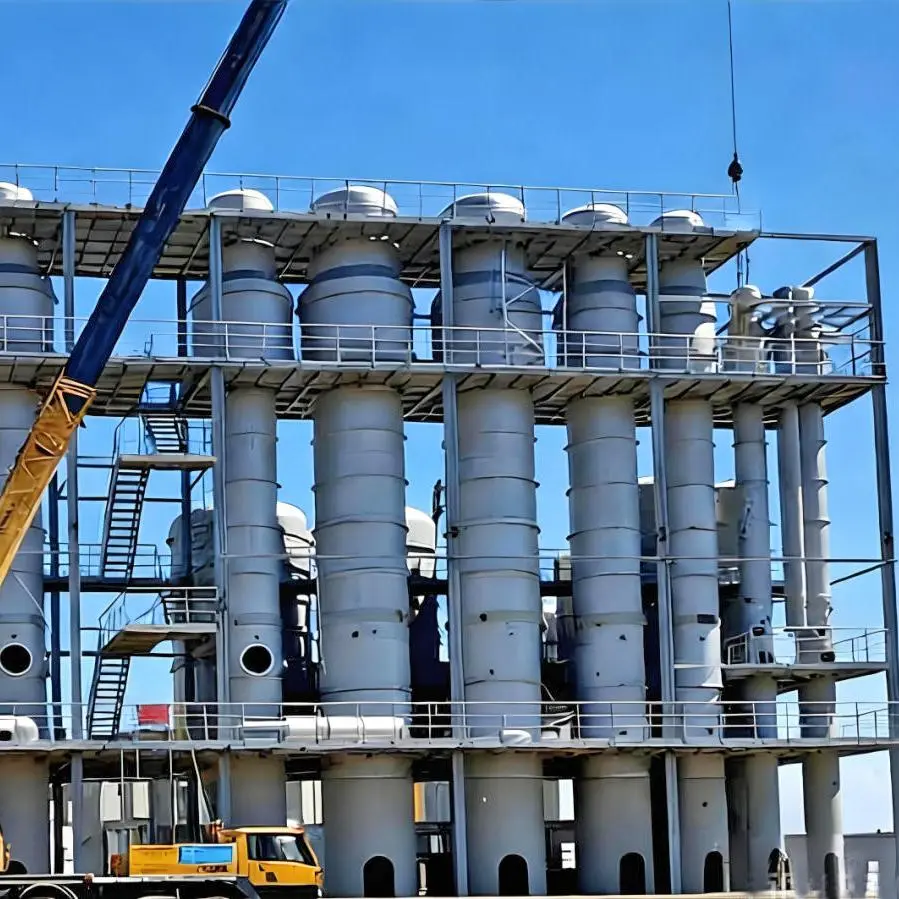
Jiangsu Zongheng provides energy-efficient, high-performance evaporation solutions designed to concentrate process liquids. Our tailored layouts focus on low thermal degradation and optimal fluid dynamics.
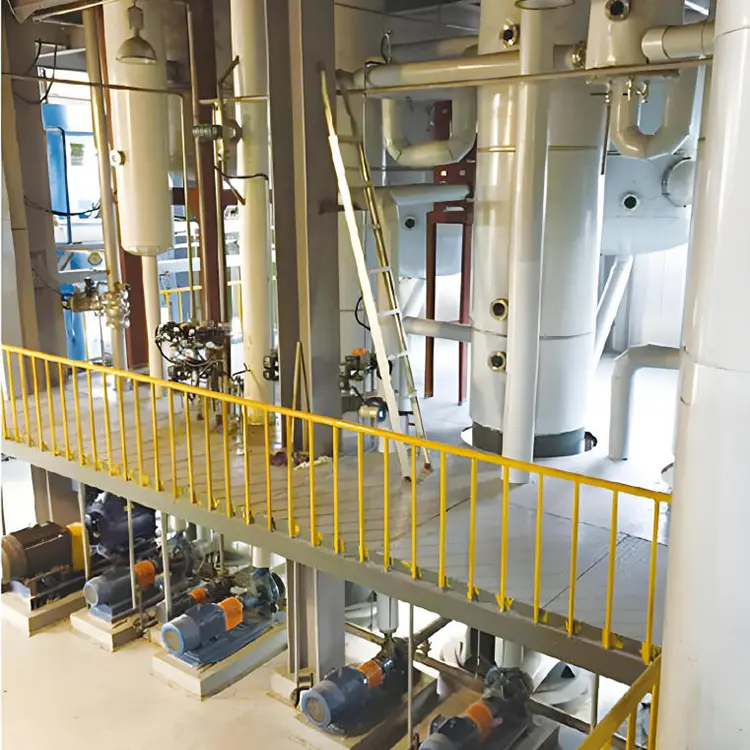
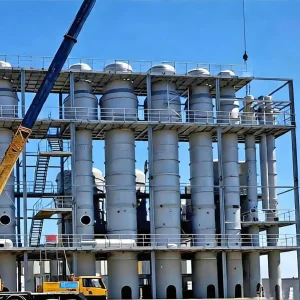
A falling film evaporator efficiently concentrates heat-sensitive liquids. The feed liquid forms a thin film flowing down heated vertical tubes, where it partially evaporates. Vapor generated flows parallel to the liquid, enhancing the process. It ensures a short residence time and low operating temperature, preserving product quality.
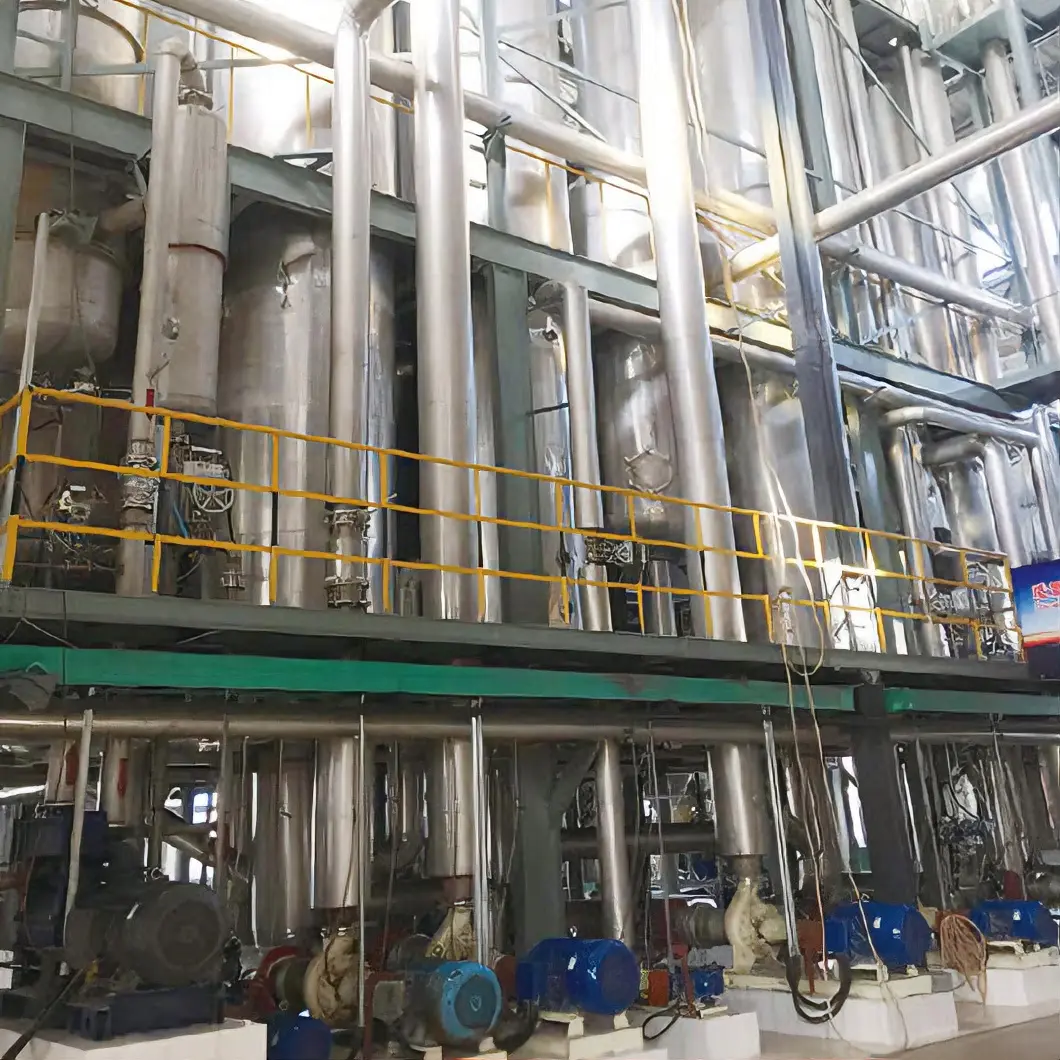
Designed to handle liquids prone to crystallization, scaling, or high viscosity. The liquid is pumped at high velocity through the heat exchanger tubes, suppressing boiling inside the tubes to prevent fouling on the heat transfer surfaces.
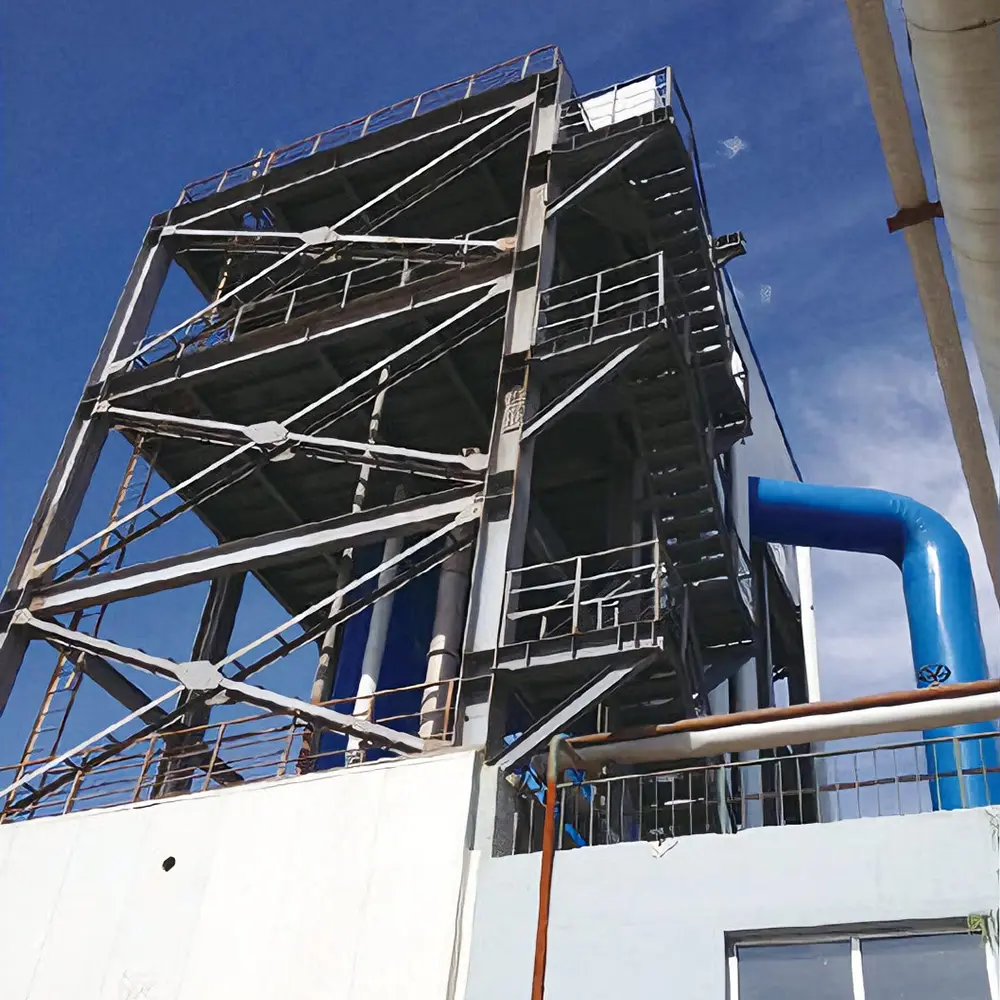
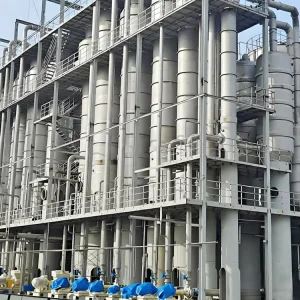
Mechanical Vapor Recompression (MVR) plants compress the secondary vapor using a mechanical compressor, raising its temperature and enthalpy to reuse it as the heating medium. This cuts fresh steam consumption dramatically, lowering operational costs by up to 80%.
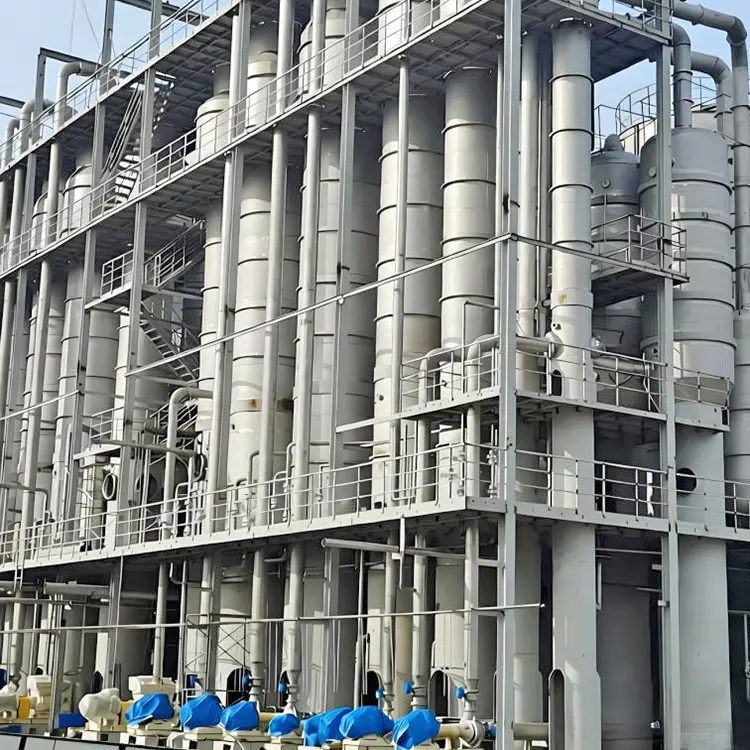
This system integrates low-grade heat sources—including drying vapors, boiler flue gas, or hot condensates—into the evaporation cycle. Ideal for optimizing energy systems in starch and alcohol DDGS plants.
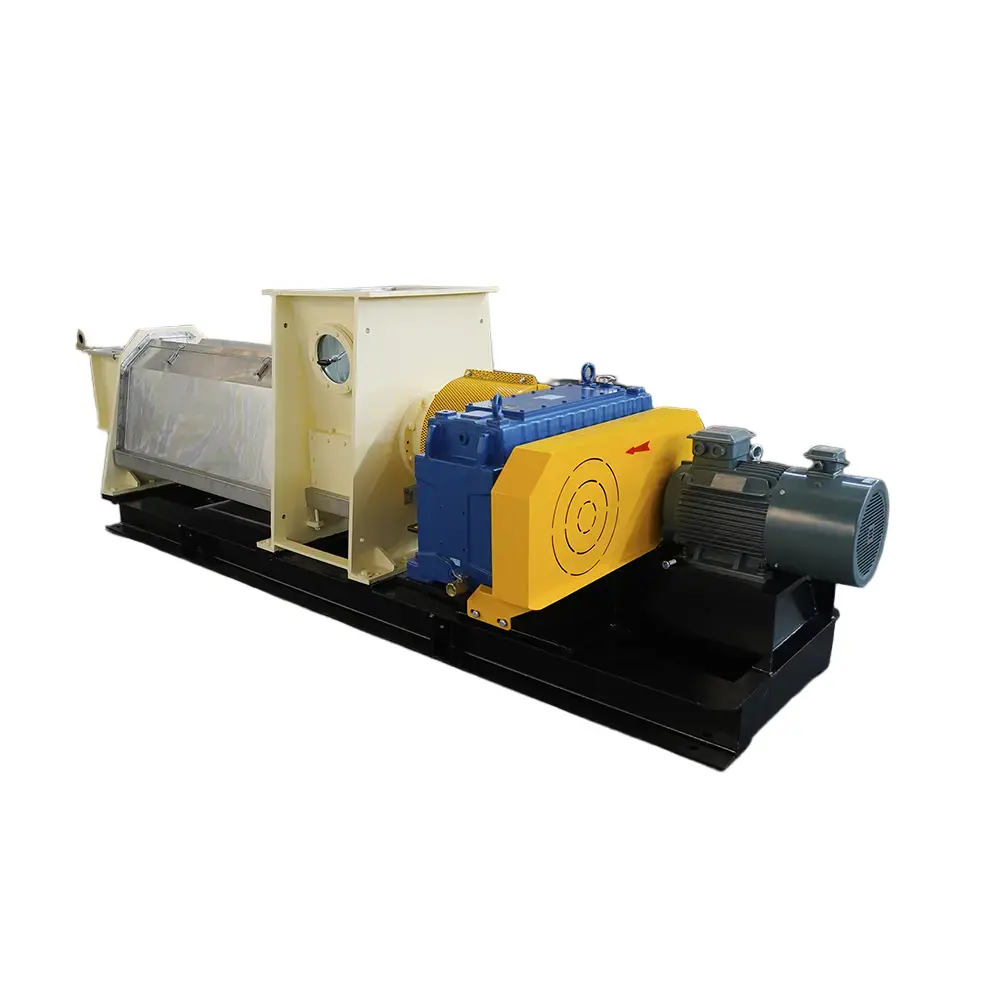
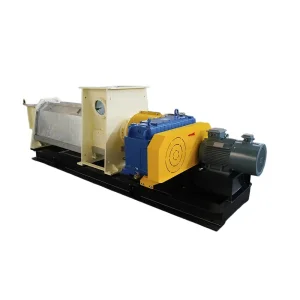
Efficiently dewaters solid-containing slurries, agricultural fibers, and spent grains. By utilizing progressive screw pitch compression, it extracts free-water continuously prior to downstream thermal drying.
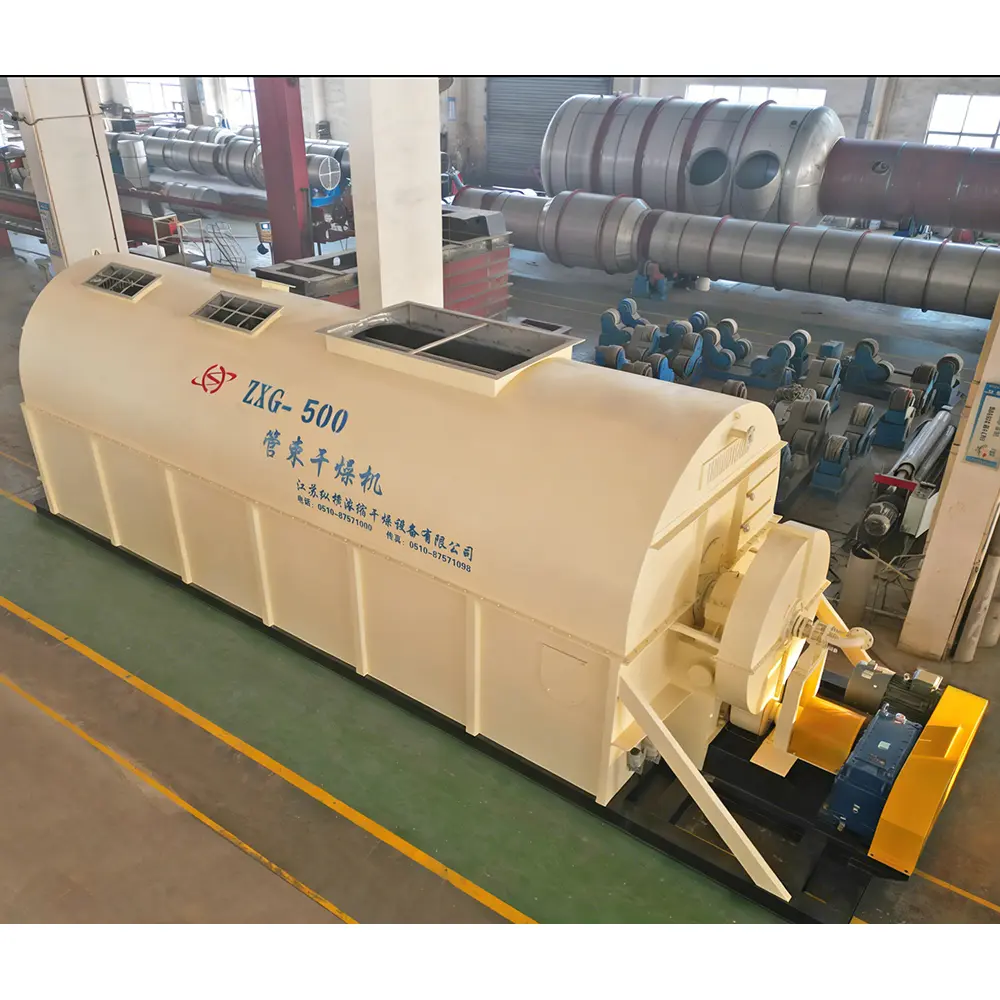
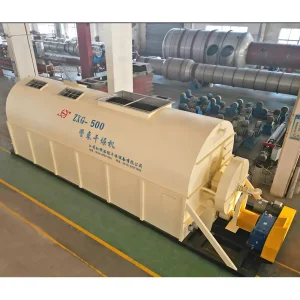
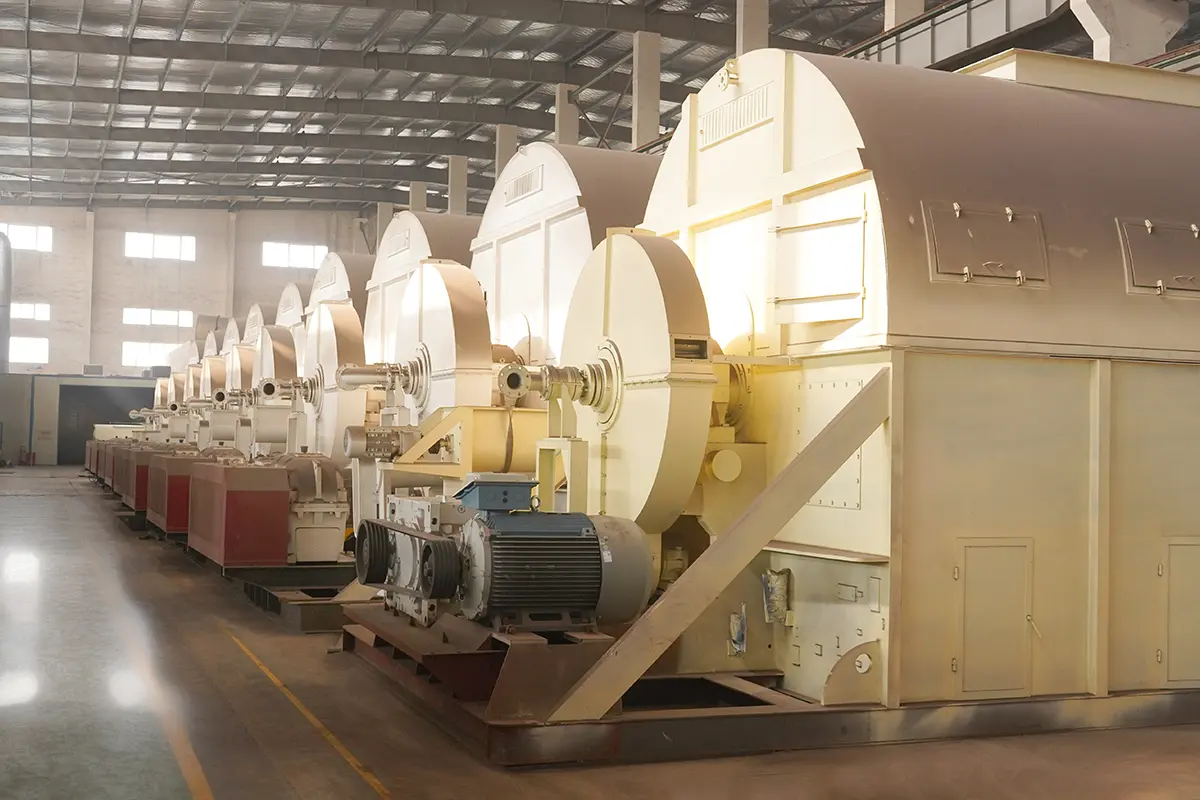
Designed for low-oxygen drying using indirect steam heating. Rotating tube bundles carry heat through a stationary shell, offering safe and continuous processing of starch fibers, germ, and industrial minerals.
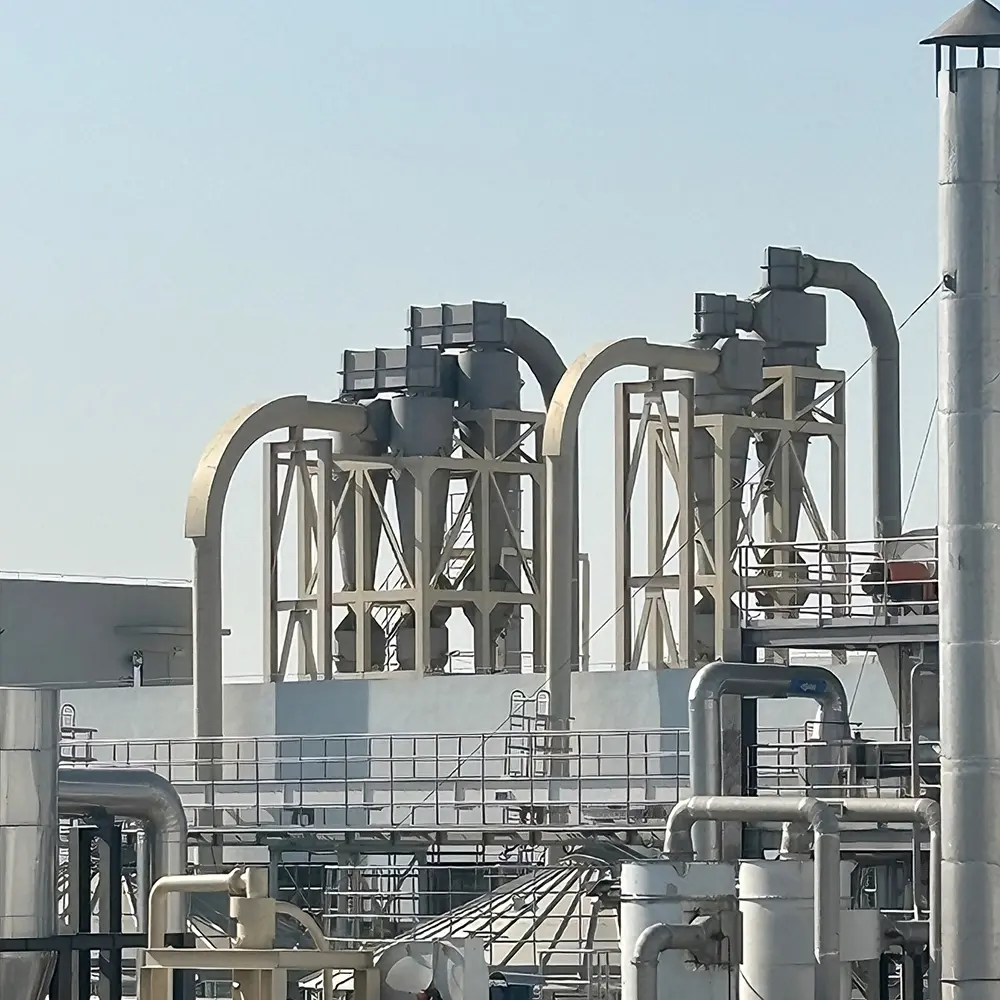
Employs high-speed hot air to suspend and fluidize materials. Precise tube diameter variations generate continuous pressure impulses, assuring rapid, uniform moisture removal during material transport.
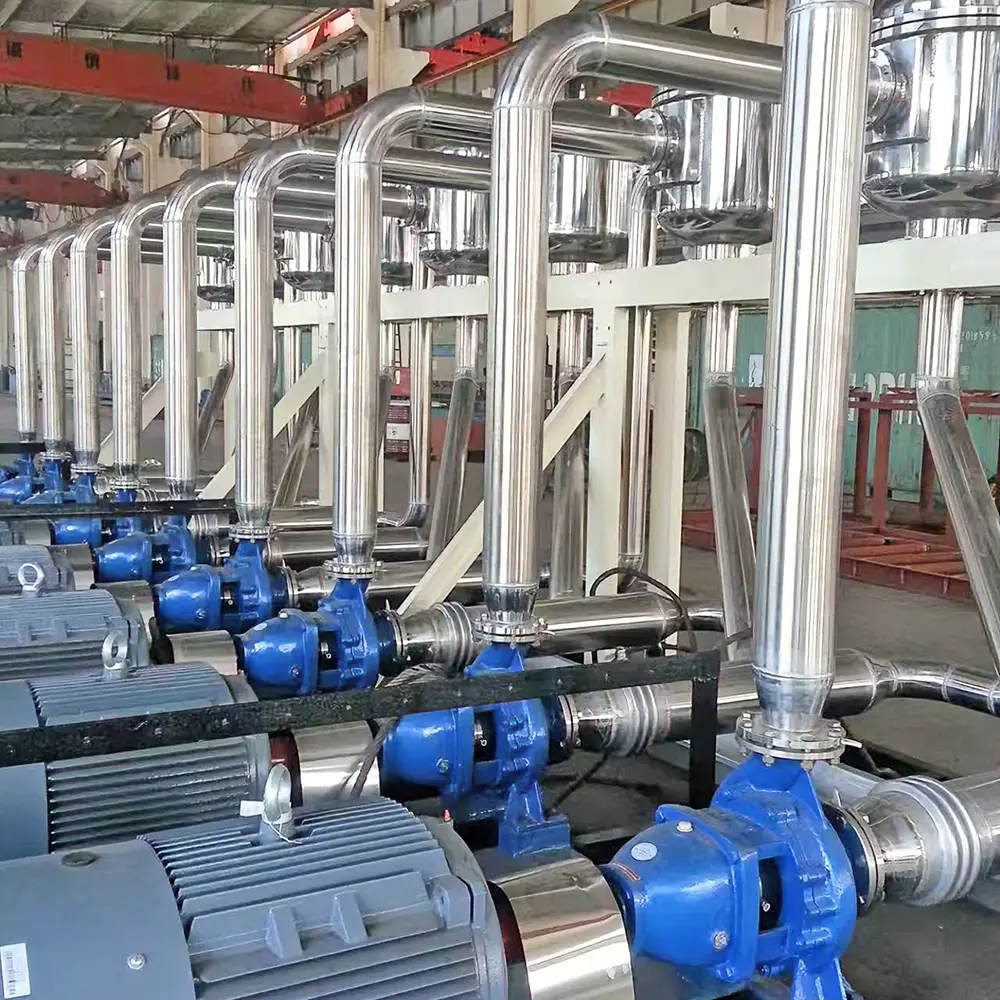
Specifically engineered for washing, refining, and concentrating starch slurries. Utilizes advanced centrifugal separation dynamics to ensure minimum starch loss and premium purity grades.
Industrial evaporation plants are defined by their thermodynamic flow patterns. To select the correct mechanical layout, plant engineers must examine the material's viscosity profile, boiling point elevation (BPE), suspended solids, and thermal sensitivity.
Falling film evaporators are highly efficient for low-viscosity applications. Liquid distribution at the top of the tube bundle forms a thin film that flows downward under gravity. Because of this thin-film profile, the heat transfer coefficients are exceptionally high, and the liquid residence time is short. However, if the solution contains solids or crystallizes upon cooling, scaling occurs rapidly on the heat exchanger surfaces.
In contrast, forced circulation evaporators operate by pumping the process liquid through the heat exchanger tubes at velocities ranging from 2.0 to 4.5 meters per second. This maintains high shear stress along the inner tube walls, suppressing bubble formation inside the tubes and preventing the crystallization of dissolved solids until the solution reaches the flash separator.
Historically, multi-effect evaporation plants utilized live steam sequentially across several vessels (effects) to maximize thermal efficiency. Today, MVR technology represents the pinnacle of sustainability. By compressing the exhaust steam mechanically using a turbo-fan or roots blower, we elevate the vapor temperature. The compressed vapor is then returned to the shell side of the same evaporator to act as the primary heating medium. This eliminates the requirement for significant cooling water infrastructure and drastically minimizes live steam consumption.
Global supply chain configurations are undergoing transition. As EPC contractors and chemical manufacturing brands seek to de-risk capital expenditures, Chinese manufacturing bases have evolved beyond pure cost advantages. The focus has shifted to technological precision, quality verification systems, and material supply security.
Jiangsu Zongheng represents this transition. Operating from Yixing City, Jiangsu Province, our state-of-the-art production workshop covers 22,000 square meters. The integration of advanced machining centers, automatic orbital welding machines, and CNC tube-sheet drilling ensures consistency in wall thickness and welding integrity.
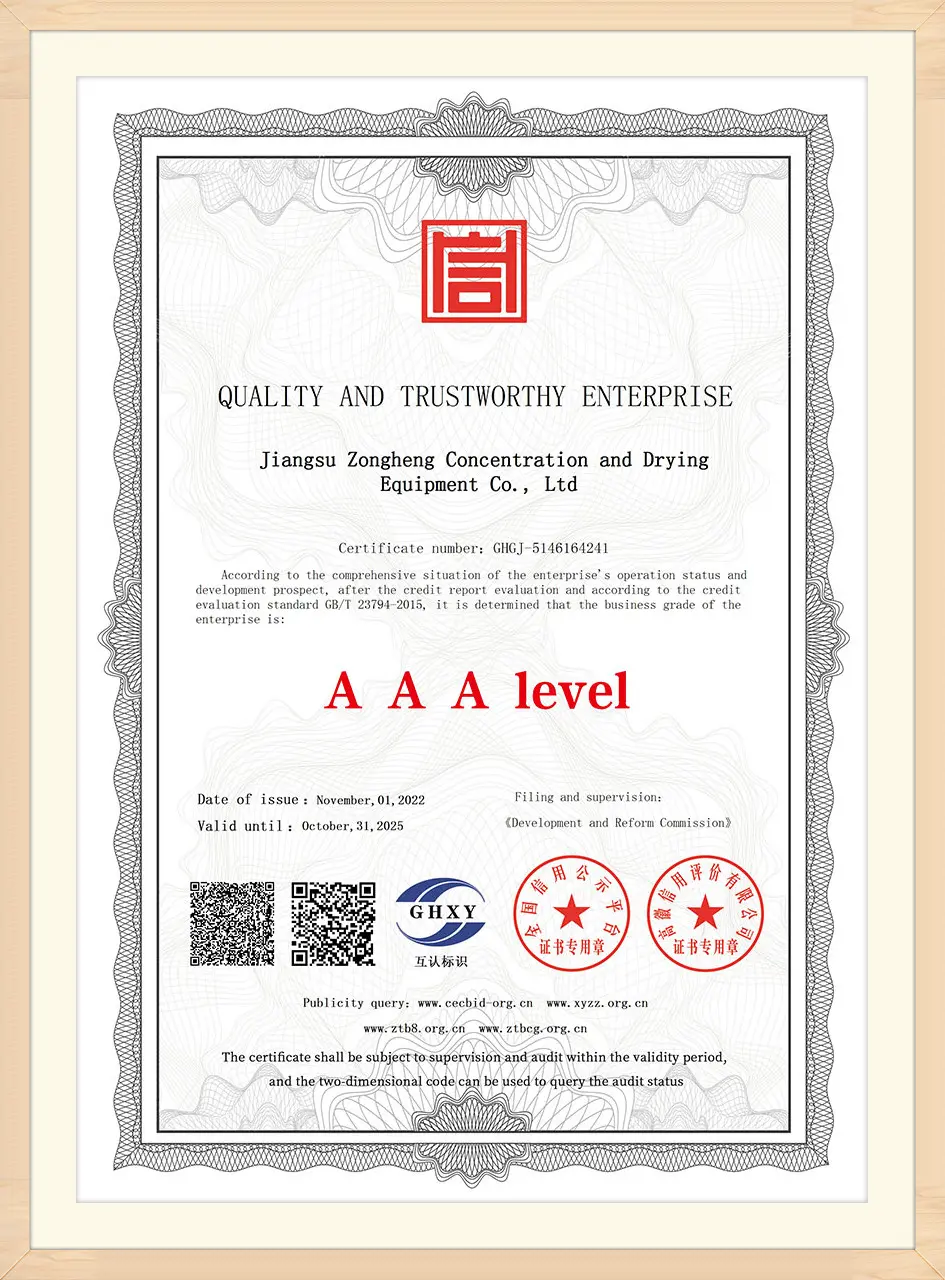
Reliability is verified through international certifications. With ASME "U" stamp credentials and ISO 9001 quality system certifications, Jiangsu Zongheng ensures that every vessel designed, manufactured, and inspected meets strict ASME Section VIII and European PED parameters.
Global Procurement Advantage: Through localized supply chains in Jiangsu’s industrial manufacturing zone, we source raw materials (titanium alloys, duplex stainless steels, and copper-nickel alloys) directly from tier-one steel mills. This structure reduces lead times by up to 35% compared to European or North American fabricators.
Jiangsu Zongheng Concentrating and Drying Equipment Co., Ltd, formerly known as Yixing Yangxi Light Industrial Machinery Factory, was established. Starting with a total area of approximately 15 mu and a staff of 45 people, the company focused on agricultural processing machinery.
Obtained the ISO9001 quality management system certification, establishing a structured quality assurance system across all engineering and production workflows.
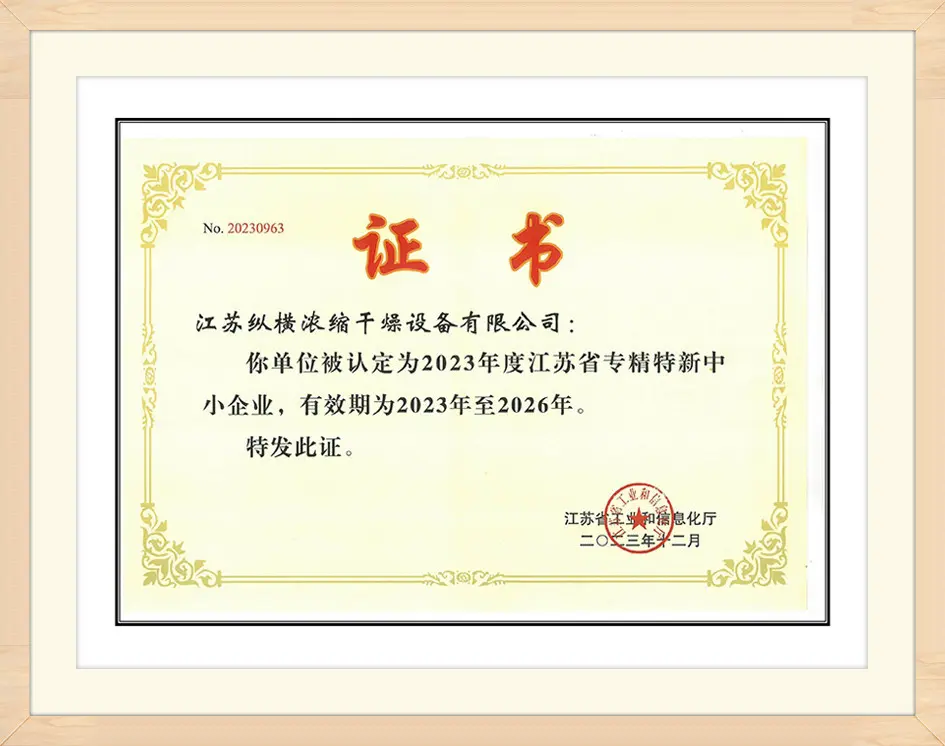
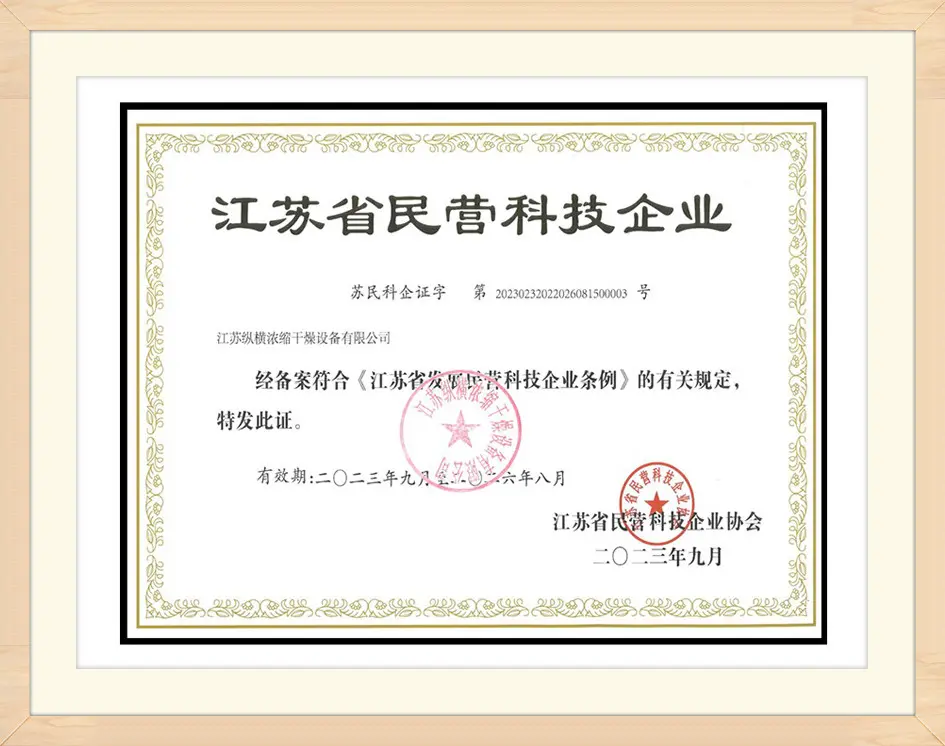
Formally recognized as a Jiangsu Provincial High-Tech Enterprise, signaling a commitment to self-developed engineering and proprietary thermodynamics research.
Obtained the Special Equipment Manufacturing License of the People's Republic of China (License No.: TS2232C42), authorizing the factory to manufacture Category III low & medium-pressure vessels.
Acquired the prestigious ASME "U" Stamp authorization. This key milestone marked our entry into international process plant engineering and global export markets.
Obtained international quality system certification (Certificate No.: 45021), aligning our operational safety protocols with European manufacturing guidelines.
The company expands its footprint to over 54,000 square meters, with workshop space exceeding 22,000 square meters. The staff has grown to include 3 senior engineers, 20 design engineers, and 120 skilled technical staff members.
Our stainless steel evaporators, dewatering equipment, and industrial dryers are deployed in chemical processing, starch manufacturing, alcohol production, and waste resource recovery plants.
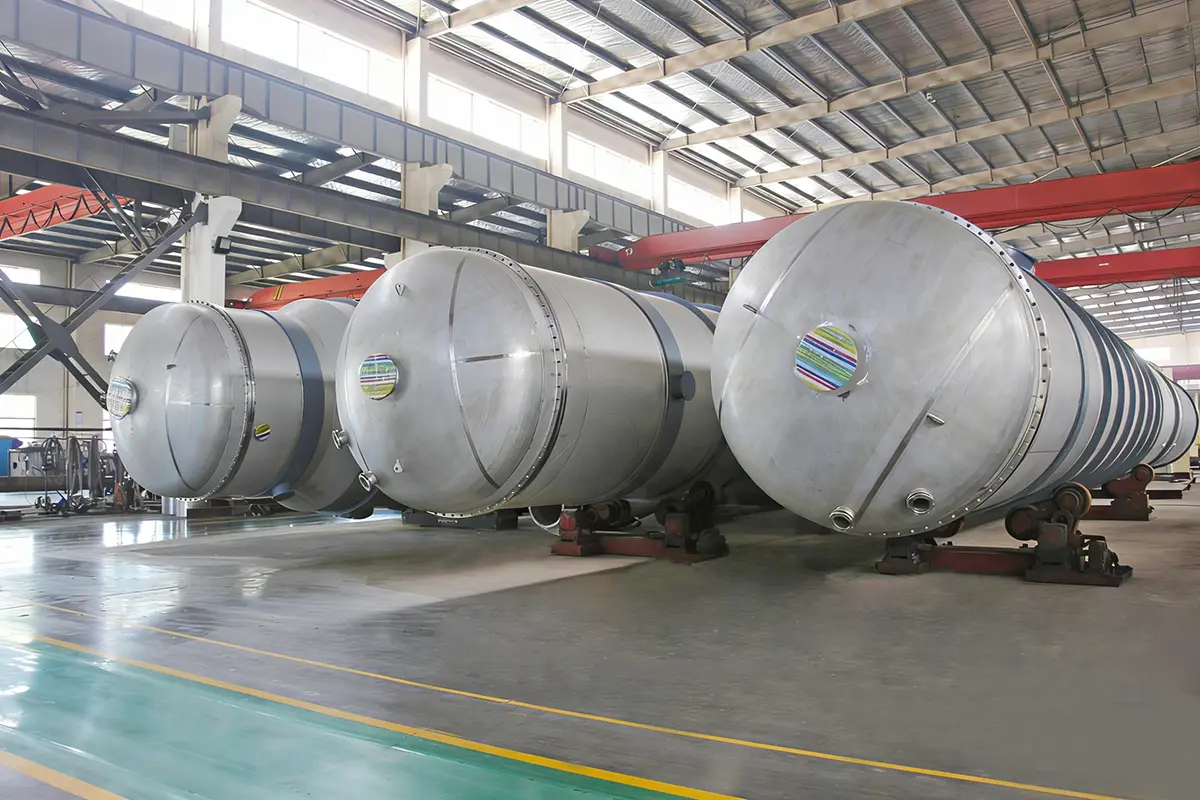
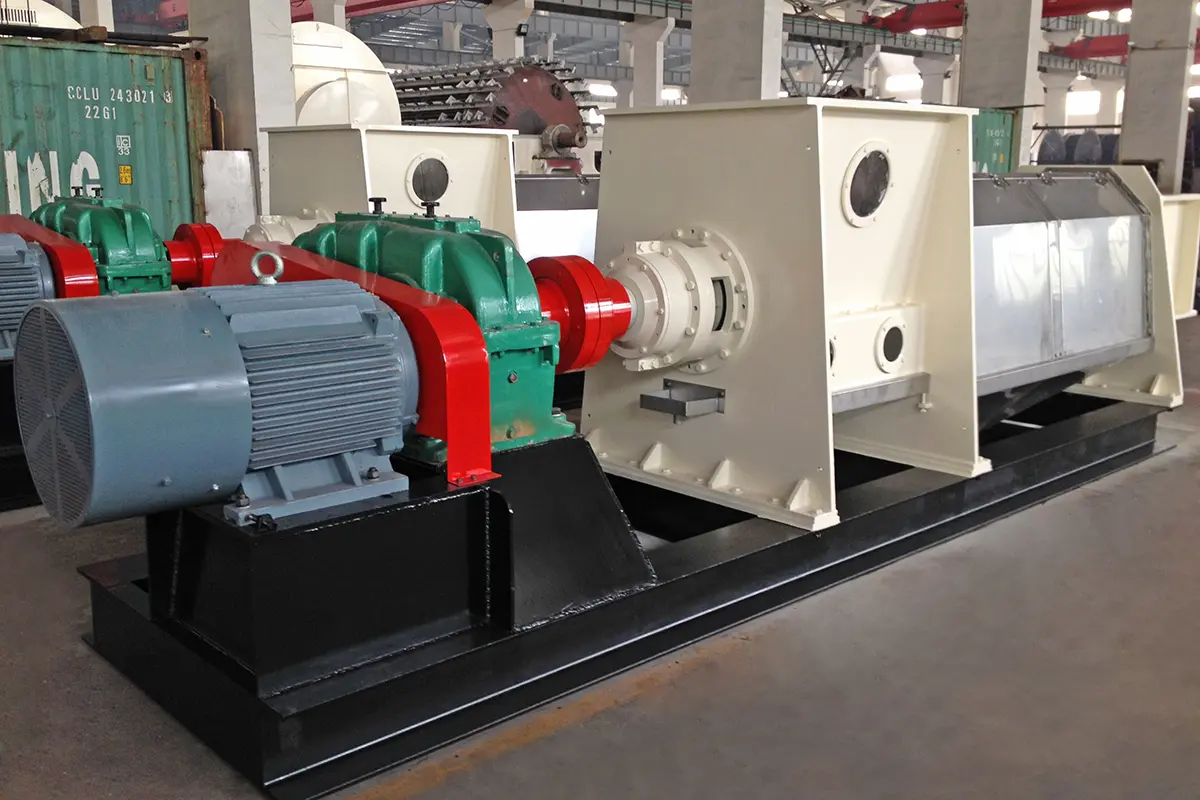
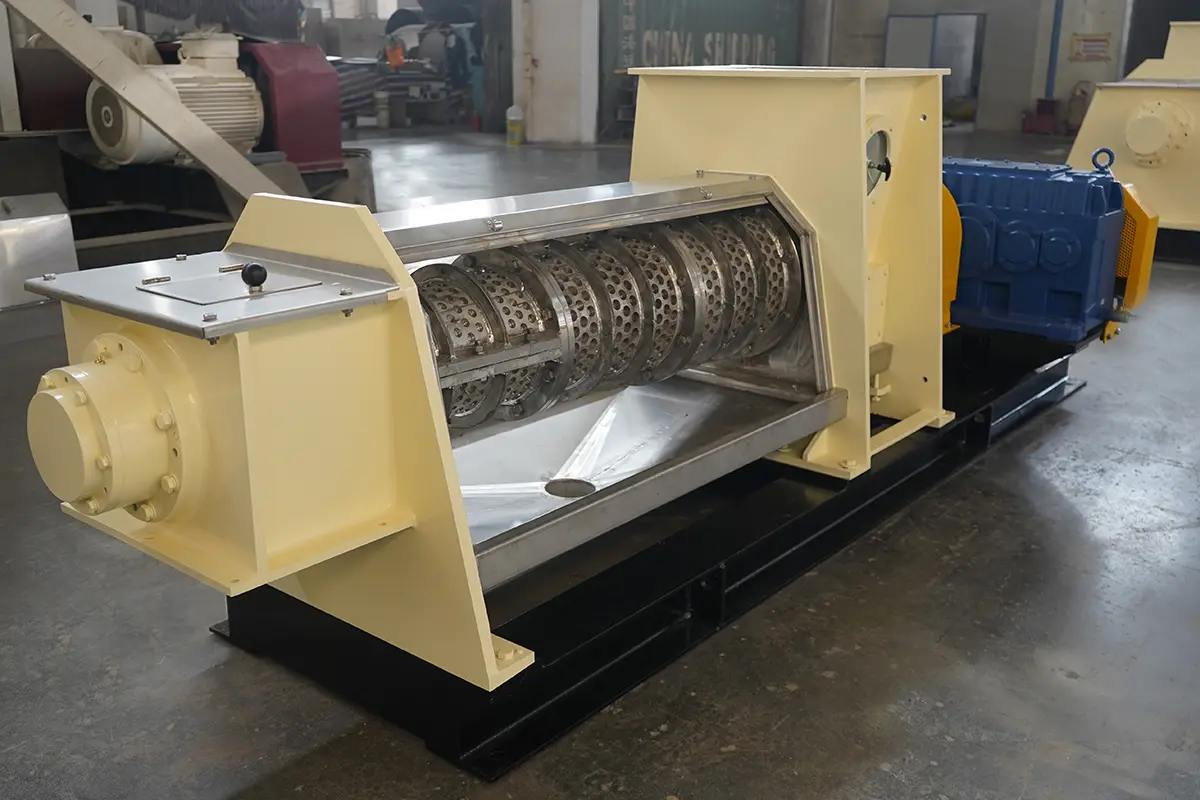
Corn Wet Milling and Starch Separation: During corn wet milling, corn steep liquor (CSL) must be concentrated from 6% solids up to approximately 48% solids before mixing with fiber. Our multi-effect falling film and waste heat evaporators perform this concentration efficiently.
Alcohol DDGS Production: In bio-ethanol processing, the spent grain slurry is separated into wet grains and thin stillage. The thin stillage is processed through our falling film or MVR evaporators to produce a syrup, which is combined with wet cake and dried inside our ZXG Tube Bundle Dryer to create Distillers Dried Grains with Solubles (DDGS).

Jiangsu Zongheng is an active member of the China Starch Association and the China Alcohol Association. Our fabrication processes are supported by multiple quality inspections, including radiographic, ultrasonic, magnetic particle, and liquid penetrant testing.
Our ASME "U" Stamp and ISO 9001 certifications verify our status as an engineered solutions provider rather than a baseline equipment supplier. We maintain full traceability on every plate, tube, flange, and welding wire utilized in our evaporation plants.
Partner with Jiangsu Zongheng for custom-engineered evaporators and complete plant installations. Let our engineering team design a system tailored to your technical and operational requirements.
 Zongheng