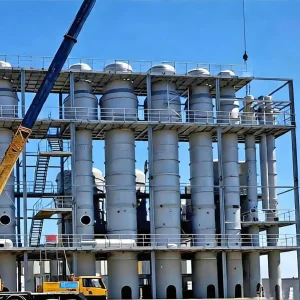
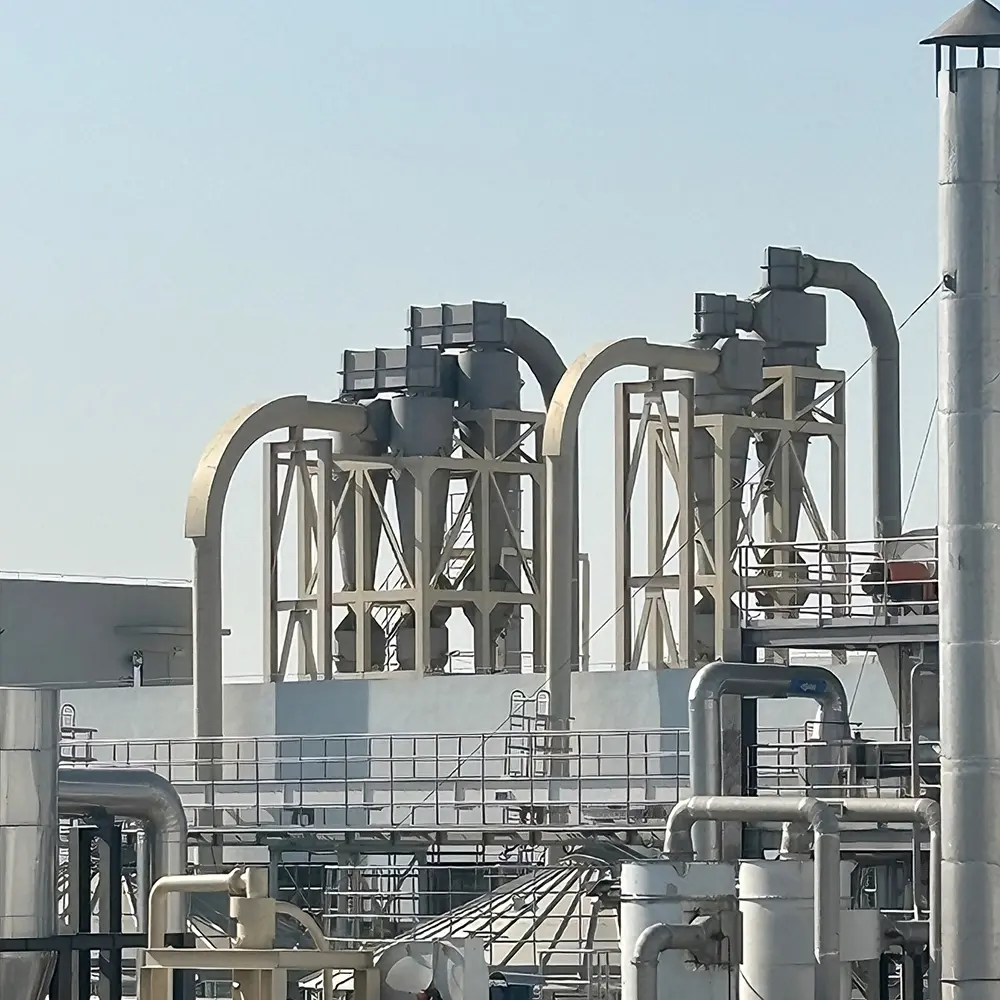
Industrial processing relies heavily on thermal dewatering to turn wet cakes, slurries, and sticky starches into fine, free-flowing powders. The Pneumatic Flash Dryer, or industrial airflow dryer, is a staple of this process. It works by dispersing wet feed into a high-velocity stream of hot gas. The material dries in seconds as it travels through the vertical drying duct. This short contact time makes it ideal for processing heat-sensitive materials like starch, gluten, proteins, and specialty organic chemicals, preventing thermal degradation while keeping processing speeds high.
Jiangsu Zongheng Concentrating and Drying Equipment Co., Ltd. has spent over thirty years refining these dynamics. Modern drying technology must balance thermal efficiency with strict global compliance standards. Our MQG series industrial airflow dryers are engineered to meet European CE standards, which address essential mechanical safety, pressurized component integrity, and explosion mitigation (ATEX) required for handling organic dusts. By optimizing the system's aerodynamics, we increase the relative velocity between the gas and solid phases. This leads to a high volumetric heat transfer coefficient while reducing fuel consumption and preventing product degradation.
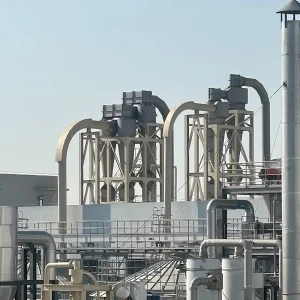
Unlike standard static drying columns, the MQG Airflow Dryer uses variable tube diameters. This design generates impulse velocities that continuously accelerate and decelerate particles. This dynamic cycle breaks up boundary layers around damp particles, accelerating moisture diffusion and cutting energy use by up to 15-20% compared to traditional constant-velocity flash dryers.
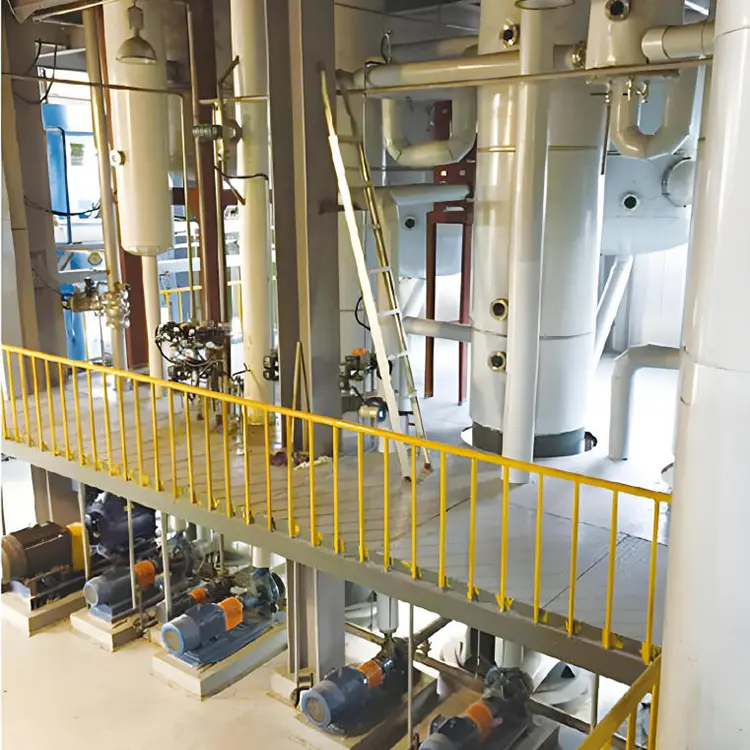
A flash dryer is rarely a standalone installation. Industrial processing plants require complete, integrated systems where drying, concentration, and refining components work together. For instance, in starch processing and bio-ethanol operations, flash dryers process wet cakes that have been concentrated by upstream evaporators and dewatered by mechanical presses. Because these processes run continuously, any system imbalance can disrupt downstream operations.
In cassava, corn, wheat, and potato starch plants, wet starch cake from the centrifuge must be dried instantly to preserve viscosity and brightness. We integrate our Starch Washing Cyclones and Degerming Mills directly with the MQG Flash Dryer to ensure high purity and consistent grain sizing.
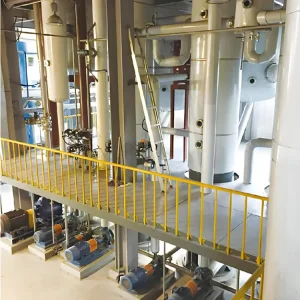
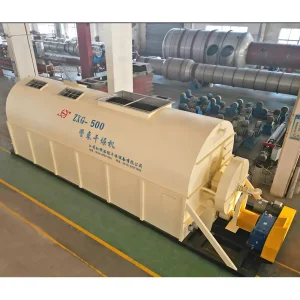
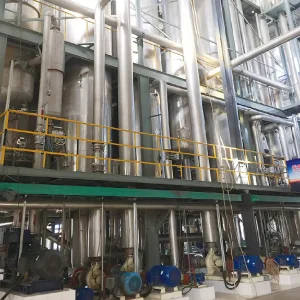
In commercial distillery and fermentation plants, processing thin stillage requires significant thermal energy. By combining our Multi-effect Falling Film Evaporation Plants or Mechanical Vapor Recompression (MVR) systems with our ZXG Tube Bundle Dryers and MQG Airflow Dryers, we help facilities recycle waste heat and convert stillage into animal feed (DDGS).
For heat-sensitive chemicals, crystalline matrices, and food additives, our CE-certified dryers maintain a low-temperature product boundary layer through precise temperature control. This design prevents thermal degradation and discoloration in sensitive materials.
By taking an integrated approach, we ensure that energy consumption is minimized across the entire plant. Rather than analyzing the flash dryer in isolation, our engineers assess the thermal balance of the entire facility. For example, low-grade waste steam from a falling film evaporator can often be run through heat exchangers to preheat the incoming air of the MQG Airflow Dryer, turning a waste stream into useful thermal energy.
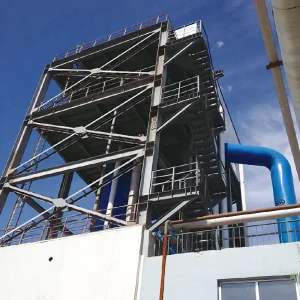
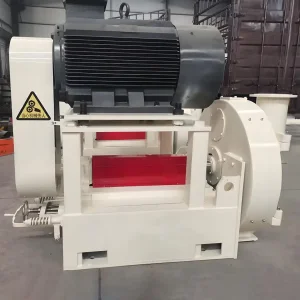
The MQG Industrial Airflow Dryer is designed for continuous, high-volume production. It uses a high-velocity heated gas stream to fluidize and transport wet cakes, removing moisture in a single pass. Our system designs are tailored to the specific moisture profiles, particle sizes, and thermal limits of the material being dried.
| Parameter Class | Technical Specifications / Capabilities | Industrial Application Impact |
|---|---|---|
| Material Feeding System | Screw feeders with variable speed drives (VFD), combined with high-shear paddle disintegrators. | Prevents bridging and feeds sticky materials at a steady rate. |
| Thermal Efficiency | Drying efficiency ranges between 65% and 80%, depending on heat integration. | Reduces specific fuel consumption and operational costs. |
| Residence Time | 0.5 to 2.0 seconds in the high-temperature zone. | Protects heat-sensitive starches and organic compounds from thermal degradation. |
| Air Velocity Profile | Varies between 15 to 30 m/s using variable-diameter impulse pipes. | Ensures uniform moisture extraction by optimizing gas-solid contact. |
| Explosion Safety | Equipped with ATEX-certified explosion relief panels and rupture discs. | Ensures safe operation when handling combustible organic dusts. |
| Construction Material | Available in AISI 304, 316L, or 316Ti stainless steel for contact parts. | Prevents corrosion and complies with sanitary manufacturing requirements. |
Industrial processing faces growing pressure to reduce carbon emissions and energy consumption. Traditional fossil-fuel-fired drying systems are being replaced by cleaner, more efficient designs. Processors worldwide are auditing their operations to cut fossil fuel dependence, improve energy efficiency, and lower greenhouse gas emissions.
To help companies meet these sustainability targets, our pneumatic flash dryers are designed to integrate with alternative heating systems. They can utilize high-pressure waste steam, thermal oil heated by biomass boilers, or electrical heating elements powered by renewable energy. Additionally, our drying chambers can recycle a portion of the exhaust gas. This recirculates thermal energy and reduces the volume of emissions that must be cleaned by downstream cyclones and baghouse filters.
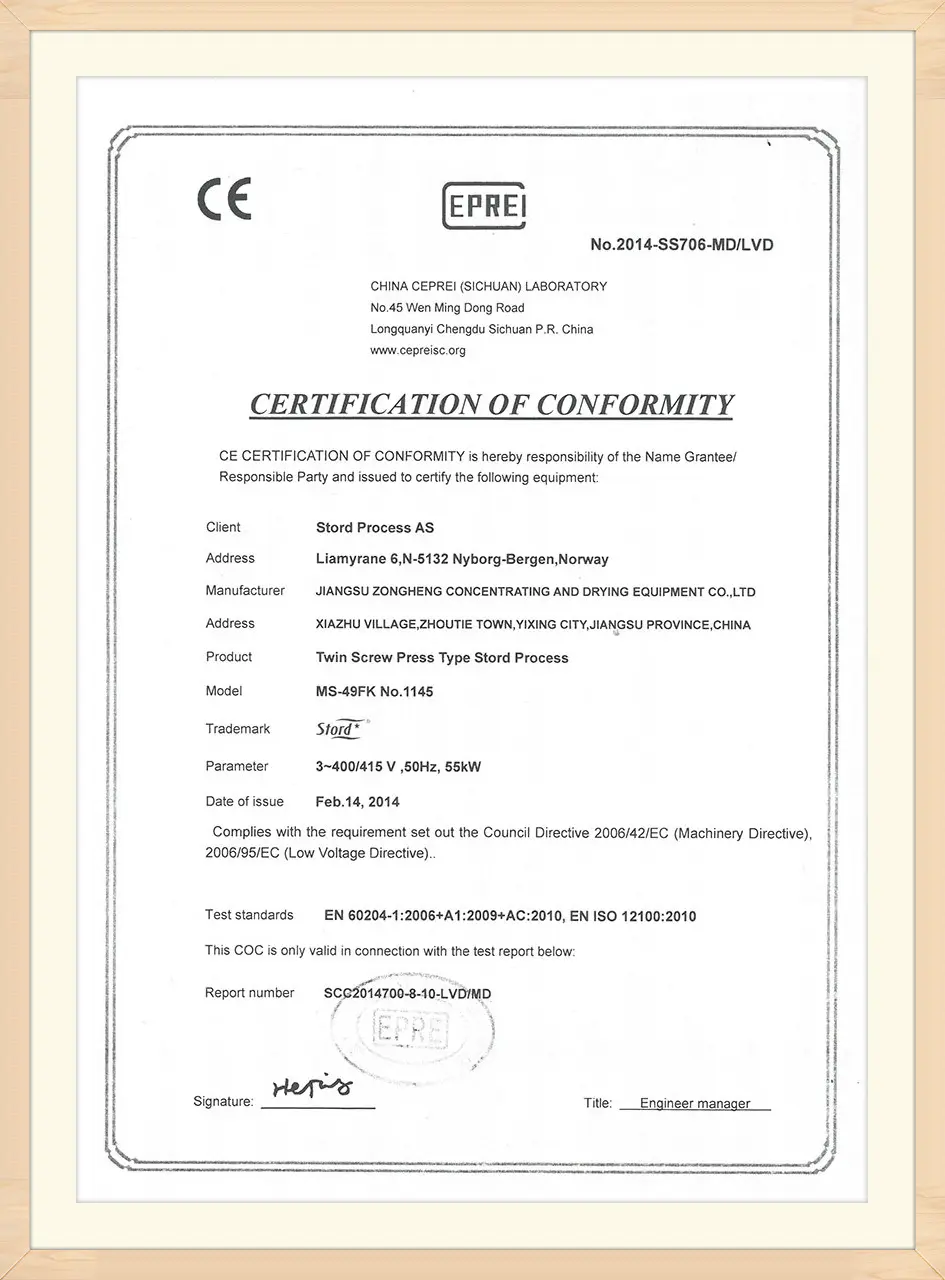
At the same time, workplace safety rules have grown much stricter. In Europe and the Americas, systems handling combustible dusts must comply with codes like EN 14491 and NFPA 68. The CE certification on our flash drying systems confirms that the electrical systems, pressure-containing vessels, and explosion-venting pathways are engineered to manage these operational risks, protecting both your personnel and your capital investment.
Since 1992, Jiangsu Zongheng (originally Yixing Yangxi Light Industry Machinery Factory) has evolved from a regional fabricator into a specialized high-tech manufacturer. Our facilities in Zhoutie Town, Yixing City, cover over 54,000 square meters and are equipped with advanced metal forming, automatic welding, and non-destructive testing systems.
Established as Yixing Yangxi Light Industrial Machinery Factory, specializing in processing machinery for starch and evaporation plants.
Obtained ISO9001 quality management certification, standardizing our manufacturing and inspection processes.
Recognized as a Jiangsu Provincial High-Tech Enterprise, marking an expansion of our R&D team and technical patents.
Secured the Special Equipment Manufacturing License of the People's Republic of China for Category I, II & III pressure vessels.
Authorized to apply the ASME "U" Stamp to our pressure vessels, opening access to international industrial markets.
Operating from a 54,000 m² site with 20+ specialist engineers, delivering CE and ASME compliant systems to clients globally.
We maintain strict manufacturing standards through third-party certifications. Our designs are audited to comply with international codes, ensuring safe and reliable operation in demanding processing environments.
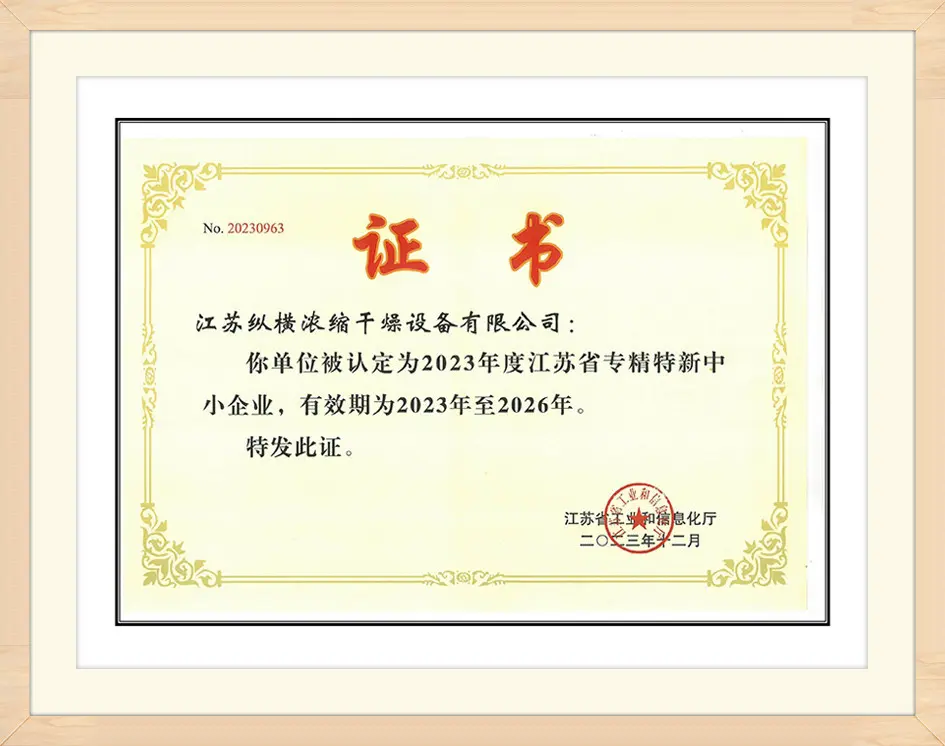
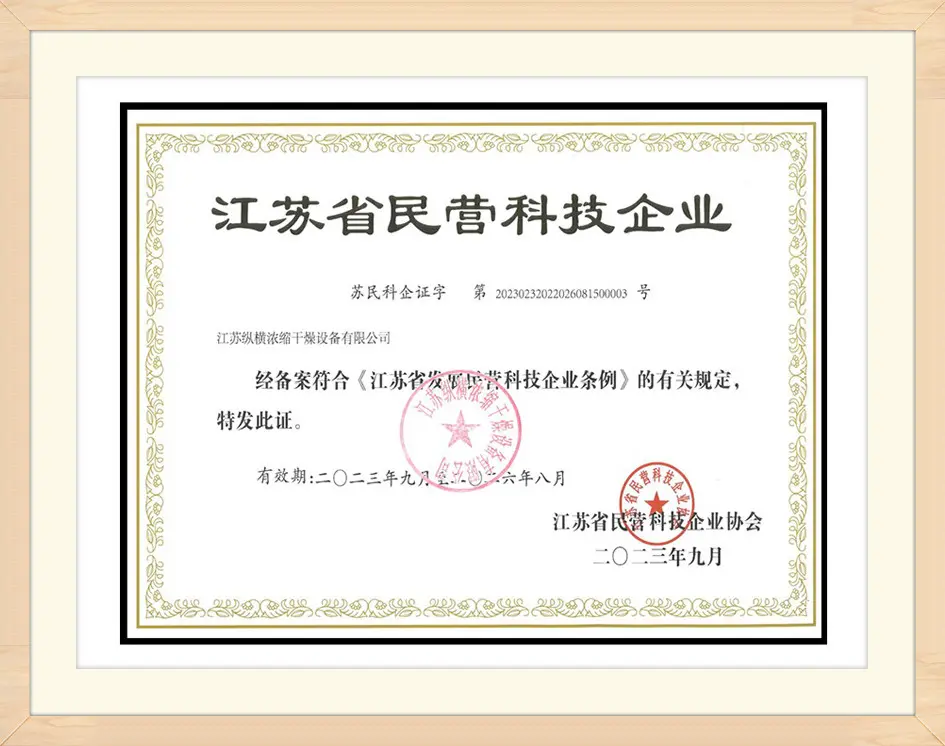
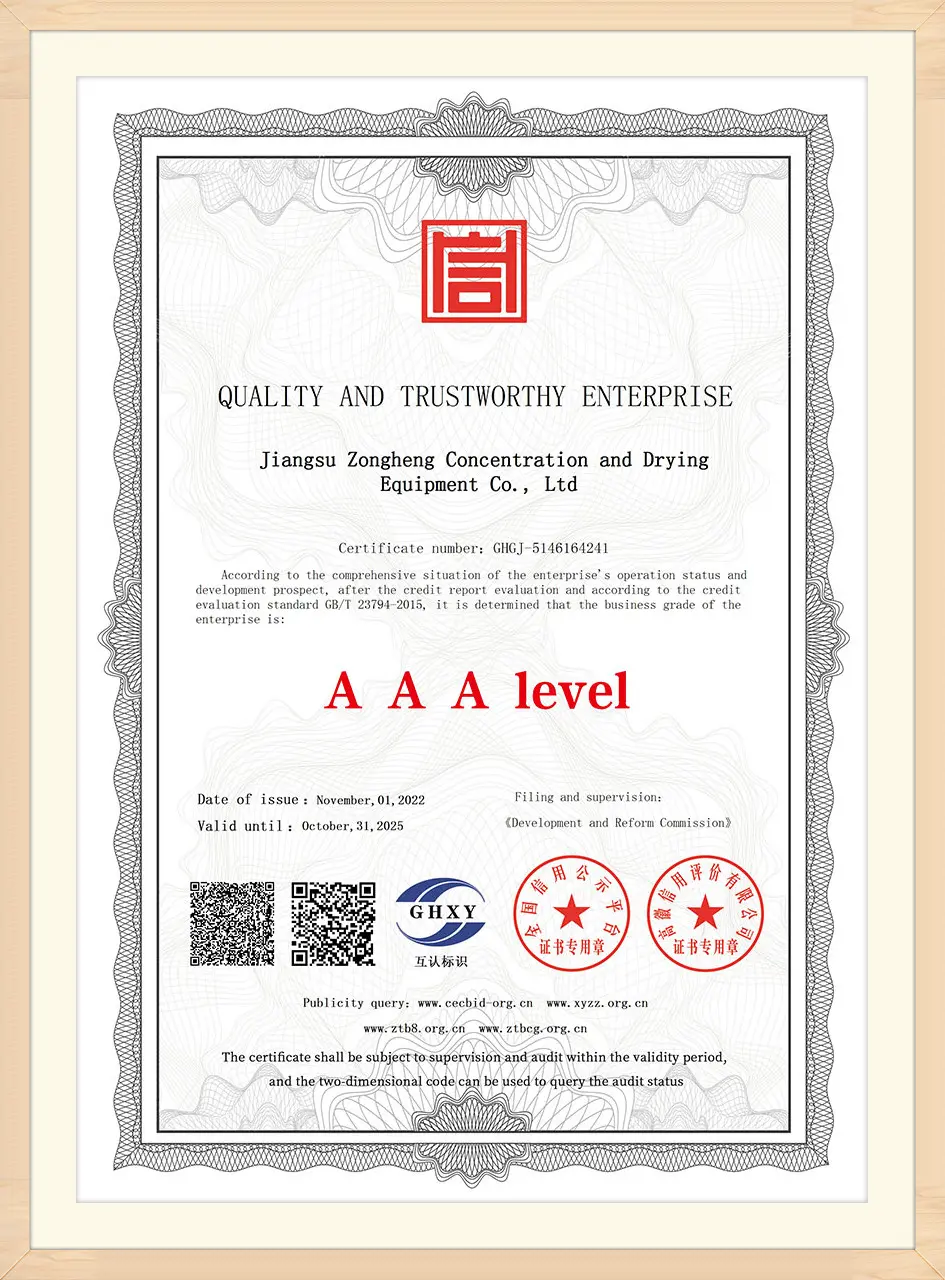
Jiangsu Zongheng is focused on developing smarter, more efficient drying systems. We are working to integrate digital twin technology and machine learning control loops into our processing plants. By using real-time sensors to track feed rate, moisture variations, and ambient air humidity, our systems can automatically adjust fan speeds and heat inputs. This keeps the output moisture level consistent while reducing energy waste during process transitions.
We are also focused on closed-loop drying configurations that use inert gas (typically nitrogen) for processing volatile or highly combustible materials. In these systems, the inert gas is continuously recycled, and evaporated moisture is recovered using a condenser. This setup practically eliminates dust explosion risks, prevents oxidation of sensitive products, and containing emissions within a closed loop. This technology is becoming a standard solution for chemical and pharmaceutical companies targeting low-emission operations.
Discuss your drying, concentration, or evaporation requirements with our engineering team. We design custom systems tailored to your specific materials, capacity needs, and energy-saving goals.
 Zongheng