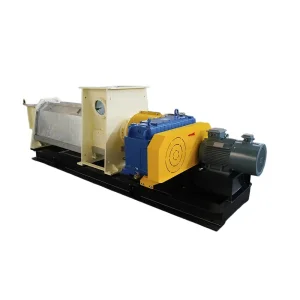
Efficient solid-liquid separation and dewatering of highly concentrated slurries, waste, and starch byproducts.
View Specifications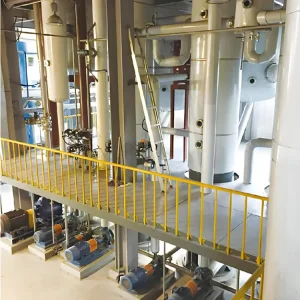
Optimized for processing heat-sensitive liquids. Features short residence times and precise film distribution.
View Specifications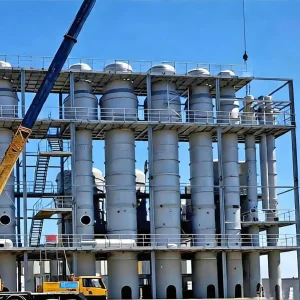
Next-generation multi-effect concentration technology configured to meet high steam savings benchmarks.
View Specifications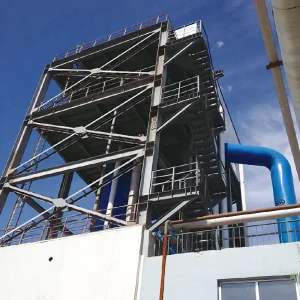
Utilizes Mechanical Vapor Recompression to drastically reduce thermal energy usage and operational cost.
View Specifications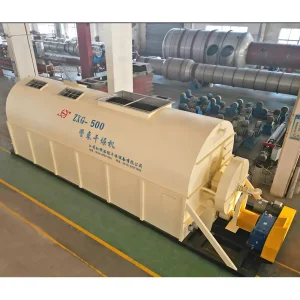
Indirect steam-heated industrial drying solution ideal for organic bulk materials such as corn starch and gluten.
View Specifications
Fully compliant with EU safety and pressure guidelines, featuring advanced automation and energy management.
View Specifications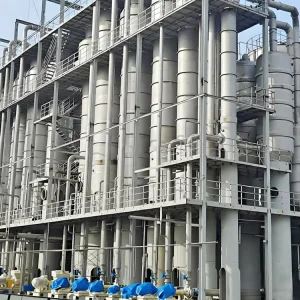
Repurposes waste heat streams to drive evaporation, significantly reducing fresh utility steam requirements.
View Specifications
Specially designed for concentration of steep liquors and high-density organic byproduct fermentation loops.
View SpecificationsIn modern process industries, the necessity for high-efficiency concentration equipment has transcended basic manufacturing productivity to become a core pillar of global sustainability, carbon reduction, and zero liquid discharge (ZLD) requirements. Multi-effect evaporators represent a vital thermodynamic strategy, utilizing the latent heat of vapor generated in one effect to heat the subsequent effect operating under a lower pressure. This cascading thermal economy dramatically cuts utility costs while handling substantial liquid streams.
Across Europe, North America, and East Asia, manufacturers face stringent environmental and energy directives. Regulatory alignment—specifically under directives like the European Pressure Equipment Directive (PED) and general CE certification protocols—is no longer an optional benchmark but an operational mandate. Choosing a certified CE Multieffect Evaporator supplier ensures that structural engineering, materials traceability, safety interlocks, and pressure vessels conform to demanding global compliance standards. This mitigation of operational risk is coupled with substantial cuts in carbon output, making advanced evaporation plants central to corporate Environmental, Social, and Governance (ESG) strategies.
Historically, increasing the number of effects in an evaporation array offered a linear progression of steam efficiency at the expense of system footprint, complexity, and capillary control challenges. Today, thermodynamic modeling software allows manufacturers like Jiangsu Zongheng to optimize thermal flow sheets, balancing capital expenditure (CAPEX) with operational expenditure (OPEX). Incorporating features such as Thermal Vapor Recompression (TVR) or Mechanical Vapor Recompression (MVR) within a multi-effect matrix yields unmatched flexibility, permitting high concentration ratios even for highly viscous, fouling-prone, or heat-sensitive materials.
Specifically engineered for low-temperature operation on heat-sensitive solutions. Liquid flows down the internal walls of the tubes as a thin film, facilitating high heat transfer coefficients. Excellent for juices, pharmaceutical broths, and volatile organic compounds.
Designed for liquids prone to salting, scaling, or high viscosities. High-speed recirculation pumps maintain continuous velocity through the heat exchanger tubes, preventing boiling on the heating surface and suppressing scaling tendencies.
The pinnacle of environmental efficiency. It recycles latent heat by using a mechanical compressor (centrifugal or roots blower) to raise the temperature and pressure of the evaporated vapor, which is then fed back to heat the raw liquid, eliminating live steam consumption during steady-state operation.
In many corn processing, alcohol, and starch factories, large quantities of waste steam, dryer vapors, and low-temperature hot water are vented or lost. Jiangsu Zongheng design engineers excel in custom integrating waste heat evaporators into existing plants. By utilizing drying vapor as the primary heat source for a multi-effect concentration system, plants can recover valuable process water, concentrate steep liquors without additional live steam, and achieve near-zero carbon emission increases for the concentration process.
Industrial wastewater and pharmaceutical broths often contain aggressive components such as chlorides, organic acids, and variable pH agents. Standard steels fail rapidly under these conditions. Our manufacturing plants utilize advanced metallurgies, including Titanium (Gr. 1, Gr. 2), duplex steels (S32205, S32750), and high-alloy stainless steels (316L, 904L), under strict ISO9001 and ASME welding compliance. Precision tube-to-tubesheet joint expansion, automatic orbital welding, and thorough radiographic testing guarantee reliable operation over decades.
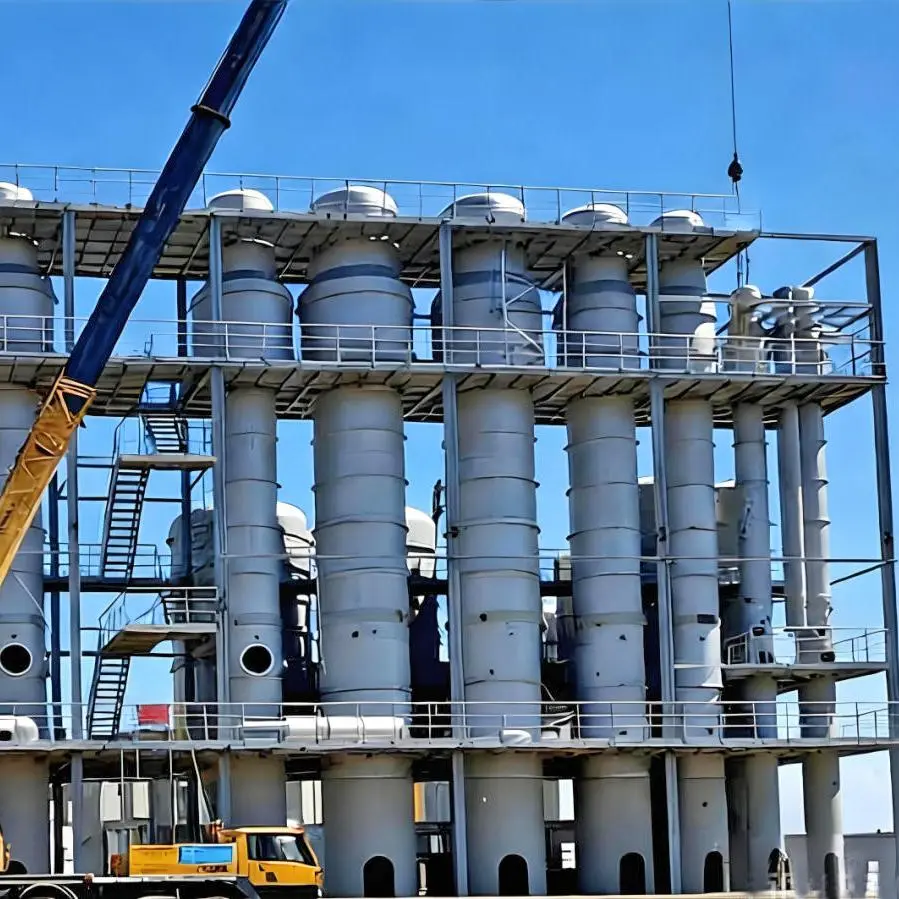
Zongheng provides energy-efficient, high-performance evaporation solutions configured for complex chemical, biological, and wastewater recovery projects globally.
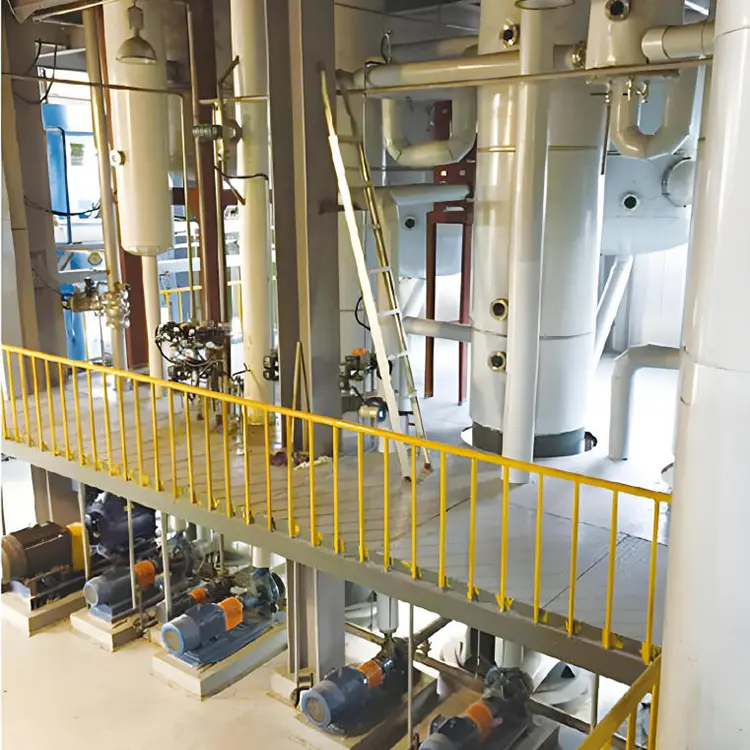
A falling film evaporator efficiently concentrates heat-sensitive liquids by distributing the feed fluid evenly to flow down vertical tubes as a continuous film.
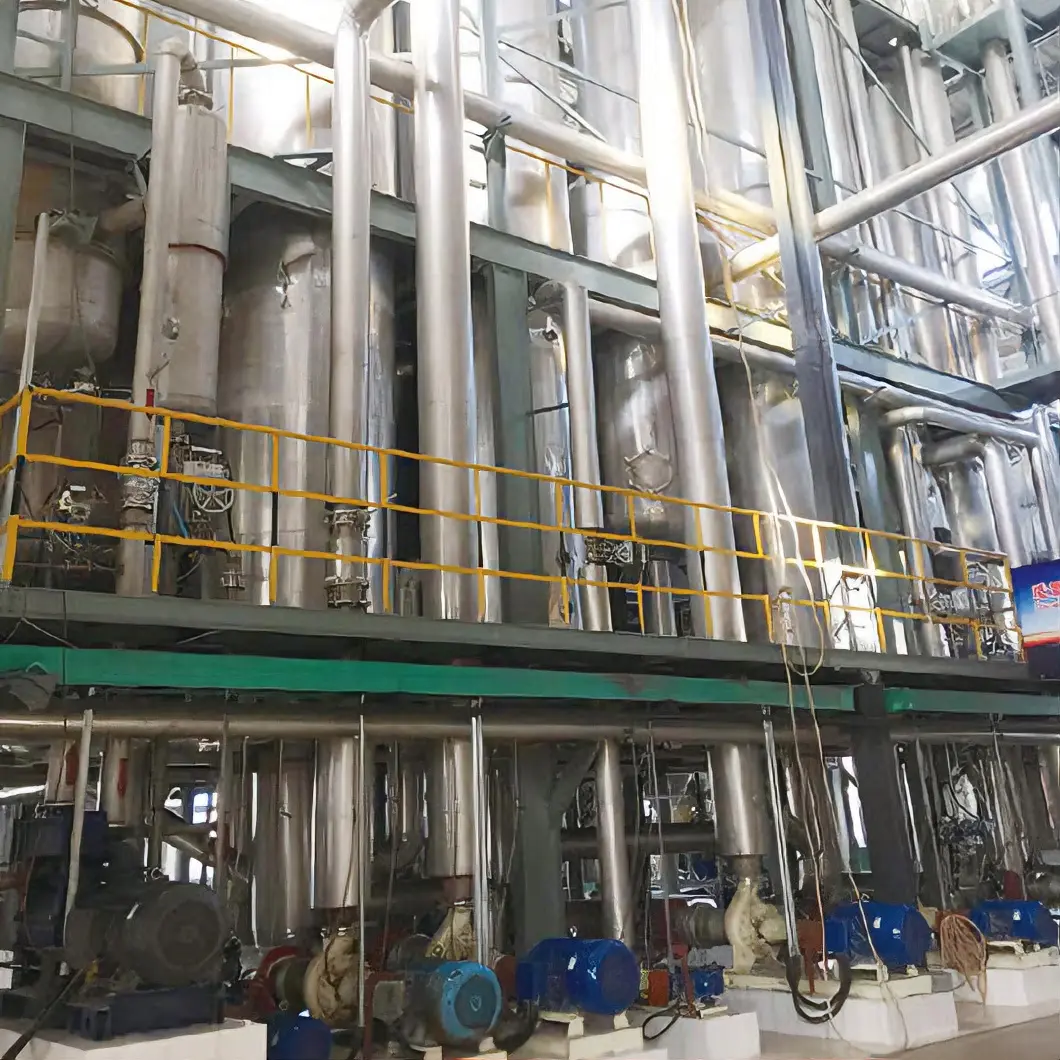
Premier Chinese manufacturing specializing in robust forced circulation plants built for high crystallization, high solids, and scaling substances.
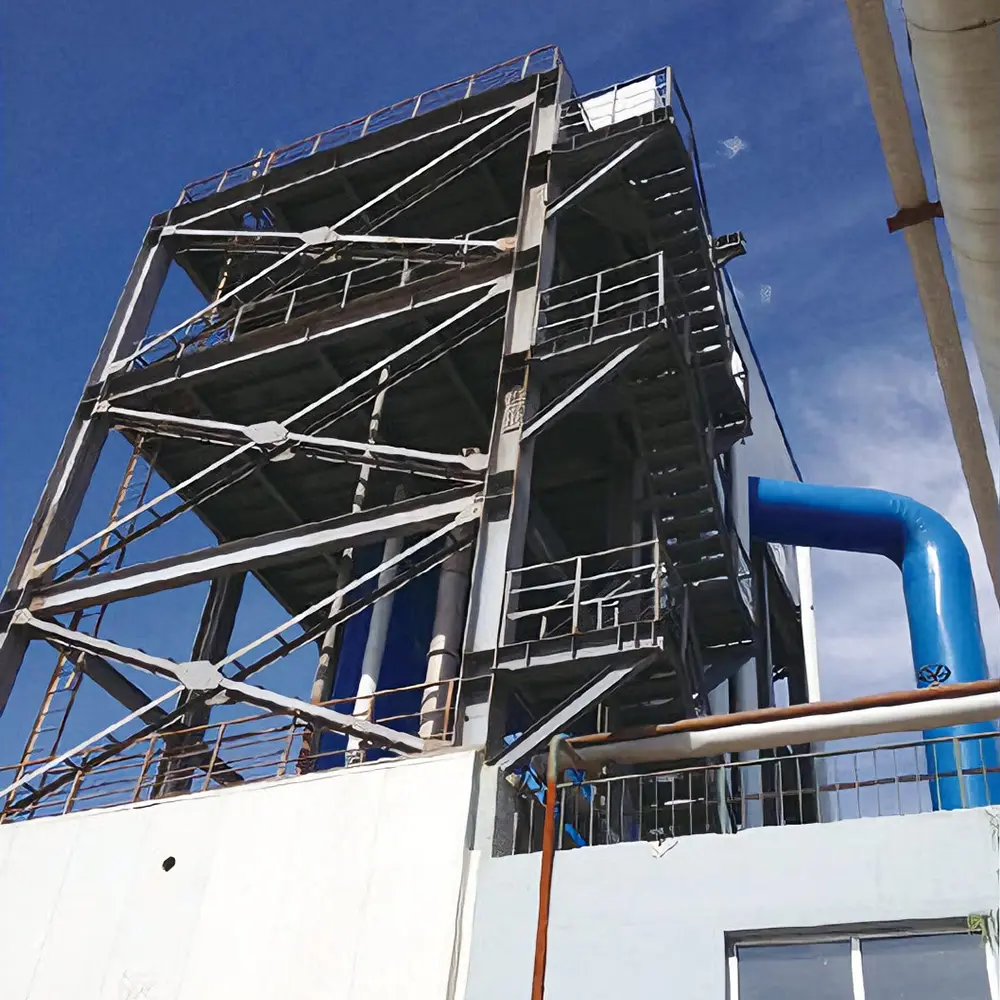
Mechanical Vapor Recompression (MVR) plants offer significant operational savings by reusing steam latent heat, eliminating boiler costs.
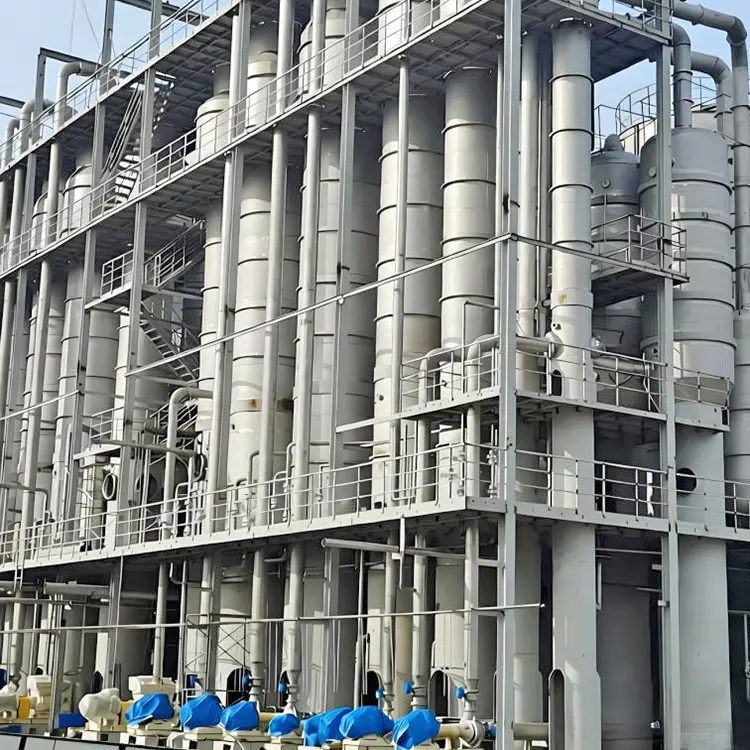
This design integrates multiple waste heat sources—including drying vapors and flash steam—to achieve high concentration cycles at zero net heat cost.
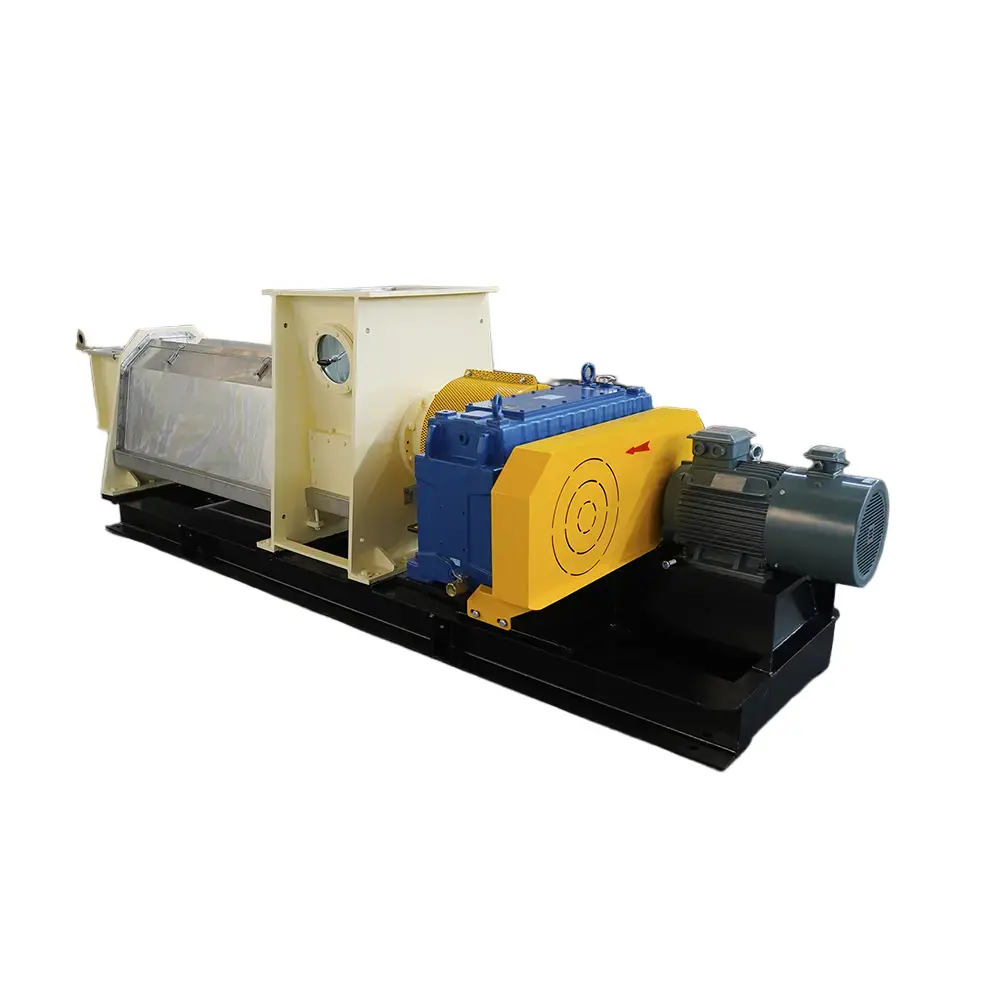
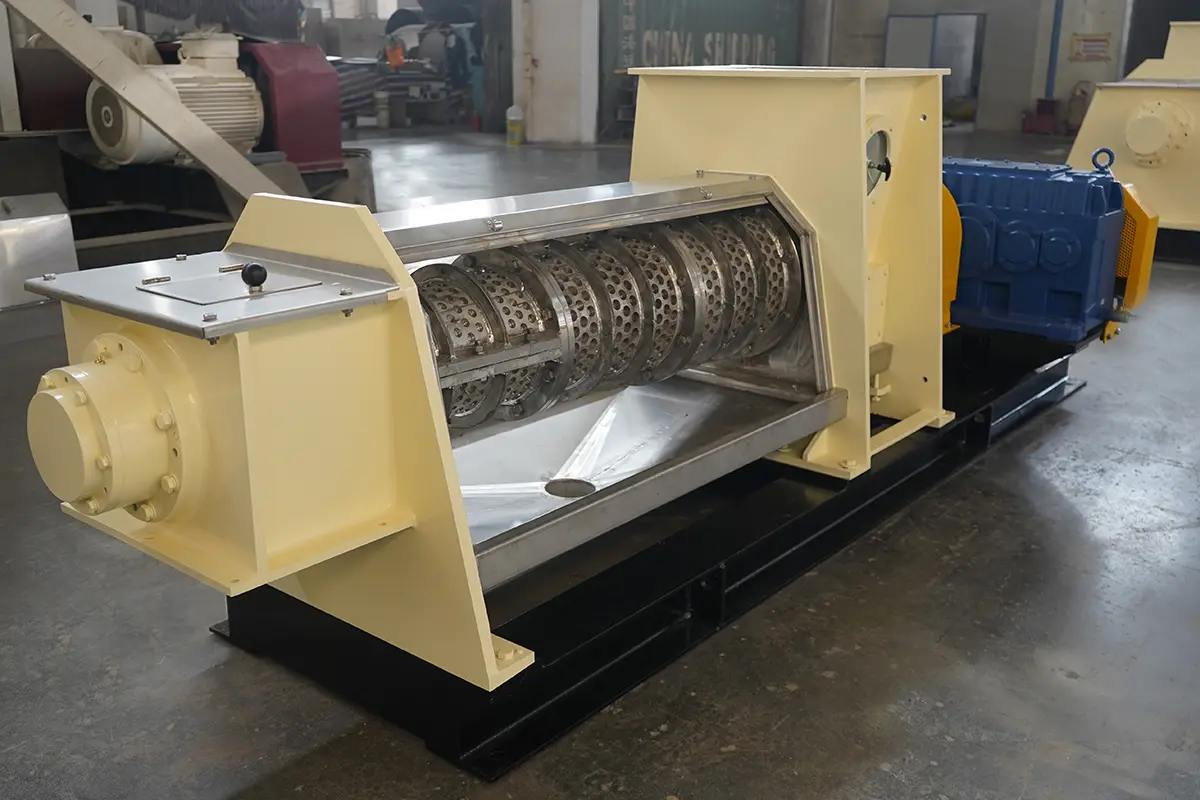
Highly efficient mechanical dewatering press for solid-containing liquids, feed mash, starch, and paper pulp processing.
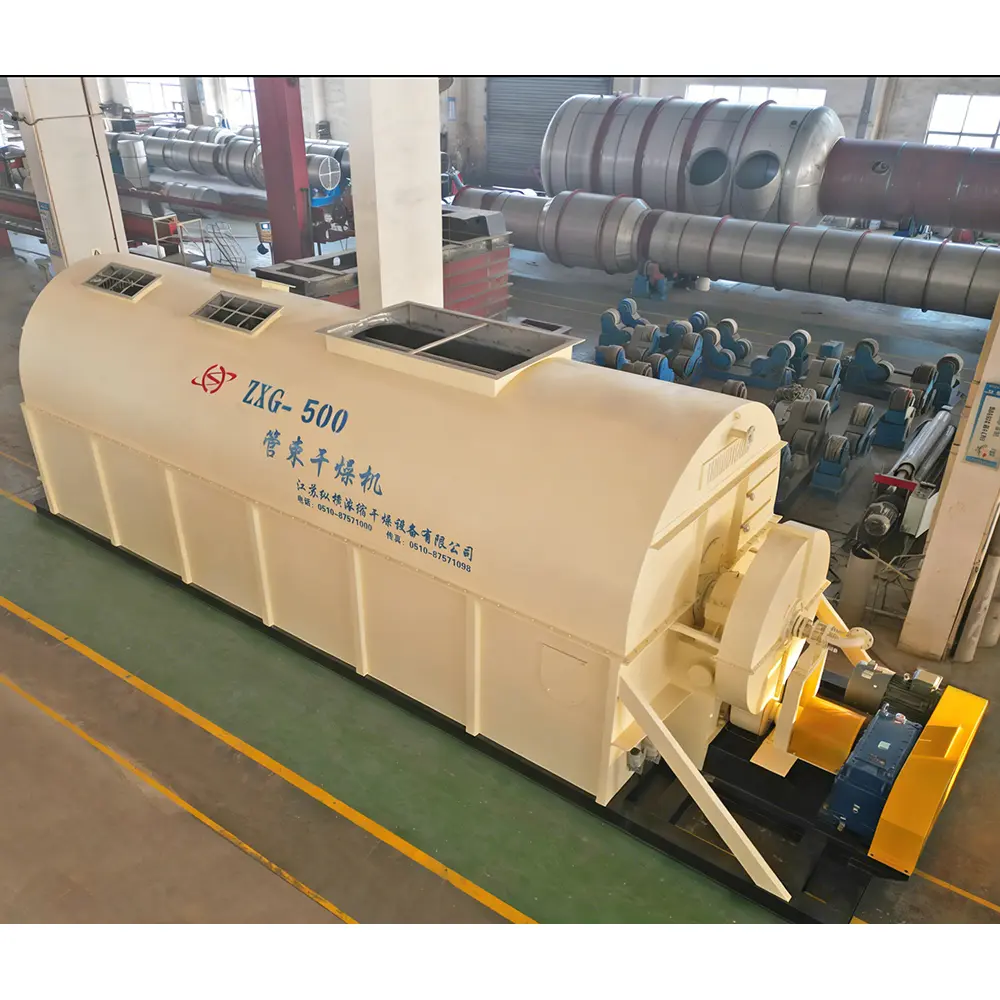
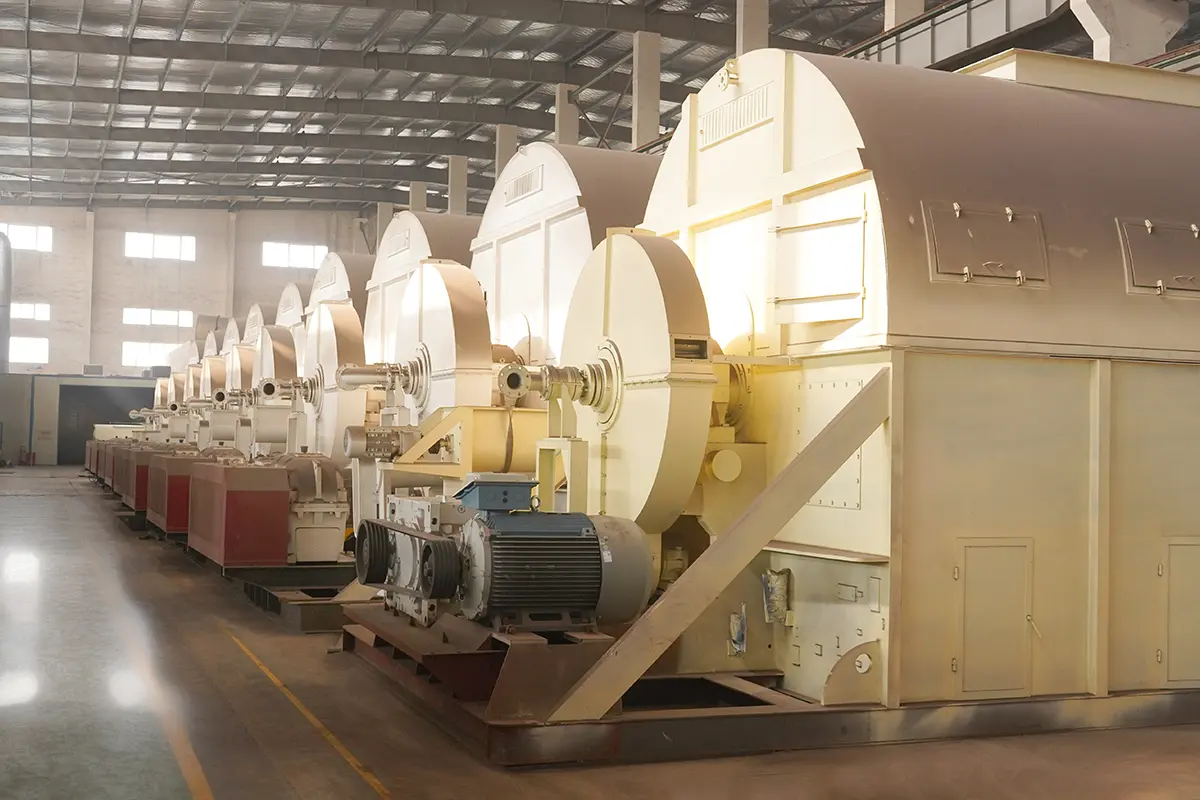
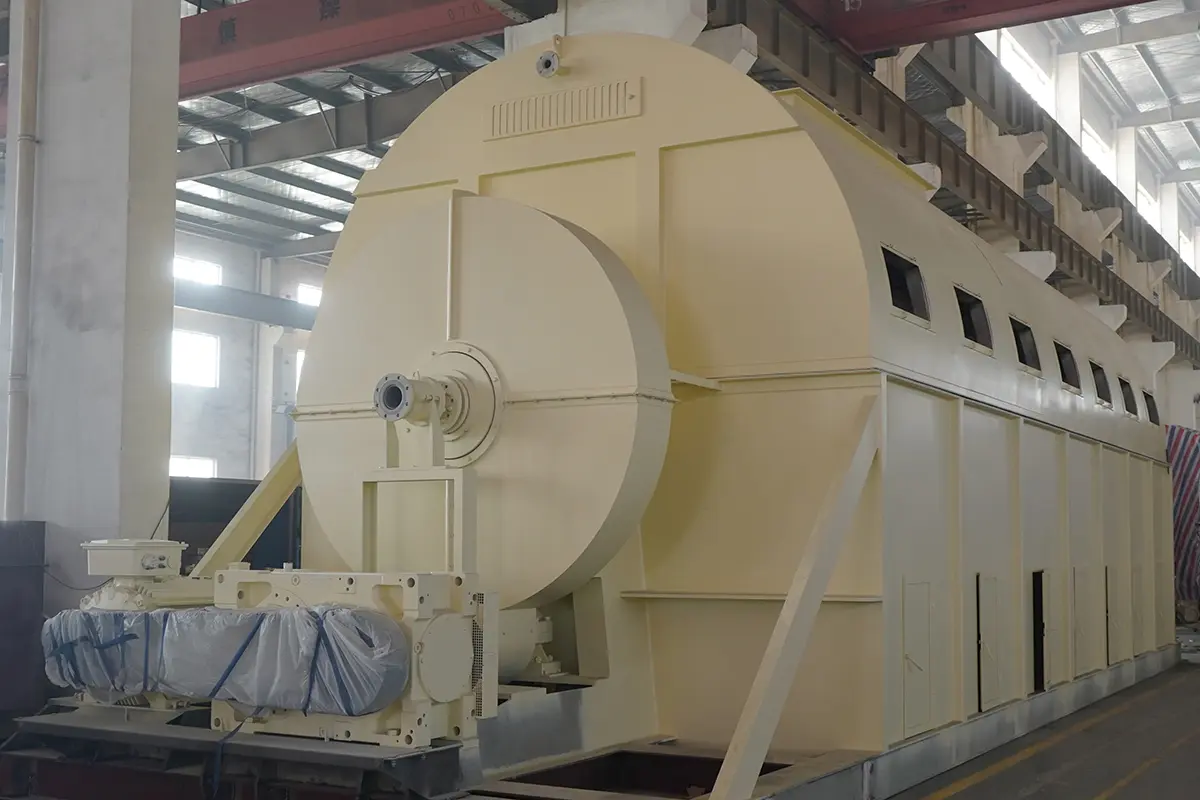
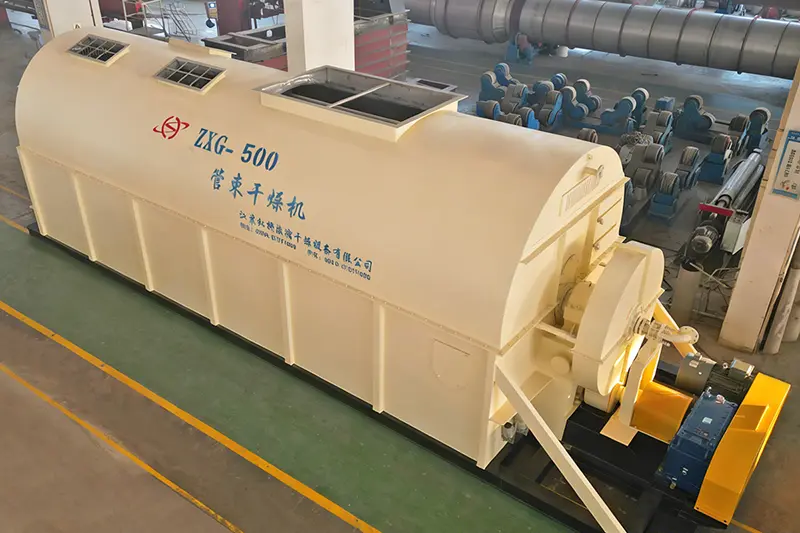
Ensures safe, low-oxygen drying via indirect steam-heated tube bundles rotating inside stationary housings. Outstanding heat recovery rates.
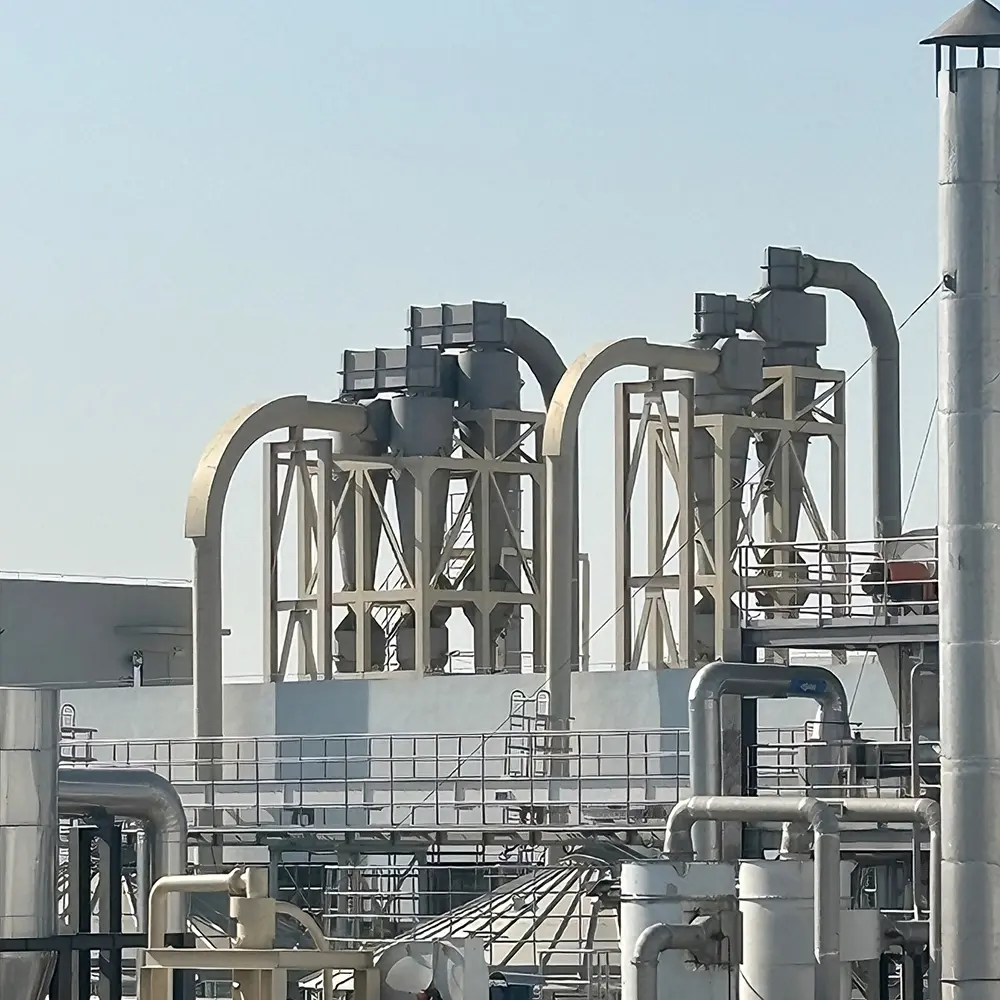
Employs high-speed hot air to suspend and fluidize materials, achieving rapid, uniform drying throughout the conveyance line.
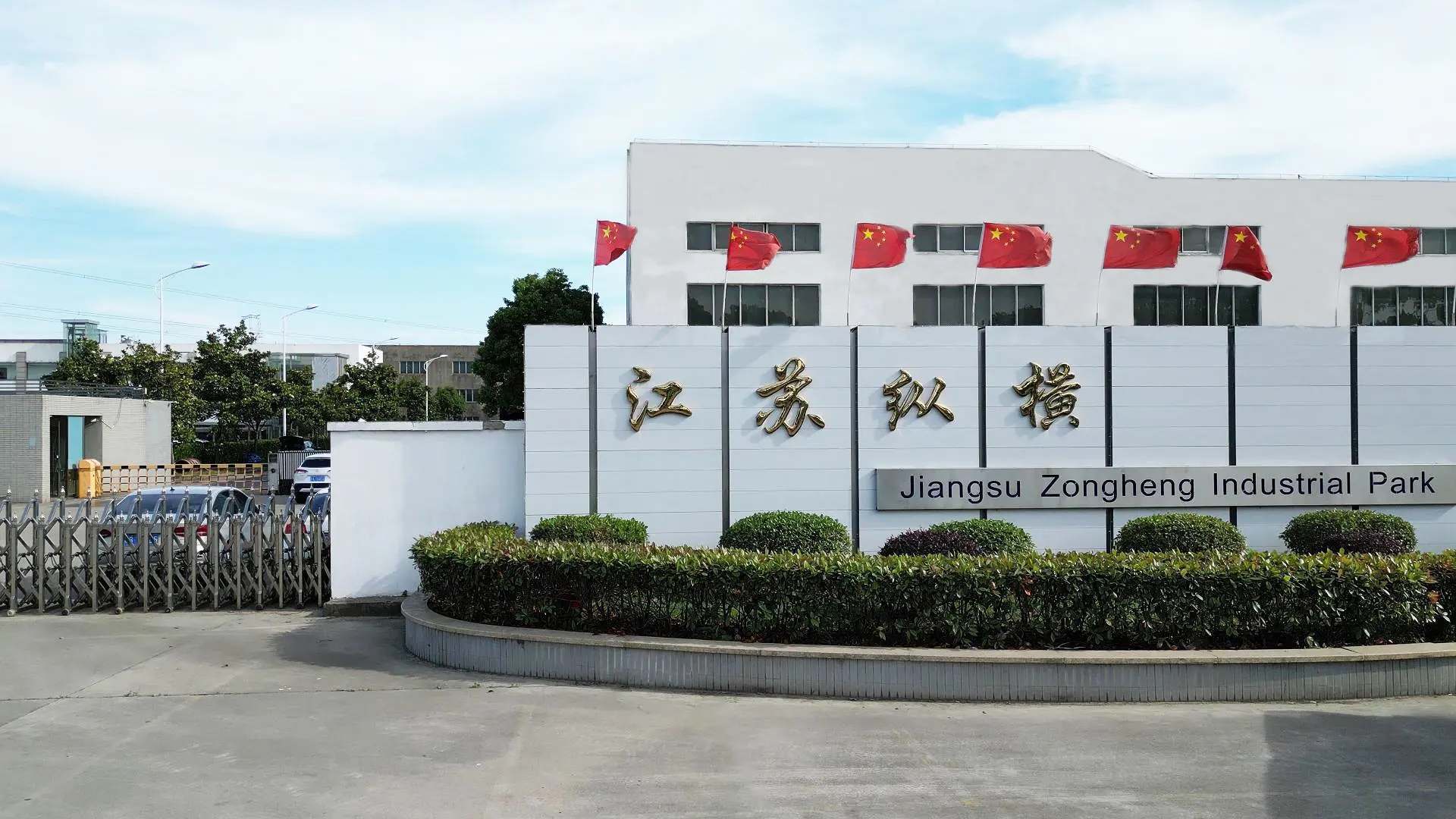
Jiangsu Zongheng Concentrating and Drying Equipment Co., Ltd. (formerly Yixing Yangxi Light Industry Machinery Factory), founded in 1992, is situated in Zhoutie Town, Yixing City, on the shores of Taihu Lake. Covering an area of over 54,000 square meters, including more than 22,000 square meters of production workshops, our facility supports full-scale structural design and production.
As a modern high-tech enterprise, we specialize in concentration, drying, starch systems, alcohol DDGS, and Category III medium and low-pressure vessel engineering. We maintain structural memberships in the China Starch and Alcohol Association, serving partners in chemical, pharmaceutical, food fermentation, and petrochemical industries worldwide.
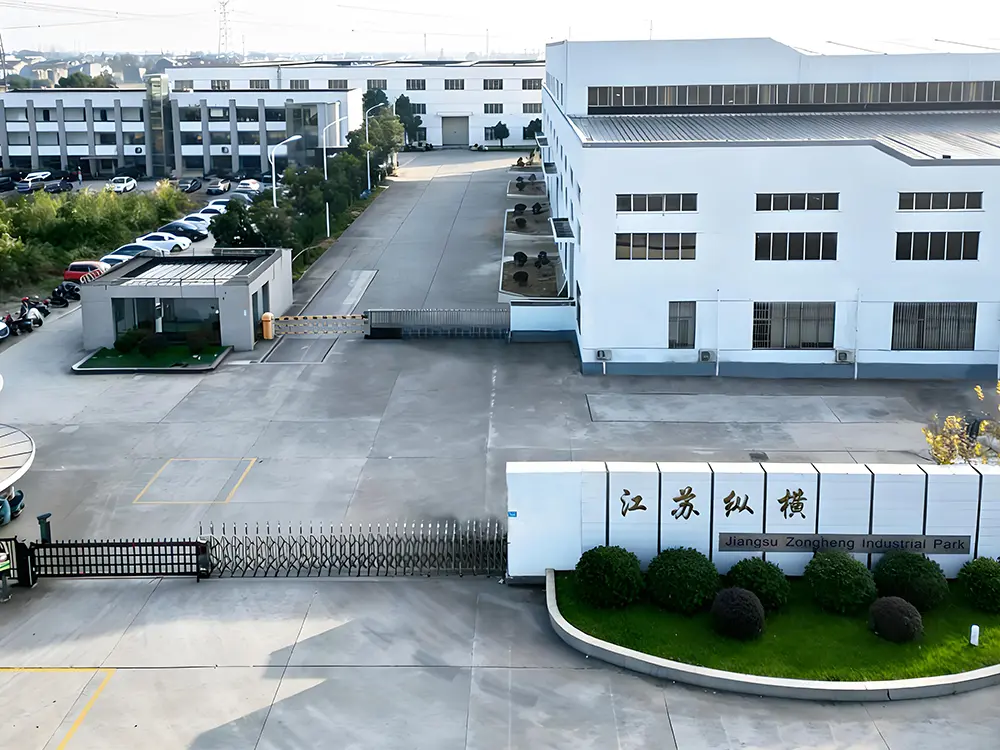
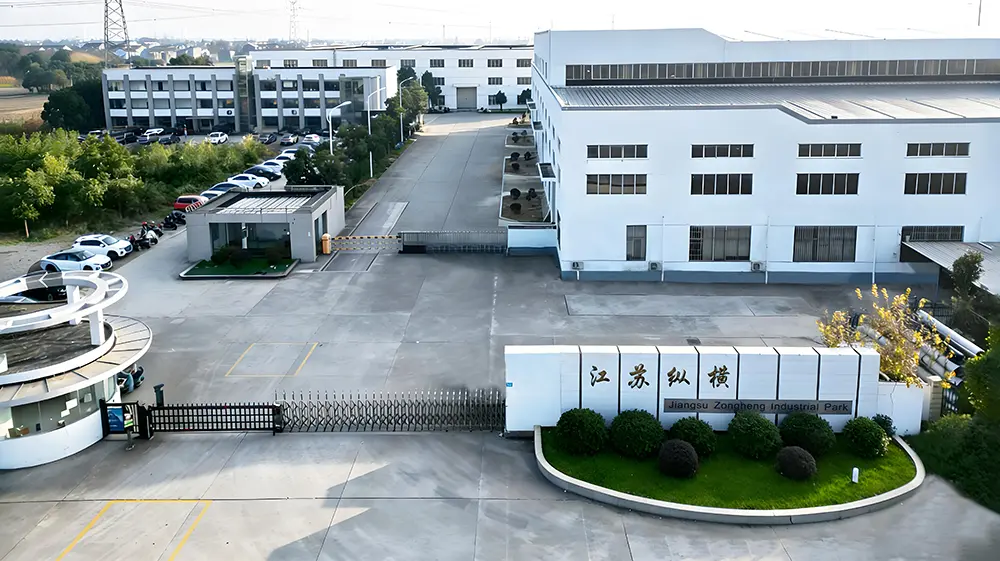
Our facility covers over 54,000 square meters with 120 staff members, including 3 senior engineers and over 20 structural design engineers.
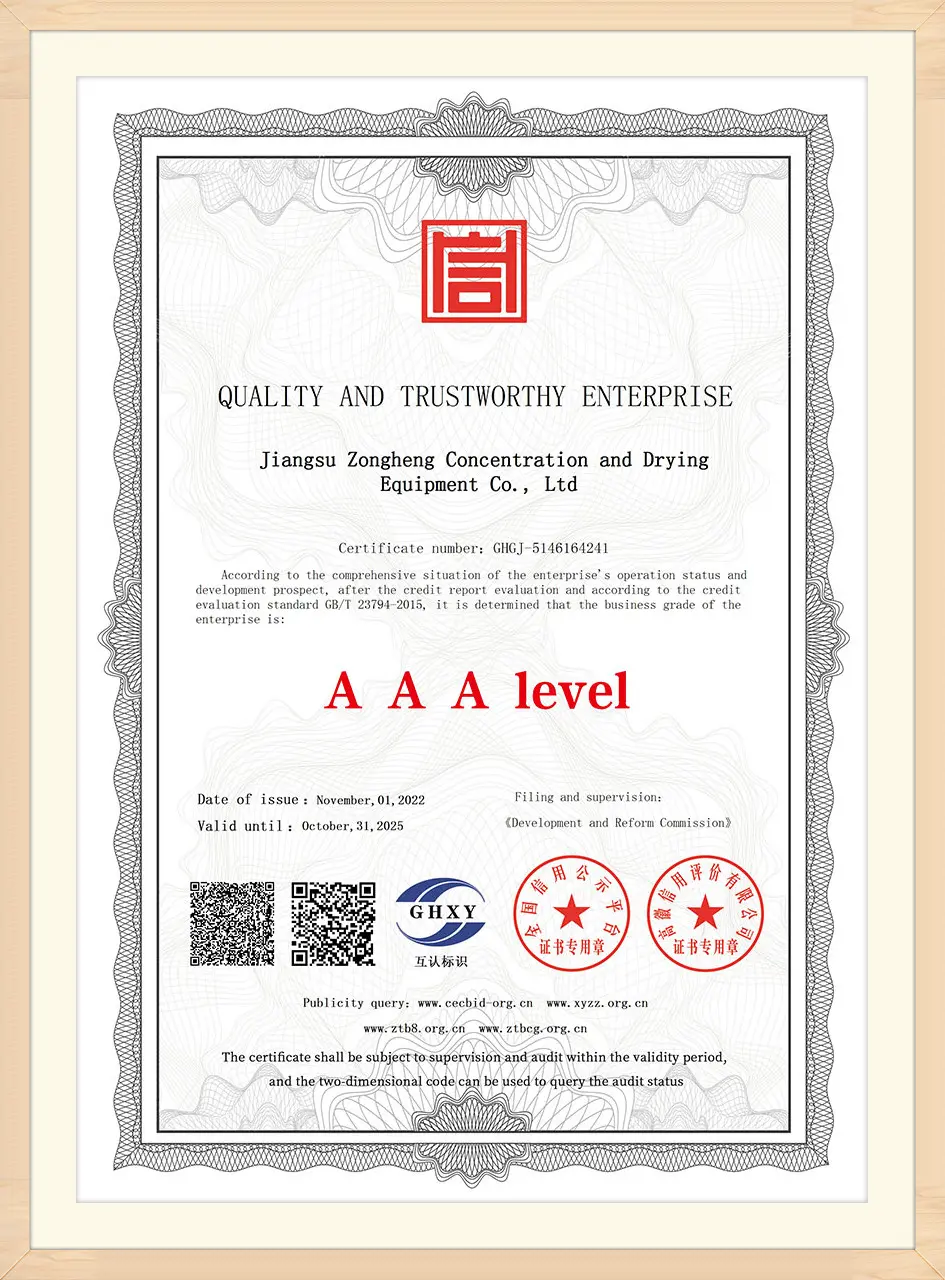
Achieved international quality system certification (Certificate No.: 45021), establishing a complete quality assurance system aligned with international standards.
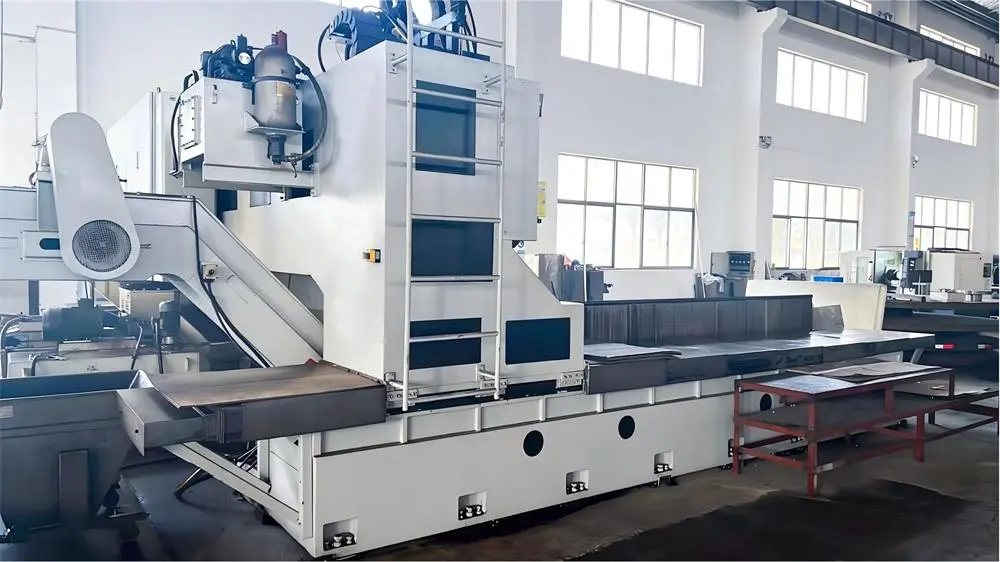
Acquired the ASME "U" Stamp authorization, marking the company's entry into high-end international pressure vessel supply chains.
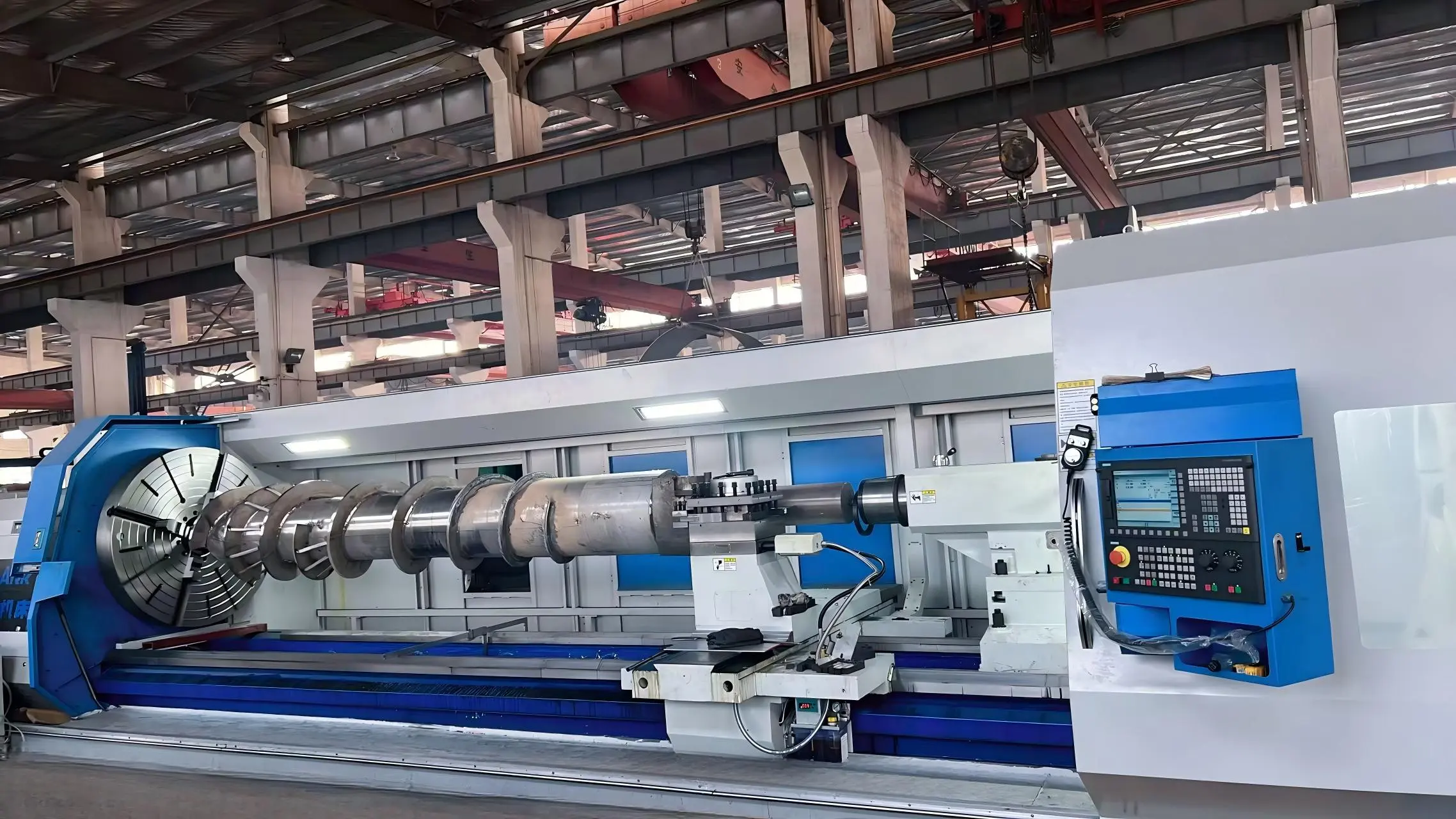
Obtained the Special Equipment Manufacturing License of the People's Republic of China (License No.: TS2232C42) for Category III vessels.
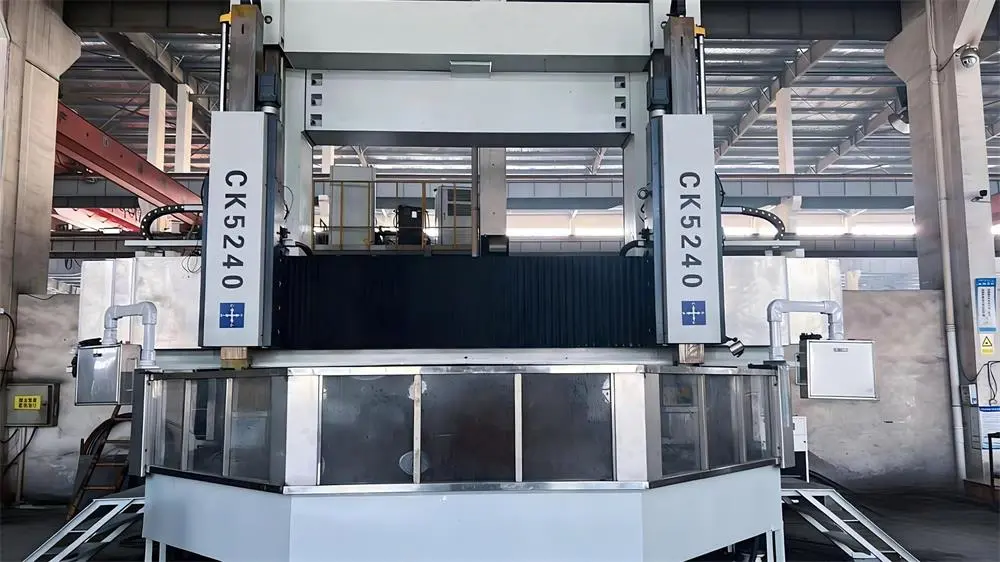
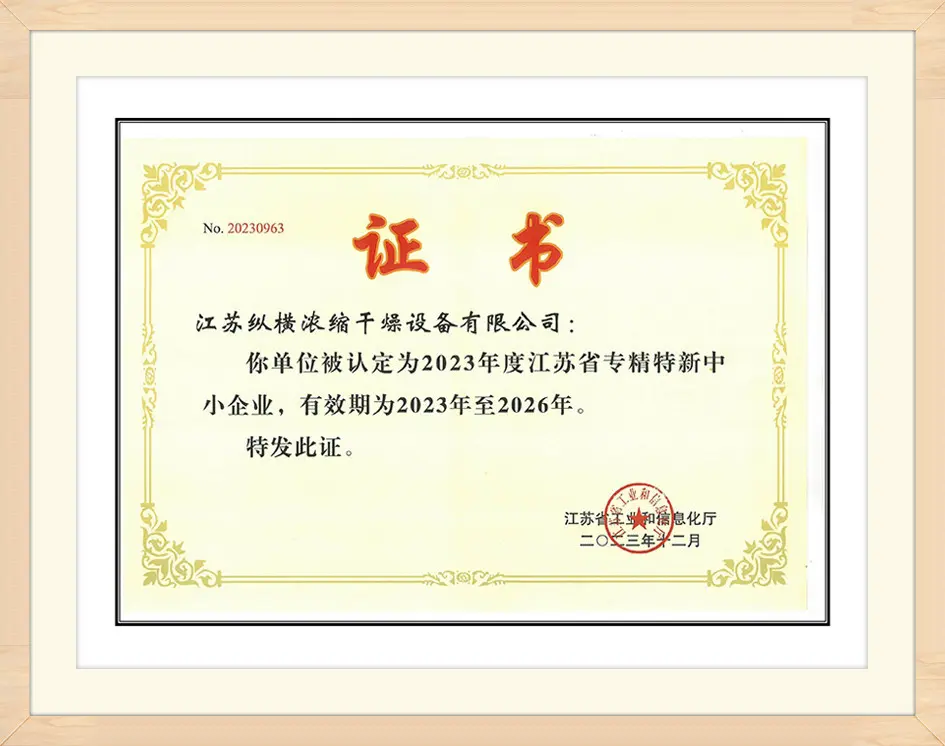
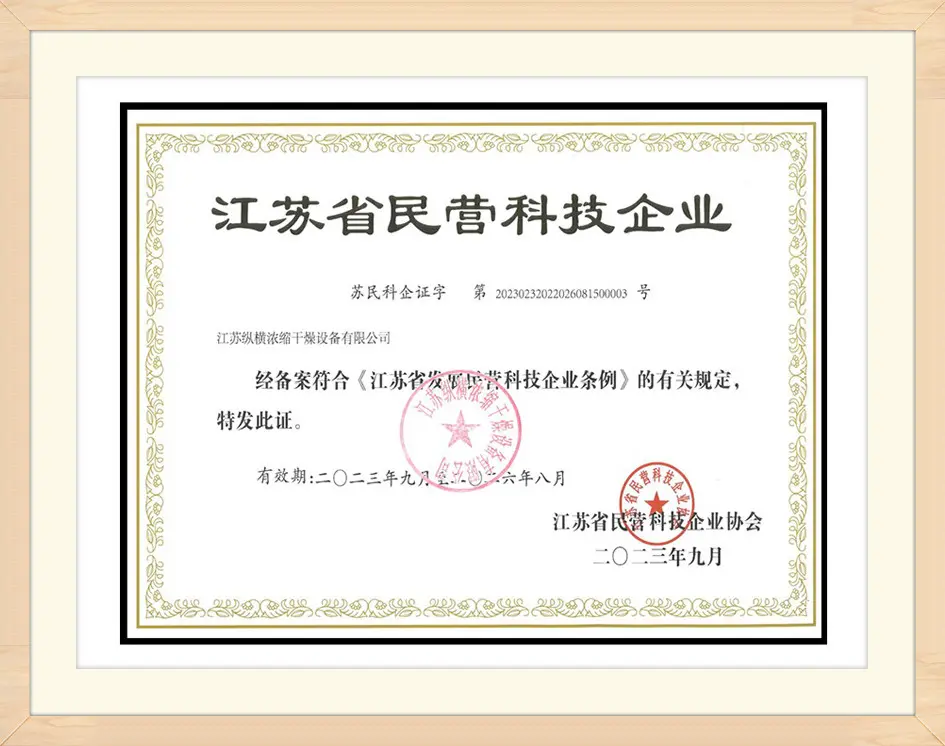
Recognized officially as a Jiangsu Provincial High-Tech Enterprise, following breakthrough designs in energy-efficient evaporator loops.
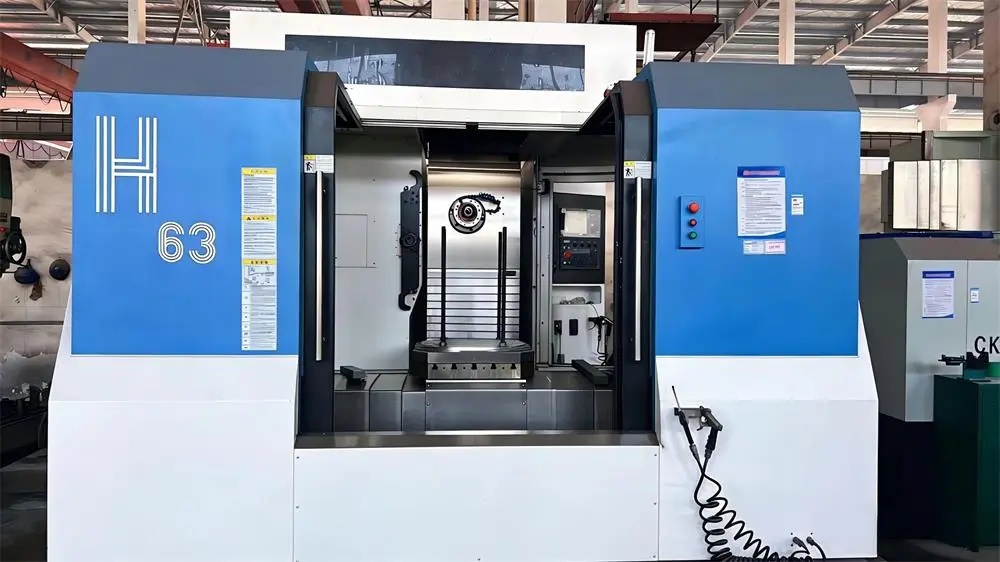
Obtained ISO9001 quality management system certification, systematizing industrial production controls.
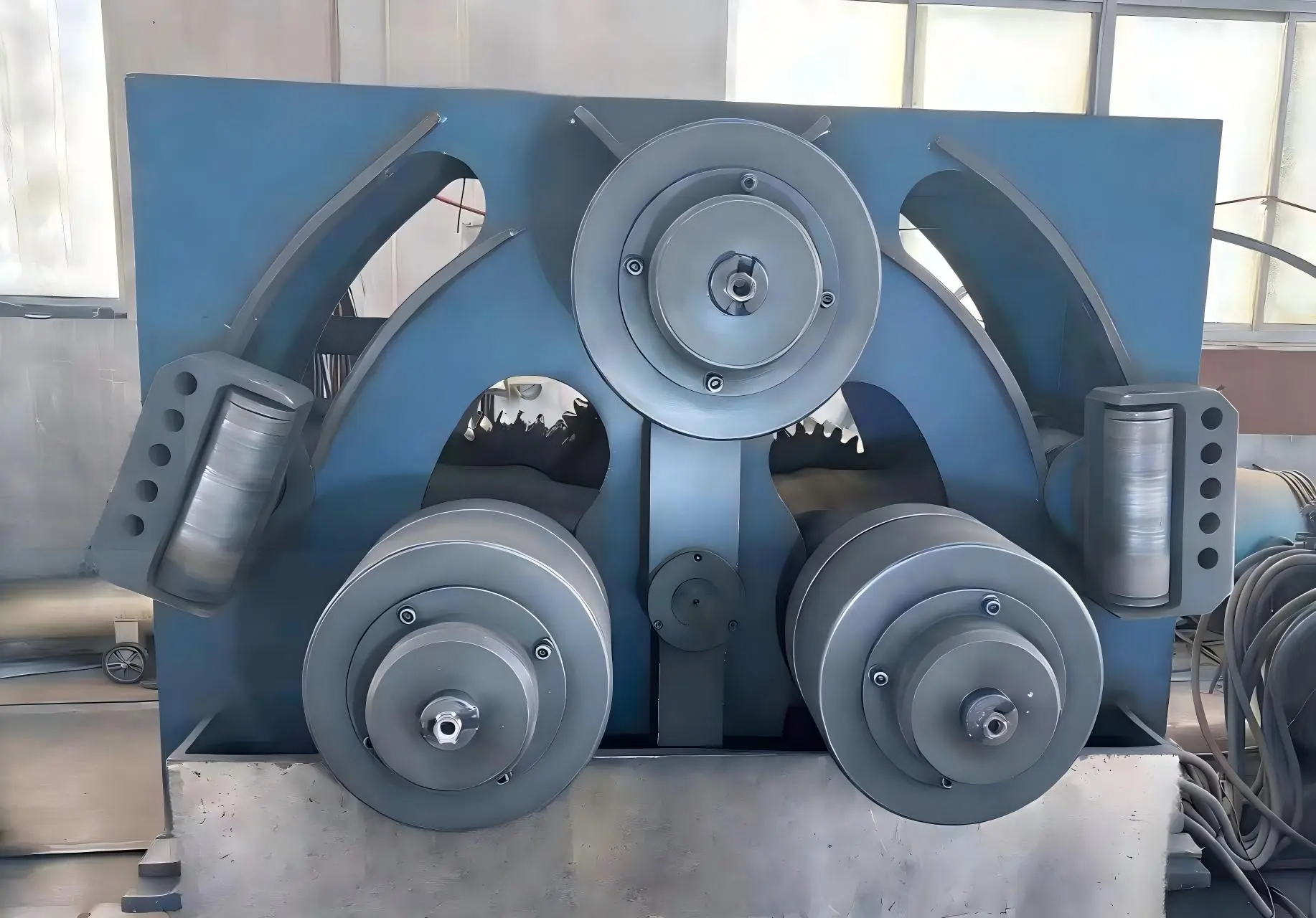
Founded as Yixing Yangxi Light Industrial Machinery Factory on 15 mu of land with 45 employees, supplying domestic machinery.
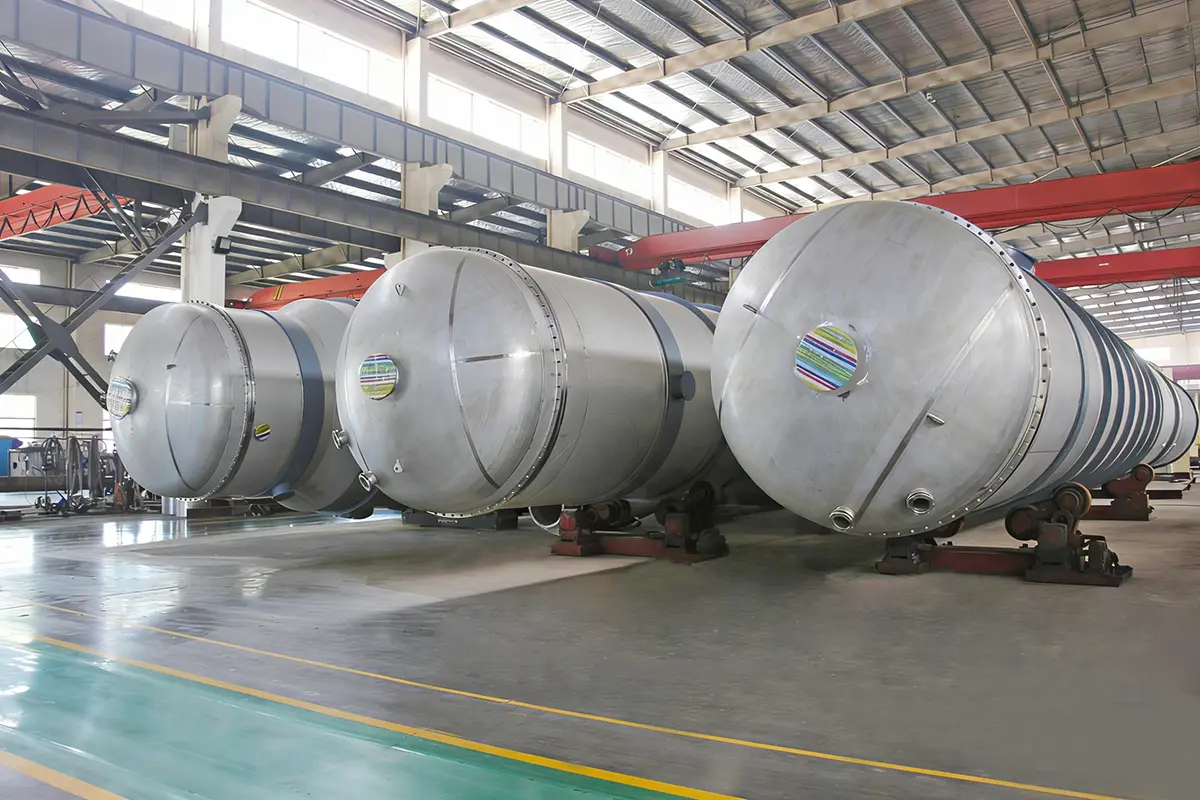
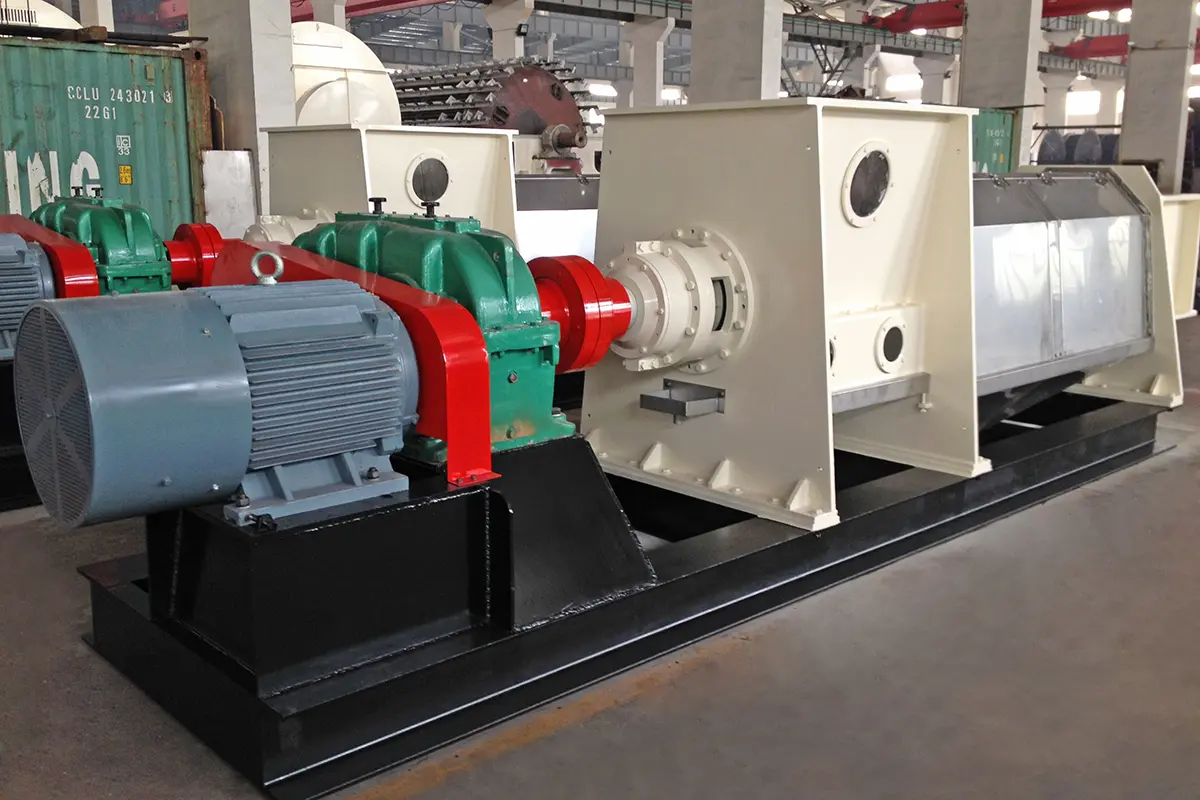

The convergence of industrial automation, smart sensor technology, and thermodynamic optimization defines the next era of chemical process plant design. As a specialized CE-certified manufacturer, Jiangsu Zongheng is actively developing integration pathways to transition static multi-effect systems into dynamically responsive smart utilities. Our engineering team focuses on three key future development fields:
Industrial scale and crystalline build-up inside the tube bundles are the primary drivers of thermal efficiency degradation. By introducing real-time continuous calculations of the Overall Heat Transfer Coefficient (U-value) across individual effects, our upcoming software suites can automatically flag early fouling stages. Integrating this data with automated variable frequency drive (VFD) controls on recirculation pumps allows the system to adjust internal velocities, dynamically mitigating deposit formation before scaling shuts down the line.
Discharging raw industrial brine or highly concentrated sludge into municipal treatment systems is becoming increasingly unfeasible. The future standard is a hybrid concentration loop. By combining pre-concentration Falling Film Evaporators, intermediate Forced Circulation Concentrators, and finishing Solid Dewatering devices (such as the Zongheng Single Screw Press), plants can recover up to 98% of clean process water. This water is then ready to be recycled directly back into the steam boiler loop or the main production line.
As corporations shift away from fossil-fueled steam boilers, modern multi-effect evaporators must be ready to work with alternative heat sources. We are currently testing systems that utilize electric boilers, heat pumps, and closed-circuit recompressors designed to run entirely on green power grids. This technical pathway ensures that the equipment you purchase today remains compliant with future zero-emission mandates decades down the line.
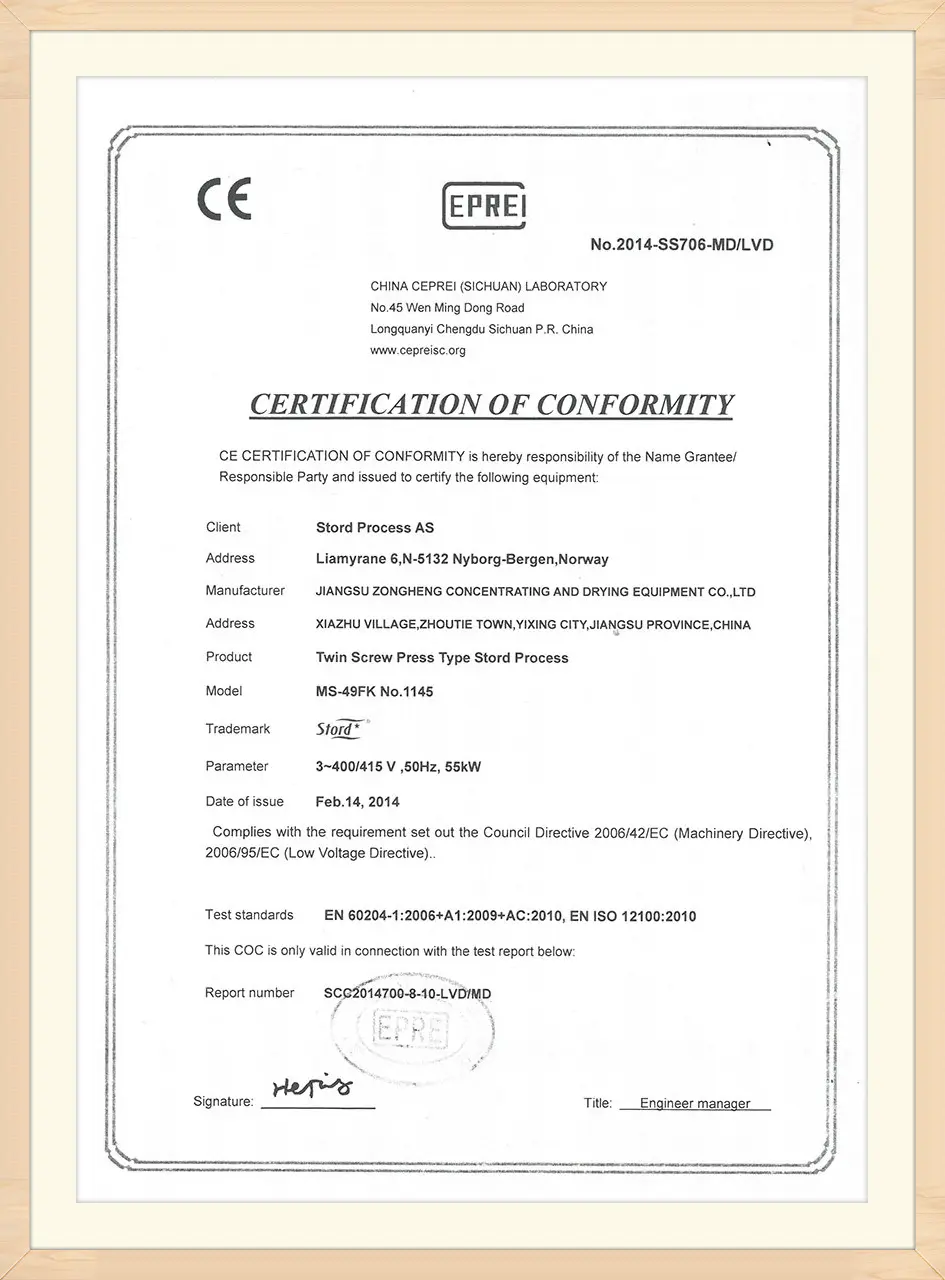
CE Certification ensures the equipment complies with European directives on safety, health, and environmental protection. For industrial evaporators, this specifically means compliance with the Pressure Equipment Directive (PED 2014/68/EU). It guarantees that calculations, material sourcing, structural welding, and safety release valves are manufactured to withstand severe operating pressures without risk of failure, offering verified safety reassurance to operators worldwide.
A falling film evaporator relies on gravity to distribute liquid downward as a thin film on the inner surfaces of heated tubes, ensuring rapid heat transfer and a short residence time—ideal for heat-sensitive liquids. A forced circulation evaporator uses high-capacity recirculation pumps to force the liquid through heat exchanger tubes under pressure, preventing boiling within the tubes to suppress scaling. This makes it perfect for viscous fluids, high-solids crystallization, and materials prone to scaling.
Yes. By capturing hot exhaust air, low-pressure flash steam, or drying vapor from equipment like tube bundle dryers, a waste heat evaporator can function as the primary thermal source for the initial effect. This strategy reduces the need for fresh utility steam, turning heat waste into an efficient recovery cycle.
Depending on the chloride levels, pH, and temperature of the process fluid, Zongheng manufactures evaporators using 304/316L stainless steel, Duplex stainless steel (S32205, S32750), Hastelloy, or Titanium (Grade 1 or Grade 2). Full material traceability reports (MTR) are provided in accordance with ISO9001 and ASME specifications.
Key maintenance tasks include periodic Clean-in-Place (CIP) cycles to remove scale deposits, checking and recalibrating temperature and pressure sensors, verifying the alignment and mechanical seals of circulation pumps, and inspecting pressure relief valves. Dynamic monitoring of heat transfer efficiency helps optimize these maintenance schedules, minimizing unplanned downtime.
Get in touch with our design engineers for a custom-tailored multi-effect or MVR system concept blueprint.
Request a quoteLearn more about our manufacturing capabilities, certifications, and international project references.
View Details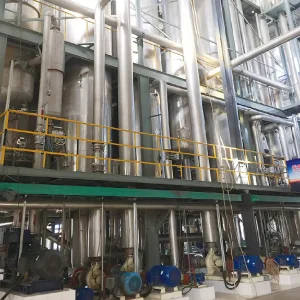
Designed for crystallization processes and handling heavy scaling wastewater concentrates.
View Specifications
CE-marked forced-circulation concentration plant certified for heavy chemical and salt crystallization tasks.
View Specifications
Reduces operational steam requirements to zero during steady operation by mechanical vapor recompression.
View Specifications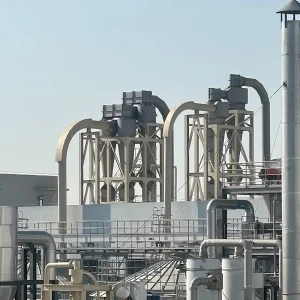
High-speed hot air design for instant, uniform drying of fine organic residues, starches, and powders.
View Specifications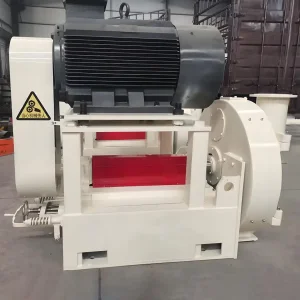
Precision germ removal for corn and maize wet milling plants. Built for structural durability.
View Specifications
Heavy-duty screw press configuration designed to handle high solid-content materials.
View Specifications
Proven solid-liquid separator optimized for DDGS lines and industrial paper pulp dewatering.
View Specifications
Specialized thin-film evaporator designed for food, pharma, and organic solvent concentration.
View Specifications Zongheng