Premium energy-saving systems and components optimized for globally certified starch and chemical wet-milling lines.
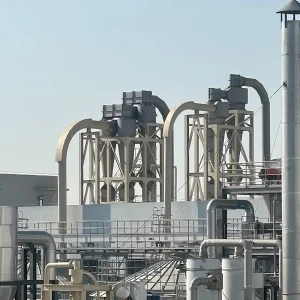
Jiangsu Zongheng Factory MQG Design utilizes flash expansion drying principles for food-grade starch uniformity.
Explore Technology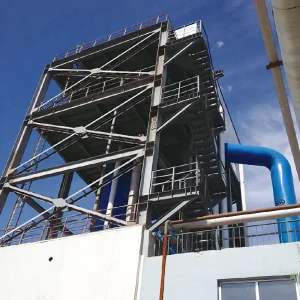
Mechanical Vapor Recompression loops designed to minimize thermal footprint in food, chemical, and waste processes.
Explore Technology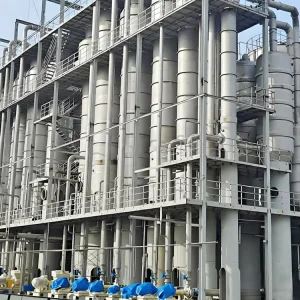
Innovative heat recovery architectures designed to turn exhaust steam into thermal input for starch plants.
Explore Technology
High-efficiency evaporation configurations reducing steam dependency down to nominal fractions.
Explore Technology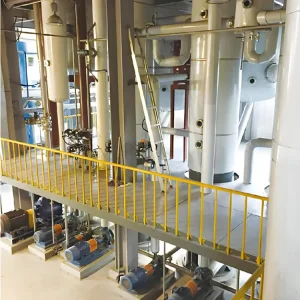
Short retention thermal technology for food and chemical plants demanding high purity levels.
Explore Technology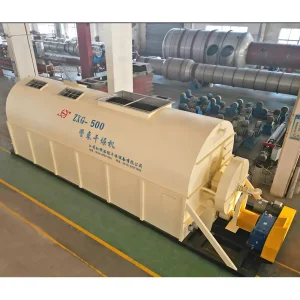
Indirect steam-heated horizontal dryers designed to process heavy bulk solids like corn fiber and germ.
Explore Technology
Designed with customized centrifugal vapor fans and automated PLC monitoring loops.
Explore Technology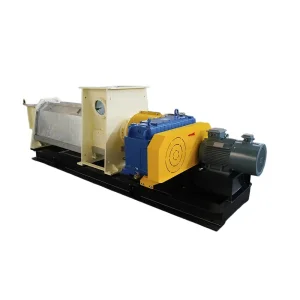
Industrial mechanical squeezing lines engineered for corn starch byproduct handling and dewatering.
Explore TechnologyIn modern industrial wet milling, the isolation of starch granules from complex botanical matrices (such as corn, cassava, wheat, and potatoes) requires extreme centrifugal force. At the heart of this process lies the Hydrocyclone Starch Separator. As global starch processing standards push toward maximum starch recovery and zero yield loss, the micro-fluid dynamic properties of hydrocyclone batteries have evolved. This document explores the engineering mechanics, design parameters, and quality benchmarks that enable manufacturers to secure optimal starch quality and regulatory compliance.
Starch hydrocyclones operate on the principle of centrifugal sedimentation. When the feed slurry (containing starch granules, proteins, fibers, and soluble solids) enters the cyclone tangential inlet under pressure, it generates a high-speed rotational flow pattern. The centrifugal force field (often reaching 3,000G to 4,000G in micro-cyclones) separates the heavier starch granules from the lighter gluten proteins and soluble components.
The heavier starch particles move outward toward the cyclone wall and spiral downward to exit through the underflow nozzle. Simultaneously, the lighter fraction (gluten and water) is forced inward toward the central axis, creating an upward vortex that exits through the overflow vortex finder. Modern systems utilize multicyclone blocks consisting of hundreds of micro-tubes (ranging from 10mm to 15mm in diameter) arranged in parallel to handle high volumetric flows while maintaining a low d50 separation cut point.
Computer-optimized CFD models prevent interior turbulence, ensuring minimal shear stress and preventing starch granule rupture during acceleration.
Connected in 9 to 12 stages, the slurry flows countercurrent to clean process water, ensuring protein levels drop below 0.3% dry basis.
Made from high-grade polyacetal or nylon materials, preventing abrasive wear from sand and inorganic mineral impurities.
In global procurement, a CE Mark is not merely a custom clearance certificate; it is proof of rigorous mechanical and structural safety. For starch washing separators, CE compliance focuses on several directives:
By purchasing certified equipment from a certified factory, procurement teams guarantee reliability and lower insurance premiums for their processing facilities.
Modern starch processing plants require flexibility. Global buyers are moving away from standardized components toward customized separation modules. Factors influencing purchase decisions include:
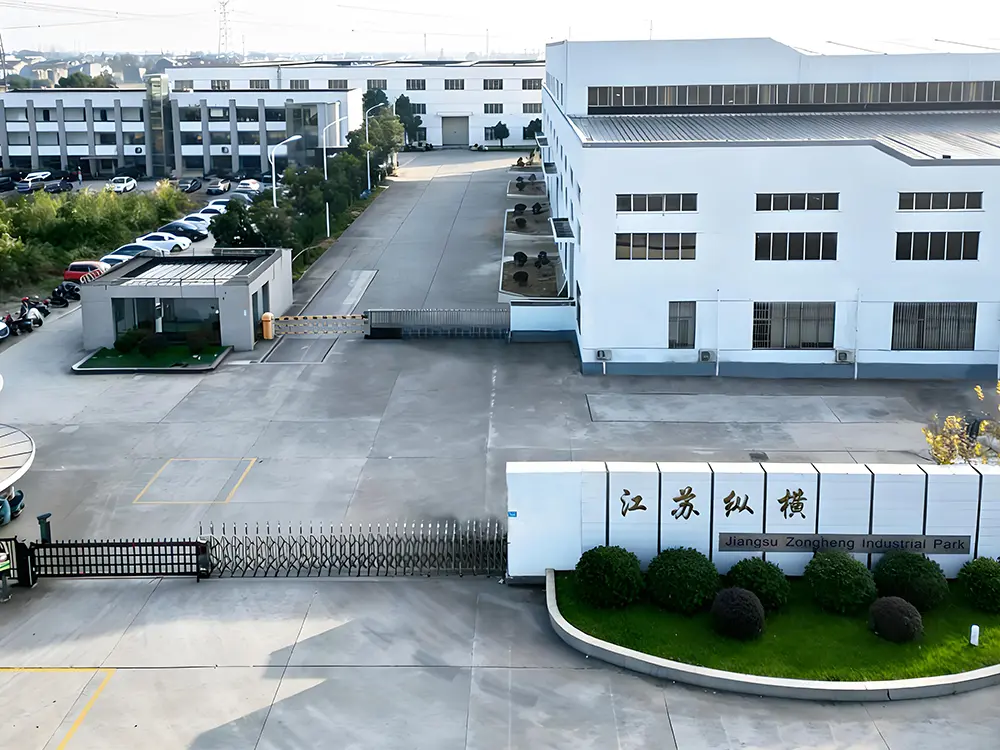
Jiangsu Zongheng Concentrating and Drying Equipment Co., Ltd. (formerly Yixing Yangxi Light Industry Machinery Factory), founded in 1992, is located in Zhoutie Town, Yixing City, on the shores of Taihu Lake. The company covers an area of over 54,000 square meters, with a modern production workshop area of over 22,000 square meters.
We are a high-tech enterprise specializing in the design, development, and manufacturing of recovery and concentration systems, industrial dryers, category-III pressure vessels, and complete starch refining machinery lines. We have served as a leading contributor to industrial efficiency for over three decades.
How Jiangsu Zongheng integrates state-of-the-art production management to guarantee reliable equipment supply chains.
Located near Jiangsu's heavy steel hub, we purchase certified food-grade 304 and 316L stainless steel directly from major mills. Automated orbital welding and mechanical polishing ensure zero crevices within piping systems, preventing bacterial growth in starch media.
Possessing both ISO9001 and ASME "U" stamp authorization permits our design teams to align with complex structural safety designs required by global industrial firms, maintaining long-term operations under persistent pressures.
Our operations now span over 54,000 square meters. The staff includes 3 senior engineers and 20+ specialized technicians ensuring customized starch separation design solutions.
Acquired International Quality System Certification (Certificate No: 45021) establishing quality management guidelines across production lines.
Acquired the ASME "U" Stamp Authorization, opening international supply opportunities for pressure vessel applications.
Obtained the Special Equipment Manufacturing License of the People's Republic of China (License No: TS2232C42).
Formally recognized as a Jiangsu Provincial High-Tech Enterprise for industrial drying and evaporation equipment innovations.
Established as Yixing Yangxi Light Industrial Machinery Factory, starting with custom processing for local agricultural units.
Every step in starch extraction requires specific solid-liquid and liquid-gas separation technologies to maintain yield and starch quality.
Jiangsu Zongheng's MQG Airflow Dryer employs high-speed hot air to suspend and fluidize damp starch cake. By utilizing impulse airflow generated from precisely varied tube diameters, it tumbles the particles while conveying them. This design ensures rapid, uniform, and energy-efficient drying throughout the entire pneumatic system.
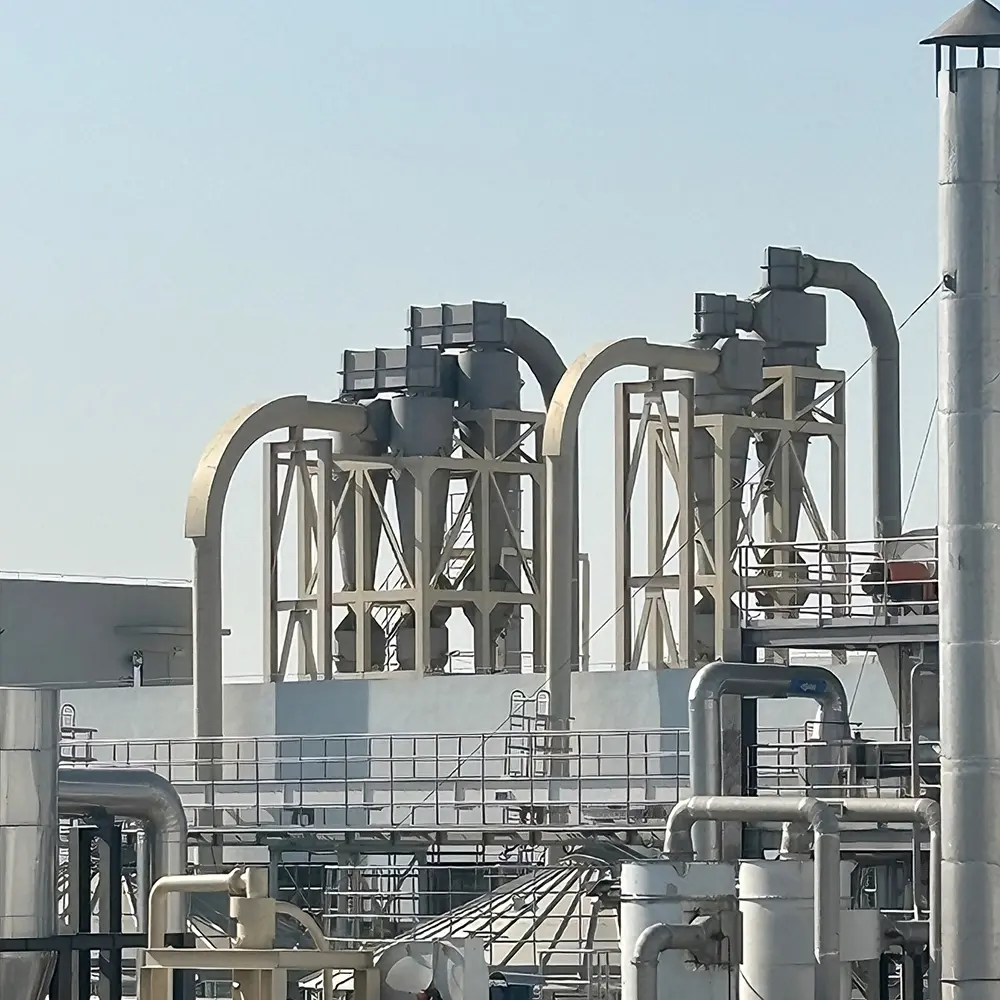
A falling film evaporator efficiently concentrates heat-sensitive liquid matrices like starch washing water, steep water, or organic side-streams. The liquid forms a thin film flowing down heated vertical tubes, where it partially evaporates. Vapor generated flows parallel to the liquid, enhancing heat transfer rates. This configuration guarantees short residence times and low operating temperatures, protecting quality and preventing fouling.
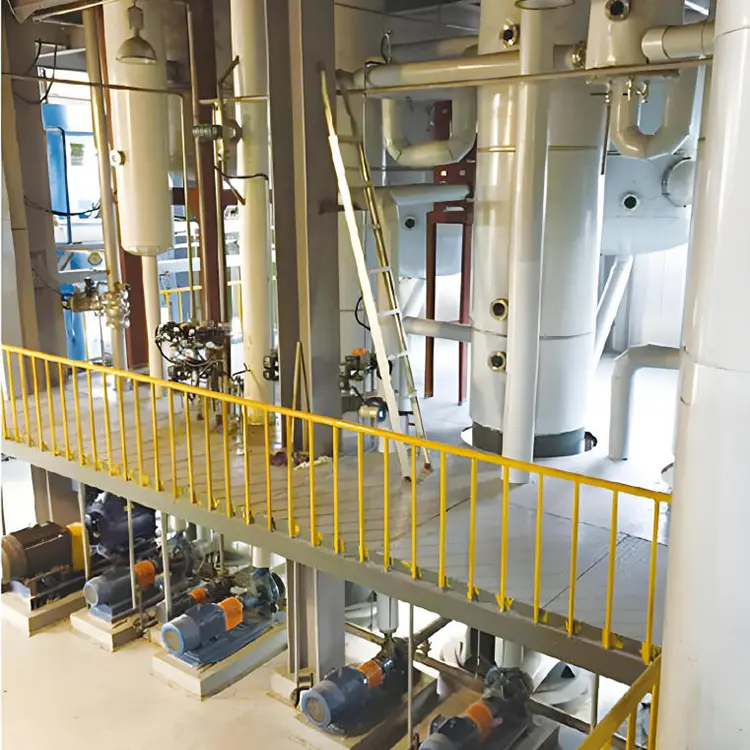
Different starch crops require specialized processing equipment setup adjustments to achieve low fiber residues and high yields.
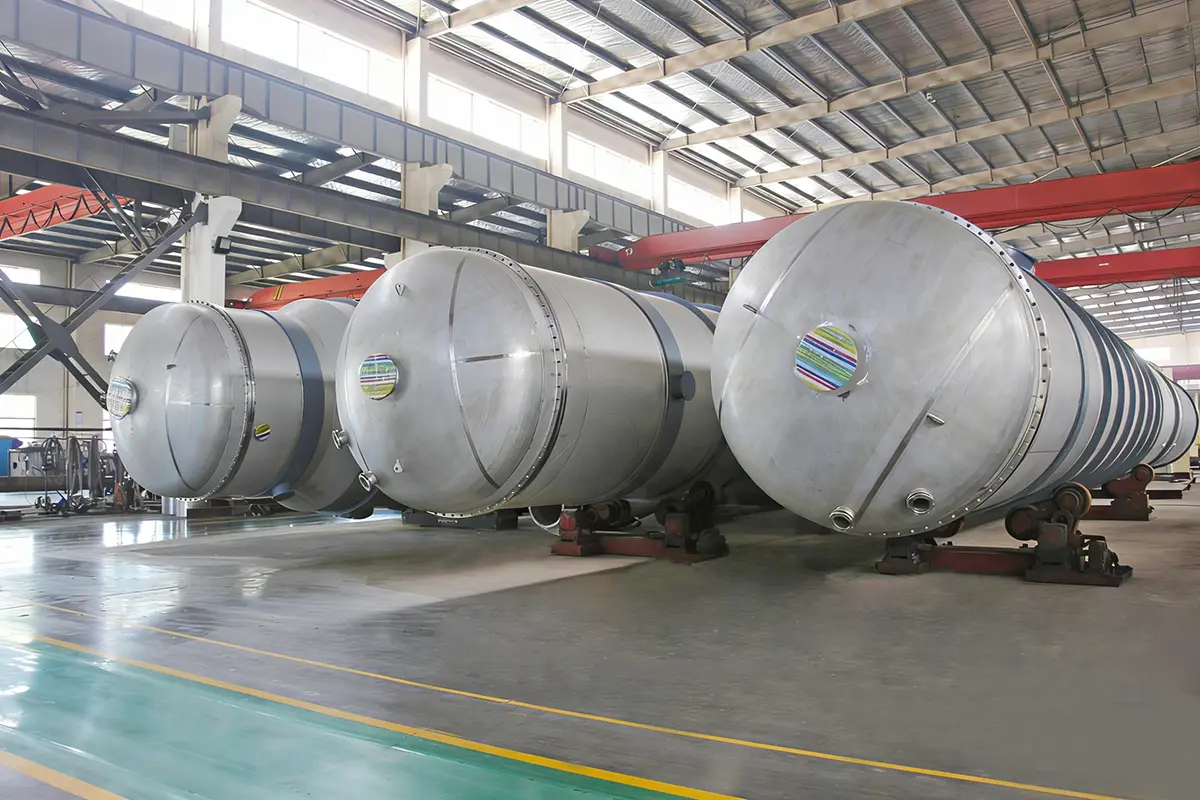
Concentrating corn steep liquor using multieffect falling film setups to produce gluten feed byproducts.
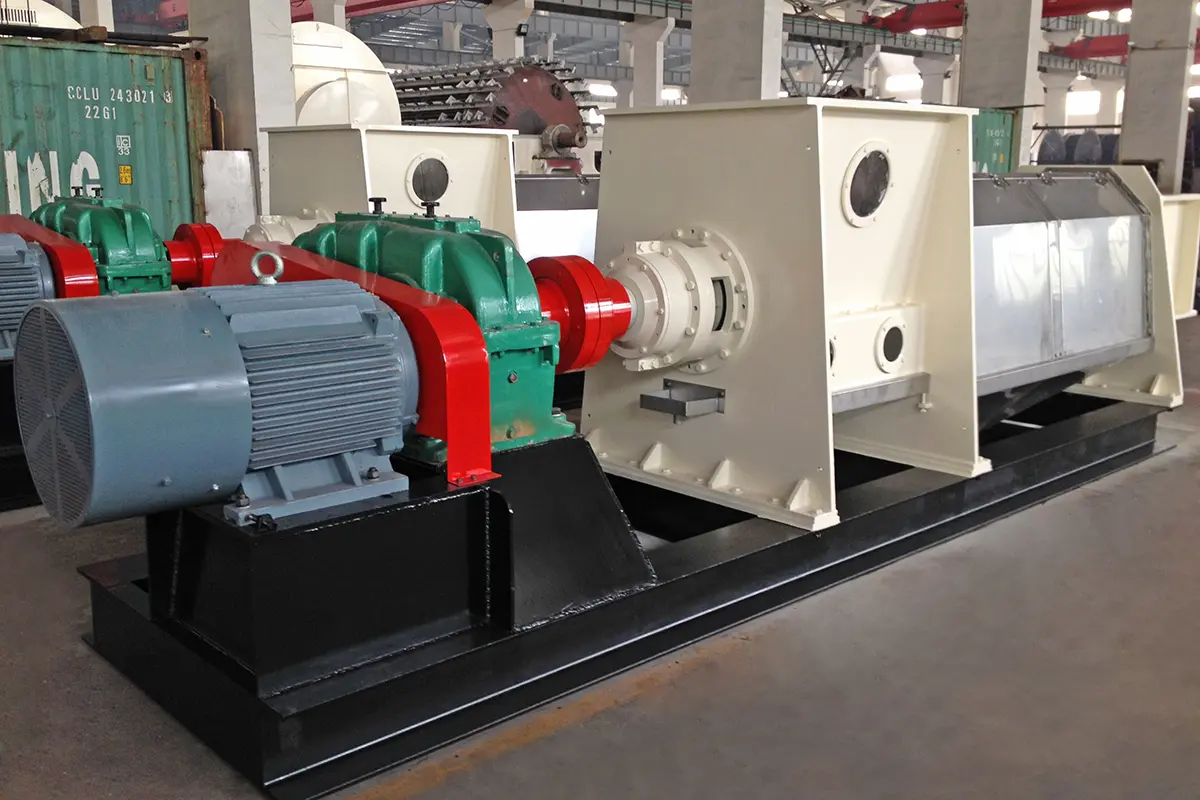
Using robust single screw presses to lower moisture content in fibers prior to steam drying.
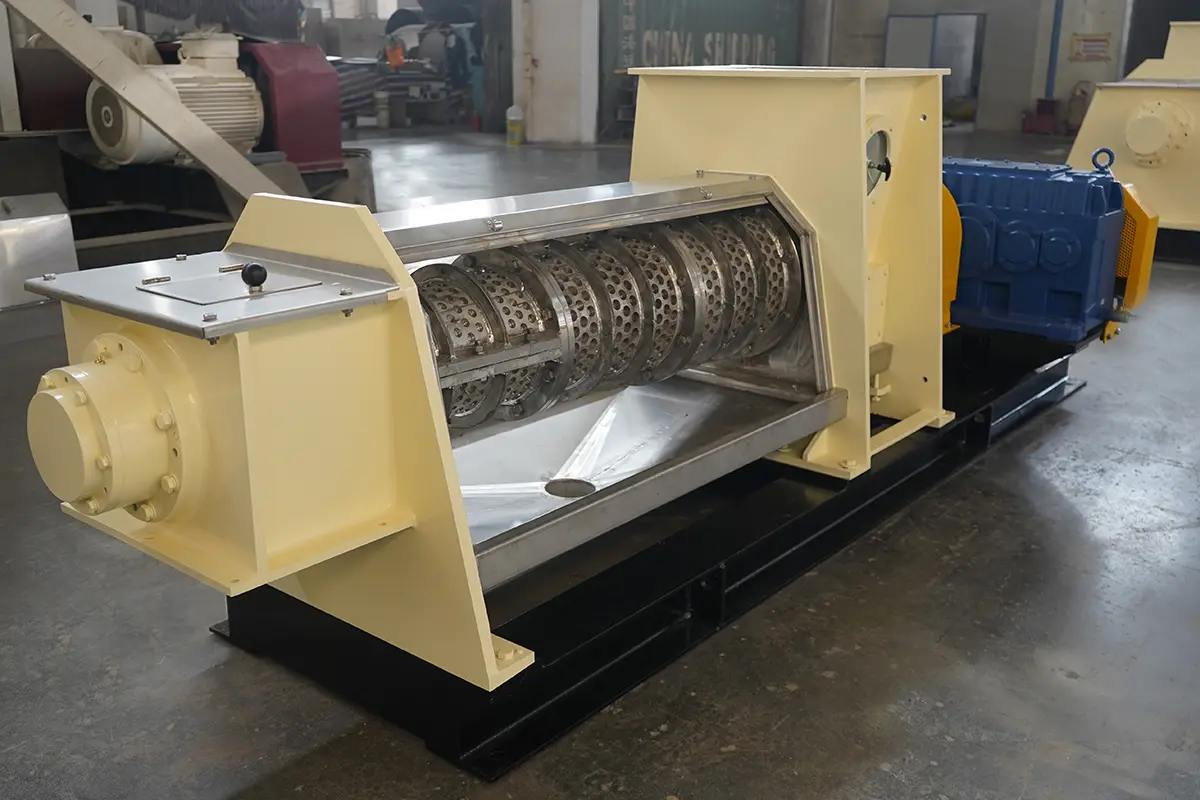
Optimized hydrocyclones washing out cell debris and fine fibers in fast-flow processing lines.
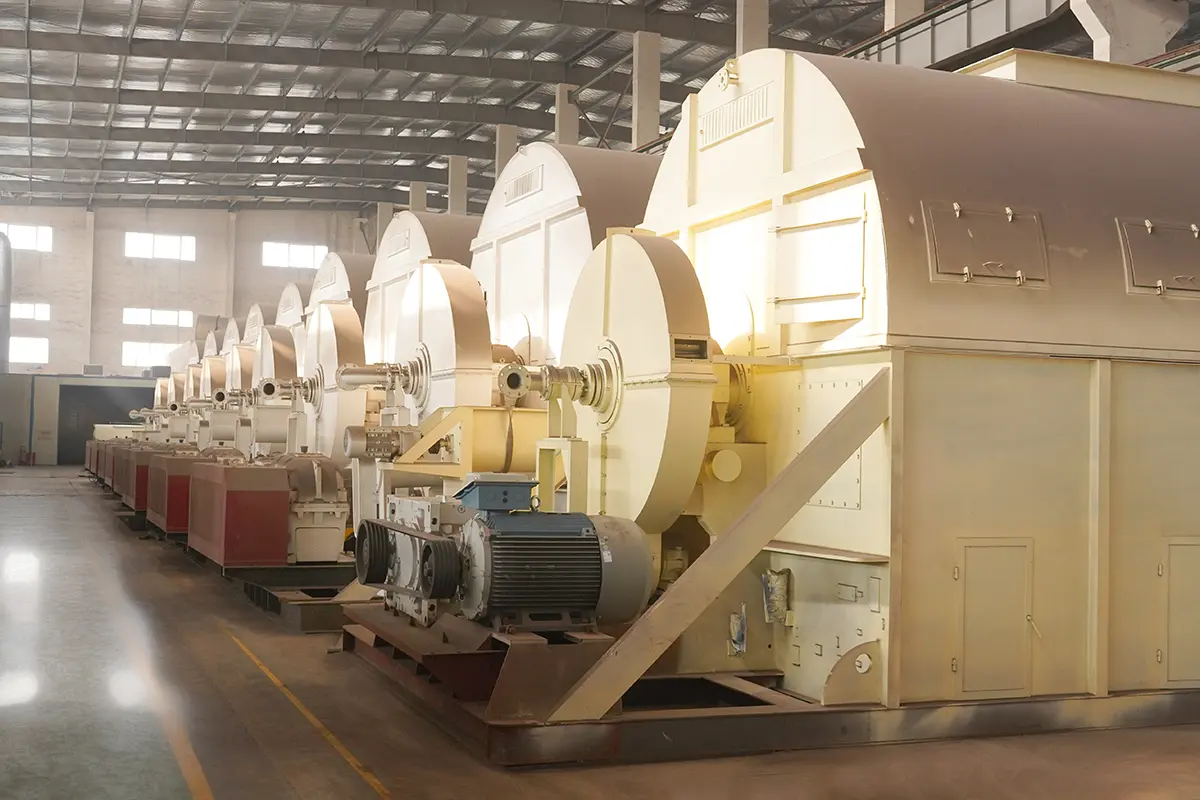
Employing indirect steam heating tube bundle dryers to secure high animal feed protein values.
Our production facilities maintain certifications verifying our compliance with international safety and quality standards.
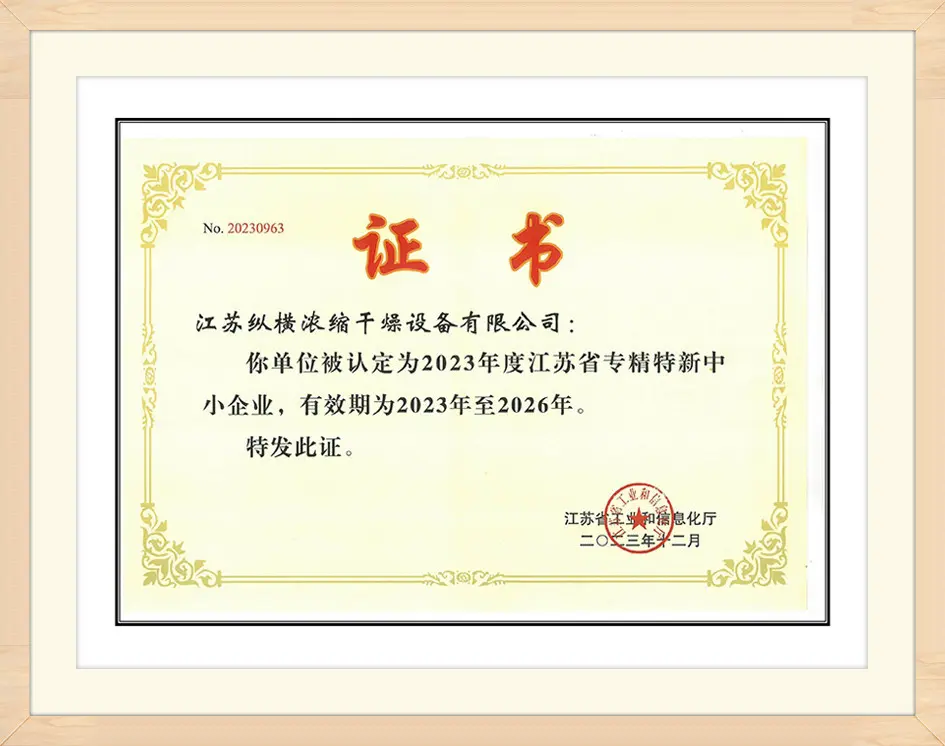
ASME U-Stamp Certificate
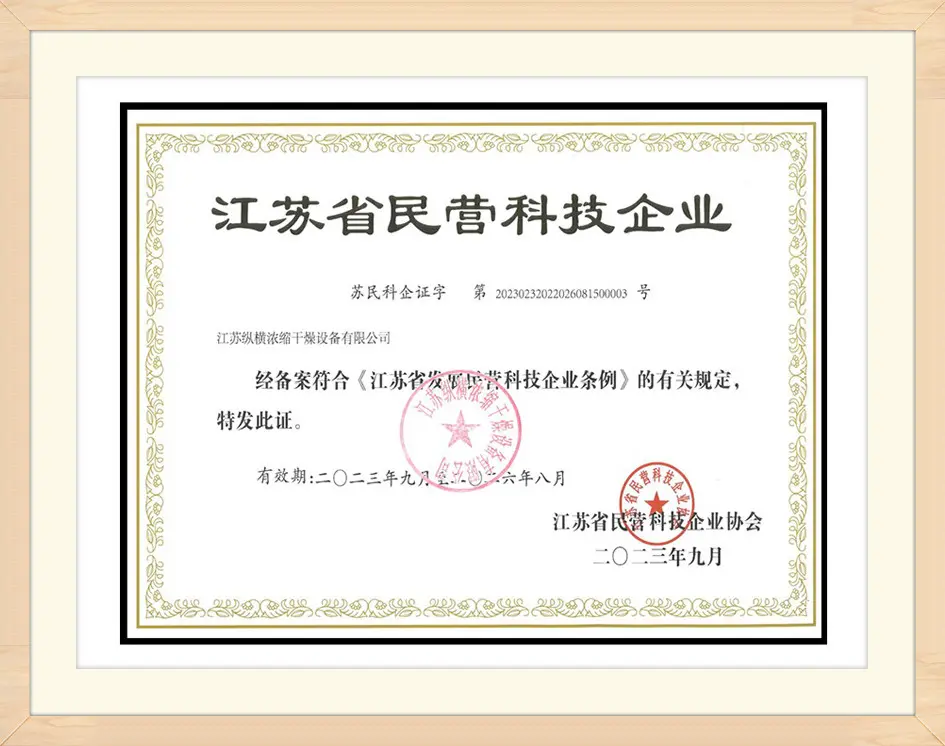
Pressure Vessel Design License
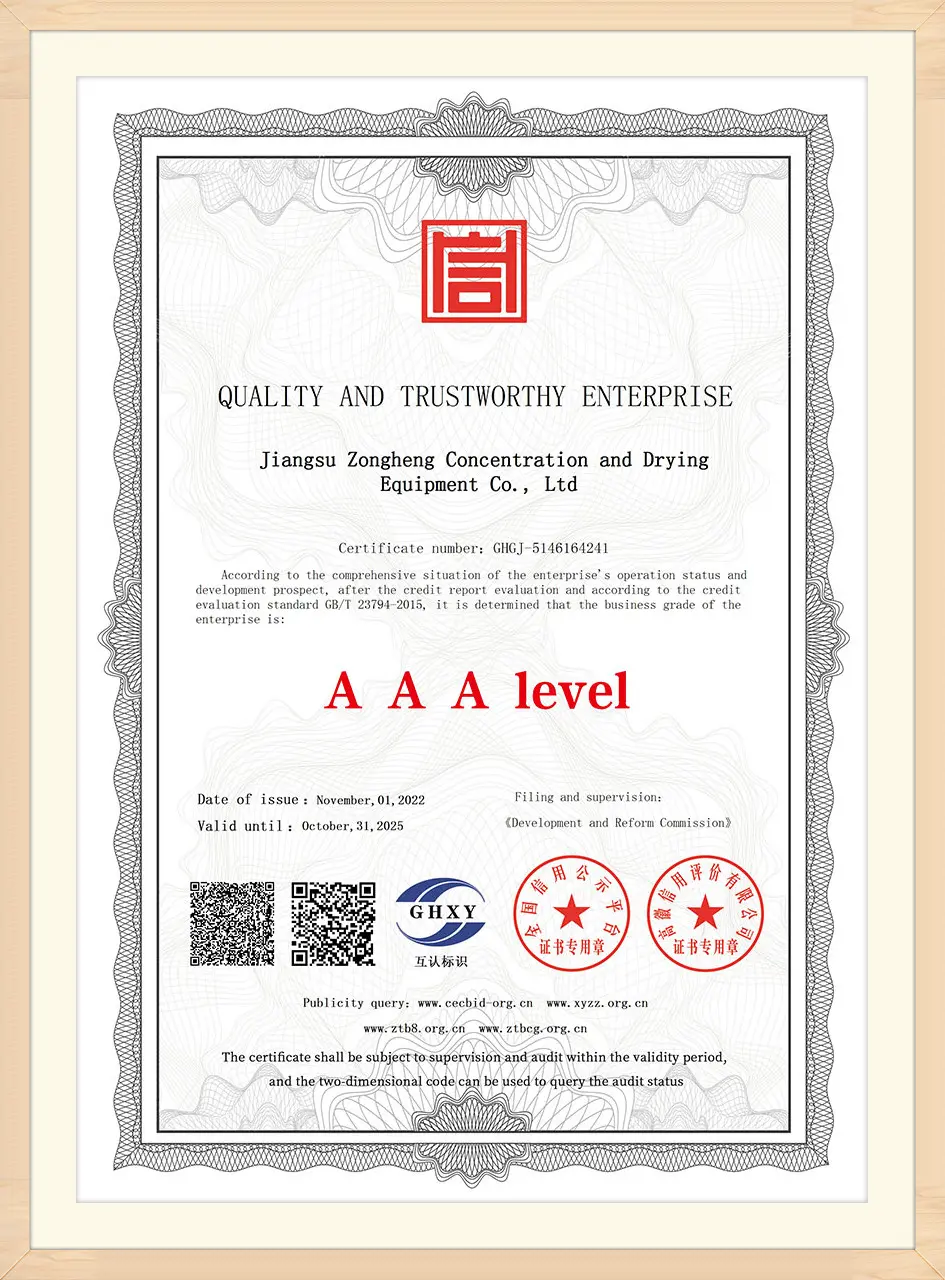
ISO 9001 Compliance Certificate
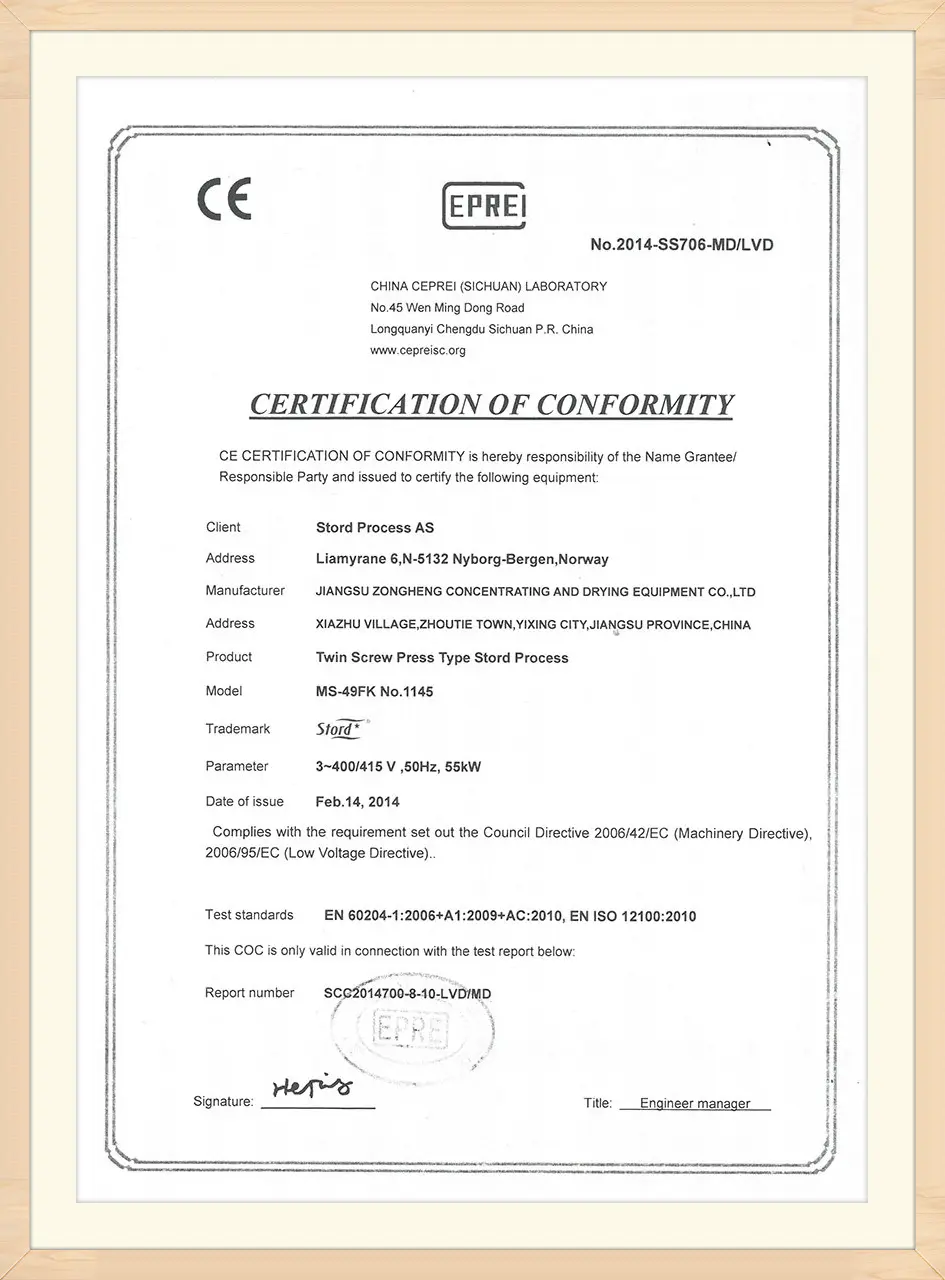
CE Machinery Directive Standard
Talk with our engineering experts to design a system tailored to your production flow.
Expert answers addressing the separation, operation, and maintenance of starch hydrocyclone systems.
Efficient starch washing and separation typically require inlet pressures between 0.40 MPa and 0.60 MPa (4 to 6 bar). Maintaining dynamic stability in this range ensures sufficient centrifugal force to separate the starch from proteins and fibers.
CE certification guarantees that the plant housing, piping, and separation cyclones comply with safety guidelines for pressure vessels and machinery. This verification ensures operator safety, protects structural integrity, and simplifies regulatory clearance in international markets.
The external housing is constructed from food-grade stainless steel (SUS304 or SUS316L). The internal micro-tubes are made from wear-resistant, food-safe plastics like polyacetal (POM) or nylon to withstand abrasive sand particles and fiber friction.
Yes. While the exterior manifold housing remains the same, the internal cyclone cartridges, vortex finders, and feed pressure parameters can be adjusted to match the granule size and density differences of corn, potato, cassava, or wheat starches.
A well-designed 12-stage countercurrent washing block from Jiangsu Zongheng can achieve starch recovery rates above 99.5%, leaving protein residues under 0.35% dry substance in the final product.
Complementary components matching structural configurations, from mechanical water extraction to indirect drying systems.
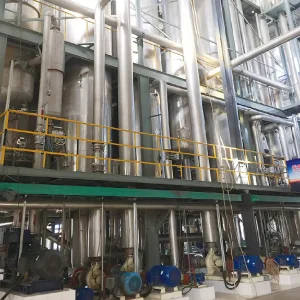
Designed to handle high-fouling process liquids by maintaining high fluid velocities inside heat exchanger tubes.
Explore Technology
A closed-loop drying system designed for safety under low-oxygen parameters, minimizing volatile product risks.
Explore Technology
Configured to maximize energy recovery, significantly reducing operational costs in modern starch refineries.
Explore Technology
Providing robust process operations for wastewater treatment and chemical salt crystallization.
Explore Technology
Designed with custom screw pitches to squeeze water out of high-density organic solids efficiently.
Explore Technology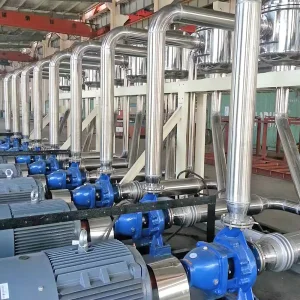
Jiangsu Zongheng YDX multicyclone models engineered for multi-stage refining of potato and corn starches.
Explore Technology
Preserving product quality with low residence times and uniform falling film distribution control systems.
Explore Technology
Providing indirect heat transfer to prevent product oxidation, resulting in high starch quality.
Explore Technology Zongheng