Premium thermodynamic processing solutions engineered for severe duty, high salinity, and scale-prone liquids.
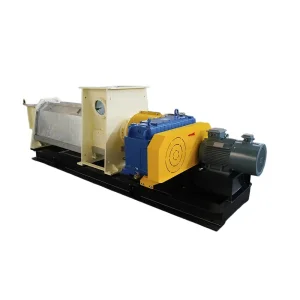
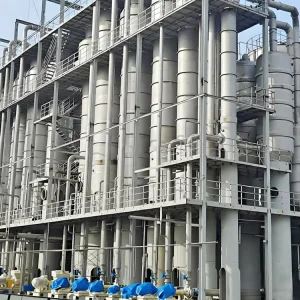
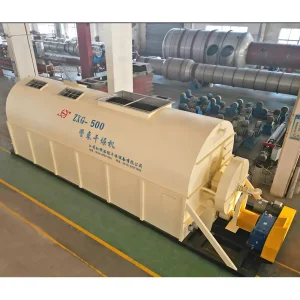
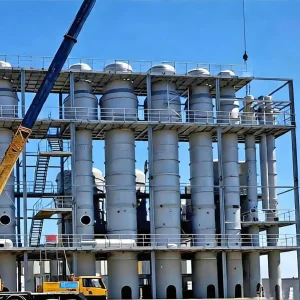
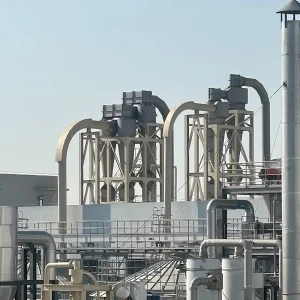
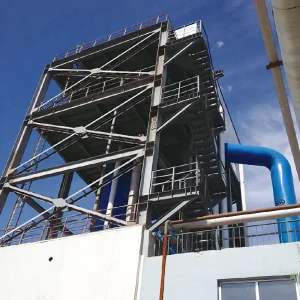
Forced circulation evaporation systems are critical in separation technologies when processing liquids prone to fouling, crystallization, scaling, or high viscosities. Standard thermal evaporators fail when boundary-layer precipitation occurs inside the heat transfer tubes. FCE resolves this challenge by utilizing high-velocity circulating pumps to suppress boiling on the heat-exchanger surface itself.
By maintaining a high circulation velocity (typically between 1.5 to 3.5 meters per second) inside the tubes, the liquid remains in a pressurized state, preventing vapor generation at the heat transfer boundary. Fluid boils only when it enters the separator body, where pressure decreases. This minimizes fouling, ensures consistent heat transfer coefficient ($U$-values), and extends cleaning cycles.
Supresses boiling on tube surfaces to prevent solid precipitation and chemical scaling.
Optimized impeller geometries handle dynamic viscosities up to several thousand centipoise.
Short retention times protect heat-sensitive biological structures and feed products.
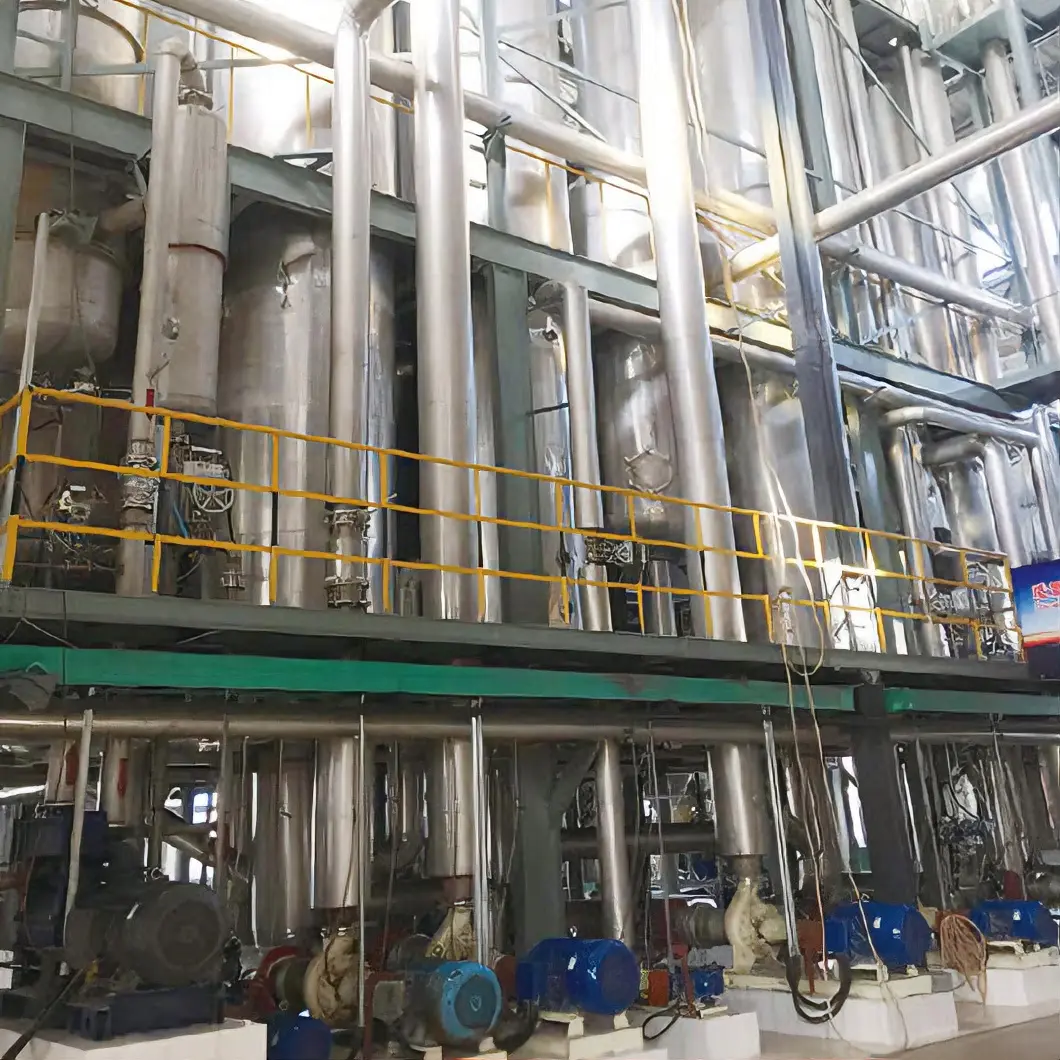
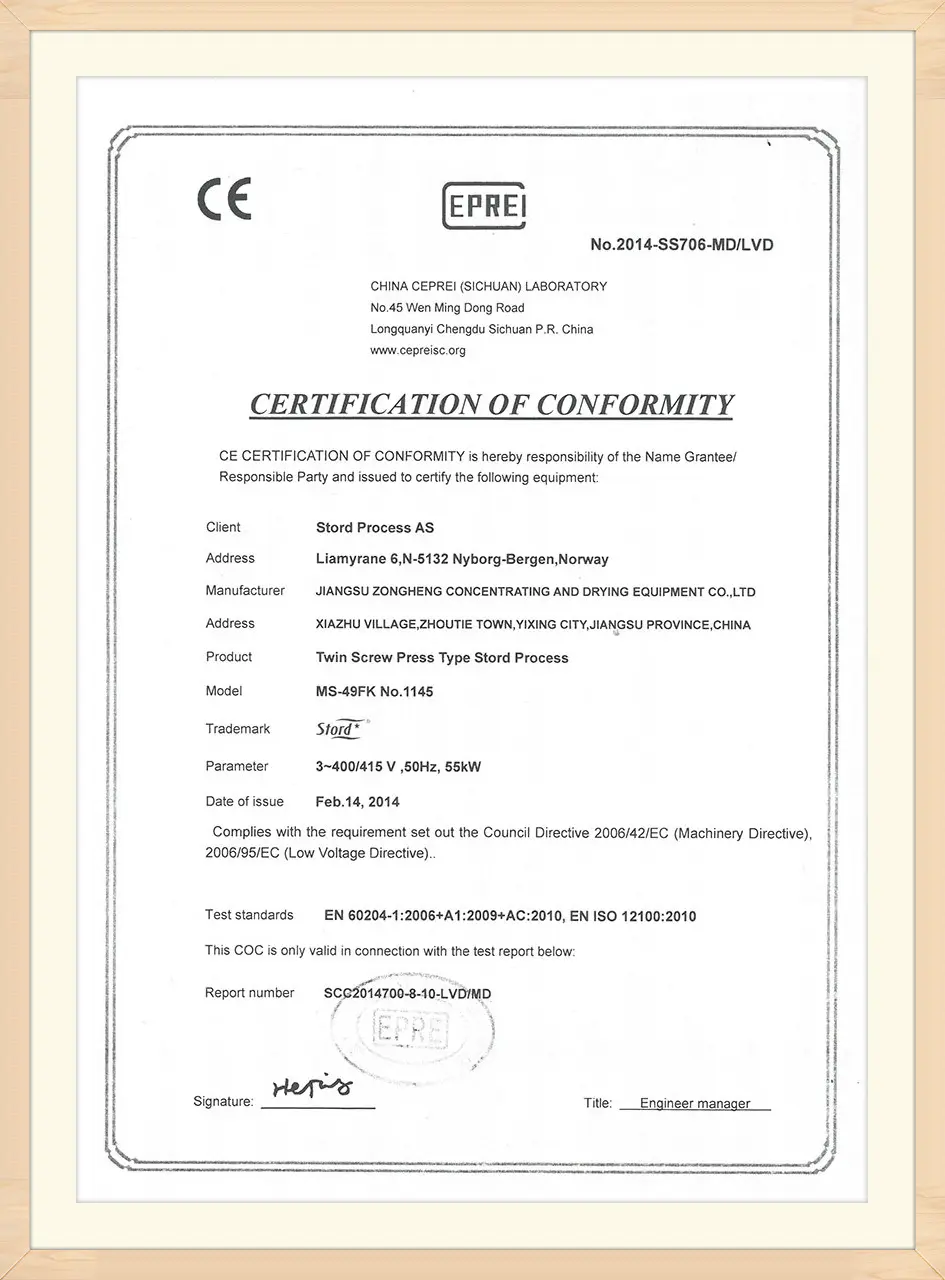
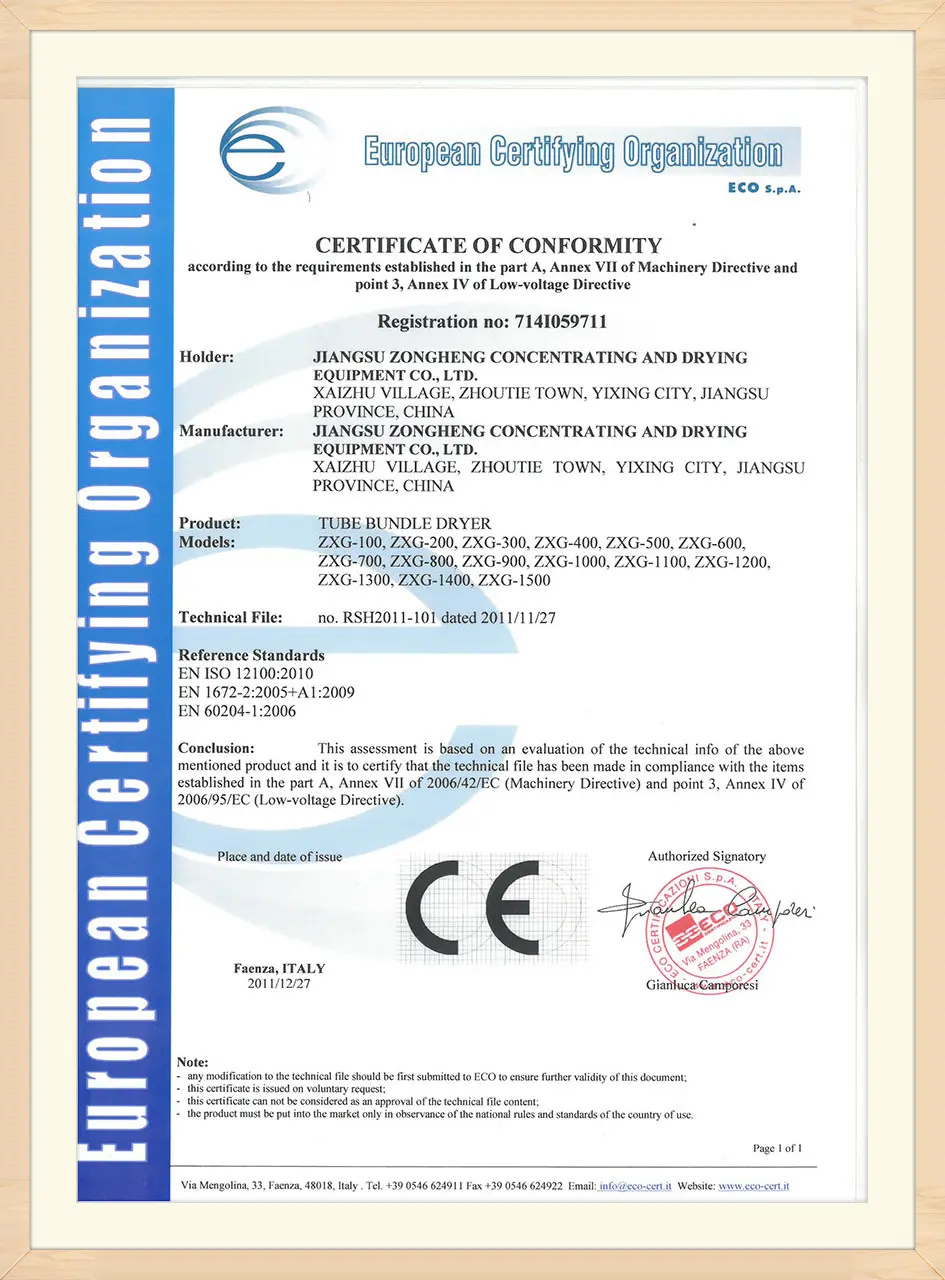
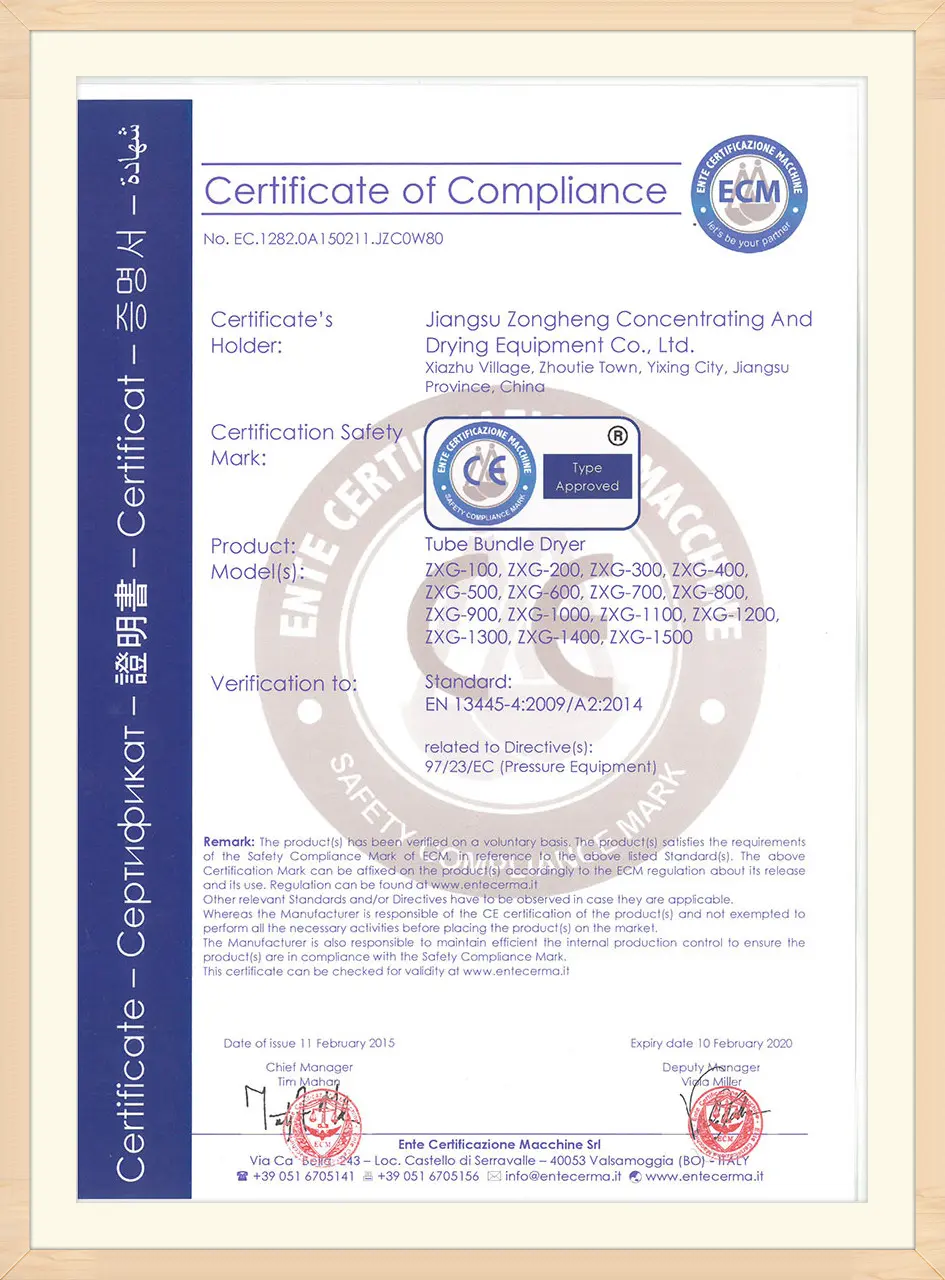
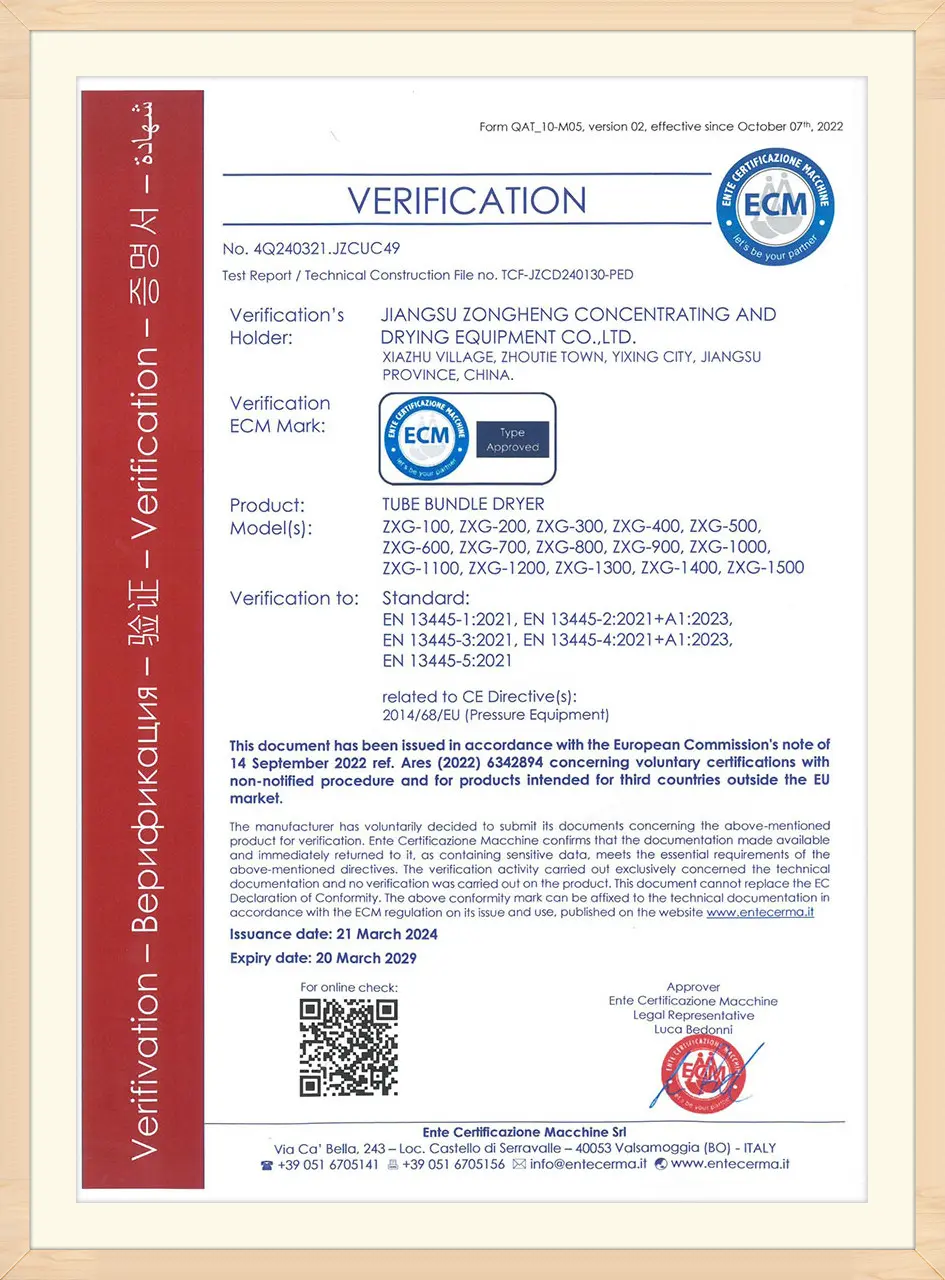
In international procurement, particularly within the European Economic Area (EEA), CE certification is not simply a label—it is a critical verification of safety compliance under the Pressure Equipment Directive (PED) 2014/68/EU and Machinery Directive 2006/42/EC.
An industrial evaporator operating under vacuum or positive pressure represents a potential energy hazards. Our CE-certified forced evaporation systems undergo thorough safety assessments, including:
Compliance with these regulations provides global plant operators with reliable, risk-mitigated operation, ensuring safety, liability protection, and performance stability.
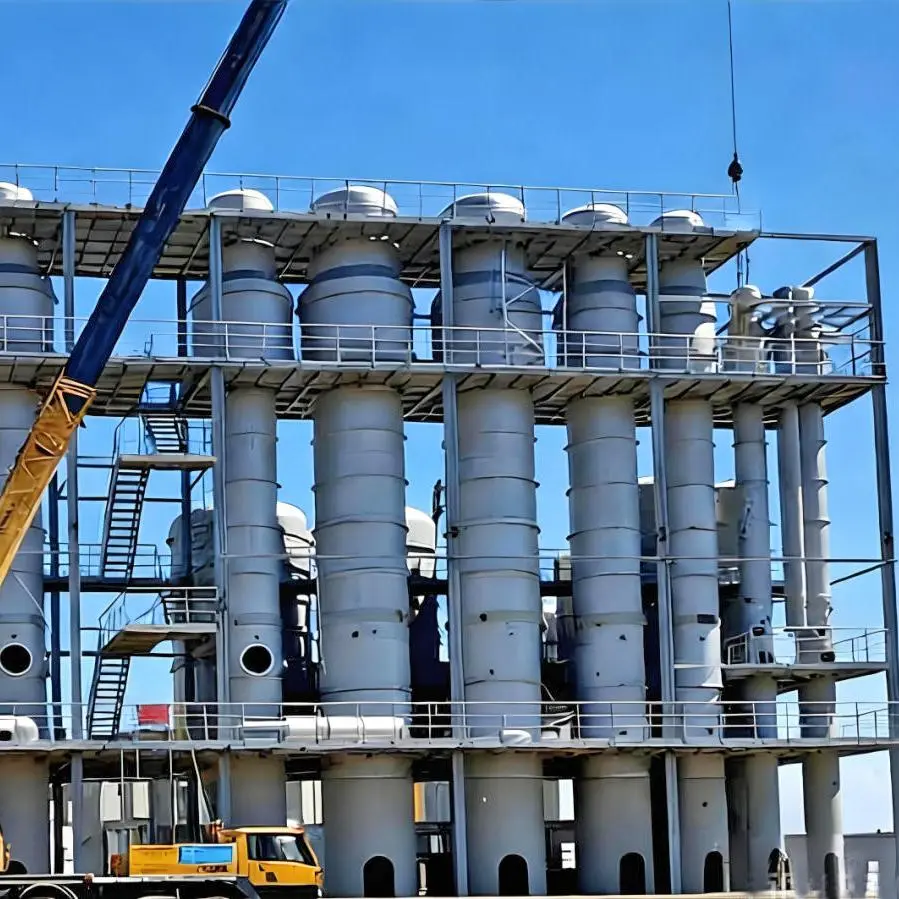
From single unit screw presses to fully integrated multi-effect forced circulation industrial evaporation lines.
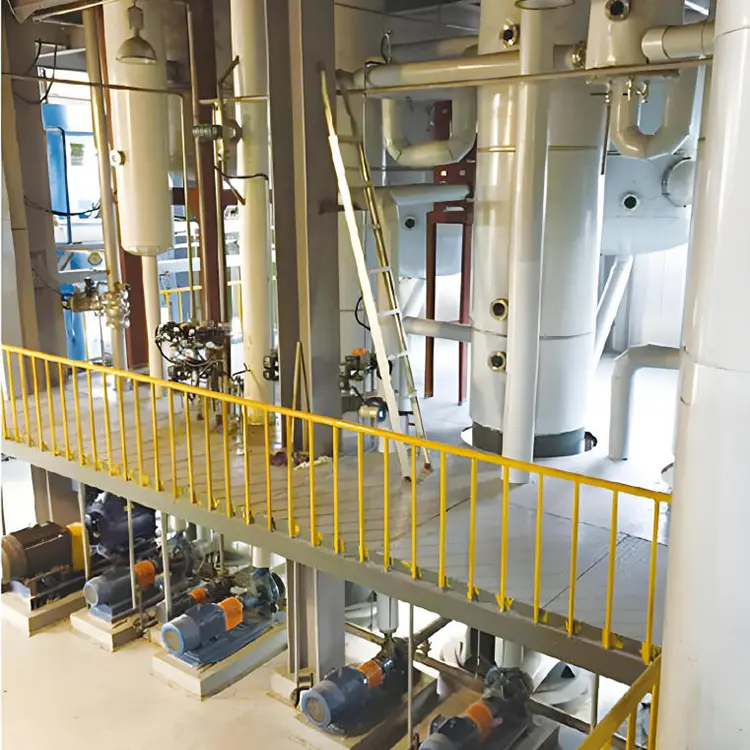
Designed for concentrating heat-sensitive, low-viscosity solutions. Features low liquid holdup and short residence times to minimize thermal degradation.
Explore Category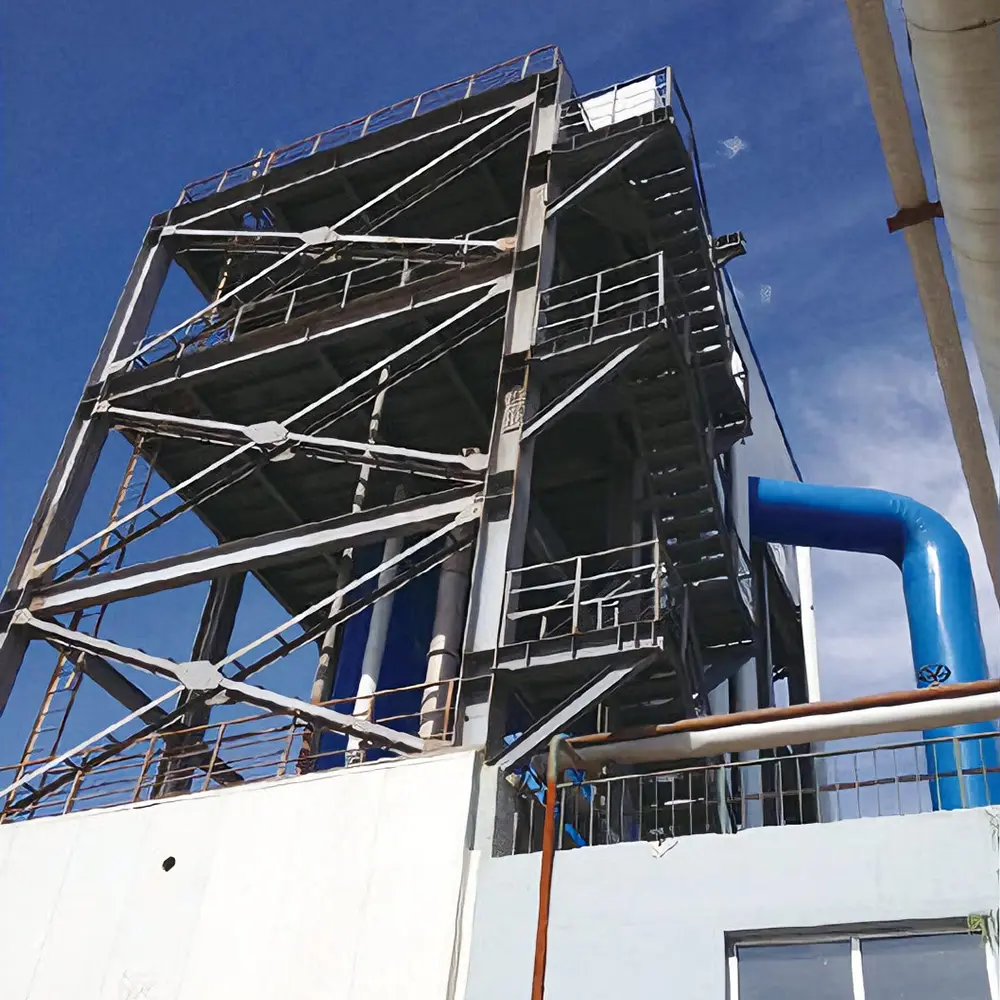
Compresses low-grade secondary vapor to reuse as heating steam. Delivers high energy efficiency, low operating costs, and reduced thermal footprint.
Explore Category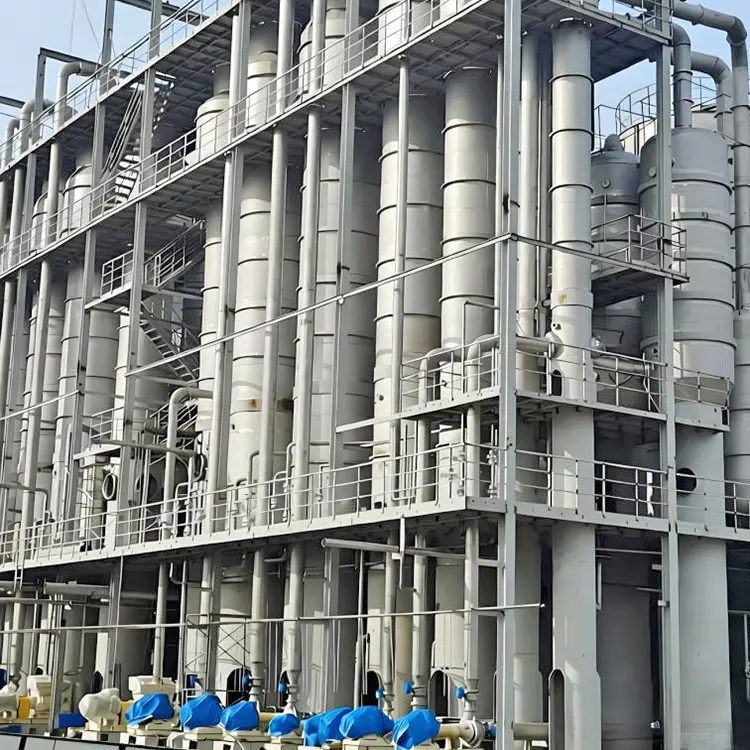
Integrates low-temperature waste heat sources (dryer vapors, flue gases, process condensates) to reduce primary utility consumption.
Explore CategoryWhy international buyers choose Yixing-based precision engineering clusters for large-scale thermal processing plants.
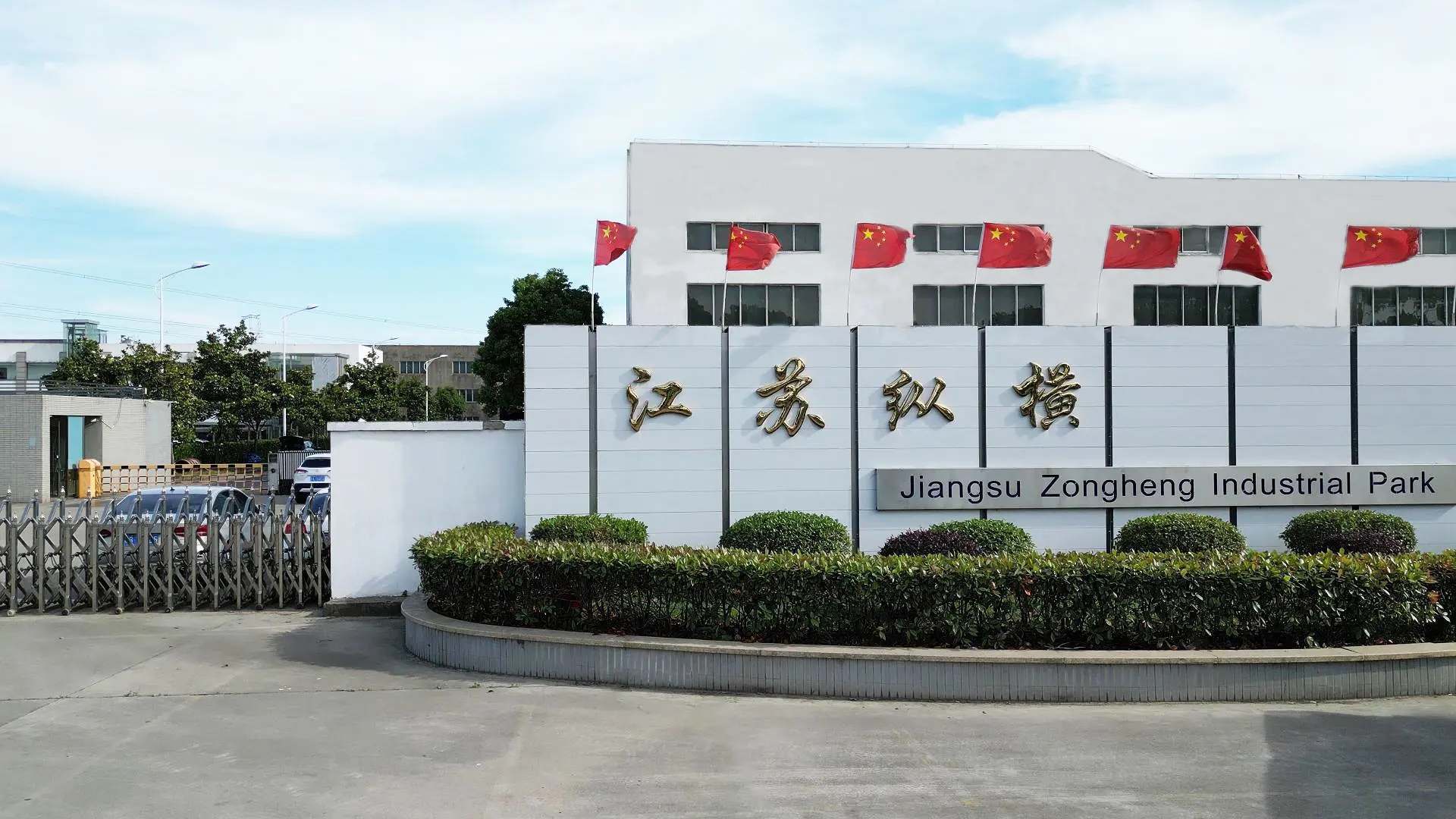
Our facility is located in Yixing, Zhoutie Town—a major industrial manufacturing hub in Jiangsu Province. This cluster provides immediate access to specialty alloy casting, precision machinery suppliers, automated welding technologies, and raw titanium/duplex stainless steel markets, reducing lead times and logistics costs.
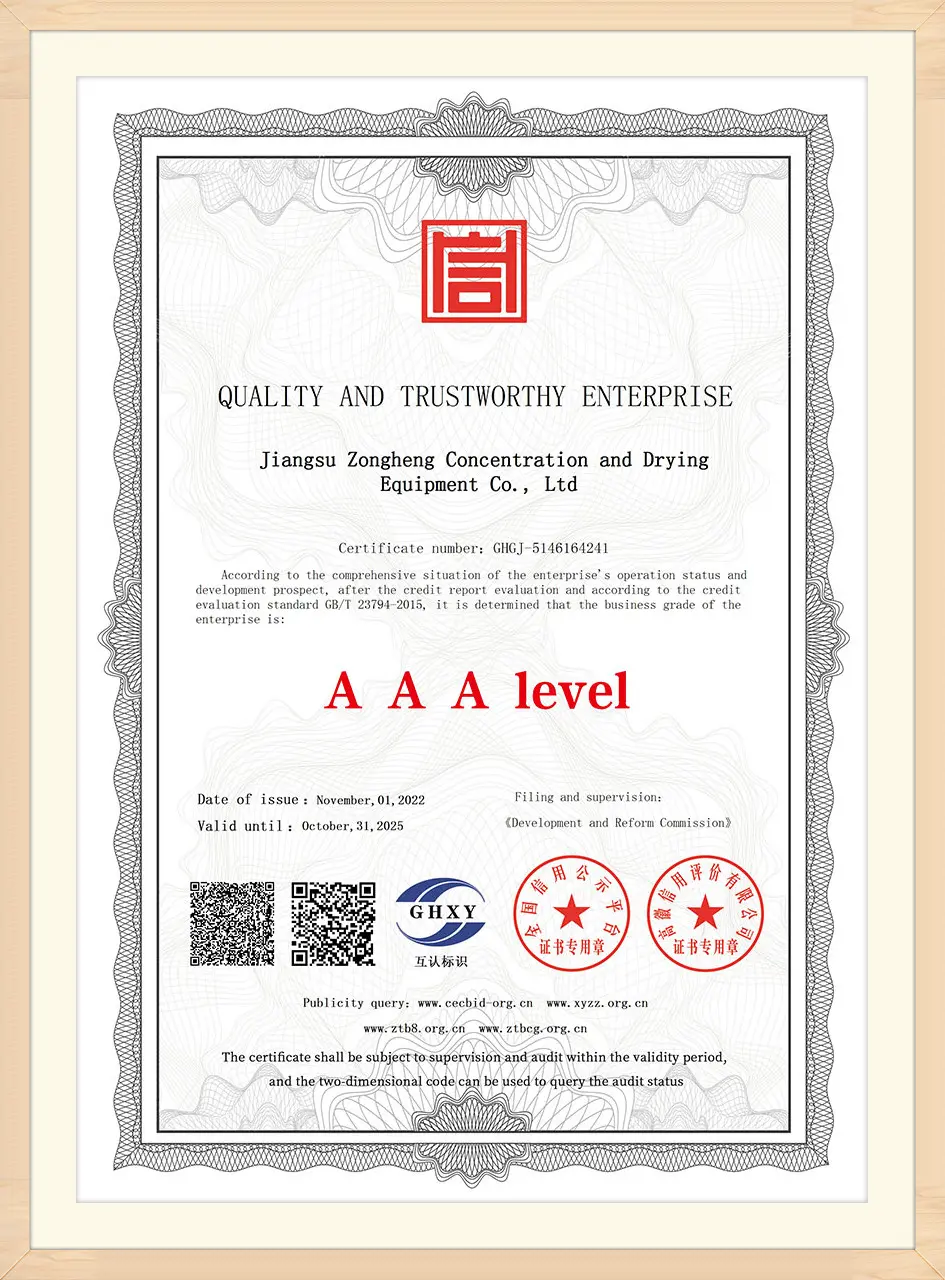
We bridge the gap between competitive pricing and high standards. Our factory holds the ASME "U" stamp, CE-PED certification, and ISO 9001 quality management certificates, ensuring that every weld, valve, and vessel complies with the regulatory standards of Western markets.
Every process fluid exhibits unique viscosity curves and boiling behaviors. Our engineering team uses computational fluid dynamics (CFD) and thermodynamic modeling software to custom-design tube bundle diameters, pump capacities, and separator shapes for your specific feed characteristics.
Over three decades of precision manufacturing, engineering evolution, and global market expansion.
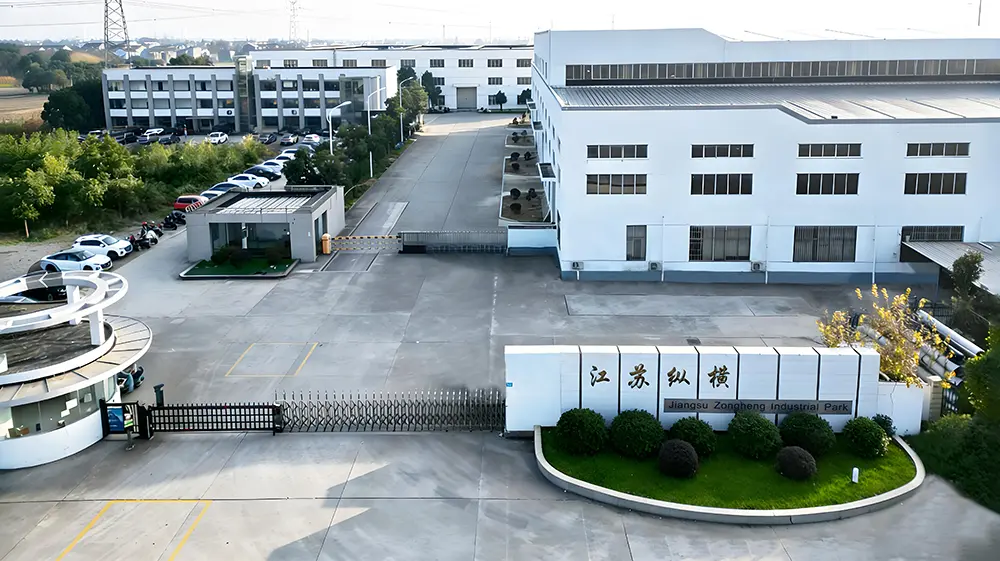
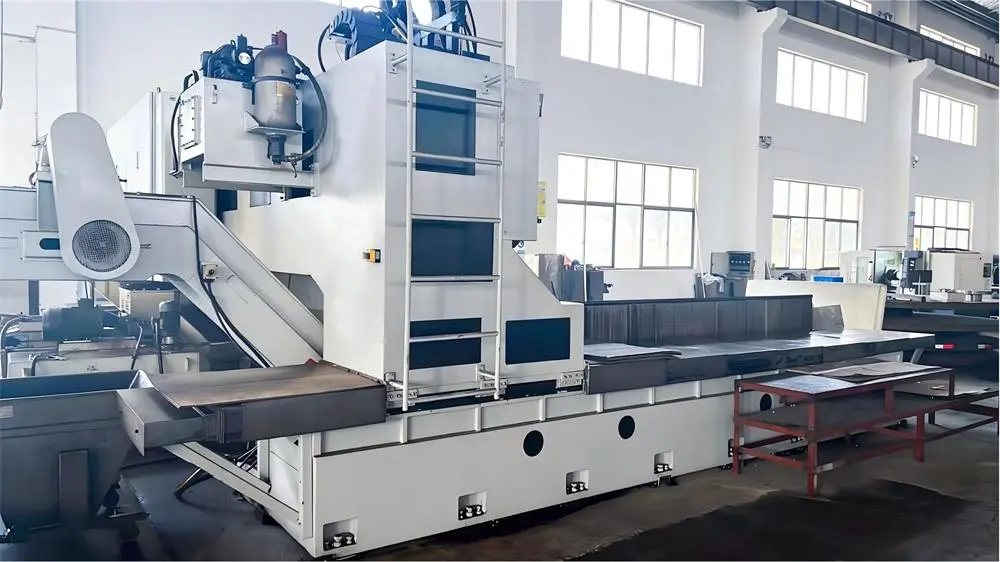
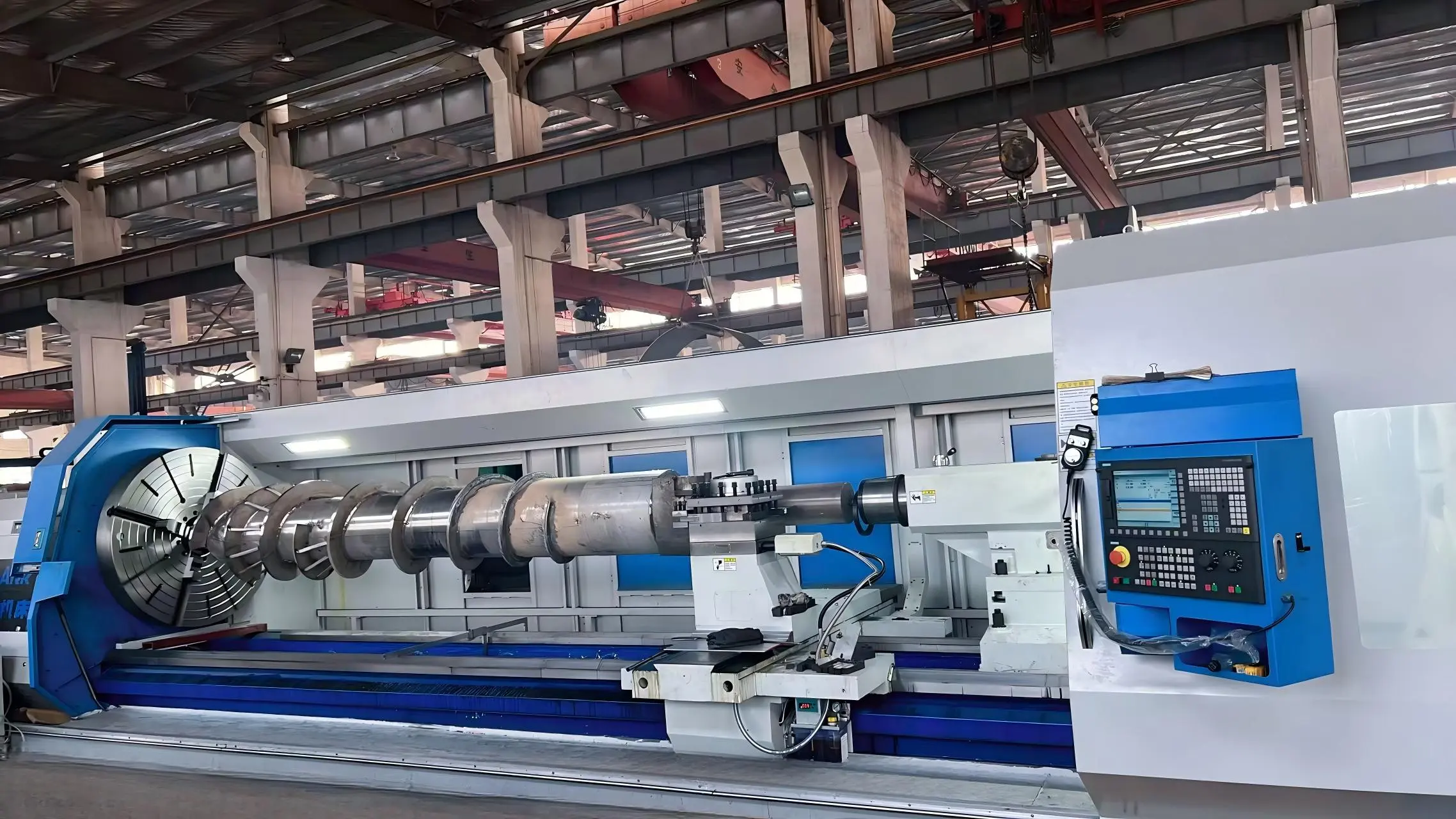
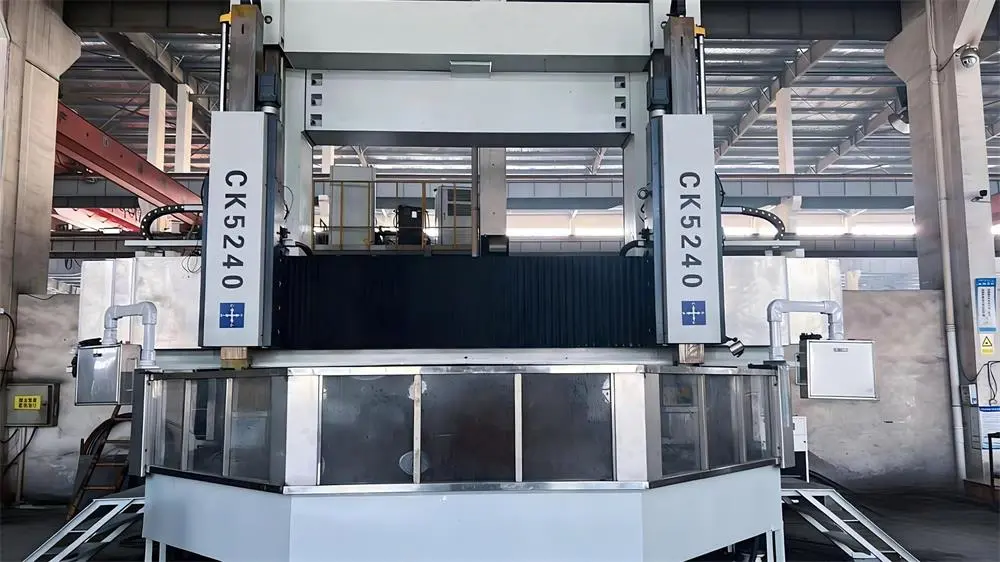
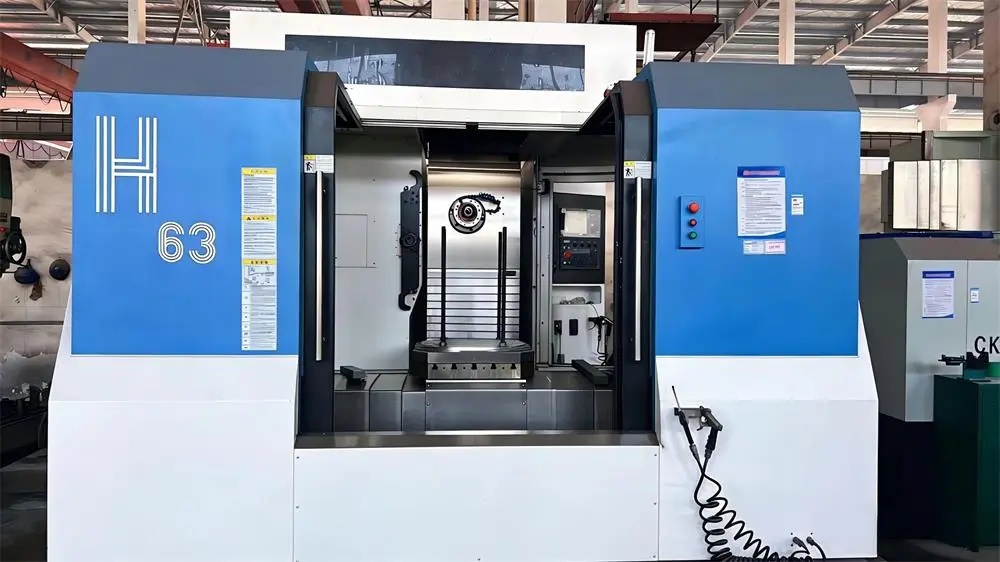
Operations cover 54,000 m² with 22,000 m² of workshop space, employing 3 senior engineers, over 20 specialized engineers, and 120 technicians.
Acquired international quality system certification (Certificate No.: 45021), establishing a complete quality assurance system aligned with international standards.
Obtained the ASME "U" Stamp authorization, marking a major milestone for exporting pressure vessels to the Americas.
The company obtained the Special Equipment Manufacturing License of the People's Republic of China (License No.: TS2232C42) for high-reliability pressure vessels.
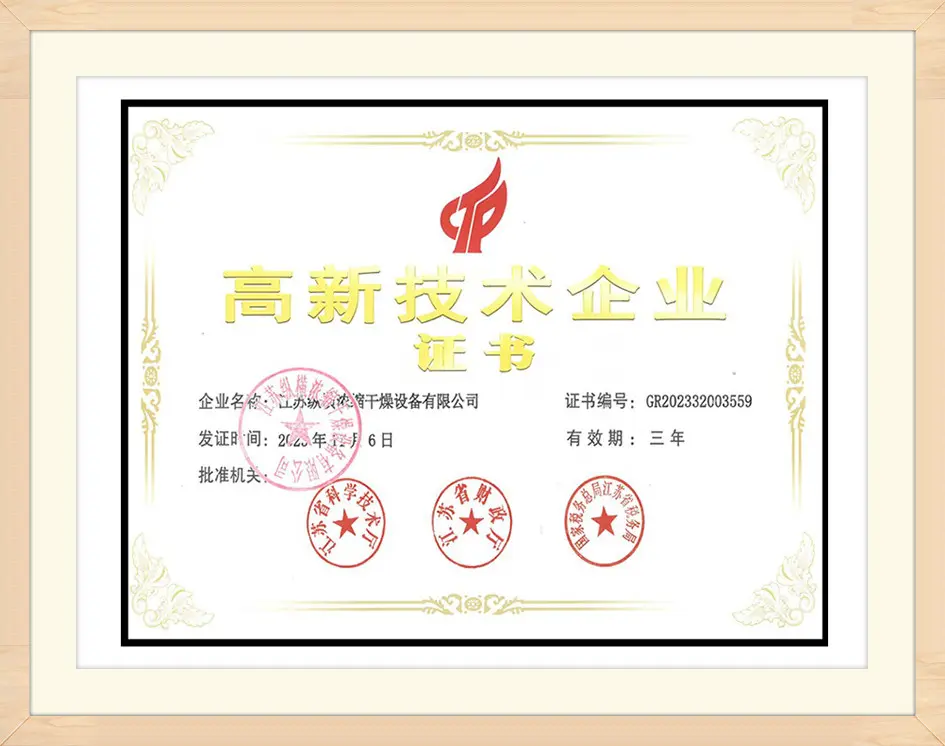
Officially recognized as a Jiangsu Provincial High-Tech Enterprise, increasing investment in thermodynamic research and automation design.
Achieved ISO9001 Quality Management certification, standardizing manufacturing steps from material inspection to pressure testing.
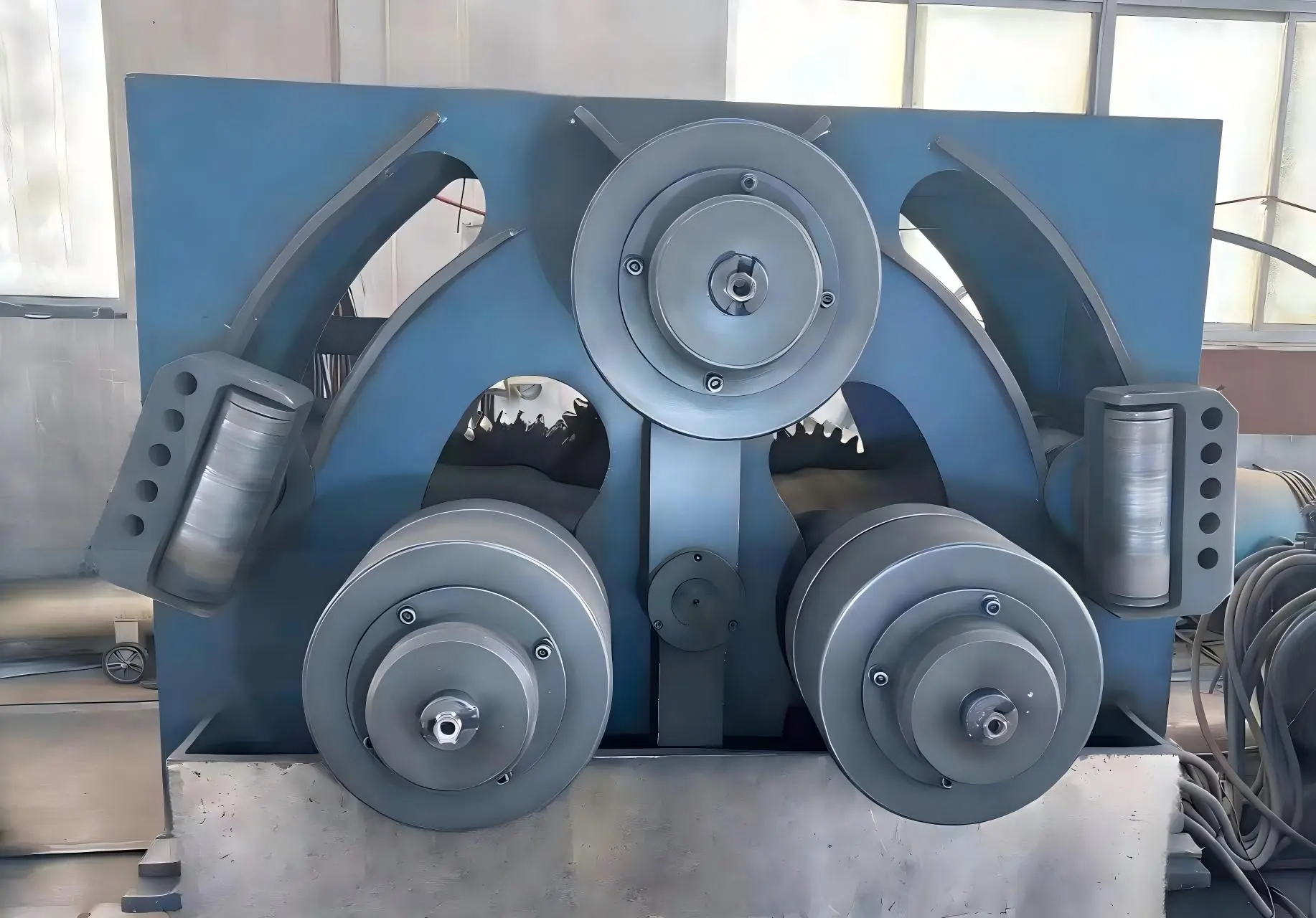
Established as Yixing Yangxi Light Industrial Machinery Factory, covering 15 mu with 45 employees.
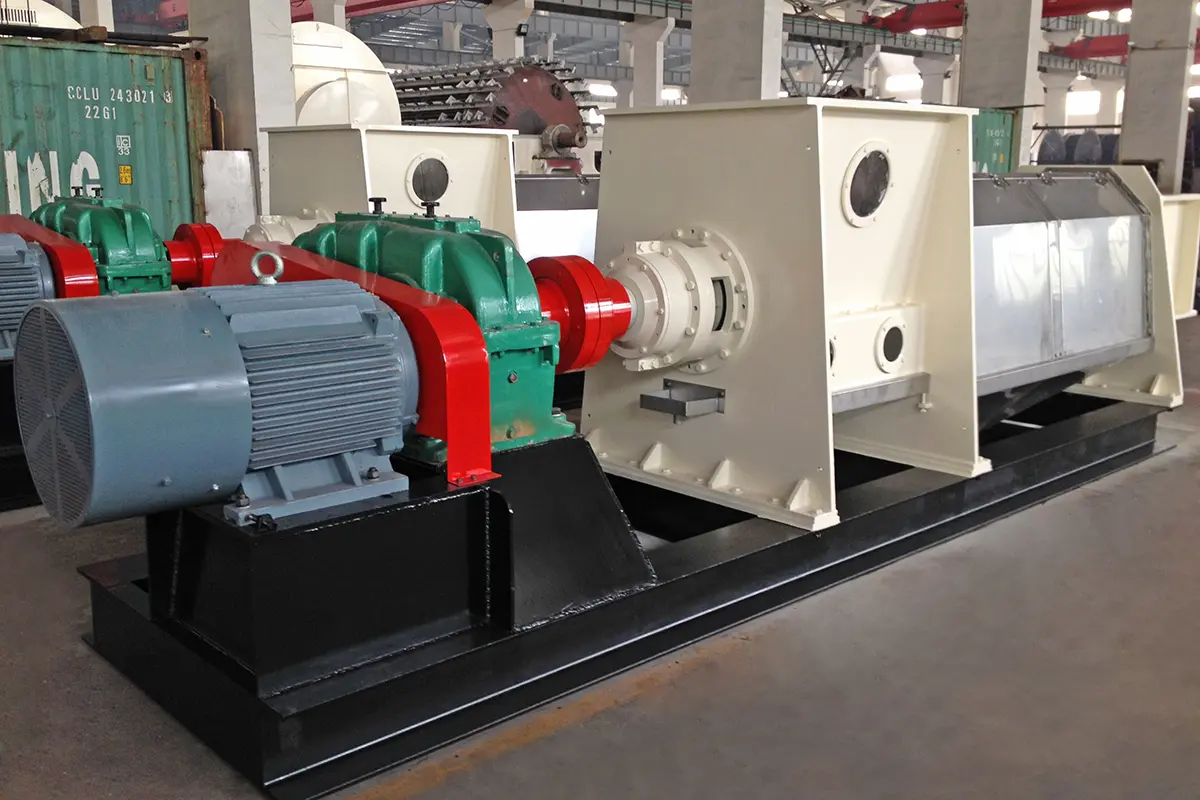
Our systems serve industries including grain processing, starch refining, alcohol DDGS, wastewater treatment, and chemical processing.
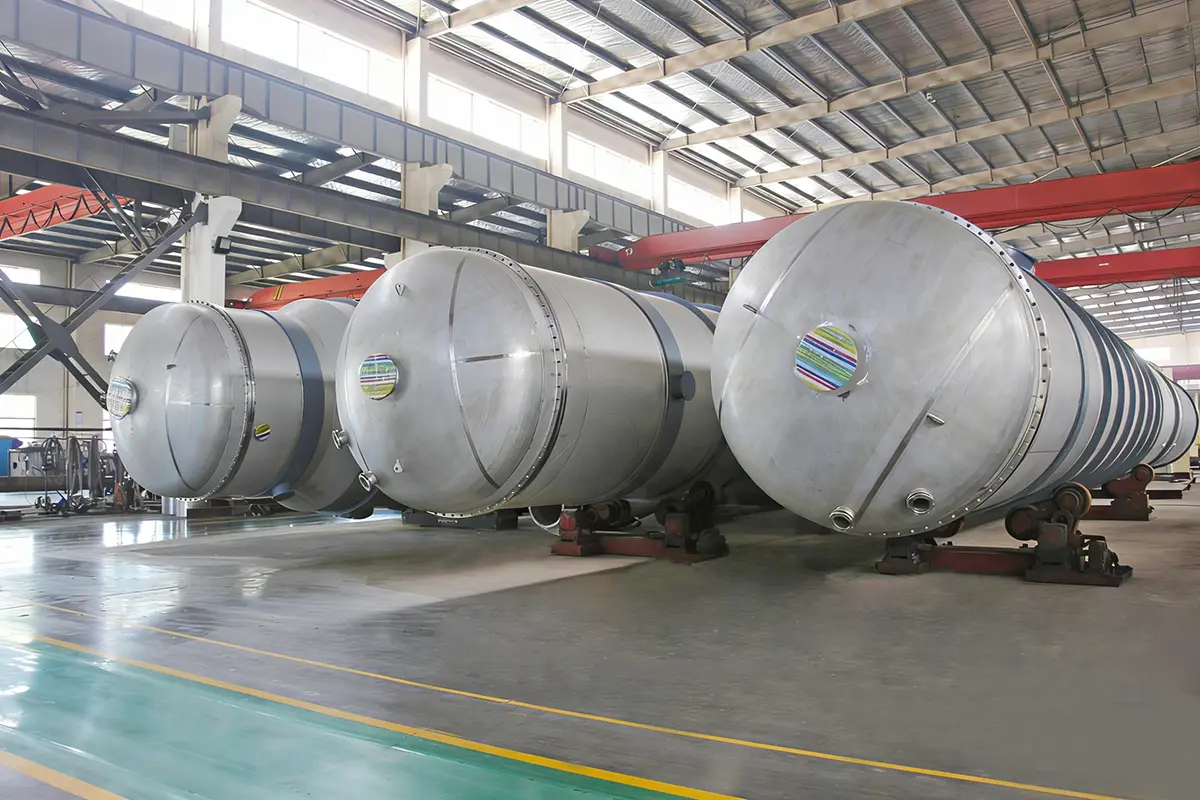
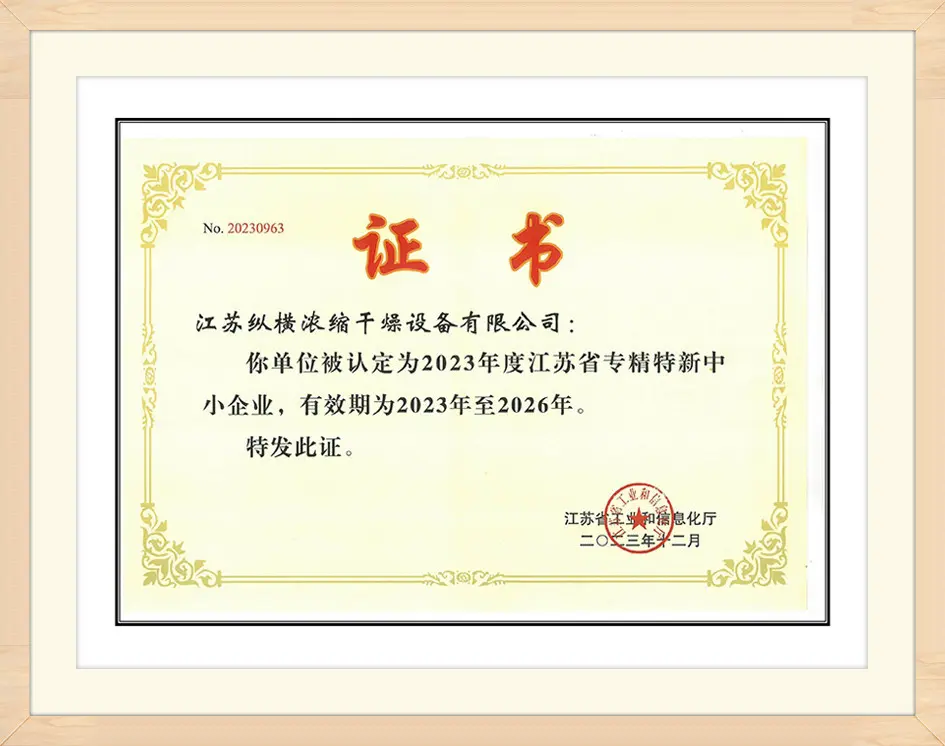
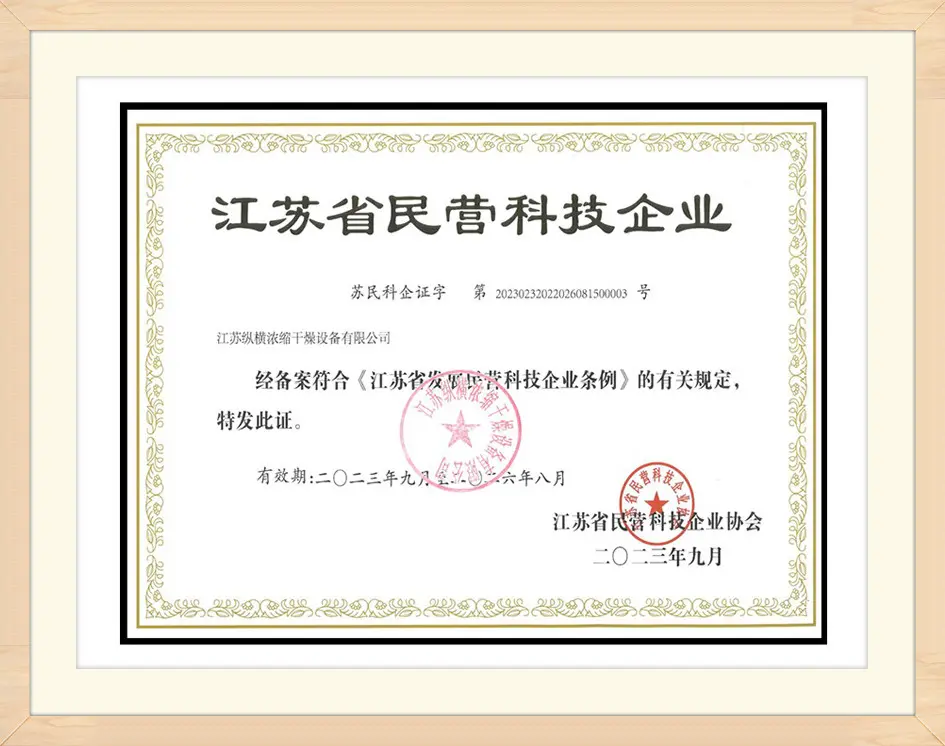
Certified manufacturing processes adhering to ASME, CE, ISO, and domestic high-pressure standards.

Audited and approved pressure vessels for international installations.
Answers to common engineering questions regarding the selection, optimization, and operation of forced circulation evaporators.
Forced circulation evaporators (FCE) are preferred when the feed fluid has high viscosity, is close to saturation, or contains suspended solids. Falling film evaporators rely on gravity to form a thin liquid layer along the tube wall, which is prone to boiling dry or scaling. FCE suppresses boiling inside the tube via high circulation pumps, preventing scaling.
CE certification requires compliance with the Pressure Equipment Directive (PED) 2014/68/EU. This mandates standardized thickness calculations, safety relief valves, certified material tracking (EN 10204 3.1), and third-party inspections to verify that weld joints can withstand operational stresses and thermal cycles.
We select materials based on chemical properties. For standard organic applications, SS304 or SS316L is used. For high chloride concentration, duplex steels (such as SAF 2205/2507) or pure titanium (Grade 2) are utilized to prevent pitting and stress corrosion cracking.
Yes. Mechanical Vapor Recompression (MVR) can be integrated with forced circulation heat exchangers. Secondary vapor is compressed to increase its enthalpy and then fed back into the evaporator shell, reducing steam consumption by up to 90%.
Scale control is managed by maintaining high velocity and pressure. High velocity increases turbulence, reducing the thermal boundary layer thickness. Liquid pressure is kept above vaporization point to prevent bubble formation inside the heat exchange tubes, preventing crystallization on the tube walls.
Correlated industrial processing equipment designed to support drying, milling, and high-efficiency raw material refining.
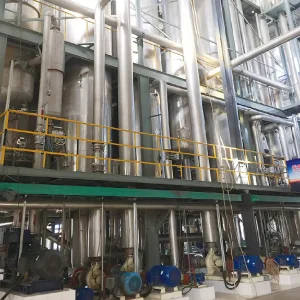
How modern chemical plants and food manufacturers optimize their evaporation footprints under rising environmental mandates.
Strict discharge standards require plants to separate clean distillate from solid crystallization. Integrating a falling film pre-concentrator with a forced circulation crystallizer is the standard path to dry salt cakes.
Modern evaporators utilize smart sensor networks to adjust pump speeds based on feed viscosity. This reduces power draw and prevents impeller wear under high solids loadings.
Our forced evaporation plants feature integrated spray balls and chemical dosing lines. Cleaning solutions can be circulated throughout the system without disassembly, minimizing downtime.
Jun 18, 2026
The evaporator absorbs heat to vaporize media, while the condenser releases heat to liquefy vapor; the two perform opposite cooling and heating functions. Operating under low pressure, the evaporator generates cold energy and concentrates target process liquids. Designing balancing systems requires detailed thermal calculations to optimize coefficient profiles and reduce steam consumption across multi-effect evaporator loops.
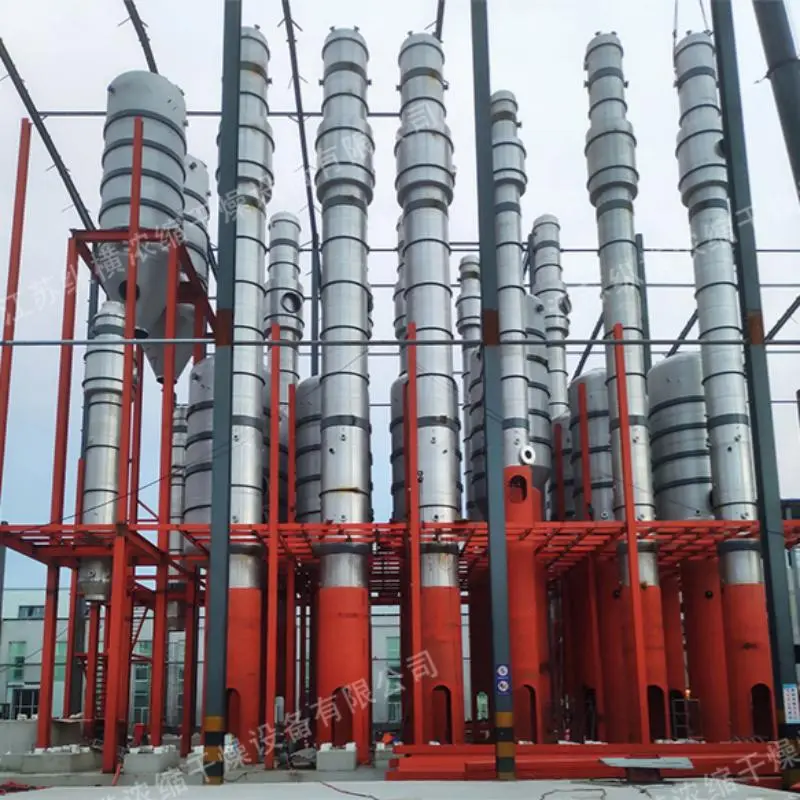
Get in touch with our engineering team for sizing calculations, energy balance modeling, and material selection recommendations. We provide CE-certified industrial plants designed to your exact process specification.
Zhoutie Town, Yixing City, Jiangsu Province, China
 Zongheng