South Africa is a water-scarce nation where the conservation of fresh water is both an ecological necessity and a strict legal requirement. The National Environmental Management Act (NEMA) and subsequent regulations enforce strict guidelines on industrial discharge, tailings management, and water recycling. Consequently, industries ranging from mining in Mpumalanga and Limpopo to citrus processing in the Western Cape face mounting pressure to optimize their solid-liquid separation processes.
Traditional wastewater treatment methods rely on massive gravity settling ponds and low-pressure dewatering systems. However, these systems have proven inefficient, consuming vast amounts of land and leaving excessive moisture content in the byproduct. Mechanical compression using advanced single screw presses represents a key technological leap, enabling factories to achieve high-dryness cakes, recover up to 95% of process water, and dramatically lower transport costs for solid waste disposal.
As a leading exporter of heavy machinery, Jiangsu Zongheng Concentrating and Drying Equipment Co., Ltd. provides specialized equipment configurations designed specifically for the unique demands of the South African market. By integrating our systems, operations can expect to meet municipal bylaws, lower water-use license (WULA) overheads, and run highly profitable recovery loops.
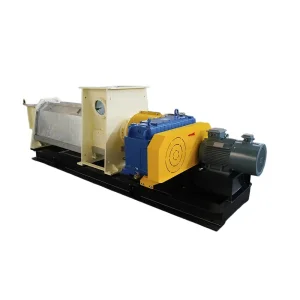
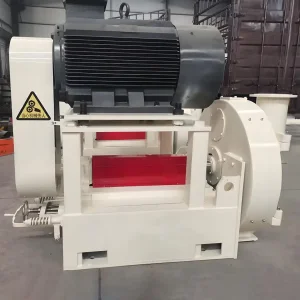
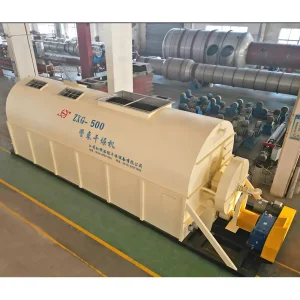
A single screw press works by utilizing a variable-pitch screw shaft inside a cylindrical screen basket. As the material moves axially along the shaft, the volume decreases, forcing liquid through the screen matrix while the consolidated solids form a dry cake extruded at the discharge end.
Our screws feature continuously decreasing pitch and increasing root diameter, creating uniform compression without shearing delicate organic solids or clogging the filter media.
To resist corrosive and abrasive slurries common in South African gold and platinum mine tailings, we utilize tungsten carbide hard-facing and Duplex SS alloys.
Dynamic backpressure controls at the cake discharge allow real-time adjustments to moisture content, compensating for fluctuating slurry feed rates automatically.
| Dewatering Method | Typical Cake Dryness (SA Sludge) | Energy Consumption (kW/ton) | Maintenance Cycle & Wear Cost | Flocculant/Chemical Requirement |
|---|---|---|---|---|
| Jiangsu Zongheng Single Screw Press | 25% - 48% | 0.4 - 1.2 kW/t | Very Low (Slow rotation speed) | Minimal to None |
| Decanter Centrifuge | 18% - 30% | 2.5 - 5.0 kW/t | High (High-speed balance wear) | High polymer dependency |
| Belt Filter Press | 15% - 22% | 1.0 - 2.0 kW/t | Moderate (Frequent belt wash & tear) | Moderate to High |
| Rotary Drum Vacuum Filter | 20% - 28% | 3.0 - 6.0 kW/t | High (Complex vacuum system seals) | Requires precoat material |
Years of Manufacturing Excellence
Factory Area (Square Meters)
Professional R&D Engineers
Total Skilled Personnel
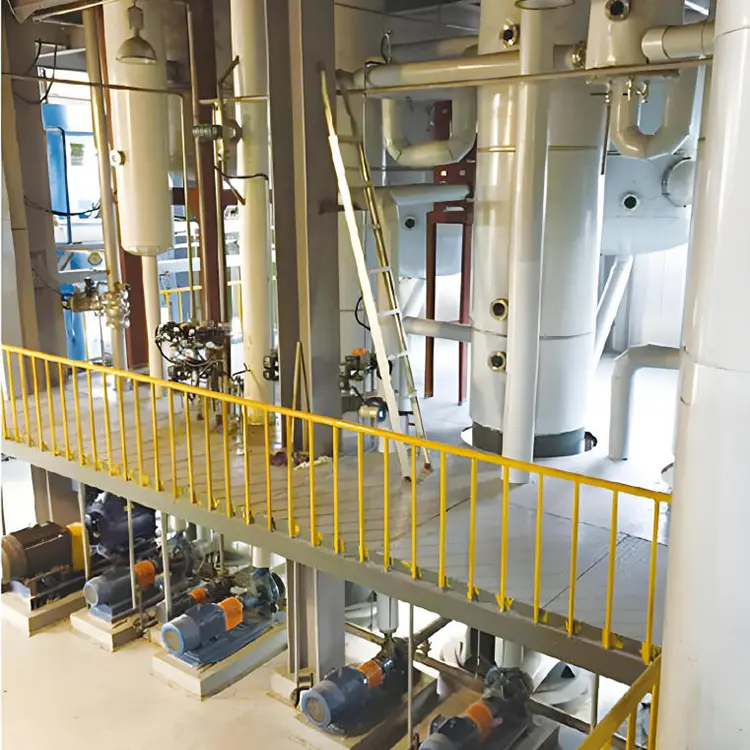
Mining operations in South Africa produce millions of tons of slurry daily. Tailings storage facilities (TSFs) present structural risks and environmental liabilities. Utilizing our heavy-duty Single Screw Press systems allows mines to remove water before deposition. This increases safe dry stacking density, recovers valuable process chemicals, and recycles water directly back to milling circuits, which is critical in arid zones like Limpopo and the North West Province.
From the maize-refining hubs in the Free State to the fruit processors in the Western Cape, food processing residues contain valuable organic material trapped in heavy liquid. Our screw presses effectively extract starch, juice, and proteins, transforming wet waste into high-density animal feed components or feedstock for biogas generation. This maximizes revenue and avoids heavy landfill disposal charges.
With massive paper mills operating in KwaZulu-Natal and Mpumalanga, cellulose fiber recovery is critical for sustainable paper manufacturing. The Jiangsu Zongheng Single Screw Press handles highly abrasive rejects and fibers, squeezing out black liquor or process water to optimize drying efficiency downstream. Our design ensures zero fiber slippage, yielding clean filtrate and high-density, easily combustible fiber cakes.
Urban expansion in Johannesburg, Cape Town, and Durban has pushed municipal wastewater treatment plants to their operational limits. Modernizing sludge treatment requires dewatering systems with minimal chemical footprint. Our single screw press reduces sewage sludge volume by up to 80%, providing a dry, crumbly material ideal for direct composting or safe land application.
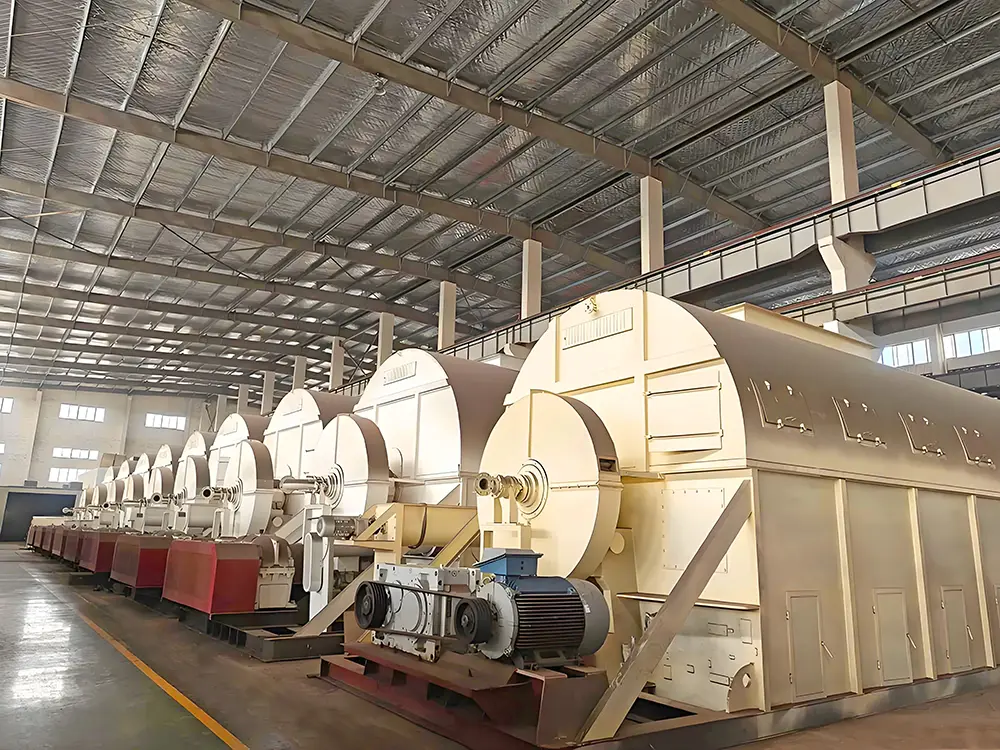
Founded in 1992 as the Yixing Yangxi Light Industry Machinery Factory, Jiangsu Zongheng Concentrating and Drying Equipment Co., Ltd. has evolved into a global benchmark for concentration and drying technology. Our modern production workshops span over 22,000 square meters, housing advanced automated plasma cutting tables, dynamic balancing rigs, and CNC turning centers capable of shaping massive screw profiles with sub-millimeter precision.
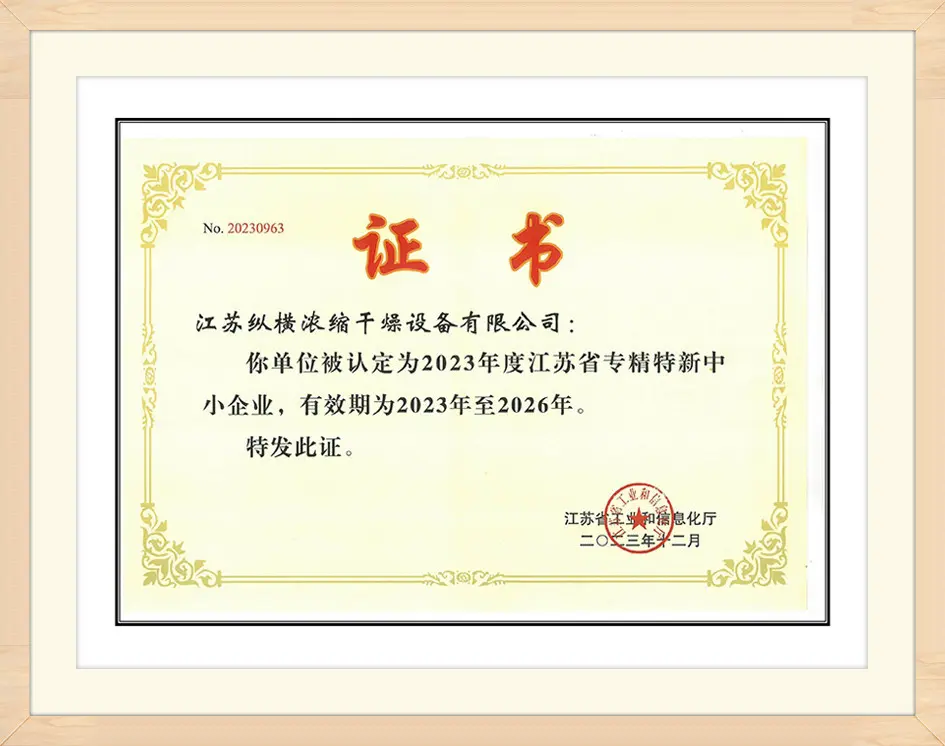
Our commitment to quality is backed by recognized international certifications, assuring South African procurement directors of structural integrity and code compliance:
By buying direct from our Jiangsu factory, buyers avoid middleman markups while retaining full control over custom material selections (such as AISI 316L, 304, or Duplex steels) and electrical integrations (Siemens/ABB motors configured for South Africa's 400V 50Hz grid specifications).
Procuring capital equipment from overseas requires confidence in local compliance, electrical integration, and seamless logistics. Jiangsu Zongheng ensures that all equipment destined for South Africa is engineered for immediate site acceptance:
We supply control panels utilizing SABS-approved breakers and motor protection systems. Panels can be upgraded to IP65 or IP66 enclosures to withstand extreme dust in Gauteng and humid environments in Durban.
We manage direct shipping containers from Shanghai Port to Durban (KZN), Cape Town, or Port Elizabeth. All shipments include detailed custom declarations, ocean bills of lading, and tax clearing documents.
We provide remote engineering oversight and field commissioning guidance. Standard maintenance packages include wear-resistant screen panels, seal kits, and screw repairs shipped via air freight.
A: Our standard model range handles dry solids throughputs from 50 kg/h to over 15,000 kg/h per machine, depending on the feed density, material type, and chemical pre-treatment. We customize the screw diameter (ranging from 150mm to 1000mm) and feed box configurations to match your exact process stream.
A: For abrasive mineral applications (such as coal fines or gold tailings), the screw flights are fortified with a continuous layer of tungsten carbide or specialized hard-facing alloy. The screen baskets are manufactured from heavy-duty wedge wire, which provides high wear resistance compared to standard thin mesh screens.
A: Unlike decanter centrifuges, which rely heavily on high polymer dosing to achieve clear water separation, the mechanical compaction of our screw press can often handle fibrous materials, pulps, and starches with little to no chemical flocculation. For ultra-fine biological sludge, a minimal dose of flocculant is recommended to optimize filtrate clarity.
A: Yes, absolutely. We source premium Siemens, ABB, or SEW-Eurodrive gearmotors configured specifically for South Africa's standard electrical system (400 Volt, 50 Hz, 3-Phase). We also offer ATEX or IECEx explosion-proof ratings for chemical plants or petrochemical zones.
A: Our standard manufacturing cycle ranges from 45 to 60 days, depending on custom material and sizing specifications. Sea freight transit from Shanghai to Durban Port typically takes 25 to 35 days. Standard logistics protocols are handled by our dedicated export team to guarantee safe port arrival.
Contact our engineering sales team today for a tailored process simulation and quotation.
 Zongheng