Advanced dewatering and separation machinery optimized for pulp, food, starch, and evaporation industries across Lisbon, Porto, Aveiro, and Coimbra.
In the modern industrial paradigm, solid-liquid separation stands as a critical checkpoint for economic efficiency and ecological accountability. Within Portugal, a country marked by its dynamic forestry, pulp and paper, viticulture, olive oil, and chemical processing sectors, the demand for optimized dewatering systems has surged. The Single Screw Press represents the gold standard in continuous mechanical dewatering, replacing older energy-intensive filtration and thermal technologies.
This whitepaper explores the operational physics of single screw presses, dissects their integration within Portugal’s unique industrial frameworks, and reviews how advanced manufacturers such as Jiangsu Zongheng leverage precise engineering and robust supply chains to deliver unparalleled reliability, international compliance, and profound information gain to procurement teams worldwide.
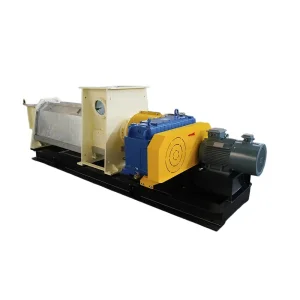
A Single Screw Press operates on a simple yet highly refined mechanical premise: the progressive reduction of volumetric capacity along the shaft axis. The industrial media enters a large-volume feed zone, where initial gravimetric drainage occurs. As the helical flights of the screw transport the slurry down the length of the cylinder, the shaft diameter increases and the pitch of the screw flights decreases.
This physical transformation decreases the internal volume, forcing the liquid fraction out through surrounding cylindrical wedge wire screens. The press cake is continuously compressed and expelled at the discharge head, regulated by a hydraulic backpressure cone or plate. This mechanism guarantees stable cake dryness even when feed consistency fluctuates—a key operational requirement in Portuguese pulp mills and waste processing facilities.
Portugal is one of Europe's forestry and agricultural giants. The country is home to vast eucalyptus plantations that supply major pulp and paper mills in regions like Aveiro and Setúbal. These operations generate immense quantities of primary, secondary, and biological sludge that require efficient, low-energy dewatering prior to biomass incineration or agricultural reuse.
Furthermore, the Portuguese food industry—famed for its olive oil production (pomace dewatering) and tomato processing—demands hygienic, corrosion-resistant separation solutions. Implementing high-efficiency Single Screw Presses allows local plants to:
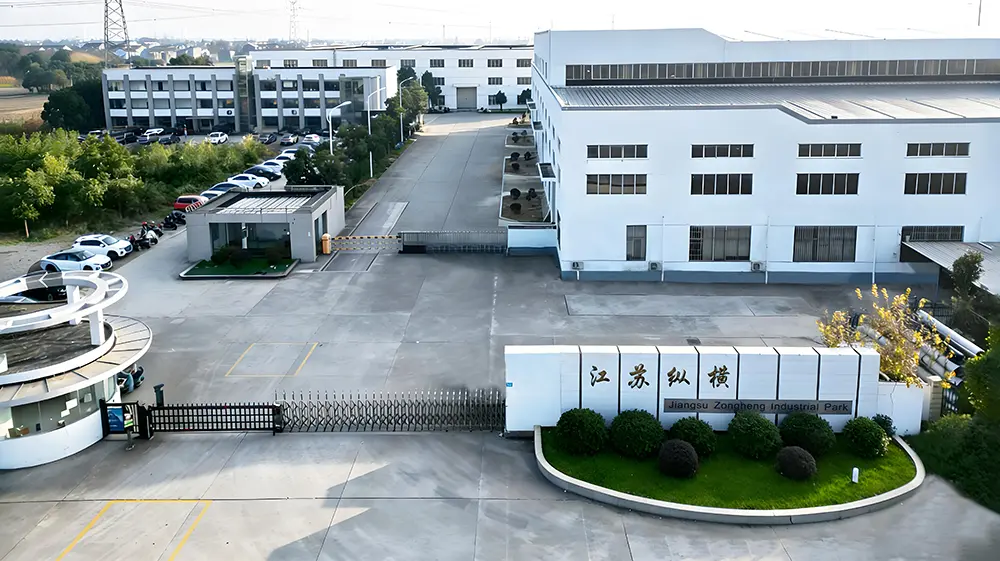
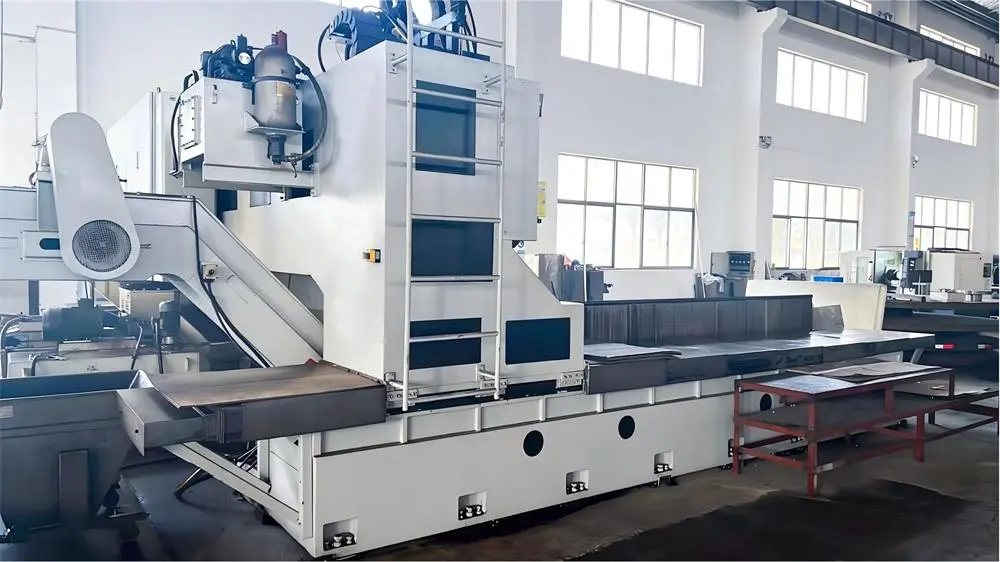
Why do leading global firms partner with Chinese manufacturers like Jiangsu Zongheng for custom dewatering systems? The answer lies in the combination of metallurgical capability, engineering volume, and raw material integration. Jiangsu Zongheng, operating a sprawling 54,000 square meter factory, manufactures high-precision components under strict quality controls.
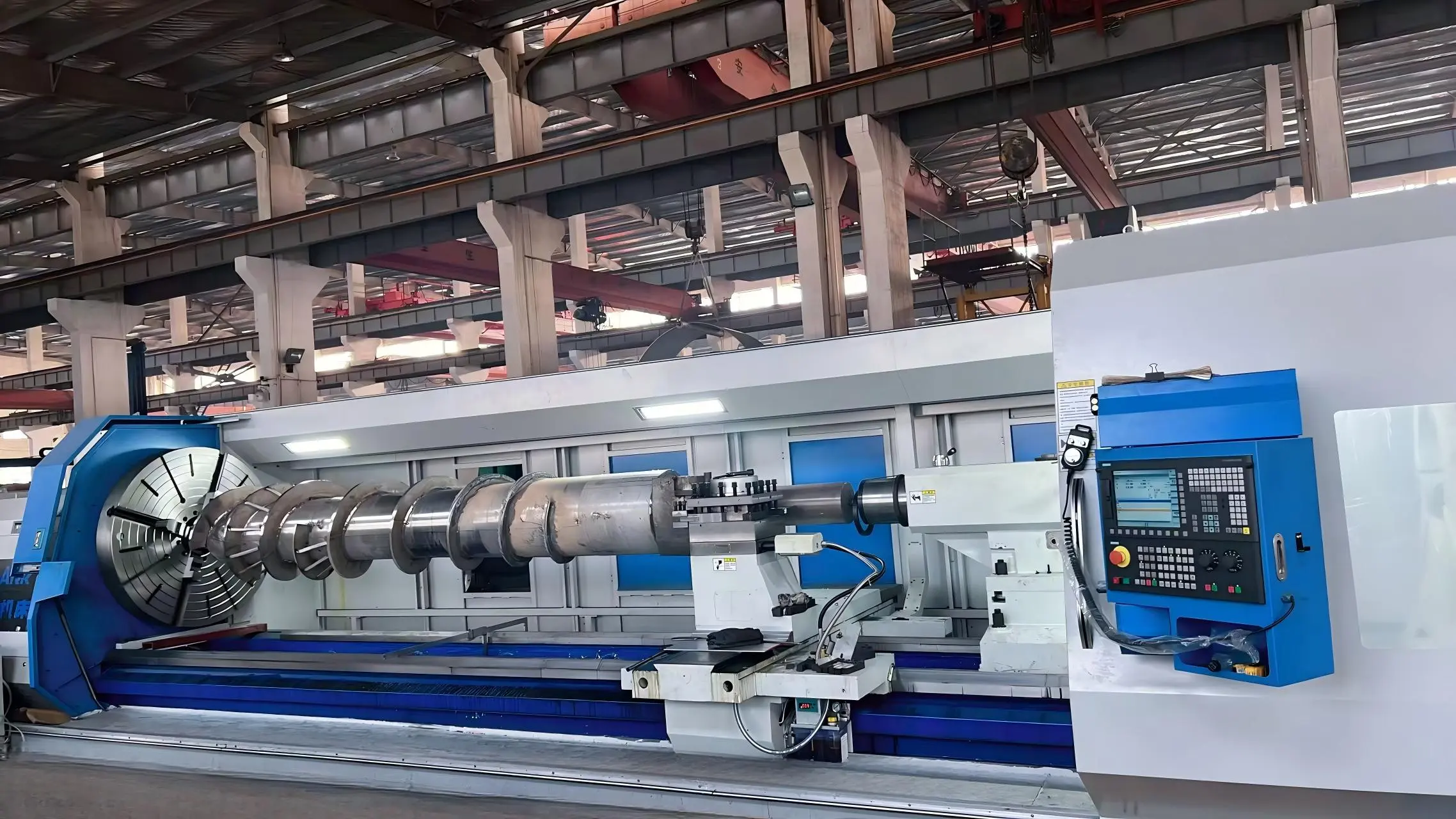
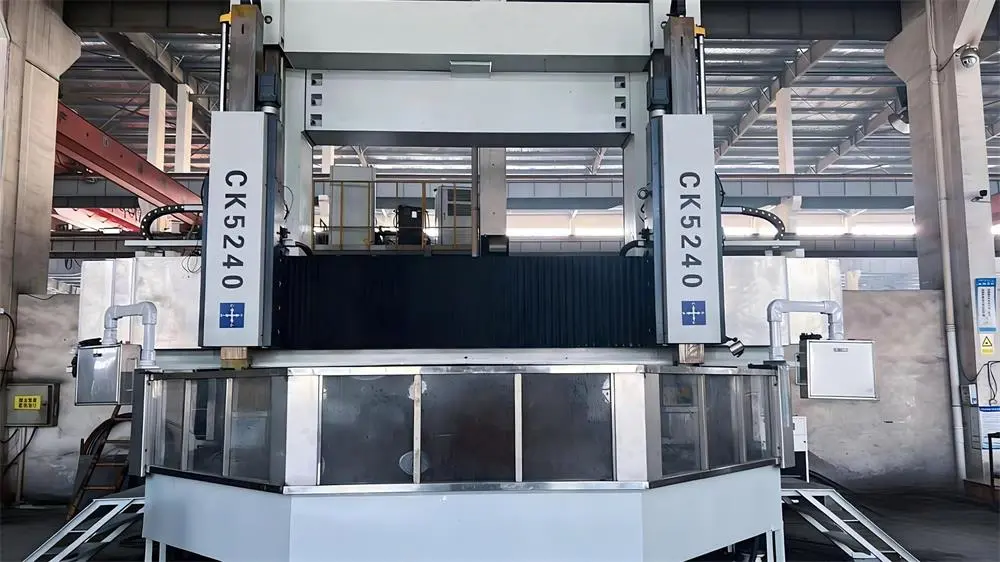
Our factories use state-of-the-art CNC lathes, automatic plasma cladding for flight-edge hardfacing (using tungsten carbide or Stellite alloys), and specialized heat treatment chambers. This guarantees that the screw shaft—the mechanical backbone of the press—can withstand exceptional torsional forces for decades. Additionally, our regional supply chain in Jiangsu allows us to source premium-grade stainless steel (such as Duplex SS2205 or SS316L) at competitive prices, passing these savings directly to our partners in Portugal and beyond.
Importing heavy machinery into the European Union demands absolute compliance with safety and environmental protocols. For Portuguese purchasers, Jiangsu Zongheng ensures that all equipment conforms to the necessary EU Directives:
Our global service team collaborates closely with European technical inspection bodies, ensuring that all documentation, load tests, and weld inspection certificates (including non-destructive testing reports) are flawlessly delivered to streamline customs clearance and local operational sign-offs.
The future of mechanical separation lies in digitalization and dynamic optimization. Modern Single Screw Presses are now integrated with Variable Frequency Drives (VFDs) and PLC control systems linked to load sensors and moisture analyzers. This creates a closed-loop system where the screw rotation speed and the backpressure cone force automatically adjust based on incoming solids concentration.
Additionally, the wear life of screw flights is being extended through nanostructured coatings, which drastically reduce maintenance downtime in abrasive environments like municipal grit-removal sludge or industrial mining tailings. Jiangsu Zongheng is at the forefront of these innovations, continually developing smart diagnostic systems that alert plant operators in Portugal to preventive maintenance needs before an unexpected shutdown can occur.
Engineered to handle high capacities with minimal power draw and exceptional structural resilience.
Operates at low rotation speeds (2 to 10 RPM), resulting in minimal wear, low noise emissions, and reduced power consumption compared to centrifuges.
Integrated self-cleaning capabilities ensure the filtration screen remains unclogged, allowing for continuous 24/7 dewatering operations without manually flushing the system.
Available in premium high-alloy steels (304, 316L, 904L, Duplex 2205) designed to resist extreme chemical attack and high abrasive load from mineral sludges.
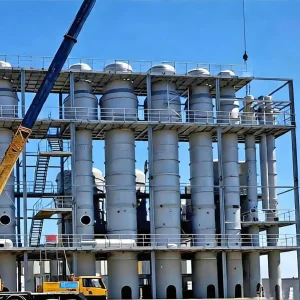
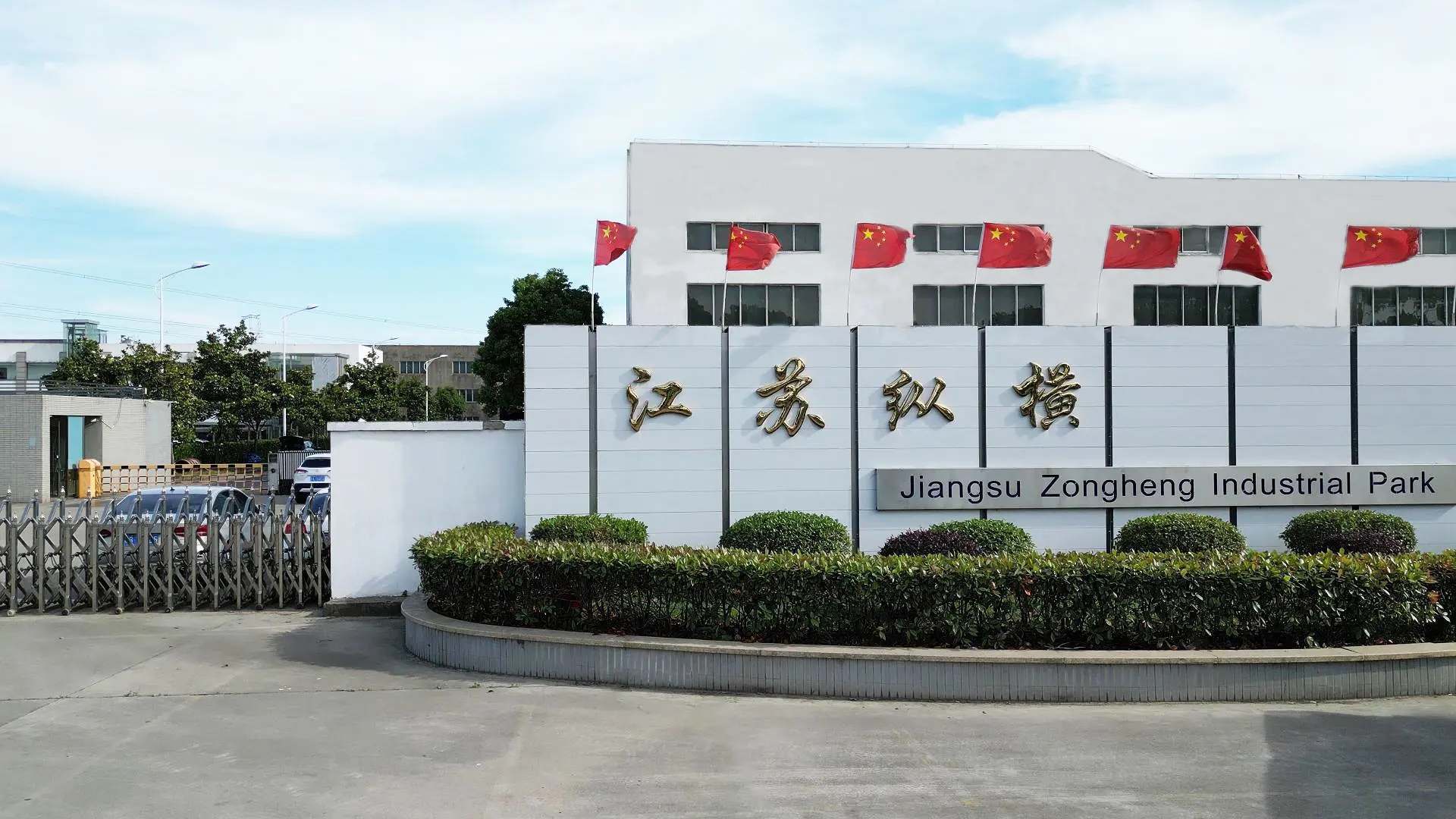
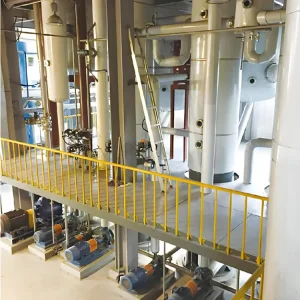
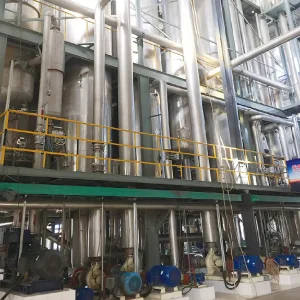
Jiangsu Zongheng Concentrating and Drying Equipment Co., Ltd (formerly Yixing Yangxi Light Industry Machinery Factory), founded in 1992, is located in Zhoutie Town, Yixing City, on the shores of the beautiful Taihu Lake. The company covers an area of over 54,000 square meters, with a production workshop area of over 22,000 square meters.
Jiangsu Zongheng is a modern high-tech enterprise specializing in the manufacturing of concentration, drying, starch industry, alcohol DDGS, and Category III medium & low-pressure vessel equipment. It is currently a member enterprise of the China Starch and Alcohol Association. Its products are widely used in industries such as food fermentation, alcohol, chemical, pharmaceutical, environmental protection, and petrochemical.
Learn More About Our CapacityA history of continuous growth, engineering excellence, and international certification.
The company covers a total area of over 54,000 square meters, with production workshop space exceeding 22,000 square meters. It currently employs 3 senior engineers and over 20 engineers and assistant engineers, with a total staff of 120 people.
Acquired international quality system certification (Certificate No.: 45021), establishing a complete quality assurance system aligned with international standards.
Acquired the ASME "U" Stamp authorization, marking the company's entry into a new phase of high-end international engineering development.
The company obtained the Special Equipment Manufacturing License of the People's Republic of China (License No.: TS2232C42) for pressurized industrial systems.
Officially recognized as a Jiangsu Provincial High-Tech Enterprise, boosting research and development funding for mechanical dewatering equipment.
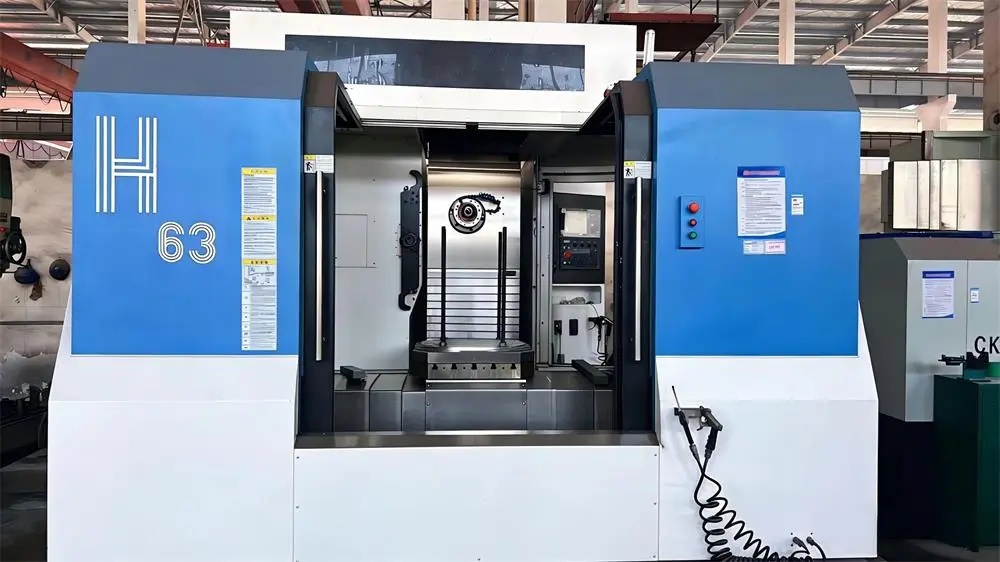
The company took the lead in obtaining ISO9001, structuring our management, procurement, design, and welding work according to strict industrial procedures.
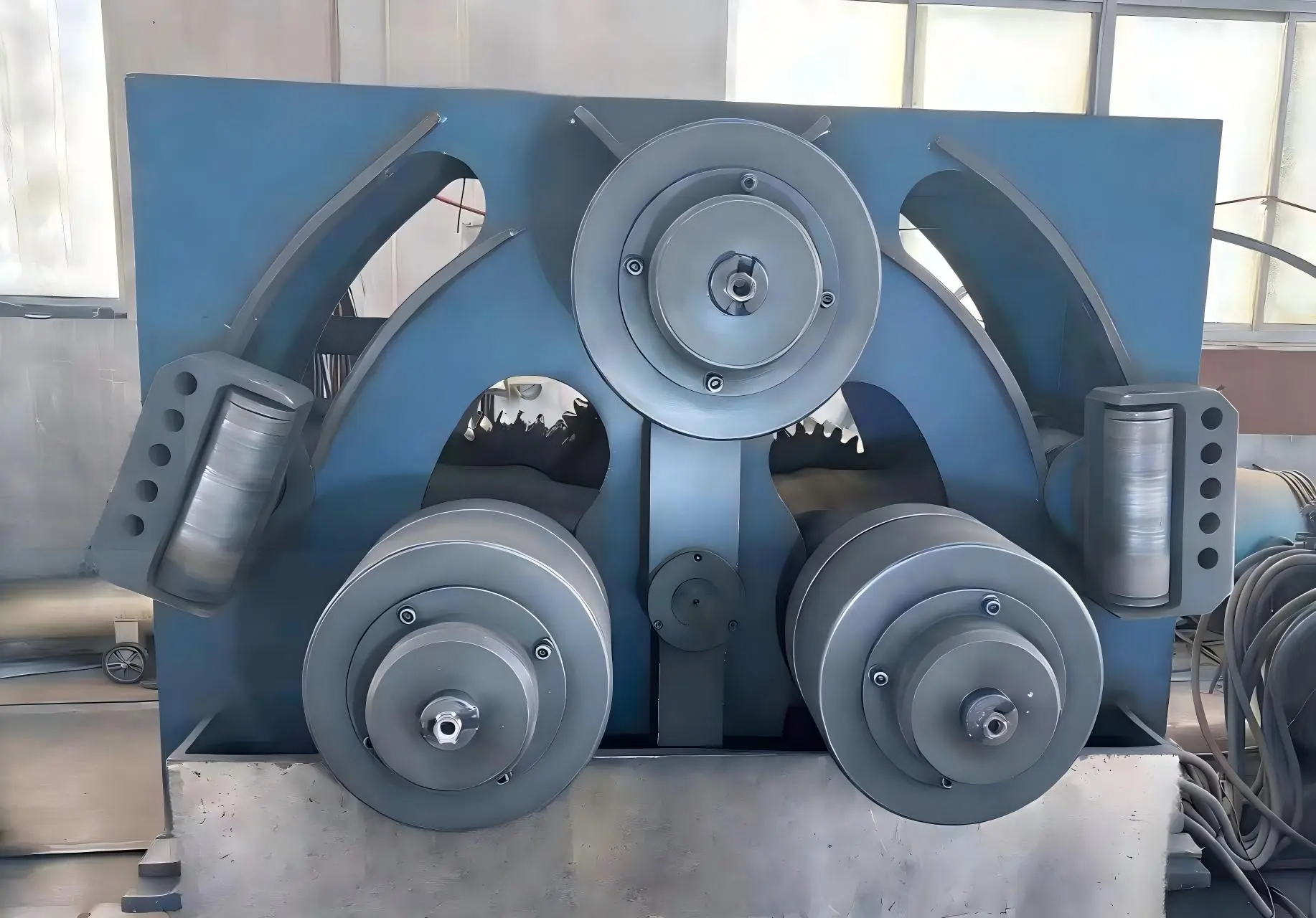
Jiangsu Zongheng Concentrating and Drying Equipment Co., Ltd, formerly known as Yixing Yangxi Light Industrial Machinery Factory, was established in 1992 with 45 dedicated employees.
Custom setups tailored specifically for Portugal's dominant industrial manufacturing and purification hubs.
Operating in pulp factories in Coimbra, handling large volumes of secondary sludge. Installing our single screw presses minimizes sludge volume, preparing dry cake suitable for co-generation boilers.
Processing olive pomace in Alentejo. The screw press efficiently separates remaining water and oils from skins and stone residues, transforming waste into organic solids and crude oil streams.
Handling anaerobic digestate in metropolitan Lisbon and Porto. Providing reliable pre-dewatering ahead of thermal dryers or composting, ensuring compliance with local APA regulations.
Get answers to key technical questions when selecting screw presses for European operations.
The output moisture content depends heavily on the sludge characteristics. For primary chemical sludges, we consistently achieve 35% to 45% dry solids. For biological wastewater treatment plant sludges, the cake dryness typically ranges from 18% to 28% depending on the flocculation efficiency and volatile solids content.
Our presses optimize the dewatering process to minimize liquid bypass. High separation efficiency reduces chemical runoff in filtrate, ensuring that return streams to wastewater systems meet local environmental limits. We also supply energy consumption data certificates for green subsidy applications.
For applications such as starch washing or food pomace separation, we build contact surfaces using food-grade Stainless Steel 304 or 316L. For high-chloride environments, we utilize Super Duplex Stainless Steel (UNS S32205) to eliminate pitting and stress-corrosion cracking.
We provide comprehensive virtual engineering support, on-site technician delegation, and a localized European spare parts supply channel. Commissioning packages include remote PLC configuration adjustments, control optimization, and training programs for plant staff.
Yes. The integrating sensor systems adjust the feed pump flow and the hydraulic backpressure cone position dynamically. When feed concentration drops, the backpressure cone closes slightly to maintain the press cake plug, preventing material washout.
Explore our full portfolio of thermodynamic separators, mechanical starch cyclonators, and industrial dryers.
Consult with our lead engineering experts for dynamic press simulations, customized metallurgical specifications, and a tailored commercial proposal for your site in Portugal.
Send Inquiry Now Zongheng