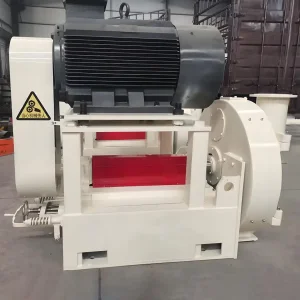
Precision-engineered germ separation, optimizing kernel yield and minimizing waste in dry and wet processing lines.
Learn More →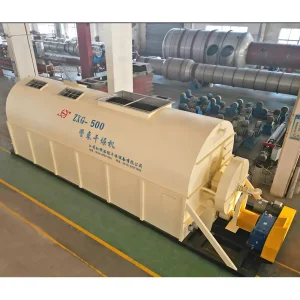
Safe, indirect steam drying systems designed to deliver low-oxygen thermal processes for sensitive biomass.
Learn More →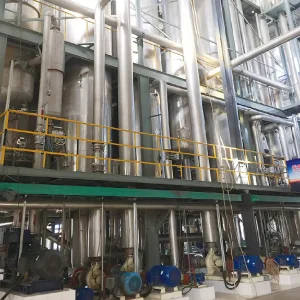
Excellent thermal performance for concentrating highly viscous, fouling-prone liquids in starch processing.
Learn More →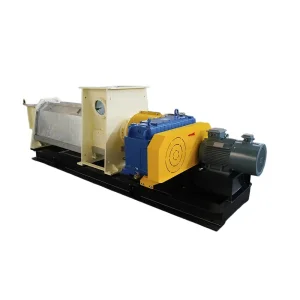
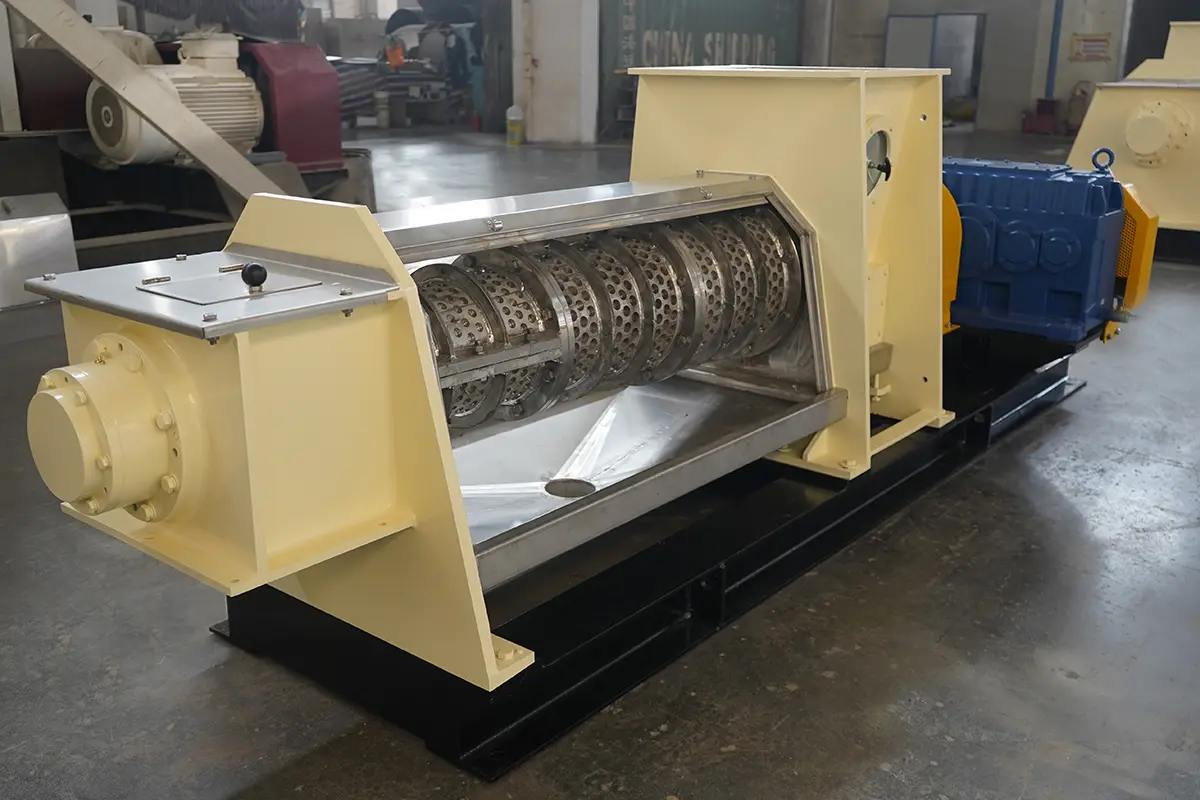
Heavy-duty mechanical moisture reduction, cutting down thermal load for downstream industrial dryers.
Learn More →In East Africa, and Kenya in particular, grain processing represents the backbone of food security and industrial growth. Maize (corn) is the primary staple food, consumed daily by millions of households. Consequently, the industrial market for maize milling is undergoing a structural transition. Traditionally, basic hammer mills dominated the local landscape, producing unrefined whole meals. However, growing urban demand for high-quality, long-shelf-life sifted maize meal has forced processors in major agricultural hubs like Eldoret, Nakuru, Nairobi, and Thika to upgrade their infrastructure. This is where advanced degerming mill machinery plays a pivotal role.
A major challenge faced by Kenyan millers is germ extraction. The maize germ contains high levels of oil (up to 35% of its total weight). When maize is milled without proper degerming, this oil is dispersed throughout the flour, causing rapid rancidity and reducing shelf life to mere weeks under tropical storage conditions. Modern industrial degerming mills enable precise kernel fractionation, cleanly detaching the oil-rich germ from the starch-heavy endosperm. By integrating heavy-duty degerming mills, millers in Kenya can produce premium flour of Grade 1 standard while capturing intact germ for high-value corn oil extraction industries, creating a secondary revenue stream that significantly bolsters factory margins.
Beyond human consumption, Kenya's feed millers and animal nutrition sectors are experiencing high growth rates. The secondary output of corn degermation—specifically the bran and lower-grade endosperm—serves as crucial raw material for dairy and poultry feeds. As the government increases its emphasis on local agricultural value-addition and food safety standards (such as reducing aflatoxin contamination through improved drying and sorting systems), the integration of industrial-grade degerming mills and closed-loop process lines has shifted from an operational luxury to a compliance necessity.
Maximizes starch recovery and extracts whole, undamaged germs, enhancing oil yields and premium flour quality.
Lower power requirements per ton of processed material than traditional abrasion-heavy hullers.
Machined from high-wear alloy materials, resisting the abrasive nature of regional grains under continuous production.
Globally, starch and sweetener production facilities operate on a continuous loop where efficiency must be maximized at every single junction. Purchasing managers and operations directors from Africa, Europe, and Asia seek complete technical layouts rather than isolated components. A standard wet-milling process requires a balanced downstream process consisting of fiber dewatering, starch refining, steepwater concentration, and germ drying.
In a standard dry/wet grain refinery plant setup, the degerming mill acts as the initial physical separation barrier. Once the starch-water slurry leaves the degerming mill and downstream screens, it contains heavy wet-fiber waste. This fiber is passed through a Single Screw Press to reduce moisture levels from 75% down to below 55%, dramatically decreasing the energy load required by downstream dryers. The remaining moisture-rich fiber is then processed in a high-velocity Airflow Dryer or a steam-tube bundle system, returning dry, stable livestock feed.
Simultaneously, the liquid fraction (or corn steep liquor) must be concentrated to capture high-protein solubles. This is where Falling Film Evaporators and Mechanical Vapor Recompression (MVR) Plants come into play. By recycling latent heat from evaporation vapors, these systems lower steam consumption. Global grain processing plants rely on these combined technical suites to achieve near-zero liquid discharge (ZLD) while reclaiming reusable condensed water for initial steeping steps, building a highly sustainable, green production ecosystem.
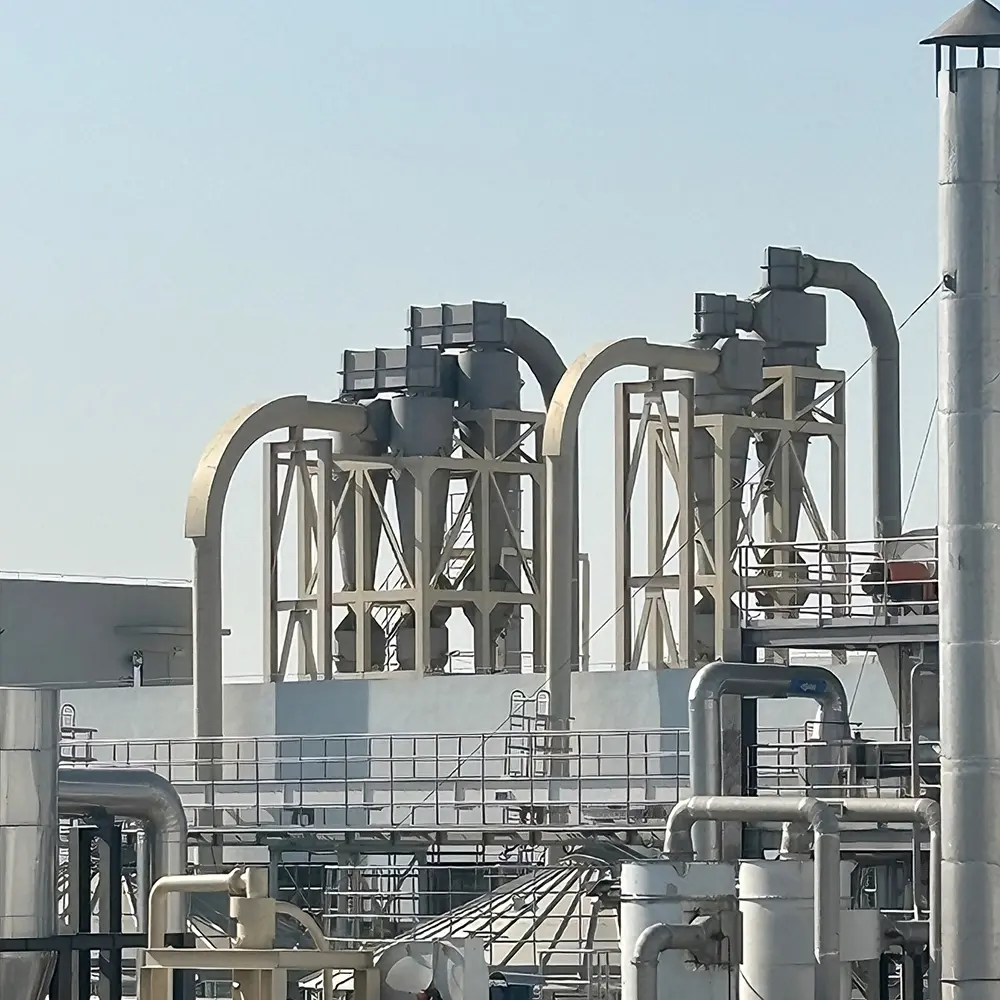
Jiangsu Zongheng's MQG Airflow Dryer employs high-speed hot air to suspend and fluidize the material. By utilizing impulse airflow generated from precisely varied tube diameters, it continuously tumbles the particles while conveying them. This design ensures rapid, uniform, and efficient drying throughout the entire transportation process within the system, keeping product moisture levels extremely consistent.
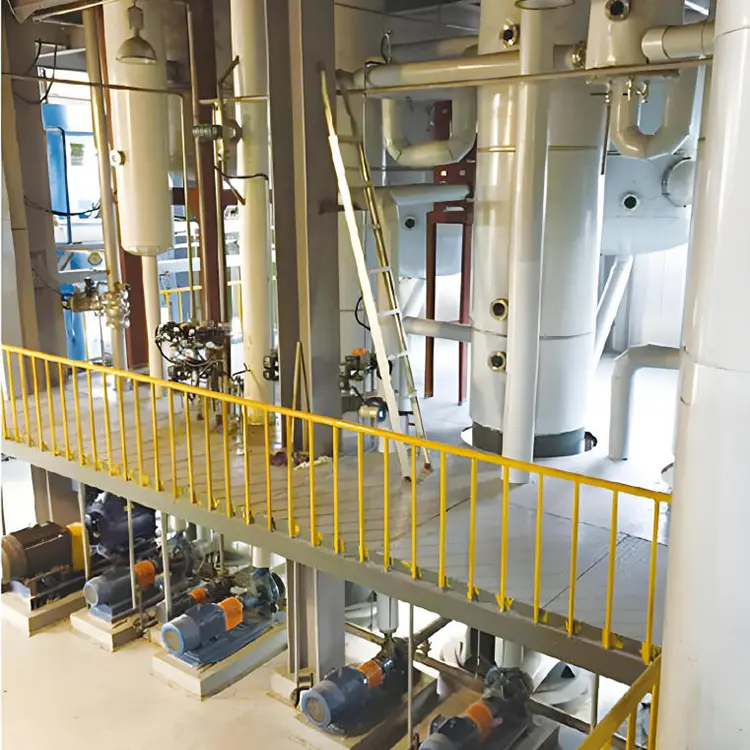
A falling film evaporator efficiently concentrates heat-sensitive liquids. The feed liquid forms a thin film flowing down heated vertical tubes, where it partially evaporates. Vapor generated flows parallel to the liquid, enhancing the process. It ensures a short residence time and low operating temperature, preserving product quality. The system requires proper liquid distribution and complete surface wetting to prevent fouling and maintain high thermal efficiency and operational stability.
Our engineering milestones demonstrate our journey from a local component fabricator to a global manufacturer of heavy industrial processing lines, providing the basis for our technical expertise.
The company covers over 54,000 square meters, with workshops exceeding 22,000 square meters. Staffed by 3 senior engineers and over 20 specialized design engineers, delivering plant automation solutions globally.
Achieved international quality system certification (Certificate No.: 45021), establishing a complete quality assurance system aligned with international standards.
Acquired the ASME "U" Stamp authorization, marking our entry into the high-pressure chemical and heavy-duty industrial vessel fabrication sectors.
Obtained the Special Equipment Manufacturing License of the People's Republic of China (License No.: TS2232C42), authorizing the creation of complex industrial pressure systems.
Awarded the designation of Jiangsu Provincial High-Tech Enterprise, reinforcing our dedication to energy recovery and process automation R&D.
Obtained ISO9001 certification, standardizing manufacturing processes across all chemical, starch, and drying system product lines.
Jiangsu Zongheng Concentrating and Drying Equipment Co., Ltd (formerly known as Yixing Yangxi Light Industrial Machinery Factory) was established, operating on 15 mu of land with 45 pioneering workers.
Our dynamic process portfolio supports a wide variety of industrial verticals. From food starch extraction to heavy chemical treatment, we supply customized hardware optimized for reliability and efficiency.
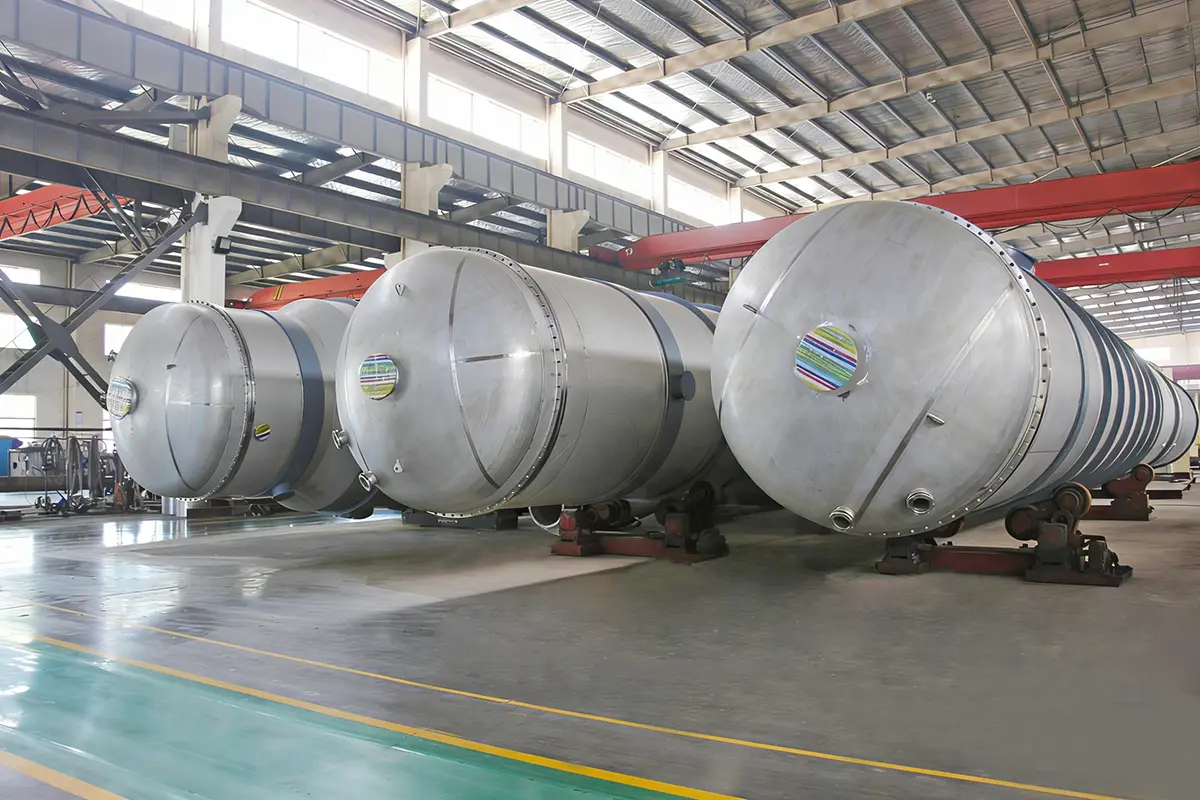
For starch liquor, dairy, wastewater, and organic chemical separation processes.
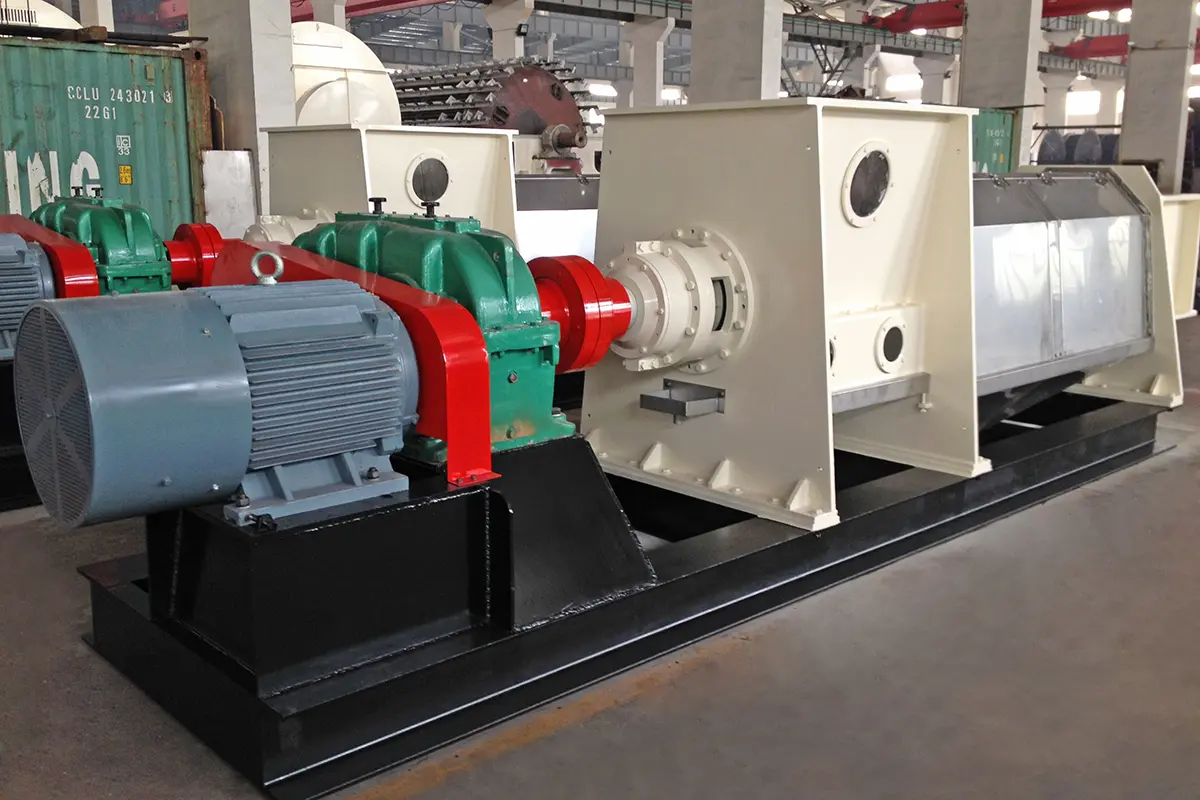
Continuous dewatering of fibrous materials like corn husks, straw, and bagasse.
Delivering high-speed centrifugal drying for bulk crystals and solid concentrates.
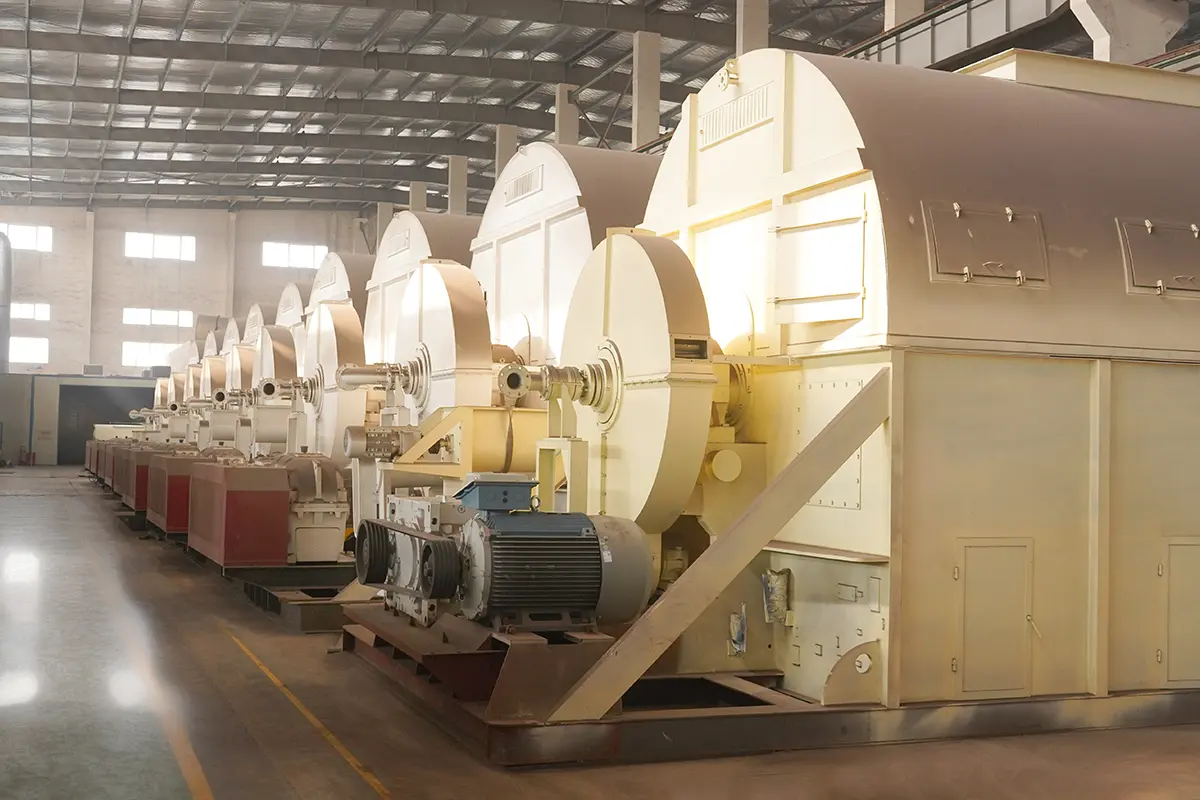
Optimized for organic feeds, germ fraction drying, and grain processing residue.
Purchasing heavy machinery for installation in agricultural zones like Eldoret, Nakuru, Kisumu, or Thika requires attention to international logistics and local regulatory frameworks. All imports must align with the Kenya Bureau of Standards (KEBS) requirements and possess a valid Pre-Export Verification of Conformity (PVoC) certificate. Jiangsu Zongheng ensures that all technical equipment shipments comply with Kenyan import regulations. Our pressure vessels are manufactured to international standards (ASME U-Stamp, CE, and ISO 9001), ensuring a smooth clearing process at the Port of Mombasa.
Additionally, we offer engineering support during the installation phase. Our technical group provides comprehensive layout designs, structural steel planning, and pipeline schematics. We also coordinate with local contractors in Kenya for installation and commissioning. Our remote digital maintenance support and fast-tracked spare parts delivery minimize downtime. From replacement screens for degerming mills to tube bundles and evaporation gaskets, we keep your agricultural processing lines running efficiently.
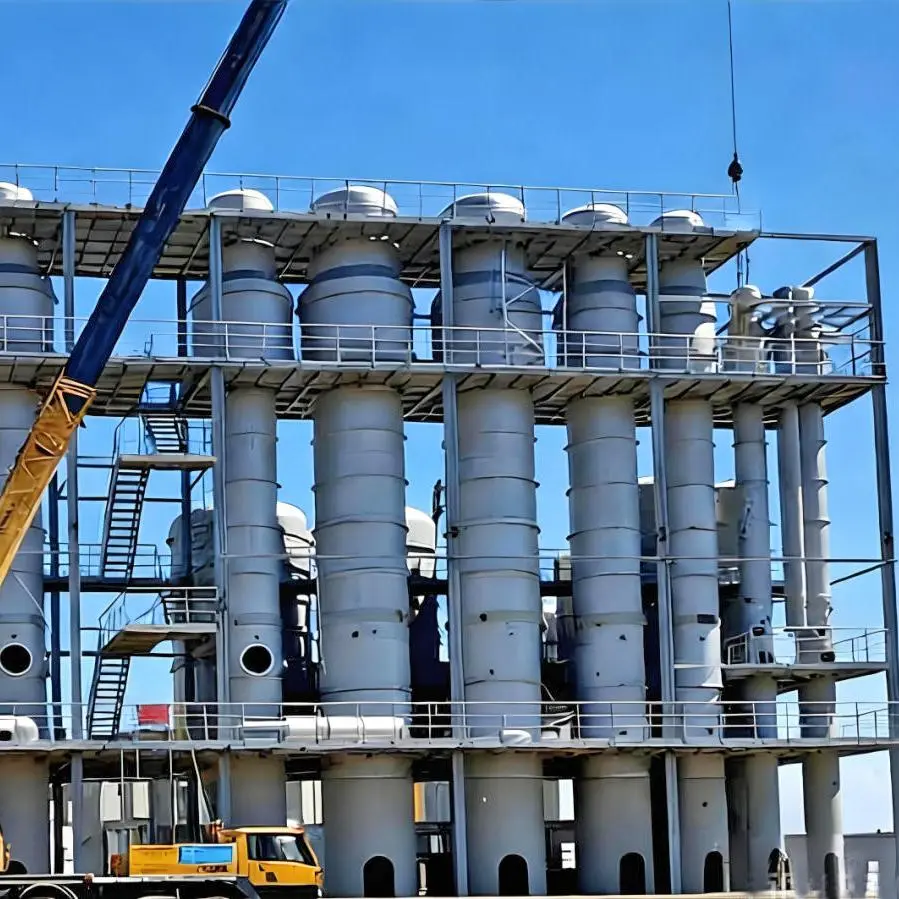
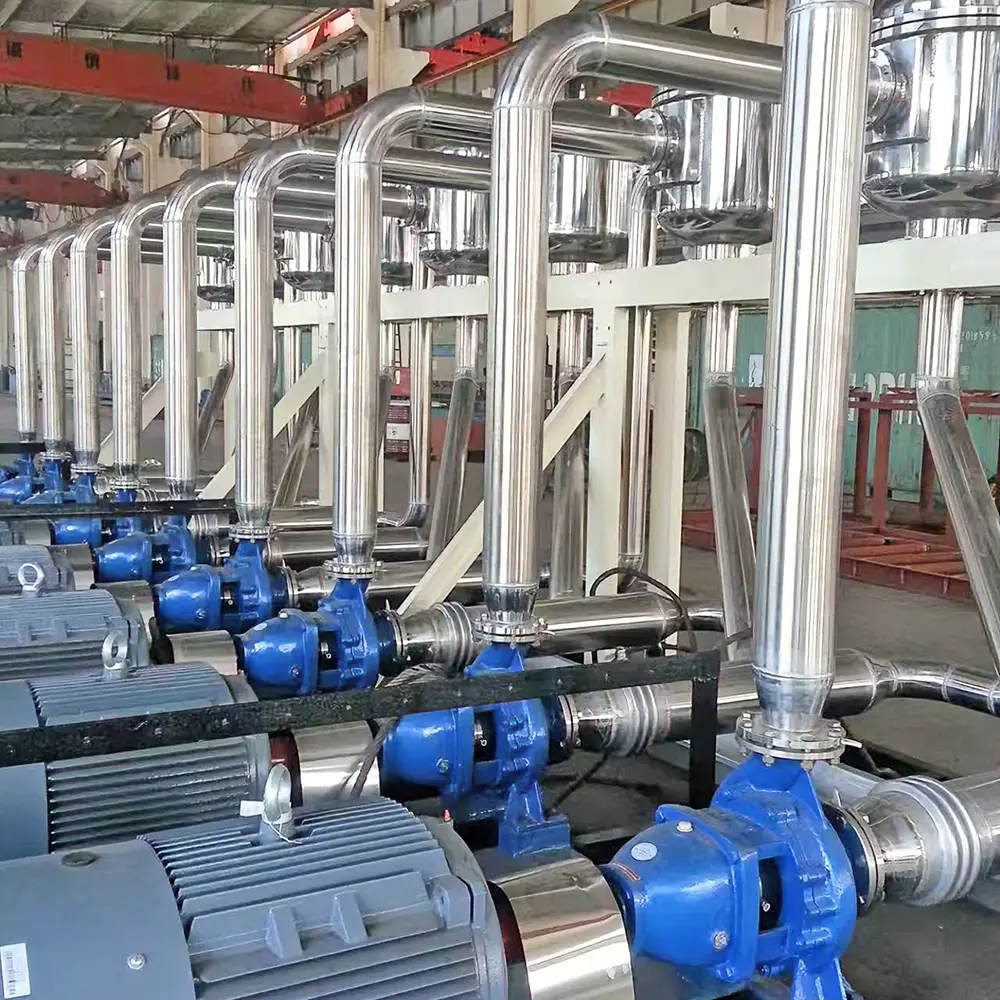
Zonghong provides energy-efficient, high-performance evaporation solutions including Multi-Effect, MVR, and waste-heat driven systems designed to concentrate highly heat-sensitive compounds with low steam consumption.
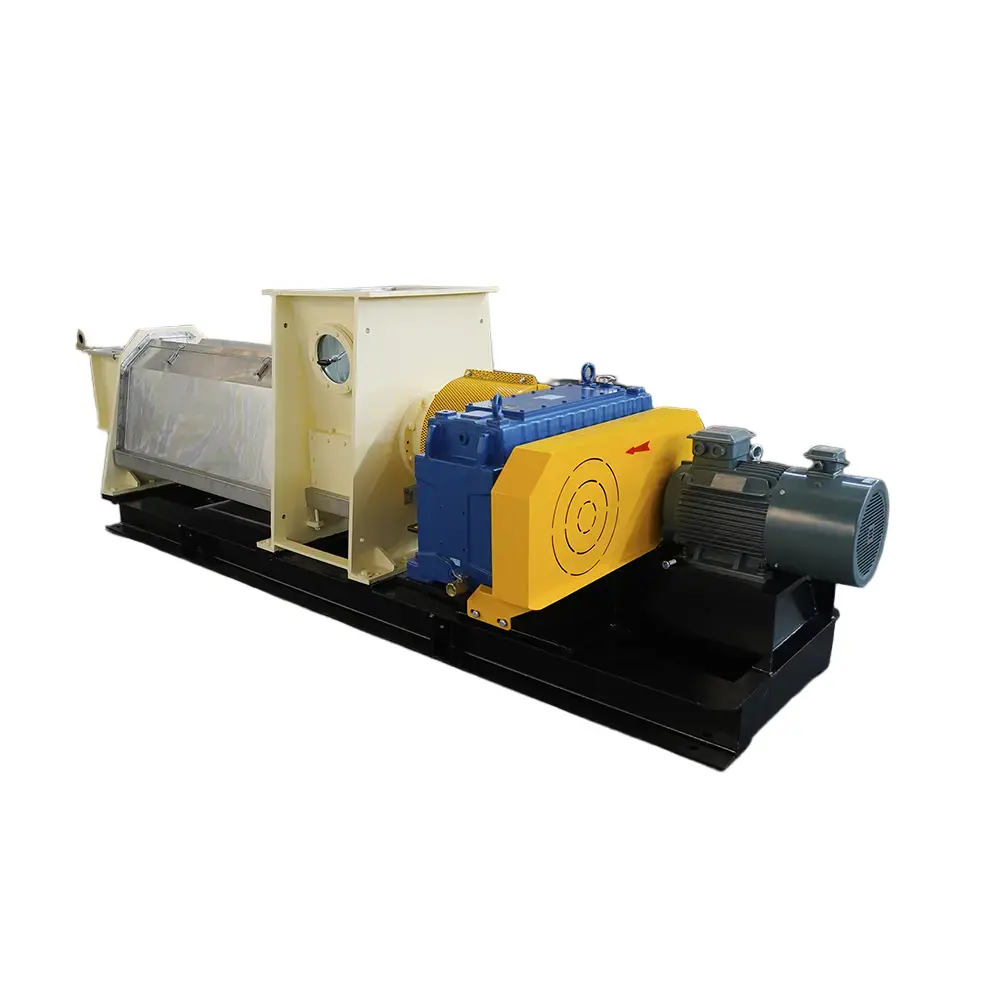
Jiangsu Zongheng's single screw press efficiently dewaters solid-containing slurries, removing unbound surface moisture using mechanical compression to minimize thermal drying energy consumption.
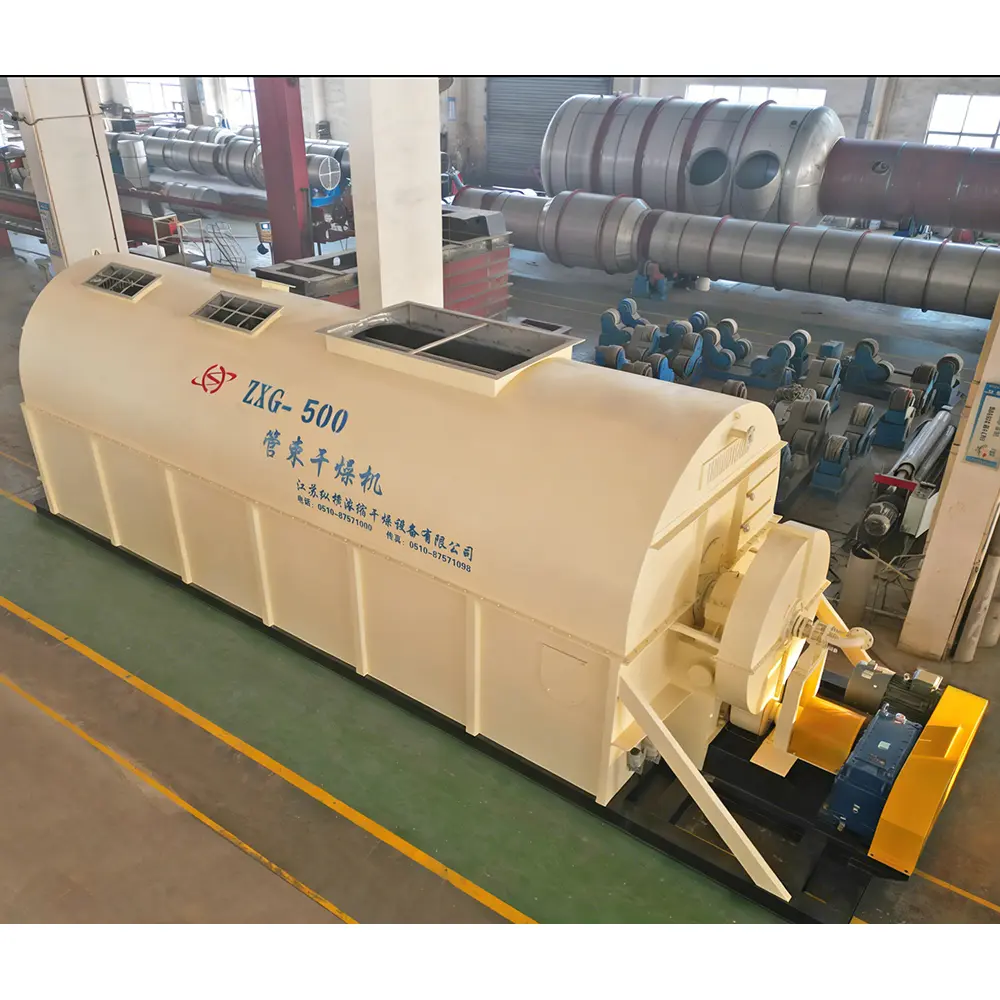
Jiangsu Zongheng's ZXG Tube Bundle Dryers ensure safe, low-oxygen drying via steam-heated tube bundles rotating slowly inside a stationary housing. This design is ideal for germ, fiber, gluten, and animal protein meals.
Jiangsu Zong's YDX Starch Washing Cyclone is specifically engineered for the continuous counter-current washing, purification, and separation of starch suspensions, ensuring maximum product purity.
Integrates multiple waste heat sources to reduce energy consumption in industrial wastewater plants.
Learn More →
High-speed hot air suspension drying designed for agricultural powders and refined starches.
Learn More →
Designed for extreme concentrations of high-viscosity media in manufacturing operations.
Learn More →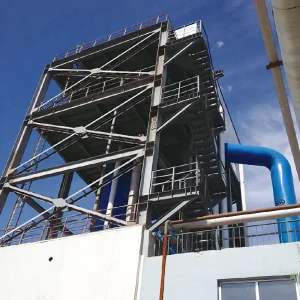
Mechanical Vapor Recompression plants designed to lower steam usage and utility expenses.
Learn More →
Recovers flash steam from dryers to concentrate waste corn steep streams without extra boiler steam.
Learn More →
Heavy-duty rotating bundle heating system ensuring safe drying under automated temperature controls.
Learn More →
Engineered for heavy-duty starch and ethanol DDGS residue dewatering and drying processing.
Learn More →
Dewatering system for wet fibers and germ fractions prior to entering steam-heated dryers.
Learn More →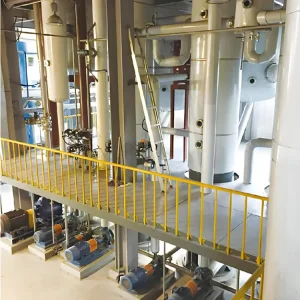
Ensures minimal thermal degradation in concentrates through precise film flow dynamics.
Learn More →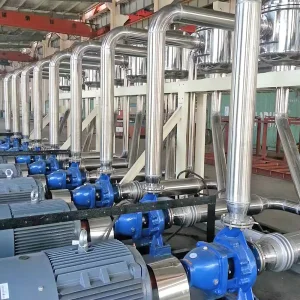
Advanced multi-stage cyclone separator designed for maximum protein extraction and starch purity.
Learn More →
Reliable factory configurations ensuring high heat transfer coefficients and low fouling rates.
Learn More →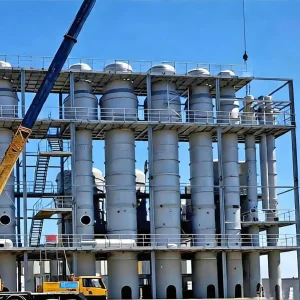
Fully certified industrial design ensuring safety compliance for European and global markets.
Learn More →Understanding the exact physical separation mechanisms within an industrial degerming mill is essential for optimizing mill efficiency. The primary target is to crack open the maize kernel without breaking the germ itself. The corn germ is elastic, while the surrounding endosperm is brittle. An effective degerming mill uses a high-speed rotor to create a combination of impact forces and shear friction. When the kernel enters the milling chamber, it is thrown against localized impact plates. The brittle endosperm shatters into small fractions, while the rubbery germ detaches in one piece.
If the rotor speed is set too high, the germ will shatter, releasing free fatty acids (FFA) into the starch stream. This lowers the quality of the starch and makes the germ difficult to collect on downstream screens. Conversely, if the rotor speed is too low, the endosperm will remain attached to the germ, reducing overall yield. Jiangsu Zongheng's degerming mills feature adjustable speed controllers and customizable impact plates. This allows millers to adjust settings based on local maize varieties in East Africa, accommodating different grain sizes and moisture levels.
In wet milling setups, the separated streams are routed to Starch Washing Cyclones. These cyclones use centrifugal force to divide the lower-density germ from the heavier starch and gluten particles. The wet fiber from this separation is then sent to a Single Screw Press. Here, mechanical pressure compresses the fibers to remove water before the material enters the Tube Bundle Dryer. This integrated system ensures maximum yield and optimal energy use across the entire processing line.
Whether you are establishing a new maize milling facility in Eldoret, upgrading a starch refinery in Thika, or seeking energy-efficient evaporators, our engineering team is here to assist.
 Zongheng