Hanoi, the administrative capital and primary industrial coordinator of Northern Vietnam, is experiencing an unprecedented phase of industrial escalation. Through major economic zones like the Thang Long Industrial Park, Quang Minh Industrial Park, and neighbouring hubs in Bac Ninh, Hung Yen, and Vinh Phuc, the region is transitioning from labor-intensive assembly lines to capital-intensive, automated process manufacturing. Among these, the agricultural processing (rice, corn, and cassava starch extraction), chemical production, and wastewater management sectors stand out as high-demand domains requiring reliable, high-capacity drying infrastructure.
This is where Airflow Dryer (Flash Dryer) Technology becomes essential. As industries process heavy materials with high input moisture content (such as starches, chemical particulates, and organic waste), traditional rotary drying systems no longer suffice due to their enormous foot-print, higher heat loss indexes, and thermal breakdown risks for sensitive materials. Airflow drying offers a flash-drying approach that removes moisture instantly, safeguarding chemical integrity and starch viscosity.
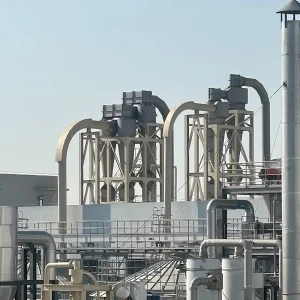
The core mechanism of the MQG Industrial Airflow Dryer revolves around pneumatically conveying particulate matter in a highly turbulent, high-velocity stream of hot gas. What sets the Jiangsu Zongheng design apart in the Hanoi market is the strategic deployment of impulse airflow tubes.
By altering the internal diameter of the ducting pipes sequentially, the process gas undergoes rapid shifts in velocity. As the gas speeds up and slows down, the slip velocity between the hot air and the solid particles increases. This continuously disrupts the boundary layer of moisture surrounding each particle, drastically boosting the heat and mass transfer coefficient. Moisture is driven out from the core to the surface and vaporized in a fraction of a second.
| Drying Parameter | Traditional Flash Dryers | Jiangsu Zongheng MQG Series | Impact on Processing Plants |
|---|---|---|---|
| Retention Time | 2.0 - 4.0 seconds | 0.5 - 1.5 seconds | Protects heat-sensitive starches from gelatinizing or burning. |
| Duct Dynamics | Uniform cylindrical piping | Alternating impulse-diameter pipes | Disrupts particle surface moisture boundary layer for faster drying. |
| Thermal Efficiency | 50% - 60% | Up to 78% (with energy recovery) | Saves thousands of dollars in fuel/steam costs annually. |
| Automation Level | Manual damper adjusting | PLC-driven frequency matching | Consistent output moisture (±0.5% tolerance) under fluctuating feeds. |
| Space Requirement | Large horizontal layout | Compact vertical modular footprint | Reduces factory floor building costs in Hanoi IPs. |
Choosing a Chinese specialist manufacturing base like Jiangsu Zongheng Concentrating and Drying Equipment Co., Ltd. offers significant strategic advantages for Vietnamese industrial operators. Geographically, China's manufacturing clusters in the Yangtze River Delta are closely linked to Northern Vietnam via robust logistics pathways.
Jiangsu Zongheng is equipped with over 30 years of large-scale pressure vessel fabrication experience, maintaining a modern production space exceeding 22,000 square meters. Our engineers design systems to align with both Chinese national production standards (GB) and international certifications like the ASME "U" Stamp and CE standards. This guarantees that your systems will easily pass Vietnamese government inspections and local environmental clearance reviews.
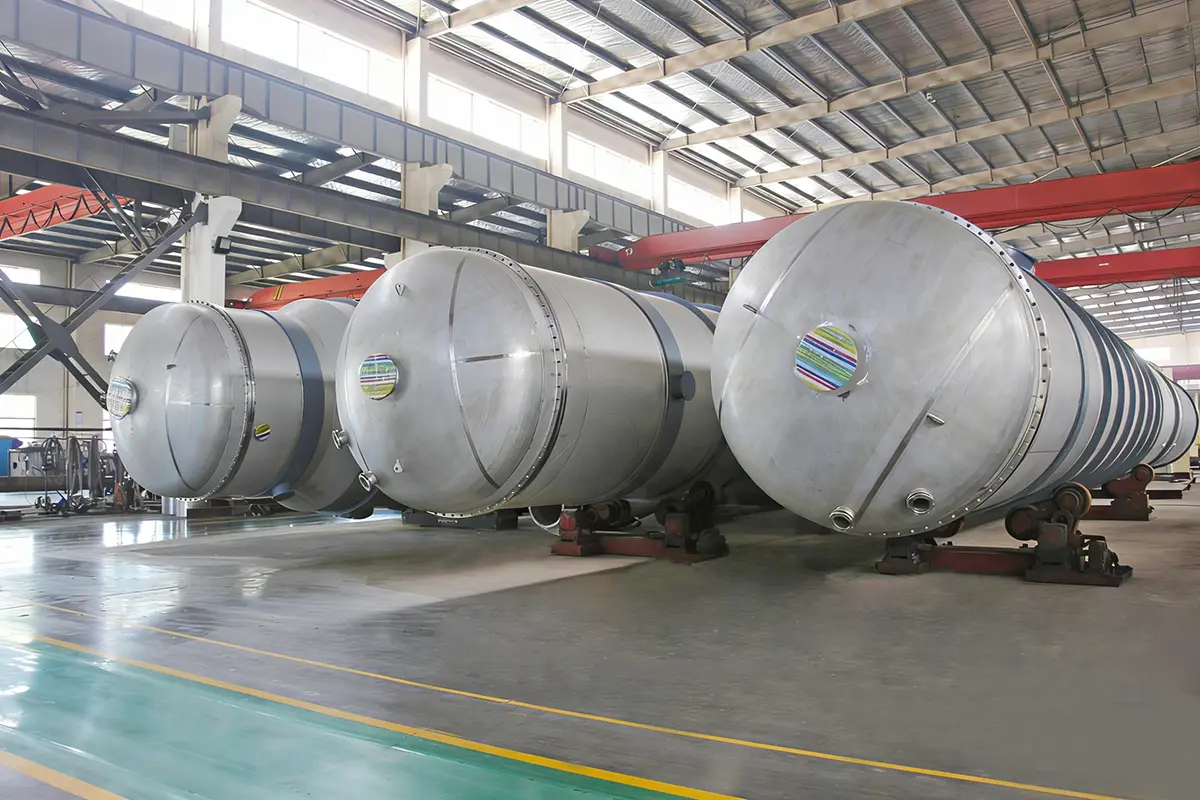
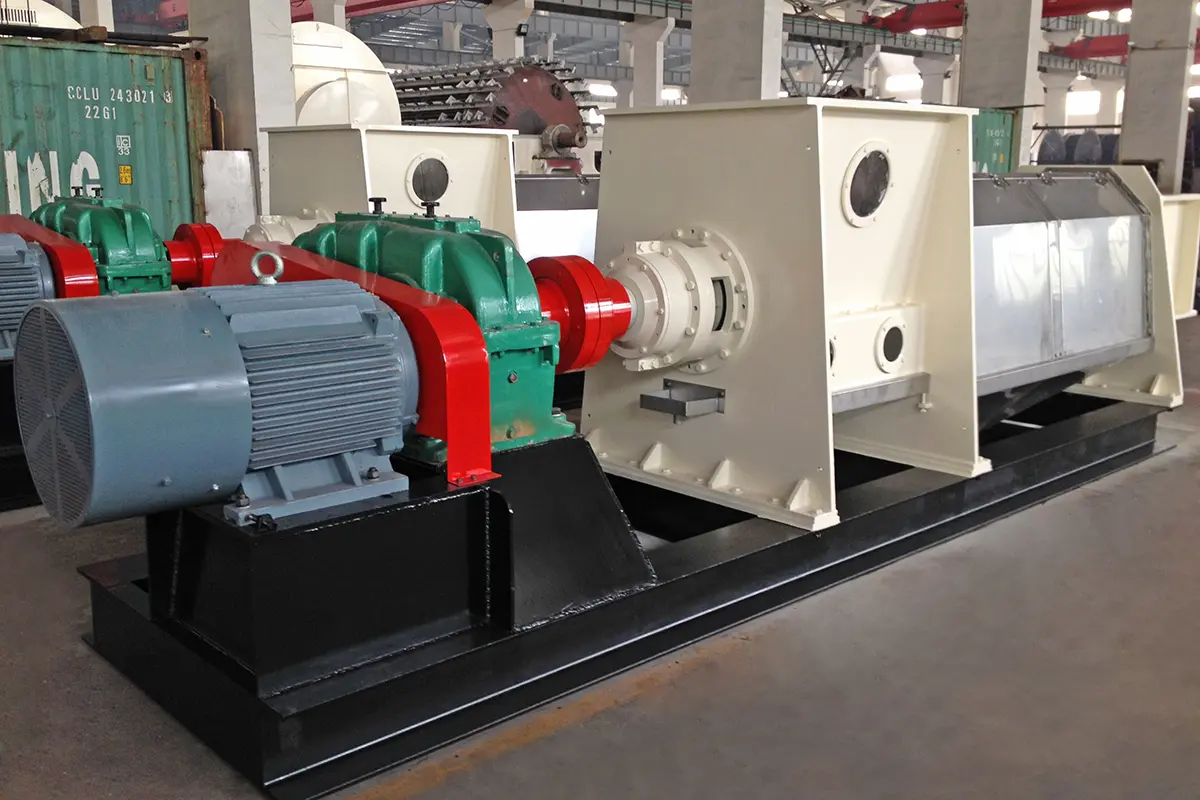
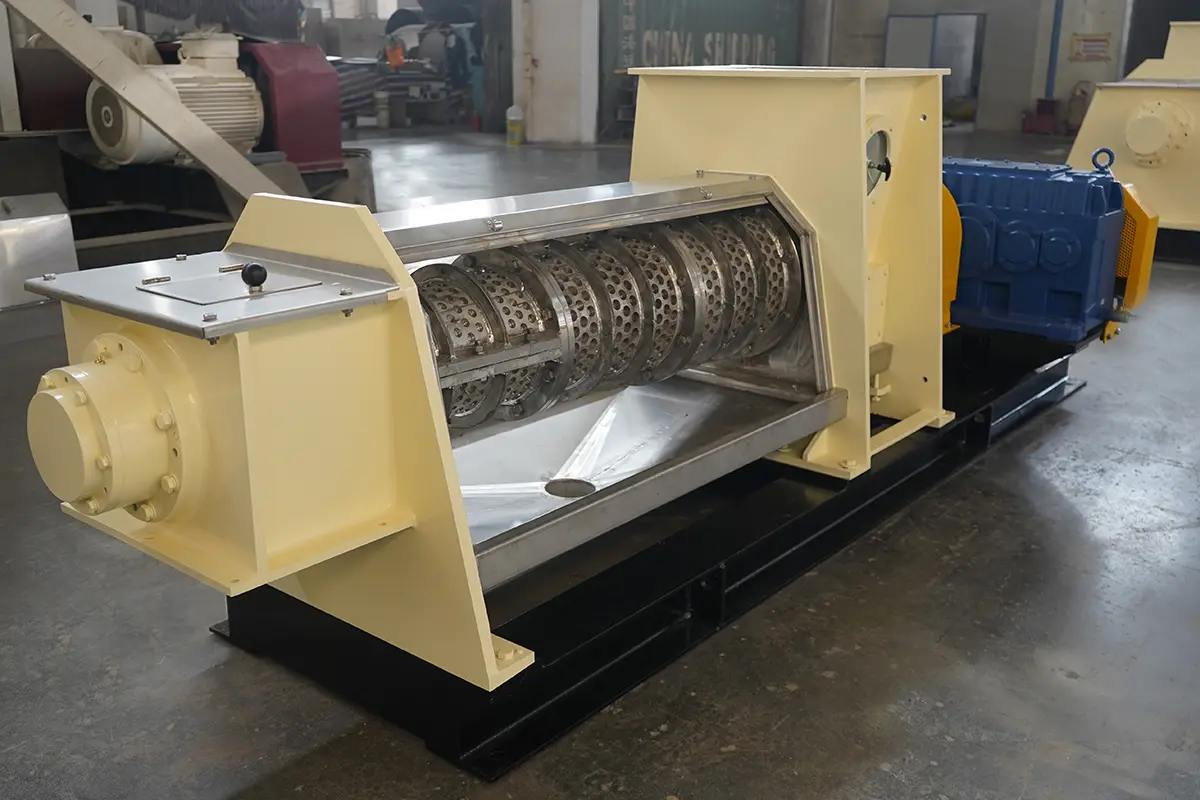
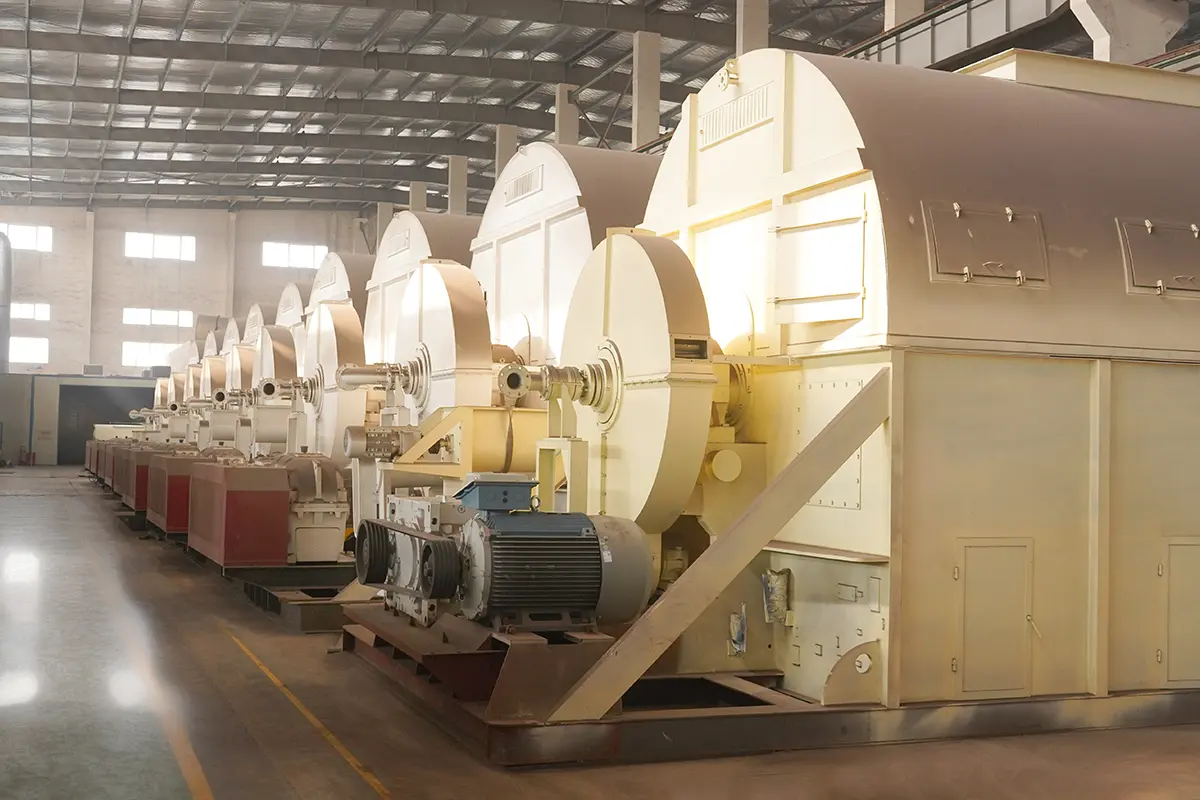
Cassava Starch Extraction: Northern provinces such as Son La, Yen Bai, and Phu Tho feed huge volumes of crude starch cake to processing centers in the outer districts of Hanoi (such as Hoai Duc). Flash dryers are the industry standard here, instantly removing water from wet starch cakes (from 38-40% moisture down to a stable 13.5% commercial packaging standard). The short exposure time prevents gelatinization, preserving the starch viscosity and whiteness.
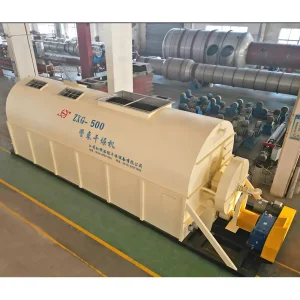
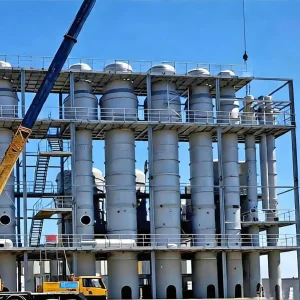
Industrial Organic Byproducts (DDGS): Breweries and ethanol plants produce huge amounts of waste distillers grains. Integrating our ZXG Tube Bundle Dryers and evaporators with high-velocity airflow systems transforms low-value wet grains into nutrient-rich animal feed, creating a highly profitable byproduct stream.
Founded in 1992 (originally Yixing Yangxi Light Industry Machinery Factory), Jiangsu Zongheng is located in Zhoutie Town, Yixing City, on the scenic shores of Taihu Lake. Yixing is widely recognized as the capital of industrial equipment fabrication in China. We cover an area of over 54,000 square meters, with modern manufacturing facilities taking up 22,000 square meters.
We are a high-tech manufacturer specializing in industrial concentration, drying, starch refining, alcohol production, and Category III medium and low-pressure vessels. As long-term members of the China Starch and Alcohol Association, we deliver reliable systems trusted by process industries worldwide.
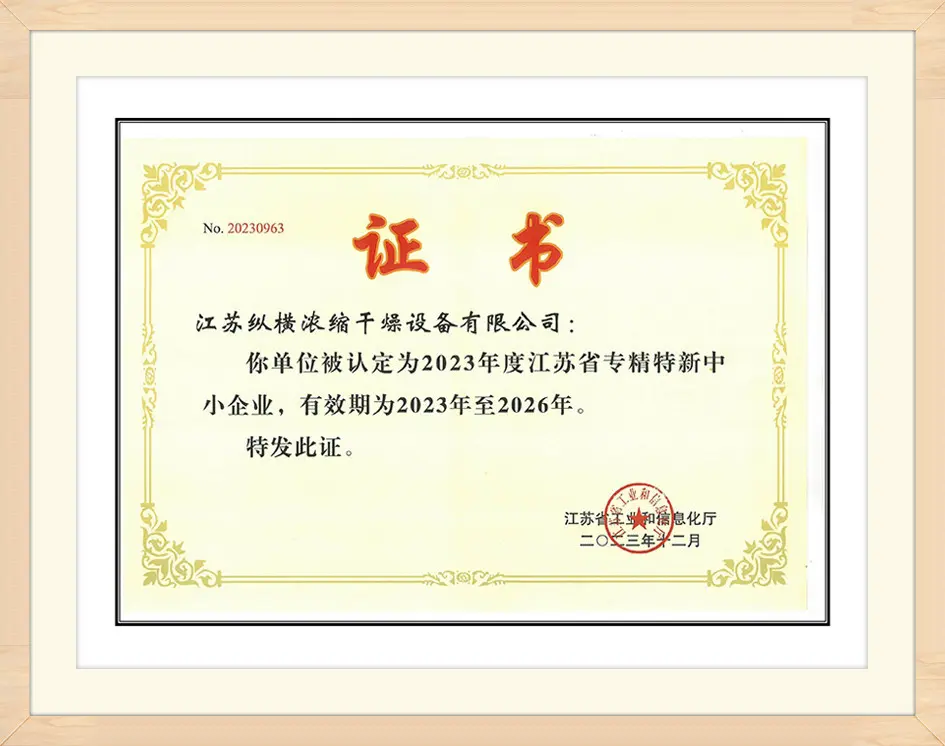
ISO9001 QMS Certification
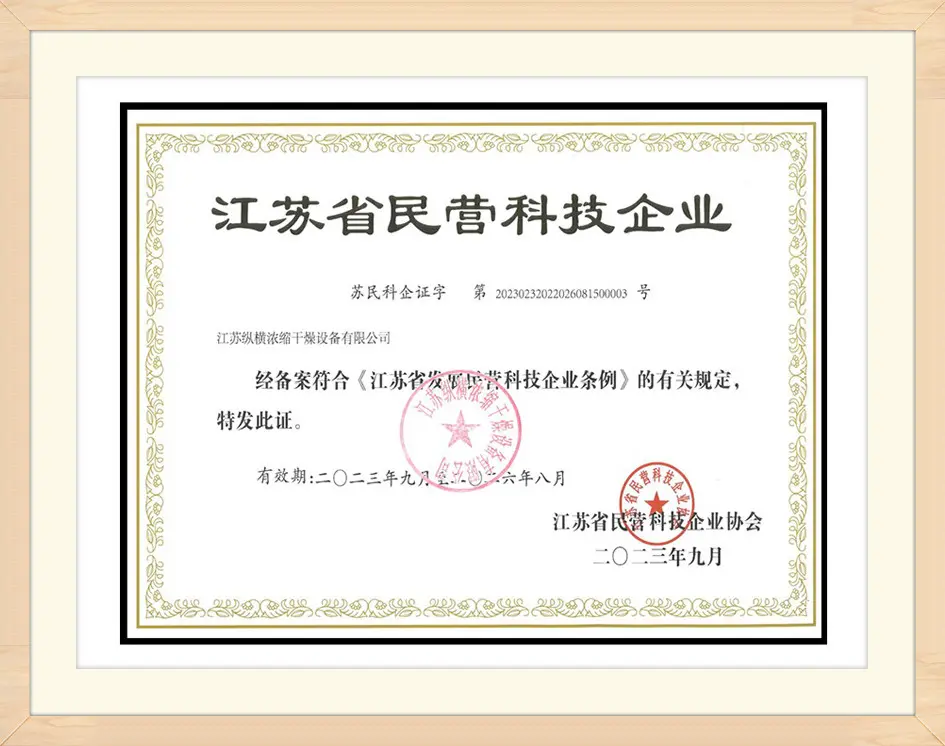
ASME U-Stamp Authorization
Today, our modern factory covers over 54,000 square meters. The engineering team consists of senior developers, structural stress analysts, and automation experts delivering systems globally.
Established international quality assurance systems aligning to certificate standards, paving the way for large-scale export partnerships across Southeast Asia, including Vietnam and Thailand.
Formally acquired the ASME "U" Stamp authorization, validating our high-pressure vessel design, engineering, and manufacturing capabilities to international standards.
Our company was founded as Yixing Yangxi Light Industrial Machinery Factory, focusing on localized industrial thermal and concentration equipment.
For Hanoi procurement professionals, purchasing capital equipment is more than just selecting a performance layout. You must ensure compliance with Vietnamese industrial and environmental regulations. All equipment imported from Jiangsu Zongheng matches domestic requirements:
Evaluating capital systems requires reviewing the balance of initial expenditure (CAPEX) versus ongoing operational costs (OPEX). While cheaper local fabrication shops may seem attractive at first, they often suffer from rapid thermal structural fatigue, unstable fuel consumption, and uneven output drying moisture. Zongheng systems reduce OPEX through:
1. High-precision automated control loops that minimize heat-up times.
2. Re-routing waste vapor streams to pre-heat inbound material, cutting fuel usage.
3. High-quality corrosion-resistant alloys that minimize shutdown periods and structural fatigue.
Typically, the system handles an incoming wet cassava starch cake containing 38% to 40% moisture and reduces it down to a stable packaging standard of 13% to 13.5% in a single pass. The process takes less than two seconds, safeguarding the starch structure and keeping viscosity high.
Yes. The thermal air heating systems can be configured with automated biomass gasification furnaces that run on locally sourced fuels such as rice husks, wood chips, or agricultural waste, helping to reduce reliance on coal or natural gas.
The variable diameter design of the impulse tubes changes the gas velocity profile as materials pass through. This continuously alters the slip velocity between the particles and the gas stream, disrupting the boundary layer of moisture surrounding each particle to speed up drying and reduce overall tube length.
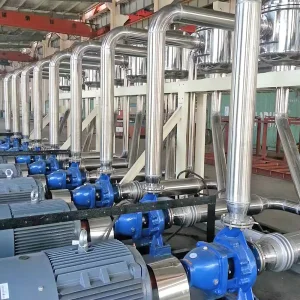
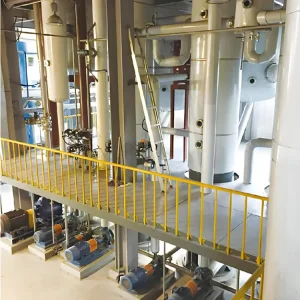
Absolutely. We specialize in evaporation and concentration systems, including MVR (Mechanical Vapor Recompression) plants, Falling Film plants, and Forced Circulation systems designed for handling concentrated wastes and recovery processes.
We pack and ship the system modules in heavy-duty shipping containers directly to your plant site in the Hanoi region. Our engineering team can travel to your location to supervise assembly, verify connections, and run calibration tests to ensure performance.
Get in touch with our design engineers for customized layouts, technical calculations, and delivery quotes tailored to the Hanoi market.
 Zongheng