Engineered for high thermal efficiency, durability, and seamless integration into modern industrial processing lines.
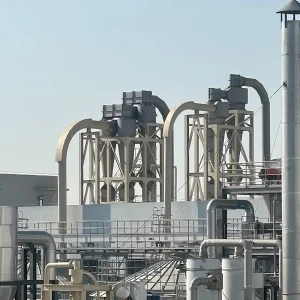
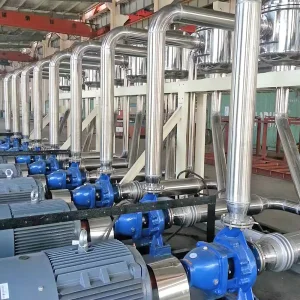
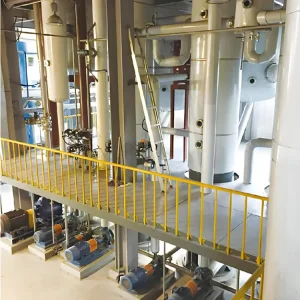
Russia stands as one of the world's largest agricultural powerhouses, with massive grain, corn, and potato production hubs stretching from the fertile Southern Federal District (Krasnodar, Rostov) to the expansive agricultural zones of Siberia and the Urals. In recent years, the Russian Federation has witnessed a significant structural shift toward deep grain processing (глубокая переработка зерна). This industrial transition aims to localize the production of high-value derivatives such as native and modified starches, gluten, lysine, citric acid, and feed additives like DDGS (Distillers Dried Grains with Solubles).
Deep processing requires highly efficient, continuous thermal separation and drying technologies. Airflow dryers (often referred to as flash or pneumatic dryers) are the technological backbone of these processing plants. They are uniquely capable of handling large volumes of heat-sensitive materials, reducing moisture content from over 40% down to commercial standards (typically 12-14%) in a matter of seconds. However, operating such heavy machinery in Russia presents distinct challenges: extreme seasonal temperature fluctuations (ranging from +30°C in summer to -40°C in winter), high energy costs in specific regions, and the critical need for robust, low-maintenance equipment that complies with local safety standards.
"As Russia accelerates its import substitution program in food ingredients and biochemicals, the demand for high-capacity, thermally optimized drying systems has reached an all-time high. Modern plants require systems that minimize energy consumption while maintaining strict product quality parameters."
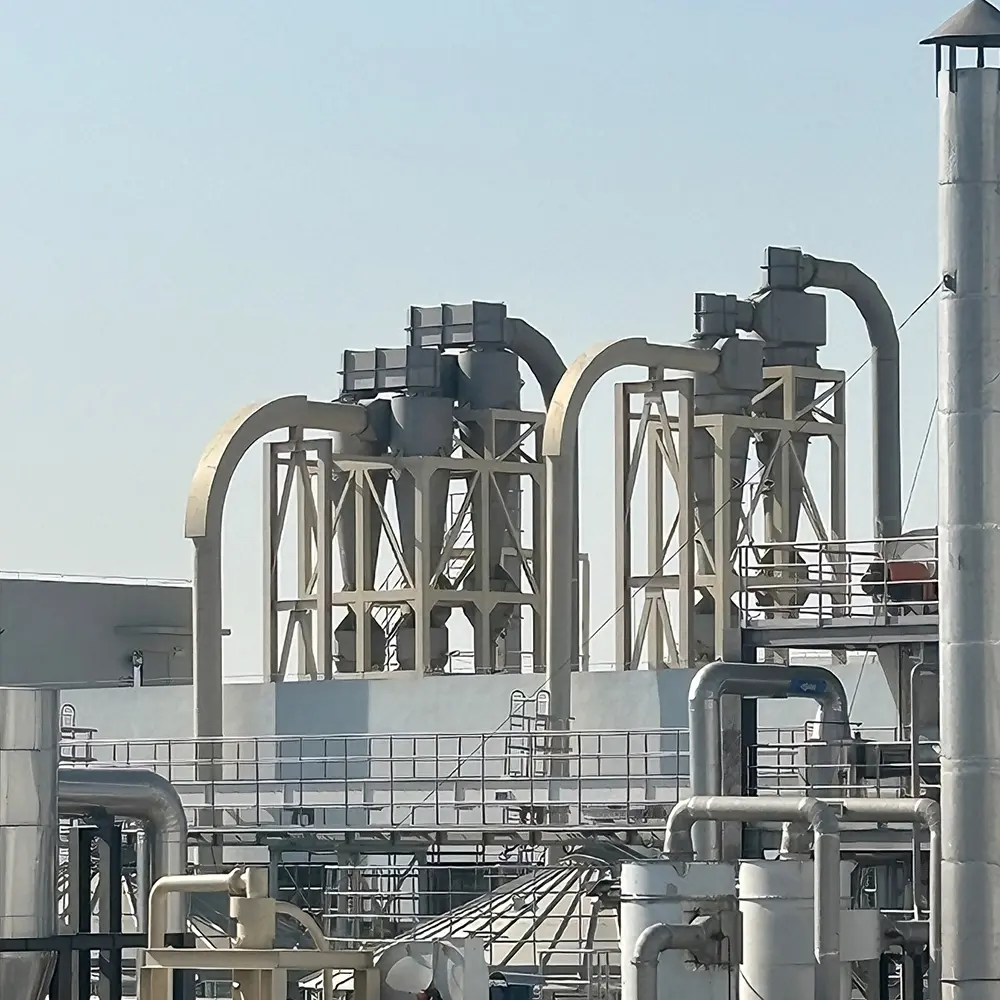
In regions like Voronezh and Lipetsk, large-scale wet milling plants process wheat and corn into starch. The wet starch cake obtained from centrifuges must be dried rapidly to prevent fermentation. Our MQG Airflow Dryers utilize high-velocity hot air to suspend starch particles, achieving instantaneous moisture evaporation without thermal degradation, preserving the starch's viscosity and pasting properties.
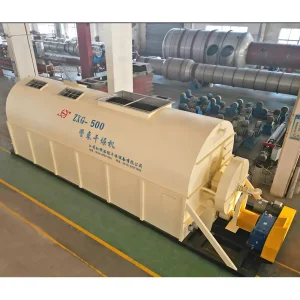
With Russia's vast bioethanol and spirits industry, managing distillery waste is crucial. Wet distillers grains (WDG) are highly perishable. By integrating our Tube Bundle Dryers and Airflow Dryers, distilleries convert waste into valuable DDGS feed. The system handles the sticky feed material efficiently, preventing clogging and ensuring a uniform, nutrient-rich final product suitable for livestock feed.
Potato processing plants in Western Siberia operate under severe winter conditions. The ambient air intake for drying systems can drop to -30°C, requiring massive energy to heat the air. Our specialized airflow drying systems feature advanced pre-heating loops and waste heat recovery systems, utilizing exhaust steam from evaporators to pre-heat intake air, saving up to 25% in thermal energy.
How Jiangsu Zongheng is driving the next generation of industrial drying technology through thermodynamic optimization, automation, and environmental compliance.
Utilizing advanced Computational Fluid Dynamics (CFD) to model particle trajectories and velocity profiles. By varying the drying tube diameters dynamically (impulse drying), we create controlled turbulence that breaks up agglomerates, increases the relative velocity between air and product, and dramatically enhances mass transfer rates.
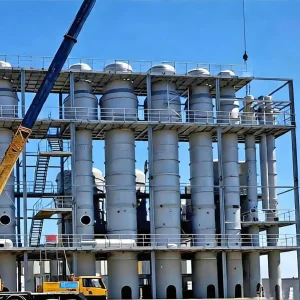
Integrating airflow dryers with Mechanical Vapor Recompression (MVR) evaporation plants. The waste heat from the evaporator's condensate and exhaust vapors is reclaimed via high-efficiency heat exchangers to pre-heat the dryer's incoming air, establishing a closed-loop thermal cycle that slashes carbon emissions and fuel consumption.
Implementing PLC-based control systems (Siemens/Schneider) with real-time feedback loops. By monitoring exhaust air temperature, humidity, and feed rate, the system automatically adjusts the heat source output to maintain a constant product moisture level within ±0.5%, preventing over-drying and product scorching.
For corrosive or abrasive applications (such as modified starches or chemical salts), we employ premium stainless steels (SUS316L, Duplex 2205) and specialized inner linings. This ensures a service life exceeding 20 years, even when operating continuously in high-humidity and chemically aggressive environments.
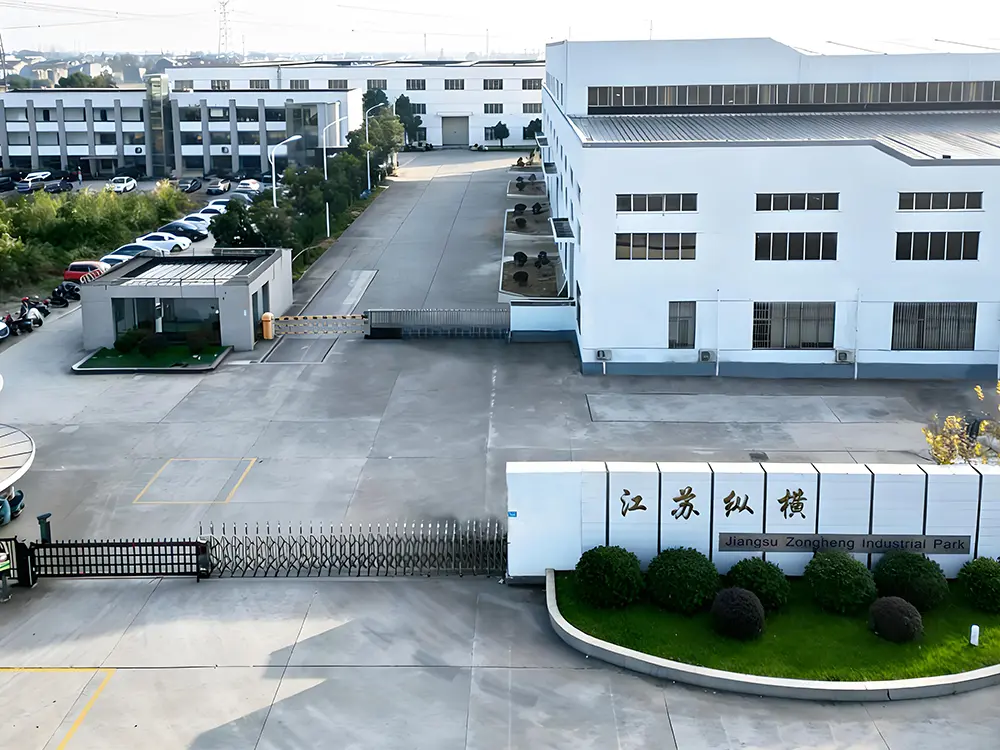
As a premier Chinese manufacturer located in Yixing, Jiangsu—the heartland of China's industrial equipment manufacturing cluster—Jiangsu Zongheng offers unparalleled supply chain advantages. Our 54,000-square-meter facility houses advanced fabrication machinery, including automatic welding stations, heavy-duty rolling machines, and state-of-the-art non-destructive testing (NDT) laboratories. This vertical integration allows us to control every step of production, from raw plate cutting to final assembly and pressure testing.
For our Russian clients, this translates into reliable lead times and robust logistics. We leverage the China-Europe Railway Express (Новый шёлковый путь), shipping directly from Jiangsu to major Russian logistics hubs like Moscow, Novosibirsk, and Yekaterinburg. This rail corridor reduces transit times to just 15-20 days compared to sea freight, minimizing project delays. Furthermore, our strategic partnerships with raw material suppliers ensure that we maintain a steady inventory of high-grade stainless steel and critical components, shielding our clients from global market volatility.
Jiangsu Zongheng's drying and evaporation systems are deployed globally, serving process industries across Southeast Asia, Europe, South America, and Central Asia. This global footprint is built upon a foundation of strict quality compliance. We hold the prestigious ASME "U" Stamp authorization, demonstrating our capability to design and manufacture pressure vessels to the highest international standards. For the Russian market, we ensure complete alignment with local regulatory frameworks:
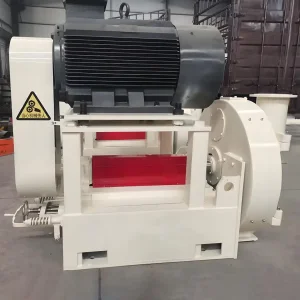
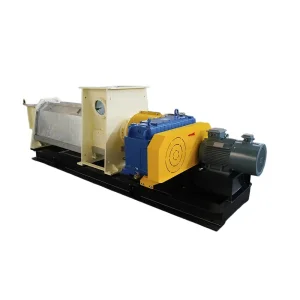
Explore our comprehensive range of concentration, drying, and separation equipment designed for heavy-duty industrial operations.
Expert answers to common engineering questions regarding the selection, operation, and optimization of airflow dryers in Russia.
Get in touch with our engineering team today to receive a customized technical proposal, process flow diagram, and commercial quotation tailored to your plant's specific requirements in Russia.
Send Inquiry Now Zongheng