 Zongheng
The Role of High-Quality Vibrating Screens in Industrial Wet Milling & Dewatering Systems
1. The Evolution of Industrial Separation and Vibrating Screens
In modern industrial processing, separation efficiency is the primary metric that determines overall plant profitability. Whether dealing with heavy mineral ores, fine starch emulsions, municipal wastewater, or pharmaceutical solids, selecting an optimized vibrating screen is crucial. Vibrating screens, or high-frequency separators, operate by utilizing a combination of structural vibration and calibrated mesh surfaces to sort materials based on particle size. Over the last decade, the demand for high-efficiency vibrating screens has surged, driven by strict requirements for raw material purity, dry matter recovery, and energy efficiency.
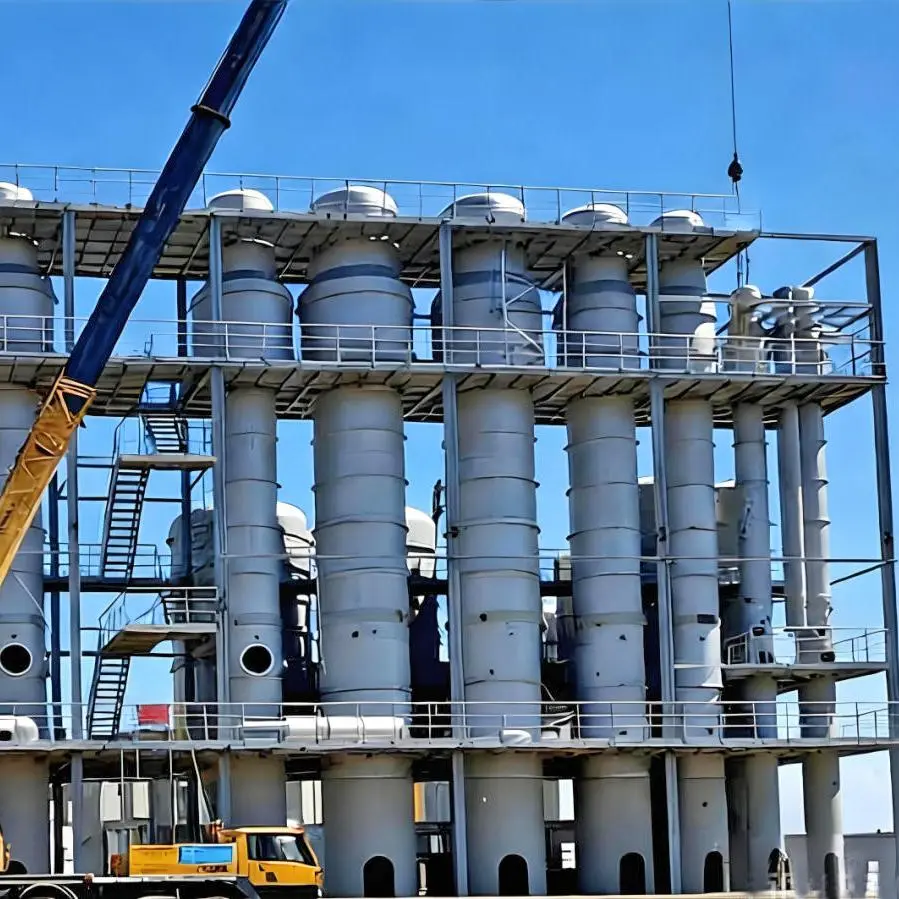
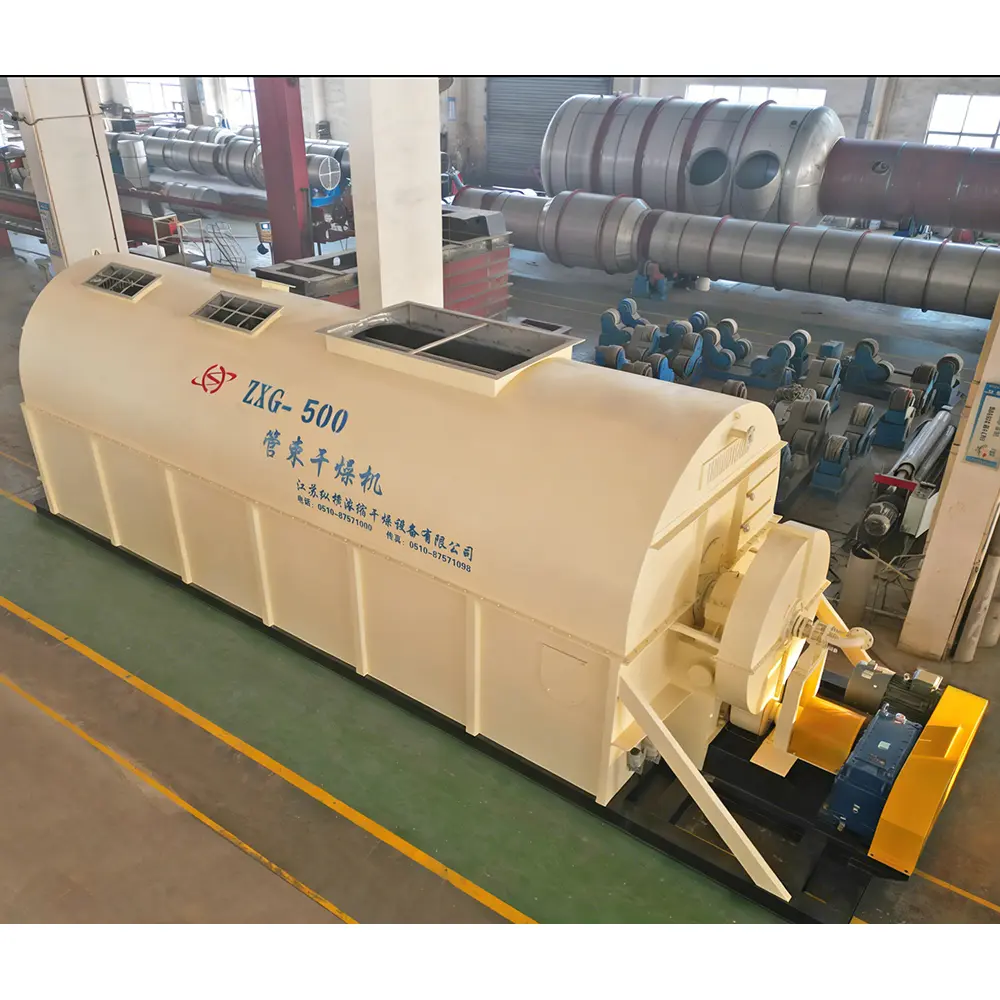
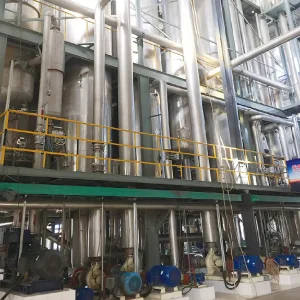
Information Gain: High-performance vibrating screens do not merely filter solids; they optimize the feed quality of subsequent processes such as mechanical vapor recompression (MVR) evaporation, falling film concentration, and tube bundle drying, thereby lowering operational expenditures (OPEX) by up to 25%.
2. Integration of Vibrating Screening in Food, Chemical, and Waste Processing
In starch processing plants, such as those relying on our YDX starch cyclones or degerming mills, the vibrating screen plays a vital role. It acts as the first line of defense, separating fibers and gluten fractions from starch slurry. Proper sizing of vibrating screens prevents downstream blockages in wash cyclone nozzles and evaporator tubes. In municipal and industrial wastewater streams, vibrating screens eliminate fibrous or coarse solids before the liquid enters forced circulation evaporators, significantly reducing cleaning cycles and structural fouling.