Engineered for high-volume industrial processing, starch refining, chemical synthesis, and wastewater recovery.
A comprehensive technical brief on thermal dynamics, structural engineering, and process optimization for global procurement managers.
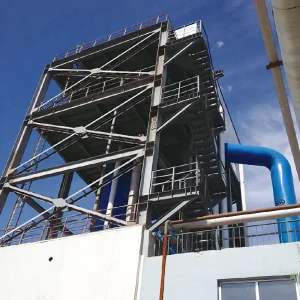
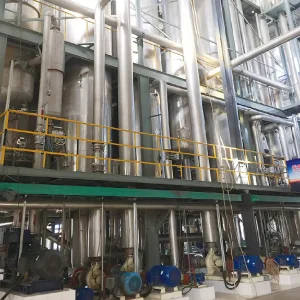
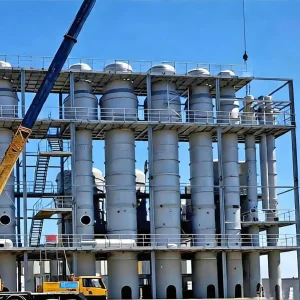
The Triple-Effect Evaporator operates on the fundamental thermodynamic principle of multi-stage thermal optimization. By reusing the latent heat of vaporization from the first effect as the heating medium for the second, and subsequently from the second to the third, the system significantly reduces raw steam consumption.
In standard configurations, the pressure drops sequentially from the first effect to the last, allowing the boiling point of the liquor to decrease in tandem. This enables continuous boiling without requiring additional external heat inputs for subsequent stages, yielding a steam economy where 1 kg of live steam can evaporate approximately 2.5 to 3.2 kg of water.
Compared to single-effect units, triple-effect systems drastically cut operating expenses. The thermal efficiency is achieved by carefully balancing the temperature differences across each effect ($ \Delta T $), optimizing heat transfer coefficients (U-values), and utilizing vacuum systems to manage low-temperature boiling of heat-sensitive materials.
While MVR (Mechanical Vapor Recompression) plants offer highly efficient operations using electricity, Triple-Effect Evaporators remain the primary choice for sites with abundant low-pressure steam resources or co-generation setups, balancing initial capital expenditure (CAPEX) with long-term operating parameters (OPEX).
| Parameter | Single-Effect Evaporator | Triple-Effect Evaporator | MVR Evaporation Plant |
|---|---|---|---|
| Steam Consumption (per ton H₂O evaporated) | ~1.0 to 1.1 tons | ~0.32 to 0.38 tons | Minimal (primarily start-up steam) |
| Electricity Consumption (per ton H₂O) | Low (~2-4 kWh) | Low to Moderate (~6-8 kWh) | High (~30-50 kWh for compressor) |
| Capital Expenditure (CAPEX) | Lowest | Moderate | Highest |
| Suited Applications | Small capacity, highly concentrated feeds | Mid-to-large capacity, thermal steam availability | Continuous high capacity, strict eco-regulations |
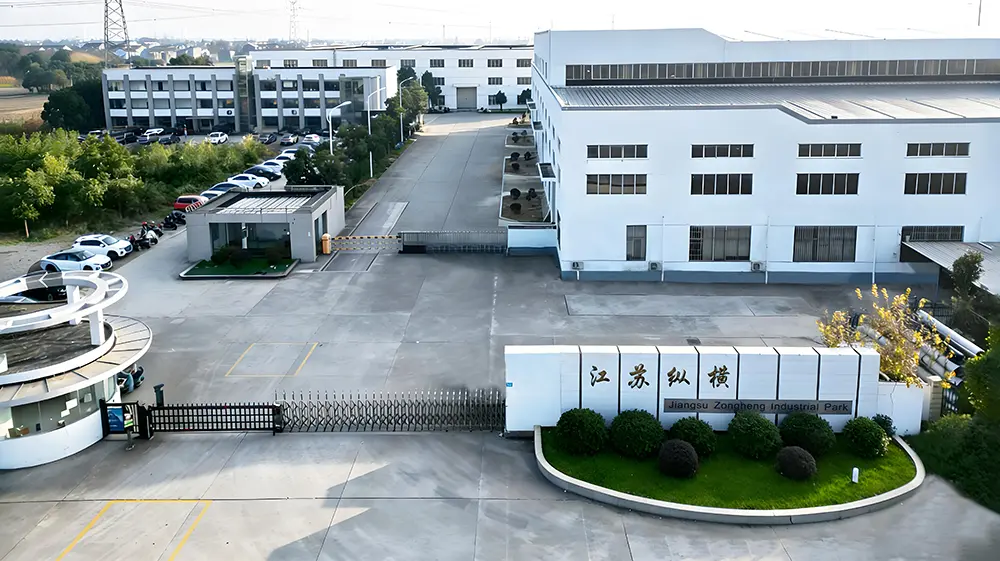
Jiangsu Zongheng Concentrating and Drying Equipment Co., Ltd.
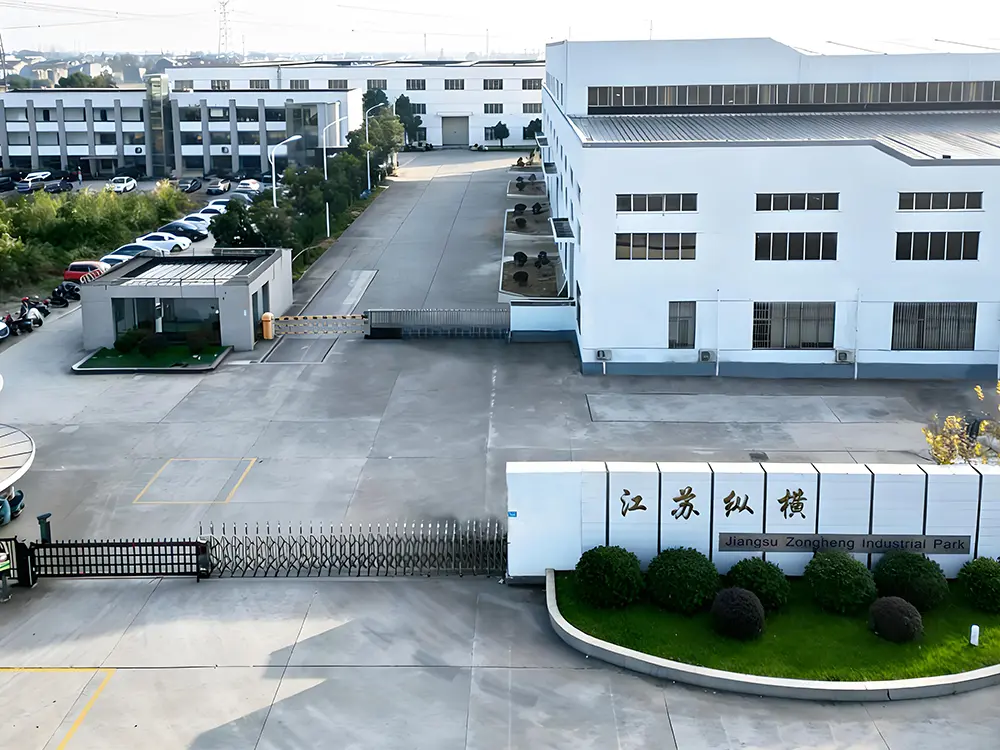
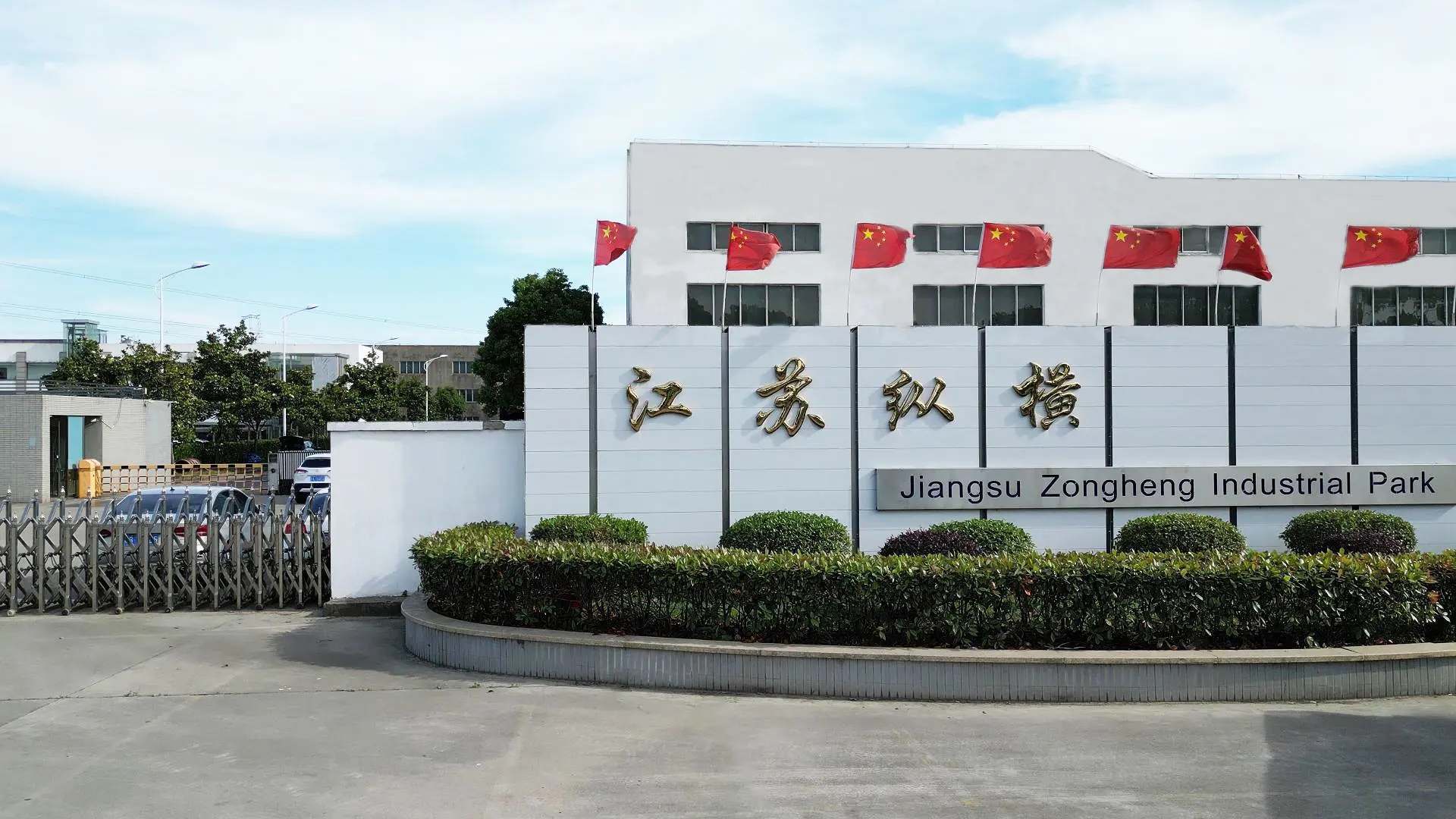
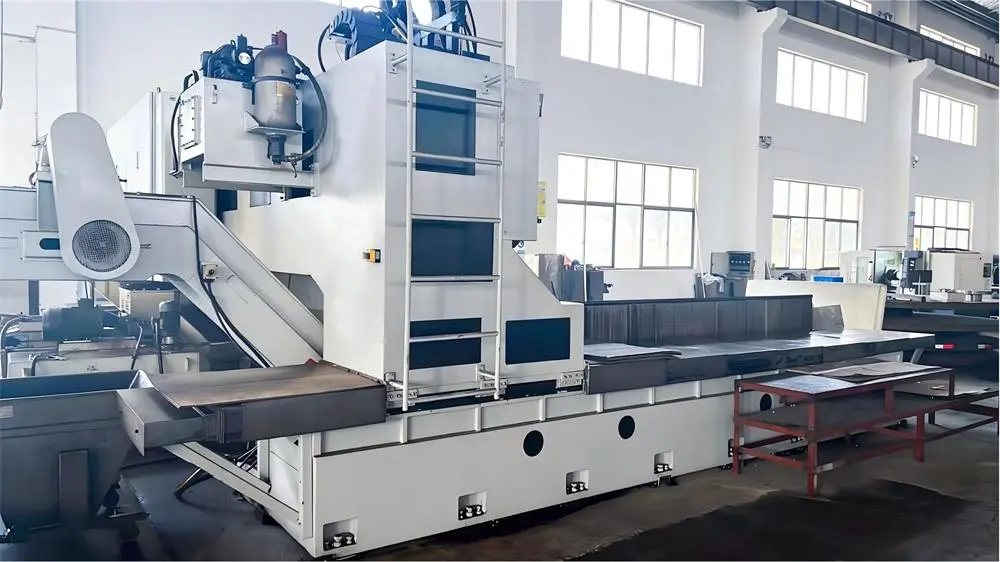
Founded in 1992 as the Yixing Yangxi Light Industry Machinery Factory, Jiangsu Zongheng has evolved into a premier high-tech enterprise. Spanning a 54,000 m² total facility with 22,000 m² of specialized heavy manufacturing workshops, we design, fabricate, and test Class III medium & low-pressure vessels, complex multi-effect evaporator trains, and state-of-the-art industrial drying systems.
Our engineering expertise is reinforced by a robust team of 3 senior engineers and over 20 mechanical and chemical engineers. As an active member of the China Starch and Alcohol Association, we lead the domestic industry in starch refining, alcohol DDGS processes, and environmental wastewater treatments.
Analyzing supply chain concentration, engineering quality standards, and cost efficiencies for industrial evaporators.
Top-tier Chinese factories utilize state-of-the-art welding, testing, and inspection infrastructure. Jiangsu Zongheng holds the prestigious ASME "U" Stamp authorization (since 2012) and is certified to ISO9001 and CE norms, guaranteeing structural compliance for high-pressure and vacuum processing vessels internationally.
Located in Yixing, the industrial heartland for light industry machinery, Jiangsu Zongheng leverages direct sourcing of raw titanium, duplex stainless steel (2205/2507), and premium grade 304/316L steels. This localization allows us to pass raw material cost-efficiencies directly to global EPC buyers.
Modern plants demand modular design. We engineer compact skid-mounted evaporator configurations, minimizing onsite installation time. The integration of advanced computational fluid dynamics (CFD) ensures optimized liquid distribution, preventing fouling and maximizing continuous runtimes.
How multi-effect evaporation and specialized drying units drive efficiency across key industrial verticals.
In wet starch milling and glucose production, heavy volumes of process water must be concentrated. Our falling film and forced circulation evaporation systems process corn steeping liquor, starch wash waters, and glucose syrups. Combined with our Starch Washing Cyclones and MQG Airflow Dryers, starch processing factories achieve consistent throughput and precise moisture control.
Chemical plant effluents, pharmaceutical waste streams, and petrochemical brackish discharges pose severe compliance challenges. Our Waste Heat Evaporators utilize low-grade industrial steam, exhaust vapors, or flue gas streams to drive crystallization. This turns hazardous liquid waste into clean condensate water for recycling and dry solid cakes for eco-friendly disposal.
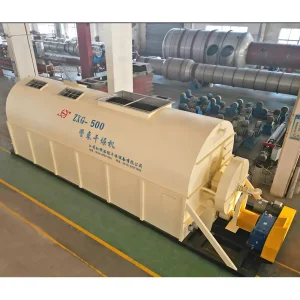
Distillers Dried Grains with Solubles (DDGS) systems require robust evaporation to concentrate thin stillage. Our multi-effect units work in synergy with ZXG Tube Bundle Dryers, utilizing indirect steam heat to safely dry biological sludges into high-value animal protein feeds under low-oxygen environments.
Precise crystallization of high-salt chemical streams is crucial. With custom-built titanium heat exchangers, forced circulation loops keep slurry velocities high to prevent tube crystallization. The designs balance short residence times with precise thermal gradients to preserve chemical structures and eliminate localized overheating.
Over three decades of precision engineering development and continuous global standard certifications.
Direct technical answers from our senior engineering team to help you make informed procurement decisions.
We warmly welcome B2B clients, engineering firms, and global procurement agents to reach out for custom process design calculations, product quotes, or factory inspections.
Discover our complete portfolio of mechanical separation, thermal drying, and vacuum evaporation systems.
 Zongheng