The industrial landscape for liquid concentration is experiencing a paradigm shift towards decarbonization and thermal integration. Traditionally, steam evaporators were evaluated strictly based on initial capital expenditure (CAPEX). Today, operating expenditure (OPEX) and carbon intensity rule the decision-making matrices of global process engineers. In chemical manufacturing, starch processing, and pharmaceutical industries, evaporation is one of the most energy-intensive steps, often representing up to 60% of a facility's thermal load.
Modern process design leverages thermodynamic optimization to recycle latent heat. The most significant trend is the rise of Mechanical Vapor Recompression (MVR) systems. By using a mechanical compressor or blower to elevate the temperature and pressure of the evaporated vapor, MVR systems return this energy back to the heating side of the exchanger. This process virtually eliminates the requirement for fresh live steam during steady-state operations, resulting in energy savings of up to 80% compared to traditional single-effect configurations.
Simultaneously, the industry is seeing a transition to hybrid systems. By pairing Falling Film Evaporation plants with Forced Circulation Evaporators, designers can optimize concentration curves. The falling film unit handles high-volume, low-viscosity feeds under minimal temperature changes to preserve heat-sensitive properties, while the forced circulation unit acts as a crystallizer or finisher, managing high viscosity and solid precipitation without fouling the heat exchange tubes.
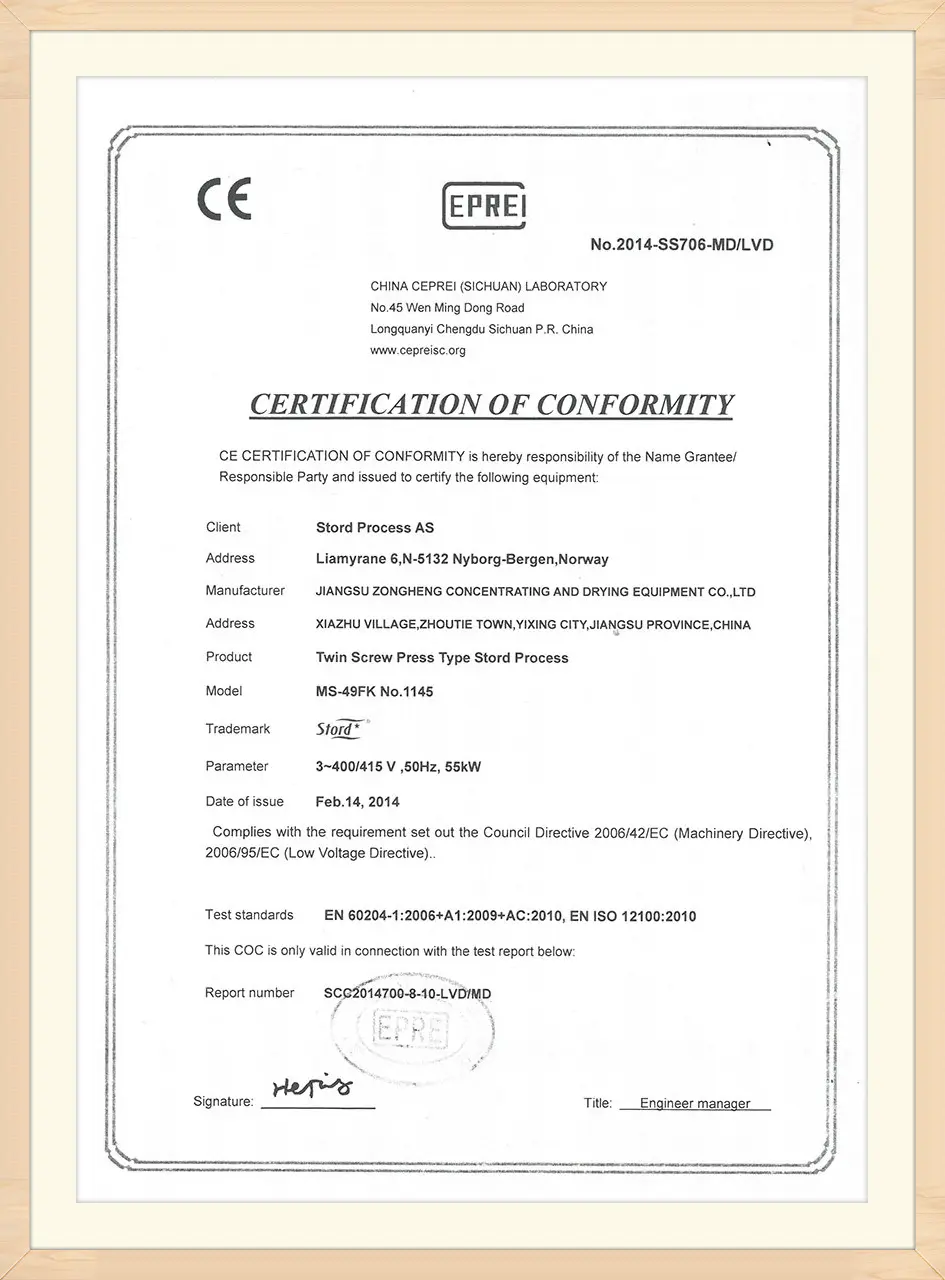
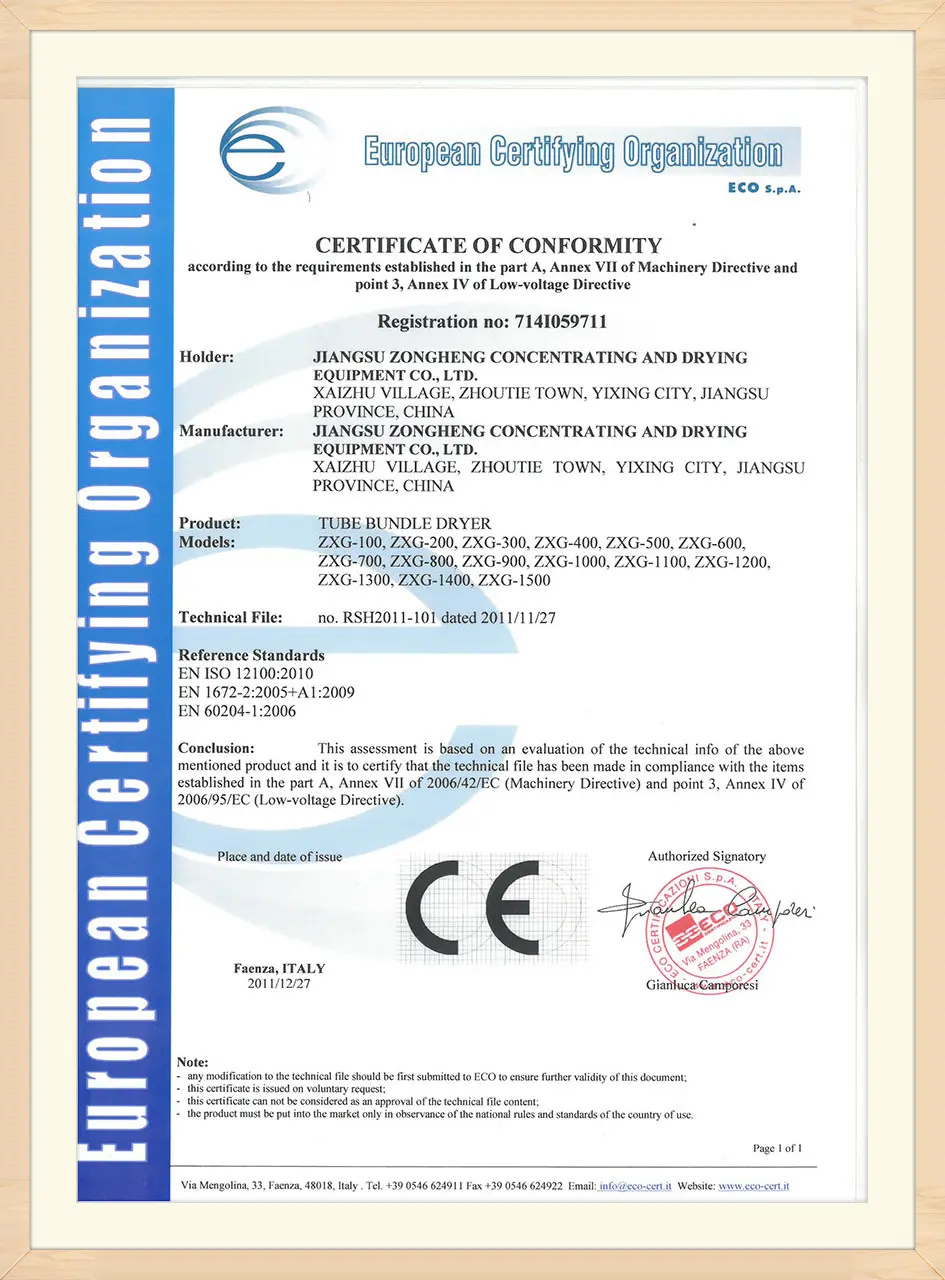
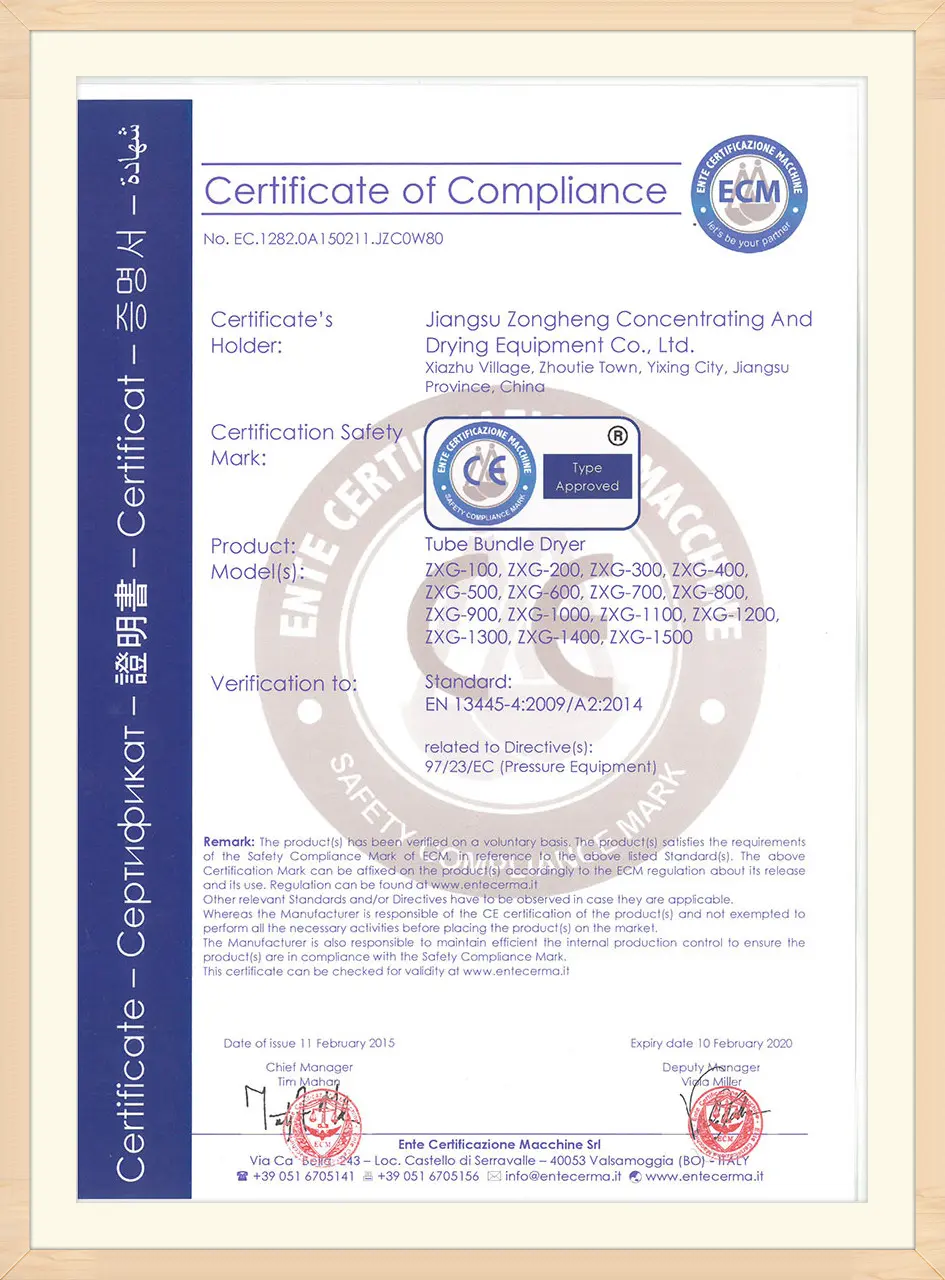
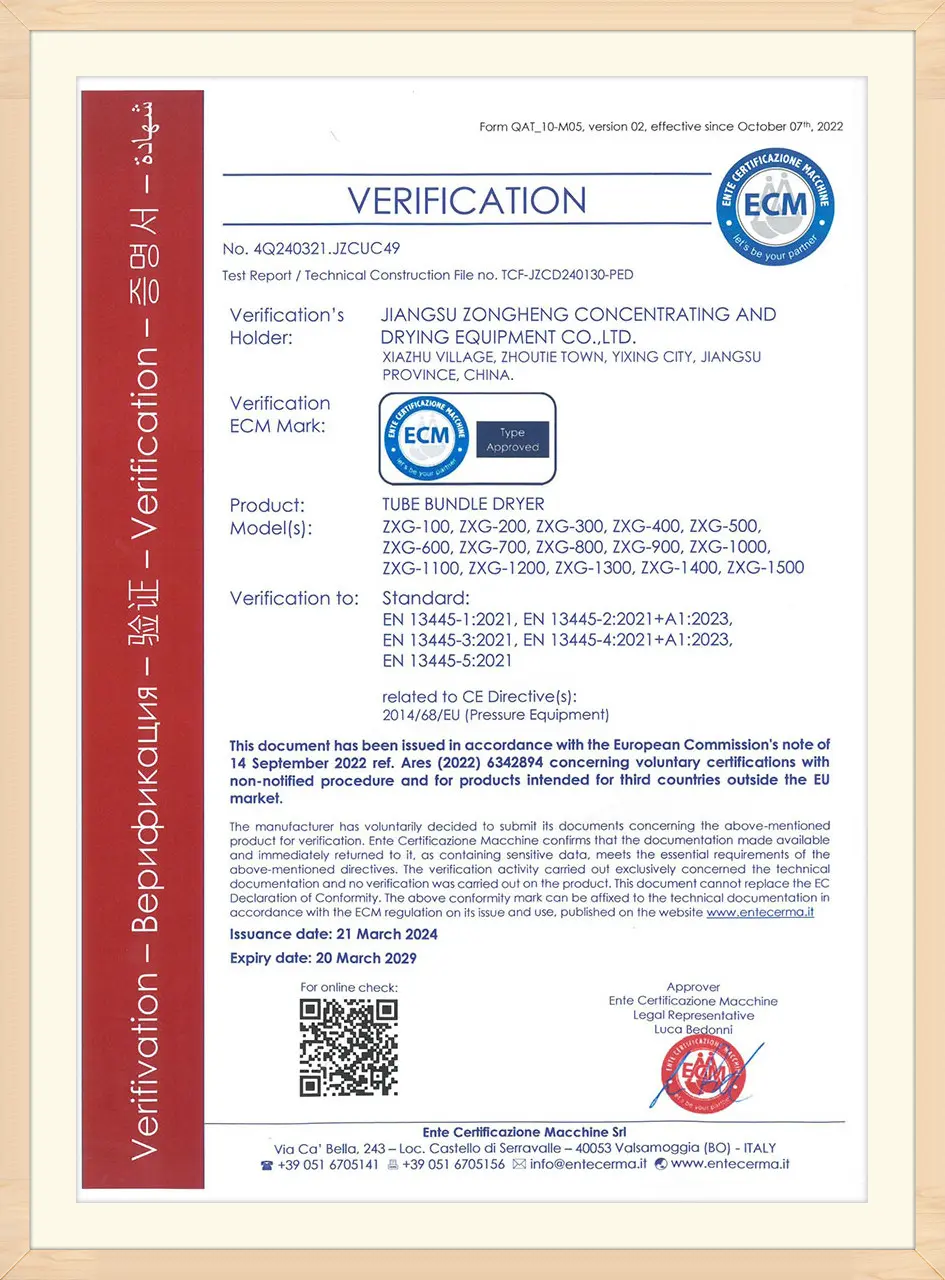
For procurement directors managing capital projects in the Americas, Europe, and Asia-Pacific, selecting a steam evaporator manufacturer is not merely an equipment transaction; it is a long-term infrastructure partnership. Procurement criteria have shifted toward verifying compliance with local codes (such as ASME Section VIII Division 1 in the US and CE-PED directives in Europe). A manufacturer must prove they possess advanced welding procedures, non-destructive testing (NDT) protocols, and material traceability to guarantee pressure vessel integrity.
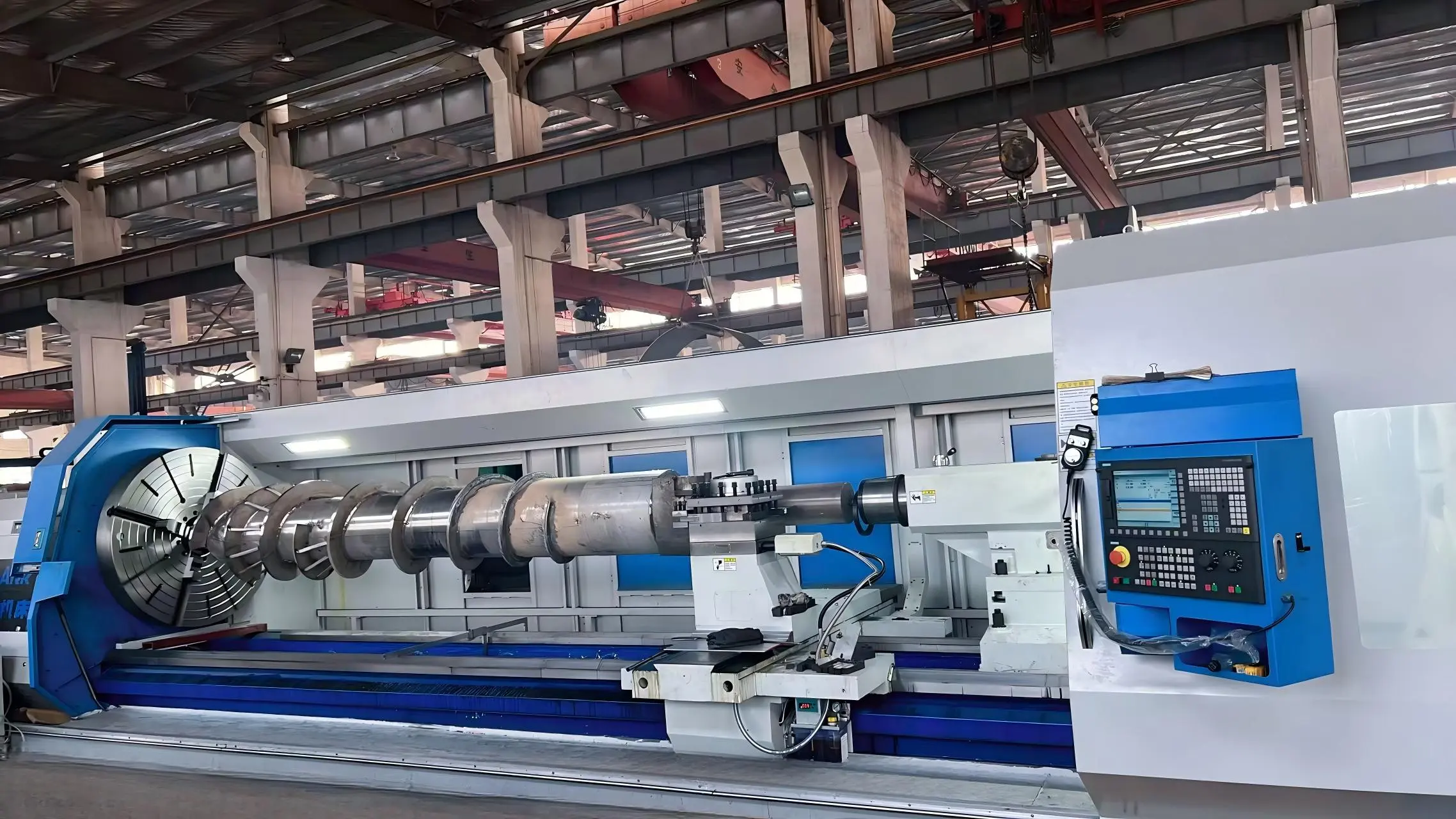
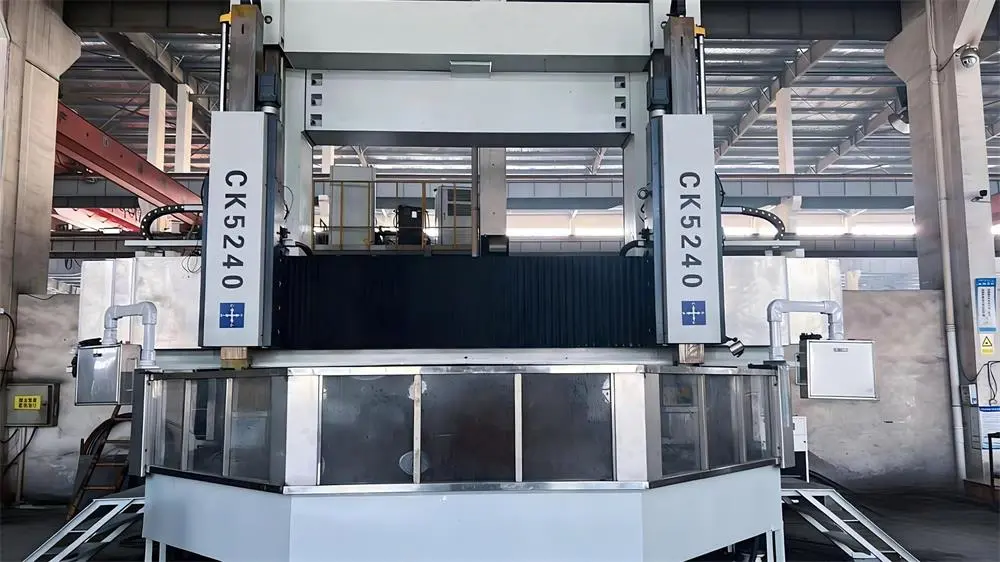
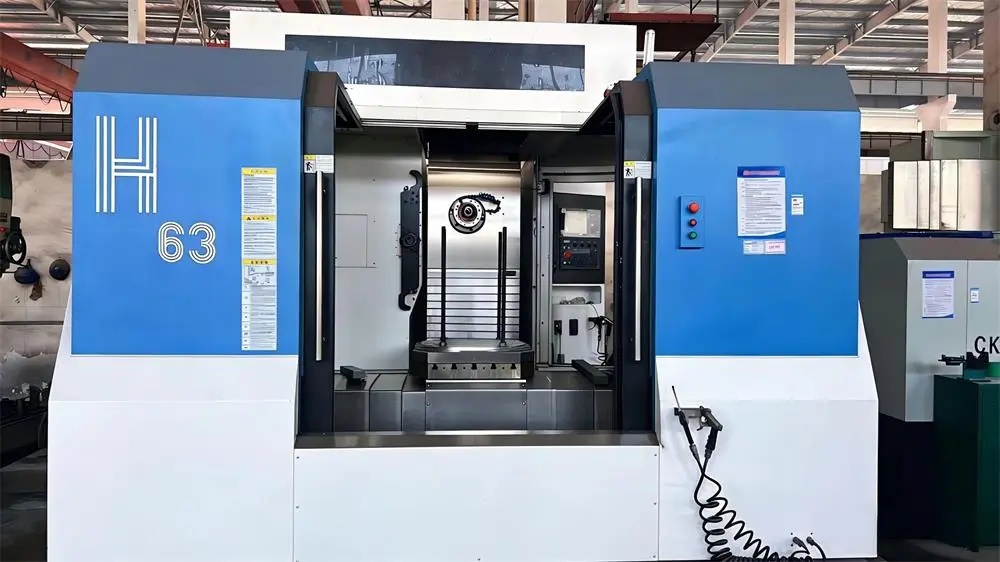
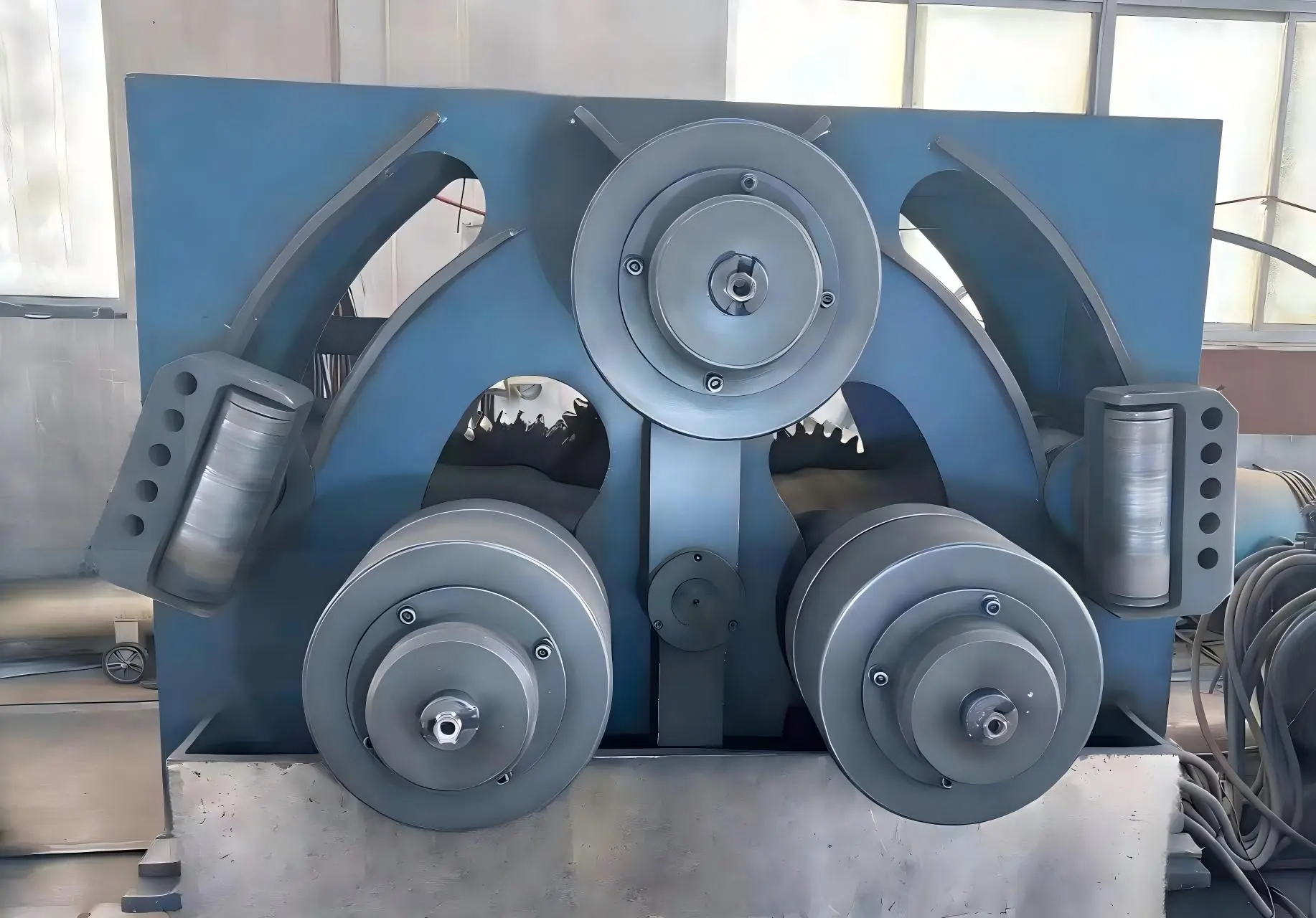
In the wake of recent global supply chain disruptions, logistics resilience and raw material sourcing security have become critical benchmarks. Sourcing industrial equipment from certified manufacturers like Jiangsu Zongheng Concentrating and Drying Equipment Co., Ltd. provides a balanced solution of cost optimization and technical capability. By managing the supply chain from raw plate inspection to in-house machining, automated polishing, and final hydrostatic testing under a single roof, we minimize delivery lead times and maintain tight quality tolerances.
Furthermore, local application engineering support has emerged as a key requirement. Global buyers demand systems that can adapt to changing local municipal discharge standards (Zero Liquid Discharge - ZLD) and operate stably under volatile local utility rates. A manufacturer must offer thermodynamic modeling and pilot-scale trials to ensure the full-scale system will achieve the exact outlet concentrations, fouling intervals, and energy metrics specified in the contract.
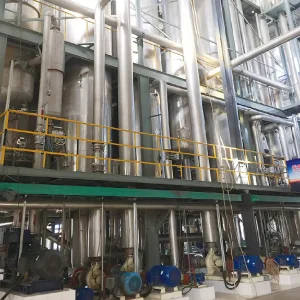
Zongheng provides energy-efficient, high-performance evaporation solutions including Falling Film, Forced Circulation, MVR, and Waste Heat Evaporators. Engineered to handle complex fluid behaviors, our evaporators achieve maximum heat transfer coefficients and low steam-consumption footprints.
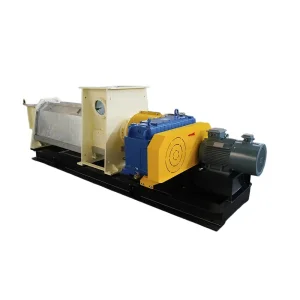
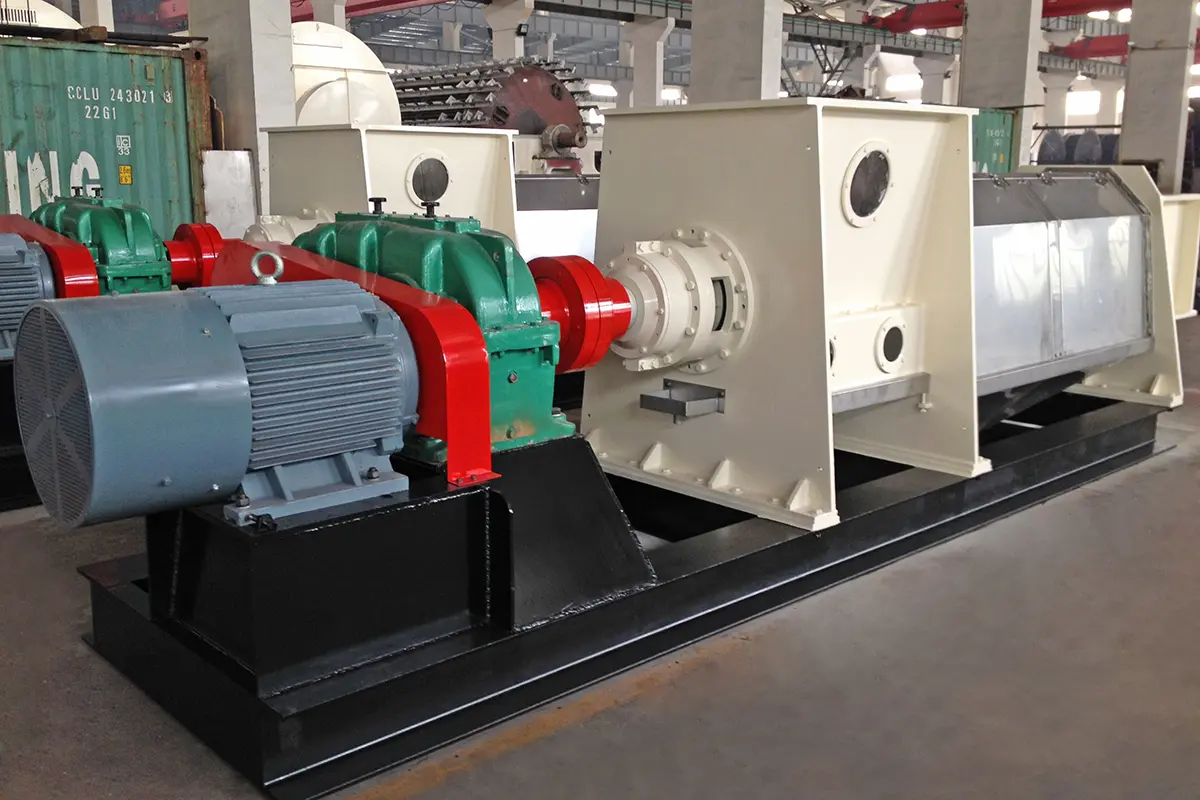
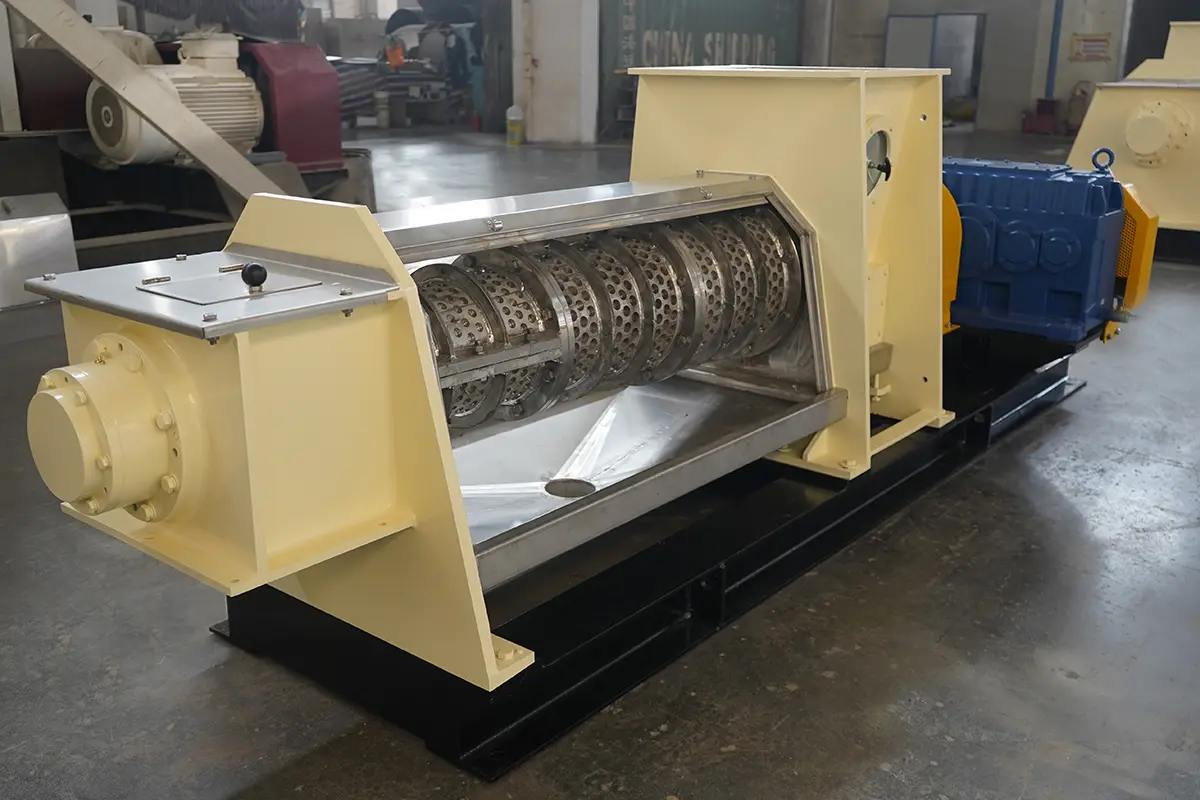
Designed for reliable dewatering of high-solid mixtures. The single screw design ensures continuous mechanical compression, efficiently squeezing moisture from organic and inorganic sludges, fibers, and processing residues before thermal drying.
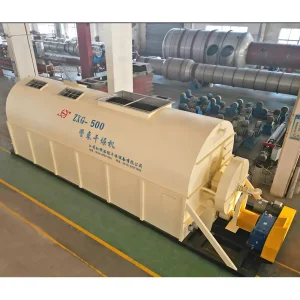
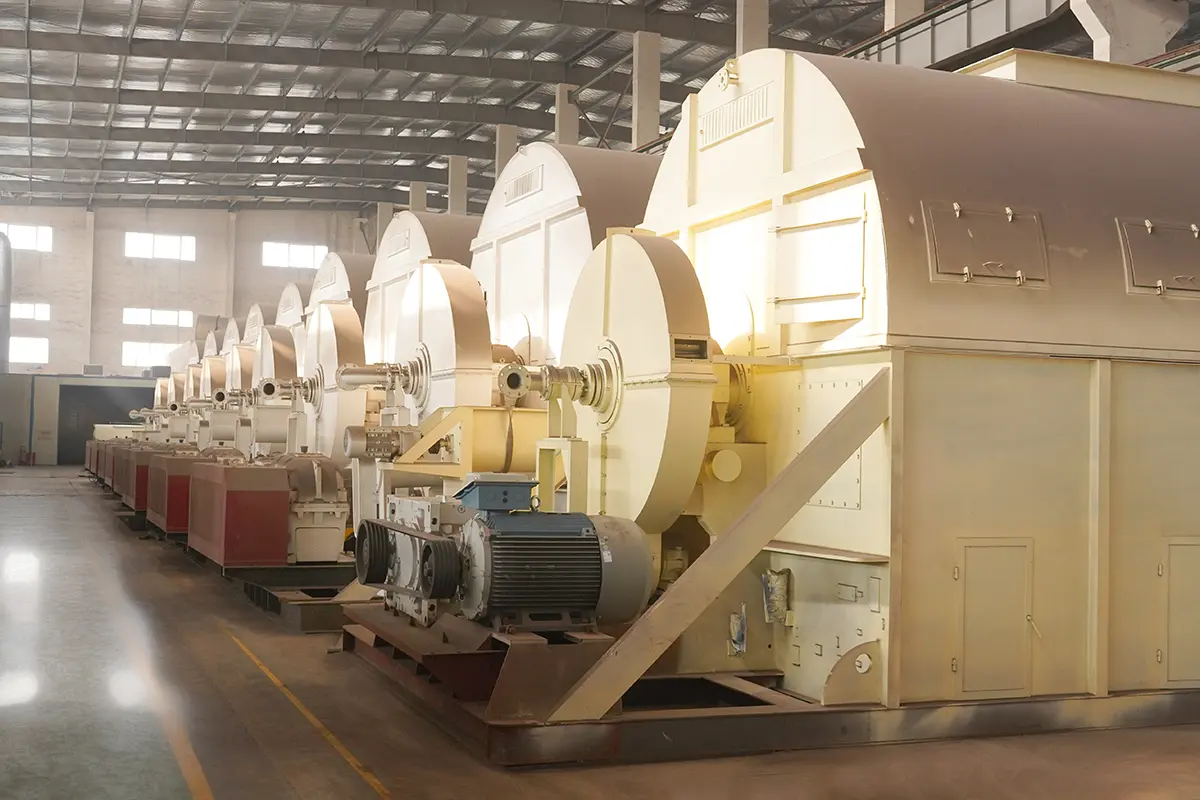
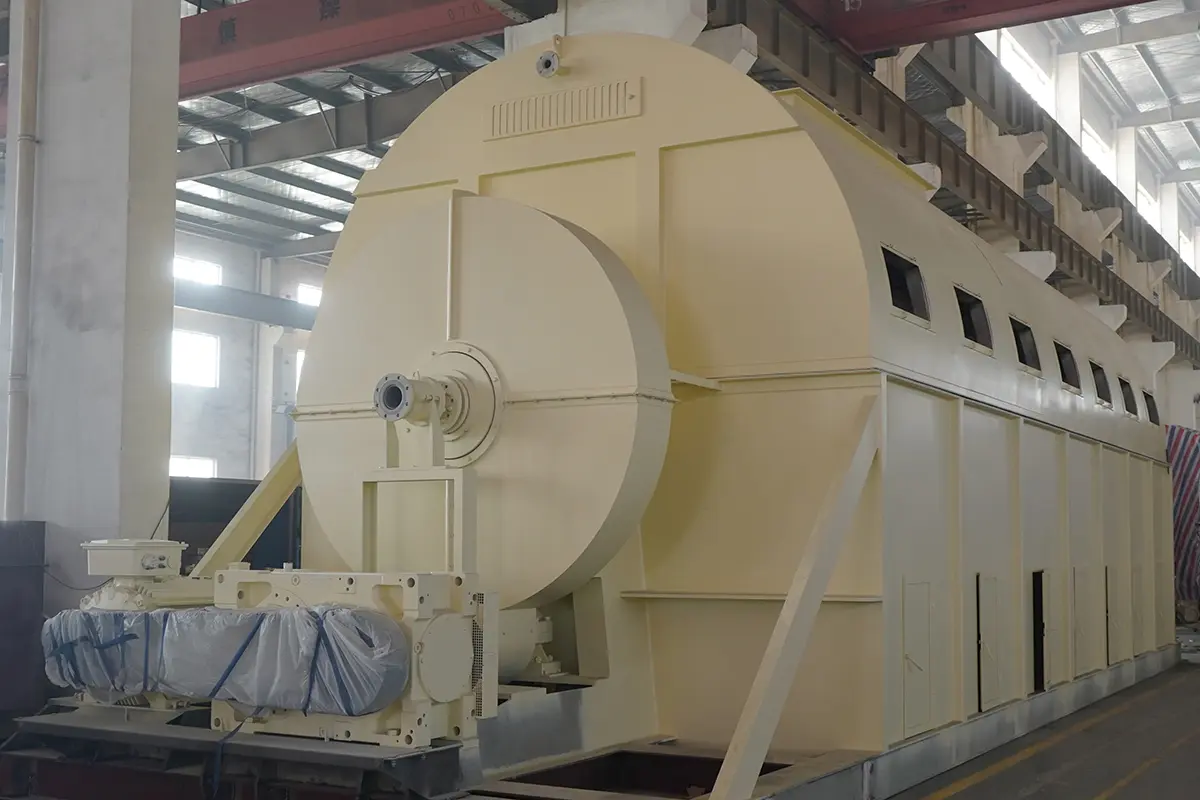
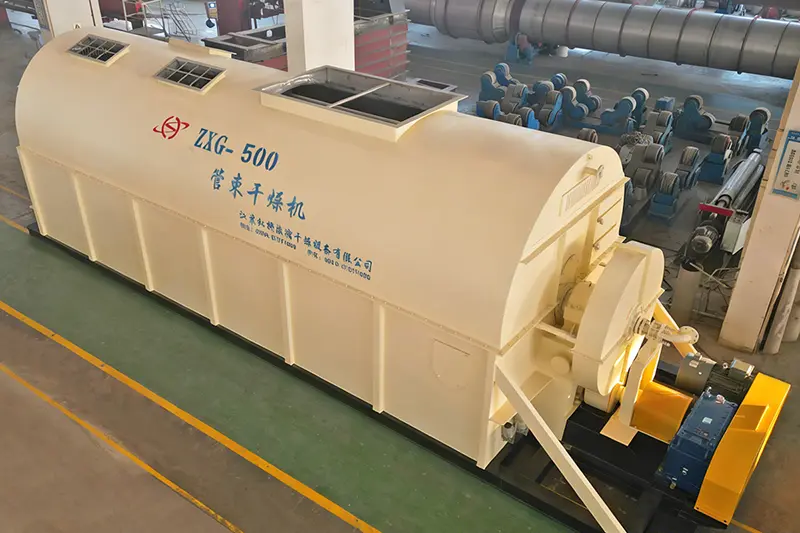
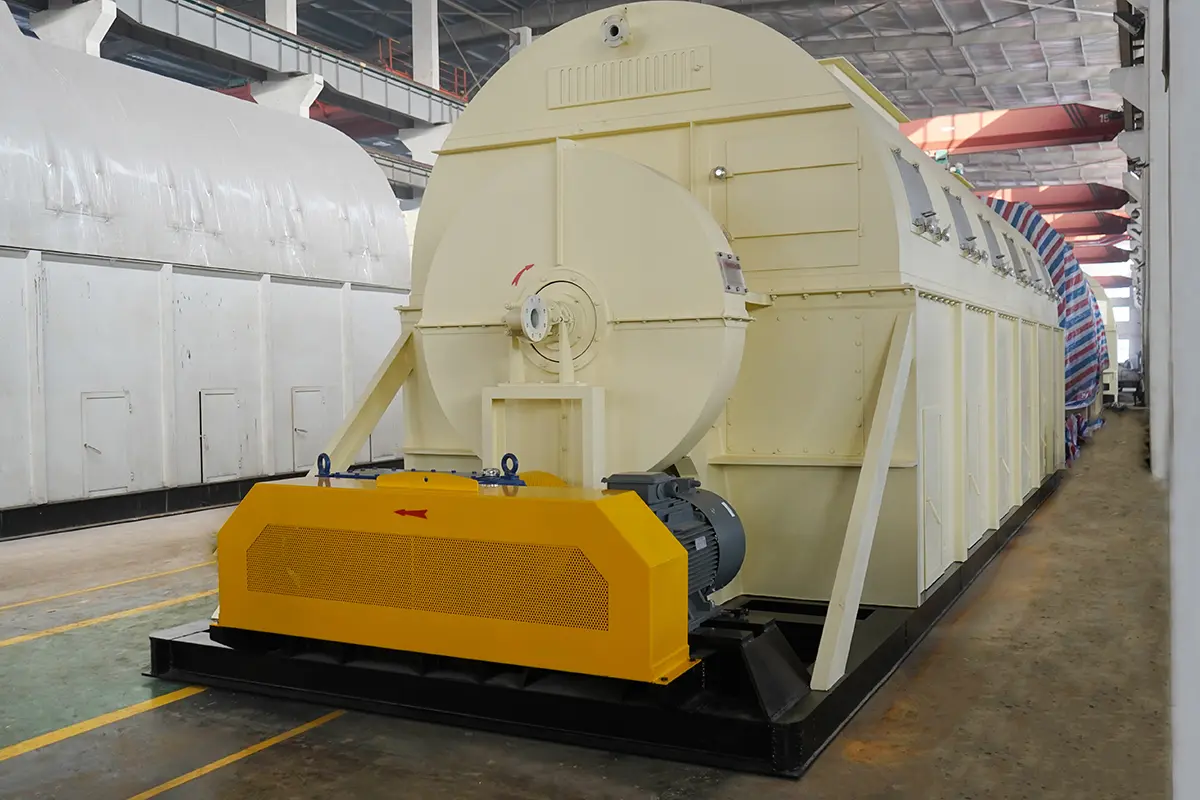
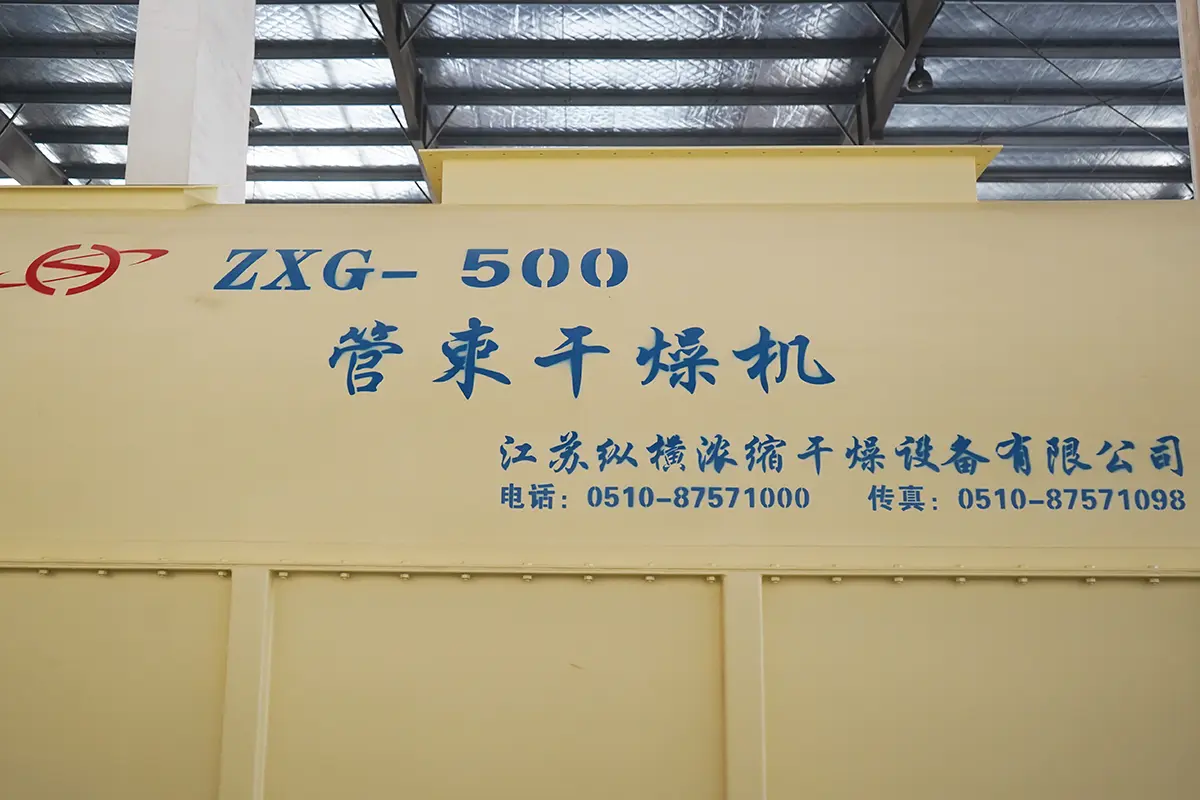
An indirect steam-heating system designed for high drying capacity at low operating temperatures. Utilizing steam inside a rotating tube bundle, it minimizes structural degradation of heat-sensitive materials like starch, corn germ, and chemical powders.
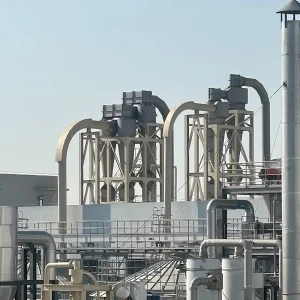
Employs high-speed hot air to suspend and fluidize damp materials. By generating pulse airflow through varying tube diameters, it actively tumbles and dries particles during transport, providing rapid and homogeneous drying curves.
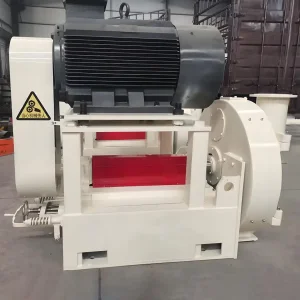
Designed for corn wet-milling plants to ensure high-efficiency germ separation. With precision plate clearance adjustments, the machine rips corn kernels open without crushing the germ, maximizing starch yield and coproduct purity.
YDX series starch washing cyclones leverage centrifugal forces inside multi-stage hydrocyclone systems to separate fiber, protein, and soluble impurities, ensuring high chemical purity and brightness of the final starch slurry.
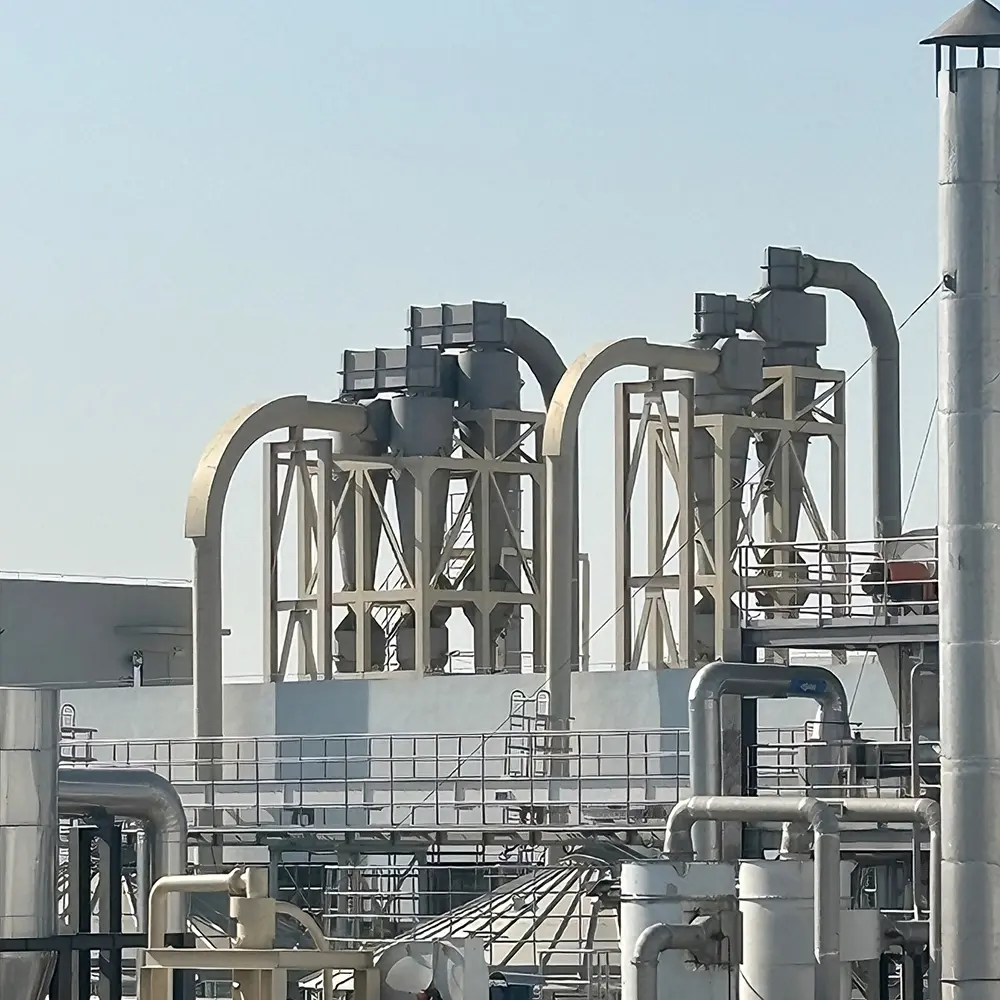
Jiangsu Zongheng's MQG Airflow Dryer employs high-speed hot air to suspend and fluidize the material. By utilizing impulse airflow generated from precisely varied tube diameters, it continuously tumbles the particles while conveying them. This design ensures rapid, uniform, and efficient drying throughout the entire transportation process within the system.
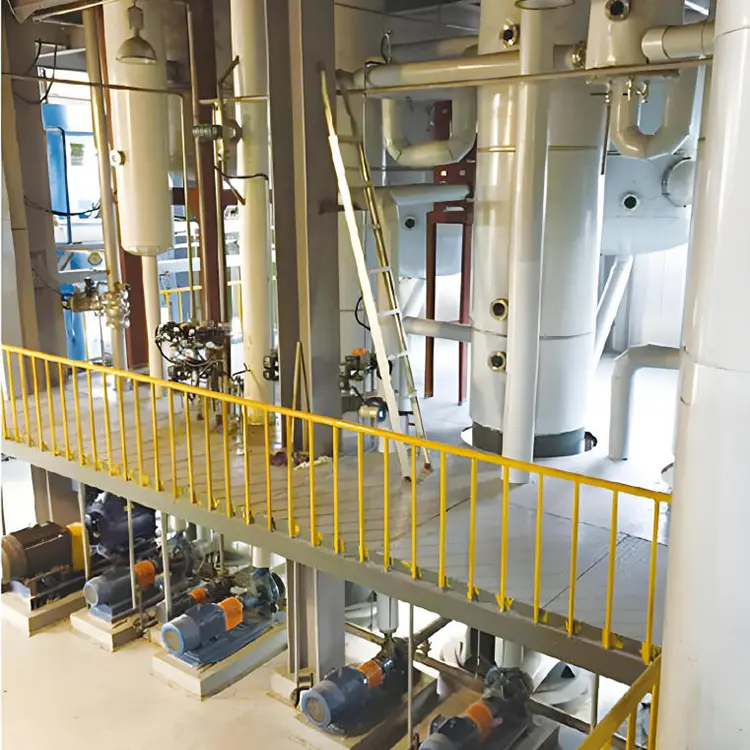
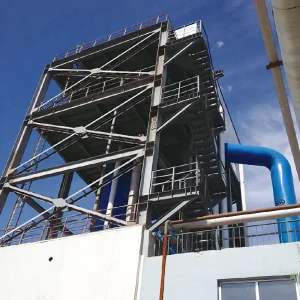
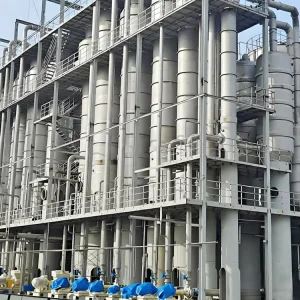
A falling film evaporator efficiently concentrates heat-sensitive liquids. The feed liquid forms a thin film flowing down heated vertical tubes, where it partially evaporates. Vapor generated flows parallel to the liquid, enhancing the process. It ensures a short residence time and low operating temperature, preserving product quality. The system requires proper liquid distribution and complete surface wetting to prevent fouling and maintain high thermal efficiency and operational stability.
Jiangsu Zongheng Concentrating and Drying Equipment Co., Ltd. (formerly Yixing Yangxi Light Industry Machinery Factory), founded in 1992, is located in Zhoutie Town, Yixing City, on the shores of the beautiful Taihu Lake. The company covers an area of over 54,000 square meters, with a production workshop area of over 22,000 square meters.
Jiangsu Zongheng is a modern high-tech enterprise specializing in the manufacturing of concentration, drying, starch industry, alcohol DDGS, and Category III medium & low-pressure vessel equipment. It is currently a member enterprise of the China Starch and Alcohol Association. Its products are widely used in industries such as food fermentation, alcohol, chemical, pharmaceutical, environmental protection, and petrochemical.
Our commitment to rigorous design, advanced manufacturing methodologies, and strict quality control systems ensures that every system engineered in our workshops operates with peak thermodynamic performance and structural integrity over its entire operational lifetime.
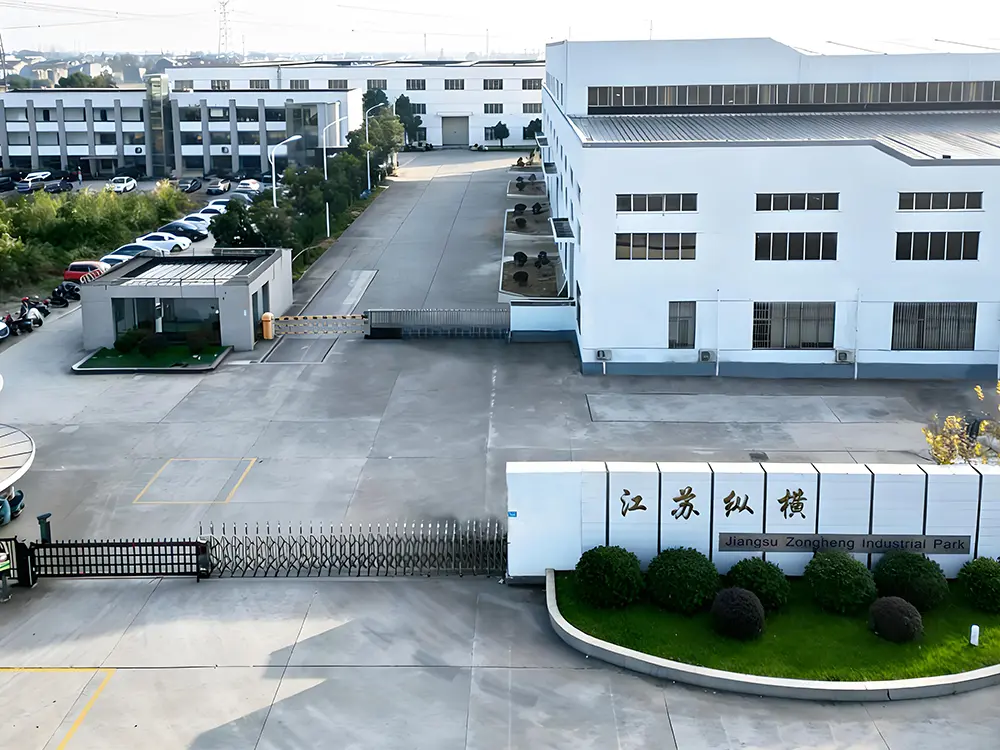
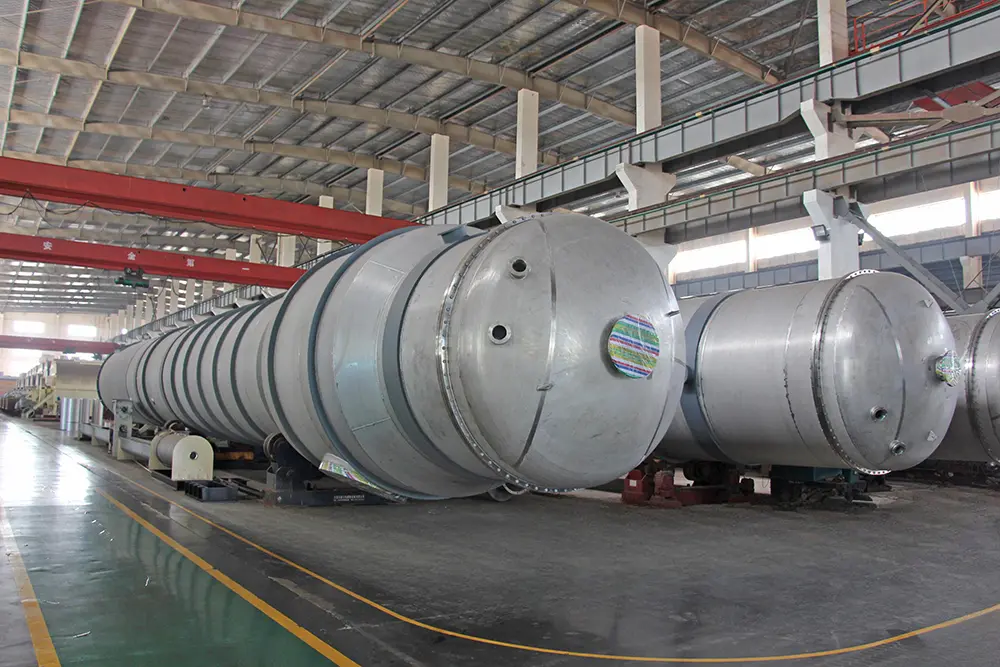
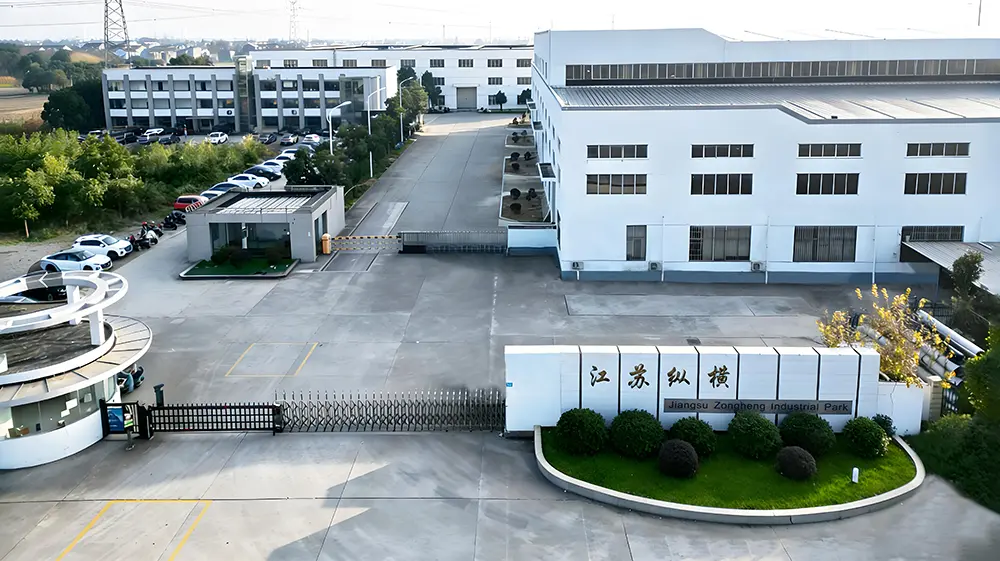
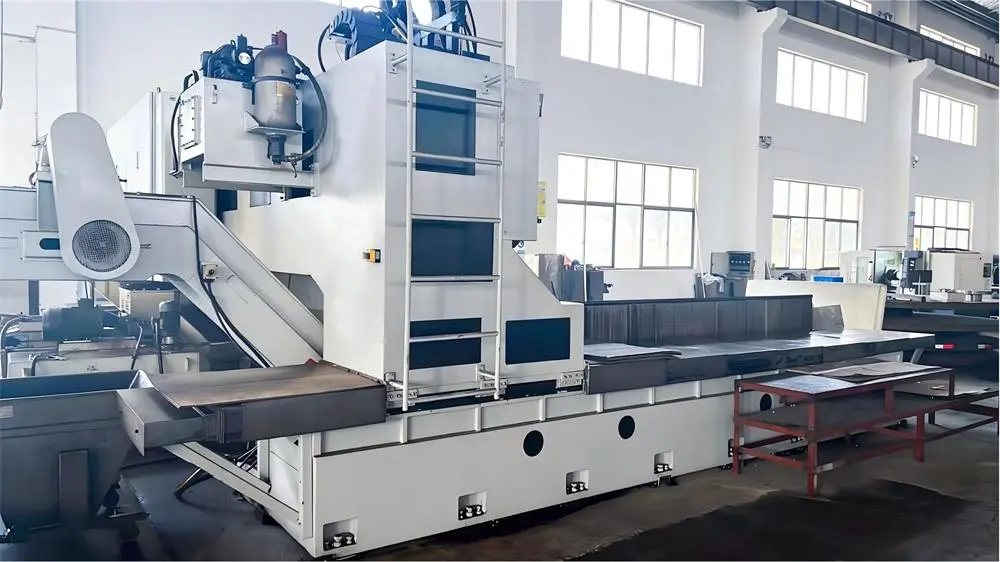
The company covers a total area of over 54,000 square meters, with production workshop space exceeding 22,000 square meters. It currently employs 3 senior engineers and over 20 engineers and assistant engineers, with a total staff of 120 people.
Acquired International quality system certification (Certificate No.: 45021), establishing a complete quality assurance system aligned with international standards.
Acquired the ASME "U" Stamp authorization, marking the company's entry into a new phase of high-end global pressure vessel fabrication.
Obtained the Special Equipment Manufacturing License of the People's Republic of China (License No.: TS2232C42).
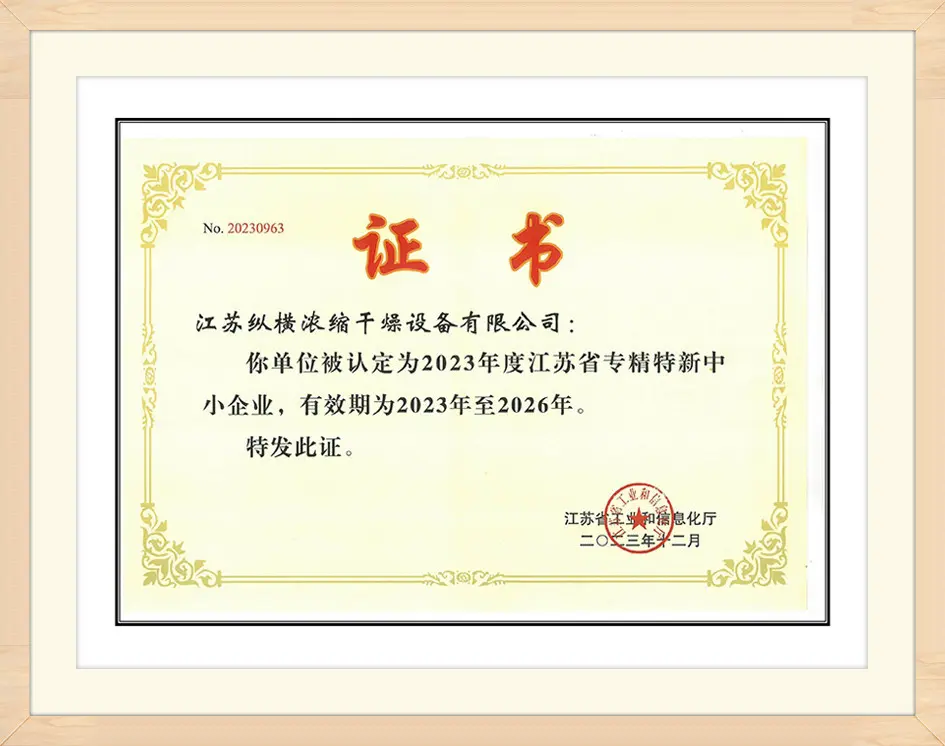
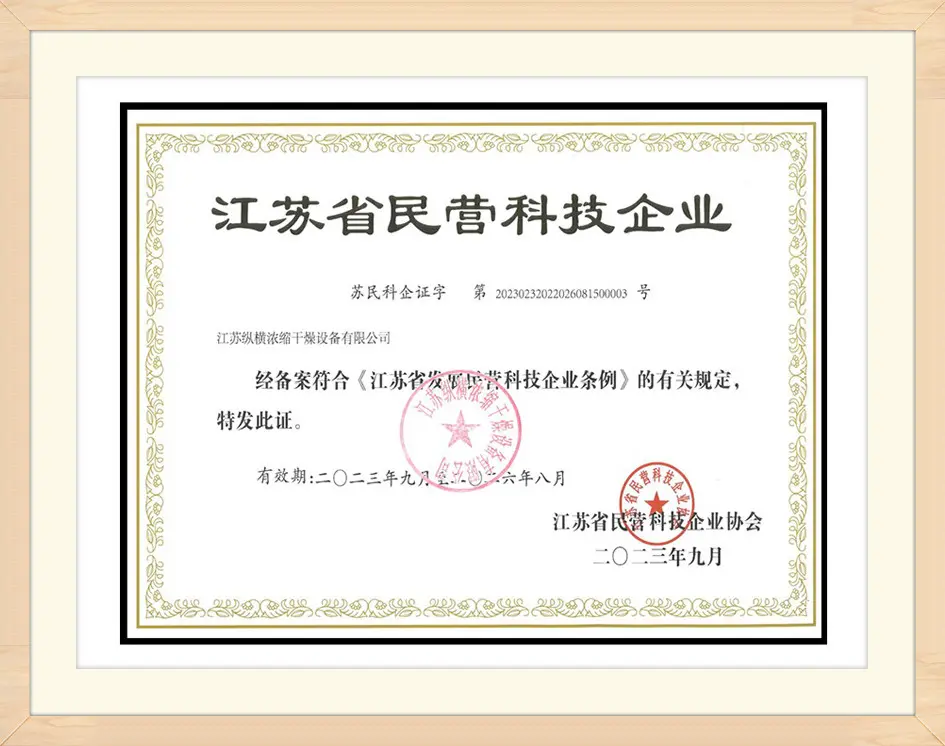
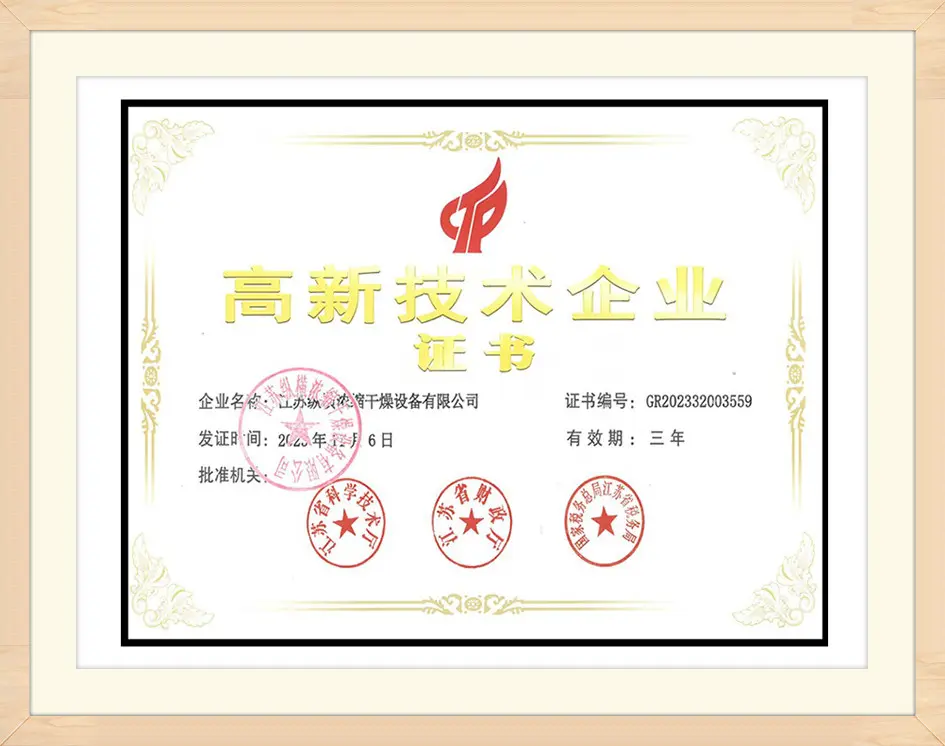
Official designation as a Jiangsu Provincial High-Tech Enterprise, recognizing our core R&D achievements in thermal evaporation.
The company took the lead in obtaining ISO9001 certification, streamlining internal quality assurance procedures.
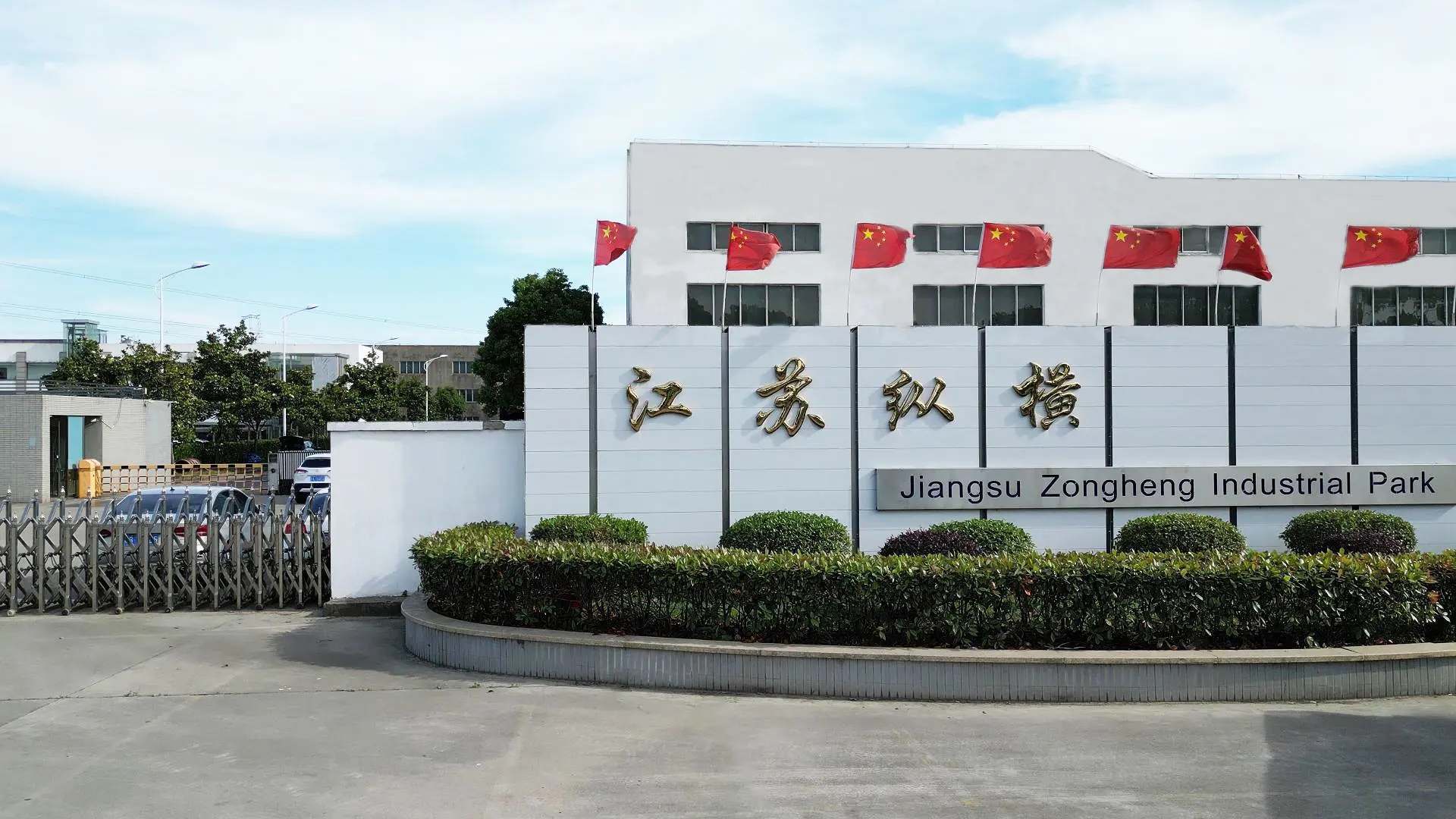
Jiangsu Zongheng Concentrating and Drying Equipment Co., Ltd, formerly known as Yixing Yangxi Light Industrial Machinery Factory, was established. The company covered a total area of approximately 15 mu and had 45 employees.
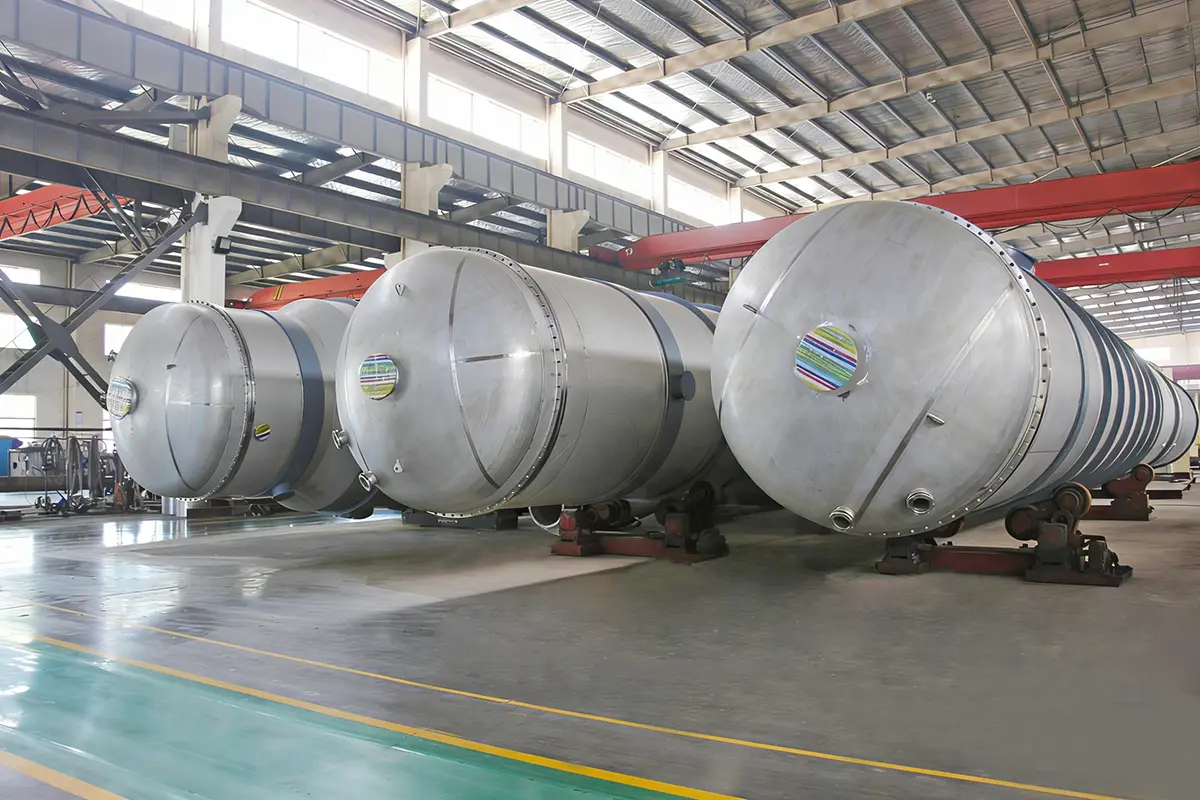

Falling film evaporators are ideal for heat-sensitive, low-viscosity fluids. They operate with a thin liquid film flowing under gravity down the tubes, offering short residence times and low temperature differences. Forced circulation evaporators, conversely, use high-speed pumps to maintain high fluid velocities through the tubes. This design is specifically engineered for high-viscosity products, scaling liquids, or crystallization processes, preventing precipitation from sticking to the tube surfaces.
An MVR evaporator uses a mechanical centrifugal compressor or high-pressure fan to compress the secondary vapor generated during the evaporation process. Compression increases the pressure and saturation temperature of the vapor, allowing it to be reused as the heating medium in the same evaporator. This closed-loop thermodynamic design reduces the consumption of fresh primary steam to near zero during steady operations, saving substantial energy compared to multi-effect steam-heated systems.
The ASME "U" Stamp certification indicates that the pressure vessel has been designed, fabricated, inspected, and tested in strict accordance with the ASME Boiler and Pressure Vessel Code (Section VIII Division 1). This is a legal and safety requirement in many global jurisdictions, ensuring that the evaporator shell, tube sheets, and channel heads can safely withstand high pressures and thermal cycles without failure.
Depending on the chemistry and chloride content of the process fluid, we select materials ranging from standard stainless steels (SUS304, SUS316L) to highly corrosion-resistant duplex steels (SAF2205, 2507) and Titanium. Sourcing the correct alloy prevents localized pitting and stress corrosion cracking (SCC), maximizing the lifetime of the heat exchanger tubes.
Work with our application engineers to custom-design an energy-efficient steam evaporator system that meets your exact process specifications and regulatory standards.
 Zongheng