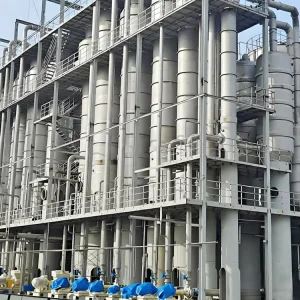
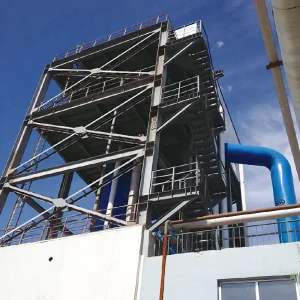
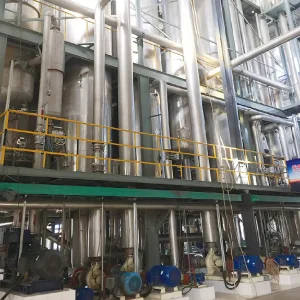
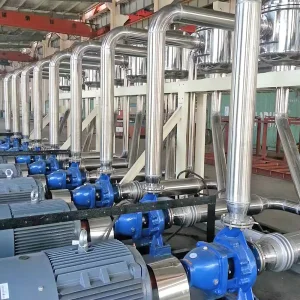
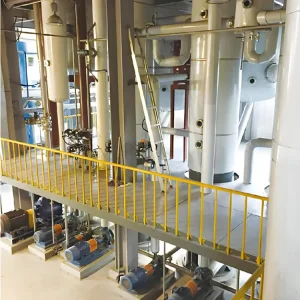
In modern chemical process engineering, ethanol concentration requires highly energy-efficient separation methods. The falling film evaporator represents the pinnacle of thermal separation systems designed to handle heat-sensitive organic solvents. By introducing feed liquids at the top of vertical heating tubes, the solution is distributed evenly to flow downward as a thin, continuous film. The inner tube surface transfers heat rapidly, forcing volatile fractions like ethanol to vaporize in parallel with the descending liquid phase.
This parallel co-current vapor-liquid flow minimizes local temperature boundaries, reducing the risk of product degradation. High-capacity falling film evaporators built by specialized factories offer compact residence times and high heat transfer coefficients. When processing ethanol and its coproducts, maintaining optimal wetting rates across the heat exchanger is critical to prevent dry spots and fouling, which can disrupt operation and lead to unplanned downtime.
SEO Insights & Search Intent Target: Industrial plants seeking high thermal economy actively compare Mechanical Vapor Recompression (MVR) systems and traditional multi-effect setups. The choice depends on local energy costs, product profiles, and wastewater management policies.
Global procurement managers evaluate suppliers based on total lifecycle cost, design quality, and engineering standards. A reliable falling film evaporator factory must deliver systems that solve the operational issues common in high-volume ethanol plants:
Falling film evaporators are central components of complete bioethanol and starch processing flowsheets. In wet milling operations, corn is separated into starch, germ, fiber, and gluten. The starch undergoes enzymatic liquefaction and fermentation to produce ethanol.
During fermentation, the distillation bottoms (stillage or thin slops) contain suspended proteins, fiber, and dissolved solids. Concentrating these thin slops to make syrup requires highly efficient falling film evaporators. This syrup is then mixed with wet cake and processed through Tube Bundle Dryers or Airflow Dryers to produce high-value DDGS (Distillers Dried Grains with Solubles) feed.
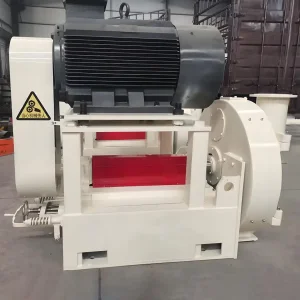
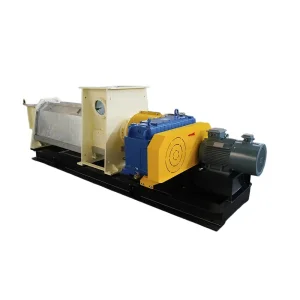
Combining a falling film evaporator with a Single Screw Press for initial mechanical dewatering reduces the energy needed for final drying. This combined thermal-mechanical approach lowers energy costs in large corn processing plants, chemical factories, and industrial distilleries.
Developing sensor suites that monitor tube-wetting rates, boiling heat transfer rates, and steam usage in real time to automatically optimize performance.
Integrating MVR systems with waste heat recovery structures to help industrial plants recycle process water and eliminate wastewater discharges.
Researching anti-fouling coatings and specialized surface treatments to minimize organic deposition on heating surfaces and reduce CIP downtime.
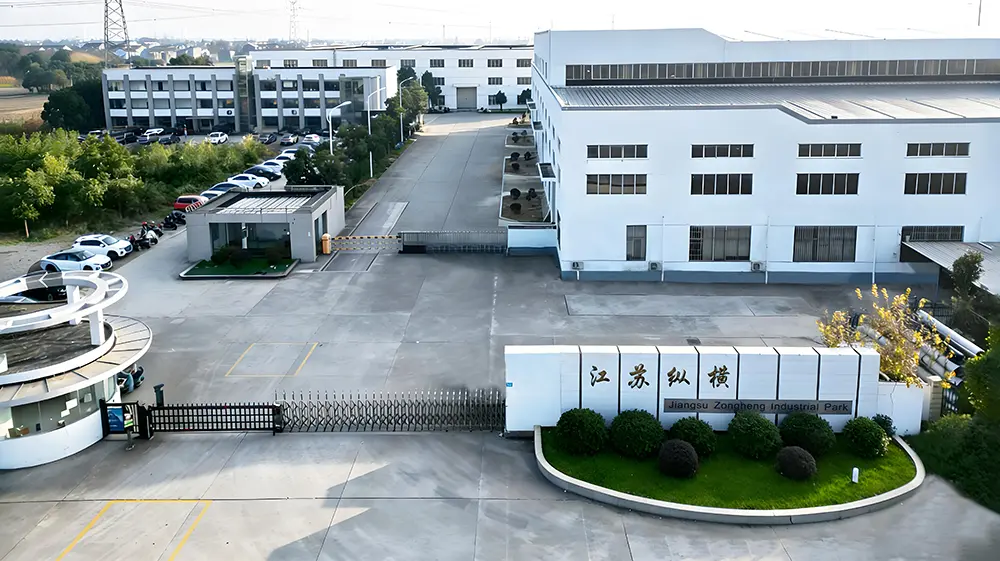
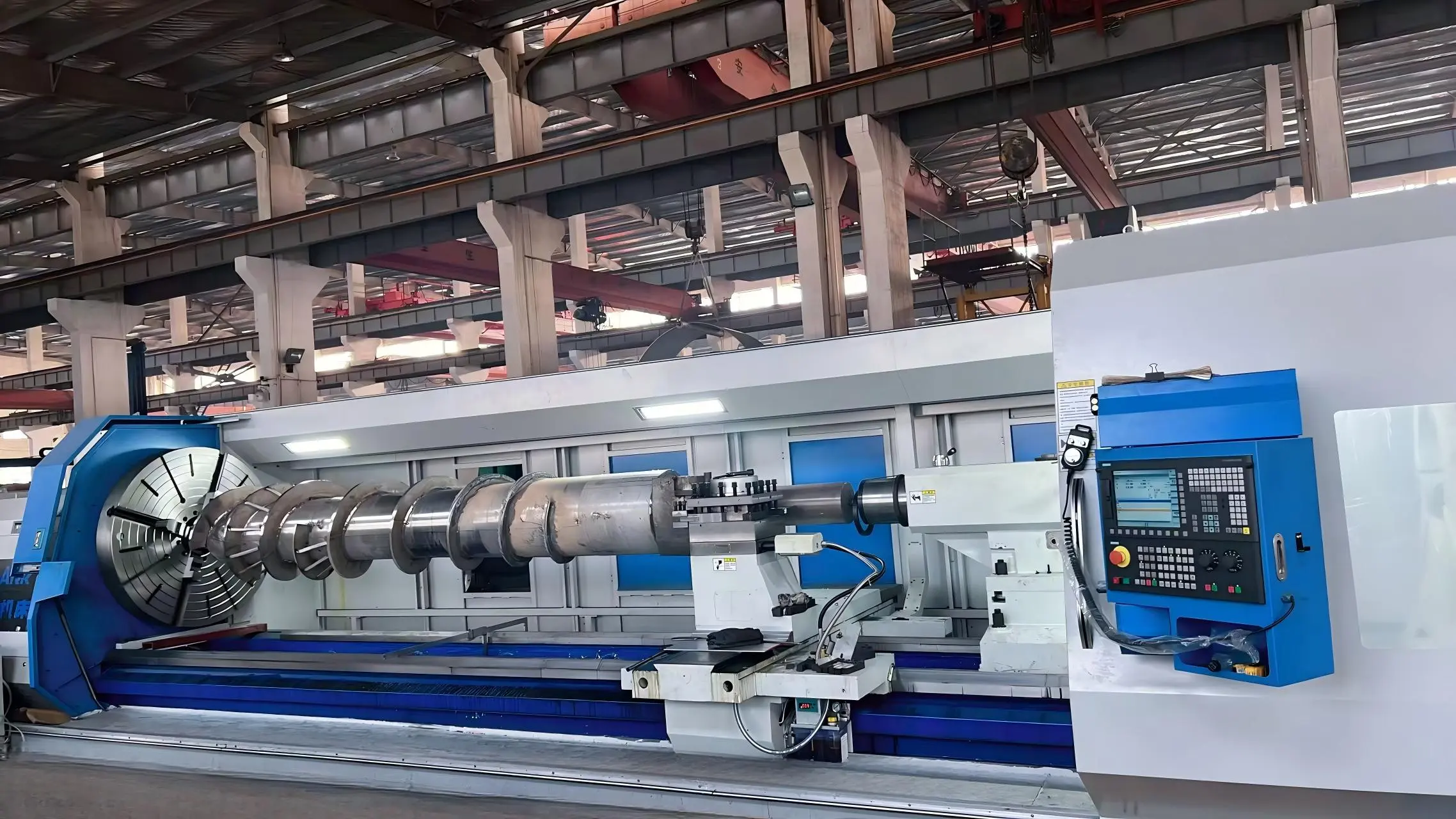
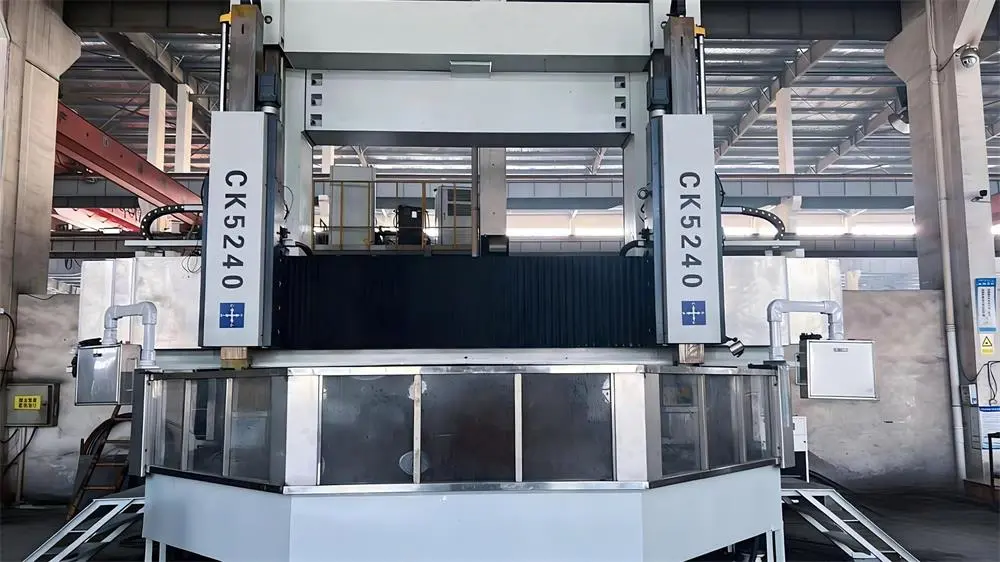
Operating a 54,000+ m² facility with a dedicated 22,000 m² workshop, staffed by 3 senior engineers, 20+ specialized engineers, and 120 skilled staff.
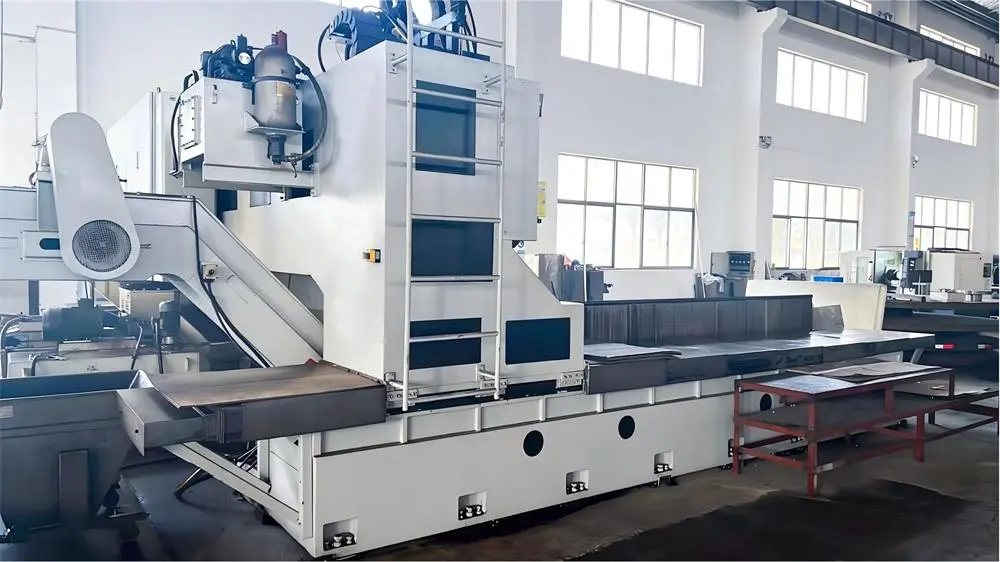
Obtained international quality system certification (Certificate No. 45021), establishing quality assurance systems aligned with global trade standards.
Achieved the ASME "U" Stamp authorization, allowing the company to manufacture high-pressure vessels for the international chemical process industries.
Granted the Special Equipment Manufacturing License of the People's Republic of China (License No. TS2232C42) for fabricating Class III pressure vessels.
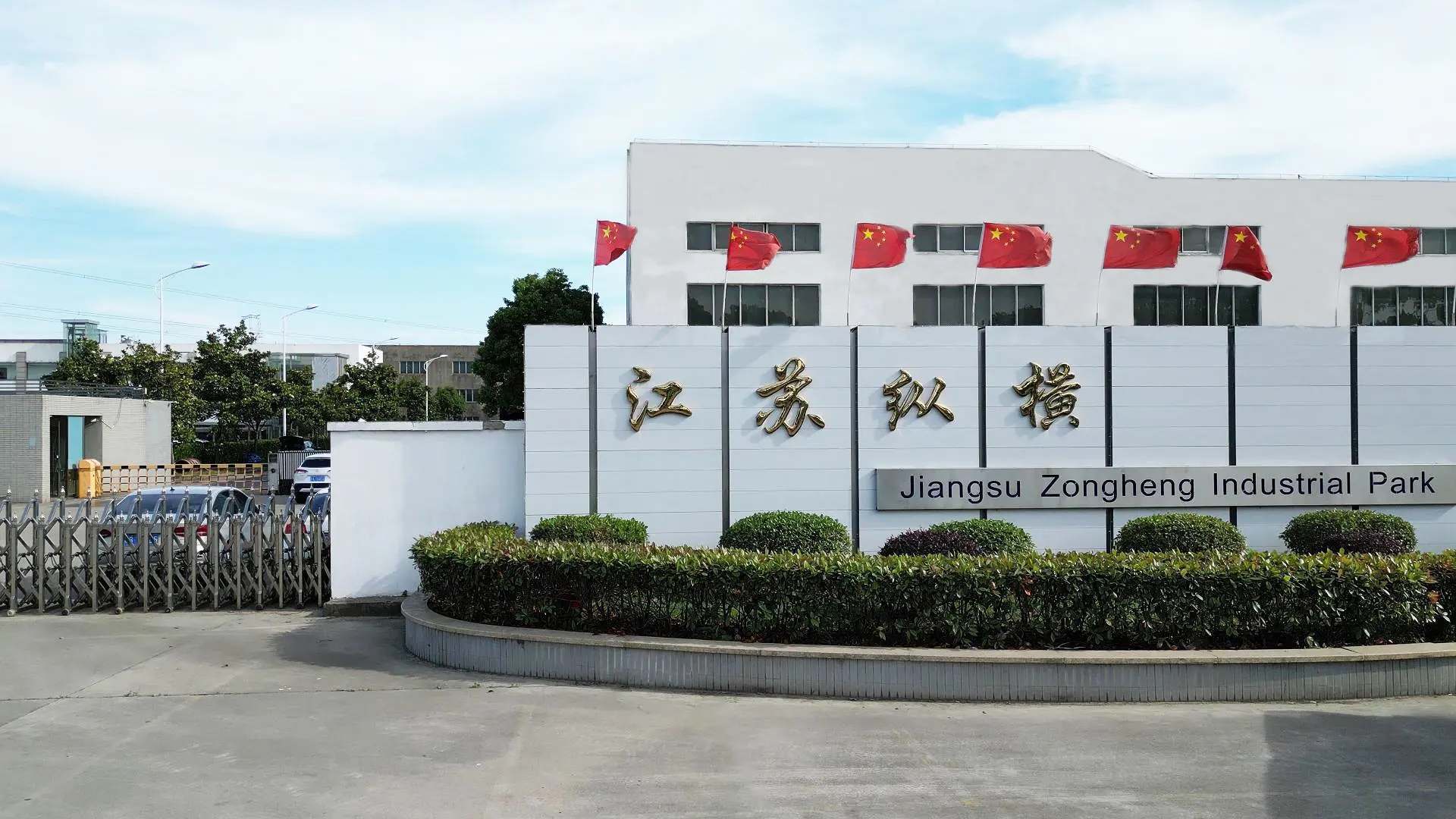
Established as Yixing Yangxi Light Industrial Machinery Factory, occupying 15 mu of land with 45 pioneering employees.
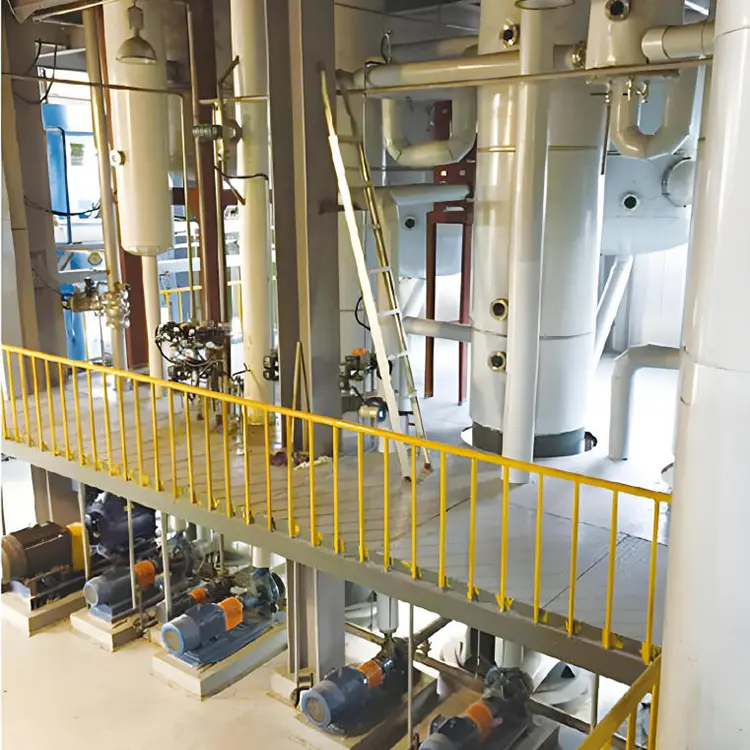
Designed to concentrate heat-sensitive liquids by distributing the feed fluid evenly inside vertical tubes. The fluid forms a thin film that moves downward rapidly under gravity, achieving high heat transfer rates with short residence times to prevent degradation.
Our evaporators can integrate with Mechanical Vapor Recompression (MVR) or Thermal Vapor Recompression (TVR) modules, helping plants save energy and lower emissions.
View Technical Specifications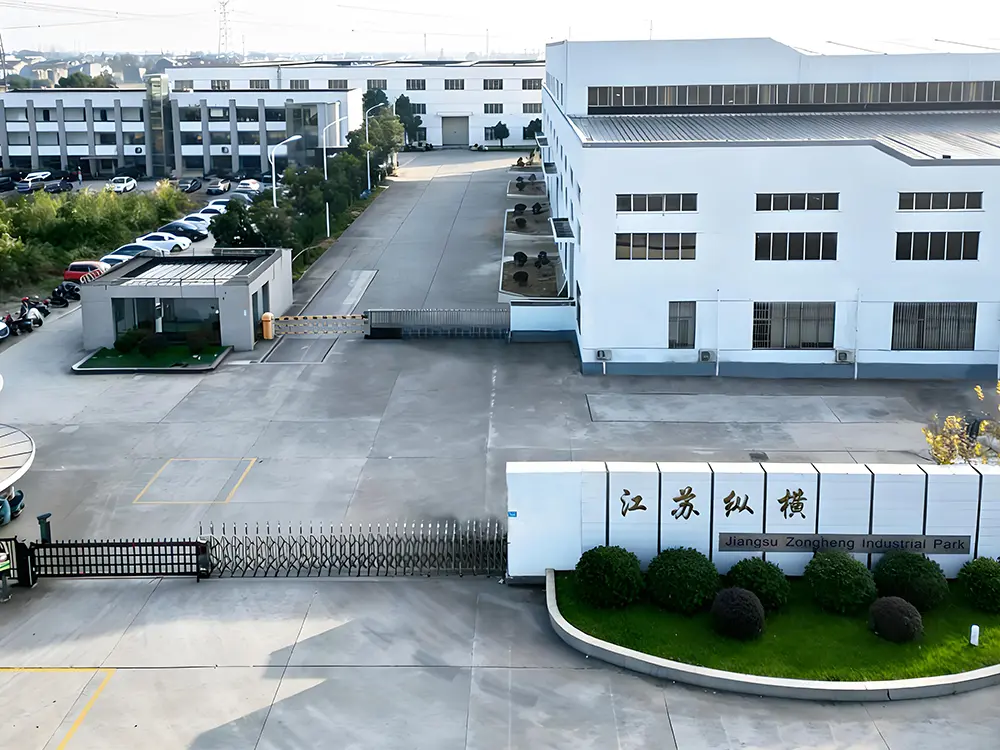
Our factory manufactures Class I, II, and III pressure vessels to meet strict international codes, including ASME (U Stamp) and GB150. We conduct rigorous non-destructive testing (NDT), hydrostatic tests, and weld inspections, verified by third-party inspectors, to ensure safe pressure containment.
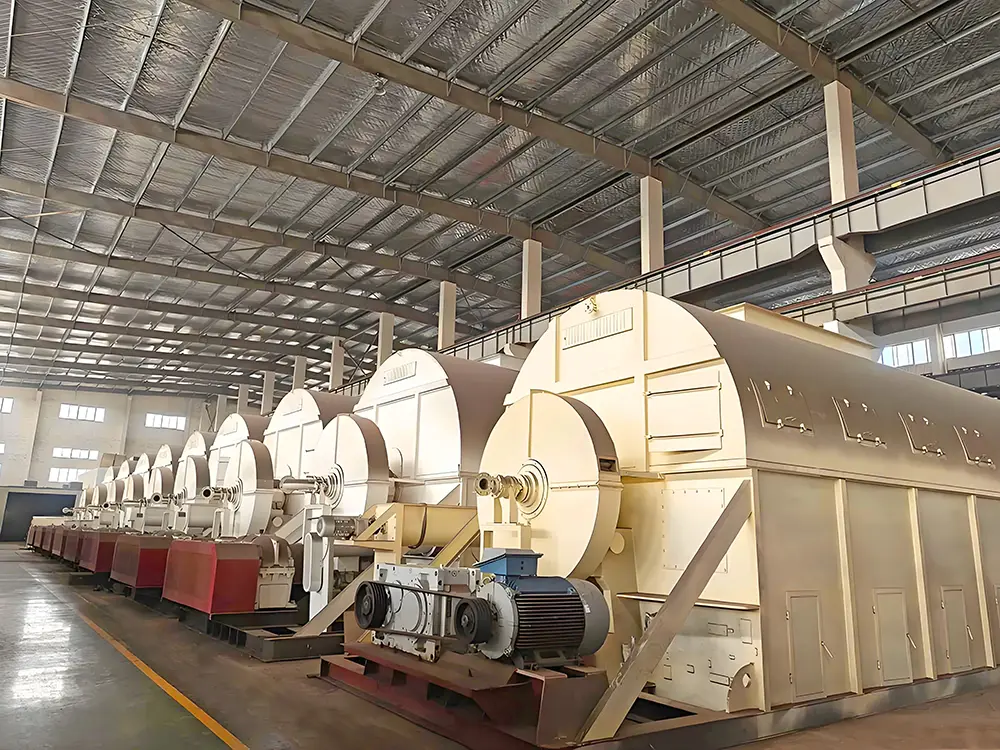
Our team of 20+ engineers designs custom evaporation plants based on feed chemistry, target concentration, and available steam energy. We provide full project support, from initial chemical process simulation to site layout engineering and startup assistance.
Work with our engineers to design a high-efficiency evaporation plant that fits your process requirements.
Request a Technical QuoteGet in touch for detailed information on pressure vessel engineering, design codes, and global shipping options.
View Contact Details
 Zongheng