Explore our leading industrial manufacturing and thermodynamic solutions deployed globally
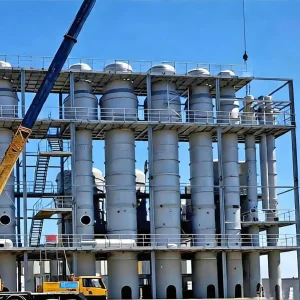
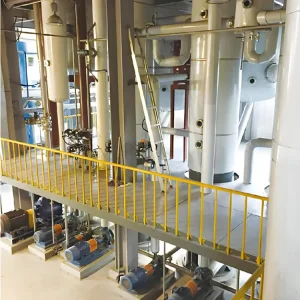
In modern process engineering, the separation of liquid mixtures and concentration of industrial streams command heavy capital investments and operational expense evaluations. Double Effect Evaporation represents one of the most reliable and thermodynamically proven configurations for minimizing steam footprints while achieving precise product concentrations. By cascading vapor enthalpy across successive chambers operated at declining pressure gradients, double-effect platforms balance thermal efficiency against CAPEX restraints, making them the default standard for medium-throughput facilities worldwide.
Across North America, the European Union, and rapidly developing manufacturing hubs throughout Asia, process plants face stringent environmental regulations regarding industrial wastewater, as well as mounting energy costs. In sectors like wet corn milling, starch derivatives, DDGS (Distiller's Dried Grains with Solubles) extraction, and fine chemicals, evaporation is a primary utility. Double-effect plants serve as critical elements in zero-liquid-discharge (ZLD) strategies and chemical concentration loops. Because global raw water treatment costs have escalated, factories rely on evaporation technology to recover over 90% of process water, returning high-purity condensate back to the cooling towers and boilers.
Thermodynamic modeling shows that a single-effect evaporator requires approximately 1.0 to 1.2 kg of fresh steam to evaporate 1.0 kg of water. A double-effect setup reduces this consumption to roughly 0.5 to 0.6 kg of steam per kg of water evaporated. The technological selection determines the flow pattern:
Forward Feed Arrangement: Raw feed enters the first effect under higher temperature and pressure, cascading naturally to the second effect under lower pressure. Recommended for heat-sensitive liquids as the highest concentration meets the lowest temperatures.
Backward Feed Arrangement: Raw feed is pumped into the second effect first, then concentrated slurry is driven back to the hotter first effect. Optimal for highly viscous fluids to maintain high mass transfer coefficients at elevated temperatures.
Split Feed Arrangement: Fresh liquor is fed simultaneously into both effects. Used primarily in crystal-forming operations or where concentration ratios are identical across parallel chambers, maximizing specific throughput.
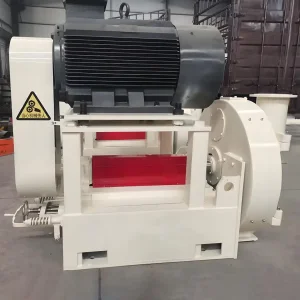
While double-effect designs provide immediate capital balance, the integration of Mechanical Vapor Recompression (MVR) and Thermal Vapor Recompression (TVR) represents the pinnacle of modern optimization. In an MVR system, a centrifugal blower compresses the secondary vapor, elevating its pressure and saturation temperature to act as the heating medium for the same effect. However, where electrical utility grids are unstable or high-pressure steam is locally generated via biomass or waste heat, double-effect evaporators retain superior operational uptime, simpler control mechanisms, and lower initial investments.
Comprehensive systems customized for dehydration, concentration, and solid-liquid separation tasks
Engineered for heat-sensitive liquids. Features thin-film gravity flow down vertical tubes, maximizing thermal coefficient rates while maintaining minimal retention times to protect organic compounds.
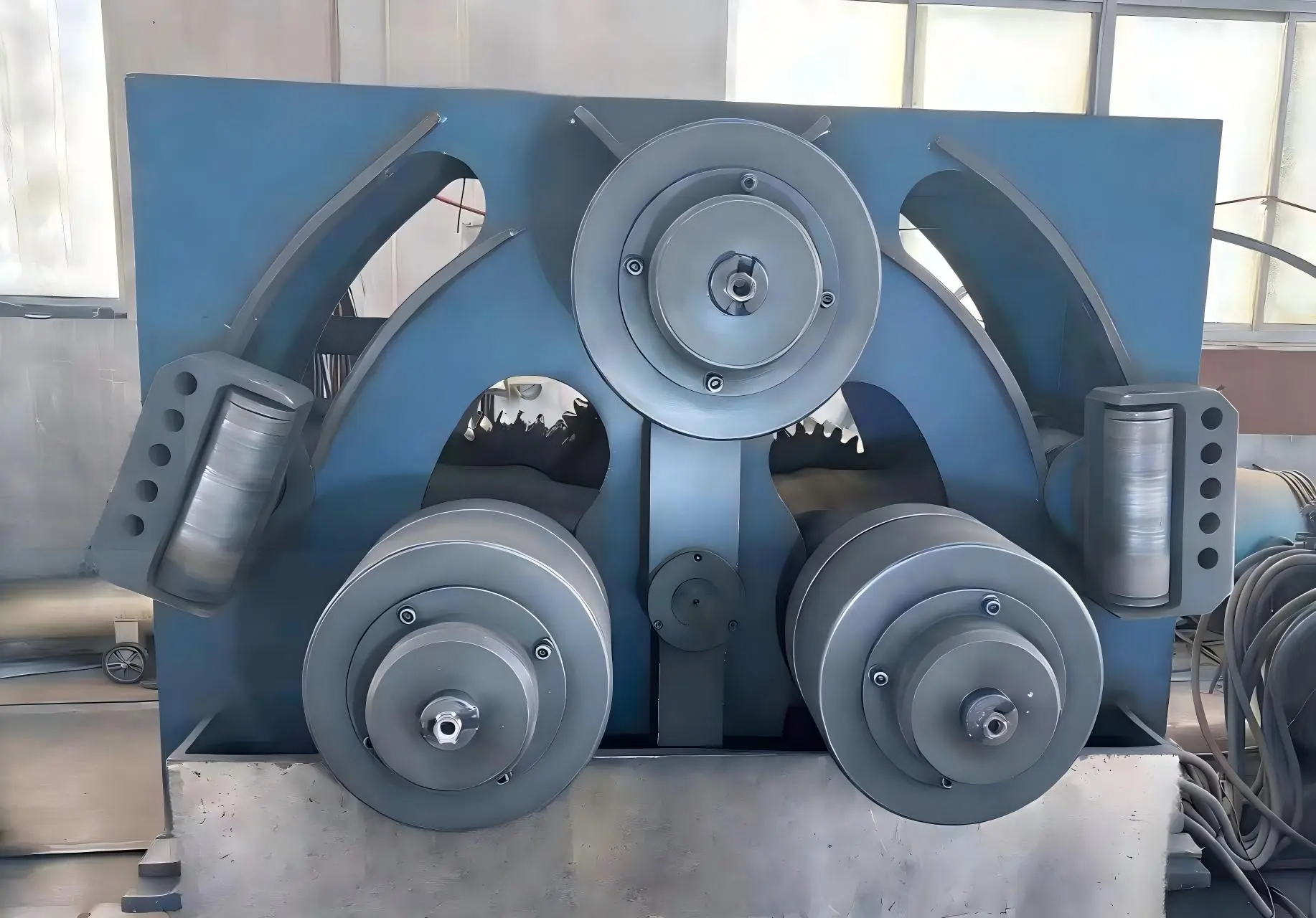
CE Falling Film SolutionsHeavy-duty mechanical dewatering systems designed to extract moisture from high-solids slurries and fibers prior to thermal drying, drastically reducing boiler fuel expenditures.
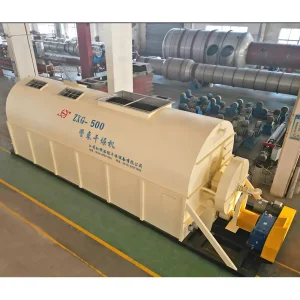
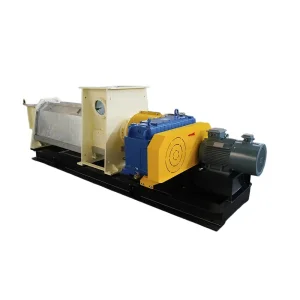
Screw Press SolutionsIndirect steam-heated contact dryers featuring a rotating tube bundle. Operates under low-oxygen parameters for safe processing of combustible organic powders and starches.
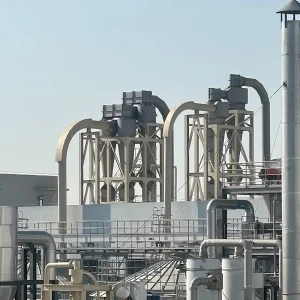
Tube Bundle Dryer SeriesMQG series utilizes high-speed pneumatic pipelines to suspend moist materials in a stream of heated gas, performing simultaneous drying and conveying within seconds.
Airflow Dryer SeriesPrecision mechanical shear mills engineered for corn wet-milling plants to break apart kernel hulls and release intact germ particles, preserving oil yields.
Degerming Mill SeriesYDX series multicyclone separators utilizing centrifugal force to wash, refine, and concentrate starch slurries, purging soluble protein remnants.
Starch Refining Cyclones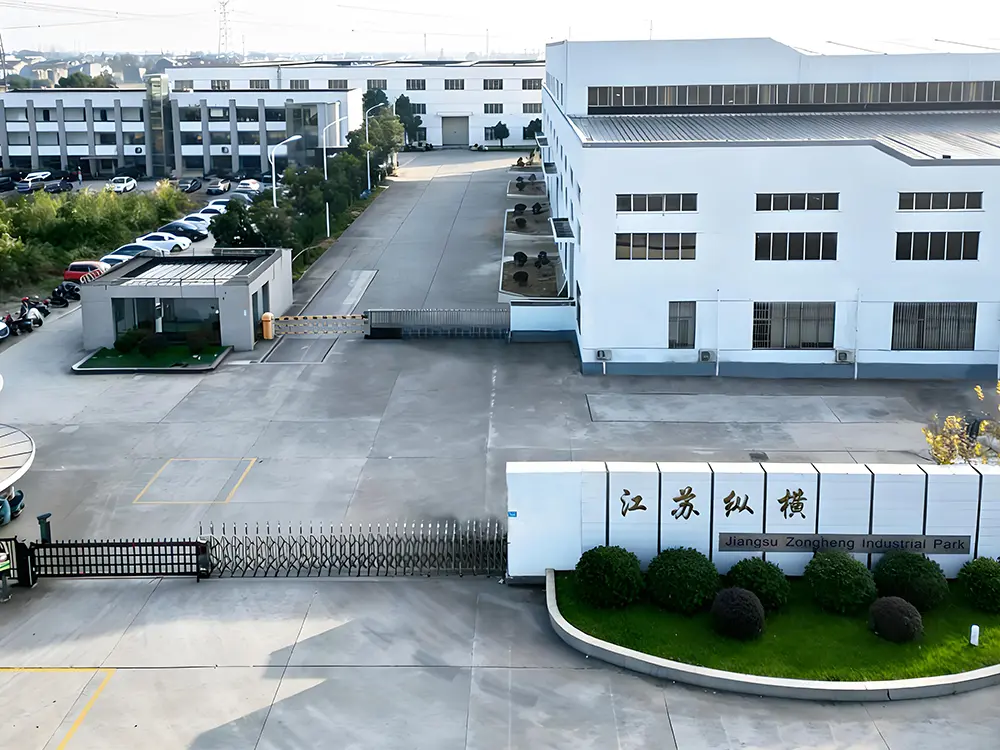
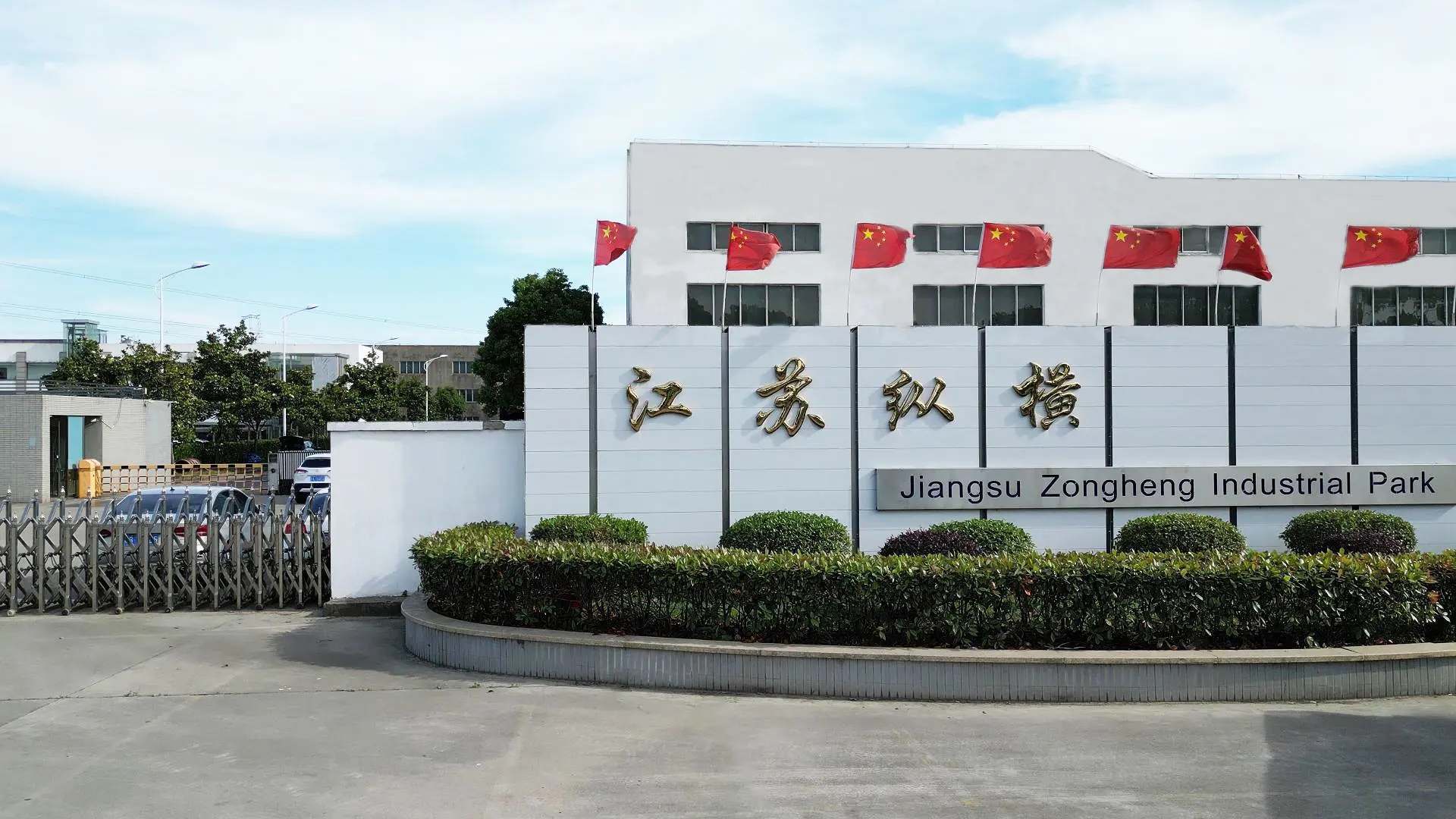
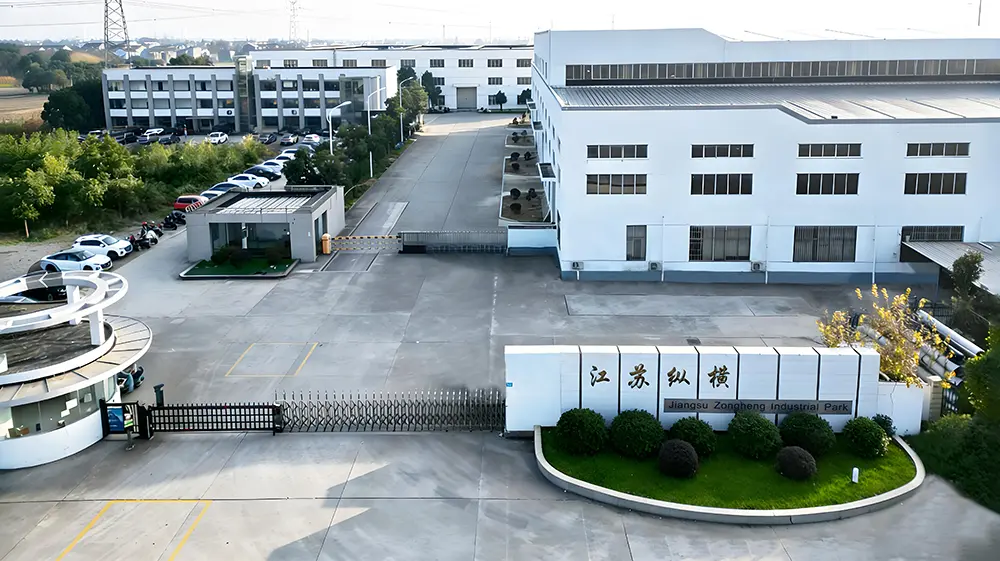
Operating a double-effect evaporator involves dealing with aggressive fluids, corrosive chemicals, and elevated mechanical stress. To guarantee high service runtimes, Jiangsu Zongheng selects materials of construction based on chemical profiles. For organic waste treatment, SUS304 and SUS316L stainless steels are our design baselines. For aggressive chloride media, light chemical recovery, and low pH dairy concentrations, our factory utilizes Duplex Stainless Steels (2205/2507) or Titanium alloys to prevent pitting and stress-corrosion cracking.
Our pressure vessels are designed and stamped according to global regulatory frameworks, including ASME Section VIII Div 1 (U-Stamp), European CE-PED directives, and China's GB150 standard. Each vessel undergoes extensive Non-Destructive Testing (NDT), including radiographic testing (RT) of weld seams, dye penetrant inspection, and hydrostatic pressure verification, ensuring leak-free performance.
Our journey of engineering excellence, technical certifications, and global footprint expansion since 1992
Established as Yixing Yangxi Light Industrial Machinery Factory in Zhoutie Town, covering 15 mu and employing 45 dedicated staff members.
Implemented standard quality control processes, obtaining ISO9001 quality management systems certification.
Awarded the official status of Jiangsu Provincial High-Tech Enterprise, marking a strong commitment to R&D.
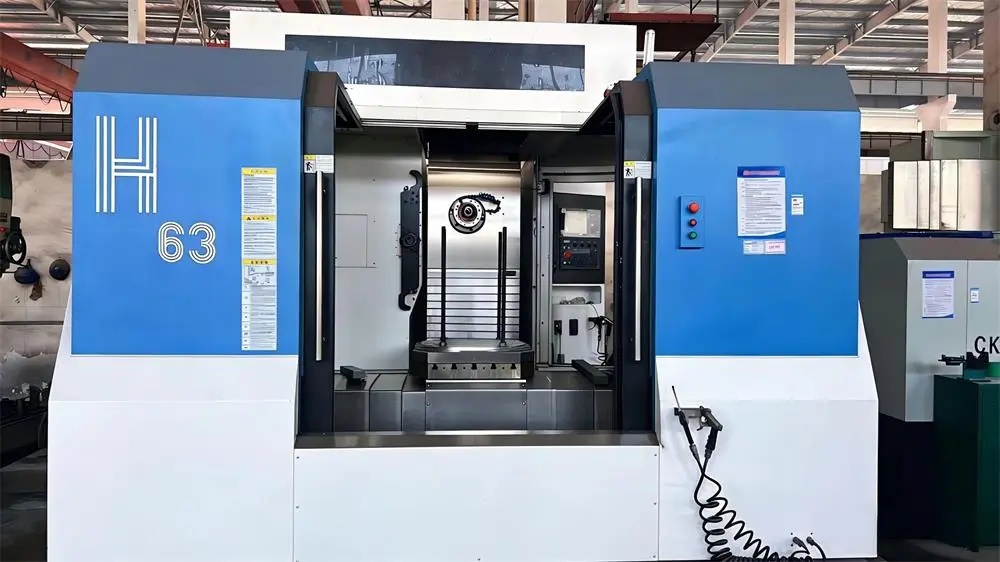
Obtained the Special Equipment Manufacturing License of the People's Republic of China (License No.: TS2232C42) for pressure vessels.
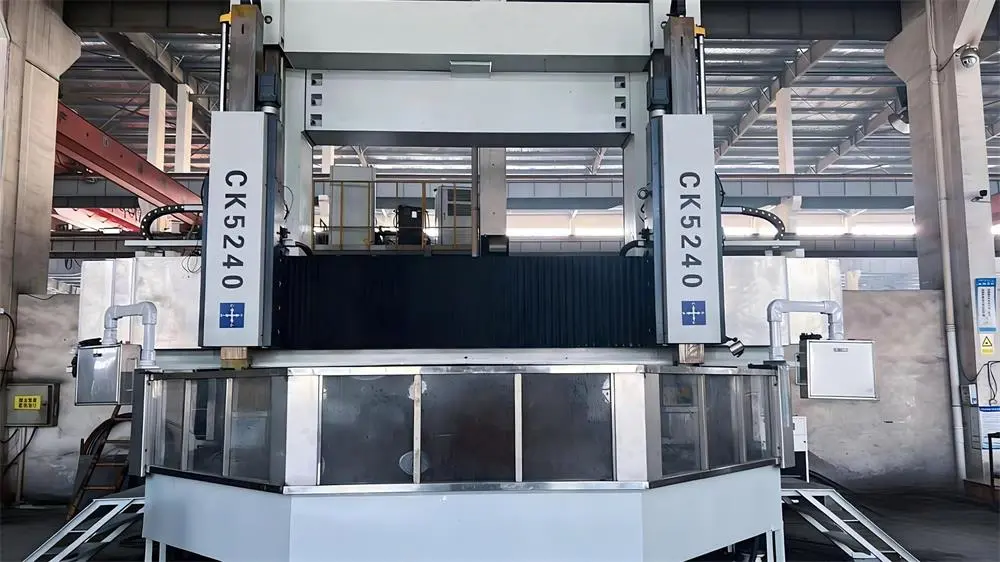
Acquired the ASME "U" Stamp authorization, opening doors to global exports and matching American design guidelines.
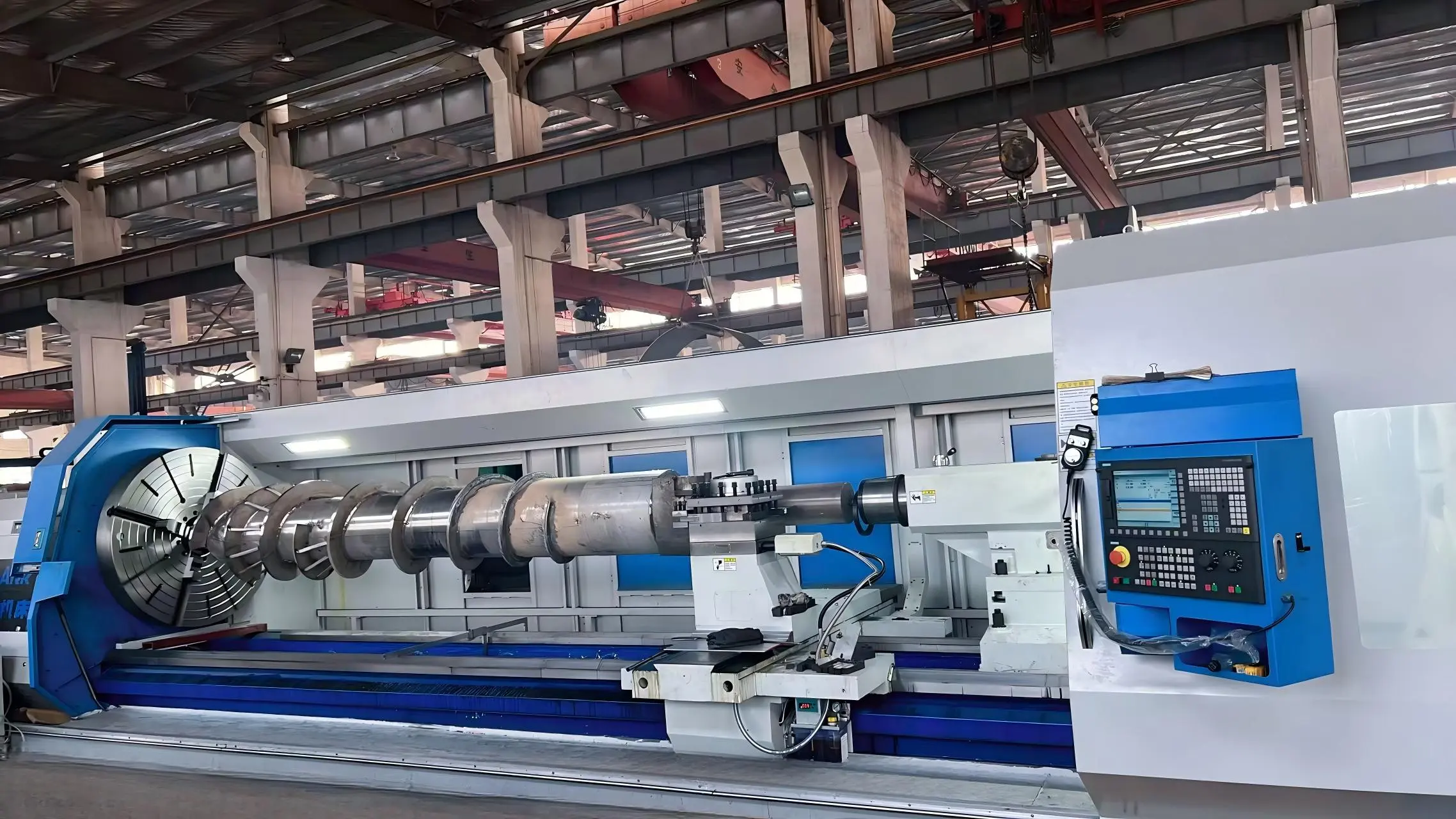
Received international quality system certification (Certificate No.: 45021) for advanced high-pressure assembly protocols.
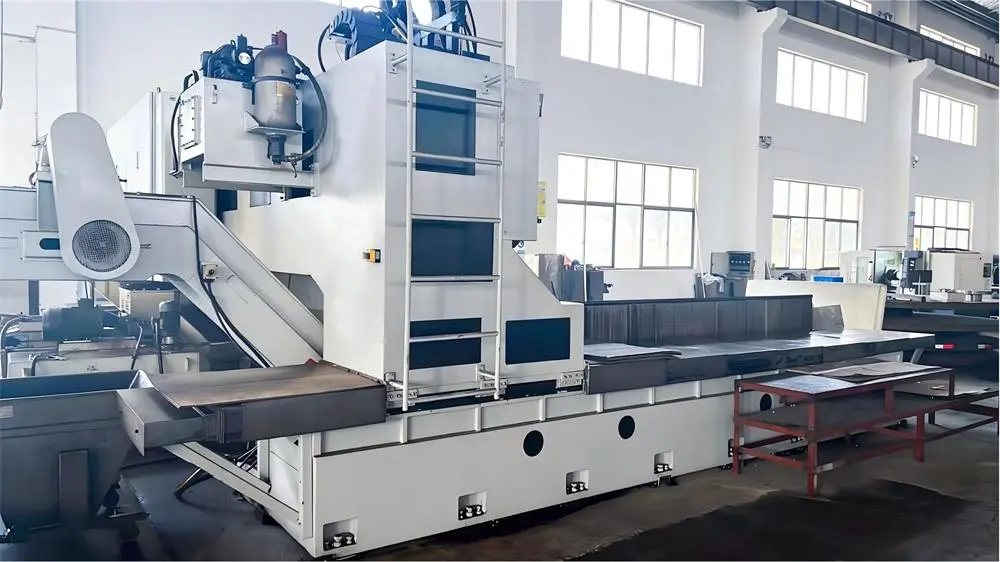
The facility spans over 54,000 square meters, featuring modern workshop space exceeding 22,000 square meters, with 3 senior engineers and 20+ specialized assistant engineers.
A frequent dilemma for procurement departments is choosing between film-flow evaporation and forced hydrodynamic flow. Each addresses specific chemical attributes:
Falling Film Evaporators: These plants distribute raw liquor through a system of perforated tubes. The liquid forms a thin film that flows downward under gravity. Because the liquid moves quickly, it stays in the heating zone for only a short time, which prevents burning or thermal degradation. However, it requires a minimum wetting rate. If the heat exchange surface dries out, it can cause severe scaling, reducing output.
Forced Circulation Evaporators: These units are designed for liquids prone to scaling, crystallization, or high viscosities. High-capacity pumps drive the liquid through the heat exchanger tubes at high velocity. The liquid is kept under hydrostatic head to prevent boiling inside the tube bundle. Boiling only occurs when the liquid enters the flash separator chamber. This design reduces fouling on the heat exchange surfaces, extending production cycles between CIP (Clean-in-Place) washings.
Exporting custom thermal systems demands compliance with local regulations. Jiangsu Zongheng handles complete calculations, FEA structural reports, seismic load analyses, wind load assessments, and local engineering registration (such as CRN registration for Canadian provinces or National Board registration for US installations). We offer remote diagnostic links, modular skid deliveries for fast field erection, and factory commissioning engineers to assist local mechanical crews during water runs, cold commissioning, and process startup.
Technical guidance and engineering support for design engineers, utility managers, and procurement officers
Browse our advanced mechanical vapor recompression and high-speed processing machinery
Get in touch with our design engineers for a custom heat balance calculation and budget estimation.
 Zongheng