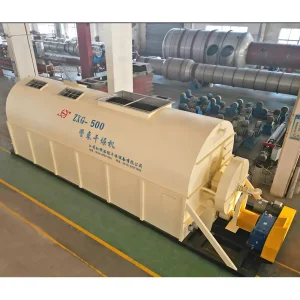
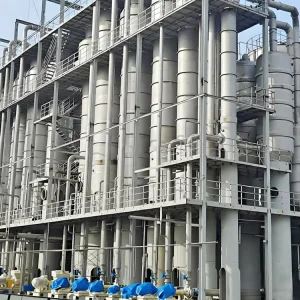
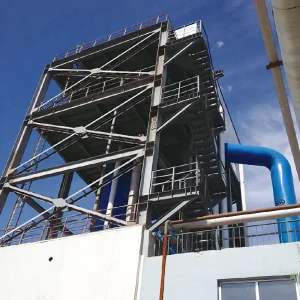
Explore our flagship range of industrial separation, dewatering, and thermal concentration equipment engineered for maximum energy recovery and operational reliability.
In the contemporary industrial landscape, water scarcity and stringent environmental mandates have propelled Zero Liquid Discharge (ZLD) from a niche regulatory compliance measure to a core strategic imperative. ZLD is a water treatment process designed to limit liquid waste discharge from industrial facilities by employing advanced thermal and membrane technologies. The ultimate objective is to produce clean water suitable for reuse within the plant, leaving only dry, solid residues for disposal or valuable resource recovery.
Globally, the market for ZLD evaporators is experiencing unprecedented growth. Driven by strict environmental frameworks such as the European Union’s Green Deal, the US EPA’s Effluent Guidelines, and China’s "Action Plan for Water Pollution Prevention," heavy industries are rapidly phasing out traditional wastewater discharge systems. ZLD systems utilizing thermal evaporators and crystallizers are now standard installations in coal-to-chemical plants, thermal power generation, oil and gas extraction, pharmaceutical manufacturing, and the rapidly expanding lithium-ion battery recycling sector.
Meeting global environmental mandates by eliminating liquid waste discharges, preventing groundwater contamination, and ensuring compliance with local environmental protection agencies.
Extracting high-purity crystalline salts (such as sodium sulfate and sodium chloride) and recycling up to 98% of high-quality distillate water back into industrial processes.
Utilizing state-of-the-art Mechanical Vapor Recompression (MVR) and multi-effect thermal designs to drastically reduce steam and electrical power consumption.
The ZLD evaporator sector is undergoing a profound technological shift. Historically, thermal evaporation was viewed as an energy-intensive process with high capital and operational costs. However, modern engineering innovations have transformed these systems into highly efficient, automated, and robust solutions.
Key trends driving the industry include:
As we look toward the next decade, the design of ZLD evaporators will focus heavily on intelligent automation, carbon footprint reduction, and circular economy integration. Jiangsu Zongheng is actively developing technologies that align with this future roadmap.
Integrating IoT sensors and machine learning algorithms to predict scaling events, optimize heat transfer efficiency in real-time, and schedule preventive maintenance cycles automatically.
Transitioning thermal systems to run on renewable energy sources, utilizing waste heat from adjacent industrial processes, and integrating solar-thermal concentration technologies.
Developing fractional crystallization processes to separate mixed salts into high-purity industrial-grade chemicals, turning waste disposal liabilities into revenue streams.
Different industries present unique chemical compositions and thermal dynamics. A one-size-fits-all approach does not work in ZLD engineering. Jiangsu Zongheng designs tailored solutions for specific industrial scenarios:
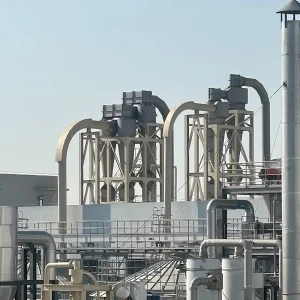
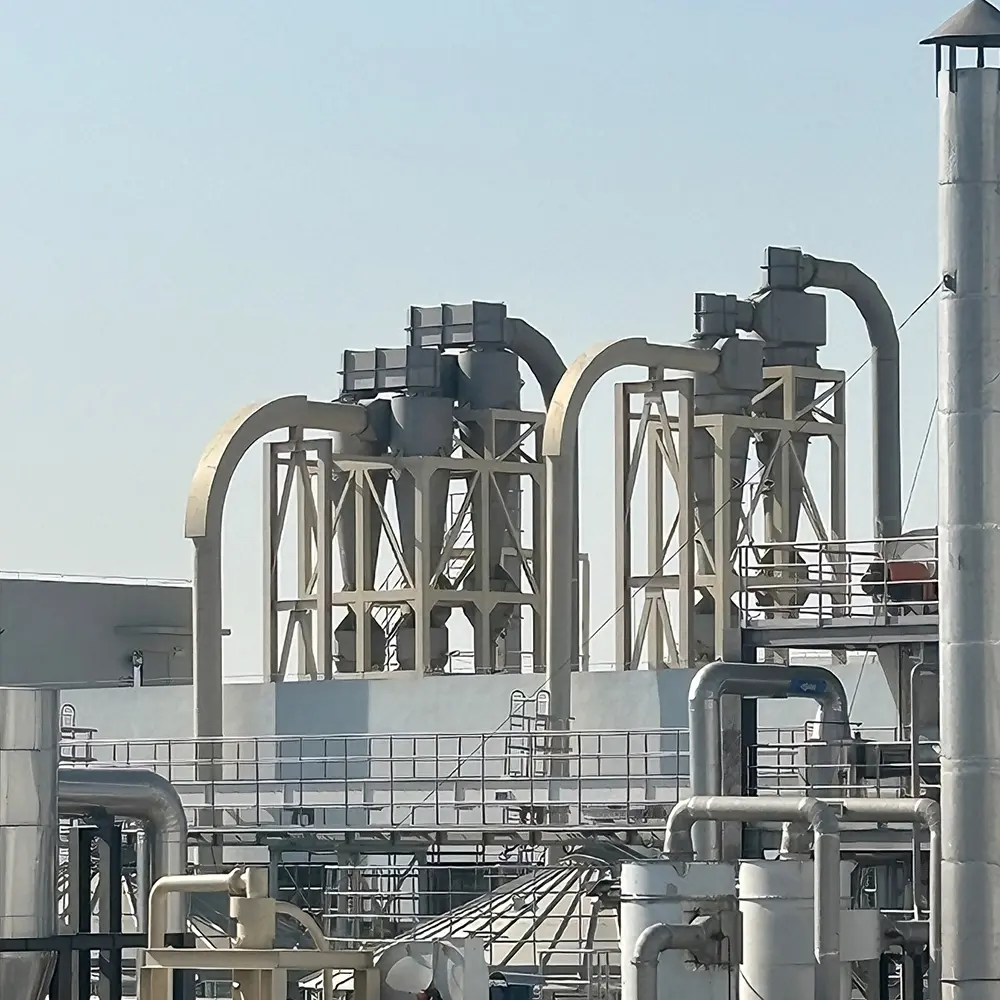
Integrating our Degerming Mill Machines, Starch Washing Cyclones, and Waste Heat Evaporators. We concentrate corn steep liquor (CSL) and process wastewater by utilizing low-grade waste heat from the drying sections, significantly reducing the overall energy footprint of the plant.
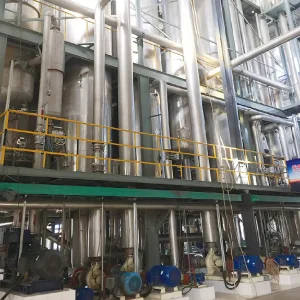
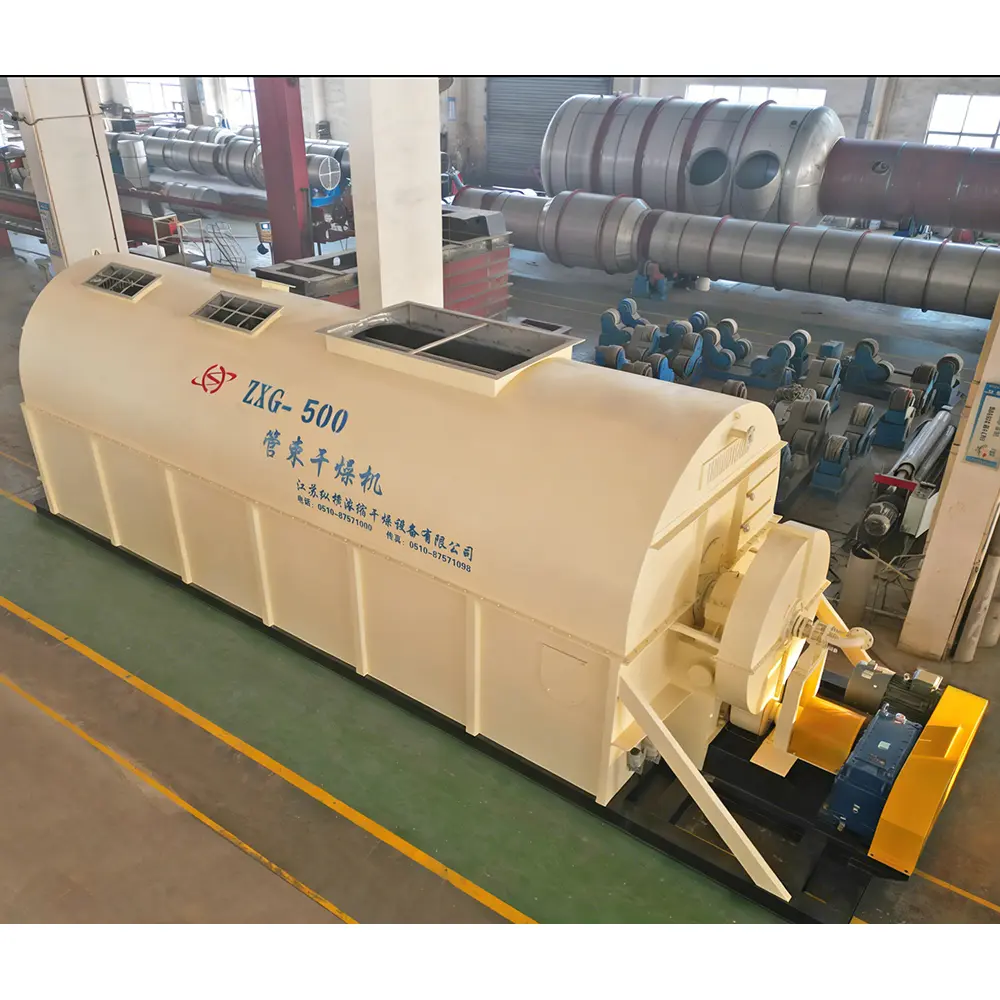
In alcohol distilleries, the thin stillage is concentrated using multi-effect or MVR falling film evaporators. The concentrated syrup is then blended with wet cake and dried in our ZXG Tube Bundle Dryers to produce high-value Distillers Dried Grains with Solubles (DDGS), achieving zero wastewater discharge.
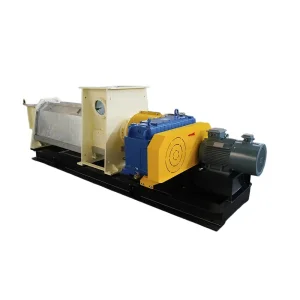
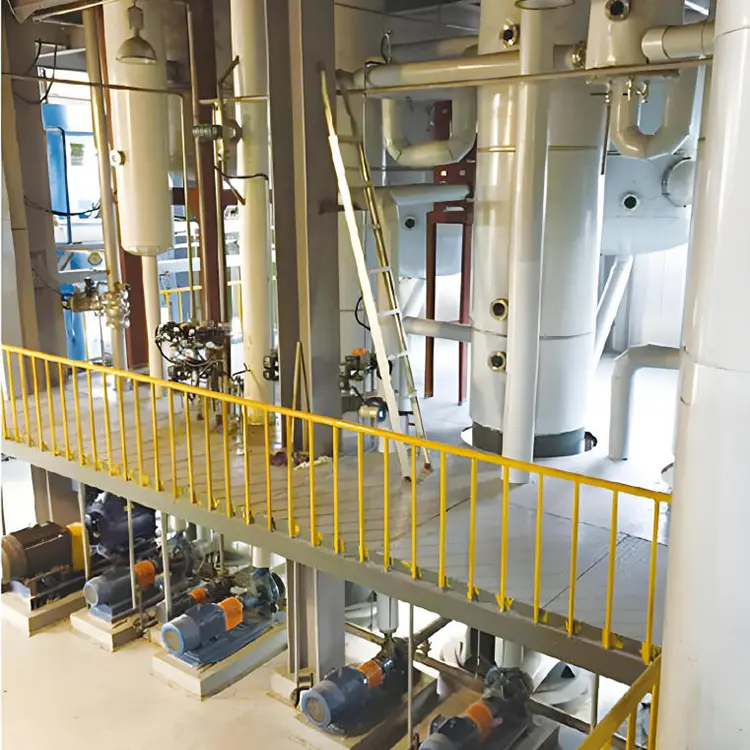
Highly saline, organic-rich wastewater is processed using a combination of falling film evaporators for initial concentration and forced circulation evaporators for final crystallization. Mechanical dewatering of the resulting slurry is handled efficiently by our heavy-duty Single Screw Presses.
Jiangsu Zongheng Concentrating and Drying Equipment Co., Ltd. (formerly Yixing Yangxi Light Industry Machinery Factory), founded in 1992, is located in Zhoutie Town, Yixing City, on the shores of the scenic Taihu Lake. The company covers an area of over 54,000 square meters, with a modern production workshop area exceeding 22,000 square meters.
As a modern high-tech enterprise, Jiangsu Zongheng specializes in the design, engineering, and manufacturing of concentration, drying, starch processing, alcohol DDGS, and Category III medium & low-pressure vessel equipment. We are a proud member of the China Starch and Alcohol Association. Our systems are widely deployed globally across the food fermentation, chemical, pharmaceutical, environmental protection, and petrochemical sectors.
With a staff of 120 dedicated professionals, including 3 senior engineers and over 20 specialized engineers, we deliver custom-engineered thermal processing systems designed to meet the highest international standards.
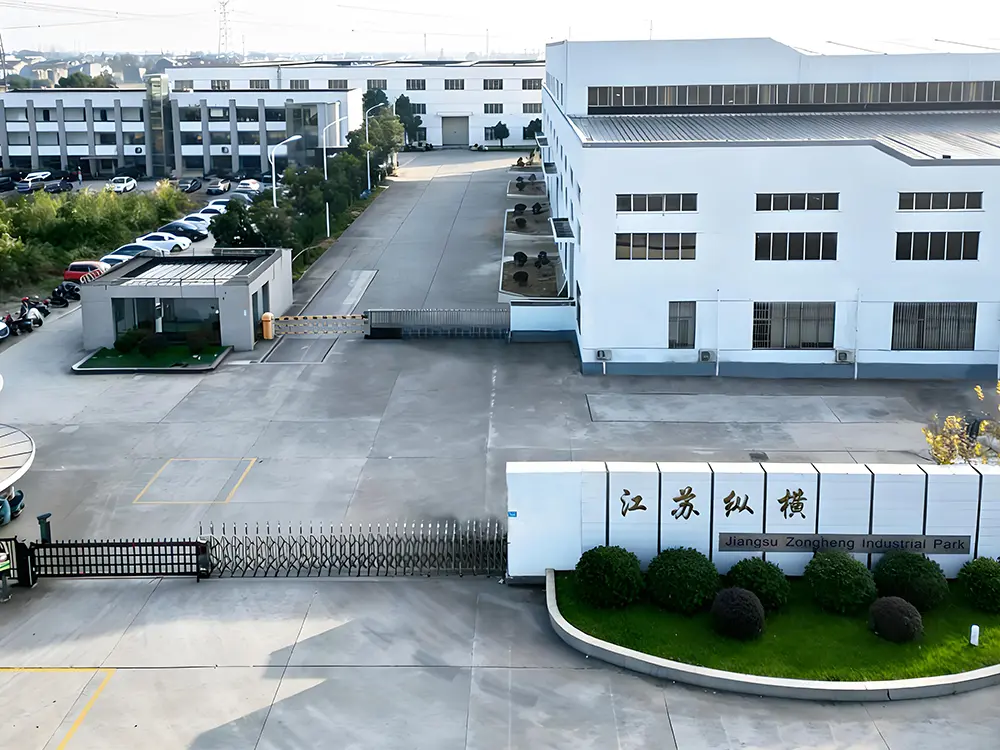
Established as Yixing Yangxi Light Industrial Machinery Factory, covering 15 mu with 45 employees.
Took the lead in obtaining the ISO9001 international quality management system certification.
Officially recognized as a Jiangsu Provincial High-Tech Enterprise, accelerating R&D investments.
Obtained the Special Equipment Manufacturing License of the People's Republic of China (License No.: TS2232C42).
Acquired the prestigious ASME "U" Stamp authorization, expanding our reach into global markets.
Obtained international quality system certification (Certificate No.: 45021), establishing a robust global QA framework.
Operating across 54,000+ m² with 120 staff, including 3 senior engineers and 20+ engineers, delivering state-of-the-art thermal solutions.
Deep dive into the operational mechanics and engineering designs of our primary product lines.
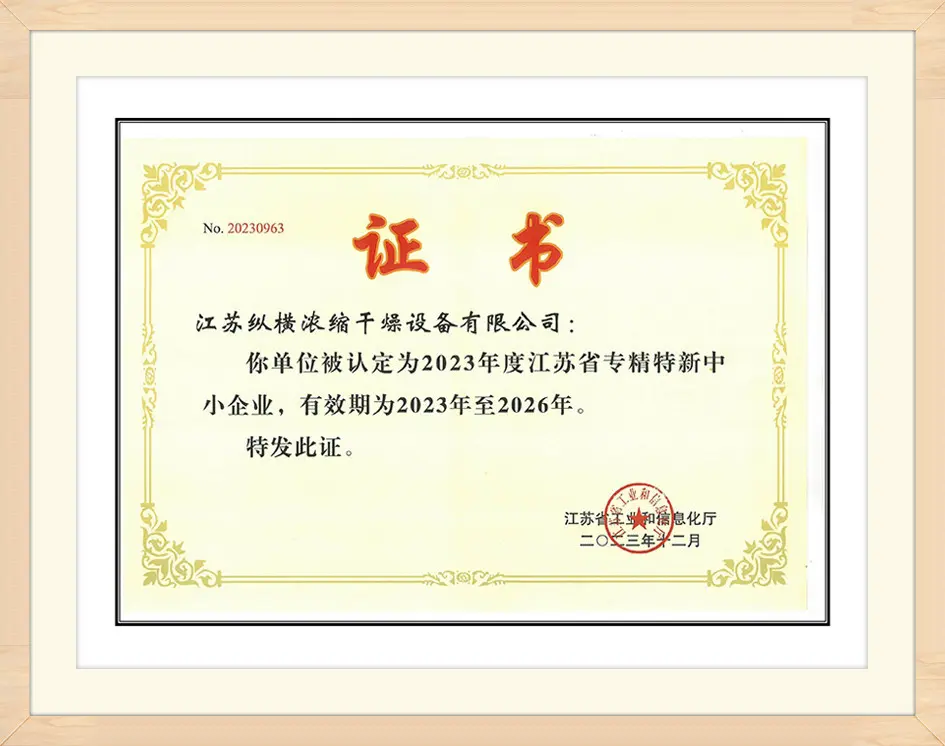
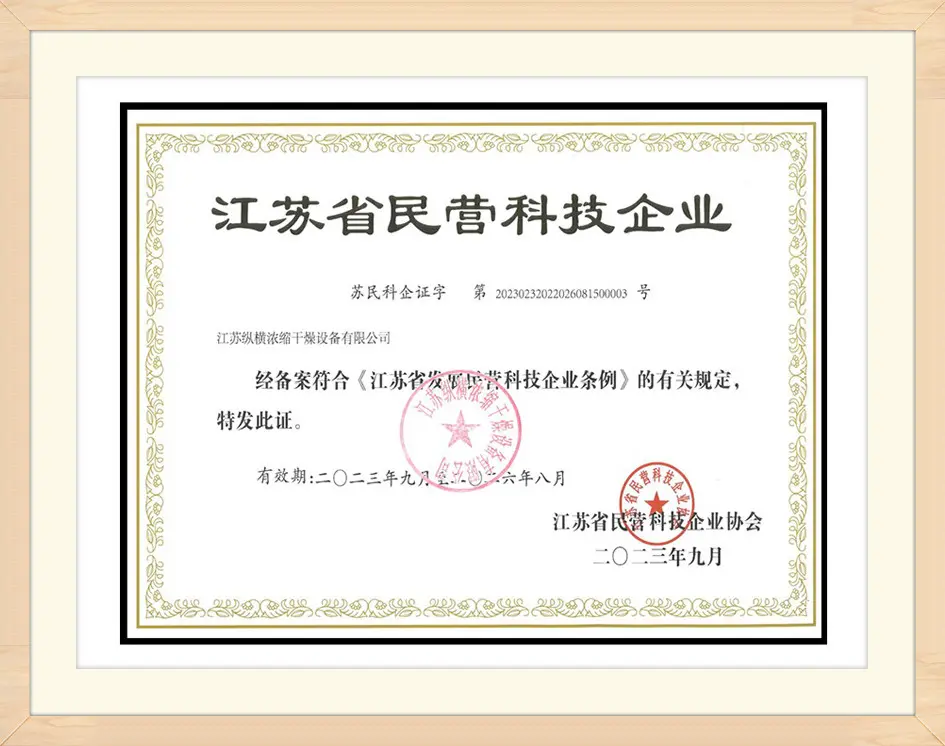
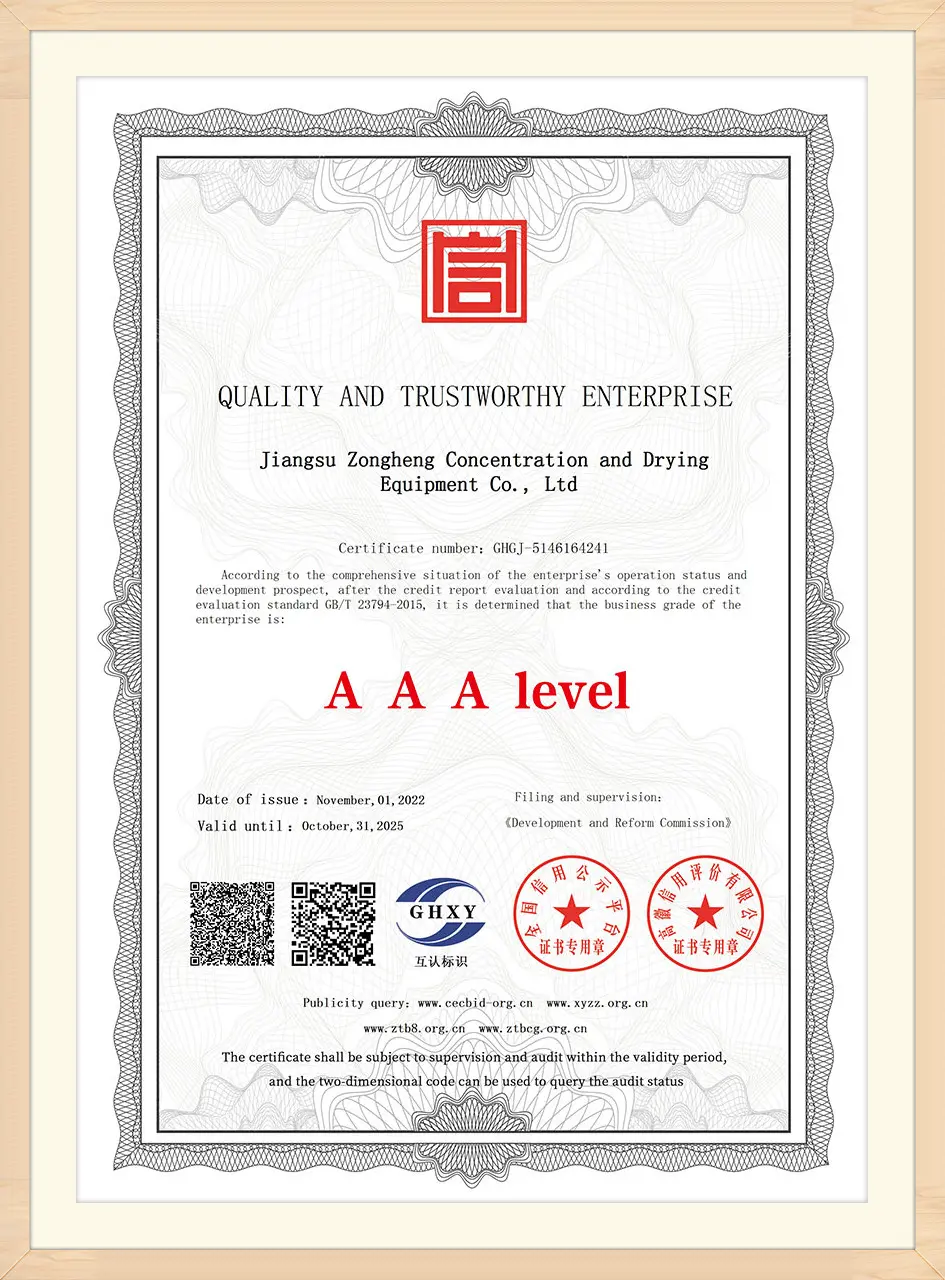
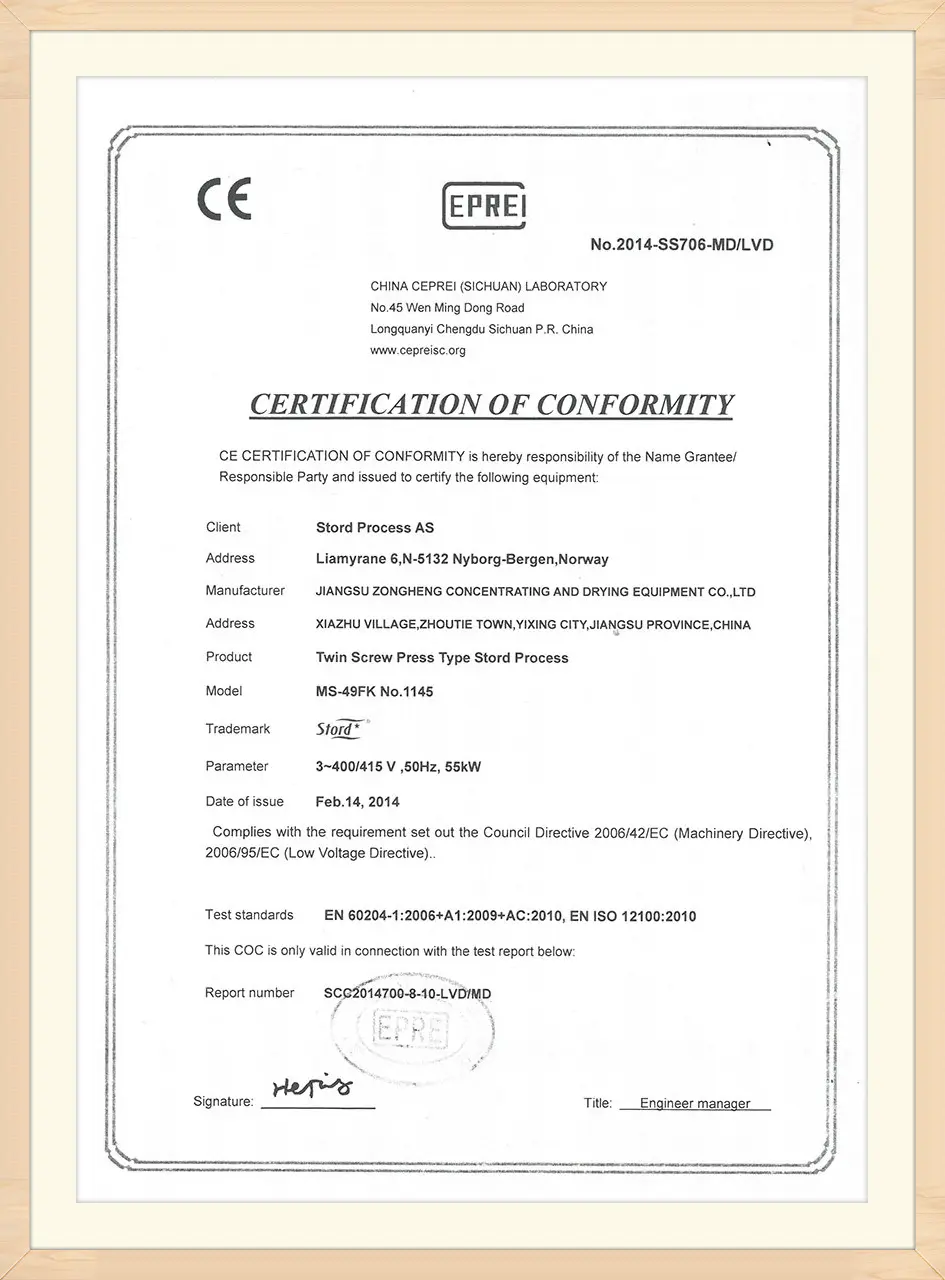
Our commitment to quality is backed by international manufacturing codes and quality management certifications.
Get authoritative answers to the most common engineering and operational questions regarding Zero Liquid Discharge systems.
Partner with China's leading ZLD evaporator manufacturer. Our engineering team is ready to design custom concentration, crystallization, and drying systems tailored to your specific process parameters.
Discover our complete portfolio of starch cyclones, degerming mills, bundle dryers, and energy-efficient MVR systems.
 Zongheng