In the modern process industries, thermal concentration is a cornerstone operation. From food processing and corn wet milling to chemical synthesis and zero-liquid-discharge (ZLD) wastewater treatment, the demand for highly efficient evaporation systems has reached unprecedented levels. Global procurement teams are increasingly looking to specialized Chinese factories to balance capital expenditure (CAPEX) with operational reliability (OPEX).
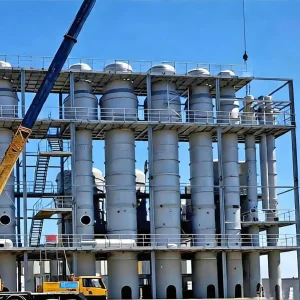
A single evaporator system, while structurally simpler than multi-effect configurations, requires precise thermodynamic design to ensure optimal heat transfer coefficients and minimal fouling. Chinese manufacturing hubs, particularly in regions like Jiangsu, have evolved from basic fabricators to advanced engineering centers capable of delivering custom-designed falling film, forced circulation, and Mechanical Vapor Recompression (MVR) systems that meet stringent international standards such as ASME and CE.
Today's industrial manufacturers face double pressures: reducing carbon footprints and complying with strict environmental regulations. In regions like the European Union and North America, energy consumption taxes make traditional steam-driven evaporation prohibitively expensive. This has shifted the global procurement focus toward energy-integrated systems.
Jiangsu Zongheng Concentrating and Drying Equipment Co., Ltd. addresses these challenges by engineering systems that utilize low-grade waste heat from dryers or distillation columns, converting what was once thermal waste into the primary driving force for concentration processes.
Mechanical Vapor Recompression (MVR) represents the pinnacle of energy-efficient evaporation. By utilizing a centrifugal compressor or blower to recompress the secondary vapor generated within the evaporator, the vapor's temperature and pressure are elevated. This recompressed vapor is then recycled back as the heating medium, virtually eliminating the need for fresh live steam during steady-state operation.
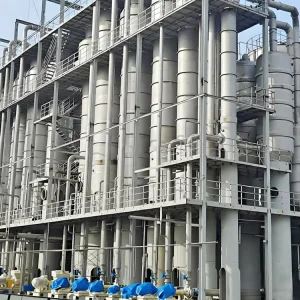
Ideal for heat-sensitive liquids, falling film evaporators distribute the feed liquid evenly across the inner surfaces of vertical tubes. The liquid flows downward as a thin film, boiling and partially evaporating. The parallel flow of vapor and liquid enhances shear stress, reducing residence time to seconds. Proper liquid distribution is critical to prevent dry spots and subsequent fouling.
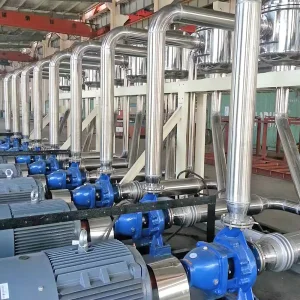
When dealing with highly viscous fluids, crystallizing solutions, or liquids prone to severe fouling, forced circulation is the industry standard. High-capacity axial flow pumps circulate the liquid through the heat exchanger at high velocities. Boiling is suppressed within the tubes by hydrostatic head, occurring only when the liquid enters the flash separator, preventing scaling on heat transfer surfaces.
Industrial concentration equipment cannot be purchased "off the shelf." It must be engineered to match the specific chemical and physical characteristics of the process fluid. Jiangsu Zongheng specializes in integrating evaporation, drying, and separation equipment into cohesive, high-performance plant flowsheet solutions.
In the starch industry, the concentration of Corn Steep Liquor (CSL) is a highly energy-intensive process. Our waste heat evaporators utilize the low-temperature exhaust steam from tube bundle dryers to concentrate CSL from 5-8% dry solids up to 45-50% DS. This integration dramatically reduces the plant's overall steam consumption per ton of starch produced.
Distillers Dried Grains with Solubles (DDGS) plants require the concentration of thin stillage before mixing it with wet grains for drying. Our multi-effect and MVR falling film evaporators handle the high organic load and suspended solids of thin stillage, maintaining high heat transfer rates and long run times between Clean-in-Place (CIP) cycles.
Environmental regulations demand that chemical, pharmaceutical, and petrochemical plants minimize wastewater discharge. Our forced circulation evaporators and crystallizers are engineered to concentrate high-salinity wastewater to the point of salt crystallization, allowing plants to recover pure water for reuse and discharge solid waste safely.
For organic acids, amino acids, and yeast extracts, preserving product quality (color, flavor, and nutritional value) is paramount. Our low-temperature, vacuum-operated falling film evaporators ensure minimal thermal degradation during the concentration process.
Jiangsu Zongheng Concentrating and Drying Equipment Co., Ltd. (formerly Yixing Yangxi Light Industry Machinery Factory), founded in 1992, is located in Zhoutie Town, Yixing City, on the shores of the beautiful Taihu Lake. The company covers an area of over 54,000 square meters, with a modern production workshop area of over 22,000 square meters.
As a modern high-tech enterprise, Jiangsu Zongheng specializes in the design, manufacturing, and installation of concentration, drying, starch processing, alcohol DDGS, and Category III medium & low-pressure vessel equipment. We are a proud member of the China Starch and Alcohol Association, serving clients globally across the food, chemical, pharmaceutical, and environmental sectors.
With a dedicated team of over 120 professionals, including 3 senior engineers and more than 20 specialized engineers, we combine decades of practical manufacturing experience with advanced thermodynamic simulation software to deliver optimized process plants.
Established as Yixing Yangxi Light Industrial Machinery Factory, covering 15 mu with 45 employees.
Obtained ISO9001 Quality Management System Certification, standardizing manufacturing workflows.
Recognized as a Jiangsu Provincial High-Tech Enterprise for innovations in thermal separation.
Obtained the Special Equipment Manufacturing License of the People's Republic of China (Category III Pressure Vessels).
Acquired the prestigious ASME "U" Stamp authorization, opening doors to global industrial markets.
Achieved international quality system certification (Certificate No.: 45021), aligning with global engineering standards.
Operating a 54,000 sqm state-of-the-art facility, exporting advanced MVR and thermal concentration systems worldwide.
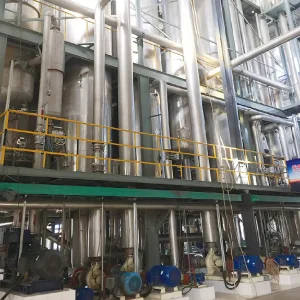
Custom-engineered falling film, forced circulation, MVR, and waste heat evaporators. Designed for maximum thermal efficiency, low steam consumption, and minimal fouling in high-viscosity applications.
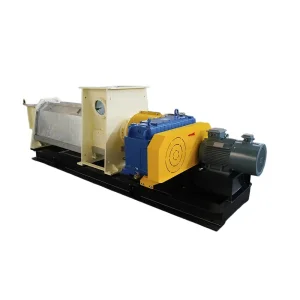
High-performance mechanical dewatering systems designed to extract moisture from fibrous materials, starch residues, and industrial sludges prior to thermal drying, drastically reducing energy costs.
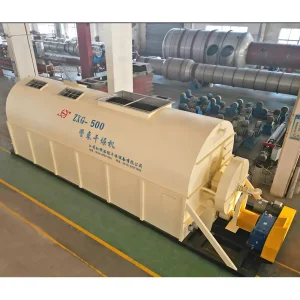
Indirect steam-heated contact dryers (ZXG series) designed for continuous drying of free-flowing materials like corn germ, fiber, gluten, and chemical powders under low-oxygen, safe operating conditions.
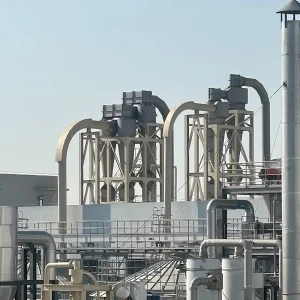
MQG series flash dryers utilizing high-speed hot air currents to suspend and dry wet materials instantly. Ideal for starch, food ingredients, and chemical powders requiring uniform moisture content.
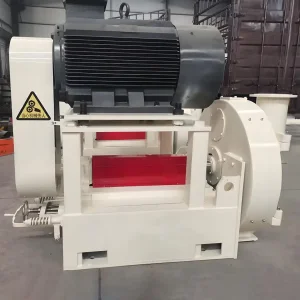
Precision milling equipment engineered for the wet corn milling industry, ensuring clean separation of the corn germ from the endosperm and fiber without damaging the germ structure.
YDX series multi-stage hydrocyclone plants designed for starch washing, concentration, and refining, ensuring maximum starch purity, protein separation, and recovery rates.
Operating pressure vessels and high-temperature thermal equipment requires absolute safety and compliance with local laws. Jiangsu Zongheng maintains a comprehensive quality management system that governs every phase of project execution—from initial thermal calculation and mechanical design to plate cutting, welding, non-destructive testing (NDT), and final hydrostatic pressure testing.
Our ASME "U" Stamp certification and CE marking demonstrate our capability to design and manufacture equipment that complies with the ASME Boiler and Pressure Vessel Code (Section VIII, Division 1) and the European Pressure Equipment Directive (PED 2014/68/EU).
We understand that purchasing equipment from China requires trust in post-sale support. Jiangsu Zongheng provides complete engineering documentation, including 3D plant layouts, piping and instrumentation diagrams (P&IDs), electrical schematics, and control logic descriptions (PLC/SCADA integration).
Our team of field service engineers is available for global deployment to supervise equipment installation, manage cold and hot commissioning, and train local operating staff to ensure a smooth transition to commercial production.
Contact our engineering team today for a customized thermal calculation, mass balance simulation, and equipment quotation.
Request a Technical Consultation
 Zongheng