Discover our advanced structural range of industrial evaporators and solid-liquid separation machinery built to handle heavy waste streams.
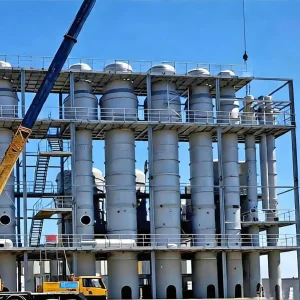
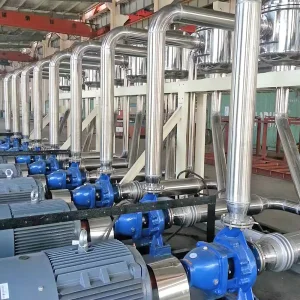
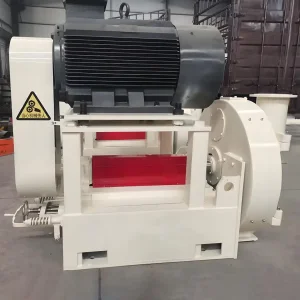
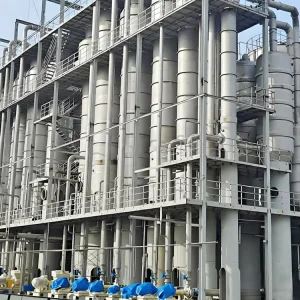
Reverse Osmosis (RO) systems have revolutionized water purification across global industries, providing vital processing and boiler feed water. However, this process produces a highly concentrated brine bypass known as RO Reject Water. This reject stream is rich in refractory inorganic salts, total dissolved solids (TDS), silica, sulfates, and chlorides. Discharging this stream presents severe environmental liabilities and regulatory hurdles globally.
Faced with stricter environmental regulations, industrial facilities are moving away from traditional discharge models toward Zero Liquid Discharge (ZLD). ZLD is a water management strategy that eliminates liquid waste discharge, converting slurry into high-purity water for reuse and dry solids for disposal or recovery. At the core of this transition is the thermal evaporator, which handles high-salinity brines that exceed the osmotic pressure limits of membrane systems.
Concentrating RO reject brine is challenging due to scaling and fouling on heat transfer surfaces. As water evaporates, dissolved ions reach saturation points, precipitating as scale:
Choosing the correct evaporator configuration depends on the reject stream's chemistry, available utility steam, electrical grid capacity, and CAPEX/OPEX targets. Jiangsu Zongheng manufactures four primary thermal configurations:
MVR systems utilize a mechanical compressor (centrifugal fan or roots blower) to recompress the clean overhead vapor, raising its temperature and enthalpy. This compressed vapor is then reused as the heating medium in the same stage. This design eliminates the need for fresh steam under steady-state operation, reducing energy consumption to 15–25 kWh per ton of evaporated water.
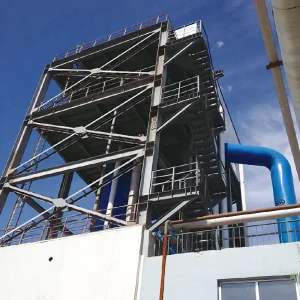
In a falling film evaporator, liquid is distributed evenly across the inner surfaces of vertical tubes, flowing downward as a thin film. Heat is applied from the outside of the tubes. This thin-film flow yields high heat transfer coefficients and short residence times, making it well-suited for heat-sensitive liquids. Proper distribution is critical to prevent dry spots and scaling.
Forced circulation evaporators use high-capacity pumps to drive liquid through heat exchanger tubes at high velocities, suppressing boiling inside the tubes. Boiling occurs when pressure drops as the fluid enters the flash separator. This design prevents scaling on the heat exchanger surface, making it suitable for crystallization and treating high-fouling RO reject brines.
This configuration recovers thermal energy from low-pressure exhaust steam, dryer vapors, or flue gases to drive the evaporation process. Integrating waste heat sources reduces operating costs, making it a viable option for starch refining, grain processing, and ethanol facilities.
| Evaporator Type | Typical Energy Demand | Recommended TDS Limit | Scaling Resistance | Optimal Application Areas |
|---|---|---|---|---|
| MVR Evaporator | 15 - 25 kWh/m³ condensate | Up to 150,000 ppm | Moderate | Chemical, Pharma, Food, Municipal RO Reject |
| Falling Film | Steam: ~0.2 - 0.25 t/t water | Up to 80,000 ppm | Low (prone to dry spots) | Heat-sensitive organic streams, low-TDS reject |
| Forced Circulation | Steam: ~0.25 - 0.3 t/t water | Up to 300,000 ppm (saturation) | Very High | Brine crystallization, High-salinity silica streams |
| Waste Heat Type | Highly dependent on source enthalpy | Up to 100,000 ppm | Moderate | Starch factories, DDGS plants, corn steep liquor |
Procuring heavy industrial thermal machinery involves significant capital investment. Today, international engineering procurement firms (EPCs) source critical evaporative equipment from Chinese manufacturers to balance cost, quality, and supply chain reliability. Jiangsu Zongheng offers several advantages in this space:
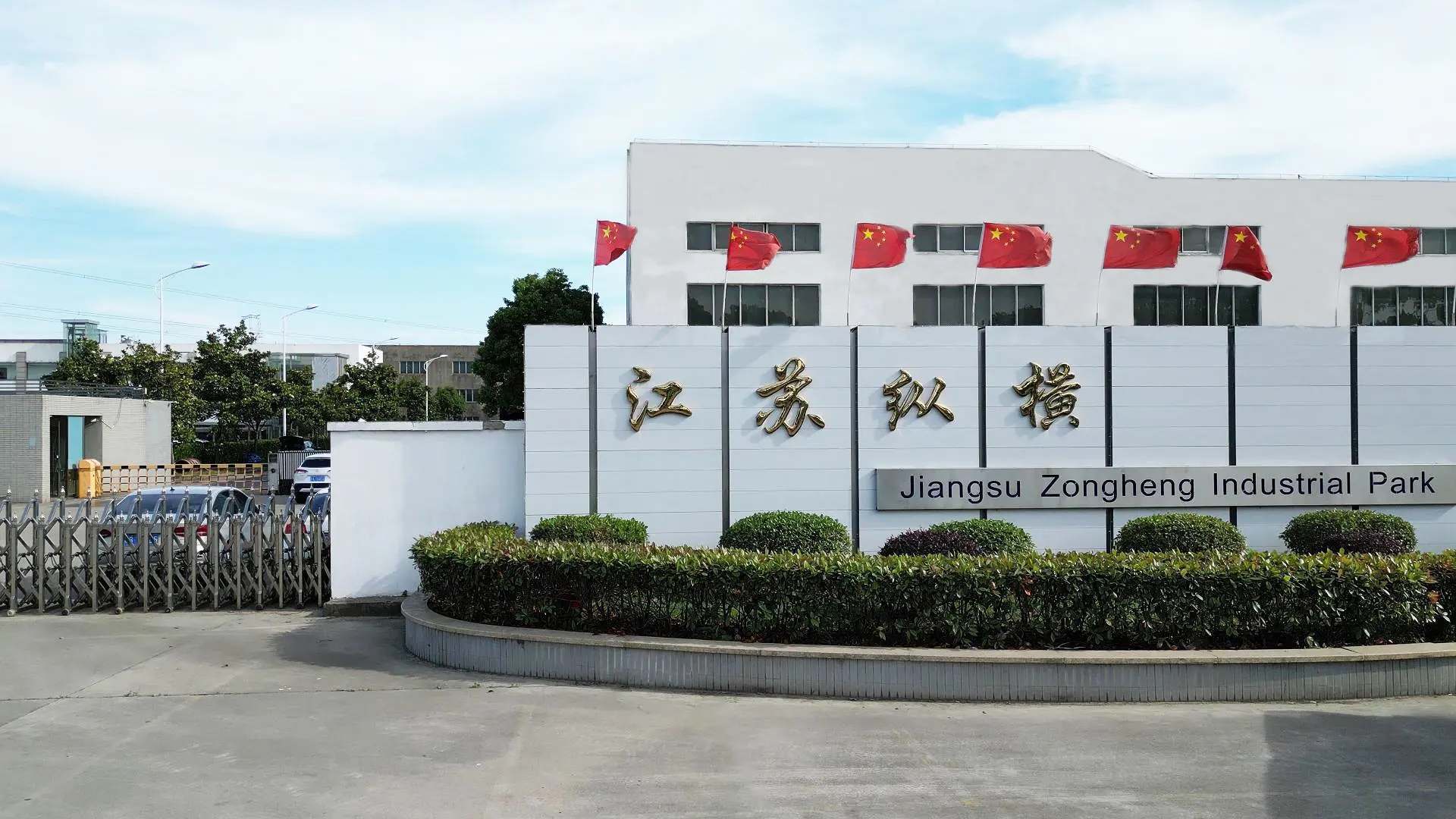
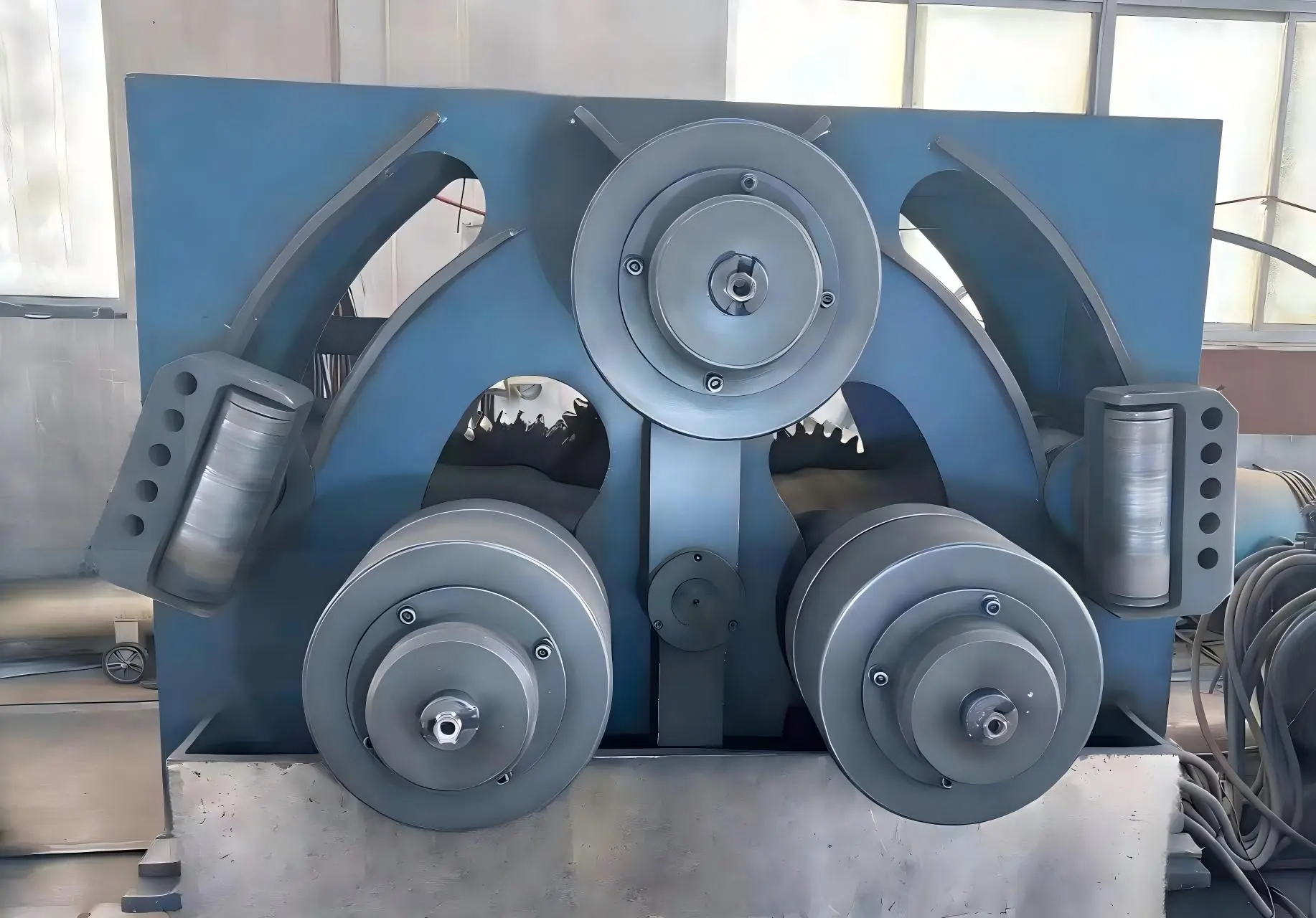
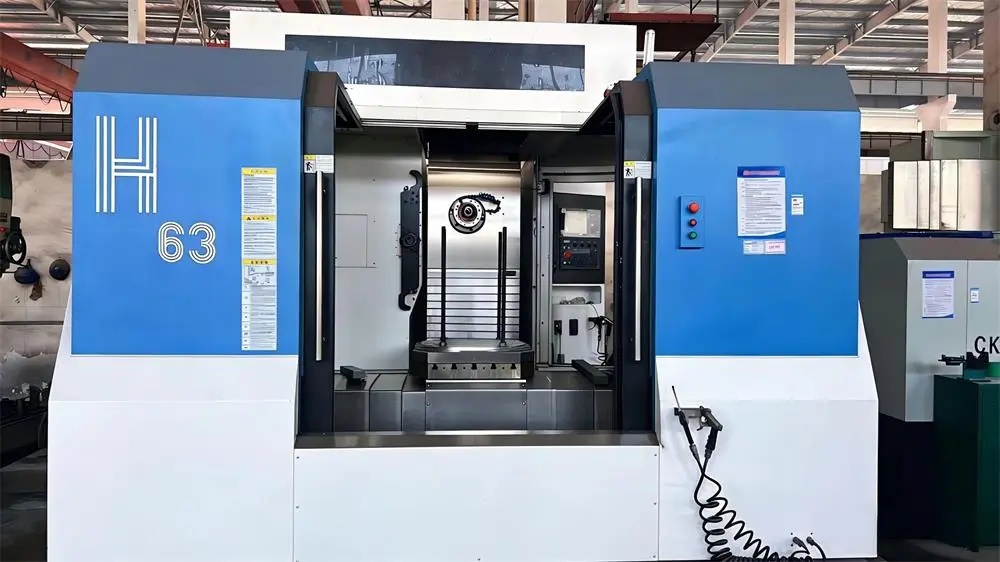
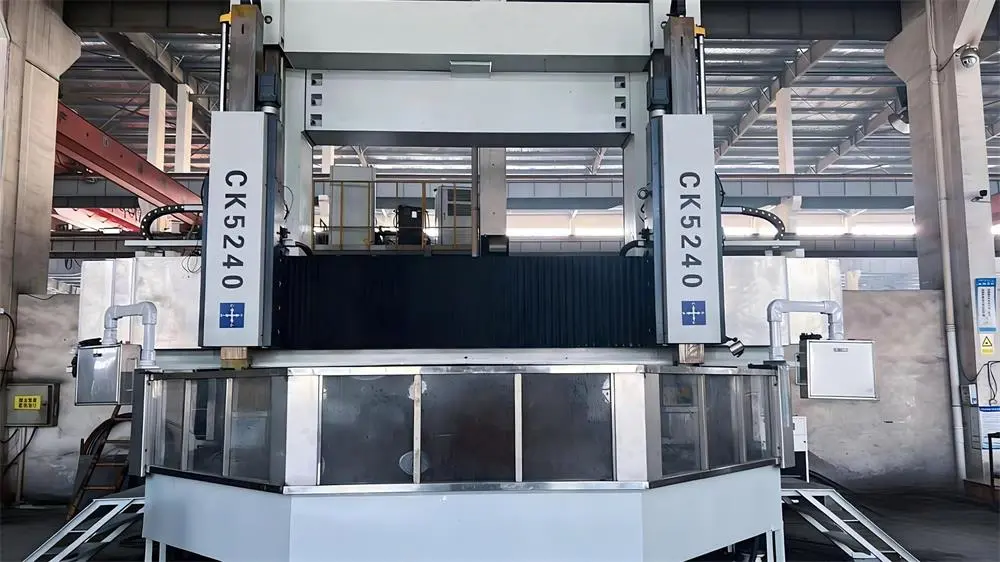
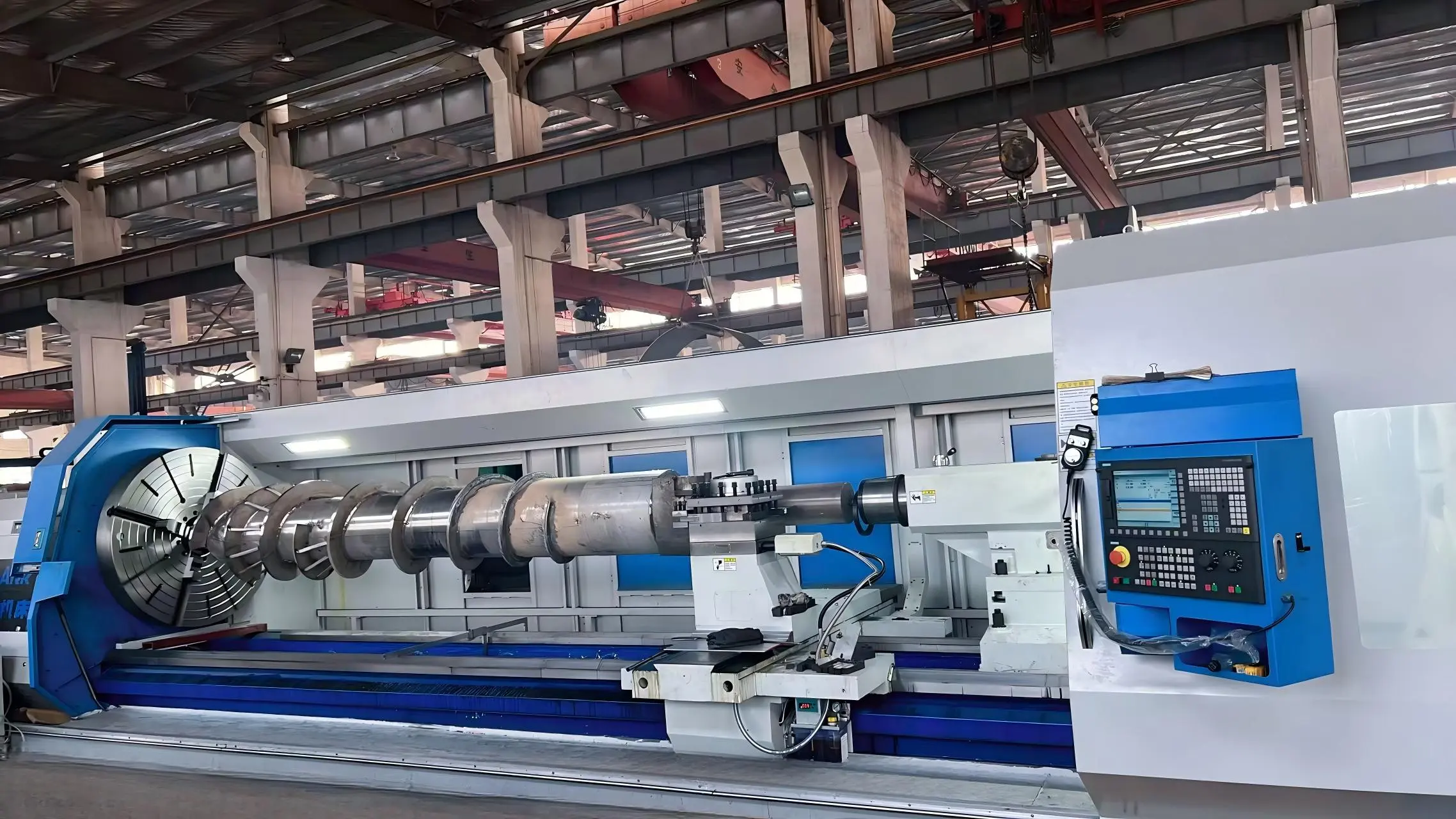
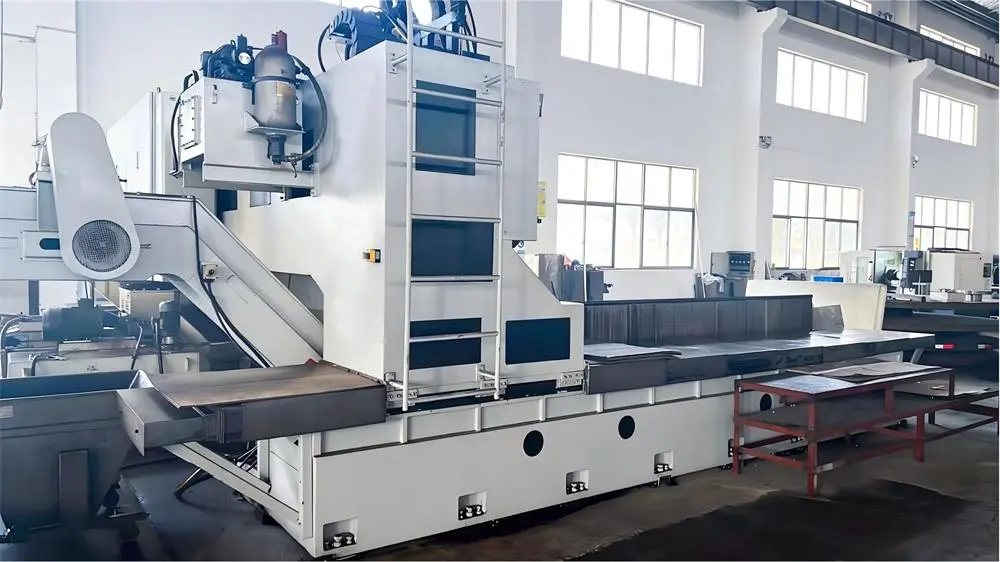
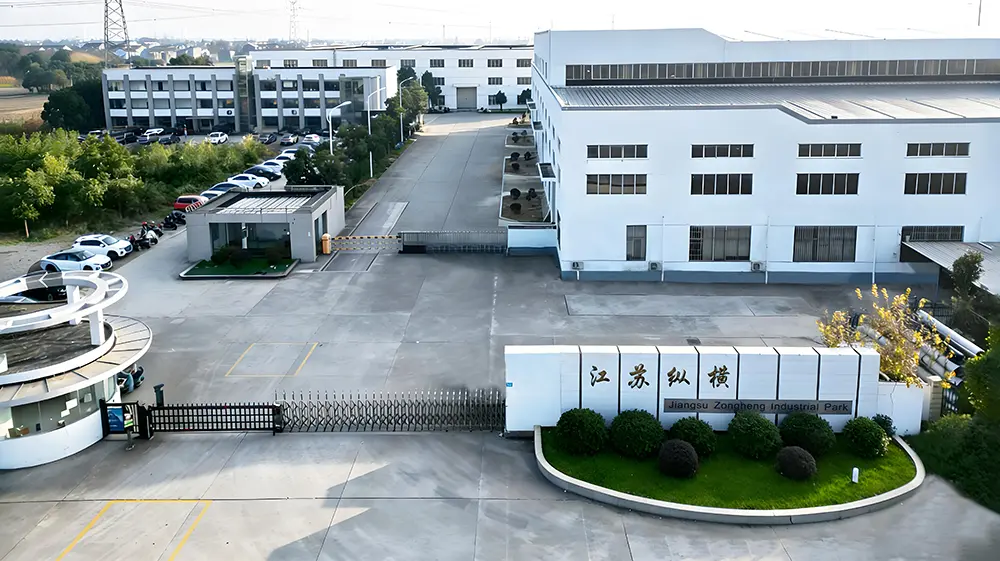
Our 54,000-square-meter facility features automated plate welding stations, CNC plasma cutting tables, and large-scale machining centers. This dedicated space allows us to fabricate pressure vessels to exact tolerances, reducing delivery times compared to regional fabricators.
RO reject water requires high-grade metallurgy to withstand hot, chloride-rich conditions. Jiangsu Zongheng has experience fabricating with Duplex Stainless Steels (2205, 2507), Titanium Gr. 2, and Hastelloy alloys, using clean-room welding areas to prevent cross-contamination.
We hold the ASME "U" Stamp authorization and the Special Equipment Manufacturing License of China (TS2232C42) for Class III medium and low-pressure vessels. Our systems comply with international quality assurance codes and can be inspected by third parties like SGS, TÜV, or Lloyd's.
A solid foundation built over three decades of engineering, manufacturing, and design excellence.
Our evaporation and drying systems are designed to handle complex reject water treatment and concentration tasks across diverse industries:
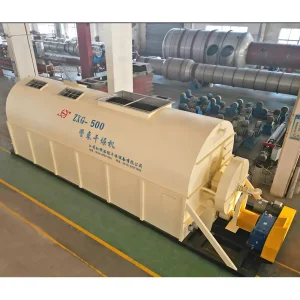
In wet corn milling and starch production, our evaporators concentrate corn steep liquor and waste streams, while our cyclones wash and refine starch. Combining evaporation with ZXG Tube Bundle Dryers allows plants to recover dry feed co-products, closing the process loop.
In grain-to-ethanol plants, we concentrate thin stillage into syrup, which is blended with wet grains and dried using airflow or tube dryers to produce Distillers Dried Grains with Solubles (DDGS).
Pharma and chemical wastewater contains mixed inorganic salts and organic compounds. We design forced-circulation crystallizers that separate these salts, producing clean distillate for plant reuse and solid crystals for disposal.
From a local machinery factory in 1992 to an ASME-certified manufacturer of thermal equipment.
Established as Yixing Yangxi Light Industrial Machinery Factory in Zhoutie Town, Yixing City. The original plant covered 15 mu and employed 45 staff members, focusing on basic process equipment for the light food sector.
Obtained ISO9001 quality management system certification, establishing a structured quality control workflow for pressure vessel fabrication.
Recognized as a High-Tech Enterprise in Jiangsu Province, following investments in design software and welding automation for evaporation plants.
Acquired the Special Equipment Manufacturing License of the People's Republic of China (License No.: TS2232C42), authorizing the fabrication of Class III low and medium-pressure boilers and vessels.
Obtained ASME "U" Stamp certification, aligning our design and welding procedures with North American pressure vessel standards and expanding our export market.
Achieved international quality system certification (Certificate No.: 45021), expanding exports of large falling film and MVR evaporators globally.
Our facility expanded to over 54,000 square meters, featuring a 22,000-square-meter workshop. Led by 3 senior engineers and 20+ specialized engineers, our team of 120 builds industrial evaporative systems for global markets.
Common technical questions regarding RO reject concentration and thermal evaporative systems.
Specialized thermal concentration and solid-liquid separation equipment for modern process plants.
Consult our engineering team to design a custom evaporator system that matches your stream profile and energy requirements.
Contact Our Engineers Zongheng