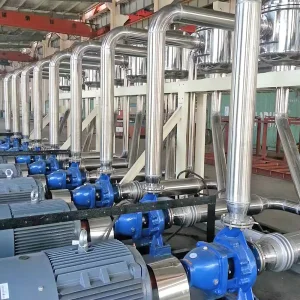
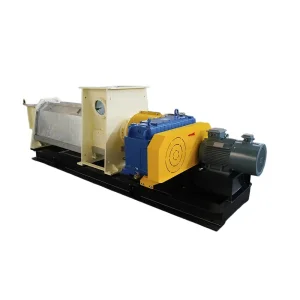
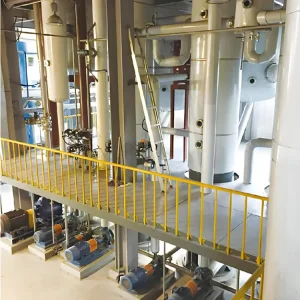
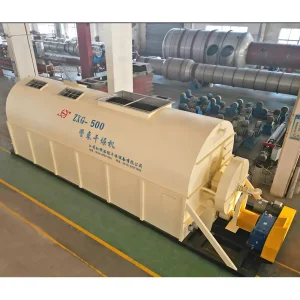
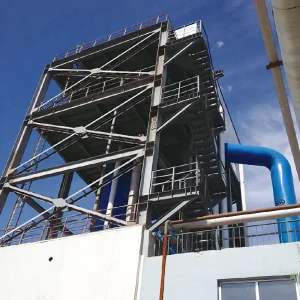
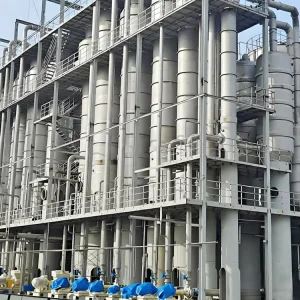
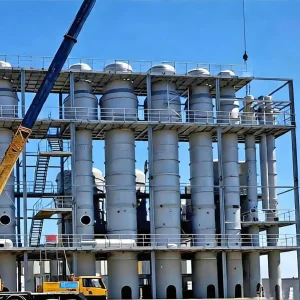
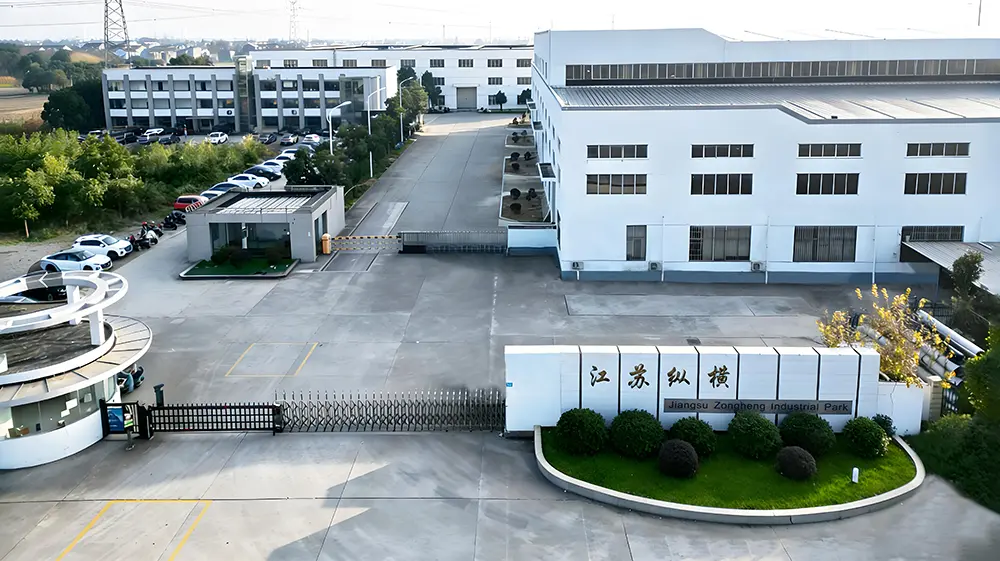
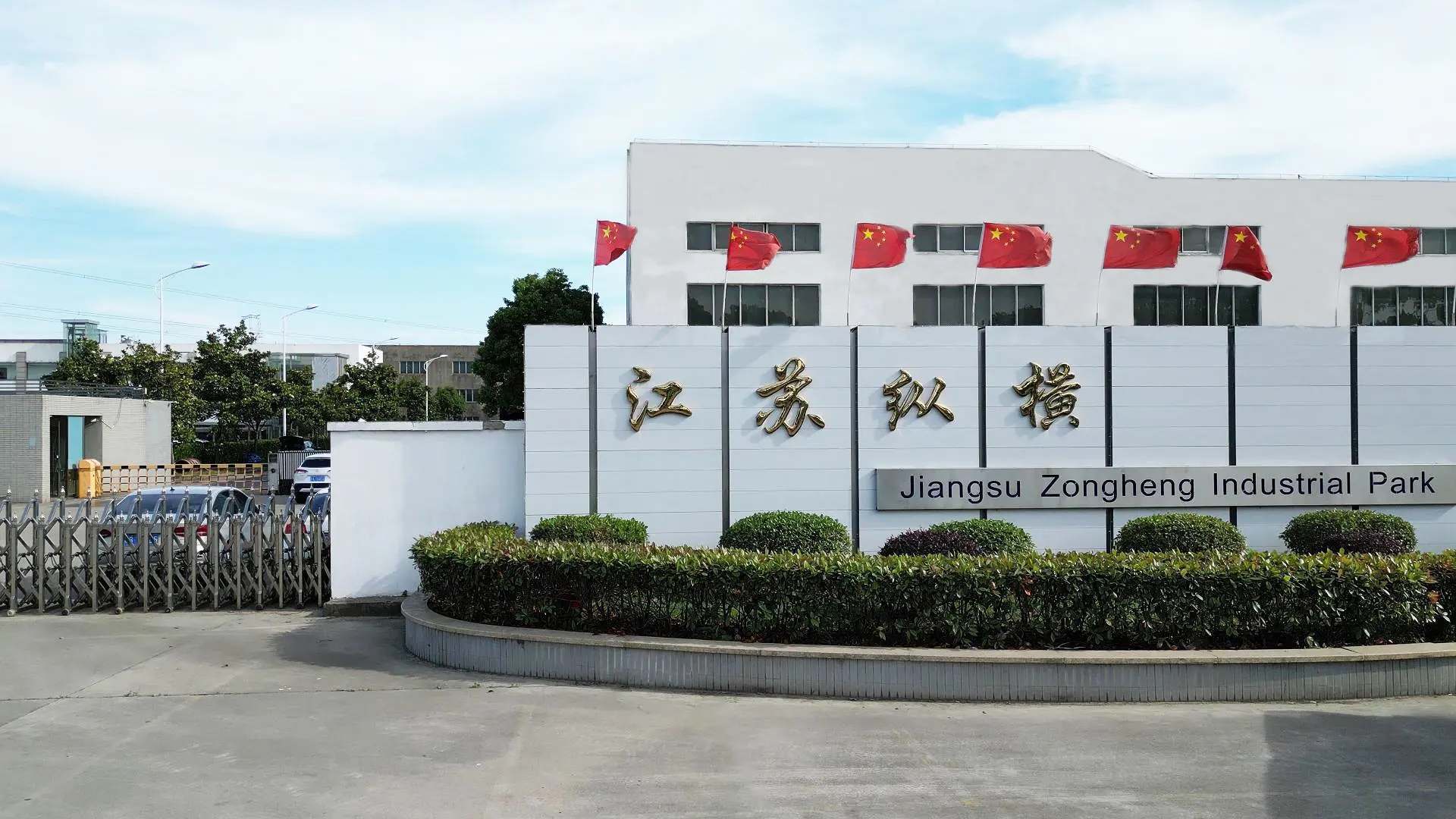
Jiangsu Zongheng Concentrating and Drying Equipment Co., Ltd (formerly Yixing Yangxi Light Industry Machinery Factory), established in 1992, is situated on the shores of Taihu Lake. As a member of the China Starch and Alcohol Association, we have pioneered the localized design and manufacturing of thermodynamic separation plants. Our modern facility stretches over 54,000 square meters, incorporating a 22,000 square meter high-tech processing hall dedicated to manufacturing medium & low-pressure vessels, complex falling film systems, and chemical process plant integrations.
In the wake of global decarbonization targets and strict Environmental, Social, and Governance (ESG) guidelines, thermal separation technologies like MVR (Mechanical Vapor Recompression) and TVR (Thermal Vapor Recompression) have transformed from basic processing units into critical pathways for energy optimization. By reducing carbon emissions and minimizing secondary waste generation, these systems represent the state-of-the-art in clean industrial design.
Jiangsu Zongheng delivers end-to-end design architectures. Our systems minimize specific energy consumption (SEC) in high-capacity liquid concentration operations, making them ideal for heavy industrial application in municipal, chemical, starch refining, and bio-fermentation sectors.
| System Type | Primary Energy Source | Specific Steam Consumption (per ton evaporation) | Electrical Input Requirements | OPEX Profile | Ideal Application Scenario |
|---|---|---|---|---|---|
| MVR (Mechanical Vapor Recompression) | Electricity (via Turbo Compressor / Fan) | Minimal (only for system startup/stabilization) | 15 - 28 kWh/t | Highly Economical (Low OPEX) | Continuous production, electricity-dominant areas, heat-sensitive organics. |
| TVR (Thermal Vapor Recompression) | Motive Steam (medium-to-high pressure) | 0.15 - 0.25 t/t | Minimal (pumps only) | Balanced / Mid-Range | Plants with existing steam supply networks or fluctuating processing volumes. |
| MEE (Multi-Effect Evaporators) | Thermal Steam (low pressure) | 0.20 - 0.45 t/t (varies by effects) | Minimal (pumps only) | High OPEX | Small-scale systems, high-fouling solutions, complex chemical mixtures. |
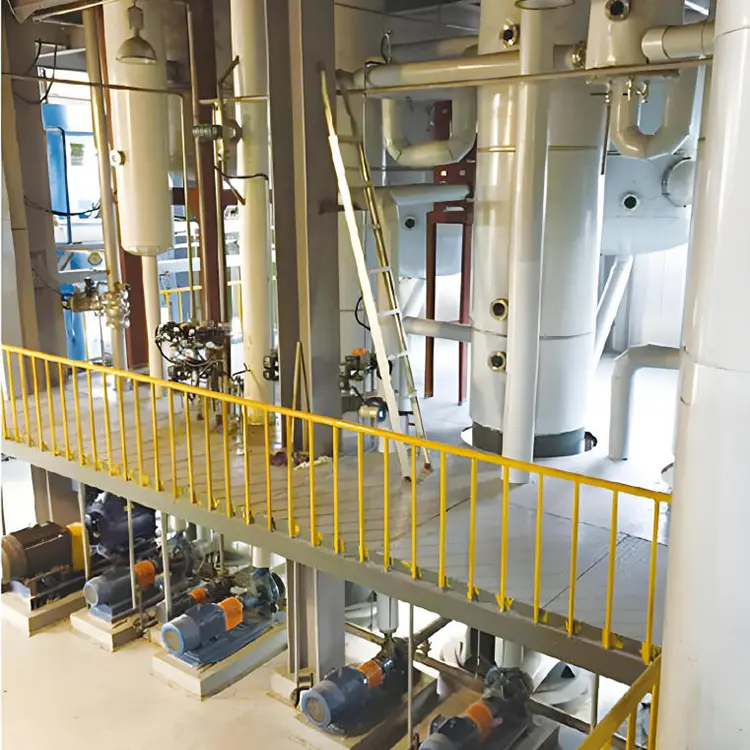
Designed specifically to concentrate heat-sensitive fluids, our falling film systems utilize state-of-the-art liquid distributors to ensure uniform film distribution down the inside surfaces of the heated vertical tubes. Under gravity, the film descends, evaporating partially. The vapor flows co-currently, enhancing thin-film shearing. This guarantees extremely short residence times, preserving molecular properties and preventing thermal degradation.
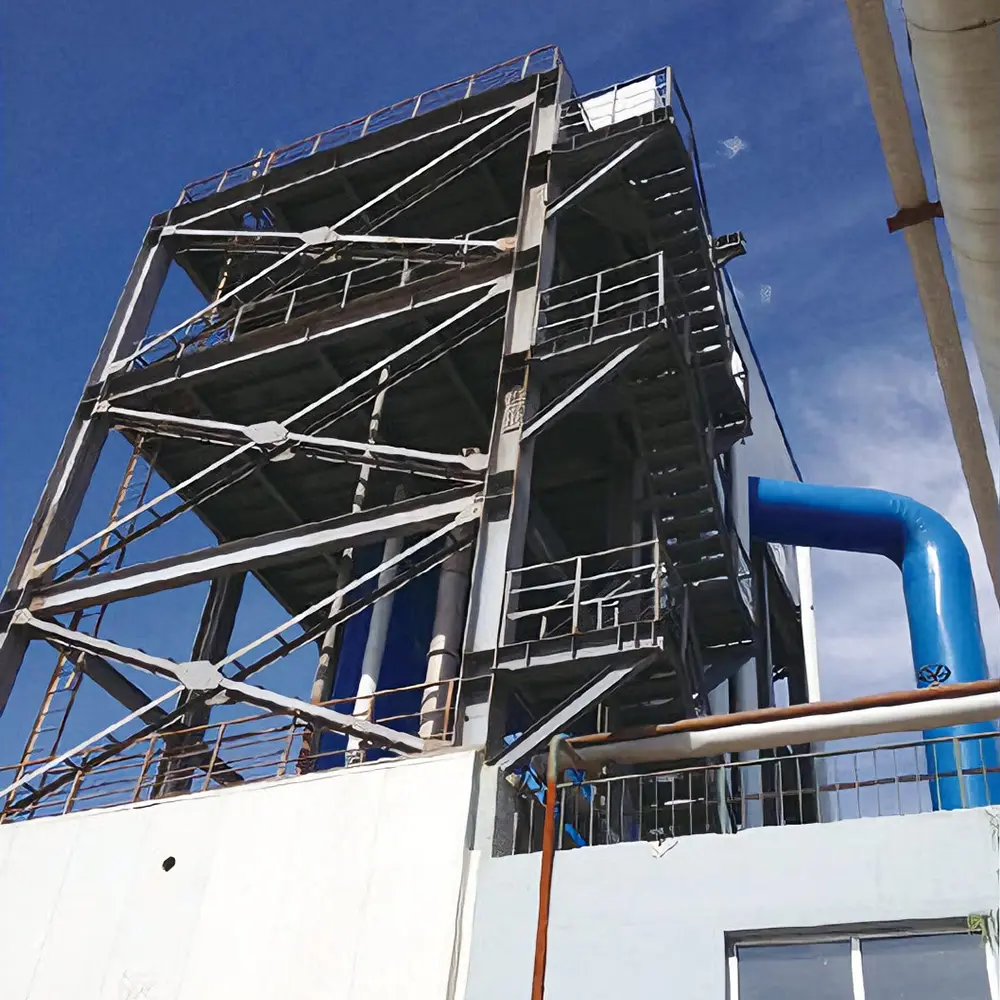
Our MVR evaporators harness the latent heat of secondary vapor that would otherwise go to waste in cooling towers. By using a high-efficiency centrifugal fan or mechanical turbo blower, we compress the vapor, raising its temperature, pressure, and enthalpy. This compressed vapor is fed back as the heating medium. This eliminates the need for fresh steam, reducing energy consumption up to 90% compared to single-effect evaporators.
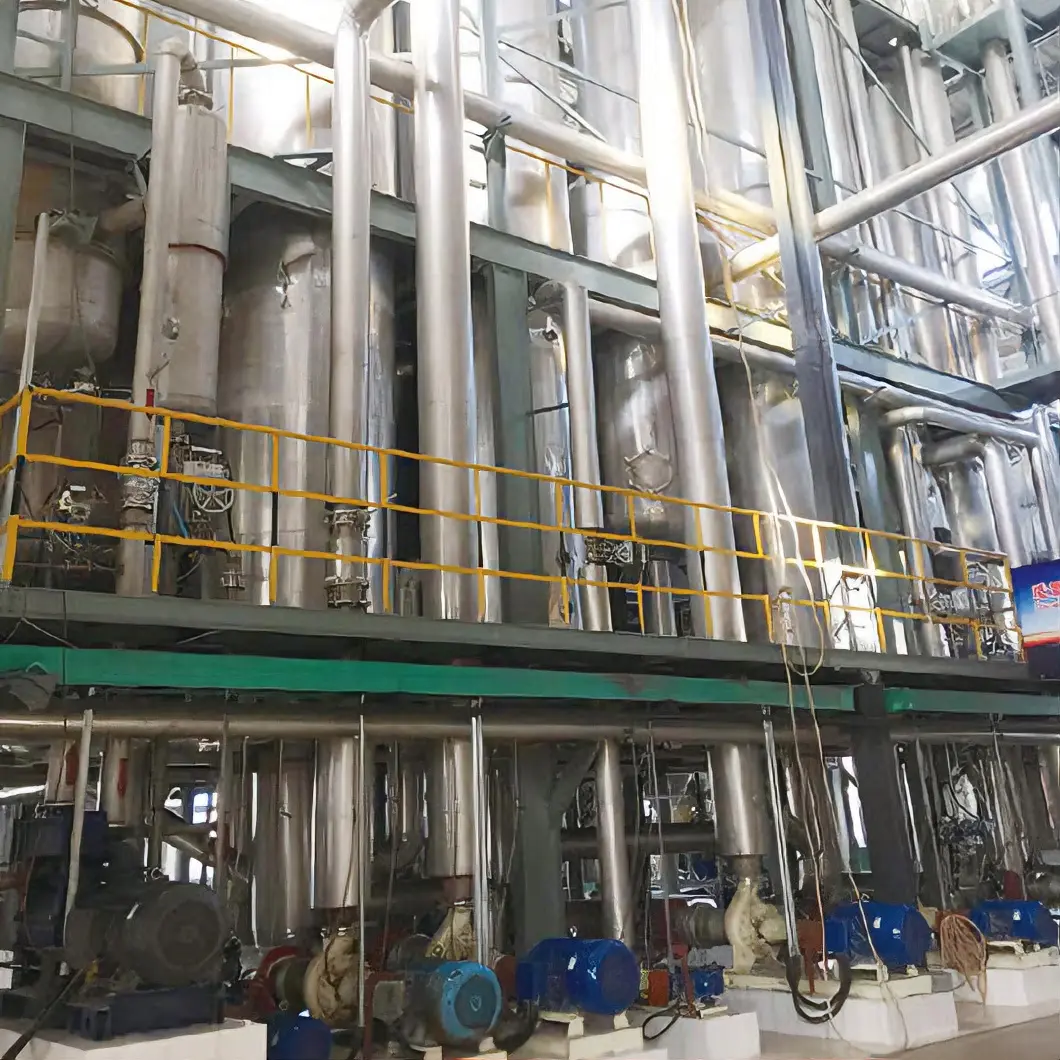
For highly viscous liquids, high boiling point elevations, or crystallization applications prone to scaling, our forced circulation evaporators are the premier solution. High-flow axial pumps circulate the liquid rapidly through the heat exchanger tubes, maintaining high fluid velocity. This suppresses boiling within the tube bundle, shifting vaporization to the separation vessel to eliminate scaling and fouling.
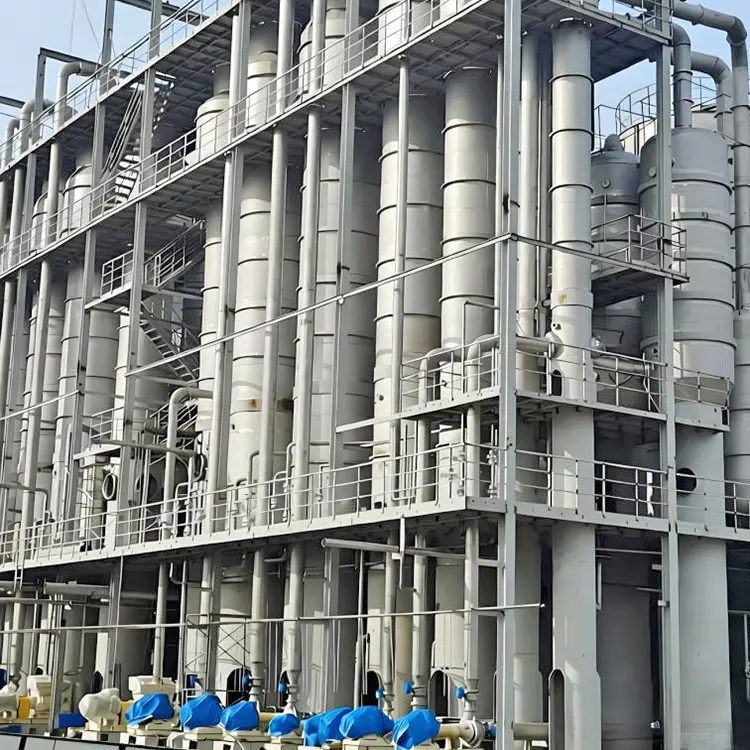
This design integrates multiple industrial waste heat sources, such as drying exhaust vapors, stack gasses, condensate streams, or flash vapors. By utilizing custom-engineered preheaters and thermal recovery stages, we convert low-grade waste energy into a driving force for evaporation, drastically lowering operational carbon footprints.
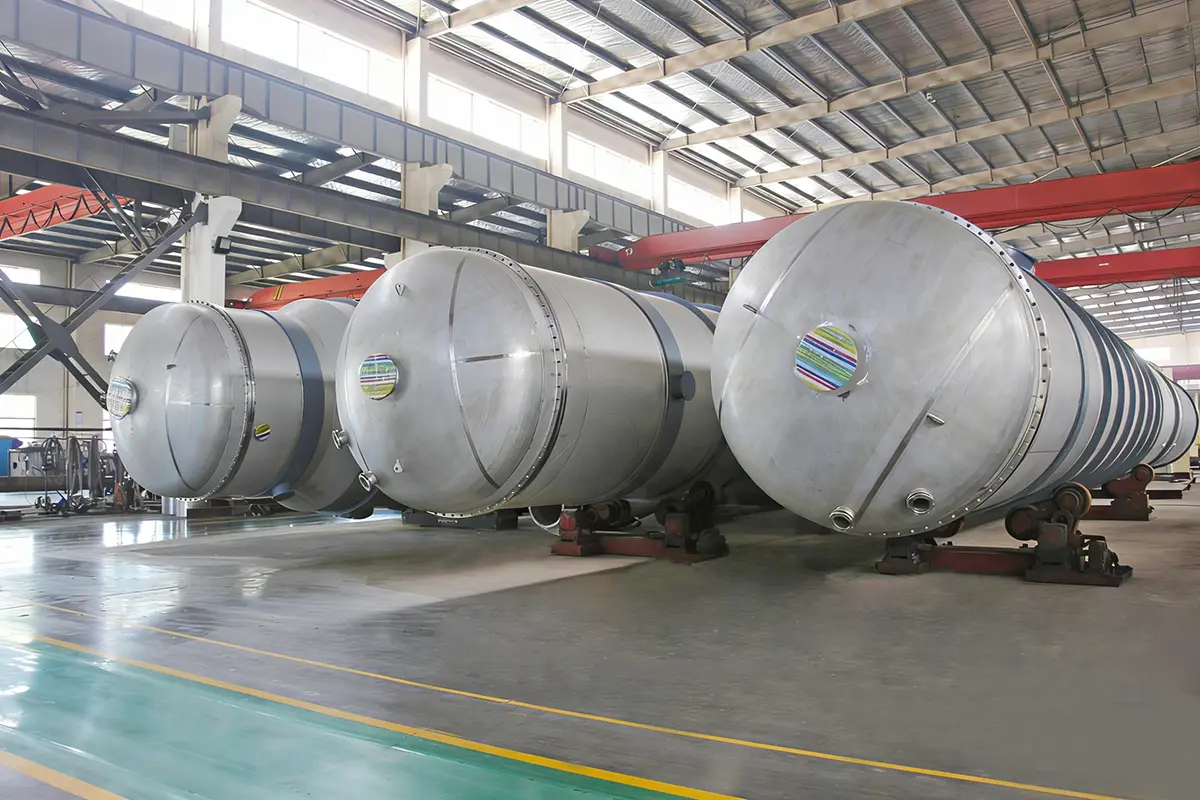
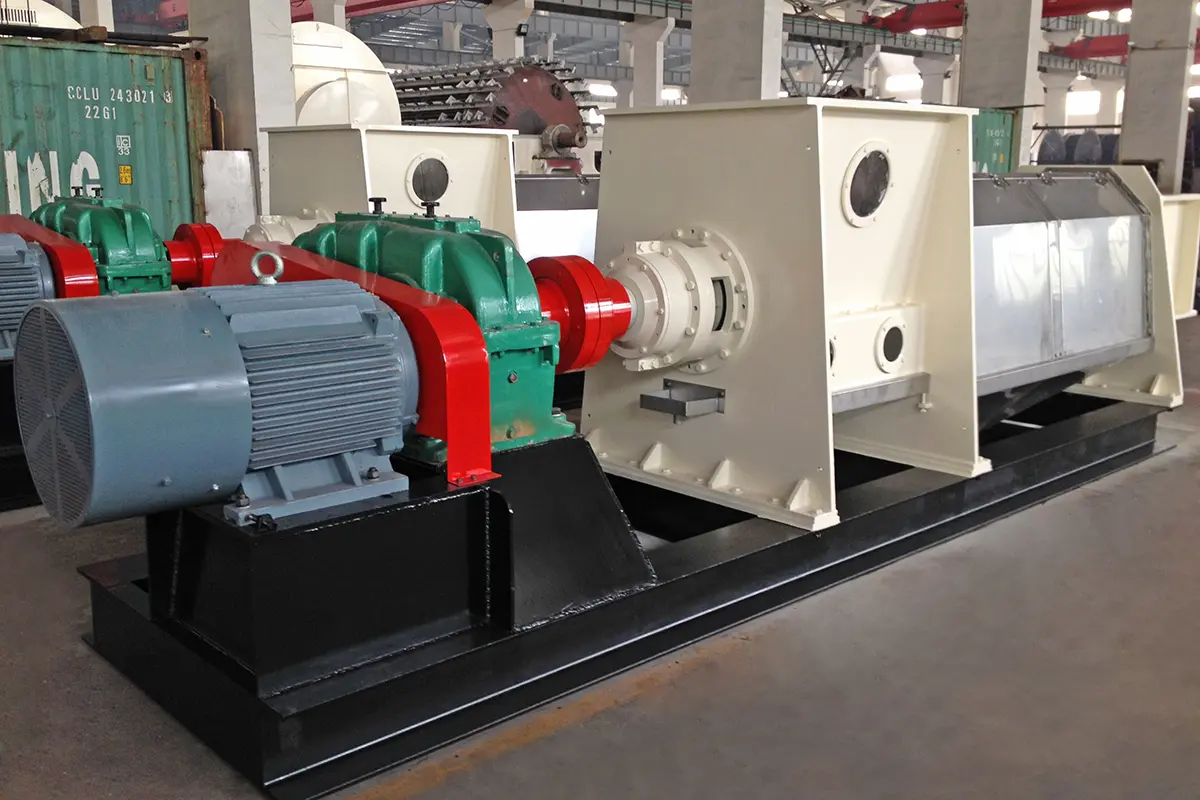
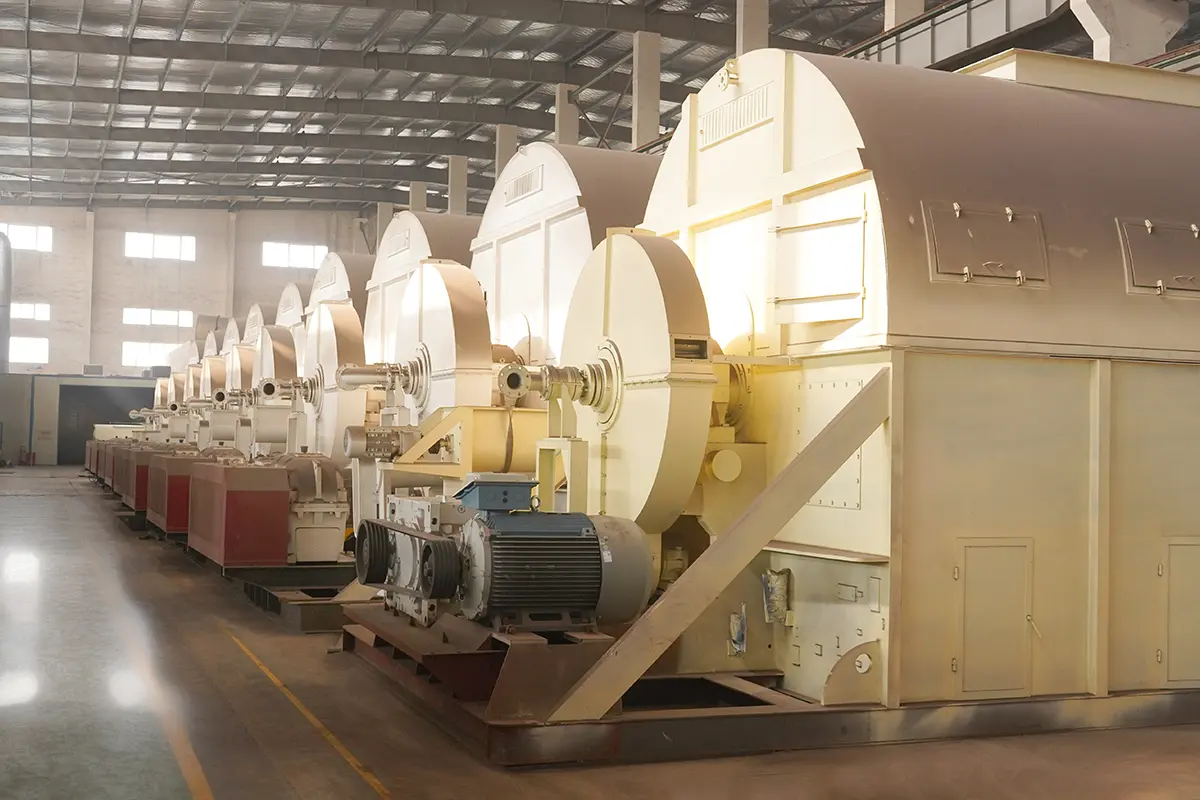
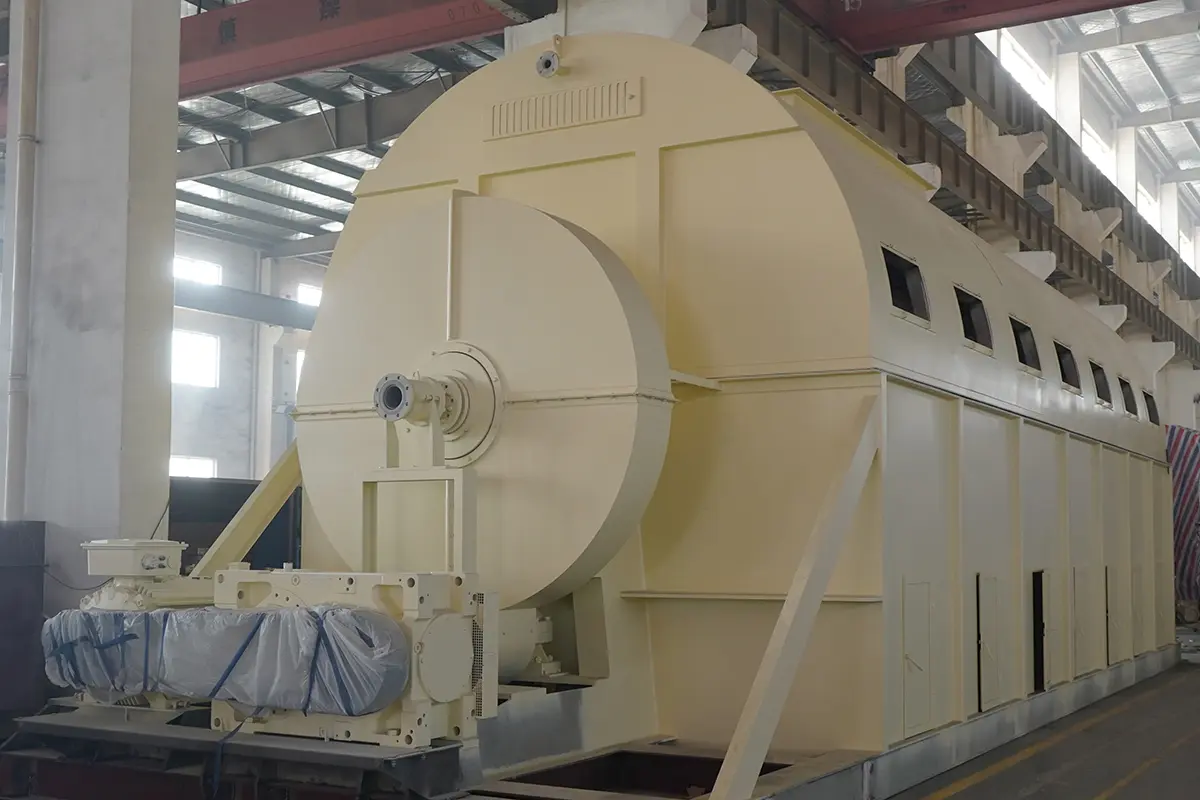
1. Corn Wet Milling & Starch Refining: In corn wet milling operations, our starch washing cyclones and falling film evaporators concentrate steepwater (CSL - Corn Steep Liquor) to extract highly valuable soluble proteins. Working in tandem with our energy-efficient single screw presses and tube bundle dryers, this system guarantees optimal dewatering and drying of fiber, germ, and gluten.
2. Bio-Ethanol & Distillery DDGS: The Distiller’s Dried Grains with Solubles (DDGS) manufacturing process demands intense drying and thermal concentration. Our multi-effect waste-heat integration systems recycle flash vapor from the beer column, feeding it to the tube bundle dryer. This reduces utility steam demand by up to 35%.
3. Zero Liquid Discharge (ZLD) in Chemical Wastewater: Treating high-salinity wastewater from chemical, pharmaceutical, and petrochemical processes requires robust systems. Jiangsu Zongheng's hybrid MVR forced-circulation crystallizers treat effluent streams to extract high-purity crystalline salts (sodium chloride, sodium sulfate), returning purified condensate back to industrial loops.
Jiangsu Zongheng operates across a total area of 54,000 square meters, featuring modern workshops exceeding 22,000 square meters. The company employs 3 senior engineers, 20+ engineers, and a total staff of 120 specialists.
Attained international quality system certification (Certificate No.: 45021), establishing a complete quality assurance program aligned with strict global standards for thermal plant engineering.
Acquired the prestigious ASME "U" Stamp authorization, marking our entry into designing and manufacturing pressure vessels for European and North American industrial projects.
Obtained the official Special Equipment Manufacturing License of the People's Republic of China (License No.: TS2232C42) for fabricating high-integrity industrial equipment.
Accredited as a Jiangsu Provincial High-Tech Enterprise due to our breakthroughs in mechanical vapor compression design and thermal efficiency patents.
Pioneered regional quality benchmarks by obtaining our first ISO9001 certification, standardizing manufacturing workflows for concentration and drying plants.
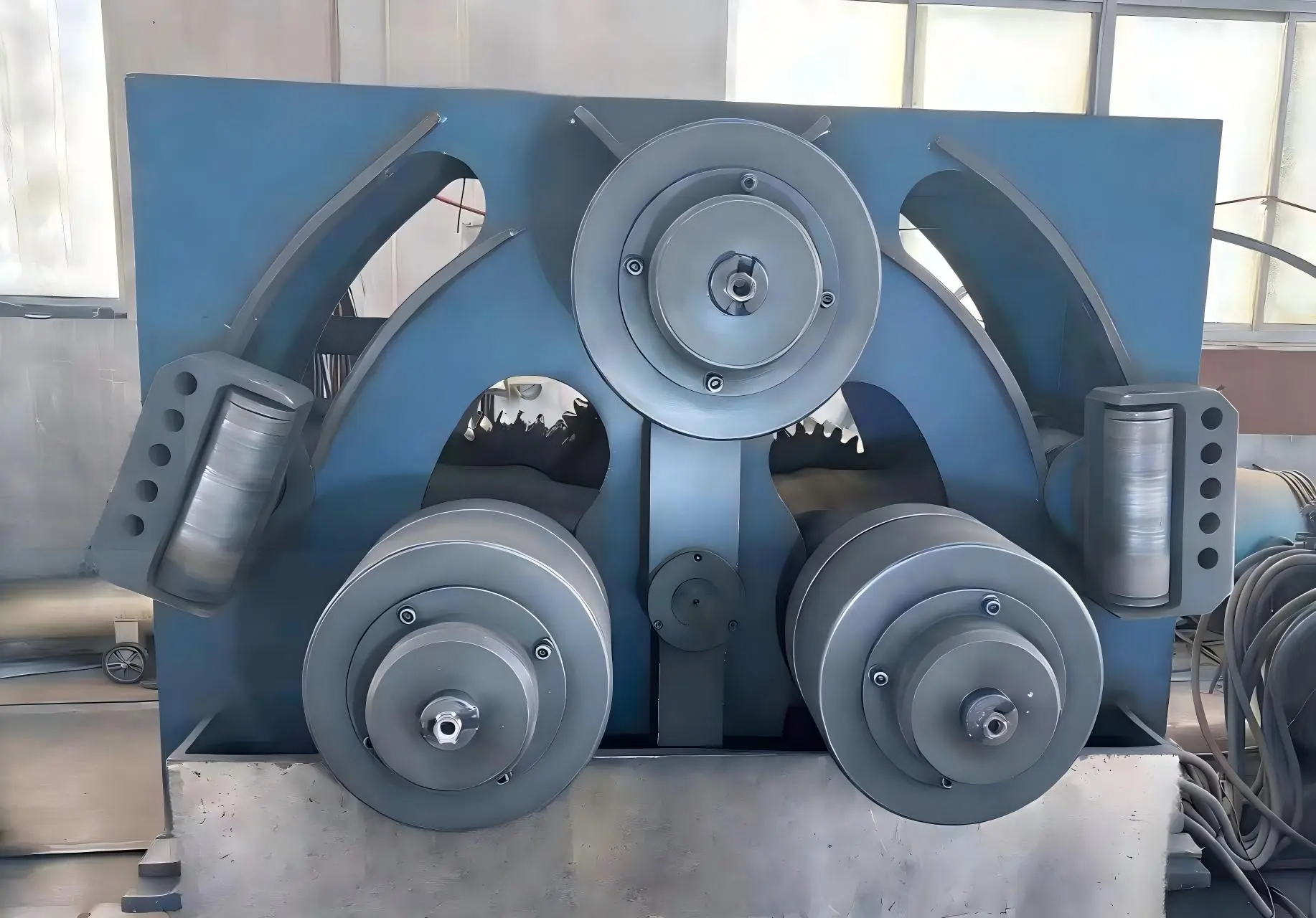
Established as Yixing Yangxi Light Industrial Machinery Factory, covering a modest 15 mu area with 45 employees, focusing on light industry evaporators.

Navigating varying code compliance standards is crucial for global thermal separation project rollouts. Jiangsu Zongheng ensures that every system built satisfies local regulatory protocols:
We provide localized engineering support, covering site supervision, commissioning assistance, and secure remote terminal units (RTUs) for virtual diagnosis. Our global clients receive prompt technical assistance to maximize uptime and efficiency.
As industrial demands shift toward complete decarbonization, the engineering design of thermal separation processes must evolve. Jiangsu Zongheng is developing next-generation technologies to meet these challenges:
Integrating cloud-linked PLC controls with predictive load algorithms dynamically regulates compressor fan speeds, mitigating surges and boosting efficiency under variable feed conditions.
We are testing specialized super-hydrophobic and anti-fouling micro-textures for heat exchanger plates and tubes. This prolongs continuous runtimes in protein and fiber-rich environments, reducing cleaning cycles.
Engineering complex combination plants that merge TVR stages with MVR systems. This approach utilizes low-grade waste steam alongside high-efficiency mechanical recompression for optimal results.
Get in touch with our design engineers for a custom-engineered thermal solution tailored to your operational parameters.
Request a QuoteLearn more about our facilities, engineering capabilities, and how we can support your business globally.
View Details Zongheng